

The Australian Cattle Dog
| Size | Medium |
| Weight | Females: 16-20 kgs, Males: 17-23 kgs |
| Breed Group | Group 5 - Working Dogs |
| Exercise Requirements | Very High |
| Grooming Requirements | Low |
| Life Span | 12-16 years |
| Characteristics | Intelligent, Loyal, Energetic, Protective |
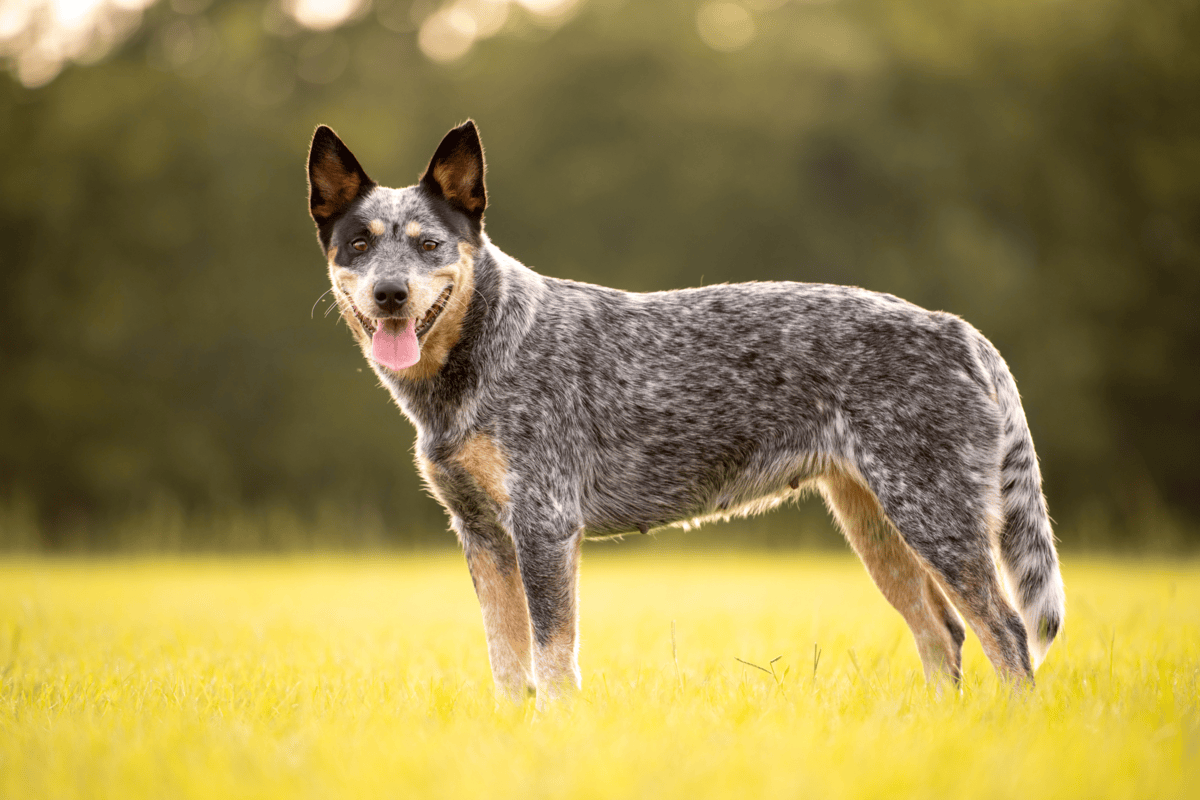
The Australian Cattle Dog, often called the “Cattle Dog” or simply “Blue Heeler” or “Red Heeler,” is a hardworking and brilliant breed known for its loyalty and endurance. Originally bred to drive cattle over vast and rugged Australian landscapes, this energetic dog thrives on physical activity and mental stimulation.
Bred for resilience, agility, and intelligence, these dogs played a major role in Australia's cattle industry, helping farmers control large herds over difficult terrain. With their problem-solving skills and strong work ethic, they’re not just exceptional herding dogs—they also make devoted and protective companions for active families.
Today, Australian Cattle Dogs continue to excel in herding, obedience, agility and even search-and-rescue. They’re fiercely loyal to their owners, highly trainable, and always ready for action. With the right training and exercise, they can be wonderful pets for those who appreciate their boundless energy and intelligence.
Australian Cattle Dog Appearance
Australian Cattle Dogs are easy to recognise with their strong, athletic build, striking coat colours, and keen, alert expression.
Size:
The Australian Cattle Dog is a medium-sized, muscular dog built for endurance and agility. Males typically stand between 46-51 cm at the shoulder, while females range from 43-48 cm. Their compact frame allows them to move efficiently, combining strength and speed to excel in herding and other high-energy activities.
Coat:
Their short, dense, weather-resistant coat protects in harsh conditions with minimal grooming needs. The breed’s distinctive blue or red-speckled colouration often features tan markings on the face, chest, and legs. Some dogs have a mask-like pattern, adding to their unique and striking appearance.
Distinctive Features:
Australian Cattle Dogs have dark brown, oval-shaped eyes that reflect their intelligence and focus. Their pricked ears give them an alert, ready-for-action look, while their broad skull and strong jaw reinforce their robust, capable nature.
Elegance and Agility:
These dogs are built for endurance and speed, with a smooth, purposeful gait that allows them to cover long distances effortlessly. Their quick reflexes and sharp instincts make them exceptional at herding, while their high energy and agility ensure they excel in various dog sports and working roles.
Australian Cattle Dog History
The history of the Australian Cattle Dog is a testament to purposeful breeding and adaptation, shaped by the challenges of the Australian outback and the demands of cattle farming.
- Origins in Australia
In the 19th century, British settlers needed a resilient herding dog capable of managing cattle over vast, rugged terrain. Traditional British breeds struggled in Australia's harsh climate, leading to the development of a tougher, more adaptable working dog. - Breed Development
Early breeders crossed the Smithfield dog with the Dingo, resulting in a more adaptable and resilient herding breed. Later, Dalmatian, Kelpie, and Bull Terrier influence further refined the breed’s working ability. - Recognition and Popularity
By the early 20th century, the Australian Cattle Dog was recognised as an essential farm worker. Farmers valued their work ethic, intelligence, and protective nature. Today, they excel in herding, obedience, agility, and search-and-rescue, proving their versatility beyond cattle work. - Australian Cattle Dogs Today
As an Australian-developed breed, they remain widely used on farms and thrive in competitive dog sports and active homes. Their strong instincts, loyalty, and high energy make them exceptional working dogs and devoted companions.
Find Registered ACD Breeders or ACD Puppies for Sale
Australian Cattle Dog Personality
Australian Cattle Dogs are known for their intelligence, energy, and unwavering loyalty. They are highly trainable and deeply devoted to their owners, making them excellent working dogs and companions for active households. However, their strong herding instincts and high energy levels require dedicated training and engagement.
General Traits:
- Highly Intelligent and Trainable: They excel in obedience, agility, and herding, thriving on mental and physical challenges.
- Loyal and Protective: Strongly bonded to their owners, they are devoted and naturally wary of strangers, making them reliable watchdogs.
- Energetic and Hardworking: Their high stamina and strong work ethic mean they need plenty of activity to stay happy and well-behaved.
Watchdog Tendencies:
- Alert and Observant: They are naturally vigilant, and always aware of their surroundings.
- Protective but Not Aggressive: They will sound the alarm if they sense a threat but are not typically aggressive.
- Territorial Awareness: They will bark to notify their owners of any unusual activity, but excessive barking is not typical unless they are bored or under-stimulated.
Trainability
- Highly Responsive: Their intelligence and eagerness to learn make them fast learners with the right guidance.
- Require Mental Stimulation: Without consistent training, they may become bored and destructive.
- Positive Reinforcement is Best: They respond well to rewards and consistency—harsh training methods can lead to stubbornness or anxiety.
Love of Activity and Engagement
- Thrive on Engagement: They love being involved in family life and outdoor activities.
- Need a Job to Do: Without a task, they may create their own, which can lead to mischief.
- Not Suited to Long Periods Alone: Without stimulation and companionship, they may develop undesirable behaviours.
Australian Cattle Dog as Family Pets
Australian Cattle Dogs make wonderful family pets for those who can meet their exercise and training needs. They thrive in active households and bond deeply with their families.
Good with Kids? Yes, with Supervision!
- Loyal and Playful: They love interactive play and can form strong bonds with children.
- Require Socialisation: Early training helps them interact calmly and gently with kids and other pets.
- High Energy: Their herding instincts may cause them to nip or chase, so supervision is recommended.
- Australian Cattle Dog Health & Care
Common Health Concerns:
Australian Cattle Dogs are generally robust and healthy, but they are prone to several inherited and lifestyle-related conditions. Responsible breeding, proper care, and regular veterinary checkups can help minimise health risks and ensure a long, active life.
- Hip and Elbow Dysplasia
A genetic condition where the hip or elbow joints develop abnormally, leading to pain, stiffness, and arthritis over time. It can limit mobility, especially in older dogs. Maintaining a healthy weight, providing joint supplements, and regular low-impact exercise can help manage symptoms. - Progressive Retinal Atrophy (PRA)
A hereditary eye disorder that leads to gradual vision loss and, eventually, blindness. While there is no cure, early diagnosis through veterinary eye exams can help manage adjustments to their lifestyle. Dogs with PRA adapt well to their surroundings if changes are made gradually. - Congenital Deafness
Australian Cattle Dogs, particularly those with predominantly white markings, are at a higher risk of being born deaf in one or both ears. BAER (Brainstem Auditory Evoked Response) testing can confirm hearing ability. Deaf dogs can still live full, happy lives with training using hand signals and environmental adjustments. - Obesity
Due to their high energy levels, Australian Cattle Dogs need ample exercise and a controlled diet to prevent weight gain. Excess weight can worsen joint issues and reduce mobility. Owners should measure portions, avoid excessive treats, and ensure daily physical activity to keep their dogs fit. - Hereditary Neuropathy
While neurological conditions are rare in Australian Cattle Dogs, some may develop inherited nerve disorders that can affect mobility and coordination. Responsible breeding reduces the risk.
Care and Maintenance:
Australian Cattle Dogs have low maintenance in grooming but high maintenance in exercise and mental stimulation. Their care routine should focus on keeping them physically fit and mentally engaged.
- Coat Care: They have a short, dense, weather-resistant coat that sheds year-round, with heavier shedding in seasonal changes. Weekly brushing helps remove loose fur and dirt, and an occasional bath keeps their coat clean. Their coat is naturally low-odour and self-cleaning.
Exercise Needs: This is a high-energy working breed that requires at least 1-2 hours of exercise daily. They thrive on running, hiking, herding, agility courses, or structured games. Without enough activity, they - may develop destructive behaviours, excessive barking, or restlessness.
- Diet and Nutrition: A high-protein diet supports their muscle tone, stamina, and overall health. Portion control is important to prevent obesity. High-quality kibble, raw diets, or vet-approved home-cooked meals can work well depending on their needs.
- Dental Care: Prone to plaque buildup and gum disease, regular tooth brushing, dental chews, and vet cleanings are essential to prevent oral health issues.
- Routine Veterinary Care: Regular vet check-ups, vaccinations, and screenings for genetic conditions help maintain long-term health. Early detection of joint issues, vision problems, and age-related concerns improves management and overall well-being.
Find Registered ACD Breeders or ACD Puppies for Sale
Caring for your Australian Cattle Dog
Providing excellent care for your Australian Cattle Dog means meeting their physical, mental, and emotional needs. With proper exercise, nutrition, and routine health care, your Cattle Dog will thrive as a loyal and energetic companion.
Regular Vet Visits
Routine veterinary check-ups are essential for monitoring their health and detecting any issues early. Annual exams, vaccinations, parasite control, and dental check-ups keep your dog in top condition and help prevent long-term health problems.
Nutritious Diet
A high-quality, protein-rich diet supports their energy levels, muscle development, and joint health. Proper portion control is vital, as excess weight can lead to joint strain and reduced mobility. Consult your vet for diet recommendations based on age, activity level, and health needs.
Exercise for Body and Mind
Australian Cattle Dogs are high-energy working dogs that require at least 1-2 hours of exercise daily. Activities like long walks, running, fetch, and agility training help maintain their fitness. They also need mental challenges, such as puzzle toys, obedience training, and interactive play, to prevent boredom and destructive behaviours.
Grooming Needs
Their short, weather-resistant coat is low-maintenance but still benefits from weekly brushing to remove loose hair and reduce shedding. Regular grooming also includes nail trimming, ear cleaning, and dental care to keep them in optimal health.
Mental Stimulation
This intelligent breed thrives on problem-solving and structured activities. Training exercises, advanced obedience, and jobs like herding, tracking, or scent work keep their minds engaged. Without enough mental stimulation, they may develop restlessness or unwanted behaviours.
Monitoring for Health Changes
Watch for changes in behaviour, appetite, or energy levels, as these may signal underlying health issues. Early intervention leads to better health outcomes and a longer, happier life.
By providing consistent care, training, and an active lifestyle, your Australian Cattle Dog will be a happy, healthy, and devoted companion.
Australian Cattle Dog Grooming
The Australian Cattle Dog’s short, dense coat is built for protection and durability, making grooming easy but still essential.
Regular Brushing
Brushing once a week helps remove loose hair and dirt, keeping the coat healthy and reducing shedding. They shed moderately year-round, with heavier seasonal shedding. A rubber curry brush or de-shedding tool helps manage their undercoat.
Bathing
These dogs don’t need frequent baths, as their coat naturally repels dirt and oils. A bath every 8-12 weeks, or when particularly dirty, is usually sufficient. Use a gentle, dog-specific shampoo to maintain coat health.
Nail Trimming
Trim their nails every 3-4 weeks to prevent overgrowth and discomfort. Long nails can affect movement and cause joint strain. If you hear their nails clicking on the floor, it’s time for a trim.
Ear Cleaning
Check their ears weekly for dirt, wax buildup, or signs of infection. Use a vet-recommended ear cleaner, and avoid inserting anything deep into the ear canal.
Teeth Cleaning
Australian Cattle Dogs are prone to dental issues, so regular tooth brushing and dental chews help maintain oral health. A professional dental check-up once a year is also recommended.
Managing Shedding
They shed moderately year-round and more during seasonal coat changes. Weekly brushing helps control loose hair and keeps their coat in top condition.
Proper grooming keeps your Australian Cattle Dog comfortable, healthy, and looking their best, while also reinforcing the bond between you and your dog.
Find Registered ACD Breeders or ACD Puppies for Sale
Is an Australian Cattle Dog Right For You?
The Australian Cattle Dog is an intelligent, hardworking, and energetic breed that thrives in an active and structured environment.
While they are deeply loyal and highly trainable, they are not suited for every household. Before bringing one home, it’s important to consider whether your lifestyle aligns with their needs.
The Ideal Australian Cattle Dog Owner:
- Active and Outdoorsy: Cattle Dogs are highly energetic and require at least 1-2 hours of exercise daily. They’re best suited for active individuals or families who enjoy hiking, running, and interactive play.
- Committed to Training: With their sharp intelligence and problem-solving skills, these dogs thrive on structured training. They do best with owners who enjoy teaching commands, and tricks, and engaging in advanced obedience or dog sports.
- Firm but Positive Leader: Australian Cattle Dogs are strong-willed and independent. They need an owner who provides clear boundaries, consistent training, and positive reinforcement to guide their energy productively.
- Looking for a Loyal Companion: This breed forms deep bonds with their owners and enjoys being a constant companion. If you want a protective, affectionate, and devoted dog, a Cattle Dog may be a perfect match.
Not Ideal If:
- You Have a Sedentary Lifestyle: Cattle Dogs need a job—whether it’s herding, agility, or regular outdoor activity. Without enough exercise and stimulation, they can develop destructive behaviours like chewing, digging, or excessive barking.
- You’re Unprepared for a Strong-Willed Dog: This breed is independent and highly intelligent, requiring firm training and mental challenges. First-time dog owners may struggle if they don’t invest in consistent guidance.
- You Dislike Shedding: While their short coat is low-maintenance, Australian Cattle Dogs shed year-round, with heavier shedding in seasonal changes. If you prefer a non-shedding breed, they may not be the best fit.
- You’re Away for Long Periods: Cattle Dogs form strong attachments to their families and don’t do well being left alone for long hours. Without companionship and structure, they may develop separation anxiety or undesirable behaviours.
- You Want a Quiet Dog: Australian Cattle Dogs are naturally alert and vocal, often barking to warn their owners of changes in their environment. They are not excessive barkers, but they will communicate when needed.
Crucial Considerations:
- Exercise and Mental Stimulation: Cattle Dogs require more than just a backyard—they need daily exercise, training, and problem-solving activities. If they aren’t physically and mentally engaged, they can become frustrated and difficult to manage.
- Grooming Commitment: Their short, double coat sheds moderately year-round and heavily during seasonal changes. Weekly brushing helps reduce shedding, and occasional baths keep their coat clean.
- Consistent and Positive Training: As a smart but stubborn breed, they respond best to positive reinforcement and firm, consistent leadership. Harsh corrections can lead to resistance or anxiety, so reward-based training is essential.
- Close Companionship: Australian Cattle Dogs thrive when given a purpose and strong bonds with their owners. They are happiest in homes where they receive regular training, mental challenges, and daily companionship.
Importance of a Reputable Australian Cattle Dog Breeder
Choosing a reputable breeder is essential to ensuring your Australian Cattle Dog is healthy, well-socialised, and has a stable temperament. Ethical breeders focus on health, responsible breeding practices, and proper early development, setting puppies up for a long, happy life.
Reputable breeders will provide documentation of health tests and be transparent about the health history of their dogs.
Temperament Assessment: A well-bred Australian Cattle Dog should be stable, confident, and intelligent. Ethical breeders evaluate temperament, work ethic, and sociability to ensure puppies suit both working and companion homes. They should also help determine if the breed matches your lifestyle.
Early Socialisation and Enrichment: Early exposure to varied environments, sounds, and experiences is key to a well-adjusted Australian Cattle Dog. Ethical breeders raise puppies in a nurturing home, introducing them to people, animals, and daily activities to build confidence and social skills.
How to Find a Reputable Breeder
- Do Your Research: Start by contacting breed clubs such as the Australian Cattle Dog Society of NSW or checking breeder listings on platforms like Dogz Online. These sources can connect you with ethical breeders who follow health and breed standards.
- Ask Questions: A reputable breeder will welcome questions about health testing, socialisation practices, and the temperament of the puppy’s parents. They should provide clear, detailed answers and be open about their breeding program.
- Visit the Breeder: When possible, visit the breeder’s facility to see how puppies are raised and to meet the parent dogs. A clean, well-maintained environment with healthy, happy dogs is a strong indicator of a responsible breeder.
Red Flags
Be cautious of breeders who:
- Avoid answering questions.
- Lack of transparency about health testing.
- Do not prioritise finding the best homes for their puppies.
- Always approach breeders with respect, acknowledging the effort and dedication involved in ethical breeding.
Choosing a responsible breeder ensures you bring home a well-socialised, healthy Australian Cattle Dog with a sound temperament—setting the foundation for a rewarding companionship.
How Long Does an Australian Cattle Dog Live For?
Australian Cattle Dogs are hard-working, intelligent, and loyal, often living between 12 and 16 years. Their strong work ethic and resilience make them one of the longer-lived breeds. With proper care, mental stimulation, and exercise, many stay active well into their later years.
When choosing a pup, a responsible breeder should check for progressive retinal atrophy (PRA), hip dysplasia, and deafness, which can be seen in the breed. A reputable breeder will provide clear health documentation and a strong background.
Australian Cattle Dog Health & Care
Australian Cattle Dogs are generally robust and healthy, but it's important to understand the potential health concerns in the breed. Responsible breeding, proper care, and regular veterinary checkups can help minimise health risks and ensure a long, active life.
Potential Health Concerns:
- Hip and Elbow Dysplasia: A genetic condition where the hip or elbow joints develop abnormally, leading to pain, stiffness, and arthritis over time. It can limit mobility, especially in older dogs. Maintaining a healthy weight, providing joint supplements, and regular low-impact exercise can help manage symptoms. X-rays can be conducted to screen, and provide a grading score for dogs.
- Progressive Retinal Atrophy (PRA): A hereditary eye disorder that leads to gradual vision loss and, eventually, blindness. While there is no cure, early diagnosis through veterinary eye exams can help manage adjustments to their lifestyle. Dogs with PRA adapt well to their surroundings if changes are made gradually. DNA tests are available to breeders and owners to screen for this genetic disease.
- Congenital Deafness: Australian Cattle Dogs, particularly those with predominantly white markings, are at a higher risk of being born deaf in one or both ears. BAER (Brainstem Auditory Evoked Response) testing can confirm hearing ability. Deaf dogs can still live full, happy lives with training using hand signals and environmental adjustments.
- Obesity: Due to their high energy levels, Australian Cattle Dogs need ample exercise and a controlled diet to prevent weight gain. Excess weight can worsen joint issues and reduce mobility. Owners should measure portions, avoid excessive treats, and ensure daily physical activity to keep their dogs fit.
The Australian Cattle Dog Society of NSW also have great in-depth resources to learn more about Australian Cattle Dog Health. You may also find our full list of ACD breed clubs in your state here
Care and Maintenance:
Australian Cattle Dogs have low maintenance in grooming but high maintenance in exercise and mental stimulation. Their care routine should focus on keeping them physically fit and mentally engaged.
- Coat Care: They have a short, dense, weather-resistant coat that sheds year-round, with heavier shedding in seasonal changes. Weekly brushing helps remove loose fur and dirt, and an occasional bath keeps their coat clean. Their coat is naturally low-odour and self-cleaning.
- Exercise Needs: This is a high-energy working breed that requires at least 1-2 hours of exercise daily. They thrive on running, hiking, herding, agility courses, or structured games. Without enough activity, they may develop destructive behaviours, excessive barking, or restlessness.
- Diet and Nutrition: A high-protein diet supports their muscle tone, stamina, and overall health. Portion control is important to prevent obesity. High-quality kibble, raw diets, or vet-approved home-cooked meals can work well depending on their needs.
- Dental Care: Prone to plaque buildup and gum disease, regular tooth brushing, dental chews, and vet cleanings are essential to prevent oral health issues.
- Routine Veterinary Care: Regular vet check-ups, vaccinations, and screenings for genetic conditions help maintain long-term health. Early detection of joint issues, vision problems, and age-related concerns improves management and overall well-being.
Adaptability
Adapts Well To
Australian Cattle Dogs are versatile and resilient, thriving in environments that provide plenty of exercise, mental stimulation, and companionship. Their intelligence and loyalty make them a great fit for active households.
- Homes with Yards: Cattle Dogs benefit from a secure yard where they can run, explore, and burn off energy. While they can adapt to smaller homes, they thrive in spaces that allow regular outdoor activity.
- Active Families: This breed is best suited for active individuals or families who enjoy hiking, running, and interactive games. They love structured activities and excel in agility, obedience, and herding sports.
- Suburban and Rural Environments: With their working dog heritage, they are most comfortable in rural or suburban settings where they can engage their instincts and have room to move. They enjoy tasks that challenge their intelligence and endurance.
Important Considerations:
- Exercise Needs: Requires at least 1-2 hours of exercise daily to stay fit and prevent destructive behaviours.
- Mental Stimulation: Intelligent and independent, they need puzzle toys, training, and interactive play to stay engaged.
- Companionship: Bond deeply with their owners and don’t do well when left alone for long periods.
- Barking Tendencies: Naturally alert and vocal, they will bark to communicate or warn of changes in their environment.
- Coat Care: Their short, double coat is low-maintenance but sheds year-round, with heavier shedding seasonally.
With the right balance of exercise, training, and companionship, Australian Cattle Dogs adapt well to homes that can meet their high-energy lifestyle.
Adapts Less Well To
Australian Cattle Dogs are energetic, intelligent, and highly driven companions that require plenty of mental and physical stimulation. While adaptable, they are best suited to homes that can meet their active lifestyle needs.
Adapts Less Well To
- Homes Without Outdoor Space: Australian Cattle Dogs thrive in homes with secure, open spaces where they can run and explore. A well-fenced yard allows them to burn energy and satisfy their strong working instincts.
- Inactive Households: These dogs need an active lifestyle and are best suited to individuals or families who enjoy outdoor activities such as running, hiking, or playing high-energy games. Without regular exercise, they can become bored and frustrated.
- Homes with Limited Engagement: Australian Cattle Dogs are highly intelligent and form strong bonds with their owners. They need ongoing training, mental stimulation, and daily interaction to remain happy and well-adjusted.
Potential Solutions for Apartment Living:
- Frequent Exercise: Daily, vigorous exercise is essential for an Australian Cattle Dog living in an apartment. Multiple walks, runs, and trips to an off-leash area are necessary to meet their energy levels.
- Mental Stimulation: Providing interactive toys, obedience training, and problem-solving games can help prevent boredom and destructive behaviours. Herding-style activities, scent work, and agility exercises are great outlets.
- Regular Interaction: These dogs thrive on companionship and should be included in family activities. Engaging playtime, structured training, and bonding exercises help keep them fulfilled.
Important Considerations:
- High Exercise Needs: Owners must commit to daily physical and mental stimulation to prevent restlessness and behavioural issues.
- Strong Work Drive: As a working breed, Australian Cattle Dogs do best when given tasks or structured activities that challenge them.
- Alert & Vocal Nature: They are naturally watchful and may bark at unfamiliar sights or sounds. Training can help manage excessive barking.
- Independent Yet Loyal: While affectionate, they are independent thinkers who benefit from consistent training and leadership.
Australian Cattle Dogs can adapt to different living environments with the right care and commitment. However, they thrive in homes that provide the activity, stimulation, and companionship they need to be happy and well-behaved.
Good for Novice Dog Owners
Australian Cattle Dogs are intelligent, loyal, and hardworking but require dedicated training and exercise due to their strong will and high energy. They bond deeply with families but can be challenging for first-time owners. With commitment, they are a rewarding choice.
Why Australian Cattle Dogs Can Be a Challenge for Novice Owners
- Highly Intelligent but Independent: While quick learners, Australian Cattle Dogs have an independent streak and require firm, consistent training to follow commands reliably.
- Loyal and Protective: They form strong bonds with their families and can be naturally protective, requiring early socialisation to ensure well-balanced behaviour.
- Energetic and Driven: Bred as working dogs, they have high energy levels and need plenty of physical exercise and mental engagement to stay happy.
Challenges for Novice Owners
- High Exercise Needs: These dogs require daily vigorous activity, including running, herding-style games, and training sessions, which may be demanding for inexperienced owners.
- Strong-Willed Nature: Their independent mindset means they may test boundaries, requiring confident leadership and consistent training.
- Herding Instincts: They may attempt to herd children or other pets, sometimes using nipping behaviour. Proper training and redirection are necessary.
How Novice Owners Can Succeed with an Australian Cattle Dog
- Commit to Early and Ongoing Training: Structured training from puppyhood, including obedience classes, helps establish good behaviour and clear expectations.
- Provide Ample Exercise and Mental Stimulation: Long walks, interactive games, agility training, and problem-solving activities help prevent boredom and destructive tendencies.
- Socialisation is Essential: Exposing them to various people, animals, and environments early on helps them develop into well-mannered companions.
- Positive Reinforcement: They respond best to reward-based training methods rather than harsh corrections, building trust and cooperation.
Australian Cattle Dogs can be a rewarding choice for dedicated first-time owners who are active, patient, and committed to training. With the right approach, they make incredibly loyal and intelligent companions.
Sensitivity
Sensitivity Level
Australian Cattle Dogs are highly intelligent and perceptive, with a strong awareness of their surroundings and their owner’s emotions.
While not overly sensitive in the traditional sense, they form deep bonds with their families and respond keenly to their environment. Understanding their level of sensitivity is key to ensuring their emotional well-being.
What Makes Australian Cattle Dogs Sensitive
- Strong Bond with Owners: Australian Cattle Dogs are deeply loyal and develop a close connection with their owners. They thrive on companionship and can be highly responsive to their handler’s tone and body language.
- Alert and Reactive: Bred as working dogs, they are naturally vigilant and highly aware of their surroundings. They may react to sudden noises, unfamiliar people, or disruptions in routine with caution or wariness.
- Independent but Emotionally Invested: While known for their independent nature, they are also emotionally attuned to their families. Harsh corrections or neglecting their need for engagement can impact their confidence and behaviour.
Ownership Impact
- Consistent and Firm Leadership: Australian Cattle Dogs do best with a structured, confident owner who provides clear expectations. They need a balance of guidance and positive reinforcement to feel secure.
- Positive Training Methods: They respond best to reward-based training rather than harsh discipline. A patient and structured approach helps them trust and respect their owner.
- Socialisation is Essential: Early exposure to different people, environments, and experiences ensures they become well-adjusted and confident in various situations.
- Recognising Their Cues: These dogs may communicate discomfort through behaviours like pacing, alert barking, or avoiding certain situations. Understanding their signals helps prevent anxiety or stress.
Important Considerations
- Noise Sensitivity: While not overly fearful, Australian Cattle Dogs can be highly alert to loud or sudden noises. Proper socialisation can help them remain calm in noisy environments.
- Strong Attachment to Owners: They form close bonds and may struggle with being left alone for extended periods. Providing mental stimulation and structured alone-time training can help prevent separation-related behaviours.
- Patience and Engagement: While independent, they thrive on engagement and interaction. Owners who invest time in training, exercise, and bonding will develop a strong, trusting relationship with their Cattle Dog.
The Positive Side of Sensitivity
An Australian Cattle Dog’s keen awareness and loyalty make them exceptional companions for those who understand their needs.
Their ability to form deep bonds, combined with their intelligence and drive, allows them to excel in active homes. With the right balance of leadership, engagement, and patience, they will reward their owners with unwavering dedication and companionship.
Tolerates Being Alone
Australian Cattle Dogs are highly loyal and bond closely with their owners, thriving in active, engaged households. While they are independent thinkers, they do not tolerate being left alone for long periods without proper training and enrichment.
Social Needs and Attachment
- Strong Bond with Owners: Australian Cattle Dogs are deeply devoted to their families and prefer being involved in daily activities. They thrive on companionship and can struggle with prolonged isolation.
- Potential for Restlessness: Without sufficient mental and physical stimulation, these dogs can become bored or frustrated when left alone, leading to destructive behaviours like chewing or digging.
- Independent but Attached: Although they have a strong work ethic and problem-solving ability, they still require regular interaction and do best in homes where they receive plenty of attention.
Ownership Impact
- Consider Your Schedule: Australian Cattle Dogs are not ideal for owners who are frequently away for long hours. They require structured activities and engagement throughout the day.
- Training for Alone Time: With gradual training, they can learn to tolerate short periods of solitude. Start by leaving them alone for brief intervals and gradually increase the duration while ensuring they stay occupied.
- Provide Mental and Physical Enrichment: Leaving interactive toys, puzzle feeders, or chew items can help keep their minds busy. A vigorous play session or training before leaving can also help them settle.
- Alternatives for Busy Owners: If you’re away often, consider hiring a dog walker, enrolling them in doggy daycare, or arranging for a friend or family member to check-in.
Important Notes
- Separation Anxiety Risks: Australian Cattle Dogs can develop anxiety if left alone too frequently without proper training. Early conditioning and a structured routine can help prevent stress-related behaviours.
- Potential for Excessive Barking or Chewing: Boredom can lead to undesirable habits such as barking, digging, or chewing. Keeping them mentally and physically engaged reduces the likelihood of these issues.
- Building Independence: Create a safe and comfortable space where they feel secure during alone time, such as a designated room with familiar items and engaging activities.
The Positive Side of Their Attachment
An Australian Cattle Dog’s loyalty and devotion make them excellent companions for owners who can provide consistent interaction and stimulation.
With the right balance of training, exercise, and engagement, they can learn to handle alone time while still maintaining their strong bond with their family.
Tolerates Hot Weather
Australian Cattle Dogs are generally well-suited to warmer climates due to their short, dense coats and hardy nature. However, they still require proper care and precautions to stay comfortable and safe in hot weather.
Heat Sensitivity
- Adapted to Warm Climates: Originally bred for herding in Australia’s harsh conditions, Australian Cattle Dogs can tolerate heat better than many breeds. However, they still need access to shade and water to prevent overheating.
- Risk of Overheating: Despite their resilience, prolonged exposure to extreme heat can lead to dehydration and heatstroke. High-energy activities in hot weather should be carefully managed.
- Signs of Overheating: Watch for excessive panting, drooling, lethargy, or disorientation. If heat exhaustion is suspected, move them to a cool area immediately and provide fresh water.
Ownership Impact
- Adjust Activity Levels: Limit exercise and playtime to early mornings or late evenings when temperatures are lower. Avoid strenuous activities during peak heat hours.
- Provide Shade and Hydration: Ensure your dog always has access to shaded areas and plenty of fresh, cool water, whether indoors or outdoors.
- Grooming Considerations: Regular brushing helps remove dead hair and allows better airflow through their coat. Avoid shaving, as their coat provides natural insulation against the sun.
- Cooling Accessories: Cooling mats, damp towels, or cooling vests can help regulate their body temperature on particularly hot days.
Important Considerations
- Individual Heat Tolerance: Some dogs may be more sensitive to heat than others. Pay attention to their behaviour and adjust their environment and activity accordingly.
- Never Leave in Hot Environments: Never leave an Australian Cattle Dog in a parked car or enclosed space during warm weather, as temperatures can rise dangerously high in minutes.
- Monitor Indoor Temperatures: Even indoors, ensure they have proper ventilation and cooling options, such as fans or air conditioning, to stay comfortable.
By taking the right precautions, Australian Cattle Dogs can handle warm weather well. With adequate hydration, shade, and activity adjustments, they can remain healthy and active even in hot conditions.
Tolerates Cold Weather
Australian Cattle Dogs have a short, dense coat that offers moderate protection against the cold, but they are not as well-insulated as some double-coated breeds. While they can tolerate cooler temperatures, they may need extra care in particularly cold or wet conditions.
Cold Weather Tolerance
- Moderate Insulation: Their short coat provides some resistance to the cold, but they lack the thick undercoat needed for extreme winter conditions. They are better suited to mild to moderate cold rather than prolonged freezing temperatures.
- Active in Cooler Weather: Australian Cattle Dogs tend to enjoy brisk weather and remain energetic in cooler conditions, making them well-suited to outdoor activities in autumn and winter.
Ownership Impact
- Monitor for Cold Sensitivity: While they are hardy, Australian Cattle Dogs may feel the cold in very low temperatures. Watch for signs of discomfort, such as shivering, lifting their paws, or reluctance to go outside.
- Protect Their Paws: Cold surfaces, ice, and salt on roads can irritate their paws. Consider using paw balm or booties if walking in icy or snowy conditions.
- Provide Warm Shelter: If they spend time outdoors, ensure they have a warm, dry place to retreat to, away from wind and moisture. Indoors, a cosy bed in a draft-free area will help keep them comfortable.
- Grooming Considerations: Regular brushing keeps their coat healthy and helps maintain its insulating properties. Avoid over-bathing in winter, as it can strip natural oils that help regulate temperature.
Important Considerations
- Individual Variability: Some Australian Cattle Dogs may be more cold-sensitive than others, particularly older dogs, puppies, or those with health conditions. Adjust their exposure to the cold based on their tolerance.
- Be Mindful of Wet and Windy Conditions: A wet coat loses its insulating ability, making it harder for it to stay warm. Dry them off thoroughly after exposure to rain or snow.
With proper care and monitoring, Australian Cattle Dogs can handle mild to moderate cold weather well. However, in extreme conditions, extra precautions are needed to keep them comfortable and safe.
Friendliness
Affectionate with Family
Australian Cattle Dogs are loyal and devoted, forming strong bonds with their families. Though not overly affectionate, they enjoy closeness and are protective, making them reliable companions for those who understand their needs.
Australian Cattle Dogs as Affectionate Companions:
- Loyal and Devoted: These dogs form strong attachments to their families and thrive when given attention and purpose. They prefer being involved in daily activities and excel in homes where they have a job to do.
- Protective but Loving: While not typically cuddly lap dogs, Australian Cattle Dogs show their affection through loyalty, companionship, and a willingness to follow their owners wherever they go.
- Responsive to Training and Engagement: They enjoy working with their owners and form deeper bonds through interactive play, training, and structured activities.
Ownership Impact:
- Bonding Through Activity: Regular exercise, training and interactive play strengthen their connection with their owners.
- Affection on Their Terms: While not always physically affectionate, they express their love through devotion and a strong sense of responsibility toward their family.
- Socialisation Benefits: Early exposure to different people and situations helps them develop into well-adjusted, friendly companions.
Kid-Friendly
Australian Cattle Dogs can be good family dogs, but their natural herding instincts and high energy levels mean they may not always be the best fit for young children without proper training. They require guidance to ensure positive interactions with kids.
Australian Cattle Dogs and Children:
- Energetic and Playful: They enjoy active play but may be too rough or boisterous for small children without supervision.
- Herding Instincts: Their instinct to herd may lead to nipping at heels, especially with running children. Early training helps curb this behaviour.
- Protective and Watchful: They are naturally alert and may act as guardians over their family, making them reliable watchdogs.
Ownership Impact:
- Supervision is Essential: Always monitor interactions between young children and Australian Cattle Dogs to prevent accidental herding or rough play.
- Teach Mutual Respect: Children should be taught how to interact appropriately, avoiding behaviours that could trigger herding responses.
- Early Training and Socialisation: Introducing them to children and other pets early helps them learn appropriate behaviour in a family environment.
With the right training, socialisation, and supervision, Australian Cattle Dogs can develop into loyal, protective family companions who thrive in active households.
With Other Pets
Australian Cattle Dogs can coexist with other pets, but their strong herding instincts and independent nature mean early socialisation and supervision are key to ensuring positive relationships.
Socialisation and Training:
- Best with Proper Introductions: They can get along with other dogs and pets when introduced properly and given clear boundaries.
- Herding Instincts: Their natural herding behaviour may lead them to chase or nip at smaller animals, including other dogs, cats, or livestock. Training can help manage this behaviour.
- Same-Sex Dynamics: They can have dominant tendencies, especially if not properly socialised. With early training and consistent leadership, they usually coexist well with other dogs.
- Supervision and Management: Early and structured socialisation helps them learn to interact appropriately with other animals in the household.
With training and careful introductions, Australian Cattle Dogs can learn to live harmoniously with other pets, particularly in active homes where they have a clear role and routine.
Friendly Toward Strangers
Australian Cattle Dogs tend to be reserved around strangers, showing a natural wariness that makes them excellent watchdogs. While not typically aggressive, they are highly protective of their families and need early socialisation to develop confidence in new situations.
Australian Cattle Dogs and Strangers
- Cautious but Loyal: They are naturally suspicious of unfamiliar people, often waiting for cues from their owner before warming up.
- Protective Nature: Their strong guarding instincts mean they may be standoffish or bark at strangers approaching their home or family.
- Socialisation is Key: Exposing them to different people, environments, and experiences from a young age helps them become more comfortable in social settings.
- Owner’s Influence: They take cues from their owner—if their handler remains calm and welcoming, they are more likely to accept new people.
- With proper training and socialisation, Australian Cattle Dogs can learn to be well-mannered around strangers while maintaining their natural protectiveness.
Health & Grooming
Amount of Shedding
Australian Cattle Dogs have a short, dense coat that sheds moderately year-round, with increased shedding during seasonal coat changes. While their coat is relatively low-maintenance compared to long-haired breeds, regular grooming helps manage shedding.
Shedding Reality:
- Double Coat: They have a weather-resistant double coat consisting of a short, dense undercoat and a slightly longer, protective outer coat.
- Seasonal Shed: Twice a year, typically in autumn and spring, they shed more heavily as they transition between seasonal coats.
- Not Hypoallergenic: Australian Cattle Dogs shed consistently and produce dander, making them unsuitable for allergy sufferers.
Ownership Impact:
- Regular Brushing: Brushing 1–2 times a week helps control shedding and keeps the coat healthy. Increase brushing during seasonal shedding periods to remove loose hair.
- Vacuuming and Cleaning: Expect to find dog hair on floors and furniture, particularly during shedding seasons. Regular cleaning helps manage fur buildup.
- Bathing as Needed: Occasional baths help loosen dead hair and keep their coat clean, but over-bathing can strip their natural oils.
With a consistent grooming routine, Australian Cattle Dogs' shedding can be easily managed, keeping their coat in good condition while minimising loose fur around the home.
Drooling Potential
Australian Cattle Dogs are not prone to excessive drooling, making them a low-maintenance breed in terms of mess and cleanliness.
Drooling Tendencies:
- Minimal Drooling: They typically only drool after drinking water, in anticipation of food, or during heavy exercise.
- Health-Related Drooling: Excessive or sudden drooling can indicate dental issues, nausea, or other health concerns and should be checked by a vet.
Ownership Impact:
- Low Maintenance: Their minimal drooling means less mess on furniture, clothing, and floors.
- Cleanliness: A great choice for owners who prefer a tidy, low-drooling dog.
With their low drooling tendencies, Australian Cattle Dogs are a clean and practical choice for households that appreciate a mess-free environment. Regular dental care ensures their drooling stays within normal limits.
Easy to Groom
Australian Cattle Dogs have short, dense coats that are relatively easy to maintain, but regular grooming is still necessary to keep their coat healthy and manage shedding.
Grooming Requirements:
- Regular Brushing: Brushing once or twice a week helps remove loose fur, keep the coat healthy, and reduce shedding. During seasonal shedding, more frequent brushing is beneficial.
- Bathing: They only need occasional baths, around every 6–8 weeks or when dirty, as their coat naturally repels dirt and water.
- Dealing with Shedding: Using a de-shedding tool or a firm bristle brush can help manage their moderate shedding, especially during seasonal coat changes.
- Nail Trimming and Ear Cleaning: Regular nail trims prevent discomfort, and occasional ear checks help avoid infections.
Ownership Impact:
- Low Grooming Commitment: Their short coat requires minimal upkeep compared to long-haired breeds.
- Minimal Professional Grooming Needs: Unlike high-maintenance breeds, they don’t require frequent trips to a groomer, making them an easy-care option.
With basic grooming and occasional maintenance, Australian Cattle Dogs stay clean, healthy, and ready for an active lifestyle. Their short, weather-resistant coat makes them one of the more low-maintenance breeds in terms of grooming.
General Health
Australian Cattle Dogs are known for their resilience and overall good health, often living long, active lives. However, like all breeds, they are prone to certain hereditary and breed-specific health conditions. Responsible ownership and regular veterinary care are essential to keeping them in top condition.
Potential Health Concerns
- Hip and Elbow Dysplasia: A genetic condition where the hip or elbow joints develop abnormally, leading to pain, stiffness, and arthritis over time. It can limit mobility, especially in older dogs. Maintaining a healthy weight, providing joint supplements, and regular low-impact exercise can help manage symptoms. X-rays can be conducted to screen, and provide a grading score for dogs.
- Progressive Retinal Atrophy (PRA): A hereditary eye disorder that leads to gradual vision loss and, eventually, blindness. While there is no cure, early diagnosis through veterinary eye exams can help manage adjustments to their lifestyle. Dogs with PRA adapt well to their surroundings if changes are made gradually. DNA tests are available to breeders and owners to screen for this genetic disease.
- Congenital Deafness: Australian Cattle Dogs, particularly those with predominantly white markings, are at a higher risk of being born deaf in one or both ears. BAER (Brainstem Auditory Evoked Response) testing can confirm hearing ability. Deaf dogs can still live full, happy lives with training using hand signals and environmental adjustments.
- Obesity: Due to their high energy levels, Australian Cattle Dogs need ample exercise and a controlled diet to prevent weight gain. Excess weight can worsen joint issues and reduce mobility. Owners should measure portions, avoid excessive treats, and ensure daily physical activity to keep their dogs fit.
The Importance of Reputable Breeders
Selecting a Cattle Dog from a responsible breeder is crucial. Ethical breeders:
- Perform health screenings for hereditary conditions
- Provide health histories and transparency about potential risks.
- Follow breeding practices that help minimise genetic disorders.
Ownership Impact
- Routine Veterinary Care: Regular check-ups help detect and manage health issues early, ensuring a long, healthy life.
- Balanced Diet and Exercise: A high-quality diet and regular exercise are essential for maintaining joint health, muscle strength, and overall well-being.
- Health Screenings: Discuss necessary breed-specific health tests with your vet to monitor for hereditary conditions.
- Financial Preparedness: Veterinary care, including preventative and emergency treatment, should be factored into long-term pet care planning.
With proper care, regular exercise, and proactive health management, Australian Cattle Dogs can enjoy long, active, and fulfilling lives as loyal companions.
Potential for Weight Gain
Australian Cattle Dogs are naturally athletic and energetic, but they can gain weight if their diet and exercise routine are not properly managed. Maintaining a healthy weight is essential for their overall health and longevity.
Factors Contributing to Weight Gain
- Overfeeding: These dogs have strong appetites, and excessive portions or too many treats can lead to weight gain.
- Insufficient Exercise: Though they are high-energy dogs, reduced activity—especially in less active households or as they age—can contribute to weight issues.
- Genetic Factors: Some Australian Cattle Dogs may have a slower metabolism or be more prone to weight gain than others.
- Medical Issues: Conditions such as hypothyroidism can cause unexpected weight gain. If your dog is gaining weight despite a proper diet and exercise, consult a vet.
Ownership Impact
- Controlled Portions: Feed measured portions based on their age, weight, and activity level. Avoid free-feeding and excessive table scraps.
- Healthy Treats: Opt for low-calorie treats like dog-safe fruits, vegetables, or lean proteins instead of high-fat or processed treats.
- Regular Exercise: Engage them in daily physical activities such as long walks, hiking, agility training, or herding-style games to keep them fit and mentally stimulated.
- Weight Monitoring: Regularly check their body condition and weight, adjusting food and exercise as needed. A vet can help assess if they are at a healthy weight.
The Importance of a Healthy Weight
Keeping an Australian Cattle Dog at an ideal weight helps:
- Reduce joint strain and lower the risk of arthritis.
- Prevent obesity-related issues like diabetes and heart disease.
- Maintain their endurance and overall quality of life.
With the right balance of diet, exercise, and portion control, Australian Cattle Dogs can stay in peak condition and enjoy a long, active life.
Trainability
Intelligence
Australian Cattle Dogs are among the most intelligent dog breeds, known for their sharp minds, problem-solving skills, and strong work ethic. Their ability to learn quickly and think independently makes them exceptional working dogs and loyal companions.
A Highly Intelligent Breed
- Quick Learners: They pick up commands fast and require mental challenges to stay engaged.
- Problem-Solving Skills: Bred to work independently, they excel at figuring out tasks on their own.
- Adaptability and Versatility: Their intelligence allows them to excel in obedience, agility, herding, and advanced training exercises.
Ownership Impact
- Mental Stimulation is Essential: Without mental challenges, they may develop destructive behaviours. Engage them with puzzle toys, training sessions, and structured activities.
- Training Opportunities: They thrive in obedience training, herding trials, agility, and scent work, benefiting from both mental and physical exercise.
- Channel Their Energy: Providing them with jobs or structured activities helps prevent boredom-related behaviours like chewing or excessive barking.
Potential for Mouthiness
Australian Cattle Dogs have a natural tendency for mouthiness due to their herding instincts. While not aggressive, they may nip at heels, grab objects with their mouths, or chew excessively—behaviours that need early training and redirection.
Mouthy Behaviour
- Teething: Puppies may chew during teething to relieve discomfort.
- Exploration: They use their mouths to explore their surroundings, testing textures and objects.
- Herding Instincts: Their natural instinct to control movement can lead to nipping, especially at fast-moving people or animals.
Ownership Impact
- Early Training is Key: Teaching bite inhibition from puppyhood helps prevent problem behaviours later.
- Positive Reinforcement: Reward good behaviour and redirect unwanted nipping to appropriate chew toys.
- Provide Durable Chew Toys: Offering sturdy chew toys satisfies their natural urge to mouth without damaging household items.
- Supervise Play with Children: Always monitor interactions to ensure they don’t nip or herd young kids during play.
With proper training and structured outlets, Australian Cattle Dogs can learn to control their mouthiness while still engaging in play and work-related activities.
Prey Drive
Australian Cattle Dogs have a high prey drive, which stems from their herding and working background. Their instinct to chase and control movement can make them prone to pursuing small animals or fast-moving objects.
Strong Herding and Chasing Instincts
- Chasing Small Animals: They may instinctively chase cats, birds, or wildlife due to their strong herding and prey instincts.
- Highly Alert and Reactive: Their keen senses make them highly responsive to movement, which can trigger chasing behaviours.
Ownership Impact
- Leash Training and Control: Teaching commands like "leave it" and "stay" helps prevent them from chasing wildlife during walks.
- Supervision During Outdoor Play: Always monitor them in open spaces, as their instinct to chase can take over, especially in unfenced areas.
- Training and Socialisation: Early exposure to smaller pets and consistent reinforcement can help manage their prey drive.
- Gradual Introductions: If coexisting with cats or small animals, supervised introductions and controlled interactions are essential.
With proper training and management, Australian Cattle Dogs can learn to control their prey drive while remaining focused and well-behaved.
Wanderlust Potential
Australian Cattle Dogs are intelligent and independent thinkers, which can sometimes lead to a tendency to roam or explore if not properly contained. Their strong work ethic and curiosity can make them prone to wandering, especially if they catch an interesting scent or see something moving.
Independent and Driven
- Strong Work Drive: Their instinct to herd and control movement can lead them to chase cars, cyclists, or other moving objects.
- Curious and Determined: Once focused on something, they can be persistent in following it, making containment essential.
Ownership Impact
- Secure Fencing: A sturdy, high fence is crucial to prevent them from escaping in pursuit of something interesting. Regularly check for weak spots or potential escape routes.
- Leash Walks: Always keep them on a leash in unfenced areas to prevent them from running off after a distraction.
- Mental and Physical Engagement: Regular training, agility exercises, and structured play help satisfy their curiosity and reduce the urge to roam.
- Identification: Ensure they have a microchip and an updated ID tag in case they wander off.
With the right balance of security, training, and mental stimulation, Australian Cattle Dogs can remain loyal and focused without the risk of wandering away.
Tendency to Bark or Howl
Australian Cattle Dogs are naturally watchful and may bark to communicate, alert their owners, or express excitement. While not excessive barkers, they are vocal when they sense something unusual or when they are not given enough mental and physical stimulation.
Barking Tendencies
- Protective and Alert: They bark to warn of strangers or unfamiliar noises, making them excellent watchdogs.
- Expressive and Communicative: They may vocalise to indicate frustration, excitement, or to get attention.
- Herding Influence: Barking can occur when they attempt to control movement, especially during play or when interacting with other animals.
Ownership Impact
- Training and Socialisation: Teach commands like "quiet" early on, using positive reinforcement to manage excessive barking.
- Provide Mental and Physical Stimulation: Regular exercise and engaging activities help prevent boredom-induced barking.
- Address Barking Triggers: Identify and manage environmental triggers, such as anxiety or excessive stimulation, to prevent unnecessary barking.
With proper training, stimulation, and clear boundaries, Australian Cattle Dogs can be effective watchdogs while remaining well-mannered and controlled in their vocalisation.
Exercise Needs
Australian Cattle Dogs are highly active and require significant daily exercise to stay happy and well-balanced. Without enough physical and mental stimulation, they can become restless and develop behavioural issues.
Exercise Requirements
- Daily Physical Activity: At least 60–90 minutes of exercise is ideal, including long walks, runs, or high-energy games.
- Variety and Engagement: Activities like fetch, agility, herding trials, and advanced obedience training keep them mentally and physically fulfilled.
- Mental Stimulation: Puzzle toys, scent work, and interactive training sessions help prevent boredom and destructive behaviours.
Energy Levels
- Puppies: Short, frequent play sessions help them develop coordination and avoid overexertion.
- Adults: Structured exercise, including running, herding-style games, and training exercises, keep them fit and engaged.
- Seniors: While they slow down with age, regular but gentler activities help maintain mobility and overall health.
Ownership Impact
- Secure Environment: A fenced yard or safe off-leash area is essential, as their high energy levels and herding instincts may lead them to chase moving objects.
- Consistency is Key: Regular exercise routines help prevent boredom and associated behaviours such as excessive barking or destructive chewing.
- Bonding Through Activity: Exercise strengthens their bond with their owner and satisfies their working dog instincts.
With a well-structured exercise plan that includes both physical and mental challenges, Australian Cattle Dogs thrive in active homes and remain loyal, well-balanced companions.
Potential for Playfulness
Australian Cattle Dogs are highly playful and thrive on interactive games and activities. Their intelligence and energy make them excellent playmates, especially in households that enjoy active engagement.
Playful Personalities
- High-Energy Playmates: They love games that involve running, chasing, and problem-solving, such as fetch, tug-of-war, or frisbee.
- Love of Challenges: Their sharp minds enjoy mentally stimulating activities like agility training, hide-and-seek, or puzzle toys.
- Bonding Through Play: Playtime strengthens their bond with their owners and provides a productive outlet for their energy.
Ownership Impact
- Daily Playtime is Essential: Structured play sessions help them stay physically and mentally satisfied.
- Engage with Interactive Toys: Treat-dispensing puzzles and problem-solving games keep them stimulated and prevent boredom.
- Incorporate Training into Play: Using games to reinforce commands and new skills keeps them engaged while maintaining good behaviour.
With the right balance of physical activity and mental challenges, Australian Cattle Dogs remain happy, engaged, and deeply connected with their families.
Find Australian Cattle Dog Breeders
or
View Australian Cattle Dog Puppies for Sale |
View Australian Cattle Dog Older Dogs for Sale