

The Australian Terrier
| Size | Small |
| Weight | Females: 5.5–6.5 kg, Males: 6.5–7.5 kg |
| Breed Group | Group 2 – Terriers |
| Exercise Requirements | Moderate |
| Grooming Requirements | Low to Moderate |
| Life Span | 12-15 years |
| Characteristics | Spirited, Alert, Intelligent, Loyal |
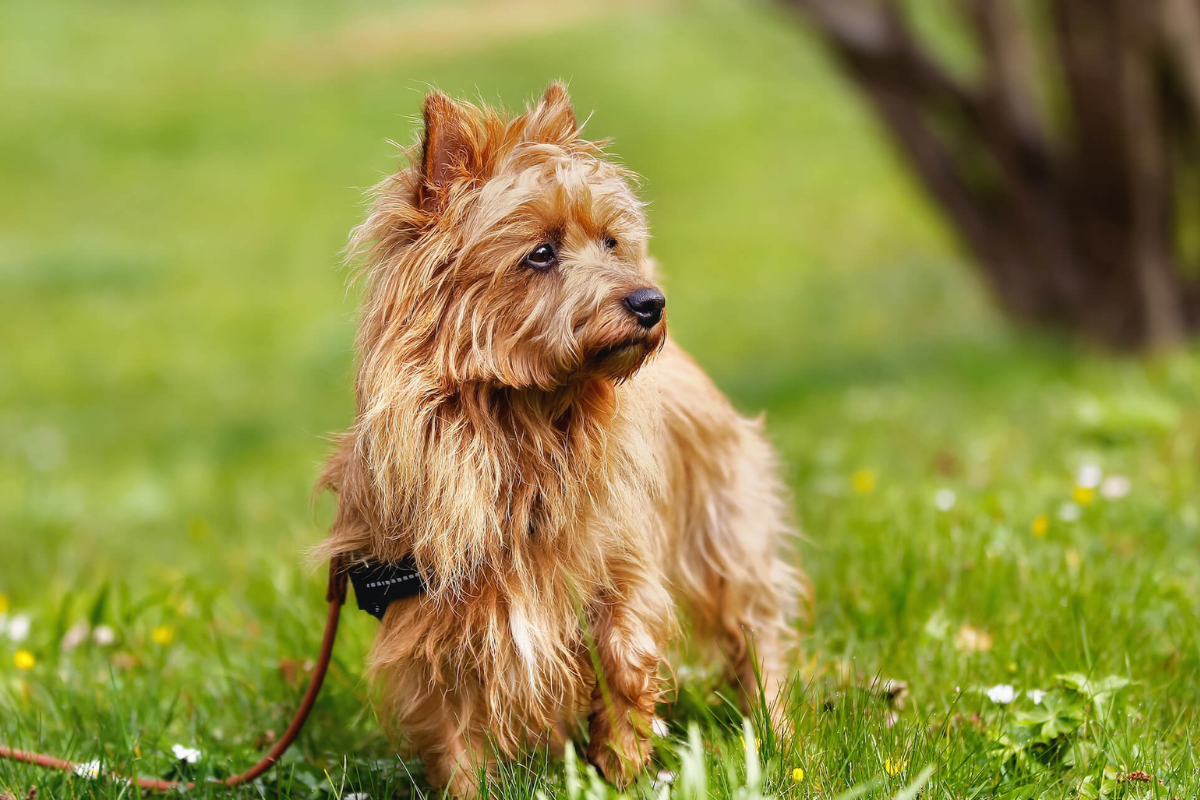
The Australian Terrier dog is a hardy, confident breed originally developed to work in rough Australian conditions. Bred for vermin control and companionship, this small terrier is energetic, loyal, and full of character.
Adaptable and intelligent, the Australian terrier temperament makes it well suited to homes that enjoy daily activity and interaction. These dogs are affectionate, alert, and thrive when given clear direction and involvement in family routines.
Today, the Australian terrier is cherished across Australia as a versatile companion, admired for its personality, courage, and ease of care. While lively and independent, they also enjoy rest and companionship, making them ideal for those seeking a compact yet spirited household dog.
Australian Terrier Appearance
The Australian Terrier is a small, sturdy working dog known for its rough-textured coat, upright ears, and confident stance. Originally bred for toughness in the Australian outback, this compact breed is agile, alert, and full of character.
Size:
Their size is classified as small, with males weighing around 6.5–7.5 kg and females slightly less. They have a well-proportioned frame that supports both agility and resilience.
Coat:
Australian Terrier grooming involves managing a harsh, straight outer coat with a soft undercoat. The coat is weather-resistant and requires regular brushing to prevent matting and to remove dirt. Common grooming styles maintain a natural outline with minimal trimming, focusing on functionality rather than ornamentation.
Distinctive Features:
Their appearance includes a long head with small, erect ears, expressive dark eyes, and a sturdy jaw. Their tail is carried high, and their body is slightly longer than it is tall, giving them a balanced, low-set silhouette.
Built for Cold and Work:
Designed for vermin control in harsh terrain, the Australian Terrier has strong legs, a protective coat, and an alert expression that reflects its working heritage. Their build is practical and purposeful, suited to both outdoor work and active companionship.
Australian Terrier History
The breed's history is rooted in colonial Australia, where settlers required a durable, versatile dog capable of handling harsh conditions and managing pests. Bred from several British terrier types, the Australian Terrier became one of the earliest locally developed breeds.
Colonial Development:
The Australian Terrier was developed in the 19th century by crossing rough-coated terriers brought from Britain, including the Cairn Terrier, Skye Terrier, Dandie Dinmont Terrier, and possibly the Irish and Yorkshire Terriers. These crosses produced a tough, compact dog suited to life in the Australian bush.
Australia’s First Recognised Breed:
The Australian Terrier holds the title of being the first officially recognised Australian dog breed, with the first breed standard established in 1896. Bred for utility, they were used for snake and rodent control as well as guarding homes and livestock.
Versatile Working Companion:
Originally valued for their working ability, today’s Australian Terrier is more commonly seen as a loyal, adaptable pet. While their vermin-hunting instincts remain intact, their affectionate temperament has made them a family favourite.
A Proud Australian Legacy:
With a lifespan of 12–15 years, the Australian Terrier stands as a testament to purposeful breeding in Australia. Known for its toughness, loyalty, and adaptability, this breed remains a symbol of early Australian innovation in working dogs.
Australian Terrier Personality
The Australian Terrier is spirited, loyal, and intelligent, with a strong personality shaped by its working-dog heritage. Known for its confidence and alertness, this breed thrives in homes that value companionship, structure, and stimulation.
General Traits:
- Lively and Intelligent: The Australian Terrier is clever, quick-witted, and full of energy. They enjoy having a job to do and excel in activities that challenge both their body and mind.
- Sociable and Friendly: Naturally friendly with people, the breed builds strong bonds with its family. They enjoy interactive routines and respond well to consistent attention.
- Independent Thinkers: While affectionate, Australian Terriers have a mind of their own. They like to explore and assess situations independently, which can sometimes come across as stubbornness.
Watchdog Tendencies:
- Alert and Protective: Their temperament includes strong watchdog instincts. They are quick to raise the alarm at unfamiliar sounds or people, making them reliable home sentries.
- Vocal but Purposeful: While they may bark regularly, it is often in response to real triggers. Their voice is more about awareness than excessive noise.
- Naturally Suspicious of Strangers: Unlike some breeds, the Australian Terrier may be cautious with new people until properly introduced, but they are rarely aggressive without cause.
Trainability:
- Willing but Determined: Training an Australian Terrier requires a balance of firmness and encouragement. They respond well to reward-based techniques but may resist repetition or harsh corrections.
- Needs Structure: The Australian Terrier thrives under clear boundaries and consistent rules. Without them, they may test limits or become overly independent.
- Keep Sessions Engaging: Training is more effective when it includes variety and praise. Short, focused sessions with treats or toys keep the Australian Terrier motivated and responsive.
Love of Activity and Engagement:
- Energised by Play and Tasks: The Australian Terrier enjoys being active, especially when tasks are purposeful. Agility, trick training, and structured play help them stay sharp and balanced.
- Needs Daily Engagement: Without enough activity or mental stimulation, they may turn to barking, digging, or restlessness. Regular interaction keeps their behaviour in check.
- Not Suited to Idle Homes: While small in size, the Australian Terrier is not a lap dog. They prefer to stay involved and need stimulation beyond occasional cuddles.
Australian Terrier as Family Pets
Australian Terriers are loyal, affectionate, and alert companions that suit families who can provide attention, routine, and engagement. Their small size and big personality make them a lively addition to active households.
Good with Kids? Yes, With the Right Environment
- Energetic and Engaging: The Australian Terrier gets along well with children who understand how to interact respectfully. They enjoy games and respond positively to kind, consistent play.
- Socialisation Matters: Early socialisation ensures the Australian Terrier remains calm and well-mannered around children and other pets. Exposure to different environments builds confidence and flexibility.
- Supervision Advised: As a small but bold breed, the Australian Terrier should be supervised when playing with toddlers to prevent accidental roughness or overexcitement. Teaching boundaries on both sides ensures safe and happy interactions.

Australian Terrier Health Issues & Care
The Australian Terrier is a generally robust and long-lived breed, originally developed to withstand Australia’s challenging conditions. Like all breeds, they are susceptible to certain hereditary and age-related health concerns that benefit from regular monitoring and preventative care.
Common Health Concerns:
- Luxating Patella: A common issue in small breeds, the kneecap may slip out of place. Responsible breeding practices and weight control help reduce the risk.
Speak with a reputable Australian Terrier Breeder to learn more about the health concerns in the breed.
Care and Maintenance
- Coat Care: The Australian Terrier has a harsh outer coat that is relatively low maintenance. Weekly brushing helps remove dirt, manage loose hair, and maintain coat texture. Hand-stripping a few times per year can also help preserve coat condition and colour.
- Exercise Needs: While small, the Australian Terrier is active and requires at least 30 to 45 minutes of daily exercise. Activities like brisk walks, playtime in the yard, or light agility work help keep them fit and mentally engaged.
- Diet and Nutrition: A balanced diet suited to their size and activity level is essential. Monitor portion sizes closely, as the breed can be prone to weight gain if overfed or under-exercised.
- Routine Vet Visits: Ongoing veterinary care, including annual check-ups, vaccinations, dental care, and parasite control, is important to catch any emerging health issues early and maintain long-term wellbeing.
With the right care, the Australian Terrier makes a lively and loyal companion, thriving in homes that provide consistent attention, structured activity, and regular preventative health routines.
Caring for Your Australian Terrier
Caring for an Australian Terrier means meeting their physical, emotional, and grooming needs. A consistent care routine that includes exercise, health monitoring, and engagement helps them live a long, active life.
Routine Vet Visits
Schedule annual check-ups, vaccinations, and screenings. These help detect emerging Australian Terrier-specific health issues early, improving outcomes and quality of life.
Balanced Diet
Feed your Australian Terrier a high-quality, protein-rich diet suited to their age and activity level. Avoid overfeeding and use treats in moderation to maintain a healthy Australian Terrier weight.
Daily Exercise and Activity
While not overly demanding, the Australian Terrier benefits from at least 30–45 minutes of daily exercise. Walks, supervised play, and mental games help them stay fit and focused.
Mental Stimulation
The Australian Terrier is intelligent and alert. Enrichment toys, basic obedience drills, or scent games prevent boredom and support emotional well-being.
Grooming Essentials
Grooming is low-maintenance but important. Brush weekly to remove debris and maintain coat texture. Regular nail trimming, ear checks, and dental cleaning round out the care routine.
Health Monitoring
Stay alert for any changes in appetite, behaviour, coat, or mobility. Early signs of health issues such as joint discomfort or skin irritation should prompt a vet visit. Proactive care supports a longer, healthier life.
Australian Terrier Grooming
The Australian Terrier grooming routine is relatively straightforward but benefits from consistency, particularly to maintain coat texture and hygiene. Their harsh outer coat resists dirt, but regular care helps them stay clean, comfortable, and healthy.
Brushing
Brush your Australian Terrier once or twice a week using a pin brush or slicker brush. Regular brushing removes debris, prevents matting, and keeps their harsh coat in good condition. Occasional hand-stripping may also be required to maintain coat texture.
Bathing
The Australian Terrier is generally a clean dog. Bathe them every couple of months or when needed using a gentle, dog-safe shampoo. Avoid overbathing, as it may soften the natural coat and reduce its weather-resistant qualities.
Nail Trimming
Trim nails every 3–4 weeks or as needed. Long nails can affect posture and cause discomfort during movement. If you hear clicking on hard floors, it’s time for a trim.
Ear Cleaning
Check your dog's ears weekly for signs of wax, dirt, or odour. Clean the outer ear gently using a vet-recommended solution, avoiding deep insertion into the canal.
Dental Care
Dental hygiene is important. Brush your dog’s teeth several times a week using canine toothpaste. Dental chews can also help reduce plaque build-up and promote fresh breath.
With a consistent care routine focused on coat upkeep, hygiene, and health checks, your Australian Terrier can remain healthy, active, and looking sharp year-round.
Is an Australian Terrier Right for You?
The Australian Terrier is intelligent, spirited, and loyal, known for its rugged build and alert nature. While affectionate and adaptable, this breed isn’t ideal for every household. Understanding their temperament and care needs is essential before bringing one home.
The Ideal Australian Terrier Owner:
- Engaged and Attentive: The breed thrives in homes where owners are actively involved. They enjoy short walks, games, and plenty of interaction. A daily routine with mental and physical stimulation suits them best.
- Committed to Training and Companionship: Thanks to their independence and cleverness, Australian Terriers benefit from consistent training and positive reinforcement. Owners who are patient and willing to work with their strong personalities will be rewarded with a well-behaved companion.
- Confident and Consistent Leader: The breed responds best to calm but assertive guidance. They’re not difficult to train, but they need clear expectations and steady leadership to prevent bossy behaviour.
- Family-Oriented: The Australian Terrier forms close bonds with its household and prefers to be included in everyday life. They dislike being ignored or left out of an activity for long periods.
Not Ideal If:
- You Prefer a Very Quiet Dog: Australian Terriers are alert and may bark to announce visitors or strange noises. While manageable, their vocal nature may not suit those seeking a silent breed.
- You Expect a Couch Companion: Though small, the breed is no lap dog. They are lively and curious, preferring exploration and play over sitting still for long periods.
- You Lack Time for Interaction: These dogs require regular engagement. Without stimulation, they may become bored or display nuisance behaviours like barking or digging.
- You Dislike Independent Dogs: While affectionate, the Australian Terrier has a mind of its own. They are not pushovers and require respectful, consistent handling.
Crucial Considerations
- Exercise and Stimulation: The Australian Terrier doesn’t need hours of running, but daily walks and interactive games are essential to manage energy and prevent restlessness.
- Training Commitment: Early training, firm boundaries, and ongoing mental challenges help bring out the best in their temperament. They do not respond well to harsh discipline but excel under reward-based systems.
- Social and Environmental Needs: They are happiest when included in family routines and prefer not to be left alone for extended periods. Company, whether human or canine, helps reduce boredom and stress.
Importance of a Reputable Australian Terrier Breeder
A responsible breeder provides a well-socialised puppy with a healthy start. Choosing carefully helps ensure your dog has strong health, a stable temperament, and a positive foundation for life as a companion or show dog.
Health Testing
Look for breeders who screen for known Australian Terrier health issues.
Temperament Assessment
Ethical breeders closely observe puppies during development. This allows them to match each Australian Terrier with a suitable home based on temperament, energy level, and compatibility.
Early Socialisation and Enrichment
A good breeder exposes puppies to a variety of sounds, people, and surfaces from an early age. This early socialisation helps develop confident Australian Terrier puppies that adjust well to home life, children, and other pets.
How to Find a Reputable Breeder
- Research Carefully: Choose breeders affiliated with Australian Terrier breeders clubs or recognised associations that follow ethical and health-focused standards.
- Ask Questions: Inquire about health testing, socialisation practices, parent dog temperaments, and living conditions.
- Visit When Possible: Meet the breeder, parent dogs, and puppies. A clean, well-managed environment with healthy, confident puppies is a positive sign.
Red Flags to Watch For
Avoid breeders who:
- Do not provide health documentation or vaccination records.
- Avoid answering questions about care or lineage.
- Focus on fast sales rather than suitable matches.
Choosing an Australian Terrier from a trusted breeder lays the groundwork for a happy, healthy, and rewarding life with a bold, intelligent companion.
How Long Does an Australian Terrier Live For?
Australian Terriers are plucky, affectionate little dogs with a typical lifespan of 12 to 15 years. They’re known for their loyalty and spirited personality, staying bright and busy well into their golden years.
A responsible breeder will check for diabetes, patellar luxation, and skin conditions. They’ll also be happy to share information about the pup’s health and ancestry.
Frequently Asked Questions (FAQs)
How to groom an Australian Terrier?
Brush weekly with a pin brush and tidy up the face and feet as needed. Regular nail trimming, ear checks, and dental care are also important.
Do Australian Terriers shed?
Australian Terriers are low shedders. Their harsh, weather-resistant coat doesn’t drop much fur, but regular brushing helps remove dead hair and keeps the coat looking tidy.
Can Australian Terriers reach the benchtop?
While their legs are short, Australian Terriers are agile and persistent. They may jump or climb onto chairs or lower furniture to access surfaces, so benchtop food should never be left unattended.
How far to walk an Australian Terrier?
Most adult Australian Terriers need 45–60 minutes of walking per day, broken into two sessions. They’re built for endurance, not just short bursts, so they enjoy longer strolls and backyard play.
How much food to feed an Australian Terrier?
Feed adult Australian Terriers around ¾ to 1 cup of high-quality dry food daily, divided into two meals. Adjust amounts based on age, activity level, and the food’s nutritional value.
How much meat should I feed my Australian Terrier?
If feeding a raw or meat-based diet, consult your vet for portion guidance. Generally, raw-fed Australian Terriers need 2–3% of their body weight daily in food, with meat making up the bulk of that portion.
How to shave an Australian Terrier?
Shaving is not recommended for Australian Terriers, as it can damage their protective coat texture. Instead, trim or hand-strip when needed to keep the coat neat without removing its natural harshness.
Would an Australian Terrier be a good pet?
The Australian Terrier dog is loyal, lively, and adaptable. They suit active households and are great companions for owners who enjoy daily walks and interactive play.
Was the Australian Terrier the first Australian breed?
The Australian Terrier was the first officially recognised dog breed developed in Australia. Its origins trace back to the 19th century, bred for versatility and toughness in rural environments.
What is the average lifespan of an Australian Terrier?
The average lifespan of an Australian Terrier is 12 to 15 years. With good care, a balanced diet, and regular vet visits, they often remain energetic and alert well into their senior years.
Adaptability
Adapts Well To
The Australian Terrier is known for its resilience and adaptability, thriving in households that provide companionship, structure, and light daily activity. Originally bred for harsh Australian environments, the breed adjusts well to many living situations, provided its core needs are met.
- Homes with Small Yards: While compact, the Australian Terrier enjoys having a secure outdoor area to explore. A fenced garden or courtyard allows for exercise and stimulation in a safe space.
- Families and Retirees: Their temperament suits owners across a wide age range. They adapt well to quieter homes or those with children, provided they’re included in everyday life.
- Moderate Climates: The coat of the Australian Terrier provides protection in both warm and cool conditions. With proper care, they adapt well to most Australian climates, though they should always have shade and fresh water in summer.
Important Considerations:
- Exercise Requirements: Around 30 to 45 minutes of daily activity is ideal. Without it, the Australian Terrier may become restless or vocal.
- Mental Stimulation: Their intelligence benefits from regular enrichment. Toys, training, and games that engage their mind help prevent boredom.
- Social Companionship: The Australian Terrier forms close bonds with its family. They prefer not to be left alone for long periods.
- Prey Drive: Their vermin-hunting roots mean a strong drive to chase small animals. Secure fences and supervision are important.
- Grooming Needs: While low-maintenance, their coat needs brushing weekly and hand-stripping seasonally to maintain its natural texture.
With appropriate engagement, social time, and routine, the Australian Terrier can thrive in both suburban and semi-urban settings.
Adapts Less Well To
While highly adaptable, the Australian Terrier may struggle in households that lack interaction, stimulation, or security. Their terrier instincts and confidence require the right structure to flourish.
- Apartments Without Stimulation: The breed can adapt to apartment life, but only if given regular walks and indoor mental activities. Without these, they may become vocal or restless.
- Homes with Limited Time: If left alone for extended periods, the Australian Terrier may develop barking habits or dig out of boredom. They are best suited to households with time to include them in daily routines.
- Unsecured Outdoor Areas: The breed has a curious nature and may dig or squeeze through gaps in fencing. Secure, enclosed yards are necessary to ensure their safety.
Potential Solutions for Urban Living:
- Structured Exercise: Daily walks, tug games, and short bursts of activity help manage energy.
- Mental Enrichment: Rotate toys, teach new commands, and use food puzzles to keep them engaged.
- Companionship Support: If away often, consider pet daycare, dog walkers, or having a second dog as a companion.
Important Considerations:
- Moderate Shedding: While not heavy shedders, they do shed some hair. Weekly brushing helps control it.
- Strong Personality: The Australian Terrier is confident and may test limits. Early training and firm routines help manage their independence.
- Chase Instinct: Their prey drive means they should never be off-lead in open, unsecured spaces.
With the right environment, structure, and social contact, the Australian Terrier is an adaptable, cheerful companion in a wide range of households.
Good for Novice Dog Owners
The Australian Terrier is admired for its confidence, intelligence, and loyalty. Its compact size and manageable needs make it a suitable choice for many first-time dog owners, especially those ready to commit to training and interaction.
Why the Australian Terrier Works for First-Time Owners
- Smart and Responsive: Breed traits include a strong desire to learn and a quick understanding of routines. Their eagerness to engage makes them one of the more trainable terriers.
- Moderate Activity Needs: They don’t require excessive exercise, but daily walks and play sessions keep them content. This suits owners who want an energetic but not demanding dog.
- Adaptable Temperament: Confident but affectionate, the Australian Terrier fits well into households with or without other pets. They enjoy being involved in family life and routines.
Challenges for Novice Owners
- Exercise Commitment: Daily activity is essential. A bored Australian Terrier may bark, dig, or become mischievous.
- Training Consistency: While intelligent, they can become bossy without clear rules. Consistent, reward-based training is important.
- Social Needs: The breed thrives on interaction. Long hours alone may lead to problem behaviours.
How Novice Owners Can Succeed with an Australian Terrier
- Start Training Early
Begin obedience and socialisation early. Introduce new people, pets, and environments to shape confidence and responsiveness. - Meet Their Exercise Needs
Commit to daily walks, outdoor play, or short training sessions. Puzzle toys and scent games also provide enrichment. - Understand the Breed’s Instincts
Recognise their terrier roots. Use a secure yard and supervise off-lead time, especially around small animals. - Consistent Leadership
Provide steady routines, gentle correction, and praise-based training. They respond best to patient, fair guidance.
With involvement, patience, and a focus on engagement, the Australian Terrier makes an excellent companion for first-time dog owners ready to learn and grow with their dog.
Sensitivity
Sensitivity Level
The Australian Terrier is confident and emotionally stable, with a strong sense of independence. While not overly sensitive, they are observant and responsive to their environment, thriving in homes where structure and consistency are maintained. Their self-assured nature makes them resilient, yet thoughtful handling builds lasting trust.
What Makes the Australian Terrier Less Sensitive
- Independent Temperament: Their temperament includes a natural independence. They don’t require constant reassurance and are comfortable navigating daily routines on their own but still enjoy close family connection.
- Tolerant of Change: These dogs adjust well to new situations, travel, or changes in household routine. Their working-dog background has shaped a breed that’s calm and composed, even in unfamiliar settings.
- Less Affected by Tone: While responsive to training, Australian Terriers are not emotionally reactive. They respond best to clear, consistent commands and are less impacted by vocal tone, provided communication remains firm and fair.
Ownership Impact
- Firm but Fair Training: The Australian Terrier benefits from structured leadership. They don’t need emotional coddling, but they do thrive when given consistent direction and meaningful tasks.
- Structured Environment Helps: Daily routines that include mental stimulation and interaction help support good behaviour and reduce unwanted habits. They are not clingy but do best in organised homes.
- Socialisation Still Crucial: Early exposure to people, pets, and environments builds a confident, socially appropriate Australian Terrier. Even independent dogs benefit from structured social experiences.
Important Considerations
- Noise Resilience: The Australian Terrier is generally unfazed by noise or disruption. Their natural alertness means they stay calm in noisy or busy environments.
- Balanced Companionship: They like being involved in daily life but can settle alone for periods, as long as they receive routine engagement and stimulation.
The Positive Side of Their Steady Nature
The Australian Terrier’s moderate sensitivity makes them confident, adaptable, and grounded companions. For owners seeking a dog that’s emotionally stable but still affectionate and interactive, this breed offers dependable companionship with minimal fuss.
Tolerates Being Alone
The Australian Terrier dog breed is independent and confident, but they do not tolerate being left alone for long periods. Originally bred to work alongside humans, they thrive on companionship and mental engagement, and may become restless or noisy if left alone too often.
Social Needs and Attachment
- Companionship-Focused: Australian Terriers are loyal and people-oriented. While not clingy, they form strong bonds and can become anxious or disruptive when separated from their family for extended periods.
- Restlessness and Boredom: Without proper stimulation, they may bark, dig, or chew. These behaviours typically reflect a lack of exercise, attention, or variety in their day.
- Independent Yet Social: The breed enjoys some independence but functions best with regular interaction. Structured alone-time training and consistent routines help them remain calm during brief separations.
Ownership Impact
- Consider Your Schedule: The Australian Terrier is not ideal for households where the dog will be left alone all day. A regular pattern of engagement supports better behaviour and emotional balance.
- Training for Alone Time: Use positive reinforcement to build comfort with short separations. Gradually extend time alone to avoid stress-based behaviour.
- Provide Enrichment: Offer puzzle feeders, chew toys, or access to windows for passive stimulation during alone time.
- Alternatives for Busy Owners: Consider part-time care options like doggy daycare, a pet sitter, or the companionship of another pet to reduce loneliness.
Important Notes
- Australian Terriers may become vocal if understimulated.
- Separation-related stress is avoidable with proper training and structure.
- A secure, enriched environment supports a calm, confident dog when alone.
The Positive Side of Their Nature
With routine interaction, consistency, and moderate training, Australian Terriers can adjust to being left alone for short periods. Their independence, paired with affection and loyalty, makes them a suitable choice for attentive owners seeking a balanced companion.
Tolerates Hot Weather
Australian Terriers are reasonably tolerant of warm weather, though care must be taken during extreme heat. Their weather-resistant coat provides some protection, but proactive steps are still required to ensure comfort and safety during hotter months.
Heat Sensitivity
- Coated but Hardy: The wiry coat of the Australian Terrier helps repel sunlight and maintain skin health, but it does not prevent overheating during intense exercise or high temperatures.
- At Risk of Overheating: Prolonged outdoor activity in hot weather may cause dehydration or exhaustion. Keep sessions short and supervised during the hottest parts of the day.
- No Shaving: Shaving the coat is not recommended. It disrupts natural insulation and protection from sunburn. Regular brushing supports air circulation and keeps the skin healthy.
Ownership Impact
- Time Activities Wisely: Schedule outdoor play in the morning or evening. Avoid midday sun or overly strenuous activity in summer.
- Hydration and Shade: Ensure constant access to clean water and shaded rest areas. Indoors, fans or open airflow help regulate temperature.
- Coat Care: Brush regularly during warm months to remove dead coat and prevent matting, which can trap heat.
- Cooling Accessories: Provide cooling mats or damp towels for resting, and supervise dogs closely during outdoor activity.
Important Considerations
- Heat tolerance may vary based on age, weight, and health.
- Never leave a dog in a hot car or closed space.
- Air conditioning or cooling zones inside the home are ideal during hot spells.
With careful grooming and routine planning, the Australian Terrier can remain active and safe in warmer weather. Their hardy constitution and manageable size allow them to enjoy summer life with appropriate safeguards.
Tolerates Cold Weather
The Australian Terrier dog breed has a dense, protective coat that makes it fairly tolerant of cool conditions. While not bred for snow or freezing temperatures, they can enjoy time outdoors in mild to moderate cold with suitable precautions.
Cold Weather Tolerance
- Naturally Insulated: Their harsh-textured coat offers solid coverage against the chill. They enjoy outdoor play in cooler weather but should not remain exposed in cold wind or wet conditions.
- Enjoys Winter Activities: They are generally energetic year-round. Short walks or play in the cold are enjoyable, provided they have warm shelter to return to.
Ownership Impact
- Watch for Extremes: During very cold weather, limit outdoor time and provide a warm indoor environment. Wet or windy days require extra care to prevent chills.
- Paw Protection: Cold surfaces, salt, or grit may cause dryness or irritation. Wipe their paws after walks and apply balm if needed.
- Provide Shelter: Outdoors, they need dry, draft-free shelter. Indoors, ensure soft bedding in a warm, quiet area.
- Cool Indoor Comfort: Australian Terriers often prefer moderate conditions indoors. Avoid placing beds near heaters or vents.
Important Considerations
- Older dogs or those with low body fat may feel the cold more.
- Avoid long exposure to rain or wind chill.
- Brushing keeps the coat in good shape for insulation.
Cold weather suits the Australian Terrier’s resilient coat and character. With modest winter precautions, they remain cheerful, active, and engaged through the cooler seasons.
Friendliness
Affectionate with Family
Australian Terriers are affectionate, loyal companions who enjoy being close to their family. They bond deeply with their household and thrive when included in everyday life. Their affectionate nature is often shown through companionship and eager participation in routine activities.
Australian Terrier as Affectionate Companions:
- Loyal and Independent: The Australian Terrier is devoted to their owner but retains a degree of independence. They enjoy affection and will often follow family members around the house, but they are not overly clingy.
- Playful and Energetic: Their alert, energetic nature makes them enthusiastic playmates. They express affection through play and interaction rather than through excessive cuddling.
- Social and Engaging: While small in size, Australian Terriers have big personalities. They love being part of the household action and are happiest when included in family activities and conversation.
Ownership Impact:
- Bonding Through Activity: These dogs build strong bonds through shared play, training sessions, and daily routines. Their loyalty is reinforced through mutual interaction and consistency.
- Affectionate but Not Clingy: They enjoy attention but are also capable of entertaining themselves. This makes them well-suited for families that appreciate a balanced temperament.
- Early Socialisation: Introducing your Australian Terrier to family routines, guests, and other pets early builds confidence and encourages affectionate, easygoing behaviour in all settings.
Kid-Friendly
Australian Terriers are generally good with children, especially when raised with them. Their lively spirit and playful energy make them engaging companions, though their small size means supervision is necessary to avoid accidental injury during rough play.
Australian Terriers and Children:
- Energetic but Attentive: The Australian Terrier temperament includes curiosity and enthusiasm. They enjoy interactive play with respectful children and can be great friends in active households.
- Gentle but Alert: While not aggressive, their alert nature may cause them to react to sudden movements or noise. Early exposure to children helps them learn how to remain calm and friendly.
- Size Consideration: As a small dog, they can be vulnerable to accidental mishandling. Supervision is especially important around toddlers who may not yet understand how to treat a dog gently.
Ownership Impact:
- Supervision is Essential: Always supervise interactions with young children. Teach both the dog and the child to respect each other’s space and limits.
- Teach Mutual Respect: Children should be taught not to grab, corner, or over-handle the dog. In return, your Australian Terrier should learn to stay calm and confident in busy family environments.
- Early Training and Socialisation: Introduce your Australian Terrier to children and different household routines from a young age. Positive early experiences support safe, happy relationships.
With supervision and basic guidance, Australian Terriers can be affectionate, playful, and reliable companions for families with children.
With Other Pets
Australian Terriers can live with other pets, especially if introduced early and given consistent training. However, as a terrier breed with strong instincts, they may chase smaller animals without proper management.
Socialisation and Training:
- Generally Good with Dogs: Many Australian Terriers enjoy the company of other dogs, particularly when raised together. Their confident personality means they tend to get along best with dogs that aren’t overly dominant or reactive.
- Prey Drive Awareness: Their prey drive may be triggered by small pets such as birds, rabbits, or rodents. Supervised introductions and strong training foundations are necessary for peaceful cohabitation.
- Terrier Tenacity: They can be assertive when provoked or overwhelmed. Structured environments with clear boundaries reduce the risk of tension during play or feeding time.
- Supervision and Management: Slow introductions, firm boundaries, and controlled environments help ensure your Australian Terrier adapts well to living with other pets. Regular play and positive experiences support harmony.
With careful training and patient introductions, Australian Terriers can thrive in multi-pet homes, especially when early socialisation is part of their upbringing.
Friendly Toward Strangers
Australian Terriers are alert and confident dogs that tend to be friendly or neutral toward strangers. While not overly gregarious, they are usually polite and curious when properly socialised.
Australian Terriers and Strangers:
- Naturally Inquisitive: Most Australian Terriers will alert you to new visitors but are unlikely to show aggression. They’re interested in meeting new people once they feel secure.
- Confident and Composed: Their confident temperament allows them to assess strangers calmly. They are unlikely to react with fear but may take a moment to warm up before fully engaging.
- Socialisation Matters: Exposing them to a variety of people early from different ages, voices, and appearances helps reduce any tendency toward shyness or barking.
- Owner’s Influence: A calm, welcoming attitude from the owner helps the Australian Terrier stay relaxed. Encouraging polite interactions with treats or games builds trust and prevents unwanted guarding behaviour.
With early exposure and clear expectations, Australian Terriers typically remain friendly and approachable, making them pleasant companions in social environments.
Health & Grooming
Amount of Shedding
Australian Terriers are low-shedding dogs, thanks to their hard, wiry coat. Unlike double-coated breeds, they shed very little, making grooming more manageable and reducing loose hair around the home.
Shedding Reality:
- Minimal Shedding: The Australian Terrier has a single coat that sheds very little year-round. This makes them a suitable option for households that prefer low-maintenance hair control.
- Seasonal Changes: Unlike many breeds, they do not “blow” their coat with seasonal changes. Any coat thinning or shedding is typically mild and not disruptive.
- Not Hypoallergenic: While they shed less than most breeds, they are not considered hypoallergenic. Their skin and dander can still trigger allergic reactions in sensitive individuals.
Ownership Impact:
- Brushing Weekly: Weekly brushing with a slicker brush or pin brush removes debris, prevents tangles, and helps reduce minor coat loss.
- Routine Cleaning: Their low-shedding coat makes household cleaning easier, though vacuuming and surface wiping are still needed to manage dander and general dust.
- No Heavy Shed Cycles: Owners do not need to plan for seasonal coat blowouts, which reduces the time commitment for coat maintenance.
With routine brushing and basic grooming, the Australian Terrier’s coat remains clean and manageable without frequent shedding or heavy coat loss.
Drooling Potential
Australian Terriers are clean, dry-mouthed dogs with very low drooling tendencies. Their tidy habits and compact size make them appealing to owners who value cleanliness around the home.
Drooling Tendencies:
- Low Drool Output: The Australian Terrier rarely drools. Any moisture seen is usually due to excitement, food anticipation, or after drinking water.
- Health-Related Causes: Occasional drooling can occur with dental issues or nausea. Any excessive or sudden drooling should be evaluated by a vet to rule out underlying problems.
- Ownership Impact:
Minimal Clean-Up: Owners don’t need to manage drool on furniture, floors, or clothing. Their tidy behaviour adds to the breed’s suitability for indoor living.
- Tidy Eating Habits: Most Australian Terriers eat and drink without creating excessive mess, especially when fed from raised or non-tip bowls.
With good oral hygiene and regular health checks, Australian Terriers remain one of the tidier breeds, requiring minimal maintenance in this area.
Easy to Groom
Australian Terriers are moderately easy to groom. Their weather-resistant coat requires regular brushing and occasional hand-stripping to maintain its texture, but they do not need frequent bathing or trimming.
Grooming Requirements:
- Routine Brushing: Brush your Australian Terrier two to three times a week using a slicker brush or comb to remove dead hair and debris. This keeps their coat neat and prevents tangles.
- Stripping vs. Clipping: For show dogs or those with wiry coat preferences, hand-stripping maintains the correct texture. Pet Australian Terriers can be clipped every few months if needed, though this softens the coat.
- Bathing Occasionally: Bathe your dog only when needed, typically every month or two. Use a dog-safe shampoo to avoid skin dryness.
- Nails and Ears: Trim nails every 3–4 weeks and check ears weekly for wax or odour. Clean gently with vet-recommended products as required.
Ownership Impact:
- Manageable Time Commitment: Their grooming routine is moderate but not difficult. Most owners can handle coat care at home without needing professional help.
- No Complex Styles Needed: While some owners choose to trim or style their dogs, the breed’s natural coat shape requires only basic upkeep.
With regular brushing and seasonal coat care, Australian Terriers remain clean, comfortable, and well-presented without excessive grooming needs.
General Health
Australian Terriers are generally healthy, hardy dogs with few major hereditary conditions. Their small stature, active nature, and strong constitution contribute to a long and robust life when cared for with regular vet attention and a balanced lifestyle.
Potential Health Concerns
- Patellar Luxation: This common issue in small breeds can affect knee joint stability. Reputable Australian Terrier breeders screen for it, and mild cases are often manageable without surgery.
- Skin Allergies: Some dogs may be prone to skin irritations or allergies. Keeping their coat clean and monitoring for itching or redness helps prevent flare-ups.
- Ear Infections: Their upright ears are generally healthy, but occasional infections can occur if dirt or moisture builds up. Weekly checks and cleaning help reduce risk.
The Importance of Reputable Australian Terrier Breeders
- Choosing an experienced, ethical breeder is essential to ensure your puppy has a sound start. Responsible Australian Terrier dog breeders:
- Screen for known Australian Terrier health issues
- Provide complete medical records
- Prioritise early socialisation and proper puppy care
Ownership Impact
- Routine Vet Care: Regular health checks, vaccinations, and parasite prevention are essential for long-term health.
- Balanced Diet and Exercise: A high-quality diet and daily activity help maintain weight, condition, and joint health.
- Dental Care: Brush your dog’s teeth weekly and include dental chews to support oral health.
- Be Observant: Monitor for any changes in appetite, coat, energy levels, or behaviour that could signal emerging health problems.
With proactive care, early screening, and good daily habits, Australian Terriers enjoy long, happy lives with few serious health concerns.
Potential for Weight Gain
Australian Terriers are active dogs with lean frames, but they can gain weight if overfed or under-exercised. Their small size means even slight overfeeding can quickly lead to extra kilos.
Factors Contributing to Weight Gain
- Portion Size: Overfeeding is one of the most common causes of weight gain. Measuring meals and avoiding free-feeding helps maintain a healthy weight.
- Too Many Treats: While treats support training, frequent snacks or high-fat options can tip the balance, especially in a small dog.
- Inconsistent Exercise: The Australian Terrier requires daily walks and interactive play to burn energy. Without it, weight gain may follow, particularly in older or less active dogs.
- Underlying Health Issues: Weight gain without dietary changes may indicate thyroid imbalance or other health issues. Speak to your vet if your dog suddenly gains weight.
Ownership Impact
- Feed Measured Meals: Use a scale or measuring cup to serve the correct amount based on your Australian Terrier’s size, age, and activity level.
- Healthy Treat Options: Choose low-calorie training treats or use part of their daily kibble allowance as rewards.
- Maintain Daily Activity: Walks, games, and training sessions all contribute to fitness and mental health. Even short activities can make a big difference.
- Monitor Body Condition: Regularly check for a visible waist and easily felt ribs. Adjust food intake or exercise as needed to stay within healthy limits.
The Importance of a Healthy Weight
Keeping your Australian Terrier lean supports:
- Joint health and mobility
- Improved energy and alertness
- Lower risk of diabetes or heart issues
- A longer, more active life
With portion control, regular exercise, and weight checks, Australian Terriers stay strong, healthy, and happy well into their senior years.
Trainability
The Smart and Eager Learner
Australian Terriers are intelligent, eager, and alert, making them responsive to training when handled with consistency. While they may have a touch of terrier stubbornness, their willingness to please and quick learning ability make training rewarding.
- Quick to Learn: The Australian Terrier dog is sharp and picks up basic commands quickly. Their ability to focus and respond well to positive reinforcement makes them suitable for obedience and agility.
- Eager to Please: While they have an independent streak, Australian Terriers enjoy engaging with their owners. Clear guidance and reward-based training foster cooperation.
- Responsive to Motivation: Treats, toys, and praise are effective. They do not respond well to harsh corrections, and heavy-handed training may reduce trust or enthusiasm.
The Challenges
- Stubbornness: Like many terriers, they can be strong-willed. If training is inconsistent or too repetitive, they may choose to ignore commands.
- Easily Distracted: Their high alertness means they may lose focus if there are distractions. Short, upbeat sessions work best.
- Persistence Needed: Early boundaries and structure help prevent unwanted behaviours from becoming habits.
Ownership Impact
- Start Early: Begin obedience and socialisation training in puppyhood to build good habits and reduce reactivity.
- Be Consistent: Use the same commands and expectations daily. This keeps communication clear and reinforces learning.
- Add Mental Stimulation: Training sessions can include tricks, agility, or scent-based games to challenge their minds.
With positive reinforcement, structure, and patience, the Australian Terrier becomes a reliable, responsive companion.
Intelligence
The Australian Terrier is known for its quick mind, resourcefulness, and situational awareness. Their clever nature shines in problem-solving and independent tasks, but they require purposeful engagement to stay mentally satisfied.
A Highly Intelligent Breed
- Natural Problem-Solvers: Australian Terriers are curious and will explore their environment actively. They quickly figure out patterns, doors, or routines, making them capable but occasionally mischievous.
- Work-Ready Instincts: Bred for vermin control, they have a keen sense of smell and sharp observation. Their intelligence is more practical than showy.
- Independent Thinkers: While they enjoy learning, they like to assess situations themselves. Training must account for this with creative tasks and variety.
Ownership Impact
- Mental Stimulation Matters: Puzzle toys, scent games, and varied play keep them mentally fulfilled. Without stimulation, boredom can lead to digging or barking.
- Change It Up: Vary activities to keep their interest high. Repeating the same drill too often may lead to disinterest.
- Use Their Strengths: Activities that tap into their hunting instincts or require alertness help satisfy their natural drives.
With routine engagement and thoughtful tasks, the Australian Terrier's intelligence makes them a joy to train and live with.
Potential for Mouthiness
Australian Terriers may show moderate mouthy behaviours, especially during play or teething stages. While not aggressive, they often use their mouths to interact and explore, which should be shaped early.
Mouthy Behaviour
- Teething Period: Puppies may nip or chew to relieve discomfort. This stage typically passes with age and proper redirection.
- Playfulness: During play, they may mouth hands or clothing. Without boundaries, this can develop into rough play.
- Exploratory Behaviour: Some dogs may nibble or gently bite as a form of communication or curiosity.
Ownership Impact
- Early Redirection: Provide chew toys and discourage hand-biting from a young age. Reward calm interaction.
- Teach Inhibition: Use commands like “gentle” or “leave it” to guide behaviour. Consistency helps them understand acceptable play.
- Safe Outlets: Durable chew toys and interactive games reduce inappropriate mouthing.
With consistent training and redirection, mouthiness in Australian Terriers remains manageable and appropriate.
Prey Drive
The Australian Terrier has a strong prey drive, inherited from its history as a working dog bred to control rats and snakes. This instinct remains present and must be managed through training and awareness.
Strong Chasing Instincts
- Quick to Pursue: Small animals such as birds, rabbits, or cats can trigger their prey drive. Outdoor off-lead time should only occur in fenced areas.
- Movement-Focused: Fast motion can provoke chasing. Even toys or household pets may become targets for play or pursuit.
- Instinctive Focus: Once in prey mode, it can be difficult to regain their attention. Early obedience training is crucial.
Ownership Impact
- Leash Safety: Walk Australian Terriers on a leash or in enclosed spaces. Recall commands should be practised regularly, but may not override strong chase instincts.
- Controlled Introductions: Introduce them to small animals carefully and supervise all interactions.
- Redirect Energy: Channel the prey drive into interactive games, scent-based play, or fetch. This satisfies instinct in a safe setting.
Though strong, the Australian Terrier's prey drive can be managed with structure and understanding, allowing for a safe and stimulating lifestyle.
Wanderlust Potential
Australian Terriers are curious and bold, with a strong instinct to explore. Their history as independent vermin hunters contributes to their desire to roam if not given secure boundaries and engaging routines.
Independent and Driven
- Exploration Drive: Like many terriers, the Australian Terrier has an inquisitive nature and may wander in search of scents or movement.
- Persistent: Once they catch a scent, they can become single-minded, making recall difficult without structured training.
Ownership Impact
- Secure Fencing: Ensure your yard has a solid fence with no gaps underneath. They may dig or squeeze through small spaces if unsupervised.
- Leash Walks: Always walk them on a lead outside fenced areas. Their prey drive can override commands.
- Mental & Physical Engagement: Daily enrichment, such as games or training exercises, keeps them stimulated and reduces the urge to roam.
- Identification: Make sure your Australian Terrier is microchipped and wears updated ID tags to support recovery in case of escape.
With secure containment and regular engagement, Australian Terriers remain safe and satisfied without the need to roam.
Tendency to Bark or Howl
Australian Terriers are naturally alert and vocal. They were bred to warn and react, so barking comes easily to them especially in response to unfamiliar sounds or stimuli.
Barking Tendencies
- Protective and Alert: The breed makes a reliable watchdog. They’ll bark at new visitors, unusual noises, or anything they perceive as a potential threat.
- Expressive Communicators: These dogs often bark to express excitement or to seek attention. Their vocal range is part of their personality.
- Playful Barking: During play, they may emit sharp barks or yaps. This is generally short-lived and part of their interactive style.
Ownership Impact
- Training and Socialisation: Teaching a “quiet” cue early on is essential. Use calm, reward-based training to manage volume without suppressing their alert instincts.
- Provide Daily Engagement: Barking may increase with boredom. Sufficient walks, stimulation, and companionship help reduce vocal outbursts.
- Identify Barking Triggers: Pay attention to what sets them off. Adjust routines to minimise exposure or reinforce calm behaviour around common triggers.
With consistent boundaries and proper outlets for energy, Australian Terriers remain expressive without becoming disruptive.
Exercise Needs
Australian Terriers are active, agile, and full of stamina. Daily movement and mental challenges are essential to maintain their physical and behavioural health.
Exercise Requirements
- Daily Physical Activity: Aim for at least 45–60 minutes of walking, play, or agility work. They excel with varied routines that prevent boredom.
- Variety and Engagement: Combine walks with training sessions, fetch, or digging games to satisfy both physical and mental needs.
- Mental Stimulation: Food puzzles, hide-and-seek, and basic obedience drills help burn energy and reinforce positive behaviours.
Energy Levels
- Puppies: Young Australian Terriers are energetic and curious. Provide short, controlled sessions to build endurance and manners.
- Adults: Fully grown dogs are agile and fast. Regular playtime and training help maintain their lean build and sharp mind.
- Seniors: Older dogs still enjoy daily walks and play, but may need adjusted intensity based on health.
Ownership Impact
- Safe Play Areas: Supervise them in fenced areas or on-lead walks. Their compact build and alertness mean they move fast and may chase.
- Consistency is Key: Stick to a daily schedule. Without it, Australian Terriers may dig, bark, or become restless indoors.
- Bonding Through Activity: Physical interaction deepens trust and channels energy into positive outlets.
With structured, engaging exercise, Australian Terriers remain happy, alert, and well-behaved household companions.
Potential for Playfulness
The Australian Terrier is a cheerful, spirited breed that thrives on play. Their enthusiasm and curiosity make them lively companions in households that embrace fun and activity.
Playful Personalities
- High-Energy Playmates: These dogs love chase games, fetch, and tug. They bring strong drive and enjoyment to every activity.
- Challenge Seekers: Their intelligence shines in interactive play. Puzzle toys and training-based games keep them focused and fulfilled.
- Bonding Through Play: Play strengthens your bond. Regular, interactive fun reinforces obedience, trust, and emotional connection.
Ownership Impact
- Incorporate Daily Play: Play is key to behavioural stability. Lack of engagement may lead to unwanted habits like barking or chewing.
- Use Smart Toys: Durable toys that stimulate problem-solving help them stay engaged even when alone.
- Blend Training and Fun: Incorporate cues and tricks into play sessions. They respond well to sessions that combine learning and movement.
With daily, structured play and interactive attention, Australian Terriers stay alert, connected, and joyfully active well into adulthood.
Find Australian Terrier Breeders
or
View Australian Terrier Puppies for Sale |
View Australian Terrier Older Dogs for Sale