

The Beagle
| Size | Medium |
| Weight | Females: 9-10 kgs, Males: 10-11 kgs |
| Breed Group | Group 4 - Hound Dogs |
| Exercise Requirements | High |
| Grooming Requirements | Moderate |
| Life Span | 12-15 years |
| Characteristics | Loyal, intelligent, curious, good for families |
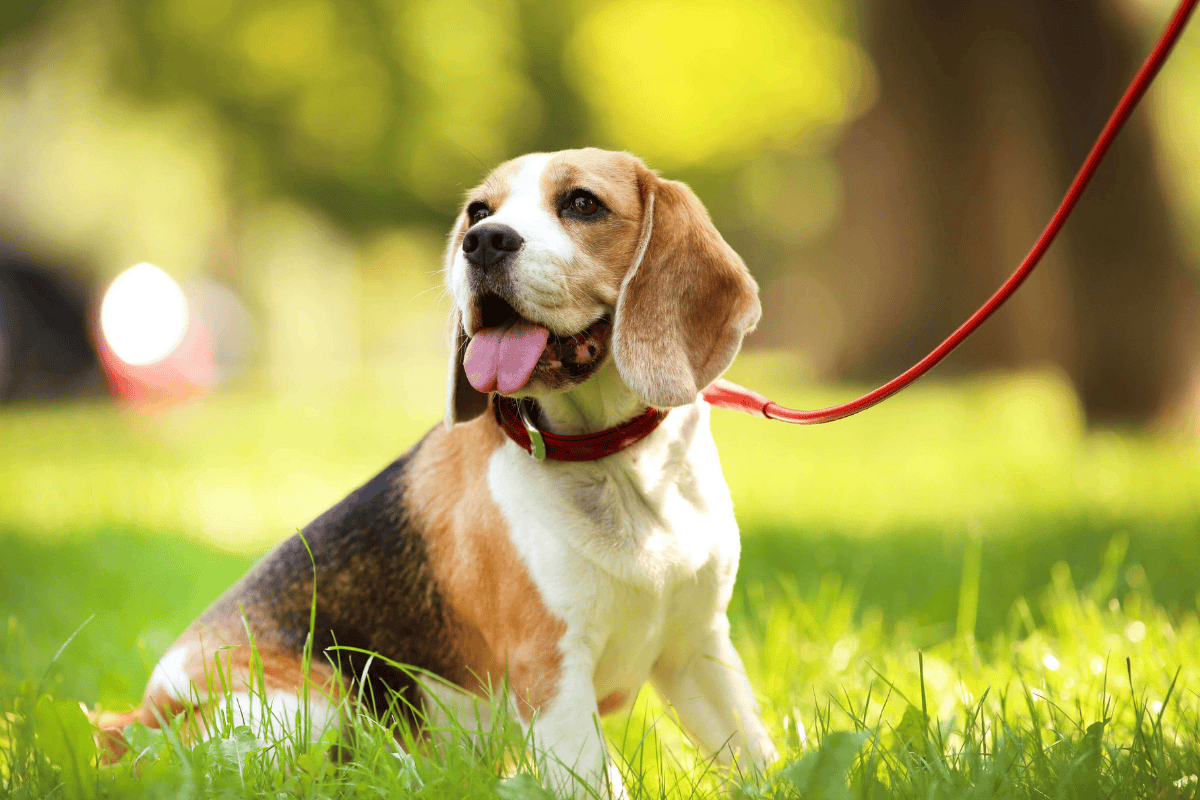
A charming and energetic breed, celebrated for its keen sense of smell, intelligence, and friendly disposition. The Beagle represents the quintessential scent hound, combining both tenacity and a delightful personality.
While their reputation as merry and tireless hunters is well-known, their history is equally fascinating. Originally developed in England as early as the 14th century, the Beagle was meticulously bred to be the ultimate scent hound, excelling in tracking hares and other small game. Their acute sense of smell, determination, and stamina made them invaluable companions in the field.
Today, Beagles continue to thrive in various roles, including as family pets, therapy dogs, and in tracking and detection work. Their amiable temperament, intelligence, and boundless energy have solidified their standing as one of the most beloved and enduring dog breeds worldwide.
Beagle Appearance
Beagles are easily identifiable by their compact, sturdy frame and merry disposition.
Size: Beagles are small to medium-sized hounds, with a desirable height at the withers ranging from 33 cm (13 inches) to 40 cm (16 inches).
Coat: They possess a short, dense, and weatherproof coat that comes in a variety of colors, including tricolor (black, tan, and white), blue, white and tan, badger pied, hare pied, lemon pied, lemon and white, red and white, tan and white, black and white, and all white. All these colors, except all white, can appear mottled, with the tip of the tail typically white.
Distinctive Features: Beagles feature dark brown or hazel eyes that are fairly large and set well apart, imparting a mild, appealing expression. Their long ears, with rounded tips, are set low on the head and hang gracefully close to the cheeks. The skull is slightly domed and moderately wide, with a well-defined stop.
A Picture of Stamina and Determination: Beagles epitomize endurance and tenacity. Their compact build and muscular thighs, combined with a level topline and well-sprung ribs, demonstrate their ability to tirelessly follow a scent trail, making them exceptional hunting companions.
Find Registered Beagle Breeders or Beagle Puppies for Sale
Beagle History
Origins in England: The Beagle's history dates back to ancient times, but the breed as we know it began taking shape in England during the 19th century. Breeders sought to develop a small, efficient scent hound that could effectively hunt hare and other small game. This led to the creation of a compact, agile dog with a keen sense of smell and a merry disposition.
The Beagle's Ancestors: The development of the Beagle involved the careful selection and breeding of various hounds, including Harriers and other small hound breeds. The goal was to maintain the Beagle's excellent scent-tracking abilities while ensuring a friendly and even temperament.
Popularity and Role: Beagles quickly gained popularity for their exceptional hunting skills and amiable nature. They became a favored choice for hunters and families alike, serving not only as efficient scent hounds but also as loving companions. Their compact size, stamina, and determination made them ideal for both hunting and family life.
Beagles in the Australia: Beagles were introduced to Australia during the 19th century and quickly gained popularity due to their adaptability, intelligence, and friendly nature. Their excellent scent-tracking abilities made them valuable in roles such as hunting companions and detection dogs. Today, Beagles remain a cherished breed in Australia, renowned for their merry disposition and versatility as both working dogs and beloved family pets.
Beagle Personality
Beagles are celebrated for their friendly nature, curious spirit, and unyielding enthusiasm for life. Their even temperament and lively demeanor make them excellent companions for families and individuals alike.
General Traits:
- Curious and Energetic: Beagles are naturally curious and full of energy, always ready to explore their surroundings. Their inquisitive nature makes them adept at sniffing out new scents and engaging in playful activities.
- Friendly and Amiable: Known for their friendly disposition, Beagles get along well with children and other pets. Their amiable nature makes them wonderful family companions and ideal for social households.
- Vocal and Expressive: Beagles are known for their vocal nature, often using their distinctive bay to communicate. Their expressive voices make them excellent at alerting their owners to anything unusual.
- Sturdy and Adventurous: Despite their small size, Beagles are sturdy and adventurous, thriving on outdoor activities and exercise. They love to accompany their owners on walks, hikes, and other adventures.
Watchdog Tendencies:
- Alert and Attentive: Beagles are naturally alert and attentive, always aware of their environment. Their keen sense of smell and hearing make them excellent at detecting changes in their surroundings.
- Vocal Alerts: They may not be the most intimidating watchdogs, but their vocal nature ensures that they will alert their owners with a bark or bay if they perceive something unusual.
- Friendly Guardians: While protective of their families, Beagles are generally friendly towards strangers, making them more of a social companion than a guard dog.
Trainability:
- Willing Learners: Beagles are intelligent and willing to learn, though their independent streak can sometimes pose a challenge in training. Consistency and patience are key to successful training.
- Scent-Driven Focus: Their strong sense of smell can sometimes distract them, so incorporating scent games and challenges into their training can be beneficial.
- Positive Reinforcement: Beagles respond well to positive reinforcement techniques, such as treats and praise, which help to hold their attention and encourage good behavior.
Love of Attention:
- Sociable Companions: Beagles thrive on social interaction and enjoy being part of family activities. They are happiest when surrounded by their loved ones and involved in daily life.
- Need for Physical and Mental Engagement: Regular exercise and mental stimulation are essential to keep Beagles content and prevent boredom-related behaviors.
- Companionship Seekers: Due to their social nature, Beagles can become lonely if left alone for long periods. They flourish in environments where they receive ample attention and companionship.
Find Registered Beagle Breeders or Beagle Puppies for Sale
Beagle as Family Pets
Beagles can make delightful family pets for households that appreciate their playful and friendly nature. Their amiable temperament, intelligence, and moderate energy levels make them excellent companions for many families. However, their strong scent-driven instincts and need for companionship require thoughtful consideration before welcoming one into your home.
Good with Kids? Generally Yes
- Supervision and Socialization: Beagles are typically good with children due to their friendly and gentle nature. Proper socialization from a young age is important to ensure they develop positive interactions with kids. As with any dog, supervision during playtime is essential to prevent any accidental mishaps.
- Playful Companions: They enjoy playing with children and can be lively and engaging playmates. Their small to medium size makes them a good fit for families with children of various ages.
- Training and Boundaries: Teaching both your Beagle and children appropriate ways to interact is important. Establish clear boundaries to ensure safe and enjoyable play sessions.
With Other Pets: Generally Sociable
- Socialization and Training: Beagles are generally sociable and can get along well with other pets if properly socialized. Early introductions and consistent training help them coexist peacefully in multi-pet households.
Pack Mentality: As pack animals, Beagles often enjoy the company of other dogs, which can be beneficial in homes with multiple pets.
Energy Level: Moderate to High Energy
- Active Lifestyle Encouraged: Beagles have moderate to high energy levels and benefit from regular exercise to stay healthy and happy. They enjoy activities like walking, running, and playing games that engage their keen sense of smell.
- Daily Exercise: Aim for at least 30 minutes to an hour of physical activity each day, which can include walks, playtime, or interactive games.
- Mental Stimulation: Keep their minds sharp with puzzle toys and scent-tracking games to prevent boredom and engage their natural hunting instincts.
The Joys of a Beagle in Your Family
- Friendly and Sociable: Beagles are known for their friendly and sociable nature, making them wonderful companions for families and individuals alike.
- Adaptable and Intelligent: Their intelligence and adaptability allow them to thrive in a variety of environments, from busy households to more relaxed settings.
- Curious and Adventurous: Their curious and adventurous spirit makes every day an opportunity for exploration and fun.
Bringing a Beagle into your family is a rewarding experience that requires a commitment to their exercise and social needs. For families that can embrace their lively nature and scent-driven instincts, Beagles offer loving companionship, endless fun, and a loyal presence in the household.
Find Registered Beagle Breeders or Beagle Puppies for Sale
Beagle Health & Care
Beagles are generally healthy dogs but, like all breeds, they can be prone to certain health issues. Responsible ownership involves being aware of these potential concerns to ensure your Beagle leads a happy, healthy life. Collaborating with a reputable breeder who conducts health screenings and maintaining a close relationship with your veterinarian will help maximise your Beagle's well-being.
Potential Health Concerns:
- Epilepsy - Lafora: Beagles can be prone to seizures due to epilepsy, which can vary in severity. With proper veterinary care and medication, many dogs can lead normal lives. Signs typically appear at 5-6 years of age or later, and is incurable. DNA testing is available to breeders to best ensure that puppies are not affected.
- Neonatal Cerebellar Cortical Degeneration (NCCD): NCCD is a degenerative condition of the cerebellum, this is the part of the brain that controls co-ordination and motor control, which could start to show in puppies as early as 3 weeks. DNA testing is available to reputable breeders to ensure that future puppies will not be affected.
- Musladin-Lueke Syndrome (MLS): MLS is a condition that results in several visible physical deformities, and affected Beagles may have other issues such as early arthritis and seizures. The MLS gene can be identified by genetic testing
- Imerslund-Grasbeck Syndrome (IGS): IGS is an inherited recessive condition where Vitamin B12 cannot be absorbed through the intestines. If affects the red blood system and nervous system. While the rest of the litter is gaining weight and reaching milestones, the affected puppy could be described as ‘the runt of the litter’. DNA testing is available to reputable breeders.
- Factor VII Deficiency: Factor VII deficiency is a mild to moderate inherited blood clotting disorder present in Beagles. It is a clotting factor synthesised in the liver that is necessary to initiate blood coagulation when vascular injury occurs.
- Steriod Responsive Meningitis (SRM: Beagle Pain Syndrome): is an immune-mediated inflammation of the meninges and associated arteries in the central nervous system. There isn't a DNA test available, but reputable breeders will be concious of this when selecting breeding pairs, and pedigrees.
- Granulomatous Meningo-Encephalitis (GMR): is a rare, inflammatory, and potentially fatal immune-mediated disease of the brain and spinal cord in dogs. There isn't a DNA test available, but reputable breeders will be concious of this when selecting breeding pairs, and pedigrees.
By staying informed and proactive about these health concerns, you can ensure your Beagle lives a long and fulfilling life. We encourage you to learn more about health concerns from the Beagle Club of NSW Inc
You can also connect with Beagle Breed Clubs in your State via Dogz Online
Find Registered Beagle Breeders or Beagle Puppies for Sale
Caring for your Beagle
Providing excellent care for your Beagle involves a holistic approach, including routine vet visits, a balanced diet, adequate exercise, and mental stimulation.
- Regular Vet Visits: Annual checkups are essential for your Beagle's well-being. These visits allow for early detection of potential health issues, and necessary vaccinations and preventative care.
- Nutritious Diet: A high-quality dog food formulated for medium-sized breeds will provide your Beagle with the nutrients they need to thrive. Portion control is crucial to prevent obesity, which can exacerbate health problems, especially given their tendency to gain weight.
- Exercise for Body and Mind: Beagles are active dogs that require daily exercise to maintain their physical and mental health. Aim for at least an hour of exercise daily, including walks, playtime in the yard, or scent-tracking activities, which they naturally enjoy.
- Grooming Needs: Their short, dense coat requires regular brushing to minimise shedding. Bathing should be done as needed, and their ears should be checked and cleaned regularly to prevent infections due to their floppy nature.
- Mental Stimulation: Beagles are intelligent and curious dogs that need mental challenges. Engage them in training exercises, scent games, and interactive toys to keep their minds sharp and prevent boredom.
- Monitoring for Health Changes: Be attentive to any changes in your Beagle's behavior, appetite, energy level, or physical condition. Early detection of health issues can lead to more effective treatment.
Beagle Grooming
The Beagle's short, dense, and weatherproof coat requires regular grooming to maintain its health and appearance.
- Regular Brushing: Despite their short coat, Beagles benefit from weekly brushing to remove loose hair and distribute natural oils. This can also help minimise shedding.
- Bathing: Bathe your Beagle every 2-3 months or as necessary, using a gentle dog shampoo. Over-bathing can strip the coat of essential oils, so it should be done sparingly.
- Nail Trimming: Regular nail trimming is important to prevent overgrowth, which can cause discomfort or affect the Beagle's gait.
- Ear Cleaning: Due to their long, floppy ears, Beagles are prone to ear infections. Check and clean their ears regularly to prevent any issues.
By providing your Beagle with proper grooming and care, you can ensure they remain a happy, healthy, and active companion.
Is a Beagle Right For You?
The Beagle, with its merry disposition, keen sense of smell, and boundless energy, is a breed that captures the hearts of many. However, they are not the right fit for every household. Before welcoming a Beagle into your life, it's essential to evaluate your lifestyle and expectations to ensure a compatible match.
The Ideal Beagle Owner:
- Active and Enthusiastic: Beagles are energetic dogs with a passion for adventure and exploration. They are best suited for owners who enjoy outdoor activities and can provide ample opportunities for exercise, such as walks, hikes, or playtime in a secure area.
- Patient and Understanding: Known for their independent nature and strong scent drive, Beagles require a patient owner who can appreciate their inquisitive and sometimes stubborn personality. A gentle yet firm approach to training is essential.
- Family-Oriented: Beagles are sociable and thrive in family environments where they can be part of daily activities. They typically get along well with children and other pets, making them ideal for family-oriented households.
- Appreciative of Vocal Dogs: Beagles are known for their distinctive baying and barking, a trait that stems from their hunting background. Owners who appreciate a vocal companion and can manage this trait will find a Beagle to be a delightful addition.
Not Ideal If:
- You Prefer a Quiet Household: Beagles can be quite vocal, both indoors and outdoors. If you prefer a quiet environment, a Beagle's vocal nature may not be suitable.
- You Have Little Time for Exercise: Beagles need regular physical activity and mental stimulation to prevent boredom and destructive behaviors. If your schedule doesn't allow for daily exercise, consider a less active breed.
- You Live in an Unfenced Area: Beagles have a strong instinct to follow scents, which can lead them to wander off if not contained. A secure, fenced area is essential for their safety.
- You Seek a Low-Maintenance Breed: While their short coat requires minimal grooming, Beagles need time and commitment for training and exercise. They also benefit from regular socialization to prevent behavioral issues.
Crucial Considerations:
- Exercise and Mental Stimulation: Beagles require daily exercise and mental engagement to stay healthy and happy. Activities that challenge their sense of smell, like scent games, are highly beneficial.
- Training and Socialization: Early training and socialization are crucial for Beagles to become well-mannered companions. Consistency and positive reinforcement are key to their training success.
- Shedding: Beagles have a short, dense coat that sheds moderately year-round. Regular brushing can help manage shedding and keep their coat healthy.
- Potential Health Issues: Be aware of common health concerns in Beagles, such as ear infections and obesity. Regular veterinary check-ups and a balanced diet are vital for their well-being.
If you're looking for an amiable, energetic, and curious companion who will bring joy and adventure to your life, a Beagle might be the perfect match. Their friendly nature, determination, and zest for life make them wonderful partners. By understanding their needs and providing the care, training, and love they deserve, you'll be rewarded with a loyal and spirited friend.
Find Registered Beagle Breeders or Beagle Puppies for Sale
The Importance of a Reputable Beagle Breeder
Choosing a reputable breeder is paramount when it comes to your Beagle's health, temperament, and overall well-being. Ethical breeders prioritize the following:
- Health Testing: Reputable breeders conduct thorough health screenings on their breeding dogs to minimise the risk of passing on genetic conditions to their puppies. They will be transparent about their dogs' health history and provide documentation of any relevant tests or certifications.
- Temperament Assessment: Ethical breeders evaluate the temperament of their dogs to ensure they are breeding for stable and well-rounded personalities. They will be knowledgeable about the breed's characteristics and happy to answer any questions you have about temperament. Beagles are known for their amiable and alert nature, and responsible breeders will prioritize these traits.
- Early Socialization and Enrichment: Puppies raised in a loving home environment with early exposure to various stimuli, including other dogs, people, and different environments, are more likely to develop into confident and well-adjusted dogs. Reputable breeders prioritize early socialization and enrichment programs for their puppies, ensuring they grow up to be merry and active companions.
How to Find a Reputable Breeder
- Do Your Research: Start by contacting breed clubs like the Beagle Club of Australia to obtain a list of reputable breeders in your area
- Dogz Online: Connect with verfieid and registered Dogs Australia and Dogs New Zealand Beagle Breeders using Dogz Online.
- Ask Questions: Don't hesitate to ask breeders about health testing, socialization practices, and the temperament of the puppy's parents. A responsible breeder will be open and transparent about their practices and happy to answer your questions.
- Visit the Breeder: If possible, visit the breeder's facility to see how the puppies are raised and to meet the parent dogs. A clean and well-maintained environment, and healthy and happy parent dogs, are good indicators of a responsible breeder.
- Red Flags: Be wary of breeders that avoid answering your questions, aren’t transparent with you, or don’t want to find the best homes for their puppies. But also remember that breeders are people too, who live their lives, care for their dogs, and more, and that you should always treat them with respect.
By choosing a responsible breeder, you're not only getting a beautiful Beagle but also a healthy, well-socialized, and temperamentally sound companion who will be a cherished member of your family for years to come.
Find Registered Beagle Breeders or Beagle Puppies for Sale
How Long Does a Beagle Live For?
Beagles are merry, curious, and full of charm, often living between 12 and 15 years. Their energy and love of sniffing make them great little explorers. With the right balance of exercise, diet, and regular vet care, a Beagle can be a happy, tail-wagging companion well into their teens.
To help ensure a healthy life, it's best to source your Beagle from a responsible breeder who checks for genetic diseases in their program. They’ll also provide transparency about the dog’s background and health records.
Find Registered Beagle Breeders or Beagle Puppies for Sale
Adaptability
Adapts Well To
Beagles are versatile dogs that can adapt to various living environments. Their keen sense of smell, energy, and friendly nature make them a great fit for different lifestyles, but their exercise and companionship needs should be carefully considered.
- Houses with Yards: Beagles enjoy spending time outdoors and benefit from having a secure yard where they can sniff around and explore. A fenced yard is crucial to prevent them from following scents beyond its boundaries.
- Active Families: With their playful and energetic disposition, Beagles are ideal companions for families who enjoy outdoor activities. They thrive in environments where they can join in on walks, games, and other family adventures.
- Suburban Settings: Beagles can adapt well to suburban living, where they can enjoy the comforts of home while also having access to parks and open spaces for exercise and exploration.
Important Considerations:
- Exercise Needs: Beagles require regular physical activity to stay healthy and happy. Daily walks, playtime, and opportunities to follow scents are important to meet their exercise needs.
- Training and Socialization: Consistent training and socialization are essential for Beagles. They are intelligent and eager to learn but can be independent, so positive reinforcement and patience are key.
- Mental Stimulation: Beagles have an excellent sense of smell and love to use it. Engaging them with scent-based games, puzzle toys, and interactive activities helps keep their minds active.
- Companionship: Beagles are social animals and may not do well if left alone for extended periods. They thrive on interaction with their human families and other pets, making them wonderful companions.
Adapts Less Well To
- Small Apartments: Beagles can adapt to apartment living, but their energy and need for exercise make it less than ideal. They are an active breed that requires space to roam and explore. Without adequate physical activity and mental stimulation, Beagles may become bored and engage in undesirable behaviors such as excessive barking or chewing.
- Sedentary Lifestyles: Beagles are not well-suited for sedentary households. Their inherent drive for exploration and activity necessitates regular exercise and mental challenges. A lack of activity can lead to boredom and potential behavioral issues.
- Inexperienced Owners: Though Beagles are generally good-natured, their strong scent drive and occasional stubbornness can be challenging for first-time dog owners. Experienced handlers who can provide consistent training and supervision are better suited for managing a Beagle's unique needs.
Potential Solutions for Apartment Living:
- Regular Exercise: If you live in an apartment, ensure your Beagle receives daily exercise through walks, playtime, or visits to a dog park to satisfy their need for physical activity.
- Mental Enrichment: Engage their keen sense of smell and intelligence with scent-based games, puzzle toys, and interactive activities that provide mental stimulation.
- Professional Training: Enroll in obedience classes or work with a professional trainer to help your Beagle develop good manners and improve their recall, especially important in an apartment setting.
Important Considerations:
- Commitment: Apartment living with a Beagle requires dedication to their exercise and enrichment needs. Be prepared to invest time and energy to keep them healthy and happy.
- Building Policies: Verify your apartment building's pet policies to ensure Beagles are permitted and understand any restrictions related to size or breed.
- Neighbour Considerations: Be mindful of your neighbours and take steps to minimise noise, as Beagles can be vocal, especially if bored or under-exercised.
With the right commitment and effort, Beagles can adapt to apartment living. However, it's important to consider your lifestyle, living situation, and experience level before bringing a Beagle into a confined environment.
Good for Novice Dog Owner
Beagles are often recommended for novice dog owners due to their friendly temperament, manageable size, and adaptability. They are a great choice for families or individuals looking for a sociable and energetic companion. While they are generally easygoing, Beagles do have specific needs that owners should be prepared to meet.
Challenges for Novice Owners:
- Stubbornness in Training: Beagles are intelligent but can be independent and sometimes stubborn. They require patience and consistency in training, which may be challenging for first-time dog owners.
- Strong Scent Drive: As scent hounds, Beagles have a strong instinct to follow their nose, which can lead them to wander off if not properly supervised or contained. Novice owners need to be vigilant about keeping a secure environment for them.
- Exercise and Mental Stimulation Needs: Beagles are active dogs that require regular exercise and mental stimulation to prevent boredom-related behaviors. Novice owners must be committed to providing sufficient activities to keep them engaged.
Who Can Succeed with a Beagle:
- Families and Social Individuals: Beagles are excellent for families with children or individuals who enjoy social activities, as they are friendly and get along well with people and other pets.
- Patient and Consistent Trainers: Owners who are patient and willing to invest time in consistent training will find success with a Beagle.
- Those Seeking a Sociable and Playful Companion: Beagles are known for their merry and playful nature, making them great companions for those who appreciate a lively and affectionate pet.
Ownership Impact:
- Training and Socialization: Early and consistent training, along with regular socialization, will help your Beagle develop good manners and confidence.
- Secure Environment: Ensure your home and garden are secure to prevent your Beagle from wandering off due to their strong scent drive.
- Exercise and Enrichment: Provide regular exercise and engaging activities to satisfy their active nature and prevent boredom.
- Commitment: Be prepared for the time, energy, and attention a Beagle requires to thrive as a happy and healthy pet.
Beagles are an excellent choice for novice dog owners who are ready to embrace their playful and social nature. With the right commitment and understanding of their needs, Beagles offer companionship, joy, and loyalty to their families.
Sensitivity Level
Beagles are known for their friendly and curious nature, but they also have a sensitive side that requires understanding and care. Recognizing their sensitivity can help you nurture a strong and trusting bond with your Beagle.
What Makes Beagles Sensitive:
- Social Creatures: Beagles are highly social animals that thrive on interaction with their families. They can be sensitive to being left alone for extended periods, which may lead to feelings of loneliness or anxiety.
- Scent-Driven Instincts: With a strong sense of smell, Beagles can become easily distracted or overwhelmed by new scents and environments. This heightened sensory awareness can make them sensitive to changes in their surroundings.
- Individual Variations: While Beagles are generally sensitive, each dog is unique. Some may be more adaptable to different situations, while others might be more prone to stress and anxiety.
Ownership Impact:
- Consistent Companionship: Beagles need regular companionship and engagement with their families. Providing them with enough mental and physical stimulation can help reduce feelings of isolation and anxiety.
- Gentle Training Methods: Beagles respond best to positive reinforcement and gentle training techniques. Harsh or punitive methods can undermine their confidence and lead to behavioral issues.
- Routine and Stability: Consistent routines and environments help Beagles feel secure and reduce their sensitivity to changes. A stable home environment supports their emotional well-being.
Important Considerations:
- Separation Anxiety: Beagles' social nature makes them susceptible to separation anxiety. Gradual training to help them adjust to being alone can mitigate this issue.
- Sound Sensitivity: Beagles may be sensitive to loud or unexpected noises. Creating a calm and secure space during noisy events can help them feel more at ease.
- Patient Understanding: Understanding your Beagle's unique sensitivities is crucial. Patience, consistency, and a loving approach are key to fostering a strong and trusting relationship.
The Positive Side of Sensitivity:
A Beagle's sensitivity reflects their affectionate and loyal nature. Their ability to connect deeply with their human companions makes them loving and devoted pets. By appreciating and respecting their sensitive nature, you can cultivate a bond that brings joy and companionship to both you and your Beagle for years to come.
Tolerates Being Alone
Beagles are known for their friendly and sociable nature, which makes them less tolerant of being left alone for long periods. They thrive on companionship and can experience anxiety when isolated.
Social Needs and Attachment:
- Strong Bonds with Family: Beagles are affectionate dogs that form strong attachments with their families. They enjoy being part of the household and participating in activities with their human companions.
- Separation Anxiety: Due to their social nature and pack mentality, Beagles can be prone to separation anxiety if left alone for extended periods. This can lead to behaviors such as howling, digging, or attempting to escape.
- Boredom and Restlessness: Without adequate mental and physical stimulation, Beagles can become bored and restless, often resulting in destructive behaviors as they try to entertain themselves.
Ownership Impact:
- Consider Your Schedule: If you have a busy lifestyle that keeps you away from home frequently, a Beagle might not be the ideal choice. They do best in environments where someone is around to provide attention and companionship.
- Training and Preparation: To help your Beagle adjust to being alone, gradual training and desensitization are essential. Start with short periods of absence and slowly increase the time, ensuring they have toys and puzzles to keep them occupied.
- Mental and Physical Enrichment: Ensure your Beagle receives enough exercise and mental challenges before being left alone. A well-exercised and mentally stimulated dog is less likely to develop anxiety or engage in destructive behaviors.
- Alternatives: If your schedule requires you to leave your Beagle alone for long durations, consider options such as doggy daycare, hiring a dog walker, or even adopting a second dog for companionship.
Important Notes:
- Individual Differences: While Beagles generally prefer company, some might be more independent than others. It's important to cater to their social needs and ensure they receive ample attention.
- Proper Training: Effective training can help Beagles manage alone time better. Teaching them to settle calmly in a crate or designated area can be beneficial.
Remember, a Beagle's well-being is closely tied to their need for companionship and mental stimulation. Owning a Beagle means prioritizing their social and emotional needs to ensure a fulfilling life for both you and your furry friend.
Tolerates Hot Weather
Heat Sensitivity:
- Risk of Overheating: Beagles have a short, dense coat that provides some protection against the elements, but they can still be susceptible to overheating in extremely hot and humid conditions. Their playful and active nature may lead them to overexert themselves, increasing the risk of heat-related issues.
- Signs of Overheating: Keep an eye out for signs such as excessive panting, drooling, fatigue, confusion, vomiting, and collapse. These symptoms may indicate heatstroke, necessitating prompt veterinary care.
Ownership Impact:
- Limit Outdoor Activity: During periods of high temperatures, it's advisable to schedule playtime and walks in the cooler parts of the day, like early mornings or late evenings, to prevent overheating.
- Access to Shade and Water: Ensure your Beagle always has access to fresh, cool water and a shaded spot to rest when spending time outdoors.
- Never Leave Them in a Parked Car: On warm days, the temperature inside a parked car can quickly become dangerously high, posing a significant risk of heatstroke to your Beagle.
- Consider Cooling Options: Products such as cooling mats or bandanas can assist in keeping your Beagle comfortable and safe by helping to regulate their body temperature during hot weather.
Tolerates Cold Weather
Beagles are moderately tolerant of cold weather, thanks to their dense, weatherproof coat, although they are not as well-suited for extremely cold conditions as some other breeds.
Cold Weather Tolerance:
- Adaptable Coat: Beagles have a short, dense coat that provides some protection against cold weather. This coat is designed to be weatherproof, offering a degree of insulation in cooler climates, though not as robust as breeds with double coats.
- Moderate Cold Enjoyment: While Beagles can enjoy outdoor activities in mild winter conditions, they may not be as enthusiastic about prolonged exposure to extreme cold or snow.
Ownership Impact:
- Observe for Cold Sensitivity: Be attentive to signs of discomfort or cold sensitivity, such as shivering or reluctance to go outside, especially in freezing temperatures or during long outdoor sessions.
- Paw Care: Protect your Beagle’s paws from cold surfaces, ice, and de-icing chemicals by considering dog booties, especially during walks in snowy or icy conditions.
- Warm Shelter: Ensure your Beagle has access to a warm, dry shelter when outdoors in cold weather, particularly when temperatures drop significantly or if they are outside for extended periods.
Understanding your Beagle’s tolerance to cold weather and taking the necessary precautions will help keep them comfortable and safe, allowing them to enjoy outdoor activities year-round without compromising their well-being.
Friendliness
Affectionate with Family
Beagles as Affectionate Companions:
- Loyal and Loving: Beagles are known for their amiable nature and strong affection towards their families. They are loyal companions who enjoy being in the company of their loved ones and are often eager to please.
- Friendly and Playful: Beagles are naturally friendly and display a playful demeanor that makes them wonderful family pets. They thrive on interaction and enjoy engaging in games and activities with family members, such as fetch and hide-and-seek.
- Sociable and Alert: These hounds are sociable creatures with a keen sense of awareness. They are always alert to their surroundings, making them good watchdogs who can provide a sense of security to their families.
Ownership Impact:
- Bonding and Engagement: Beagles benefit from regular interaction and bonding activities with their owners. Engaging them in training sessions and spending quality time together helps to reinforce their loyalty and attachment.
- Socialisation: It is important to socialize Beagles from an early age to ensure they are comfortable and well-mannered around other people and animals. Continued social exposure helps maintain their friendly and balanced temperament.
- Mental and Physical Stimulation: Beagles are intelligent and energetic dogs that require both mental and physical stimulation to remain content. Providing them with opportunities to exercise their bodies and minds through activities and exploration will contribute to their overall happiness and well-being.
Kid-Friendly
Beagles and Children:
- Supervision is Key: It's important to supervise interactions between children and Beagles, especially with younger kids. While Beagles are often friendly and gentle, their large size can be intimidating or accidentally overwhelming during playtime.
- Training and Socialization: Early training and socialization are crucial to ensure that your Beagle understands how to behave around children. This helps them learn boundaries and become well-mannered family members.
- Teach Children Respect: Children should be educated on how to interact respectfully with Beagles, including avoiding rough play or startling the dog. This helps prevent any unintended reactions and fosters a positive relationship between the dog and the child.
With Other Pets
- Socialization and Training: Beagles are generally sociable and friendly, making them well-suited for living with other pets. Early socialization is key to ensuring they adapt well to different animals and environments. Proper introductions and consistent training can help manage any initial excitement or curiosity they may display toward new companions.
- Same-Sex Aggression: Beagles typically have a more amiable and even temperament, which reduces the likelihood of same-sex aggression. However, as with any breed, individual personalities can vary, and caution is always advised when introducing dogs of the same sex.
- Supervision and Management: While Beagles are known for their friendly disposition, supervision during interactions with other pets is recommended, especially during the initial meeting or in new settings. This helps ensure that play remains safe and enjoyable for all involved.
Friendly Toward Strangers
Beagles are known for their friendly and sociable nature, which generally makes them more open and welcoming to strangers compared to some other breeds. Their amiable temperament is one of their defining characteristics.
Beagles and Strangers:
- Sociable and Friendly: Beagles are typically friendly and approachable, often displaying a wagging tail and curious demeanor when meeting new people. Their lack of aggression makes them excellent companions in social settings.
- Socialization and Training: Although naturally amiable, early socialization is important to ensure your Beagle remains well-mannered around strangers. Exposure to different environments and people can reinforce their friendly disposition.
- Positive Interactions: Encourage positive interactions by rewarding your Beagle for calm and polite behavior when meeting new people. Use treats and praise to reinforce their natural sociability.
By nurturing their inherent friendliness and providing proper socialization, you can help your Beagle maintain their cheerful and welcoming attitude towards strangers while enjoying their role as a loving and loyal family member.
Health & Grooming
Amount of Shedding
Shedding Reality:
- Short Coat: Beagles have a short, dense, and weatherproof coat that helps protect them during outdoor activities. While they may not shed as heavily as some double-coated breeds, Beagles are still moderate shedders year-round.
- Consistent Shed: Unlike some breeds that have seasonal shedding events, Beagles tend to shed consistently throughout the year. Regular grooming is essential to manage their shedding and keep their coat healthy.
- Not Hypoallergenic: Beagles are not considered hypoallergenic. Their shedding can contribute to allergens in the home, which may affect those with allergies.
Ownership Impact:
- Regular Brushing: To control shedding and maintain a healthy coat, brush your Beagle at least once a week. A bristle brush or grooming mitt can be effective in removing loose hair.
- Vacuuming and Lint Rollers: Be prepared for some dog hair on your furniture and clothing. Regular vacuuming and using lint rollers can help keep your home clean and manage shedding.
- Professional Grooming: While Beagles typically require minimal grooming compared to long-haired breeds, occasional professional grooming can help keep their coat in top condition and reduce shedding.
Drooling Potential
Beagles are not typically known for excessive drooling. They may drool occasionally, such as when anticipating food or after drinking water, but it's generally not a significant issue.
Occasional Drool:
- Normal Occurrences: Some drooling may occur in certain situations, such as when your Beagle is excited about food, has just finished a drink, or is engaged in physical activity.
- Health Check: If you notice a sudden increase in drooling or excessive drooling, consult your veterinarian, as it could be a sign of an underlying health issue like dental problems, nausea, or an allergic reaction.
Ownership Impact:
- Minimal Mess: You generally won't need to worry about excessive drool stains on your clothes or furniture with a Beagle.
- Low Maintenance: Beagles are relatively clean dogs when it comes to drooling.
Easy to Groom
Beagles have a short, dense, and weatherproof coat that is relatively easy to maintain compared to many other breeds. Their grooming needs are minimal, which makes them an ideal choice for owners looking for a low-maintenance pet in terms of grooming.
Grooming Requirements:
- Regular Brushing: Brush your Beagle's coat once a week to remove loose hair and distribute natural oils. This will help maintain their coat's shine and health.
- Bathing: Bathe your Beagle every 2-3 months or as needed, using a gentle dog shampoo. Their short coat does not require frequent washing, but regular baths help keep them clean and smelling fresh.
- Nail Trimming and Ear Cleaning: Trim your Beagle's nails regularly, as overgrown nails can be uncomfortable. Beagles are prone to ear infections due to their floppy ears, so check and clean their ears weekly to prevent wax buildup and infections.
Ownership Impact:
- Time Commitment: Beagles require minimal grooming time. Weekly brushing and occasional baths are usually sufficient to keep them looking their best. However, regular ear cleaning is essential to prevent infections.
- Grooming Tools: A soft-bristle brush or grooming mitt is perfect for maintaining a Beagle's short coat, while a quality nail clipper and ear-cleaning solution will help with their general upkeep.
- The Beagle's Coat: The Beagle's short, dense coat provides protection against various weather conditions and is relatively easy to care for. With regular grooming, Beagles maintain a healthy, shiny coat that complements their lively and alert nature.
General Health
Beagles are generally healthy and energetic dogs, known for their friendly nature and keen sense of smell. However, like all breeds, they can be prone to specific health issues. Responsible ownership involves understanding potential health concerns and taking preventive measures to ensure your Beagle's well-being.
Potential Health Concerns:
- Neonatal Cerebellar Cortical Degeneration (NCCD): NCCD is a degenerative condition of the cerebellum, this is the part of the brain that controls co-ordination and motor control, which could start to show in puppies as early as 3 weeks. DNA testing is available to reputable breeders to ensure that future puppies will not be affected.
- Musladin-Lueke Syndrome (MLS): MLS is a condition that results in several visible physical deformities, and affected Beagles may have other issues such as early arthritis and seizures. The MLS gene can be identified by genetic testing
- Imerslund-Grasbeck Syndrome (IGS): IGS is an inherited recessive condition where Vitamin B12 cannot be absorbed through the intestines. If affects the red blood system and nervous system. While the rest of the litter is gaining weight and reaching milestones, the affected puppy could be described as ‘the runt of the litter’. DNA testing is available to reputable breeders.
- Factor VII Deficiency: Factor VII deficiency is a mild to moderate inherited blood clotting disorder present in Beagles. It is a clotting factor synthesised in the liver that is necessary to initiate blood coagulation when vascular injury occurs.
- Steriod Responsive Meningitis (SRM: Beagle Pain Syndrome): is an immune-mediated inflammation of the meninges and associated arteries in the central nervous system. There isn't a DNA test available, but reputable breeders will be concious of this when selecting breeding pairs, and pedigrees.
- Granulomatous Meningo-Encephalitis (GMR): is a rare, inflammatory, and potentially fatal immune-mediated disease of the brain and spinal cord in dogs. There isn't a DNA test available, but reputable breeders will be concious of this when selecting breeding pairs, and pedigrees.
Obtaining a Beagle puppy from a reputable breeder who prioritizes health testing is essential. Ethical breeders conduct genetic screening for common breed-related issues and aim to produce healthy puppies. They should be transparent about the health history and clearances of their breeding dogs.
Ownership Impact:
- Regular Veterinary Care: Schedule routine veterinary visits for your Beagle to ensure preventative care, vaccinations, and early detection of any health issues. Discuss specific health screenings relevant to Beagles with your vet.
- Healthy Diet and Exercise: A balanced diet and regular exercise are crucial for maintaining your Beagle's health. Proper nutrition supports their energy levels and prevents obesity, which can exacerbate other health issues. Consult your veterinarian for advice on diet and exercise.
- Health Screening: Discuss breed-specific health screenings and tests with your veterinarian, such as thyroid function tests and hip evaluations. Early detection allows for effective management of potential health concerns.
- Financial Preparedness: Be prepared for veterinary expenses related to routine care and potential health issues. Consider investing in pet insurance to help manage unexpected costs and ensure that your Beagle receives comprehensive care.
Potential for Weight Gain
While Beagles are known for their energetic and playful nature, they are also prone to weight gain if their diet and exercise are not properly managed. Maintaining a healthy weight is vital for their overall health, longevity, and quality of life.
Factors Contributing to Weight Gain:
- Overfeeding: Beagles have a hearty appetite and can overeat if allowed. It's essential to measure their food portions carefully and avoid free-feeding or giving excessive treats.
- Reduced Activity: If a Beagle's activity level decreases due to age, injury, or lifestyle changes, they may be more susceptible to weight gain. Adjusting their diet to match their energy expenditure is important.
- Medical Conditions: Beagles can suffer from medical conditions such as hypothyroidism, which can contribute to weight gain. Regular veterinary check-ups are crucial to identify any underlying health issues.
Ownership Impact:
- Portion Control: Measure your Beagle's food based on their age, activity level, and health needs. Consult your veterinarian for feeding recommendations to ensure they receive adequate nutrition without excess calories.
- Healthy Treats: Opt for low-calorie treats and limit their quantity to prevent unnecessary calorie intake. Consider using small pieces of lean meat or vegetables as training rewards.
- Regular Exercise: Ensure your Beagle engages in regular physical activities to maintain a healthy weight. Activities like long walks, scent tracking, or interactive games can help burn off excess calories.
- Weight Monitoring: Keep a close eye on your Beagle's weight and body condition. If you notice any weight gain, consult your veterinarian to adjust their diet and exercise routine accordingly.
The Importance of a Healthy Weight:
Maintaining a healthy weight is crucial for your Beagle's overall well-being. Excess weight can lead to joint stress, increase the risk of health problems such as diabetes, and reduce their lifespan. By focusing on a balanced diet and regular physical activity, you can help your Beagle live a long, healthy, and happy life.
Trainability
The Smart and Eager Learner
Beagles are celebrated for their cheerful disposition, intelligence, and determination, making them one of the most amiable and alert hound breeds. Their keen sense of smell and natural hunting instincts make them exceptional scent hounds.
- High Intelligence and Trainability: Beagles are known for their intelligence and enthusiasm for scent-oriented activities. They excel in tracking and scent detection tasks, showcasing their natural hunting ability and stamina.
- Motivated by Scent and Exploration: Their strong sense of smell and curiosity drive them to explore their surroundings. Beagles thrive in activities that engage their scenting instincts, such as scent trails and tracking games.
- Versatility: Beagles' intelligence and keen nose make them suitable for various roles, including search and rescue work, detection tasks, and as loving family pets.
The Challenges:
- Stubbornness and Independence: Beagles' independent nature can sometimes translate to stubborn behavior, making consistent training essential. They may become easily distracted by scents, requiring patience and persistence from their owners.
- High Energy and Need for Exercise: Beagles have abundant energy and require regular physical and mental exercise. Without adequate stimulation, they may become bored and engage in undesirable behaviors, such as excessive barking or digging.
- Scent-Driven Wanderlust: Their strong scent drive can lead to a tendency to wander if not properly trained or contained. Secure fencing and recall training are important for their safety.
Ownership Impact:
- Early Training and Socialization: Early training and socialization are important for Beagles to develop into well-adjusted companions. Introduce them to various people, pets, and environments to foster confidence and sociability.
- Positive Reinforcement: Utilize positive reinforcement techniques, such as treats and praise, to encourage desired behaviors. Harsh training methods are ineffective and can harm the bond with your Beagle.
- Consistent Boundaries and Leadership: Be consistent with training commands and establish clear boundaries. Beagles benefit from a strong yet gentle leader who can guide them effectively.
- Mental Stimulation: Provide mental challenges through scent games, puzzle toys, and training exercises to keep your Beagle mentally stimulated and prevent boredom.
Intelligence
A Canine Genius:
- Quick Learners: Beagles may not be as quick to learn as some other breeds, but they have a steady learning pace and can grasp commands when training is consistent and positive. Their eagerness to please their owners often motivates them in training sessions.
- Problem Solvers: While Beagles might not be renowned problem solvers, their intelligence shines through in their ability to understand their environment and adapt to different situations. They use their instincts and observational skills to navigate their surroundings.
- Working Dogs: Historically, Beagles were used as hunting and guard dogs, requiring a certain level of intelligence to perform these tasks effectively. Today, their intelligence and gentle nature make them excellent therapy dogs and companions.
Ownership Impact:
- Mental Enrichment: Beagles benefit from mental stimulation to prevent boredom and maintain their cognitive abilities. Providing interactive toys, puzzles, and varied experiences can help keep their minds engaged and sharp.
- Training Opportunities: Despite their size, Beagles can participate in dog sports and activities like obedience and rally. These activities not only provide mental and physical exercise but also strengthen the bond between owner and dog.
- Channel Their Intelligence Positively: Ensuring that Beagles have a structured routine and positive outlets for their intelligence can prevent destructive behaviors. Engaging them in enjoyable activities and training sessions will lead to a well-balanced and content dog.
Potential for Mouthiness
Beagles may also exhibit mouthiness, especially as they are naturally curious and energetic dogs. This can include nipping, mouthing, and chewing behaviors.
Mouthy Behaviour:
- Teething: Like most puppies, Beagles may chew on objects to alleviate the discomfort associated with teething.
- Exploration: Beagles are highly curious and often use their mouths to investigate and understand their environment, including different textures and tastes.
- Scent Hounding: Their instinct to follow scents may lead them to mouth objects or people as they explore or investigate new smells.
Ownership Impact:
- Early Training: Implement early training to teach your Beagle bite inhibition and appropriate ways to interact with people and other animals.
- Positive Reinforcement: Utilize positive reinforcement to promote gentle play and discourage unwanted mouthing behaviors.
- Provide Appropriate Chew Toys: Supply a variety of durable and safe chew toys to satisfy their need to chew and protect your belongings from damage.
- Supervision: Monitor interactions between your Beagle and children or other pets to ensure safety and prevent any potential mouthing incidents.
By understanding and effectively managing their potential for mouthiness, you can raise a well-mannered and socially adept Beagle companion.
Prey Drive
Herding and Protective Instincts:
- Scent-Driven Chase: Beagles have a strong prey drive primarily due to their exceptional scenting abilities. Bred as scent hounds, they are naturally inclined to follow trails of small game, such as rabbits and hares, which can lead to chasing behavior.
- Hunting Enthusiasm: Their history as hunting companions contributes to their prey drive, as they were bred to work in packs and pursue game with determination and enthusiasm.
Ownership Impact:
- Leash Training and Control: Due to their strong prey drive, it is crucial to keep Beagles on a leash during walks. Their scent-driven instincts can cause them to become easily distracted and wander off in pursuit of a scent.
- Supervision: Always supervise your Beagle in open areas, as their instinct to follow scents can lead them to stray far from you. Secure any outdoor spaces to prevent escapes.
- Training and Socialization: Early socialization and training are essential to manage a Beagle's prey drive. Commands like "stay" and "recall" should be reinforced consistently. Positive reinforcement techniques work best with this breed.
- Introducing to Other Pets: When introducing Beagles to cats or other small pets, do so gradually and with supervision. Their natural instinct to hunt can be managed with careful introductions and monitoring to ensure peaceful coexistence.
Wanderlust Potential
Beagles are naturally curious and social dogs, exhibiting a high wanderlust potential. Their strong sense of smell, paired with their love for exploration, often leads them to follow their noses beyond familiar boundaries.
Curiosity and Independence:
- Explorers by Nature: Beagles possess an innate curiosity and are natural explorers. Their keen sense of smell often draws them to investigate new scents and surroundings, which can lead them to wander off.
- Independent Decision-Makers: Their intelligence and determination may lead them to make independent decisions, such as following a trail or scent, without considering the boundaries set by their owners.
- Social Instincts: Beagles are social animals and may wander off in search of companionship or to join a group of other dogs or people.
Ownership Impact:
- Secure Fencing: Ensure your yard is enclosed with a sturdy fence that is high enough to prevent jumping and designed to deter digging, as Beagles are known escape artists.
- Leash Walks: Always walk your Beagle on a leash in unfenced areas to prevent them from following an interesting scent and wandering away.
- Mental and Physical Stimulation: Provide plenty of mental and physical activities, including scent games, training exercises, and interactive play, to keep your Beagle engaged and less likely to wander due to boredom.
- Microchipping and Identification: It's essential to have your Beagle microchipped and ensure they wear a collar with current identification tags in case they do wander off.
Tendency to Bark or Howl
Beagles are known for their vocal nature, often using barking and howling to communicate with their owners and express their emotions.
Barking and Howling Tendencies:
- Alert Barking: Beagles are naturally curious and alert, often barking to signal the presence of unfamiliar people or animals, or unusual sounds in their environment.
- Pack Howling: As pack animals, Beagles may howl in response to others, whether it be other dogs or sirens, as a way to communicate and bond.
- Excitement or Boredom: Beagles may bark or howl when excited during playtime or walks, or when they feel bored and lack sufficient mental or physical stimulation.
Ownership Impact:
- Training and Socialization: Early training and socialization can help manage your Beagle's vocal tendencies and teach them when it's appropriate to bark or howl.
- Addressing the Cause: If your Beagle barks or howls excessively, try to determine the underlying cause (boredom, anxiety, separation, etc.) and address it appropriately.
- Positive Reinforcement: Reward your Beagle for remaining quiet when appropriate to reinforce good behavior.
While some vocalization is normal for Beagles, excessive barking or howling can be managed with proper training and attention to their needs. By understanding the reasons behind their vocalizations and providing them with suitable outlets for their energy and instincts, you can create a balanced environment for both you and your Beagle.
Exercise Needs
Exercise Requirements
Beagles are energetic, curious hounds with a strong instinct for scent and exploration. Regular exercise is crucial to maintain their physical health and mental sharpness, as well as to prevent boredom and potential behavioral issues.
- Daily Physical Activity: Beagles require at least 60 minutes of exercise per day. This can include walks, runs, or playtime in a securely fenced yard. Due to their strong scent drive, ensure they are always on a leash or in a safe enclosed area.
- Variety and Engagement: Keep their exercise routine varied and stimulating. Activities such as scent tracking, fetch, agility training, and interactive play sessions are excellent options to satisfy their natural instincts and keep them engaged.
- Mental Stimulation Through Exercise: Incorporate exercises that challenge their minds, such as scent work, puzzle toys, or basic obedience training, into their routine to keep them mentally stimulated.
- Energy Levels: Beagles are lively dogs with a zest for life, especially when young. While their energy may slightly decrease with age, they require consistent daily exercise throughout their lives.
Energy Level Considerations:
- Puppies: Young Beagles are full of energy and need frequent, short play and exercise sessions. Be mindful of their developing bodies and avoid overexertion to protect their growing joints.
- Adults: Adult Beagles need regular daily exercise to stay healthy and happy. They thrive on activities that engage their keen sense of smell and challenge their physical and mental abilities.
- Seniors: As Beagles age, their energy levels may decrease, but they still need regular exercise to maintain their health. Tailor their exercise routine to suit their age and physical condition, ensuring they remain active and content.
Potential for Playfulness
Beagles are lively and spirited dogs known for their playful demeanor and love of adventure.
Playful Personalities:
- Enthusiastic Playmates: Beagles are always ready for a game of chase or a playful run in the yard. Their joyful nature and curiosity make them delightful companions.
- Love of Challenges: They thrive on activities that engage their keen sense of smell and tracking instincts, such as scent trails, obstacle courses, and hide-and-seek.
- Bonding Through Play: Engaging in playful activities with your Beagle is an excellent way to build a strong bond and nurture your friendship.
Ownership Impact:
- Provide Adequate Playtime: Set aside time each day to play with your Beagle. Choose activities that cater to their love for exploration and mental challenges.
- Interactive Toys and Games: Invest in toys that stimulate their senses and keep them occupied, like scent puzzles, treat mazes, and interactive toys.
- Training as Play: Incorporate training exercises into playtime to keep your Beagle mentally sharp and entertained while reinforcing good behavior.
Beagles' playful and curious nature is a hallmark of their character. By offering regular opportunities for play and mental engagement, you'll ensure they lead a joyful, healthy, and rewarding life.
Find Beagle Breeders
or
View Beagle Puppies for Sale |
View Beagle Older Dogs for Sale