

The Boston Terrier
| Size | Small |
| Weight | Females: 3–4.5 kg, Males: 3.5–5 kg |
| Breed Group | Group 7 – Non-Sporting |
| Exercise Requirements | Moderate |
| Grooming Requirements | Low |
| Life Span | 11-13 years |
| Characteristics | Friendly, Intelligent, Lively, Gentle |
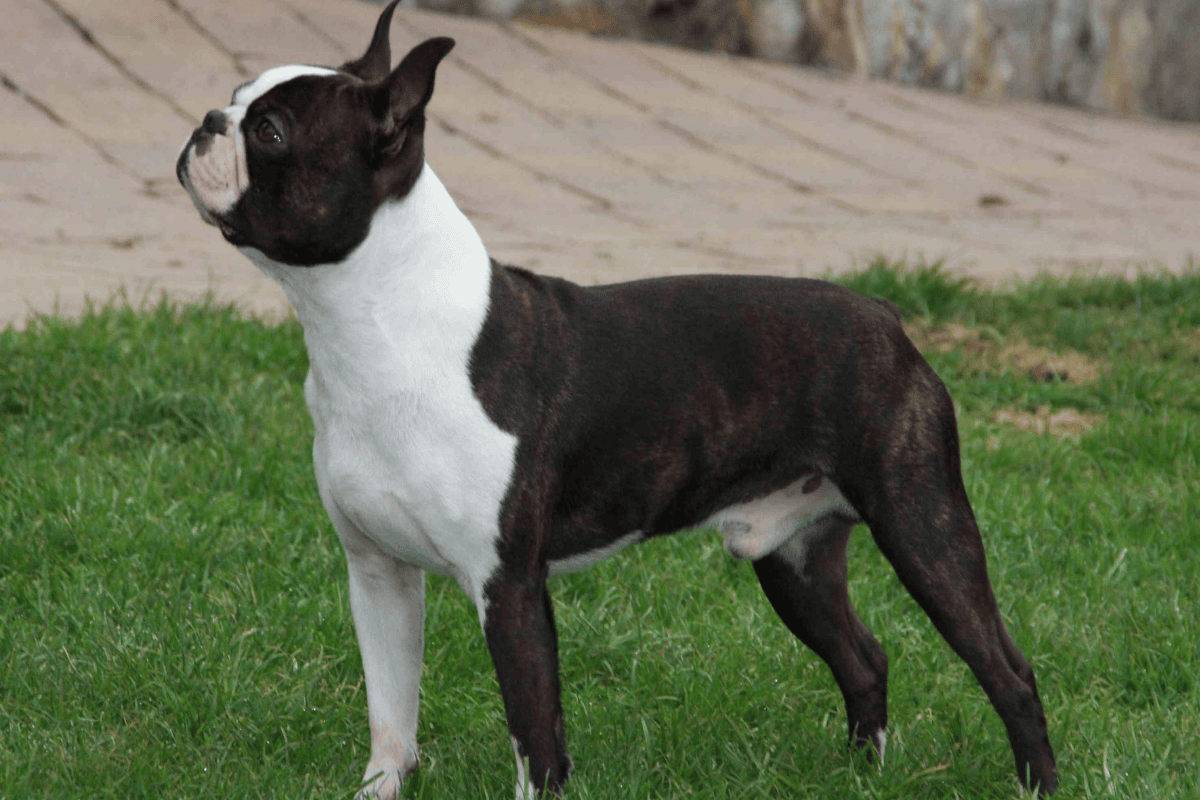
The Boston Terrier is a compact, friendly breed with a short coat and distinctive tuxedo markings. Originally bred in the United States for companionship, the Boston Terrier dog breed is playful, intelligent, and deeply loyal to its owners.
Adaptable and lively, Boston Terrier breed dogs thrive in various living environments and respond well to training and socialisation. Their gentle, affectionate nature and strong Boston Terrier personality make them ideal companions for families and individuals alike.
Today, the Boston Terrier dog breeds are loved for their charm, low-maintenance grooming, and sociable temperament. With moderate exercise needs and a Boston Terrier average lifespan of 11–13 years, they suit homes looking for both energy and affection.
Boston Terrier Appearance
The Boston Terrier is a compact and sturdy breed, with a distinctive tuxedo-like coat pattern and large, expressive eyes. Its muscular build and short, smooth coat create a charming, well-balanced appearance. Despite its small size, the Boston Terrier is energetic and affectionate, making it an ideal companion for a variety of households.
Size:
The Boston Terrier is a small dog, with males weighing between 5-7 kg and females between 4-6 kg. Their small size and compact build make them well-suited for apartment living, yet they still possess a lot of energy and require regular physical activity.
Coat:
The Boston Terrier has a short, smooth coat that comes in a variety of colours, including black, brindle, or seal, with white markings on the chest, face, and feet. This breed is low-maintenance in terms of grooming, requiring only occasional brushing to remove loose hairs. While their coat doesn’t require much upkeep, they should be protected from extreme temperatures, as they lack a thick undercoat.
Distinctive Features:
The Boston Terrier is known for its "tuxedo" coat, giving it a classy and distinguished appearance. It has a broad, square-shaped head, short muzzle, and large, round eyes that convey intelligence and curiosity. Its small, erect ears are often alert and expressive, adding to its endearing character.
Energy and Agility:
Though small in size, the Boston Terrier is lively and playful. They are quick and agile, enjoying short bursts of activity and play. Their friendly nature and active disposition make them suitable for families, especially those with older children. Despite their compact size, they require regular exercise to maintain their health and happiness.
Boston Terrier History
The Boston Terrier dog breeds have a rich heritage rooted in companionship and working-class origins. Known as the "American Gentleman," this breed was developed in the late 19th century in Boston, Massachusetts, for its friendly nature and working capabilities.
Origins in the United States:
The Boston Terrier is a breed developed in the United States by crossing the now-extinct English Bulldog with the English Terrier. Initially bred for dog fighting, they were later refined to be companions, with their gentle disposition and intelligence emerging as key traits. Their history as a well-loved companion breed began in Boston, where they were often referred to as "Boston Bull Terriers."
Breed Development:
Through selective breeding, the Boston Terrier evolved into the affectionate, playful breed we know today. While originally bred for strength and courage, the Boston Terrier was gradually refined for companionship, becoming a family-oriented dog known for its loyalty and easy-going nature.
Recognition and Popularity:
The Boston Terrier was officially recognised by the American Kennel Club (AKC) in 1893, and it quickly gained popularity as a family dog due to its intelligence, trainability, and friendly nature. Today, the breed is well-regarded across the United States and around the world, appreciated for its charming personality and adaptability.
Boston Terrier Today:
The Boston Terrier remains one of the most beloved small dog breeds, often chosen as a pet for its engaging personality and manageable size. Their easy-going temperament makes them suitable for various living environments, from apartments to larger homes, and they continue to be popular companions for families and individuals alike.
Boston Terrier Personality
The Boston Terrier is known for its friendly, intelligent, and playful nature. It forms strong bonds with its family and enjoys engaging in activities that challenge both its mind and body. This breed is outgoing and loves to be around people, making it an ideal companion for families and singles alike.
General Traits:
- Energetic and Intelligent: Boston Terriers are quick learners and enjoy tasks that require both mental and physical effort. They thrive in environments that provide regular exercise and stimulation.
- Friendly and Outgoing: Social by nature, they are friendly towards both people and other pets when properly socialised. Their affectionate behaviour makes them ideal for households looking for a loyal companion.
- Playful and Active: Boston Terriers love interactive play and need consistent activity to prevent boredom. They are great for owners who can provide them with regular walks and playtime.
Watchdog Tendencies:
- Alert and Observant: While generally friendly, Boston Terriers are keenly aware of their surroundings and will alert their owners to unfamiliar sounds or people.
- Friendly but Protective: Boston Terriers are typically welcoming but may show some protective tendencies, especially towards their family members.
- Moderate Barkers: This breed is not overly vocal, but it will alert its owners to visitors or changes in the environment.
Trainability:
- Eager to Learn: Boston Terriers are highly trainable, responding well to positive reinforcement like treats and praise. Their intelligence makes them quick to pick up commands.
- Require Mental Engagement: To avoid restlessness, Boston Terriers need regular mental stimulation. Without sufficient activity, they can become anxious or exhibit undesirable behaviours.
- Positive Reinforcement Essential: Reward-based training is effective with this breed, helping to establish a strong bond with its owner and ensuring good behaviour.
Love of Activity and Engagement:
- Thrive with Interaction: Boston Terriers enjoy being involved in daily activities and love spending time with their family members. They are active companions who enjoy outdoor play and adventures.
- Need Purpose and Activity: To remain happy, this breed requires regular physical exercise, both to satisfy their energy levels and to avoid boredom.
- Not Suited to Extended Solitude: Boston Terriers do not cope well with being left alone for long periods. They need companionship and can experience separation anxiety if left isolated for too long.
Boston Terrier as Family Pets
Boston Terriers are affectionate, loyal, and friendly, making them excellent family pets, especially for households looking for an engaging companion. They form strong bonds with their family members and enjoy participating in daily activities.
Good with Kids? Yes, Usually!
- Playful and Affectionate: Boston Terriers are generally very affectionate with children and love playful interactions. Their small size and playful nature make them great companions for kids, though supervision during playtime is important.
- Early Socialisation Important: Proper socialisation from an early age ensures that Boston Terriers interact well with children and other pets, fostering calm behaviour and balanced social skills.
- Supervision Recommended: Although Boston Terriers are sturdy for their size, supervision is still recommended, particularly with younger children, to ensure safe play and prevent any accidental injury.

Boston Terrier Health & Care
The Boston Terrier is a generally healthy breed, but like all dogs, it can be prone to specific health conditions. Regular vet check-ups, responsible breeding, and proper care can help ensure they live a long, healthy life.
Common Health Concerns:
- Juvenile Hereditary Cataracts: An inherited early-onset clouding of the lens that can reduce vision or lead to blindness in young dogs.
- Brachycephlic AirwaySyndrome (BOAS): A breathing condition in brachy breeds where narrowed nostrils and/or excess soft palate tissue cause snoring, heat intolerance, and exercise difficulty. Selecting for open nostrils and easy breathing, keeping dogs lean, and veterinary airway assessments help; severe cases can be surgically improved.
- Deafness (BAER): A painless, objective test that checks each ear’s hearing and can detect partial or complete deafness, including in pups. Many breeders BAER-test litters, and owners can request testing if there are concerns.
- Hip and Spine Issues: Bostons can develop hip dysplasia/arthritis and spinal problems like hemivertebrae or disc disease. Responsible programs screen breeding dogs with orthopedic/spinal imaging, and keeping pets lean while avoiding high-impact jumping helps protect joints.
- Heart Conditions: Boston Terriers may be at risk for heart disease, including mitral valve disease. Keeping regular veterinary appointments is crucial for early detection.
Health testing is ideal, but is not always necessary if a breeder has responsibly cleared issues by parentage and health certificates. It's important to speak with your breeder to learn more, and understand the different health concerns that is prevalent in the breed.
Many reputable breeders will be happy to dive into how they conduct their health screening in the program, and be transparent about their practices. Your breeder is a wealth of knowledge and information about your breed, so be sure to ask questions (respectfully!). You can connect with a registered Boston Terrier Breeder directly on Dogz Online.
Care and Maintenance
Caring for a Boston Terrier involves more than just grooming. It includes regular exercise, a balanced diet, and monitoring their health to ensure they remain healthy and happy.
- Coat Care: Boston Terriers have a short, smooth coat that requires minimal grooming. Regular brushing helps to keep their coat healthy and removes loose hairs. Though they don't need frequent baths, it’s essential to maintain their coat and overall hygiene.
- Exercise Needs: Boston Terriers are energetic and need at least 30 minutes to 1 hour of exercise daily, including walks, interactive play, and short bursts of sprinting. Regular exercise is vital to keep them physically fit and mentally stimulated.
- Diet and Nutrition: A balanced diet is crucial to maintain a healthy weight and overall health. Ensure portion control to avoid obesity, which can lead to joint issues and other health concerns. Consult your vet for dietary recommendations based on your Boston Terrier's activity level.
- Routine Veterinary Care: Regular vet visits are important to monitor their overall health, keep up with vaccinations, and screen for any breed-specific health conditions. Routine care also includes dental exams and eye check-ups.
Caring for your Boston Terrier
Boston Terrier care is focused on balancing physical exercise, mental stimulation, proper nutrition, and grooming to keep them healthy, happy, and well-adjusted. A consistent and thoughtful care routine will help ensure their well-being.
Regular Vet Visits:
Routine veterinary check-ups are essential for early detection of health issues and maintaining long-term well-being. Regular exams, including dental care and breed-specific screenings, are necessary to monitor their health.
Nutritious Diet:
Feed your Boston Terrier a balanced, high-quality diet that matches their energy level. Proper nutrition supports a healthy weight, muscle tone, and overall vitality. Consult your vet for personalised dietary recommendations to address their specific needs.
Exercise for Body and Mind:
Boston Terriers need regular exercise to stay healthy. Daily walks, interactive play, and mental stimulation through training or puzzle toys are ideal to keep them engaged. Mental stimulation helps to prevent boredom and undesirable behaviours.
Grooming Needs:
Boston Terriers have a short, fine coat that requires minimal grooming. Regular brushing is enough to keep their coat healthy and remove loose hair. Regular ear cleaning, nail trimming, and dental care are important parts of their grooming routine.
Mental Stimulation:
Boston Terriers are intelligent and can benefit from mental challenges like obedience training and interactive games. Keeping them mentally stimulated is crucial to avoid restlessness and boredom.
Monitoring for Health Changes:
It’s important to watch for any changes in your Boston Terrier’s appetite, behaviour, or activity levels. If you notice anything unusual, early intervention is key to ensuring your dog remains healthy and active.
Boston Terrier Grooming
The Boston Terrier is a low-maintenance breed, but regular grooming is still important to ensure its overall health and comfort. Its short, smooth coat requires minimal upkeep, but consistent care will keep it clean and healthy.
Regular Brushing:
Boston Terriers have a short, fine coat that doesn't require much grooming. Brushing once a week helps remove loose hairs, reduces shedding, and maintains a shiny, healthy coat.
Bathing:
Bathing should be done every 6-8 weeks or as needed to keep their skin and coat healthy. Use a gentle, dog-specific shampoo to avoid drying out their skin and to maintain their coat's smooth texture.
Nail Trimming:
Trim your Boston Terrier's nails every 3-4 weeks to prevent discomfort or injury. If you hear their nails clicking on the floor, it's time for a trim. Regular nail trimming helps maintain proper foot structure and comfort.
Ear Cleaning:
Check their ears weekly for any wax build-up or signs of infection. Use a vet-approved ear-cleaning solution and avoid inserting anything deeply into the ear canal to prevent damage to their sensitive ears.
Teeth Cleaning:
Regular dental care is essential for the Boston Terrier. Brush their teeth a few times a week and provide dental chews to help prevent plaque build-up and support good oral health.
Proper grooming ensures that your Boston Terrier remains healthy, comfortable, and maintains a strong bond with its owner.
Is a Boston Terrier Right For You?
The Boston Terrier is a loving, energetic, and intelligent breed that fits well in a variety of homes. However, it’s important to assess your lifestyle and ability to meet their needs before deciding if the Boston Terrier is the right choice for you.
The Ideal Boston Terrier Owner:
- Active and Outdoorsy: Although small in size, Boston Terriers are energetic and require daily exercise. They thrive in homes where owners enjoy outdoor activities like walking, running, or playing in secure, enclosed areas.
- Committed to Regular Training: Boston Terriers are intelligent and eager to please, making them relatively easy to train with positive reinforcement. Owners who enjoy engaging their dog mentally and physically will find them rewarding companions.
- Patient and Gentle Leader: Boston Terriers respond best to calm, patient training methods. A gentle approach is essential as they can be sensitive to harsh correction.
- Seeking a Loving Companion: Known for their affectionate nature, Boston Terriers thrive in homes where they receive plenty of attention, affection, and companionship.
Not Ideal If:
- You Have a Sedentary Lifestyle: Boston Terriers need daily exercise and mental stimulation. Without sufficient activity, they may become restless and develop behavioural problems.
- You’re Frequently Away or Busy: Boston Terriers form strong bonds with their owners and may experience separation anxiety if left alone for long periods. They need regular companionship and daily interaction.
- You Want a Low-Maintenance Dog: While their grooming needs are minimal, Boston Terriers require consistent mental stimulation, exercise, and social interaction. They are not suited to a passive lifestyle.
- You Want a Quiet Dog: While not excessive barkers, Boston Terriers will alert their owners to visitors or changes in the environment.
Crucial Considerations:
- Exercise and Mental Stimulation: Boston Terriers are energetic and need at least 30 minutes to 1 hour of exercise daily. Regular walks, playtime, and mental stimulation through training or games are essential for their happiness. Without proper engagement, they may develop undesirable behaviours.
- Consistent and Positive Training: Boston Terriers are intelligent but sensitive, so they respond best to positive reinforcement and reward-based training. Consistency and patience are key to developing a well-behaved dog.
- Companion Needs: Boston Terriers are highly affectionate and social dogs that thrive in homes where they receive daily companionship. They do not handle extended periods of isolation well.
Importance of a Reputable Boston Terrier Breeder
Choosing a reputable breeder is essential to ensure that your Boston Terrier puppy will have a stable temperament, good health, and be well-socialised. Ethical breeders follow responsible practices, conduct health testing, and provide early puppy development to ensure a healthy and well-adjusted dog.
Health Testing:
Responsible breeders screen for breed-specific genetic conditions. A responsible breeder will provide clear health documentation and guidance for managing breed-specific concerns.
Temperament Assessment:
Good breeders assess a puppy’s temperament, sociability, and confidence to ensure compatibility with potential owners. This ensures a well-adjusted dog, making it easier to integrate into a family environment.
Early Socialisation and Enrichment:
Puppies from ethical breeders are exposed to various environments, sounds, animals, and experiences from an early age. This early socialisation plays a critical role in developing a well-rounded temperament.
How to Find a Reputable Breeder:
- Do Your Research: Research Boston Terrier breed clubs and directories for breeders who adhere to breed standards and ethical practices.
- Ask Questions: A reputable breeder will provide detailed answers about the health of the puppies, socialisation methods, and their breeding practices.
- Visit the Breeder: If possible, visit the breeder’s premises to assess the living conditions and meet the parent dogs. Clean, well-maintained environments and happy puppies are key indicators of a responsible breeder.
Red Flags:
Be cautious of breeders who:
- Avoid answering questions or provide vague responses.
- Lack transparency about health testing or the conditions of the parent dogs.
- Prioritise sales over finding suitable homes for their puppies.
Choosing a responsible breeder ensures you bring home a healthy, well-socialised Boston Terrier with a stable temperament, providing you with a loving companion for years to come.
How Long Does a Boston Terrier Live For?
Boston Terriers are cheerful, intelligent, and affectionate companions that usually live between 11 and 13 years. With their easygoing nature, they fit well into most families and can remain lively well into their later years.
Frequently Asked Questions (FAQs)
- Can a Boston Terrier swim?
Boston Terriers can swim, but they are not natural swimmers due to their short legs and flat faces. It’s important to supervise them around water and ensure they have a life vest if needed. - Can a Boston Terrier be left alone?
Boston Terriers can be left alone for short periods, but they are social dogs and may experience separation anxiety if left for too long. They need plenty of companionship and mental stimulation. - Does a Boston Terrier smell?
Boston Terriers generally do not have a strong smell, as they have short coats and are clean dogs. Regular grooming and bathing can help keep any potential odour under control. - How big can a Boston Terrier get?
Boston Terriers are small dogs, typically weighing between 2.7 to 11.3 kg (6 to 25 pounds), and stand around 38 to 43 cm (15 to 17 inches) tall at the shoulder. - How long can a Boston Terrier live?
Boston Terriers typically live between 11 to 15 years, depending on their health, diet, and overall care. - How much exercise does a Boston Terrier need?
Boston Terriers need moderate exercise, usually about 30 minutes to 1 hour of physical activity per day. Playtime and walks are ideal for keeping them healthy and happy. - How much does a Boston Terrier shed?
Boston Terriers shed lightly. Their short coat requires minimal grooming, but regular brushing can help manage any loose hair. - How much does a Boston Terrier weigh?
Boston Terriers typically weigh between 2.7 to 11.3 kg (6 to 25 pounds), with most falling in the 10 to 15-pound range. - Is a Boston Terrier a good family dog?
Yes, Boston Terriers make great family dogs. They are affectionate, friendly, and playful, making them great companions for children and families of all sizes. - What to feed a Boston Terrier?
Feed your Boston Terrier a high-quality, balanced diet, including dry kibble with protein like chicken, lamb, or fish, plus healthy fats and vegetables. Consult your vet for feeding guidelines based on their age, weight, and activity level.
Adaptability
Adapts Well To
The Boston Terrier is a highly adaptable breed, well-suited to various living environments as long as their physical and social needs are met. Their affectionate personality, intelligence, and moderate energy levels make them a great fit for many different types of homes, including urban and suburban settings.
- Homes with Yards: Boston Terriers benefit from outdoor spaces where they can run and play. A yard allows them to burn off excess energy and helps prevent boredom, although they are just as content with regular walks and playtime. A secure yard is ideal but not essential if they receive adequate daily exercise.
- Active Families: Boston Terriers thrive in active households where they receive regular exercise and mental stimulation. They enjoy walks, playtime, and interactive activities, but their exercise needs are moderate compared to high-energy breeds. They are well-suited for families that can provide daily physical activity and mental challenges.
- Urban and Suburban Environments: The Boston Terrier adapts well to both suburban and urban environments, making it an excellent choice for apartment living. They are small in size, which makes them ideal for apartment dwellers, but they still need daily walks and interaction. As long as their exercise needs are met, they adapt easily to different living situations.
Important Considerations:
- Exercise Needs: Boston Terriers require at least 30 minutes to 1 hour of exercise each day, including walks and playtime. Without sufficient activity, they may become bored and develop undesirable behaviours like chewing or excessive barking.
- Mental Stimulation: These intelligent dogs enjoy engaging in mentally stimulating activities such as training sessions, puzzle toys, and interactive play. Regular mental challenges help keep them mentally sharp and prevent boredom.
- Companionship: Boston Terriers form strong bonds with their families and thrive in environments where they receive regular companionship. They are social dogs and enjoy being part of family activities.
- Barking Tendencies: Boston Terriers are not known for being excessive barkers, but they will alert their owners to visitors or changes in their environment. They make good watchdogs, though they aren't suited for people seeking a quiet dog.
Adapts Less Well To
While the Boston Terrier is adaptable, there are certain living situations where they may struggle. Their need for regular exercise, mental stimulation, and social interaction means they may not thrive in every environment.
- Homes Without Outdoor Space: While Boston Terriers can live in apartments, they still need daily access to outdoor areas for walks and playtime. Without access to secure outdoor spaces, they may become frustrated, leading to destructive behaviour. Regular trips to the park or outdoor exercise are essential.
- Inactive or Sedentary Households: Though not as energetic as some breeds, Boston Terriers still require regular exercise to stay happy and healthy. Households with limited physical activity may find it challenging to meet their exercise needs, which can lead to boredom and frustration.
- Homes with Limited Social Interaction: Boston Terriers are affectionate and thrive on companionship. They are not suited to homes where they are left alone for extended periods. They form strong bonds with their family members and need daily interaction and engagement to remain emotionally balanced.
Potential Solutions for Apartment Living:
- Frequent and Vigorous Exercise: Boston Terriers need daily exercise, including walks, interactive play, and short sprints. Regular outdoor activity will help prevent frustration and maintain their health. If outdoor space is limited, consider visiting parks or secure areas where they can run freely.
- Mental Stimulation: Puzzle toys, obedience training, and interactive games are crucial for keeping their minds engaged. Regular mental challenges help prevent boredom and ensure they remain calm and well-behaved.
- Regular Companionship and Interaction: Boston Terriers are highly sociable and require daily companionship. In apartment settings, ensure they are included in family activities and receive plenty of attention. If left alone too often, they may develop separation anxiety, so alternatives like dog walking or daycare can be helpful.
Important Considerations:
- Moderate Exercise Needs: Boston Terriers require regular exercise, but they are not as high-energy as some other breeds. Daily walks and playtime are sufficient to keep them fit and mentally engaged. Consistent exercise helps avoid behavioural issues and keeps them healthy.
- Sociable and Dependent: This breed is affectionate and forms deep bonds with its family. Boston Terriers do best in homes where they are included in daily life and social activities. They do not tolerate long periods of isolation and need daily interaction to stay happy.
- Minimal Shedding: Boston Terriers shed minimally throughout the year, and their grooming needs are low. Weekly brushing helps keep their coat in good condition and removes loose hair, making them a good choice for those looking for a low-shedding breed.
- Alert and Communicative: Although they are not excessive barkers, Boston Terriers are alert and will notify their owners of visitors or changes in their environment. They make excellent watchdogs, though they are not suited for those seeking a quiet dog.
Boston Terriers are adaptable and thrive in environments where they receive regular exercise, mental stimulation, and human interaction. As long as these needs are met, they make wonderful companions in a variety of living situations.
Good for Novice Dog Owners
Boston Terriers are intelligent, affectionate, and eager to please, making them a great choice for novice dog owners. With their manageable size, friendly temperament, and adaptability, they can become loyal and loving companions with the right training and care.
Why Boston Terrier Can Be a Challenge for Novice Owners
- Energetic but Manageable: Boston Terriers are playful but don’t need intense exercise. Regular walks and playtime are enough, though first-time owners may find it tricky to manage their energy in smaller spaces.
- Sensitive Nature: Boston Terriers are sensitive to their owner’s tone and approach. They respond well to positive reinforcement, but harsh training methods can negatively affect their confidence. Novice owners need to be patient and gentle in their approach to ensure proper development.
- Social and Affectionate: Boston Terriers are affectionate, social dogs that thrive on human interaction. They form strong bonds with their families and can experience separation anxiety if left alone for extended periods. First-time owners should ensure they can meet their Boston Terrier's social needs to prevent behavioural issues associated with prolonged isolation .
Challenges for Novice Owners
- Daily Exercise Commitment: Although Boston Terriers don't require as much exercise as some other breeds, they still need daily walks and playtime. Novice owners must commit to providing regular exercise and mental stimulation, which will prevent boredom and encourage good behaviour.
- Sensitive to Training: Boston Terriers are intelligent and can learn commands quickly, but they respond best to gentle, consistent training. Novice owners need to be prepared to use positive reinforcement methods, including praise, treats, and interactive play, as these dogs do not respond well to harsh or inconsistent methods.
- Social Needs: Boston Terriers are highly affectionate and form strong bonds with their owners. They thrive in homes where they are regularly interacted with. First-time owners with busy schedules may find it challenging to provide the constant companionship Boston Terriers need, as these dogs do not cope well with long periods of isolation.
How Novice Owners Can Succeed with a Boston Terrier
- Early and Consistent Training: Start training early to establish good habits and boundaries. Puppy classes are an excellent way to ensure proper socialisation and structured training, helping your Boston Terrier understand expectations and preventing behavioural issues later on.
- Regular Exercise and Activities: Boston Terriers need at least 30 minutes to 1 hour of exercise daily, including walks and playtime. Providing regular physical and mental stimulation is crucial to keep them happy and healthy. Interactive toys, games, and short sprints are ideal to satisfy their needs.
- Focus on Socialisation: Exposing your Boston Terrier to different people, pets, and environments from an early age will help them become well-rounded, confident dogs. Socialisation prevents fearfulness and ensures that they remain comfortable in various situations.
- Positive Reinforcement: Boston Terriers respond best to positive reinforcement. Use praise, treats, and interactive play to encourage good behaviour and to build trust with your dog. Consistency and patience are key to ensuring your dog thrives.
With patience, consistency, and a commitment to providing the right amount of exercise, socialisation, and companionship, Boston Terriers can be a rewarding choice for novice dog owners. They can become loyal, affectionate, and devoted companions.
Sensitivity
Sensitivity Level
The Boston Terrier is an affectionate, intelligent, and sensitive breed. Known for forming strong emotional bonds with their family, they are highly attuned to their owner’s moods and the environment. This sensitivity makes them exceptional companions but requires thoughtful care and gentle handling.
What Makes Boston Terrier Sensitive
- Strong Emotional Bonds: Boston Terriers thrive on companionship and form strong attachments to their family. They are very responsive to their owner’s emotions, often mirroring their moods and seeking comfort in their presence. Their affectionate nature makes them deeply loyal to their family.
- Sensitive to Harsh Training Methods: Boston Terriers respond poorly to harsh training methods or inconsistent discipline. They require positive reinforcement, such as praise and treats, to maintain their confidence and build trust. Harsh correction can damage their emotional well-being, making patience essential.
- Alert and Reactive: Boston Terriers are naturally alert and reactive to their surroundings. While not prone to aggression, they may become anxious or stressed by loud noises, sudden changes, or unfamiliar situations. Ensuring a calm and stable environment helps reduce stress.
Ownership Impact
- Gentle Training Methods: Boston Terriers require consistent, clear, and calm training. Positive reinforcement is essential to maintain their emotional well-being and ensure they develop good behaviour. Using treats and praise helps them feel secure and confident in their environment.
- Structured Routine: Boston Terriers thrive in homes with a predictable routine. A stable environment helps them feel secure, reducing anxiety and encouraging positive behaviour. Regular feeding times, walks, and play sessions help keep them calm and balanced.
- Early Socialisation: Exposing Boston Terriers to various people, animals, and environments early on helps them become well-adjusted and confident. Regular socialisation reduces anxiety in unfamiliar settings and promotes better behaviour as they grow.
Important Considerations
- Noise Sensitivity: Boston Terriers can be sensitive to loud noises, such as thunderstorms or fireworks. Gradual exposure to these sounds, along with reassurance from their owner, can help reduce noise-related anxiety and help them cope better with stressful situations.
- Attachment to Family: Boston Terriers form strong attachments to their family and can experience separation anxiety if left alone for long periods. They need regular companionship and interaction to feel emotionally fulfilled and prevent behavioural issues related to isolation.
The Positive Side of Sensitivity
The Boston Terrier's sensitivity strengthens their emotional bond with their owners, making them affectionate and loyal companions. Their intelligence, combined with their gentle nature, makes them highly rewarding for families who offer patience, positive guidance, and consistent engagement.
Tolerates Being Alone
Boston Terriers form strong bonds with their family and do not tolerate being left alone for long periods. They may become anxious, bored, or even destructive without sufficient mental and physical stimulation.
Social Needs and Attachment
- Strong Bond with Owners: Boston Terriers are affectionate, sociable dogs that form deep attachments to their family members. They thrive on being part of daily routines and social interactions, often seeking their owner’s companionship and affection. They may struggle emotionally when isolated for extended periods.
- Potential for Restlessness: Without sufficient mental and physical stimulation, Boston Terriers may become bored, restless, or frustrated if left alone too frequently. This can lead to destructive behaviours like chewing, digging, or excessive barking.
- Independent Yet Dependent: While Boston Terriers can be independent in some situations, they are highly dependent on companionship and attention. They do best in homes that provide regular interaction, socialisation, and care.
Ownership Impact
- Consider Your Schedule: Boston Terriers are not ideal for owners who are frequently away or have busy schedules. They require regular attention and companionship to stay emotionally balanced and well-behaved.
- Training for Alone Time: With gradual training, Boston Terriers can become more comfortable being left alone for short periods. Start with brief intervals and gradually increase the duration while providing stimulating activities like toys or treats to keep them occupied.
- Provide Mental and Physical Enrichment: Leave interactive toys, safe chew items, or treat-dispensing feeders to engage them while you are away. Playing with your Boston Terrier before leaving them can help them settle and reduce anxiety.
- Alternatives for Busy Owners: If you have a demanding schedule, consider hiring a dog walker, using doggy daycare, or arranging visits from family or friends to ensure your Boston Terrier has companionship and exercise while you're away.
Important Notes
- Separation Anxiety Risks: Boston Terriers are prone to separation anxiety if isolated for long periods. Early training, socialisation, and practice with alone time can help reduce anxiety risks and prevent destructive behaviours.
- Potential for Boredom-Induced Behaviour: When under-stimulated, Boston Terriers may develop unwanted behaviours like chewing or excessive barking. Keeping them engaged with physical and mental activities is essential to prevent these issues.
- Creating a Secure Space: Create a safe, comfortable area for your Boston Terrier when alone. This space should include familiar items, comfortable bedding, and engaging toys to ease solitude and reduce anxiety.
The Positive Side of Their Attachment
Boston Terriers’ affectionate and loyal nature makes them wonderful companions for owners who prioritise regular interaction. With structured training, consistent exercise, and social enrichment, they can manage short periods alone while maintaining a strong bond with their family.
Tolerates Hot Weather
Boston Terriers are relatively adaptable to warmer climates due to their short, fine coats, but they still require special care and precautions to stay comfortable during hot conditions.
Heat Sensitivity
- Well-Adapted but Sensitive: Boston Terriers cope better with heat than many other breeds, but their short coat makes them more sensitive to extreme temperatures. They need consistent access to shade, fresh water, and regular monitoring to prevent overheating.
- Risk of Overheating: Prolonged exposure to high temperatures or vigorous physical activity in hot weather can quickly lead to overheating, dehydration, or heatstroke. Close attention to their comfort during warmer months is essential.
- Signs of Overheating: Watch for symptoms like heavy panting, drooling, lethargy, or disorientation. If you notice any signs of overheating, move your Boston Terrier to a cooler environment immediately, provide fresh water, and consult a vet if symptoms persist.
Ownership Impact
- Adjust Activity Levels: Schedule walks and outdoor play during the cooler parts of the day, such as early morning or late evening. Avoid vigorous activity during the hottest hours to help prevent heat-related illnesses.
- Provide Shade and Hydration: Always ensure your Boston Terrier has access to shaded areas and a continuous supply of fresh water, both indoors and outdoors. Never leave them outside in direct sun for prolonged periods.
- Grooming Considerations: Regular brushing helps remove loose hair and encourages better airflow through their coat. Avoid shaving your Boston Terrier, as their short coat helps regulate body temperature and provides some protection from the sun.
- Cooling Accessories: Consider using cooling mats, damp towels, or cooling vests on particularly hot days to help manage their body temperature and ensure they stay comfortable.
Important Considerations
- Individual Heat Tolerance: Each Boston Terrier may handle heat differently based on age, health, and activity level. Always monitor their behaviour and adjust environmental conditions accordingly to prevent overheating.
- Never Leave in Hot Environments: Never leave your Boston Terrier unattended in a car or enclosed space during hot weather, as temperatures can rise dangerously within minutes.
- Monitor Indoor Temperatures: Ensure proper ventilation or cooling systems indoors, such as fans or air conditioning, to keep your Boston Terrier comfortable and safe during warmer months.
By following these precautions, your Boston Terrier can comfortably enjoy warm weather while staying healthy, active, and happy.
Tolerates Cold Weather
Boston Terriers, with their short, smooth coats, offer limited insulation against cold weather. While they can handle moderate cold, extra care is needed in freezing or wet conditions to ensure their comfort.
Cold Weather Tolerance
- Limited Insulation: Boston Terriers have minimal insulation due to their short coats, meaning they require extra warmth in colder climates. They can manage cooler conditions but need protective measures when temperatures drop significantly.
- Active in Cooler Conditions: Despite their short coat, Boston Terriers remain energetic in cooler weather and enjoy outdoor activities during autumn or mild winter days. Extra care is needed in harsher cold climates to ensure they stay comfortable.
Ownership Impact
- Monitor for Cold Sensitivity: Look for signs of discomfort such as shivering, reluctance to go outside, or lifting their paws from cold surfaces. These are indicators that your Boston Terrier may need extra warmth.
- Protect Their Paws: Snow, ice, and road salt can irritate their paws. Use paw balm or protective booties during winter walks to help shield their feet from harsh conditions.
- Provide Warm Shelter: Ensure your Boston Terrier has access to a warm, dry, draft-free shelter when outside. Indoors, provide a cosy bed away from cold drafts to keep them comfortable.
- Grooming Considerations: Regular brushing helps maintain coat condition and skin health. Avoid frequent baths during colder months, as it strips natural oils from their skin that help protect them from the cold.
Important Considerations
- Individual Variability: Some Boston Terriers, especially puppies, older dogs, or those with health issues, may have a lower tolerance to cold. Adjust exposure to cold weather and monitor their comfort closely.
- Wet and Windy Conditions: Wet and windy weather can reduce the insulating properties of their coat. After rain or snow, dry your Boston Terrier thoroughly and limit their time in wet conditions to avoid cold stress.
With proper care and attention, Boston Terriers can comfortably handle moderate cold weather, but extra precautions are needed for colder, wet, or windy conditions to keep them safe and comfortable.
Friendliness
Affectionate with Family
Boston Terriers are known for their affectionate, loyal, and playful nature. They form strong bonds with their family and thrive on close companionship. Their friendly and engaging personality makes them great companions, enjoying being involved in family activities and showing affection through gentle interactions.
Boston Terrier as Affectionate Companions:
- Loyal and Social: Boston Terriers are sociable and affectionate dogs who thrive on attention and companionship. They love being part of family life and do best in homes where they receive regular interaction and care. Their loyalty and playful nature make them excellent family pets.
- Playful and Engaged: With their playful personality, Boston Terriers seek out interaction and show affection through gentle play. They love to be involved in family activities and are eager to please. Their energy makes them delightful companions for owners who enjoy active pets.
- Responsive to Positive Interaction: Boston Terriers form strong emotional bonds with their family through regular play, training, and interactive activities. Their affectionate nature is nurtured by positive reinforcement and family involvement.
Ownership Impact
- Bonding Through Activity: Regular exercise, structured training, and interactive games are essential for bonding with your Boston Terrier. These activities help strengthen the emotional connection with your dog and contribute to their physical and mental well-being.
- Affectionate and Sociable: Boston Terriers enjoy cuddles and gentle play. They are naturally affectionate and thrive on being close to their human companions. They make excellent pets for families seeking a loving and loyal dog.
- Early Socialisation: Introducing your Boston Terrier to various people, animals, and environments early on is key to ensuring they develop into friendly, well-rounded dogs. Socialisation helps them adapt to different situations and makes them more comfortable in social settings.
Kid-Friendly
Boston Terriers are great family dogs, particularly for families with children. Their affectionate nature, combined with their manageable size and gentle temperament, makes them excellent companions for older kids who understand how to interact with dogs. However, care should be taken when interacting with younger children due to their small size and sensitivity.
Boston Terrier and Children:
- Playful and Energetic: Boston Terriers enjoy active interactions with children, and their playful nature makes them well-suited to engage in structured play. Their small size and gentle temperament are ideal for older kids, but they may become overwhelmed with younger children’s boisterous behaviour.
- Gentle but Enthusiastic: Although gentle, Boston Terriers are sensitive to rough handling. Supervision is essential, especially with young children, to ensure interactions remain safe and enjoyable for both the dog and the child.
- Protective and Attentive: Boston Terriers are naturally alert and can be protective of their family members. Their gentle nature makes them attentive and loving companions, though they may not exhibit the same level of outward protection as other breeds.
Ownership Impact
- Supervision is Essential: While Boston Terriers are generally good with children, adult supervision is key, especially with younger children. Their small size and sensitivity to rough handling mean that interactions should be carefully managed to ensure safety for both the child and the dog.
- Teach Mutual Respect: Teaching children the proper way to interact with dogs, such as avoiding rough play and not pulling on ears or tails, helps foster a respectful relationship between children and dogs.
- Early Training and Socialisation: Consistent training and early socialisation are essential to ensure that your Boston Terrier learns how to behave around children. A well-socialised Boston Terrier is gentle, affectionate, and a balanced companion for families.
With Other Pets
Boston Terriers generally get along well with other pets, especially when properly socialised from a young age. Their friendly and playful nature allows them to coexist comfortably with other dogs and pets, though their size and sensitivity require careful introductions and supervision.
Socialisation and Training:
- Best with Proper Introductions: Boston Terriers typically get along well with other dogs and pets when introduced calmly and properly. Early socialisation helps them develop positive relationships with other pets in the household.
- Gentle Playfulness: While playful, their gentle nature is generally well-suited to interactions with other pets. However, their small size makes them more vulnerable, so supervision is important to ensure safe interactions.
- Potential for Prey Drive: Like many small breeds, Boston Terriers may have a natural instinct to chase smaller animals. This behaviour can be managed through early socialisation and positive reinforcement, teaching them appropriate interactions with smaller pets.
- Supervision and Management: Gradual introductions to other pets help Boston Terriers establish boundaries and appropriate behaviours. Training is key to fostering positive relationships with other animals in the household.
Friendly Toward Strangers
Boston Terriers are naturally friendly and social dogs who greet new people with curiosity and warmth. With proper early socialisation, they remain confident and well-behaved in social settings.
Boston Terrier and Strangers:
- Naturally Outgoing: Boston Terriers are generally welcoming and affectionate, quickly forming bonds with new people. Their friendly and playful nature makes them eager to greet strangers, though they can be a bit reserved at first.
- Alert but Approachable: While naturally alert, Boston Terriers are not typically suspicious of new people. They approach unfamiliar visitors with a positive attitude, though their initial reserve may soften as they sense no threat.
- Socialisation is Key: Early exposure to different people, environments, and situations helps Boston Terriers remain confident and relaxed when meeting strangers. The more they are socialised, the better they handle new encounters.
- Owner’s Influence: Boston Terriers look to their owners for cues on how to behave in new situations. By remaining calm and positive in social settings, owners can help their dogs mirror that behaviour and engage confidently with strangers.
With proper socialisation and training, Boston Terriers become confident and friendly dogs, comfortably interacting with strangers and adjusting to new environments and situations.
Health & Grooming
Amount of Shedding
Boston Terriers have a short, smooth coat that sheds lightly throughout the year. While their grooming needs are relatively low-maintenance, regular care is necessary to manage loose fur and keep their coat healthy.
Shedding Reality:
- Single, Short Coat: Boston Terriers have a sleek coat without an undercoat, so shedding is minimal but consistent.
- Light Shedding Year-Round: While their shedding is not heavy, Boston Terriers shed year-round. Regular grooming is needed to manage this light shedding and keep your home clean.
- Not Hypoallergenic: Boston Terriers are not considered hypoallergenic, and like most dogs, they shed dander, which may not be suitable for individuals with allergies.
Ownership Impact
- Regular Brushing: Weekly brushing with a soft-bristle brush or grooming mitt helps remove loose hairs, reduces shedding around the home, and keeps their coat healthy.
- Routine Vacuuming: Frequent vacuuming helps manage light hair shedding, especially on furniture, floors, and clothing.
- Bathing as Needed: Occasional baths every 6-8 weeks or when visibly dirty help maintain cleanliness without stripping the coat of its natural oils.
With regular brushing and consistent grooming, shedding from Boston Terriers can be easily managed, keeping your home tidy and their coat healthy.
Drooling Potential
Boston Terriers are generally low droolers, making them a tidy breed. While they don’t drool excessively, they may drool slightly during excitement or after drinking water.
Drooling Tendencies:
- Minimal Drooling: While generally low, drooling can vary depending on individual dogs and circumstances, such as excitement or health conditions.
- Health-Related Drooling: Excessive drooling can sometimes indicate health issues, such as dental problems or nausea. If drooling increases suddenly, it’s advisable to consult a vet.
Ownership Impact
- Cleanliness: Their minimal drooling makes them easy to care for, with less mess on furniture, floors, or clothing.
- Low Maintenance: Boston Terriers are a great option for owners who prefer a dog with minimal drooling and easy clean-up.
By maintaining regular dental care and monitoring their health, Boston Terriers’ naturally low drooling habits make them an easy, clean choice for those who appreciate tidy living spaces.
Easy to Groom
Boston Terriers have a short, smooth coat, making grooming relatively straightforward. While their grooming needs are minimal, regular care is important to maintain coat health and manage shedding.
Grooming Requirements:
- Regular Brushing: Weekly brushing is important to remove loose hairs, reduce shedding, and maintain a shiny coat. A soft-bristle brush or grooming mitt works well for this breed.
- Bathing: Boston Terriers only need a bath every 6-8 weeks or when visibly dirty. Use a gentle, dog-specific shampoo to avoid drying out their skin.
- Nail Trimming and Ear Cleaning: Regular nail trimming every 3-4 weeks is necessary to keep their paws healthy. Check and clean their ears weekly to prevent wax build-up or infections.
Ownership Impact
- Low Grooming Commitment: Due to their short, sleek coat, Boston Terriers require minimal grooming compared to long-haired breeds, making them an excellent choice for owners with busy lifestyles.
- Minimal Professional Grooming Needs: Boston Terriers rarely require professional grooming, making them an economical choice for families seeking a low-maintenance dog.
With a simple grooming routine and regular coat maintenance, Boston Terriers stay healthy, clean, and well-groomed, making them a great companion for active households.
General Health
Boston Terriers are generally healthy dogs, but like all breeds, they can be predisposed to certain genetic and breed-related health issues. Responsible care and regular vet check-ups are essential to ensure that your Boston Terrier stays in great shape throughout its life.
Potential Health Concerns
- Juvenile Hereditary Cataracts: An inherited early-onset clouding of the lens that can reduce vision or lead to blindness in young dogs.
- Brachycephlic AirwaySyndrome (BOAS): A breathing condition in brachy breeds where narrowed nostrils and/or excess soft palate tissue cause snoring, heat intolerance, and exercise difficulty. Selecting for open nostrils and easy breathing, keeping dogs lean, and veterinary airway assessments help; severe cases can be surgically improved.
- Deafness (BAER): A painless, objective test that checks each ear’s hearing and can detect partial or complete deafness, including in pups. Many breeders BAER-test litters, and owners can request testing if there are concerns.
- Hip and Spine Issues: Bostons can develop hip dysplasia/arthritis and spinal problems like hemivertebrae or disc disease. Responsible programs screen breeding dogs with orthopedic/spinal imaging, and
- keeping pets lean while avoiding high-impact jumping helps protect joints.
- Heart Conditions: Boston Terriers may be at risk for heart disease, including mitral valve disease. Keeping regular veterinary appointments is crucial for early detection.
The Importance of Reputable Boston Terrier Breeders
Choosing a reputable Boston Terrier breeder is crucial for ensuring your puppy has a stable temperament, good health, and proper socialisation. Responsible breeders:
- Screen their breeding dogs for hereditary health conditions
- Provide clear health history for both the dog and its parents.
- Focus on improving the breed and minimising the spread of genetic disorders, ensuring long-term health and vitality for the puppies.
Ownership Impact
- Routine Veterinary Care: Regular vet visits for health screenings, vaccinations, and blood tests help detect health issues early, improving the Boston Terrier’s longevity and quality of life.
- Specialised Diet and Exercise: Boston Terriers need a balanced diet tailored to their activity levels and breed-specific needs. Regular moderate exercise helps maintain a healthy weight and supports joint health.
- Health Screenings: Regular tests, including blood work and urine checks, help detect and manage potential health conditions before they become more serious.
- Financial Preparedness: Be prepared for the costs of regular veterinary care, medications if necessary, and the additional costs of health maintenance, such as specialty foods.
With proper health management, a balanced diet, and regular veterinary care, Boston Terriers can enjoy long, healthy, and fulfilling lives as loyal companions.
Potential for Weight Gain
Boston Terriers are active and agile dogs, known for their graceful build and high energy levels. However, they can be prone to weight gain if their diet and exercise routines are not carefully managed, which can affect their overall health and comfort.
Factors Contributing to Weight Gain
- Overfeeding:
Feeding too many portions or treats can quickly lead to weight gain, especially if the dog’s diet is not properly controlled. Boston Terriers, being smaller dogs, require precise portion control to maintain a healthy weight. - Insufficient Exercise:
Boston Terriers require regular physical activity, including daily walks and playtime. A lack of exercise, particularly in sedentary households or as they age, can contribute to unwanted weight gain. - Dietary Requirements:
If not given a balanced, breed-appropriate diet, Boston Terriers may gain weight. Overfeeding or providing high-calorie foods can lead to rapid weight gain, so it's important to maintain a healthy, tailored diet. - Medical Conditions:
Some health issues, such as hypothyroidism, can lead to weight gain. If your Boston Terrier starts gaining weight unexpectedly, it’s important to consult a vet for diagnosis and treatment.
Ownership Impact
- Controlled Portions:
Feed your Boston Terrier measured, balanced portions based on their age, weight, and activity levels. Avoid free-feeding and limit high-calorie treats to ensure they maintain a healthy weight. - Healthy, Breed-Specific Treats:
Opt for low-calorie treats, such as dog-safe fruits or vegetables, to help manage weight while supporting overall health. - Regular Exercise:
Ensure your Boston Terrier gets daily physical activity, such as walks or interactive play. Consistent exercise is essential for maintaining a healthy weight and keeping them fit. - Weight Monitoring:
Regularly assess your dog’s body condition and adjust their diet and exercise routine as necessary. Consult your vet to establish an ideal weight and a tailored dietary plan.
The Importance of a Healthy Weight
Maintaining a healthy weight is crucial for Boston Terriers and contributes to the following:
- Reduces joint strain and the risk of arthritis
- Lowers the chances of obesity-related conditions like diabetes, heart disease, and joint issues
- Ensures sustained energy levels and an active lifestyle without fatigue or limitations
By ensuring proper dietary management, regular exercise, and weight monitoring, you can help your Boston Terrier live a longer, healthier, and more fulfilling life.
Trainability
The Smart and Eager Learner
Boston Terriers are intelligent, eager-to-please dogs that excel in training. Their playful nature, paired with their ability to learn quickly, makes them great candidates for various activities, including obedience training and dog sports. However, their independent streak can sometimes make training challenging if they don’t receive consistent and positive guidance.
- Quick Learners: Boston Terriers are quick to pick up commands and thrive on tasks that challenge their minds. They enjoy interactive activities that keep them engaged but may need some patience to stay focused during training sessions.
- Enthusiastic: Although not as high-energy as some breeds, Boston Terriers enjoy structured activities like obedience training and interactive games. Their enthusiasm and playful nature make them eager participants in training sessions.
- Reward-Motivated: Boston Terriers respond best to positive reinforcement, particularly when treats, praise, and play are used to reward good behaviour.
The Challenges
- Easily Distracted: Boston Terriers can become distracted, especially during training sessions that don’t hold their interest. They require variety in training exercises to keep them focused and engaged.
- Sensitive to Corrections: This breed is sensitive and responds poorly to harsh training methods. Positive and gentle reinforcement works best for building their confidence and encouraging desired behaviours.
- Boredom and Restlessness: While Boston Terriers are generally calm, they still need mental and physical stimulation. Without enough engagement, they may resort to undesirable behaviours, like chewing or excessive barking.
Ownership Impact
- Start Training Early: Begin consistent, structured training and socialisation from puppyhood. This sets clear behavioural expectations and helps prevent the development of bad habits.
- Use Positive Reinforcement: Boston Terriers thrive with reward-based training. Harsh corrections can make them anxious and less responsive, so maintaining a calm and encouraging approach is key.
- Be Consistent and Patient: Clear communication, consistency, and patience are essential when training a Boston Terrier. They respond best to calm, firm, and positive guidance, and will learn most effectively when led with gentle leadership.
- Mental and Physical Engagement: Incorporating activities like obedience training, interactive games, or puzzle toys helps satisfy their intelligent and curious nature, preventing boredom and encouraging positive behaviours.
Boston Terriers are loyal, intelligent, and highly trainable. They thrive in homes that provide mental stimulation and consistent training. With positive reinforcement and structured engagement, they become well-mannered, devoted companions for active families.
Intelligence
Boston Terriers are highly intelligent dogs, excelling in learning new commands and problem-solving. Their curiosity, sensitivity, and eagerness to please make them exceptional companions, especially for owners who provide both mental and physical stimulation.
A Highly Intelligent Breed
- Quick Learners: Boston Terriers are fast learners, picking up commands quickly and enjoying new challenges. They thrive on mental stimulation and require regular exercises to stay engaged.
- Problem-Solving Skills: Boston Terriers have a knack for figuring out tasks and solving problems independently. This makes them excellent candidates for obedience training and dog sports. While they may require patience due to their independent nature, their intelligence shines through when they are fully engaged.
- Adaptability and Versatility: Boston Terriers excel in various training exercises, including obedience, scent work, and agility. Their eagerness to please and intelligence make them adaptable, although they may need extra time to focus compared to other breeds.
Ownership Impact
- Mental Stimulation is Essential: Boston Terriers need regular mental challenges to stay sharp. Puzzle toys, training sessions, and interactive activities keep their minds occupied and engaged, preventing boredom and unwanted behaviours.
- Training Opportunities: They thrive in structured environments where they can learn new skills. Training in obedience, agility, or scent detection provides valuable outlets for their intelligence and strengthens the bond with their owner.
- Channel Their Energy: Engaging Boston Terriers in regular tasks and structured play helps prevent boredom and ensures they stay well-behaved. Providing productive outlets for their energy is key to keeping them happy and focused.
Potential for Mouthiness
Boston Terriers, like many dogs, can be mouthy due to their playful and energetic nature. While they are not aggressive, they may nip or grab objects in their mouths, especially during play or when excited.
Mouthy Behaviour
- Teething: Puppies may chew to relieve teething discomfort, which is a natural behaviour that usually fades as they mature.
- Exploration: Boston Terriers often use their mouths to explore their environment, especially when encountering new textures, objects, or scents. This is typical behaviour for puppies.
- Playfulness: Their love for play often leads them to grab or mouth objects, particularly during energetic interactions with their owners or other pets.
Ownership Impact
- Early Training is Key: Teaching bite inhibition and redirection from an early age helps prevent mouthiness from becoming a persistent issue. Positive reinforcement is important to guide them toward appropriate behaviours.
- Positive Reinforcement: Rewarding good behaviour and redirecting unwanted mouthing to appropriate toys helps maintain a well-behaved Boston Terrier while still allowing them to enjoy their playful nature.
- Provide Durable Chew Toys: Offering durable chew toys satisfies their natural need to mouth, preventing damage to household items and giving them something appropriate to gnaw on.
- Supervise Play with Children: Always supervise playtime with young children to prevent mouthing from turning into accidental nipping. Teaching children how to interact gently with dogs will also help keep interactions safe and enjoyable.
With consistent training, redirection, and structured play, Boston Terriers can learn to control their mouthiness while still enjoying their playful, affectionate nature.
Prey Drive
Italian Greyhounds have a moderate to high prey drive, a trait inherited from their history as sighthounds used for hunting. Their strong instinct to chase fast-moving objects can lead them to pursue small animals.
Strong Chasing Instincts
- Chasing Small Animals: Italian Greyhounds may instinctively chase smaller animals like squirrels or rabbits. This instinct is most pronounced in environments with lots of movement or stimulation.
- Highly Alert and Reactive: With their sharp vision and sensitivity, Italian Greyhounds are highly responsive to quick movements. In open spaces, their prey drive can be triggered, making them prone to chasing.
Ownership Impact
- Leash Training and Control: Teaching commands like "leave it" and "stay" early on helps prevent them from chasing small animals during walks. Consistent training will keep their focus on you, reducing distractions.
- Supervision During Outdoor Play: Always supervise your Italian Greyhound in unfenced or open areas to ensure they don’t chase prey. Be mindful of potential triggers, such as small animals or fast-moving objects.
- Training and Socialisation: Early socialisation with smaller pets and consistent reinforcement of good behaviour can help manage their prey drive. Introducing them to various situations will teach them when it’s appropriate to stay calm.
- Gradual Introductions: If living with smaller animals, introduce them to your Italian Greyhound gradually and under supervision. Controlled interactions will teach them to respect the new animal and avoid chasing or nipping.
With proper training, socialisation, and management, Italian Greyhounds can learn to control their prey drive while maintaining their playful and energetic nature.
Wanderlust Potential
Italian Greyhounds are naturally curious and love to explore. Their desire to roam, if left unchecked, can lead them to wander off, driven by their independent and exploratory nature.
Independent and Driven
- Exploration Drive: Italian Greyhounds often follow scents or explore new areas, which makes them prone to wandering. Their instinct to investigate can lead them to stray if not properly contained.
- Persistent: When something catches their attention, such as interesting sights or smells, they may become fixated and wander off without proper supervision.
Ownership Impact
- Secure Fencing: Ensure your yard is enclosed with a sturdy, high fence. Regularly inspect for weak spots or gaps to prevent escapes.
- Leash Walks: Always use a leash when walking in unfenced areas to keep them safe. Their natural instinct to explore means they can easily run off if not controlled.
- Mental & Physical Engagement: Provide regular training, exercise, and mentally stimulating activities to satisfy their curiosity. A mentally engaged Italian Greyhound is less likely to wander.
- Identification: Ensure your dog has a microchip and updated ID tags. If they do wander off, identification will help them get returned safely.
With proper containment, training, and stimulation, Italian Greyhounds can stay close to home and well-behaved, reducing the risk of wandering.
Tendency to Bark or Howl
Although generally quiet, Italian Greyhounds may bark to communicate, express excitement, or alert their owners. They are not excessive barkers but may vocalise if something captures their attention or if they are under-stimulated.
Barking Tendencies
- Protective and Alert: While they aren't excessive barkers, Italian Greyhounds will bark to alert you to visitors or changes in their environment. Their keen senses make them responsive to new stimuli.
- Expressive and Communicative: Italian Greyhounds may vocalise when excited, frustrated, or seeking attention, particularly if they are bored or not receiving enough engagement.
- Playful Barking: During play, their barking is typically soft and intermittent, reflecting their joyful, energetic nature.
Ownership Impact
- Training and Socialisation: Start teaching the "quiet" command early to manage barking. Use positive reinforcement, such as treats and praise, to ensure calm behaviour during appropriate times.
- Provide Mental and Physical Stimulation: Regular exercise, interactive play, and puzzle toys keep your Italian Greyhound engaged and help prevent unnecessary barking due to boredom.
- Address Barking Triggers: Be mindful of factors that might cause barking, such as new people or animals. Early exposure to a variety of environments will help them stay calm.
With consistent training and stimulation, Italian Greyhounds can remain alert while maintaining a calm presence.
Exercise Needs
Italian Greyhounds require regular exercise to stay healthy and happy. They have moderate energy levels and need a combination of physical and mental stimulation to prevent boredom and maintain good behaviour.
Exercise Requirements
- Daily Physical Activity: At least 1 hour of exercise is recommended daily, which can include short sprints, energetic play, and relaxed walks. They enjoy a good run but also benefit from more leisurely outdoor activities.
- Variety and Engagement: Incorporating obedience training, scent games, and agility exercises into their routine provides both physical and mental stimulation.
- Mental Stimulation: Italian Greyhounds enjoy engaging their minds, so puzzle toys and training sessions are crucial for their mental development and to keep them occupied.
Energy Levels
- Puppies: Italian Greyhound puppies are naturally energetic, enjoying short, frequent play sessions that help them develop coordination and prevent over-exertion.
- Adults: Adult Italian Greyhounds need structured exercise such as brisk walks or runs. Playtime should balance energy and rest to keep them physically fit and engaged.
- Seniors: Older Italian Greyhounds may need lighter activities, such as shorter walks or gentle play, to maintain their health and comfort.
Ownership Impact
- Secure Environment: A fenced yard or secure off-leash area is crucial to prevent your Italian Greyhound from running off, as they have a strong instinct to chase fast-moving objects. Always supervise them outdoors.
- Consistency is Key: Routine exercise prevents boredom and reduces the likelihood of destructive behaviours. Consistent mental and physical stimulation is essential to keeping your Italian Greyhound happy and well-adjusted.
- Bonding Through Activity: Playtime and exercise strengthen the bond between you and your Italian Greyhound, making them a loyal and affectionate companion.
With regular physical and mental engagement, Italian Greyhounds thrive in active households, remaining loyal, affectionate, and well-adjusted.
Potential for Playfulness
Italian Greyhounds are naturally playful and energetic, loving interactive games and activities. Their gentle nature makes them great companions for families who enjoy active engagement and bonding time.
Playful Personalities
- High-Energy Playmates: Italian Greyhounds love games like running, chasing, and tug-of-war. These activities allow them to release their energy in a fun and controlled way.
- Love of Challenges: Their sharp minds thrive on mentally stimulating activities such as obedience training, puzzle toys, and scent work. While not as energetic as some breeds, they still enjoy a good challenge.
- Bonding Through Play: Playtime strengthens the bond between you and your Italian Greyhound, providing an outlet for their energy and reinforcing positive behaviours.
Ownership Impact
- Daily Playtime is Essential: Structured play sessions ensure your Italian Greyhound stays mentally and physically satisfied. Regular interaction helps reduce boredom and undesirable behaviours.
- Engage with Interactive Toys: Puzzle toys and problem-solving games keep your Italian Greyhound entertained and mentally stimulated. They enjoy using their minds to figure out how toys work.
- Incorporate Training into Play: Combining play and training is an effective way to reinforce new commands while keeping your Italian Greyhound engaged. Training through fun games provides mental stimulation and teaches good manners.
By consistently providing play, training, and mental challenges, you can ensure your Italian Greyhound remains happy, healthy, and well-behaved.
Find Boston Terrier Breeders
or
View Boston Terrier Puppies for Sale |
View Boston Terrier Older Dogs for Sale