

The Boxer
| Size | Large |
| Weight | Females: 22-30 kg, Males: 30-36 kg |
| Breed Group | Group 6 - Utility Dog |
| Exercise Requirements | Moderate to High |
| Grooming Requirements | Low |
| Life Span | 10-12 years |
| Characteristics | Loving, Loyal, Alert, Protector |
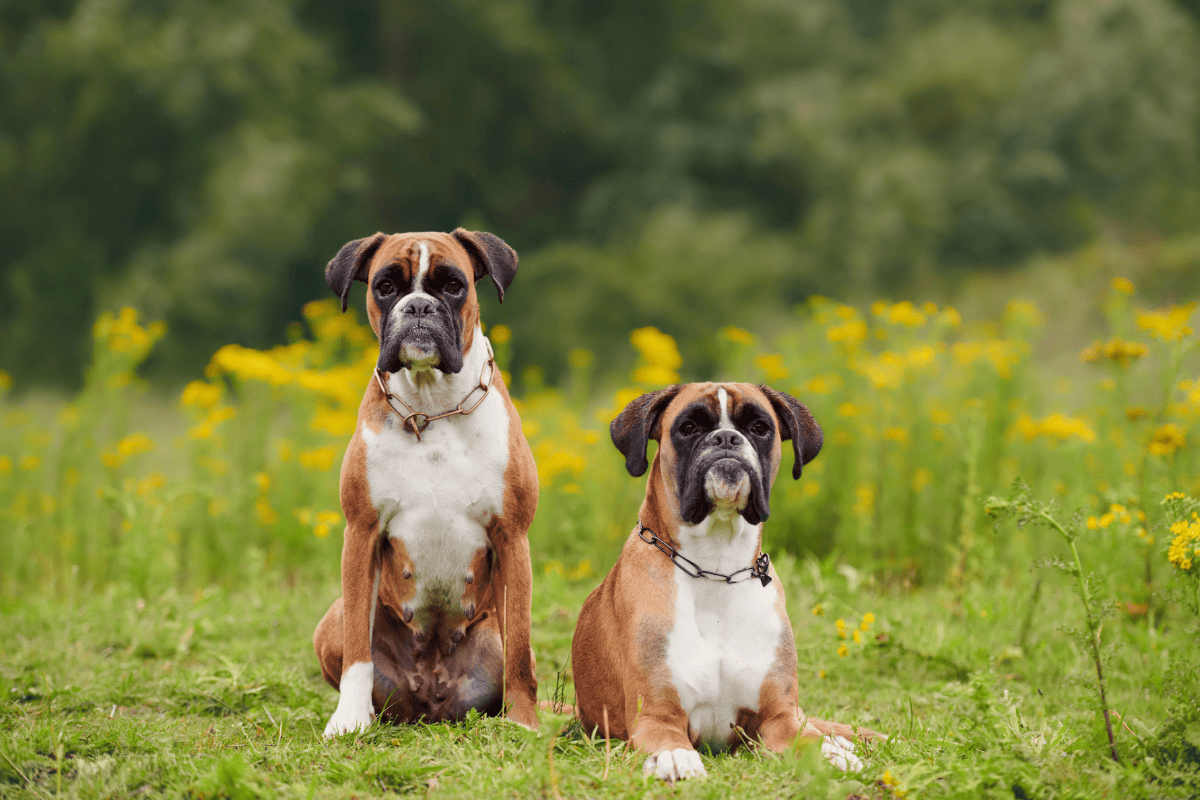
The Boxer is a dynamic and energetic breed known for its loyalty, enthusiasm, and charm. Combining strength, elegance, and a delightful personality, Boxers have won hearts around the globe as ideal companions and protectors.
Boxers originated in Germany in the late 19th century, bred for endurance, agility, and intelligence. Initially recognised as working and guard dogs, they excelled in roles such as guarding estates and assisting in military and police tasks.
Today, Boxers are cherished family dogs, thriving in homes that match their lively nature. Playful yet protective, they are bright, friendly, and fiercely loyal. Their athletic build and intelligence make them excellent candidates for obedience, agility, and canine sports, securing their place as one of the most versatile breeds.
Boxer Appearance
Boxers are celebrated for their athletic, powerful build that combines elegance and strength in a compact frame.
Size: Boxers are medium-sized dogs. Males typically stand 56–61 cm at the shoulder and weigh around 30 kg. Females are slightly smaller, measuring 53–58.5 cm tall and weighing approximately 28 kg. Their square build gives them a balanced and proportional silhouette.
Coat: Boxers have a short, smooth coat that enhances their muscular definition. The coat comes in fawn or brindle, with clearly defined black stripes for the brindle variety. White markings are permitted and can add to their striking appearance, provided they do not exceed one-third of the coat’s overall colour.
Distinctive Features: Boxers have broad, expressive heads with a distinctive black mask that contrasts with their coat. Their square, powerful muzzle is supported by well-developed jaws and a padded upper lip. Dark brown, intelligent eyes convey energy and alertness. Their natural ears are moderate in size, lying flat against the cheeks when relaxed and falling forward when alert.
Strength and Agility: The Boxer's square, sturdy body includes a deep chest and well-arched ribs, contributing to endurance. Muscular shoulders and hindquarters provide strength, while a firm, elastic gait highlights agility. A high-set tail complements their proud carriage. Every aspect of the Boxer's physique is designed for both functionality and visual appeal.
Boxer History
The Boxer’s history is a testament to careful refinement, aimed at creating a versatile and dependable working dog.
Origins in Germany:
The Boxer originated in late 19th-century Germany, developed from the Bullenbeisser, a powerful mastiff-type dog bred for hunting large game. Breeders focused on creating a dog that combined strength, agility, and intelligence with a noble yet approachable temperament, making the Boxer an effective worker and loyal companion.
Refinement of the Breed:
Through selective breeding, the modern Boxer was shaped to excel in various roles. This dependable escort dog proved capable of guarding estates, assisting in police and military work, and participating in canine sports. The breed became known for its balance of substance, elegance, and functionality.
Rise in Popularity:
The Boxer gained international fame in the early 20th century for its versatility as a service and guard dog. During World War I and II, Boxers served as messengers, pack carriers, and scouts. After the wars, their intelligence, loyalty, and playful nature made them beloved family companions worldwide.
Boxers in Australia:
Introduced to Australia in the mid-20th century, Boxers quickly became popular for their versatility as both family companions and working dogs. Today, they are cherished for their boundless energy, affectionate personalities, and steadfast devotion to their families, solidifying their place among Australia’s favourite breeds.
Find Registered Boxer Breeders or Boxer Puppies for Sale
Boxer Personality
Boxers are renowned for their playful, loyal, and energetic nature. They strike the perfect balance between being a fun-loving companion and a dependable protector, making them ideal for families and individuals.
General Traits:
- Intelligent and Trainable: Boxers are quick learners, excelling in obedience training and canine sports with the right guidance. They respond well to consistent, positive reinforcement.
- Playful and Energetic: Known for their lively disposition, Boxers thrive on interactive play and activities like fetch, agility courses, or long walks.
- Loyal and Affectionate: Fiercely loyal, Boxers form strong bonds with their families and crave human interaction, making them loving and attentive companions.
- Courageous and Protective: Natural guardians, Boxers are fearless and attentive protectors. They quickly respond to perceived threats, ensuring their family’s safety.
Watchdog Tendencies:
- Alert and Vigilant: Boxers are highly observant and quick to alert their owners of unusual activity, making them excellent watchdogs.
- Protective Nature: Their loyalty and courage make Boxers natural protectors of their family and home.
- Territorial Awareness: Boxers are mindful of their surroundings and may bark to warn of intruders or unfamiliar activity.
Trainability:
- Eager to Learn: Boxers are enthusiastic learners with a strong desire to please their owners. They excel in structured training for obedience, tracking, and agility.
- Consistent Training Needed: While intelligent, Boxers require firm but gentle guidance to channel their energy. Consistency and positive reinforcement are key to success.
- Mental Stimulation Required: Boxers thrive on problem-solving games and varied training routines to keep their sharp minds engaged and prevent boredom.
Love of Attention:
- People-Oriented: Boxers are happiest when included in family activities. They thrive on affection and enjoy being at the centre of attention.
- Energetic Companions: High-energy Boxers need daily exercise and interactive play to remain physically and mentally healthy.
- Prone to Separation Anxiety: Due to their deep attachment to their families, Boxers may develop separation anxiety if left alone for long periods. Quality time and reassurance help mitigate this issue.
Boxer as Family Pets
Boxers are well-suited as family pets for households that can meet their energetic and affectionate nature.
Their loyalty, playful personality, and protective instincts make them cherished companions, though their high energy and training needs require thoughtful consideration.
Good with Kids? Absolutely!
- Supervision and Socialisation: Boxers are gentle and patient with children. They thrive in family settings, but supervision is essential, especially with younger kids, to ensure positive interactions.Playful Energy:
- Boxers make excellent playmates for active children. Their enthusiasm and stamina allow them to keep up, though their size and exuberance should be monitored around smaller kids.Teaching Boundaries:
- Educating children on respectful interactions, paired with consistent Boxer training, ensures a harmonious relationship.
With Other Pets: Manageable with Effort
- Socialisation is Key: Early socialisation and proper introductions are vital for Boxers to coexist peacefully with other pets. While friendly, they may display dominant or overly playful behaviour.
- Patience and Caution: Boxers can get along with other dogs and cats when introduced carefully. Supervision is essential to maintain harmony in multi-pet households.
Energy Level: High and Spirited
- Active Lifestyle Required:Boxers need plenty of physical and mental stimulation. They thrive in active households that provide regular exercise, games, and training.
- Daily Exercise Needs: At least one hour of exercise daily is crucial to keep a Boxer healthy and happy. Activities such as running, fetching, or agility training are ideal outlets for their energy.
- Mental Engagement: In addition to physical activity, mental challenges like puzzle toys and interactive games help prevent boredom and destructive behaviour.
The Joys of a Boxer in Your Family
- Loving and Affectionate: Boxers are deeply devoted to their families, thriving on affection and inclusion in daily activities.
- Playful and Fun-Loving: Their zest for life and playful antics bring joy and laughter, making them perfect companions for active families.
- Protective yet Friendly: Naturally protective, Boxers are loyal guardians who remain friendly and sociable with proper training and socialisation.
Boxers make wonderful family dogs for those prepared to meet their physical and emotional needs. Their loyalty, energy, and affectionate nature make them a delightful addition to households that can provide the care and activity they require to thrive.
Find Registered Boxer Breeders or Boxer Puppies for Sale
Boxer Health & Care
Boxers are generally healthy dogs but may be predisposed to certain breed-specific health issues. By selecting a reputable breeder who conducts health screenings and staying proactive with regular veterinary care, owners can help ensure their Boxer lives a long, healthy life.
Common Health Concerns:
- Boxer Cardiomyopathy (ARVC) or Cardiomyopathy: A hereditary condition affecting the heart, leading to arrhythmias and, in some cases, sudden cardiac arrest. Routine heart screenings and early diagnosis are crucial for management.
- Degenerative Myelopathy: A progressive neurological disease affecting the spinal cord and hind limb function. While incurable, supportive care can improve quality of life.
- Hip Dysplasia: A developmental condition where the hip joint doesn’t form properly, potentially leading to arthritis and mobility issues.
Routine Care Needs:
- Diet and Nutrition: Provide a high-quality, well-balanced diet suited to their size, age, and activity level. Monitor their weight to prevent obesity, which can exacerbate joint and heart issues.
- Exercise Requirements: Boxers need at least 60 minutes of daily exercise to stay fit and mentally stimulated. Activities like walks, playtime, or agility training are beneficial.
- Coat Care: Their short coat is low-maintenance, requiring occasional brushing to remove loose hair. Grooming sessions also allow you to check for lumps, bumps, or skin issues.
- Dental Hygiene: Routine dental care, such as teeth brushing or dental chews, prevents gum disease and tooth decay.
- Veterinary Visits: Regular check-ups, vaccinations, and preventative care are essential for early detection of potential health issues.
Special Considerations:
- Heat Sensitivity: As brachycephalic dogs, Boxers are prone to overheating. Avoid strenuous activity in hot weather and ensure access to shade and water.
- Age-Related Care: Older Boxers may develop arthritis or other conditions. Joint supplements and tailored care can help maintain their quality of life.
With attentive care and proactive health management, Boxers can live long, happy lives. Their loyalty, energy, and affectionate personality make them a joy to have as companions.
Caring for your Boxer
Providing proper care for your Boxer means addressing their physical, mental, and emotional needs while proactively managing their health. Energetic, loyal, and intelligent, Boxers thrive in an environment where their unique requirements are met.
Regular Vet Visits:
- Annual checkups are essential to monitor your Boxer's health and detect breed-specific issues such as Boxer Cardiomyopathy (ARVC) or hip dysplasia.
- Preventative care includes vaccinations, parasite control, and routine bloodwork.
Balanced Nutrition:
- Feed your Boxer high-quality, age-appropriate dog food tailored to medium to large breeds. Choose formulas supporting joint health and heart function.
- Monitor portion sizes and avoid overfeeding to prevent obesity, which can worsen joint and heart conditions.
Exercise Needs:
- Boxers require at least 60 minutes of daily physical activity, such as walks, runs, or backyard play.
- They excel in dog sports like agility and obedience, which also provide mental stimulation.
Grooming Requirements:
- Maintain their short coat with weekly brushing to remove loose hair and keep their skin healthy.
- Bathing is needed only occasionally or when dirty. Regularly check and clean their ears, trim nails, and brush teeth for overall hygiene.
Mental Stimulation:
- Engage your Boxer in training sessions, interactive games, and puzzle toys to keep their minds sharp.
- Mental challenges prevent boredom-related behaviours like chewing or digging.
Monitoring for Changes:
- Watch for changes in behaviour, appetite, or physical condition. Symptoms like lethargy or breathing difficulties require prompt attention.
- During grooming, check for lumps, bumps, or other abnormalities.
Special Considerations:
- Heat Sensitivity: Boxers are prone to overheating due to their short muzzles. Avoid strenuous activity in hot weather and ensure access to water and shade.
- Socialisation and Training: Early socialisation and consistent, positive reinforcement training are vital for a confident, well-mannered adult Boxer.
Caring for a Boxer is rewarding and requires dedication. With the right care and love, your Boxer will be a loyal and affectionate companion for years to come.
Boxer Grooming
The Boxer's sleek coat is low-maintenance, making grooming simple and enjoyable. Regular grooming helps keep their coat healthy and strengthens your bond.
- Coat Maintenance: Brush weekly with a soft-bristle brush or grooming mitt to remove loose hair and distribute natural oils. This keeps their coat shiny and reduces moderate shedding.
- Bathing:Bathe every 6–8 weeks or as needed using a mild, dog-specific shampoo to avoid skin irritation. Avoid over-bathing to prevent stripping their coat of natural oils.
- Nail Trimming: Trim your Boxer's nails regularly to avoid overgrowth, which can cause discomfort. If you hear their nails clicking on the floor, it’s time for a trim.
- Ear Cleaning: Check ears weekly for redness, odour, or wax buildup. Clean gently with a veterinarian-recommended ear cleaner and a soft cotton pad to prevent infections.
- Dental Care: Brush your Boxer's teeth several times a week using dog-safe toothpaste. Dental chews can supplement brushing and help maintain oral hygiene.
- Seasonal Considerations: Boxers are sensitive to extreme temperatures. Use a jacket during cold months and avoid prolonged sun exposure in summer to prevent overheating.
By maintaining a regular grooming routine, you can keep your Boxer healthy, comfortable, and looking their best while fostering a strong bond.
Find Registered Boxer Breeders or Boxer Puppies for Sale
Is a Boxer Right For You?
The Boxer’s vibrant personality, athleticism, and loyalty captivate many dog lovers. However, owning a Boxer requires careful consideration to ensure a good match between the breed and your lifestyle.
The Ideal Boxer Owner:
- Active Lifestyle: Boxers thrive in active households. They need regular exercise, such as walks, runs, or playtime, to channel their energy. If you enjoy outdoor activities, a Boxer can be the perfect companion.
- Time for Training: Intelligent and eager to please, Boxers benefit from consistent training using positive reinforcement. Their strong-willed nature requires patience and commitment to developing good manners and social behaviours.
- Loving and Patient: Playful and sometimes mischievous, Boxers need an owner with a sense of humour and plenty of patience. They flourish in families where they are treated as a member of the household.
- Secure Home Environment: With their curious and adventurous nature, a securely fenced yard is essential for safety and to allow them to burn off energy.
Not Ideal If:
- Limited Time for Interaction: Boxers crave human companionship and can become anxious or destructive if left alone for long periods. They are not suited for owners frequently away from home.
- Sedentary Lifestyle: If you prefer a laid-back lifestyle, a Boxer’s energy levels and exercise needs may be overwhelming.
- Preference for a Quiet Environment: Boxers can be boisterous and playful, which may not suit households seeking a calm atmosphere.
Crucial Considerations:
- Exercise Needs: Dedicate at least one hour daily to physical activities to keep your Boxer happy and healthy.
- Socialisation: Early exposure to diverse people, environments, and animals helps Boxers grow into well-adjusted companions.
- Health Awareness: Boxers are prone to health conditions like heart issues and cancer. Regular vet checkups and choosing a responsible breeder can mitigate risks.
- Loyal Companion: Boxers form strong bonds with their families and are excellent with children, making them wonderful family dogs.
If you’re seeking a lively, loyal, and affectionate companion with a touch of mischief, a Boxer could be an excellent match.
With proper care, training, and attention, they will reward you with unwavering devotion and endless joy.
Importance of a Reputable Boxer Breeder
Selecting a reputable breeder is vital for ensuring your Boxer’s health, temperament, and well-being. Ethical breeders prioritise the following:
Health Testing:
- Reputable breeders conduct comprehensive health tests on their breeding dogs to minimise the risk of hereditary issues
- They provide documentation of health tests and certifications, ensuring transparency.
Temperament Assessment:
- Ethical breeders evaluate the temperament of their breeding dogs to produce well-rounded puppies that reflect the breed’s bright, playful, and loyal characteristics.
Early Socialisation:
- Puppies raised in nurturing environments with exposure to various sights, sounds, and experiences are more likely to develop into confident, well-adjusted companions.
- Reputable breeders socialise their puppies from a young age, introducing them to people, other animals, and diverse environments.
How to Find a Reputable Breeder:
- Research Breed Clubs: Reach out to organisations like the Boxer Club of NSW for a list of recognised breeders. Websites like Dogz Online also connect you with ethical boxer breeders.
- Ask Questions: Inquire about health testing protocols, socialisation practices, and the parent dogs’ temperaments. Responsible breeders welcome questions and provide detailed answers.
- Visit the Breeder: If possible, visit the breeder’s facility to see how the puppies are raised and meet the parent dogs. Look for a clean, well-maintained environment with healthy, happy dogs.
- Watch for Red Flags: Avoid breeders who evade questions or lack transparency. Ethical breeders prioritise finding the right homes for their puppies and are open about their practices.
By choosing a reputable breeder, you ensure your Boxer is a healthy, well-socialised, and temperamentally sound companion. This decision sets the stage for a lifelong bond with a happy and well-adjusted dog.
How Long Does a Boxer Live For?
Boxers are playful, loyal, and full of enthusiasm. They typically live between 10 and 12 years, and with the right care, they remain spirited and energetic into their senior years. Regular exercise, a good diet, and routine check-ups help keep them in great shape.
Adaptability
Adapts Well To
Boxers are versatile and adaptable dogs capable of thriving in various living situations, provided their needs for companionship, exercise, and mental stimulation are met.
However, their high energy levels and affectionate nature require thoughtful consideration when choosing the right environment.
Adapts Well To
Houses with Yards:
Boxers enjoy having space to run and play. A securely fenced yard offers a safe environment for them to burn off energy. However, they are not suited to being outdoor-only dogs and need significant time indoors with their family.
Active Families:
With their energetic and playful nature, Boxers thrive in households that enjoy outdoor activities like walking, running, and playing fetch. Including them in daily routines makes them ideal companions for active families.
Urban Living:
Boxers can adapt to apartment or city living if their exercise needs are met through daily walks, interactive play, and mental stimulation. Their moderate size and clean habits make them suitable for urban environments, provided they have ample opportunities to release their energy.
Important Considerations:
Exercise Needs:
Boxers require at least 60 minutes of daily exercise, including walks, runs, or play. Insufficient activity can lead to boredom and undesirable behaviours.
Companionship:
Highly social, Boxers thrive on human interaction and do not tolerate being left alone for extended periods.
Training and Socialisation:
Early training with positive reinforcement helps Boxers channel their intelligence and energy. Socialisation ensures they are comfortable with various people, pets, and environments.
Climate Sensitivity:
Boxers’ short coats and brachycephalic structure make them prone to overheating in hot weather and sensitive to cold. Precautions are essential in extreme temperatures.
With their boundless energy, affectionate nature, and adaptability, Boxers make wonderful companions for those who can meet their exercise, attention, and emotional needs.
By ensuring they are included as part of the family, you’ll have a devoted and joyful companion by your side.
Adapts Less Well To
Small Apartments:
While Boxers can adapt to apartment living with dedicated care, their high energy and need for regular exercise make small apartments less ideal. Without sufficient space and activity, they may become restless or develop behavioural issues.
Sedentary Lifestyles:
Boxers require active households to provide daily physical and mental stimulation. A sedentary lifestyle can result in frustration, boredom, and destructive behaviours.
Extended Periods Alone:
Social by nature, Boxers do not cope well with being left alone for long periods. Frequent isolation may lead to separation anxiety and destructive habits.
Extreme Weather Conditions:
Boxers are sensitive to both hot and cold climates due to their short coat and brachycephalic structure. They require protection from extreme temperatures to remain comfortable and healthy.
Potential Solutions for Apartment Living:
Exercise Commitment: Provide at least one hour of daily exercise through walks, playtime, or activities like agility training.
Mental Enrichment: Engage them with puzzle toys, interactive games, and regular training sessions to keep their minds active.
Companionship: If you’re away for long hours, arrange for a dog walker or pet sitter to ensure your Boxer receives social interaction and physical activity.
Important Considerations:
Energy Levels: Be ready to meet their high exercise needs to prevent restlessness and undesirable behaviours
Climate Sensitivity: Take precautions against extreme temperatures, ensuring your Boxer is comfortable during outdoor activities.
Training Needs: Early and consistent training helps Boxers adapt to different living environments and prevents behavioural issues.
Boxers can adapt to various settings with the right care, but they thrive in environments where their physical, social, and mental needs are consistently met.
Carefully evaluate your lifestyle and ability to meet these needs before welcoming a Boxer into your home.
Good for Novice Dog Owner
Boxers, with their affectionate nature, energy, and playful demeanor, are appealing to many first-time dog owners. While they can be suitable for novice owners, they require commitment, effort, and an understanding of their needs to thrive.
Challenges for Novice Owners
High Energy Levels:
Boxers are energetic dogs that require regular physical activity and mental stimulation. Novice owners may struggle to meet their exercise demands, which can lead to boredom and destructive behaviours if unaddressed.
Strong-Willed Nature:
While intelligent and eager to please, Boxers can also be independent thinkers. They need consistent training and clear boundaries, which may pose challenges for inexperienced owners.
Sensitivity to Temperatures:
Boxers’ short coats and brachycephalic structure make them prone to overheating in warm weather and sensitive to cold climates. Extra care is required during extreme temperatures.
Social Needs:
Highly social, Boxers thrive on human interaction and do not cope well with being left alone for long periods. This can be challenging for owners with demanding work schedules.
Who Can Succeed with a Boxer
Active and Engaged Owners:
Boxers suit individuals or families who lead active lifestyles and can provide ample physical exercise and mental stimulation.
Committed Novice Owners:
First-time owners willing to invest time and effort in training, socialisation, and understanding the breed’s needs can enjoy a rewarding relationship with a Boxer.
Families with Older Children:
Boxers are known for their love of children, but their exuberance may be overwhelming for very young kids. Families with older children often find them to be ideal companions.
Ownership Impact
Training and Socialisation:
Early, consistent training with positive reinforcement is crucial to raising a well-mannered Boxer. Socialising them from a young age ensures they become confident and well-adjusted.
Exercise and Enrichment:
Regular playtime, walks, and interactive games help channel their energy positively and prevent unwanted behaviours.
Companionship:
Boxers thrive in homes where they are treated as part of the family, enjoying daily interaction and affection.
Boxers can make excellent companions for novice owners who are ready to invest time and energy into meeting their needs. Their playful, loving nature and loyalty make them a rewarding breed for first-time owners who are dedicated to their care and training.
Sensitivity Level
Boxers are spirited, confident dogs with a strong connection to their families. While they appear robust, their emotional sensitivity is a key aspect of their personality. Understanding and addressing their needs fosters a trusting and loving bond.
What Makes Boxers Sensitive
Strong Family Bonds:
Boxers thrive on companionship and form deep attachments to their families. They are highly attuned to their owners’ emotions and can be affected by changes in mood or tone.
Protective Instincts:
Naturally protective, Boxers are alert to their surroundings. They may respond cautiously to unfamiliar people, noises, or changes in their environment.
Social Nature:
Outgoing and playful, Boxers crave interaction. A lack of socialisation or neglect of their need for companionship can lead to stress or undesirable behaviours.
Ownership Impact
Calm and Positive Interaction:
Boxers respond best to calm, consistent, and positive communication. Harsh or unpredictable behaviour can upset them and undermine their confidence.
Structured Training:
Clear boundaries and positive reinforcement during training help Boxers feel secure and eager to learn.
Stable Environment:
A loving, predictable home environment minimises stress and anxiety. Disruptions or chaotic settings may negatively affect their well-being.
Important Considerations
Noise Sensitivity:
Some Boxers react strongly to loud or sudden noises like fireworks or thunderstorms. Providing a quiet, safe space during these events can help reduce stress.
Separation Anxiety:
Boxers are prone to separation anxiety due to their close family bonds. Gradual independence training and interactive toys can help them cope when alone.
Recognising Emotional Cues:
Signs of distress, such as pacing, whining, or behavioural changes, indicate they need reassurance. Recognising these cues strengthens trust and security.
The Positive Side of Sensitivity
Boxers’ sensitivity is a cornerstone of their loyalty and affection. Their ability to sense and respond to their family’s emotions creates a unique and meaningful connection.
By understanding and respecting their needs, you can build a deep bond filled with trust, love, and mutual respect. Living with a Boxer is a truly rewarding experience.
Tolerates Being Alone
Boxers are social dogs who thrive on companionship and often struggle with being left alone for long periods. Their affectionate and loyal nature makes them deeply attached to their families, which can lead to challenges when they are without interaction.
Social Needs and Attachment
Close Bond with Families:
Boxers form strong emotional connections with their families and are happiest when included in daily activities. They may feel distressed when separated.
Prone to Separation Anxiety:
Their social and affectionate nature makes Boxers prone to separation anxiety if left alone for extended periods, potentially leading to destructive behaviours like chewing, digging, or excessive barking.
Boredom and Frustration:
Without sufficient mental or physical stimulation, Boxers can become restless and display undesirable behaviours.
Ownership Impact
Consider Your Availability:
Boxers thrive in homes where someone is present for most of the day. They are less suited to owners with demanding schedules requiring frequent absences.
Training and Preparation:
Gradually teaching your Boxer to tolerate being alone can reduce anxiety. Start with short absences and ensure they have a comfortable, safe space with engaging toys.
Mental and Physical Enrichment:
Provide exercise and mental stimulation before leaving your Boxer alone. A well-exercised dog is less likely to feel anxious or behave destructively.
Alternatives to Loneliness
Doggy Daycare:
Enrolling your Boxer in daycare offers social interaction and activity during the day.
Dog Walkers:
Hiring a dog walker can provide companionship and exercise during extended absences.
A Canine Companion:
Introducing a second dog may alleviate loneliness, provided both dogs are compatible.
Important Notes
Individual Differences:
Some Boxers tolerate being alone better than others. Early training and socialisation are key factors.
Training Strategies:
Crate training or designating a safe space can help Boxers feel secure when alone. Use positive reinforcement to build their confidence.
Recognising Signs of Stress:
Watch for signs like pacing, whining, or destructive behaviour and address their emotional needs promptly.
Boxers thrive in homes where they receive ample companionship and interaction. By understanding their social needs and offering appropriate care, you can ensure a happy, well-adjusted life for your Boxer.
Tolerates Hot Weather
Boxers’ short coats make them more suited to warmer climates than breeds with thick double coats. However, their brachycephalic (short-muzzled) structure requires extra care to keep them safe in hot weather.
Heat Sensitivity
Risk of Overheating:
Boxers’ short muzzles make it harder for them to regulate their body temperature, increasing their risk of heatstroke during hot or humid weather.
Signs of Heat Stress:
Watch for excessive panting, drooling, lethargy, rapid breathing, disorientation, or collapse. Immediate veterinary care is crucial if these symptoms occur.
Ownership Impact
Avoid Intense Heat Exposure:
Limit outdoor activities during the hottest parts of the day. Early mornings and late evenings are best for walks or playtime.
Provide Ample Water and Shade:
Ensure access to fresh water and shaded areas. Hydration is essential in warm weather.
Cooling Products:
Use cooling vests, mats, or bandanas to help your Boxer stay comfortable in the heat.
Additional Precautions
Indoor Comfort:
Keep your Boxer indoors with air conditioning or fans during extreme heat.
Never Leave Them in a Parked Car:
Temperatures in a car can rise rapidly, posing life-threatening risks.
Monitor Activity Levels:
Reduce vigorous activities during high temperatures to prevent overheating.
Important Notes
Individual Tolerance:
Some Boxers may handle heat better than others, but all require careful monitoring to stay safe.
Awareness of Risks:
By understanding their heat sensitivity, you can ensure your Boxer remains comfortable and healthy.
With the right care, Boxers can adapt to warm climates. Their playful and loyal nature shines brightest when their comfort and safety are prioritised.
Tolerates Cold Weather
Boxers are not well-suited for cold weather due to their short coats and limited insulation. Extra precautions are necessary to keep them comfortable and healthy in colder climates.
Cold Weather Sensitivity
Limited Insulation:
A Boxer’s short coat offers minimal protection against cold temperatures, leaving them vulnerable to discomfort or hypothermia in extreme cases.
Chilly Conditions:
Boxers feel the effects of cold weather more acutely than breeds with thicker coats, making additional warmth essential.
Ownership Impact
Dress for Warmth:
Outfit your Boxer with a coat or sweater during cold weather to help them retain body heat.
Limit Outdoor Time:
Minimise time spent outdoors in freezing conditions. Bring your Boxer inside promptly if they show signs of discomfort like shivering or whining.
Provide Warm Shelter:
Ensure access to a warm, dry shelter outdoors. Indoors, provide a soft, warm bed away from drafts or cold floors.
Important Notes
Monitor for Signs of Cold Stress:
Signs like shivering, reluctance to move, or curling up tightly indicate your Boxer is too cold.
Avoid Extreme Temperatures:
Boxers are not built for prolonged exposure to freezing weather, so prioritise their comfort and safety during winter.
With proper precautions, Boxers can enjoy short periods in brisk weather, but they thrive best in moderate climates. Owners should ensure their warmth and well-being during colder seasons to keep them happy and healthy.
Friendliness
Affectionate with Family
Boxers are cherished for their affectionate and cheerful nature, making them ideal companions for families. They thrive on close interaction and are happiest when surrounded by their loved ones.
Boxers as Affectionate Companions:
Loyal and Loving:
Boxers form deep emotional bonds with their families, displaying unwavering loyalty and affection. Their devotion makes them attentive and eager to participate in family activities.
Playful and Energetic:
Known for their playful disposition, Boxers bring joy with their enthusiasm for games like fetch or lively play sessions in the yard.
Gentle and Protective:
Despite their muscular build, Boxers are gentle, especially with children. Their natural protective instincts ensure they are watchful and attentive, offering a sense of security.
Ownership Impact:
Strengthening Bonds:
Quality time spent playing, training, or relaxing together helps reinforce the bond between Boxers and their families.
Socialisation and Training:
Early and consistent socialisation ensures Boxers become well-mannered, confident family members. They respond well to praise and affection, making training a rewarding experience.
Involvement in Activities:
Including Boxers in daily family activities keeps them happy and well-adjusted, fulfilling their need for companionship and engagement.
Boxers’ affectionate nature, loyalty, and playfulness enrich the lives of families who can provide them with the love and attention they crave.
Kid-Friendly
Boxers are excellent companions for families with children due to their playful, gentle, and tolerant nature. They form strong bonds with kids, creating joyful and interactive relationships.
Boxers and Children:
Playful and Energetic Companions:
Boxers’ lively energy makes them wonderful playmates for children, perfectly suited for games and outdoor activities.
Gentle and Tolerant:
Despite their strength, Boxers are patient and adjust their energy levels to suit younger or smaller family members.
Protective Nature:
With their deep loyalty, Boxers are naturally watchful over children, offering an added sense of security.
Ownership Impact:
Supervision and Guidance:
Always supervise interactions between Boxers and young children to prevent accidental overwhelm due to their size and energy.
Training for Good Behaviour:
Early training ensures Boxers understand appropriate behaviours around children, promoting harmonious relationships.
Teach Respectful Interaction:
Educating children on how to approach and handle Boxers respectfully fosters trust and mutual respect.
With proper guidance and care, Boxers thrive as joyful, protective, and loving companions for children, bringing boundless energy and affection to family life.
With Other Pets
Boxers are generally friendly with other pets, but early and consistent socialisation is key to ensuring harmonious interactions.
Boxers and Other Pets:
Socialisation and Training:
Introducing Boxers to other animals during their formative years helps build trust and reduces conflicts.
Pack Mentality:
Boxers often get along well with other pets when properly introduced. Their energetic nature, however, may be overwhelming for timid animals, requiring gradual and supervised interactions.
Same-Sex Dynamics:
Some Boxers may exhibit aggression toward dogs of the same gender. Proper management and training can help mitigate these tendencies.
Supervision and Boundaries:
Monitoring initial interactions and setting clear boundaries fosters positive relationships between Boxers and other pets.
With training, supervision, and a thoughtful approach to introductions, Boxers can coexist happily with other pets, enriching their lives with companionship and playful interactions.
Friendly Toward Strangers
Boxers are naturally outgoing and sociable, balancing friendliness with protective instincts.
Boxers and Strangers:
Friendly and Sociable:
Boxers enjoy meeting new people and often greet strangers with curiosity and a playful demeanour.
Protective Instincts:
While generally amiable, Boxers are alert and may become cautious if they sense potential threats, showcasing their natural guarding abilities.
Training and Socialisation:
Early socialisation helps Boxers distinguish between friendly encounters and situations that require vigilance. Exposure to various environments and people ensures a balanced temperament.
Polite Greetings:
Teaching Boxers to greet strangers calmly prevents their enthusiasm from becoming overwhelming. Basic obedience commands like "sit" or "wait" ensure positive interactions.
Boxers’ sociable yet watchful nature makes them wonderful companions, balancing friendliness with their natural protective instincts.
Health & Grooming
Amount of Shedding
Boxers have short, single-layer coats that result in minimal shedding compared to double-coated breeds. While shedding is light and consistent year-round, regular grooming helps manage loose hair and maintain their sleek appearance.
Shedding Reality:
- Boxers shed lightly year-round without significant seasonal changes. However, they are not hypoallergenic, and individuals with allergies should assess their sensitivity before adopting.
Ownership Impact:
- Weekly Brushing: Use a soft-bristle brush or grooming mitt weekly to remove loose fur and maintain coat health.
- Minimal Cleanup: Boxers’ low shedding means less fur around the home, though occasional vacuuming or lint-rolling may still be necessary.
- Skin Care: Monitor for dryness or irritation, which may increase shedding. A balanced diet supports healthy skin and coat.
A simple grooming routine ensures your Boxer’s coat remains healthy and your home stays relatively fur-free.
Drooling Potential
Boxers’ expressive jowls contribute to moderate drooling. While not as heavy as some breeds, drooling may occur during mealtimes, after drinking, or when excited.
Typical Triggers:
- Drooling is most noticeable during excitement, food anticipation, or after exercise.
Ownership Impact:
- Manageable Mess: Wipe your Boxer’s mouth after meals or drinks to minimise drool on furniture or clothing.
- Regular Cleaning: Keep a cloth or towel handy, especially during high-energy activities or hot weather.
- Health Monitoring: Sudden increases in drooling may indicate dental issues, heat exhaustion, or other concerns. Consult a vet if needed.
With preparation and attention, Boxer drooling is easily manageable.
Easy to Groom
Boxers’ short, sleek coats require minimal maintenance, making them an excellent choice for owners seeking a low-maintenance breed.
Grooming Requirements:
- Minimal Brushing: Weekly brushing keeps their coat healthy and reduces shedding.
- Infrequent Bathing: Bath only when dirty, using gentle dog shampoo to preserve skin oils.
- Nail and Ear Care: Trim nails regularly and clean ears to prevent infections or overgrowth.
Ownership Impact:
- Low Time Commitment: Grooming is quick and straightforward, making it manageable for busy owners.
- Essential Tools: A soft-bristle brush, nail clippers, and ear-cleaning solution suffice for their grooming needs.
Regular grooming sessions not only maintain their appearance but also strengthen the bond between you and your Boxer.
General Health
Boxers are generally robust, but they are predisposed to certain health conditions. Proactive care and regular vet checkups are essential to keeping them healthy.
Common Health Concerns:
- Boxer Cardiomyopathy (ARVC) or Cardiomyopathy: A hereditary condition affecting the heart, leading to arrhythmias and, in some cases, sudden cardiac arrest. Routine heart screenings and early diagnosis are crucial for management.
- Degenerative Myelopathy: A progressive neurological disease affecting the spinal cord and hind limb function. While incurable, supportive care can improve quality of life.
- Hip Dysplasia: A developmental condition where the hip joint doesn’t form properly, potentially leading to arthritis and mobility issues.
Ownership Impact:
- Routine Care: Schedule regular vet visits for checkups, vaccinations, and screenings.
- Diet and Exercise: Maintain a balanced diet and provide regular exercise to support overall health and reduce stress on joints.
- Preventive Measures: Prioritise dental hygiene, controlled feeding to prevent bloat, and consistent skin care.
- Financial Preparedness: Consider pet insurance to cover potential health-related expenses.
With attentive care, Boxers can live healthy, active lives.
Potential for Weight Gain
Boxers’ muscular build and energetic nature help them maintain a healthy weight, but they can gain weight without proper diet and exercise.
Contributing Factors:
- Overfeeding or excessive treats.
- Reduced activity due to aging or injury.
- Medical conditions like hypothyroidism slowing metabolism.
Ownership Impact:
- Portion Control: Measure meals and avoid free-feeding. Consult your vet for tailored dietary advice.
- Healthy Treats: Use low-calorie options like small pieces of carrot or apple.
- Consistent Exercise: Keep your Boxer active with activities like running, fetch, or agility training.
- Weight Monitoring: Track weight regularly and consult your vet if adjustments are needed.
Maintaining a healthy weight reduces joint strain and lowers the risk of heart issues, ensuring your Boxer remains fit and vibrant.
Trainability
The Smart and Eager Learner
Boxers are intelligent, energetic, and eager-to-please dogs, making them highly trainable for various roles. Their enthusiasm for learning, combined with their loyalty and versatility, makes them exceptional companions and working dogs.
Quick Learners:
Boxers possess above-average intelligence and quickly grasp training commands. They excel in obedience, agility, and other canine sports.
Eagerness to Please:
Their loyal and affectionate nature drives their motivation to follow commands and impress their owners.
Adaptability:
Boxers thrive in diverse environments, whether as family pets, therapy dogs, or participants in competitive sports.
The Challenges
High Energy Levels:
Their natural energy requires consistent physical and mental stimulation. Without adequate engagement, Boxers may develop unwanted behaviours due to boredom.
Stubborn Streaks:
While eager to learn, Boxers can display independent thinking, requiring patience and persistence during training.
Sensitivity to Harsh Training:
Emotionally sensitive, Boxers respond poorly to harsh corrections. Positive reinforcement is essential to maintain their confidence and willingness to learn.
Ownership Impact
Early Training and Socialisation:
Begin training and socialising Boxers at a young age to foster confidence and adaptability. Exposure to different people, animals, and environments helps develop a calm temperament.
Positive Reinforcement:
Reward-based training, including treats, praise, and play, keeps Boxers engaged and motivated. Consistency is crucial for long-term success.
Structured Routines:
Clear rules and boundaries help Boxers understand expectations. Consistent commands reinforce desired behaviours.
Mental Challenges:
Incorporate puzzle toys, obedience drills, and interactive games to stimulate their minds and prevent boredom.
Boxers thrive in homes where their intelligence, energy, and enthusiasm are nurtured. With the right approach, they are highly trainable and rewarding companions.
Intelligence
Boxers are intelligent and curious dogs with a strong desire to learn and explore. Their alertness, problem
A Canine Problem Solver
Quick Learners:
Boxers readily understand commands and tasks, making them a joy to train. Their eagerness to engage with their owners ensures success in various activities.
Natural Instincts:
Their problem-solving abilities and intelligence allow Boxers to assess situations and respond appropriately, making them ideal therapy and service dogs.
Energetic Workers:
Boxers thrive in structured activities, such as obedience training, agility courses, and canine sports, where their energy and intelligence are channelled productively.
Ownership Impact
Mental Stimulation:
Regular mental challenges, such as puzzle toys, interactive games, and varied training exercises, are essential to keep their minds sharp and engaged.
Consistent Training:
Positive reinforcement methods, paired with clear guidance, work best for Boxers. Their intelligence and strong will require consistency and encouragement.
Channel Their Energy:
Activities like fetch games or agility training help keep Boxers both physically and mentally active, reducing undesirable behaviours stemming from boredom or restlessness.
By fostering their intelligence and providing opportunities for learning and exploration, Boxers become obedient, well-rounded companions. Their eagerness to learn, combined with their loving nature, makes training and bonding with them a rewarding experience.
Potential for Mouthiness
Boxers, especially as puppies, often display mouthy behaviours such as chewing, mouthing, and nipping. While natural and usually playful, these behaviours need to be managed to prevent issues as they grow.
Mouthy Behaviour:
- Teething Relief: Like most puppies, Boxers chew to alleviate teething discomfort.
- Playful Nature: Their high energy can lead to gentle mouthing during excitement.
- Exploration: Boxers use their mouths to investigate textures and objects out of curiosity.
Ownership Impact:
- Early Training: Teach bite inhibition and appropriate play behaviours from an early age to establish clear boundaries.
- Provide Chew Toys: Offer safe and durable toys to satisfy chewing urges and protect household items.
- Positive Reinforcement: Reward gentle play and redirect mouthing behaviours. Avoid punishment, as Boxers respond better to encouragement.
- Supervised Interactions: Monitor playtime with children and pets to prevent accidental nipping and ensure safety.
With consistent training and appropriate outlets, you can manage your Boxer’s mouthy tendencies while preserving their playful personality.
Prey Drive
Boxers are not traditionally hunting dogs but may show a moderate prey drive due to their playful, energetic nature. This can appear as chasing behaviours, often triggered by movement.
Playful Instincts:
- Chasing Motion: Boxers often chase moving objects like balls, squirrels, or leaves. This behaviour is generally playful rather than predatory.
- Guarding Instincts: Their protective nature may sometimes lead them to perceive small animals as intruders.
Ownership Impact:
- Leash Training: Teach proper leash manners early to prevent lunging or chasing during walks.
- Supervised Outdoor Time: Monitor your Boxer in areas with wildlife to curb chasing tendencies.
- Training Commands: Use commands like “leave it” or “stay” to manage impulses. Regular reinforcement ensures reliable responses.
- Exercise and Engagement: Channel their energy into activities like fetch, agility training, or interactive games.
Understanding and managing their prey drive ensures your Boxer remains a playful and well-behaved companion, even in stimulating environments.
Wanderlust Potential
Boxers’ energetic and curious nature gives them a moderate wanderlust potential. While they are strongly attached to their families, their playful spirit can occasionally tempt them to explore.
Playful Curiosity:
- Explorers by Nature: Stimulating sights or smells may attract Boxers to investigate new areas.
- Attachment to People: Their strong bond with family usually keeps them close, but distractions can momentarily divert their attention.
- Energetic Enthusiasm: High energy levels may drive exploration during play or exercise.
Ownership Impact:
- Secure Boundaries: Ensure your yard has a secure, high fence to prevent jumping or escape attempts.
- Leash Training: Always use a leash in unenclosed areas to prevent wandering or chasing.
- Regular Exercise: Provide ample physical and mental stimulation to reduce boredom-driven wandering.
- Identification Measures: Microchip your Boxer and use updated ID tags to aid their safe return if they stray.
By addressing their curiosity and providing safe outlets for their energy, you can keep your Boxer secure and content within their environment.
Tendency to Bark or Howl
Boxers are not excessive barkers, but they are vocal when they have something to communicate. Their expressive nature often reflects their protective instincts or excitement.
Key Points:
Alert Barking:
Boxers bark to alert their family to strangers or unusual sounds, making them excellent watchdogs.
Playful Barking:
Their sociable and energetic nature may lead to barking during playtime or when excited.
Attention-Seeking:
If feeling neglected or under-stimulated, Boxers may bark to capture attention.
Ownership Impact:
Training and Socialisation:
Teach commands like “quiet” early to manage barking habits effectively.
Address the Cause:
Identify triggers for excessive barking, such as boredom or alertness, and address them with exercise, mental stimulation, or reassurance.
Positive Reinforcement:
Reward quiet behaviour with treats and praise to reinforce appropriate responses.
With consistent training and an understanding of their communication style, a Boxer’s vocal tendencies can be managed to maintain harmony in the home.
Exercise Needs
Exercise Requirements
Boxers are energetic and athletic dogs that thrive on regular exercise to support their physical and mental well-being. Their playful and spirited nature makes them ideal companions for active families.
Key Points:
Daily Physical Activity:
Boxers need at least 60 minutes of vigorous exercise daily, such as brisk walks, jogs, or play sessions in a secure area.
Variety and Engagement:
Engage them with games like fetch, tug-of-war, or dog sports such as agility and obedience to challenge both their bodies and minds.
Mental Stimulation:
Incorporate interactive toys, training exercises, or scent work into their routine to prevent boredom and enrich their intelligence.
Energy Levels:
Puppies:
Require multiple short play sessions daily, avoiding high-impact activities to protect developing joints.
Adults:
Thrive on structured, high-energy activities to channel their enthusiasm effectively.
Seniors:
Need gentler but regular walks and play to maintain health and happiness, with adjustments for physical condition.
Tailoring exercise to their age and energy levels ensures a happy, balanced Boxer while reducing boredom-driven behaviours.
Potential for Playfulness
Boxers are famous for their playful and energetic personalities, making them one of the most entertaining companions for families.
Key Points:
Energetic and Enthusiastic:
Boxers are always eager for games like fetch, tug-of-war, or chasing a ball around the yard.
Love for Interaction:
They thrive on games that involve their owners, strengthening bonds through shared activities.
Natural Clowns:
Known for their humorous antics, Boxers’ playful behaviour often brings laughter and joy to their families.
Ownership Impact:
Daily Playtime:
Regular play sessions help burn off their energy and keep them mentally stimulated.
Interactive Toys:
Provide durable, engaging toys to entertain them, especially during alone time.
Incorporate Training:
Combine play with training activities to make learning enjoyable and reinforce positive behaviours.
With their spirited temperament and love for fun, Boxers bring endless entertainment and companionship to their families.
Find Boxer Breeders
or
View Boxer Puppies for Sale |
View Boxer Older Dogs for Sale