

The British Bulldog
| Size | Medium |
| Weight | Females: 22-25 kg, Males: 24-27 kg |
| Breed Group | Group 7 - Non-Sporting |
| Exercise Requirements | Low to Moderate |
| Grooming Requirements | Low |
| Life Span | 8-10 years |
| Characteristics | Loyal, Courageous, Gentle, Calm |
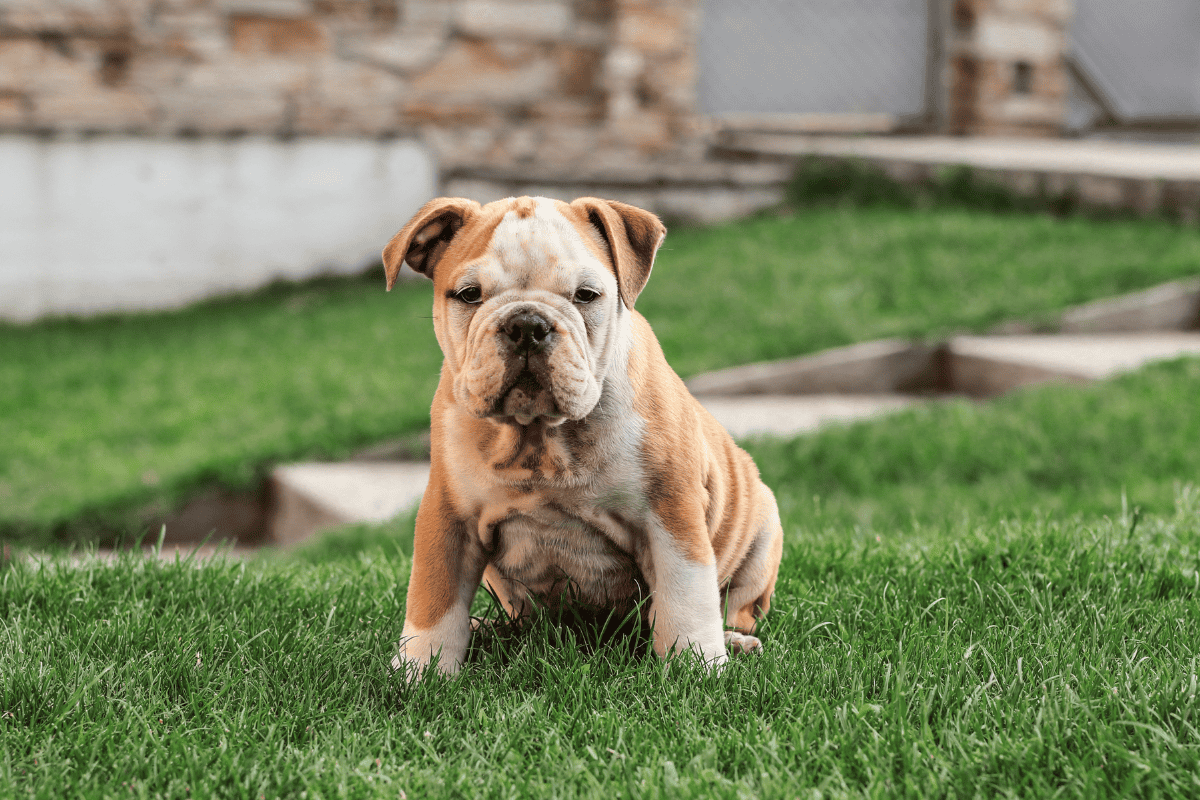
The British Bulldog, often simply called the Bulldog, is a breed that embodies strength, determination, and a distinctive charm. Known for its unique appearance and robust constitution, the Bulldog has become an iconic symbol of resilience and grit. Despite their stocky build and strong jaws, Bulldogs are gentle companions, with a calm temperament that makes them well-suited as loyal family pets.
Originating in England, the Bulldog’s history dates back to the 13th century, where they were bred for bull-baiting, a practice that required courage, tenacity, and endurance. Over time, as this sport was banned, the Bulldog’s role shifted, and breeders focused on nurturing a more affectionate and docile temperament, making them exceptional companions while preserving their signature looks.
Today, Bulldogs are treasured for their loyal, easygoing nature and their distinctive physique, characterised by a powerful build, broad chest, and expressive, wrinkled face. While they may have a sturdy and robust exterior, Bulldogs are known for their warm and affectionate demeanour, endearing them to families and dog lovers around the world.
British Bulldog Appearance
The British Bulldog is easily recognisable for its stocky, powerful build and distinctive facial features, capturing an air of strength and resolve.
Size: Bulldogs are medium-sized, low to the ground, with a sturdy, muscular frame. Males typically weigh around 25 kg, while females are slightly lighter at approximately 23 kg. Their compact body is broad and well-muscled, giving them a formidable presence despite their relatively short stature.
Coat: The Bulldog’s coat is short, smooth, and close-lying, providing a sleek and polished appearance. While the texture is fine, it is dense enough to offer some protection. Coat colours include solid shades like brindle, red, fawn, and white, as well as pied variations. Darker colours like black and black with tan are considered undesirable for the breed.
Distinctive Features: The Bulldog’s head is large in proportion to its body, with a broad skull and a relatively short face. The muzzle is broad and turned slightly upward, giving the breed its characteristic “smiling” expression. Bulldogs also feature distinctive rose-shaped ears, set high on the head, with a gentle inward fold. Their eyes are dark and set low in the skull, contributing to a determined yet gentle expression.
Impression of Strength and Sturdiness: The Bulldog’s unique appearance is defined by its muscular build and thickset frame. Their forequarters are heavily muscled, while their hindquarters, though strong, are slightly lighter, supporting a signature “roach back” – a gentle arch that slopes downward towards the tail. The Bulldog’s gait is often described as a rolling, constrained movement, a result of their solid structure and shorter legs, making them appear powerful and grounded.
British Bulldog History
The British Bulldog’s history is one of resilience, adaptation, and transformation from a formidable working breed to a beloved companion.
Origins in England: The Bulldog’s origins date back to mediaeval England, where they were initially bred for the brutal sport of bull-baiting. This practice required dogs with remarkable tenacity, courage, and physical strength. Bulldogs of this era were larger, more athletic, and equipped with the characteristics necessary to confront a bull head-on. Their strength, determination, and tenacity became the foundation of the breed’s reputation.
Transition to Companionship: With the ban on bull-baiting in the 19th century, the Bulldog’s role in society changed significantly. Rather than fading into obscurity, breeders focused on refining the Bulldog’s temperament, making them more docile and companionable. Over the years, the breed was selectively bred to be a gentle and devoted pet, shedding the aggression once necessary for bull-baiting while retaining its loyalty and resilience.
Modern Bulldog and its Distinctive Traits: Today’s British Bulldog is renowned for its distinctive appearance and even-tempered nature. Although they retain a strong, muscular build and an air of determination, they are cherished for their gentle, affectionate personality. Bulldogs are a symbol of British resolve and loyalty, and their unique look, characterised by their wrinkled face and sturdy physique, has made them one of the most recognisable and beloved breeds worldwide.
Find Registered British Bulldog Breeders or Puppies For Sale
British Bulldog Personality
The British Bulldog is a breed known for its unique blend of determination, gentleness, and loyal companionship. Despite their sturdy appearance, they are affectionate and deeply devoted to their families.
General Traits:
Calm and Steady: Bulldogs are naturally calm and have a relaxed demeanour. They are not highly energetic but display bursts of playfulness, especially as puppies. Their temperament is well-suited for a laid-back lifestyle, making them ideal for quieter households.
Loyal and Devoted: Bulldogs are deeply loyal to their owners, forming strong bonds and showing genuine affection. They thrive on companionship and are happiest when surrounded by family members, making them devoted and trustworthy pets.
Gentle and Patient: Known for their patience and gentle nature, Bulldogs are great with children and other pets. Their docile temperament and easygoing nature make them well-suited to families looking for a loving, gentle dog.
Watchdog Tendencies:
Alert but Reserved: Bulldogs may not be overly vocal, but they are naturally watchful and will alert their owners if something seems amiss. Although not aggressive, their appearance alone can be a deterrent, and they remain protective of their loved ones.
Protective of Family: Despite their friendly nature, Bulldogs are protective of their family and home. Their loyal instincts mean they will act as a natural guardian, even if they lack the aggressive tendencies of a traditional guard dog.
Territorial Awareness: Bulldogs have a strong sense of territory and will maintain a quiet but firm presence in their home. While not overly territorial, they will make their presence known if a stranger approaches.
Trainability:
Willing to Learn but Stubborn: Bulldogs are trainable but may display a stubborn streak. They respond well to positive reinforcement, especially with treats and praise, but they can be resistant to harsh training methods.
Patience Needed: Due to their independent nature, training a Bulldog requires patience and consistency. Short, engaging training sessions with rewards work best, as they may become bored with repetitive tasks.
Low Energy Levels: Bulldogs have moderate energy levels and may not be highly motivated by physical activity. However, they benefit from mental stimulation and training that engages them without requiring intense exercise.
Love of Attention:
Affectionate Companions: Bulldogs crave human interaction and are known for their desire to be near their family members. They enjoy quiet time on the couch as much as short play sessions and will often seek out attention and affection from their loved ones.
Need for Social Interaction: Bulldogs are happiest when they are not left alone for extended periods. They thrive in a home where someone is often around, and they can form strong attachments to their owners, making them sensitive to long periods of solitude.
Calm Demeanour: Bulldogs are content with a laid-back lifestyle, often enjoying the simple pleasures of lounging with their family. Their calm nature makes them an excellent choice for families or individuals looking for a low-maintenance yet affectionate companion.
British Bulldog as Family Pets
British Bulldogs can make delightful family pets for those seeking a calm, loyal, and affectionate companion. Their steady temperament, devotion to their families, and relatively low exercise requirements make them ideal for households looking for a dog with a relaxed lifestyle.
Good with Kids? Absolutely
Gentle and Patient: Bulldogs are naturally gentle and patient, making them excellent companions for children. They are tolerant of kids’ playful nature and often enjoy lounging with their younger family members. Their calm disposition allows them to remain composed, even in active family environments.
Size and Supervision: Although Bulldogs are generally gentle, their stout build means interactions with young children should be supervised to prevent accidental bumps or knocks. Teaching children to respect the Bulldog’s space and boundaries is essential to maintaining harmony.
Protective but Not Aggressive: Bulldogs are naturally protective of their families, but they do not possess the intense guarding instincts seen in some other breeds. They may alert family members to strangers but are not typically aggressive, making them a safe choice for family environments.
With Other Pets: Generally Compatible
Friendly and Tolerant: Bulldogs are usually friendly with other pets, especially when socialised from an early age. Their easygoing temperament makes them more likely to coexist peacefully with other dogs or household animals.
Supervision with New Introductions: While generally non-confrontational, Bulldogs may initially be reserved around new animals. Proper introductions and supervised interactions help them adjust to sharing their space with other pets.
Energy Level: Low to Moderate
Comfortable Indoors: Bulldogs have a low to moderate energy level, which makes them well-suited for indoor living. They enjoy short walks and play sessions but are content to relax for much of the day, fitting in well with families who may not have time for extensive exercise routines.
Avoid Overexertion: Due to their unique build, Bulldogs are prone to overheating and should not be overexerted, particularly in hot weather. Short, gentle walks and indoor play are ideal to keep them happy and healthy without risking their well-being.
The Joys of a Bulldog in Your Family
Loyal and Devoted: Bulldogs form strong bonds with their families and are happiest when they can spend time with their loved ones. Their loyalty is unwavering, and they often seek out affection and companionship.
Relaxed and Easygoing: Bulldogs have a naturally relaxed demeanour, making them well-suited for quieter homes or families who prefer a low-key companion. Their calm nature provides comfort and stability, adding warmth to family life.
Good-Natured and Friendly: Bulldogs are known for their good-natured personalities and generally get along well with family members and guests alike. Their sociable and approachable demeanour makes them a pleasure to have around.
Bringing a Bulldog into your family requires understanding their unique needs, particularly around exercise and temperature sensitivity. However, for families seeking a loving, laid-back companion, the Bulldog offers loyalty, companionship, and a gentle presence that can brighten any home.
Find Registered British Bulldog Breeders or Puppies For Sale
British Bulldog Health & Care
British Bulldogs are cherished for their sturdy build and calm demeanour, yet they are prone to certain health issues that owners should be aware of. Responsible care includes routine health monitoring, regular vet check-ups, and preventive measures to manage any breed-specific health concerns. By choosing a reputable breeder who prioritises health screenings and working closely with a veterinarian, you can help ensure a healthy life for your Bulldog.
Potential Health Concerns and Available DNA Tests:
- Cystinuria Type III: A DNA test screens for androgen-dependent cystinuria risk; affected dogs can form cystine urinary stones that may obstruct the urinary tract
- Tracheal Hypoplasia Xray & Scoring: A chest X-ray measures how wide the windpipe is. Better scores mean easier breathing; poorer scores mean a higher chance of breathing trouble.
- Spine X Ray & Scoring: X-rays check the backbone for extra or misshaped vertebrae. Lower/normal scores mean a sturdier back and less risk of pain or nerve issues.
- Hip X Ray & Scoring: Looks for hip dysplasia (loose/poorly shaped hips). Lower scores are better and reduce the chance of arthritis later in life.
- Elbow X Ray & Scoring: Screens for elbow dysplasia. Low grades mean healthier elbows and a lower risk of front-leg lameness.
- Patella Luxation Examination & Assessment: A hands-on knee check to see if the kneecap slips. Grades 0–1 are ideal; higher grades can cause lameness and may need surgery.
- Eye Examination & Assessment or ACES: An eye specialist checks for inherited eye problems and issues a certificate. A normal ACES result is what you want to see.
- Thyroid Testing: A blood test that checks the thyroid gland. Normal results support healthy weight, skin, and energy; abnormal results are managed with vet care and aren’t suitable for breeding.
- Canine Hyperuricosuria (HUU): A DNA test for a gene that raises uric acid and stone risk. Carriers are fine as pets; affected dogs may need diet/vet management and shouldn’t be bred together.
- Cardiac Examination & Assessment or Echocardiogram with a 0-1 pass: A vet listens and scans the heart to rule out defects. A “0–1 pass” means no (or only trivial) disease detected.
Read this Buyer and Health FAQ sheet, helped created by Dogs Australia and British Bulldog Breeders in our community. You can also see a list of all British Bulldog Breed Clubs in your state here to learn more about potential health concerns.
Routine Care Needs:
- Grooming: Bulldogs have a short coat that sheds moderately. Weekly brushing helps keep their coat healthy, and regular attention to their skin folds, nails, and teeth will keep them in top condition.
- Exercise Requirements: Bulldogs have low to moderate energy levels and generally do well with short daily walks and light play sessions. Due to their tendency to overheat, avoid exercise during hot weather and always provide access to water and shade.
- Nutrition: A well-balanced diet that meets their specific needs is crucial for Bulldogs, especially considering their propensity for obesity. Consult with your veterinarian to choose high-quality food that supports their weight and overall health.
- Regular Vet Check-ups: Bulldogs benefit from routine veterinary visits to monitor for breed-specific health concerns and ensure early detection of any issues. Preventive care, such as vaccinations and parasite control, is also essential for their well-being.
Caring for a Bulldog requires commitment to managing their unique health needs, but with responsible care and attention, Bulldogs can enjoy a comfortable, happy life as loyal and affectionate companions.
Caring for your British Bulldog
Providing excellent care for your British Bulldog involves addressing their unique needs, including regular vet visits, a nutritious diet, moderate exercise, and proper grooming.
Regular Vet Visits: Due to their predisposition to certain health conditions, annual vet checkups are essential for Bulldogs. Regular veterinary care allows for the early detection of respiratory, skin, and joint issues common to the breed, along with administering vaccinations and routine wellness checks.
Nutritious Diet: Bulldogs require a high-quality diet that provides balanced nutrition without excessive calories. Portion control is particularly important, as Bulldogs are prone to weight gain, which can exacerbate breathing and joint problems. Consult your veterinarian to determine the best diet and feeding schedule for your Bulldog.
Moderate Exercise: Bulldogs have low to moderate energy levels and should engage in daily, gentle exercise. Short walks and light playtime are sufficient to keep them healthy and prevent obesity. However, avoid strenuous activities, especially in hot weather, to prevent overheating and respiratory distress.
Grooming Needs: Bulldogs have a short, smooth coat that requires weekly brushing to reduce shedding. Their facial folds need special attention—clean and dry these areas regularly to prevent skin infections. Routine care should also include nail trimming, ear cleaning, and dental hygiene to maintain overall health.
Temperature Sensitivity: Bulldogs are sensitive to heat due to their brachycephalic (short-muzzled) structure. It’s essential to keep them cool, provide ample water, and ensure they have access to a shaded or air-conditioned area during hot weather. Avoid outdoor activities during peak heat times to protect them from overheating.
Monitoring for Health Changes: Be mindful of any changes in your Bulldog’s breathing, behaviour, or physical condition. Early intervention is crucial with Bulldogs, as they can be prone to respiratory and joint problems that may worsen without prompt care.
Caring for a Bulldog involves understanding and meeting their specific health and lifestyle needs. With attentive care, your Bulldog can enjoy a happy, comfortable life as a devoted companion.
Find Registered British Bulldog Breeders or Puppies For Sale
British Bulldog Grooming
The British Bulldog’s short, smooth coat requires minimal grooming, but regular care is essential to keep them comfortable and healthy. Due to their unique facial structure and skin folds, Bulldogs need some specialised attention in their grooming routine.
Regular Brushing: Weekly brushing with a soft-bristle brush or grooming mitt helps remove loose hair and keeps the coat shiny. Bulldogs are moderate shedders, so consistent brushing will help manage shedding and keep their coat looking healthy.
Skin Fold Care: One of the most important aspects of Bulldog grooming is keeping their skin folds clean and dry. Moisture and debris can become trapped in the folds, leading to irritation or infection. Use a damp cloth or gentle cleansing wipe to clean between the folds, especially around the face, and dry thoroughly to prevent skin issues.
Bathing: Bathe your Bulldog every 4-6 weeks or as needed using a mild, dog-specific shampoo. Avoid over-bathing, as this can dry out their skin. Be sure to dry thoroughly after a bath, particularly in the folds, to prevent moisture-related skin issues.
Nail Trimming: Trim their nails regularly, as overgrown nails can cause discomfort and affect their gait. Bulldogs are generally tolerant of nail trims, but regular trimming is essential to keep their feet healthy.
Ear Cleaning: Bulldogs have small, rose-shaped ears that should be checked and cleaned weekly to prevent buildup and infection. Use a vet-recommended ear cleaner and avoid inserting anything deep into the ear canal.
Dental Care: Bulldogs benefit from regular dental care to prevent plaque buildup and gum disease. Brushing their teeth a few times a week or providing dental chews can help maintain their oral health.
By following a regular grooming routine tailored to their specific needs, you can help your Bulldog stay comfortable, healthy, and looking their best.
Find Registered British Bulldog Breeders or Puppies For Sale
Is a British Bulldog Right For You?
The British Bulldog is a loyal, gentle, and distinctive breed with unique needs. Known for their loving nature and endearing appearance, Bulldogs are a fantastic choice for certain households but may not be the best match for every lifestyle. Understanding what this breed requires will ensure a happy and fulfilling relationship.
The Ideal Bulldog Owner:
Calm and Patient: British Bulldogs thrive in a calm environment and suit owners who prefer a relaxed lifestyle. They are generally low-energy dogs and enjoy lounging at home rather than vigorous exercise.
Committed to Health and Wellness: Due to their distinct physical features, Bulldogs can be prone to specific health issues, particularly related to their breathing, joints, and skin. Ideal owners are willing to invest time and resources into regular vet visits and proactive health care.
Homebodies: Bulldogs do not handle extreme weather conditions well, especially heat, and they benefit from being in climate-controlled environments. A Bulldog owner should ideally have a cool, comfortable home environment and avoid prolonged outdoor activities, particularly in hot or humid weather.
Enjoys Close Companionship: Bulldogs form strong bonds with their families and are happiest when they can spend a lot of time with their people. They are excellent companions for those who work from home or have flexible schedules that allow them to be present.
Not Ideal If:
You Lead an Active Lifestyle: Bulldogs are not built for extensive physical activity. While they enjoy short daily walks, they do not have the stamina for activities like running, hiking, or vigorous play.
You live in a Hot Climate Without Climate Control: Bulldogs are prone to overheating and do best in cool or moderate temperatures. Without proper cooling, they may struggle in hot climates.
You Are Frequently Away from Home: Bulldogs thrive on companionship and may become anxious or bored if left alone for extended periods. If your schedule requires frequent travel or long absences, consider whether you can meet this breed’s need for close companionship.
Crucial Considerations:
Breathing Challenges: Due to their short muzzles, Bulldogs can have breathing difficulties, especially in warm weather. It’s essential to avoid overexertion and monitor their breathing closely.
Skin Fold Care: Bulldogs have distinctive skin folds, particularly on their faces, that require regular cleaning to prevent irritation or infection. Owners must be diligent with skin care to keep their Bulldog comfortable and healthy.
Weight Management: Bulldogs are prone to weight gain, which can exacerbate joint issues. A balanced diet and portion control are essential to maintain a healthy weight and support their well-being.
A Bulldog Can Be the Perfect Match If: You’re seeking a calm, affectionate companion who will happily relax by your side. With their friendly demeanour, loyalty, and unique charm, Bulldogs bring joy to homes that can cater to their special needs. They are wonderful family members for those willing to provide the gentle care and attention this breed deserves, rewarding their owners with steadfast companionship and endless affection.
The Importance of a Reputable British Bulldog Breeder
Choosing a reputable breeder is essential for ensuring the health, temperament, and overall quality of an British Bulldog. Due to the specific health needs of the breed, working with a responsible breeder can significantly impact your Bulldog’s long-term wellbeing and happiness. Here are some core principles that ethical British Bulldog breeders uphold:
Health Testing: A reputable breeder prioritises the health of their breeding dogs and conducts comprehensive health tests to minimise the risk of genetic issues, such as respiratory and joint problems that Bulldogs can be prone to. Responsible breeders provide clear documentation of health screenings and are transparent about any hereditary conditions present in the breed line.
Commitment to Breed Standards: British Bulldogs have a unique appearance and temperament, and ethical breeders adhere closely to breed standards to preserve these characteristics. They select parent dogs based on structure, gait, and overall health, avoiding traits that could compromise the dog's comfort, such as excessively pinched nostrils or overly heavy skin folds.
Focus on Temperament: Ethical breeders carefully consider temperament when choosing breeding pairs. British Bulldogs are known for their gentle and affectionate nature, and reputable breeders ensure they are breeding for stable, well-mannered personalities. They will be knowledgeable about temperament traits and open to discussing the expected characteristics of the puppies.
Early Socialisation: British Bulldog puppies benefit from early socialisation to build confidence and adaptability. Reputable breeders expose puppies to a variety of experiences, people, and other animals from a young age, helping them grow into well-adjusted family pets. This early foundation ensures that puppies are prepared for various home environments.
How to Find a Reputable Breeder
Research and References: Start by contacting established British Bulldog clubs or breed associations, which often have lists of reputable breeders. Online resources and forums dedicated to Bulldogs can also offer guidance on trusted breeders with strong reputations.
Ask the Right Questions: A responsible breeder will be open and informative about their breeding practices. Be sure to ask about health testing, socialisation methods, and the temperament of the parent dogs. Ethical breeders will welcome these questions and provide honest, thorough answers.
Visit the Breeding Facility: If possible, arrange a visit to the breeder’s location to observe the conditions in which the puppies are raised. Reputable breeders maintain clean, well-organised facilities where dogs are given ample care, attention, and space to thrive. The breeder’s environment can provide valuable insight into the level of care they provide.
Avoid Red Flags: Be cautious of breeders who hesitate to answer questions, are vague about health screenings, or rush the sales process. Ethical breeders are as invested in finding the right home for their puppies as you are in finding the right dog.
By selecting a reputable breeder, you are not only investing in a well-bred British Bulldog but also in a healthier, well-socialised, and temperamentally sound companion. This choice is a vital step toward ensuring your Bulldog will be a cherished and healthy member of your family for years to come.
How Long Does a British Bulldog Live For?
British Bulldogs are laid-back, lovable companions with a distinctive appearance and a big heart. They generally live between 8 and 10 years. Due to their build, they can be prone to some health challenges, but with careful attention to weight, breathing, and regular vet care, many Bulldogs enjoy a comfortable and affectionate life.
Adaptability
Adapts Well To
British Bulldogs are generally adaptable dogs who can thrive in various living situations with the right care and attention to their unique needs. Their relaxed nature and moderate exercise requirements make them suited to more sedentary environments, although certain considerations are necessary to ensure their comfort and wellbeing.
Apartment Living: Bulldogs are known for their relatively low energy levels, making them suitable for apartment living. Their contentment with short, daily walks and a calm indoor routine allows them to adapt well to smaller spaces. However, ensuring a comfortable temperature is essential, as they are prone to overheating.
Moderate Activity Homes: Bulldogs are well-suited for homes with moderate activity levels. They do not require extensive exercise but benefit from short walks and light playtime. This makes them ideal companions for individuals or families who prefer a relaxed pace and enjoy spending time at home.
Families with Young Children: With their gentle and affectionate nature, Bulldogs are typically patient and loving around children. Their sturdy build and tolerant disposition make them reliable family pets. However, interactions with young children should always be supervised to prevent accidental injury due to the Bulldog’s size and strength.
Important Considerations:
Temperature Sensitivity: Bulldogs are highly sensitive to extreme temperatures, particularly heat. They should live in a climate-controlled environment, as their short snouts make them prone to respiratory issues and overheating. During warmer months, exercise should be limited to cooler times of day, and they should always have access to fresh water and shade.
Exercise Needs: While Bulldogs do not require intense physical activity, they benefit from daily gentle exercise to maintain a healthy weight and support joint health. A short walk and some indoor playtime will meet their needs.
Indoor Relaxation: Bulldogs are indoor-oriented dogs who thrive in a relaxed and comfortable home environment. They enjoy lounging with their families and are often content to nap through much of the day.
Maintenance Requirements: Due to their facial wrinkles, Bulldogs require regular cleaning and grooming to prevent skin infections. Additionally, their nails should be trimmed regularly, and their weight monitored closely to prevent obesity, which can exacerbate breathing and joint issues.
Bulldogs adapt well to a calm, indoor-focused lifestyle with moderate exercise and plenty of attention from their families. They are ideal companions for those seeking a low-energy, affectionate pet that thrives in a stable and comfortable environment.
Adapts Less Well To
Small Apartments with Stairs: British Bulldogs are not well-suited for apartments with numerous stairs or without easy outdoor access. Their stocky build and tendency for breathing difficulties make climbing stairs challenging, particularly in hot weather. A single-level home or apartment with minimal stair use is ideal for their comfort.
Extremely Hot Climates: Bulldogs are prone to overheating due to their short snouts and respiratory sensitivities. They struggle in high temperatures, so they are not well-suited for outdoor living or warm climates without air conditioning. Owners in warmer regions should ensure climate control and limit their Bulldog’s outdoor time on hot days.
High-Activity Lifestyles: British Bulldogs have a laid-back nature and low exercise requirements, making them incompatible with highly active households seeking a running or hiking companion. They prefer shorter walks and moderate playtime over long, intense activities.
Inexperienced Owners with Limited Time: Bulldogs require specific care due to their potential health needs, such as monitoring for breathing issues, maintaining a healthy weight, and cleaning skin folds to prevent infections. Inexperienced owners may find it challenging to meet these unique needs, particularly if they have limited time for regular grooming and vet check-ups.
Potential Solutions for Hot Climates:
Indoor Environment: For Bulldogs in warmer climates, ensure they spend most of their time indoors in a well-ventilated, climate-controlled area. Limit outdoor activity to cooler times of the day and keep fresh water readily available.
Portable Cooling: Use cooling mats, fans, or portable air conditioning units to help Bulldogs stay comfortable, especially during hot months.
Important Considerations:
Temperature Monitoring: Always monitor the temperature if your Bulldog is outside, even briefly. Watch for signs of overheating, such as excessive panting or drooling, and bring them inside to cool down if necessary.
Weight Control: Bulldogs are prone to obesity, which can worsen their respiratory challenges. A balanced diet and regular vet check-ups are essential for maintaining their health.
With careful consideration and the right environment, Bulldogs can make wonderful companions for those who understand their specific needs and limitations.
Good for Novice Dog Owner
British Bulldogs are a popular choice for novice dog owners due to their calm temperament, low exercise needs, and affectionate nature. Their laid-back personality makes them easy to live with, and they are generally adaptable to various living environments. Bulldogs can be loyal, loving, and gentle companions with the right care and attention.
Benefits for Novice Owners:
Low Exercise Requirements: Bulldogs are not high-energy dogs and do well with moderate exercise, such as short walks and play sessions. Their minimal activity needs make them well-suited for less active owners.
Affectionate and Friendly: British Bulldogs are known for their affectionate, easygoing personalities. They are typically friendly with family members and strangers alike, making them excellent companions for homes with varying visitors.
Adaptable Living Arrangements: Bulldogs are content in both apartments and houses, as long as they have a comfortable space to relax. Their moderate size and low activity levels mean they don’t require a yard, making them suitable for urban living.
Challenges for Novice Owners:
Health Considerations: Bulldogs are prone to specific health issues, such as breathing difficulties and joint problems, due to their unique physique. Novice owners need to be prepared for potential vet visits and extra care, especially in warm climates.
Grooming Needs: Bulldogs require regular cleaning of their skin folds to prevent infections. While this is simple to manage, it’s an extra responsibility for new dog owners to keep in mind.
Ideal for Owners Who:
Prefer a Low-Energy Dog: Bulldogs are perfect for individuals or families who prefer a calm dog that enjoys lounging rather than high-energy activities.
Enjoy Indoor Companionship: Bulldogs thrive indoors, often preferring to stay close to their family. They make great companions for those who want a loving dog without the need for extensive outdoor time.
Are Prepared for Basic Health Care: Owners who are attentive to their Bulldog’s specific health needs, such as monitoring for signs of overheating and maintaining their hygiene, will find Bulldogs to be low-maintenance in other aspects.
Important Considerations:
Health and Breathing Issues: Due to their brachycephalic (short-muzzled) structure, Bulldogs are prone to breathing difficulties. Keep them cool in warm weather and avoid intense exercise to ensure their comfort.
Patience with Training: Bulldogs can be a bit stubborn, so novice owners should be patient and use positive reinforcement techniques during training.
Bulldogs are well-suited for novice owners who appreciate their easygoing nature and are prepared for their specific care needs. With a gentle approach and a comfortable environment, Bulldogs can make loving, loyal pets for first-time owners.
Sensitivity Level
Sensitivity
British Bulldogs are generally calm and resilient dogs, but they have specific sensitivities that owners should be mindful of to ensure their comfort and happiness.
What Makes Bulldogs Sensitive:
Comfort and Temperature: Bulldogs are prone to heat sensitivity due to their brachycephalic (short-nosed) structure. They can quickly become overheated, so they need a cool and shaded environment, especially in warmer months.
Attachment to Routine: Bulldogs enjoy a predictable routine and may feel stressed with sudden changes or disruptions in their daily schedule. They tend to do best in a stable, familiar environment.
Noise Sensitivity: Although Bulldogs are typically calm, loud noises, such as thunderstorms or fireworks, can occasionally cause anxiety. They may need reassurance and a quiet place to retreat during noisy events.
Ownership Impact:
Consistent Care and Routine: Bulldogs benefit from a structured daily routine that includes regular feeding, short walks, and ample relaxation time. Stability helps them feel secure and comfortable.
Temperature Management: Owners should be cautious with Bulldogs in warm or humid climates, ensuring they have access to shade, fresh water, and air-conditioned spaces if needed. Avoiding intense exercise during hot weather is essential to prevent overheating.
Gentle Handling: Bulldogs are sensitive to rough handling or overly firm training methods. Gentle, positive reinforcement techniques work best to maintain their trust and confidence.
Important Considerations:
Respiratory Sensitivity: Bulldogs’ brachycephalic nature can make breathing more challenging, especially in warm or stressful environments. Avoid overexertion and take steps to reduce their exposure to high heat.
Affection and Attention: Bulldogs enjoy close companionship with their families and thrive on positive attention. They can become distressed if left alone for long periods, so it’s beneficial to provide them with frequent affection and reassurance.
The Positive Side of Sensitivity:
The Bulldog’s gentle sensitivity enhances their loyalty and connection with their family. Their appreciation for stability and routine makes them endearing and dependable companions. By respecting their unique needs and sensitivities, Bulldog owners can nurture a trusting, affectionate bond that makes these dogs beloved members of the household.
Tolerates Being Alone
British Bulldogs, while generally independent, are social dogs who enjoy the company of their families. They can tolerate being alone for moderate periods but should not be left for extended hours regularly.
Social Needs and Attachment:
Moderate Independence: Bulldogs are known for their calm and easygoing nature, which allows them to handle being alone for short periods without becoming overly anxious. However, they still value the presence of their owners and enjoy spending time with them.
Attachment to Routine and Environment: Bulldogs thrive on routine and familiarity. While they may tolerate brief absences, a predictable schedule and environment help them feel secure, reducing any potential stress when left alone.
Boredom and Relaxation: Unlike more active breeds, Bulldogs are typically content with a laid-back lifestyle, often happy to relax during their owner’s absence. However, boredom can set in without occasional interaction, and they benefit from toys or activities to occupy their time.
Ownership Impact:
Balanced Schedule: Bulldogs are ideal for owners with a balanced lifestyle, allowing for companionship but also accommodating brief periods of solitude. Extended, regular absences may not be ideal for Bulldogs, as they enjoy daily interactions with their family.
Preparation for Alone Time: Bulldogs can adapt to some alone time if trained gradually. Start by leaving them for short periods, gradually increasing the duration, and ensure they have a cosy space and comforting items like a favourite blanket or toy.
Mental Stimulation: Although Bulldogs are generally low-energy, they still appreciate mental enrichment during alone time. Provide sturdy chew toys or puzzle feeders to keep them entertained and prevent boredom-related behaviours.
Important Notes:
Individual Temperament: While many Bulldogs can adapt to some alone time, individual temperaments vary. Some Bulldogs may be more independent, while others may crave closer contact, especially in families where someone is usually home.
Separation Anxiety: Although less prone to severe separation anxiety than some breeds, Bulldogs can still exhibit signs of stress if left alone for excessive periods. Be mindful of their comfort level with solitude.
Creating a Comfortable Routine:
By ensuring Bulldogs have a predictable routine, short periods of alone time can be manageable and comfortable for them. Consistent interaction, regular check-ins if possible, and leaving them with safe toys can help Bulldogs feel secure and reduce any potential anxiety in your absence.
Tolerates Hot Weather
British Bulldogs are particularly sensitive to hot weather due to their short snouts and compact, muscular build, which make it challenging for them to regulate their body temperature effectively. Extreme heat can pose serious health risks for this breed, so careful precautions are essential during warmer months.
Heat Sensitivity:
Prone to Overheating: Bulldogs are a brachycephalic breed, meaning their short snouts make it difficult to breathe efficiently, especially in hot weather. This trait makes them prone to overheating, even in moderate heat, and at greater risk of heat exhaustion and heatstroke.
Signs of Overheating: Watch for heavy panting, excessive drooling, reddened gums, lethargy, rapid breathing, or disorientation. If any of these signs appear, immediate cooling measures and veterinary attention are necessary.
Ownership Impact:
Limit Outdoor Time: During warm or hot days, limit the time your Bulldog spends outside, especially during peak hours. Early morning or late evening walks, when temperatures are cooler, are best for exercise.
Provide Ample Shade and Water: Ensure your Bulldog always has access to fresh, cool water and a shaded area when outside. A comfortable, shaded resting spot indoors or outdoors can help prevent overheating.
Never Leave in a Parked Car: Even on mild days, the temperature inside a parked car can rise quickly, putting Bulldogs at serious risk. Always bring your Bulldog inside with you if you’re running errands.
Consider Cooling Aids: Cooling mats, bandanas, or vests designed to help lower a dog’s body temperature can be beneficial for Bulldogs during hot weather. These aids provide an added layer of safety for brief outdoor periods.
Important Notes:
Cooling Techniques: Have a plan in place for cooling your Bulldog if they begin to show signs of overheating. Use cool (not cold) water, damp towels, and a fan to help them cool down gradually. Rapid cooling should be avoided as it can lead to shock.
Avoid Overexertion: Bulldogs are not high-energy dogs and do best with minimal exertion in hot weather. Avoid running or excessive play outdoors during warmer periods to help them stay cool.
Due to their physical characteristics, Bulldogs require attentive care in hot weather to ensure their safety and well-being.
Tolerates Cold Weather
British Bulldogs are not particularly well-suited to cold weather due to their short coat and brachycephalic (short-nosed) facial structure, which make it challenging for them to stay warm and breathe comfortably in cold conditions.
Cold Weather Tolerance:
Low Cold Endurance: The Bulldog’s short coat provides minimal insulation, and they lack the protective undercoat found in breeds more adapted to cold climates. This makes them more susceptible to cold and requires extra precautions in cooler weather.
Risk of Respiratory Issues: Bulldogs’ short noses can lead to breathing difficulties, which may be exacerbated in cold, dry air. Their respiratory system is less efficient at warming and humidifying cold air, making them more prone to respiratory issues in low temperatures.
Ownership Impact:
Limit Outdoor Exposure: Bulldogs should not be left outside for extended periods in cold weather. Limit walks and outdoor activities to shorter sessions, and monitor for signs of discomfort or shivering.
Provide Warm Clothing: Consider using a warm dog coat or sweater to help retain body heat during winter outings. Protective clothing can make short excursions more comfortable for Bulldogs.
Indoor Warmth: Make sure your Bulldog has a warm, draft-free area inside the house to relax, especially during colder months. A cosy bed or blanket will help them stay comfortable and avoid getting too cold.
Important Notes:
Monitoring Signs of Cold Stress: Watch for signs such as shivering, lifting paws, or reluctance to move, which can indicate your Bulldog is too cold. If these signs appear, bring them indoors immediately to warm up.
Cold-Proofing Strategies: For extra protection in particularly cold climates, consider using a heated dog bed or providing additional bedding to keep your Bulldog warm and comfortable.
Bulldogs require attentive care to ensure they stay warm and comfortable in cold weather. With the right precautions, they can safely enjoy brief outings, but they thrive best with limited exposure to cold conditions.
Friendliness
Affectionate with Family
British Bulldogs are known for their endearing, affectionate nature and make wonderful family companions. They form strong bonds with their families and thrive in a loving environment where they feel secure and included.
Bulldogs as Affectionate Companions:
Loyal and Loving: Bulldogs are incredibly loyal to their families, and their gentle, loving nature makes them highly affectionate. They may not be the most active breed, but they express devotion by staying close and offering companionship.
Calm and Cuddly: Bulldogs enjoy cuddling and are known for their calm demeanour. They are often content to lounge near their loved ones and are happiest when in the company of family members, making them ideal for those who appreciate a laid-back companion.
Protective but Gentle: Although they may not have the fierce guarding instincts of some breeds, Bulldogs can be protective of their families and may alert their owners to any unusual activity. Their protectiveness is tempered with a calm and gentle approach.
Ownership Impact:
Bonding and Time Together: Bulldogs enjoy spending time with their families and thrive on companionship. They do best with owners who can give them attention and include them in family activities.
Positive Reinforcement and Routine: Bulldogs respond well to positive reinforcement and routines, which help them feel secure and connected. They appreciate consistency in their interactions and respond well to gentle guidance and affection.
Suitable for All Ages: Bulldogs are known for their patience and gentleness, making them suitable for families with children or elderly members. Their steady temperament and affectionate nature make them easy to bond with for family members of all ages.
British Bulldogs bring love and warmth to their families through their devoted and affectionate nature. By spending quality time and providing a stable, caring environment, owners can enjoy a deeply rewarding relationship with this loyal and gentle breed.
Kid-Friendly
British Bulldogs are known for their gentle and patient nature, making them generally well-suited to family life and interactions with children. Their calm demeanour and affectionate personality can make them excellent companions for kids when handled respectfully.
Bulldogs and Children:
Gentle and Patient: Bulldogs are naturally gentle dogs that display patience, even with energetic or curious children. Their calm nature makes them less likely to react aggressively, even if they are inadvertently bumped or jostled.
Low-Energy Playmates: Unlike more energetic breeds, Bulldogs are lower-energy and don’t require vigorous play. This can make them a good match for families looking for a laid-back dog who enjoys attention without being overly rambunctious.
Protective Yet Easygoing: Bulldogs can be quietly protective of their families, creating a sense of security without the intensity of high-alert breeds. Their protective instincts are balanced with an easygoing temperament that keeps them calm in most family settings.
Ownership Impact:
Supervision and Respect: As with all breeds, children should be taught to treat Bulldogs with respect, avoiding behaviours like pulling on their ears or tail. Supervised interactions will ensure a positive experience for both the dog and children.
Teach Gentle Interaction: Bulldogs are best suited to calm, gentle play, which makes them an ideal match for families with younger children or those looking for a more relaxed playmate. Teaching children how to approach and handle the Bulldog can help foster a trusting and gentle relationship.
Comfort and Space: While Bulldogs are typically patient, they may need breaks from active children to rest. A quiet area where the dog can retreat ensures that they feel safe and comfortable, which is especially beneficial in a busy household.
With their easygoing nature, British Bulldogs make wonderful family pets who bring warmth and calm to their interactions with children. Providing supervised, respectful engagement and ensuring their comfort helps establish a loving bond that enriches family life.
With Other Pets
British Bulldogs are generally known for their calm and easygoing temperament, which can make them a compatible choice for multi-pet households. With the right introductions and a gentle approach, they can adapt well to sharing their space with other pets.
Socialisation and Training:
Easygoing Temperament: Bulldogs are often quite tolerant and low-key, traits that can help them get along well with other animals. Early socialisation and exposure to other pets help ensure that Bulldogs develop a positive attitude towards different animals.
Low Prey Drive: Bulldogs are not typically driven by a high prey instinct, which can make them less likely to chase or view smaller pets, like cats or rabbits, as prey. However, they should still be introduced gradually to all new animals in the home.
Supervision and Management:
Calm Introductions: Bulldogs do best with calm and controlled introductions, especially with smaller or more excitable pets. Allowing them to interact in a neutral setting initially can help minimise any territorial behaviour.
Observe Body Language: While Bulldogs are usually good-natured, each dog has its own tolerance level. Keep an eye on their body language, especially during the first few interactions, to ensure they feel comfortable and relaxed around other pets.
Individual Preferences:
Tolerant but May Need Space: Although Bulldogs are generally friendly, some may prefer limited interaction and may not appreciate overly energetic or playful pets in close proximity. Creating separate areas for each pet can provide a sense of security and comfort.
With patience, supervision, and gradual socialisation, British Bulldogs can coexist peacefully with other pets, contributing to a harmonious and balanced household. Their gentle and relaxed disposition, when properly nurtured, often makes them a delightful addition to multi-pet families.
Friendly Toward Strangers
British Bulldogs are generally known for their friendly and approachable nature, which often makes them popular with strangers. Their calm temperament and low-key personality can help them get along well with new people when properly socialised.
Friendly and Relaxed Disposition:
Calm and Easygoing: Bulldogs typically have a laid-back attitude that allows them to greet strangers without becoming overly excitable or anxious. Their generally relaxed demeanour can make them appear friendly and approachable to new people.
Sociable Nature: While they may not be overly enthusiastic with strangers, Bulldogs are usually open to interactions and may enjoy the attention they receive. They are often more than willing to accept a gentle pat or scratch from visitors.
Socialisation and Training:
Early Socialisation Benefits: Introducing a Bulldog to various people early on can reinforce their naturally friendly attitude towards strangers, helping them remain calm and composed in new situations.
Encourage Positive Interactions: Positive reinforcement during interactions with new people can help maintain a Bulldog’s amiable disposition. Encouraging calm greetings and rewarding gentle behaviour reinforces their sociable nature.
Individual Variations:
Some Bulldogs are naturally more reserved or indifferent toward strangers, but they are rarely aggressive. By nurturing their social skills through exposure and gentle encouragement, Bulldogs often develop into pleasant, people-friendly companions who are relaxed around visitors and new acquaintances.
Health & Grooming
Amount of Shedding
British Bulldogs are known for their short, smooth coat, which sheds moderately throughout the year. While not heavy shedders, Bulldogs do require regular care to manage their shedding and keep their coat in good condition.
Shedding Characteristics:
Short, Fine Coat: Bulldogs have a single, fine-textured coat that is relatively low-maintenance. While they don’t shed as much as some double-coated breeds, they still release fur year-round.
Consistent Shedding: Bulldogs tend to shed moderately but consistently rather than seasonally, so owners can expect a steady, manageable amount of shedding throughout the year.
Not Hypoallergenic: Like most breeds, Bulldogs are not hypoallergenic, and their shedding may still trigger allergies in sensitive individuals.
Ownership Impact:
Weekly Brushing: To minimise shedding and keep the coat healthy, weekly brushing is recommended. A rubber grooming brush or glove works well to remove loose fur and stimulate the skin.
Regular Cleaning: Be prepared to clean fur from household surfaces, as Bulldogs will shed on furniture, floors, and clothing. Regular vacuuming can help maintain a clean environment.
Seasonal Bathing: Occasional baths, especially during seasonal changes, can help remove loose hair and reduce shedding. Be sure to use dog-safe shampoo to avoid skin irritation.
With routine grooming, Bulldog shedding can be easily managed, making them a good choice for those who prefer a dog with lower grooming needs.
Drooling Potential
British Bulldogs are known for their propensity to drool, particularly due to their unique facial structure, which includes a broad jaw and loose, pendulous skin around the mouth.
Drooling Reality:
Pronounced Drooling: Bulldogs are among the breeds with a higher likelihood of drooling, especially after drinking, eating, or in response to excitement or warm weather. Their loose skin around the mouth area contributes to saliva accumulation and drooling.
Common Situations: Bulldogs may drool frequently throughout the day, particularly when anticipating food, after physical activity, or during hot weather. Their drooling can be more pronounced compared to other breeds.
Ownership Impact:
Prepare for Mess: If considering a Bulldog, be prepared to manage drool around the house. Keep towels or wipes handy to clean up drool from furniture, floors, and even clothing.
Regular Cleaning: Frequent cleaning of their facial folds is essential to prevent moisture build-up, which can lead to skin irritation and infection. Wiping their mouth after meals or drinks can also help control the drool.
With proper care and routine cleaning, Bulldog owners can manage drooling effectively. Understanding this characteristic is important for anyone considering adding a Bulldog to the family.
Easy to Groom
British Bulldogs have a short, smooth coat that is relatively low-maintenance, making them easier to groom compared to many other breeds.
Grooming Requirements:
Minimal Brushing: Bulldogs require only occasional brushing, typically once a week, to remove loose hairs and keep their coat looking neat. A soft-bristle brush or grooming mitt works well for this purpose.
Bathing: Bathing is needed only once every 2-3 months or as necessary, especially if your Bulldog becomes dirty or starts to develop a doggy odour. Use a gentle, breed-appropriate dog shampoo to maintain skin health.
Wrinkle Care: The Bulldog’s facial wrinkles require special attention, as moisture or dirt can get trapped and lead to irritation or infection. Regularly clean and dry the folds to prevent issues, particularly after meals or outdoor activities.
Ownership Impact:
Low Shedding: Bulldogs are relatively low shedders, so they won’t leave a significant amount of hair around your home. Regular brushing will help manage any loose hairs and maintain a clean coat.
Time-Saving Grooming: Bulldogs are generally low-maintenance in terms of grooming, although their facial folds do require consistent attention. This makes them a good choice for owners looking for a breed with minimal grooming demands.
The British Bulldog’s grooming needs are straightforward and manageable, but regular wrinkle care is essential to keep them comfortable and healthy.
General Health
British Bulldogs, while beloved for their unique appearance and friendly temperament, are known to have several breed-specific health challenges. Responsible ownership involves understanding these potential issues and providing proactive care to support their quality of life.
Potential Health Concerns:
- Cystinuria Type III: A DNA test screens for androgen-dependent cystinuria risk; affected dogs can form cystine urinary stones that may obstruct the urinary tract
- Tracheal Hypoplasia Xray & Scoring: A chest X-ray measures how wide the windpipe is. Better scores mean easier breathing; poorer scores mean a higher chance of breathing trouble.
- Spine X Ray & Scoring: X-rays check the backbone for extra or misshaped vertebrae. Lower/normal scores mean a sturdier back and less risk of pain or nerve issues.
- Hip X Ray & Scoring: Looks for hip dysplasia (loose/poorly shaped hips). Lower scores are better and reduce the chance of arthritis later in life.
- Elbow X Ray & Scoring: Screens for elbow dysplasia. Low grades mean healthier elbows and a lower risk of front-leg lameness.
- Patella Luxation Examination & Assessment: A hands-on knee check to see if the kneecap slips. Grades 0–1 are ideal; higher grades can cause lameness and may need surgery.
- Eye Examination & Assessment or ACES: An eye specialist checks for inherited eye problems and issues a certificate. A normal ACES result is what you want to see.
- Thyroid Testing: A blood test that checks the thyroid gland. Normal results support healthy weight, skin, and energy; abnormal results are managed with vet care and aren’t suitable for breeding.
- Canine Hyperuricosuria (HUU): A DNA test for a gene that raises uric acid and stone risk. Carriers are fine as pets; affected dogs may need diet/vet management and shouldn’t be bred together.
- Cardiac Examination & Assessment or Echocardiogram with a 0-1 pass: A vet listens and scans the heart to rule out defects. A “0–1 pass” means no (or only trivial) disease detected.
The Importance of Reputable Breeders:
Choosing a Bulldog from a responsible breeder who conducts health screenings on their breeding dogs is critical. Reputable breeders focus on minimising health risks through selective breeding and will provide transparency about their breeding practices and the health history of their dogs.
Ownership Impact:
Routine Veterinary Care: Bulldogs benefit from regular vet checkups to monitor their respiratory health, joint conditions, and skin health. Routine screenings and early intervention can help manage potential health issues before they become severe.
Temperature Management: Due to their breathing challenges, Bulldogs are sensitive to extreme temperatures. Keep them cool in the summer and avoid overexertion, especially in warmer weather, to prevent overheating.
Wrinkle Care and Grooming: Regular cleaning of the skin folds, as well as general grooming, is necessary to keep Bulldogs healthy and comfortable. This extra grooming step is essential to prevent skin infections.
Financial Preparedness:
Bulldogs may require more frequent veterinary visits than some other breeds due to their predisposition to certain conditions. Preparing for these potential costs, including investing in pet insurance, can provide peace of mind and ensure you can provide the best care for your Bulldog.
Potential for Weight Gain
British Bulldogs have a strong tendency to gain weight if their diet and exercise are not carefully managed. Due to their stocky build and moderate energy levels, it is essential to maintain a balanced diet and activity routine to prevent obesity, which can lead to serious health issues.
Factors Contributing to Weight Gain:
Low Activity Levels: Bulldogs are generally low-energy dogs who enjoy short walks and periods of rest. If their activity level is not balanced with an appropriate diet, they can easily gain weight.
Overfeeding and Treats: Bulldogs have a hearty appetite and enjoy treats, but overfeeding and high-calorie snacks can quickly lead to excess weight. Measuring portions and limiting treats are essential for weight management.
Genetics and Body Structure: Bulldogs naturally have a compact, muscular build, making any additional weight more noticeable. Their predisposition to gain weight makes it important to watch for early signs of weight gain.
Ownership Impact:
Portion Control: Measure your Bulldog’s food portions accurately, following veterinarian recommendations based on age, weight, and activity level. Avoid free-feeding, as Bulldogs can be prone to overeating.
Balanced Diet: Provide a diet that suits their specific needs, with low-fat options and limited high-calorie treats. Choose healthy snacks, such as small vegetable pieces, to avoid unnecessary calorie intake.
Regular Exercise: Although they are not high-energy dogs, daily walks and light play sessions are essential to maintain their weight and overall health. Avoid intense exercise in warm weather, as Bulldogs can overheat easily.
Weight Monitoring: Regularly check your Bulldog’s weight and body condition to identify any signs of weight gain early on. If you notice a steady increase in weight, consult your veterinarian to assess their diet and activity needs.
Importance of Healthy Weight:
Maintaining a healthy weight is crucial for a Bulldog’s overall well-being. Excess weight can strain their joints, exacerbate breathing difficulties, and increase the risk of health issues like arthritis, heart problems, and respiratory distress. A balanced diet, regular but moderate exercise, and consistent monitoring will help your Bulldog live a healthier, more comfortable life.
Trainability
The Smart and Eager Learner
British Bulldogs are known for their gentle and determined nature, and while they are not as driven to work as some breeds, they are highly loyal and enjoy learning basic obedience and manners.
Characteristics and Training Needs:
Stubborn Yet Trainable: Bulldogs can be a bit stubborn, which may make training challenging at times. However, with patience, consistency, and positive reinforcement, they can learn essential commands and manners. Their loyalty and desire to please their owners help them respond well to consistent training.
Motivated by Rewards: Bulldogs thrive on positive reinforcement, particularly with treats and praise. Food rewards are especially effective with this breed, making them more willing to participate in training sessions.
Limited Versatility: Unlike high-energy working breeds, Bulldogs are more laid-back and may not excel in agility or highly active tasks. They are best suited for basic obedience training rather than complex activities requiring stamina.
The Challenges:
Low Energy and Patience Required: Bulldogs are not as active as other breeds and can have low endurance, which means that training sessions should be kept short and engaging. Owners need to be patient, as Bulldogs may take longer to learn commands compared to more active breeds.
Stubborn Nature: Bulldogs are known for their stubborn streak, so it’s important to use gentle, positive methods. Harsh training techniques can lead to resistance, so it’s best to use encouragement and rewards.
Potential for Overfeeding: Since Bulldogs respond well to food-based rewards, it’s essential to control the treat portions during training to avoid weight gain.
Ownership Impact:
Early Training and Socialisation: Start training your Bulldog at a young age to instil good manners and social skills. Early socialisation helps them become well-adjusted and confident around people and other animals.
Consistency and Positive Reinforcement: Use consistent commands and positive reinforcement techniques to encourage your Bulldog’s best behaviour. Treats and gentle praise can go a long way in making training enjoyable and effective.
Short Training Sessions: Keep training sessions brief but regular to match the Bulldog’s limited energy levels. Avoid long, intense sessions that may tire them out or cause frustration.
The Bulldog’s Trainable Nature:
Though not as versatile or driven as working breeds, Bulldogs can be well-trained in basic obedience and make wonderful companions when guided with patience and positive reinforcement. Their willingness to please, combined with a consistent and understanding approach, can lead to a well-mannered and affectionate pet.
Intelligence
British Bulldogs may not be known for high levels of working dog type intelligence, but they exhibit a different kind of intelligence rooted in determination, loyalty, and adaptability to family life.
Stubborn Yet Clever:
Independent Thinkers: Bulldogs can be independent thinkers, which some may interpret as stubbornness. They know their own minds and often have a strong sense of what they do and do not want to do.
Situational Intelligence: Bulldogs are observant and can be quite resourceful in getting what they want, especially when it involves food or attention. Their situational intelligence makes them excellent at adapting to household routines.
People-Oriented Nature:
Loyal and Affectionate: Bulldogs form strong bonds with their families and can often intuitively sense their owners' moods. Their people-focused nature makes them adept at understanding family dynamics, often showing patience and affection toward children and other pets.
Motivated by Rewards: While they may not have the same work ethic as some other breeds, Bulldogs can be trained with patience and consistent positive reinforcement. Food rewards and gentle praise work well to engage their attention and cooperation.
Ownership Impact:
Short Training Sessions: Bulldogs do best with short, consistent training sessions. Their independent nature means they may lose interest quickly, so keeping sessions brief and enjoyable is essential for positive results.
Patience and Positive Reinforcement: Owners should focus on using positive reinforcement rather than harsh corrections, as Bulldogs respond well to kindness and gentle encouragement. This method helps build trust and strengthens their bond with their owners.
Understanding the Bulldog’s Intelligence: Though Bulldogs may not excel in traditional obedience or advanced training, they bring their own brand of intelligence that’s rooted in loyalty, awareness of their environment, and a gentle disposition. With patience and understanding, owners can enjoy the unique and endearing intelligence of this steadfast breed.
Potential for Mouthiness
British Bulldogs generally have a low potential for mouthiness compared to other breeds, but they can still display some mouthing or nipping behaviours, especially as puppies.
Mouthing Behaviour:
Teething Needs: Like all puppies, young Bulldogs go through a teething phase and may mouth objects to soothe their gums. Chewing helps them relieve discomfort and explore their environment.
Chew-Driven: Bulldogs have powerful jaws and enjoy chewing, which can help them relax and release energy. While they don’t typically nip out of herding instinct, they may use their mouths on toys and chew items.
Ownership Impact:
Provide Durable Chew Toys: Offering robust, safe chew toys will satisfy their chewing needs and keep them from mouthing household items. Bulldogs benefit from toys that are strong enough to withstand their jaws.
Redirect and Reward: Gently redirect any unwanted mouthing behaviour and reward them for chewing on appropriate items. Positive reinforcement encourages them to chew only on approved toys.
Monitor Play with Children: Although Bulldogs are generally gentle and tolerant, supervising interactions with children can ensure safe and respectful play.
Understanding and managing the Bulldog’s potential for mouthiness with appropriate toys and guidance will help develop good habits, keeping your Bulldog occupied and your belongings safe.
Prey Drive
British Bulldogs have a relatively low prey drive compared to more active, herding, or hunting breeds. They are generally not inclined to chase after small animals or pursue wildlife, making them more predictable and easygoing in environments with other pets or animals.
Natural Temperament:
Low Chase Instinct: Bulldogs are not typically driven by an instinct to chase small animals, as they lack the high-energy herding or hunting background seen in some other breeds. This calm demeanour means they’re less likely to view smaller animals as prey.
Gentle and Steady: With their relaxed and steady nature, Bulldogs are generally content to observe their surroundings rather than actively chase or engage with wildlife or small pets.
Ownership Impact:
Safe Around Smaller Pets: Bulldogs are often compatible with other household pets due to their low prey drive, but it’s still recommended to introduce them gradually and supervise initial interactions to ensure a comfortable dynamic.
Minimal Distraction on Walks: Bulldogs are less likely to pull or become distracted by wildlife on walks, making them easier to handle. However, basic leash training is still beneficial.
Playful, Not Predatory: While Bulldogs may enjoy play, it’s typically not driven by predatory instinct, making them safer for families with children and other pets who prefer a laid-back companion.
With their gentle disposition and low prey drive, Bulldogs are well-suited for multi-pet households and urban environments where a relaxed and predictable temperament is highly valued.
Wanderlust Potential
British Bulldogs have a low wanderlust potential, making them less likely to stray far from their homes or families. Their natural inclination for comfort and companionship over exploration leads them to be more home-focused and content to stay within their familiar surroundings.
Calm and Home-Oriented:
Low Drive to Roam: Bulldogs are generally not prone to wandering off or seeking out new territories. Their low energy and preference for relaxation mean they’re typically happy staying close to home.
Attachment to Family: Bulldogs form strong bonds with their families and prefer to remain near their people. This attachment minimises their desire to explore independently.
Ownership Impact:
Yard Security: While Bulldogs are less likely to attempt an escape, it’s still advisable to have a secure yard to keep them safe. A moderate fence should be sufficient, as Bulldogs are not known for jumping or digging extensively.
Leashed Walks: Despite their low wanderlust, leashing them during walks is recommended, especially in new environments. Their calm demeanour can make them easy to manage on a leash.
Comfort Over Adventure: Bulldogs are more inclined to seek a cosy spot than to go on adventurous explorations, making them ideal for families who prefer a laid-back, close-to-home companion.
With their low wanderlust potential, Bulldogs are a suitable choice for owners who prioritise a relaxed, stay-at-home dog. This characteristic, combined with their strong attachment to family, makes Bulldogs excellent companions in stable, home-centred environments.
Tendency to Bark or Howl
British Bulldogs are generally quiet dogs with a low tendency to bark or howl. They are known for their calm and reserved nature, which makes them less vocal than many other breeds. However, they may still express themselves occasionally through short barks or snorts.
Barking Tendencies:
Alert Barking: Bulldogs may bark briefly to alert their owners if they sense something unusual or hear a strange noise, but they are not prone to excessive barking.
Expressive Sounds: Rather than barking, Bulldogs are more likely to communicate through grunts, snorts, and other endearing noises, which many owners find charming and unique to the breed.
Ownership Impact:
Encouraging Calm Behaviour: Due to their low barking tendency, Bulldogs are well-suited to apartment living and environments where excessive noise might be a concern.
Reinforcing Quietness: While they are naturally quiet, positive reinforcement for calm behaviour can further minimise any occasional barking or vocalisations.
Monitoring for Discomfort: Occasionally, Bulldogs may vocalise if they are experiencing discomfort or need attention, so it’s important to check for any underlying needs if your Bulldog starts making more noise than usual.
British Bulldogs are ideal companions for those seeking a quieter dog breed. Their low tendency to bark and their preference for expressing themselves through subtle sounds add to their easygoing and laid-back character, making them a delightful choice for a relaxed home environment.
Exercise Needs
Exercise Requirements
British Bulldogs are a lower-energy breed with relatively modest exercise needs. While they enjoy short, gentle walks and play sessions, they are not built for endurance activities and may become easily fatigued. Their exercise routine should be adjusted to prevent overheating and accommodate their unique physical structure.
Daily Physical Activity:
Gentle Walks: British Bulldogs benefit from 20-30 minutes of low-intensity activity daily. This can include short, leisurely walks that allow them to explore at their own pace without overexertion.
Playtime: Bulldogs enjoy indoor play sessions and gentle games that allow them to interact with their family without requiring intense physical activity.
Considerations for Activity:
Avoiding Overexertion: Due to their brachycephalic (short-nosed) structure, Bulldogs are prone to respiratory difficulties and can easily overheat. Avoid exercise during hot weather, and monitor their breathing closely during play.
Weight Management: Regular, low-impact activity is essential to maintain a healthy weight and prevent obesity, which is a common concern in Bulldogs.
Age and Physical Condition: Adapt their exercise routine based on age. Puppies may enjoy short, gentle bursts of play, while seniors benefit from slow, easy strolls to maintain mobility.
Energy Level Considerations:
Puppies: Young Bulldogs may have brief spurts of energy but still require low-impact play and frequent rest periods.
Adults: Adult Bulldogs are typically content with light activity and enjoy spending time with their owners in relaxed settings.
Seniors: Older Bulldogs should have brief, gentle walks to support their joint health and mobility without straining their bodies.
British Bulldogs thrive with moderate, gentle exercise that keeps them healthy and engaged without risking their health. Keeping their unique physical needs in mind, a balanced exercise routine will support their well-being and allow them to enjoy a happy, comfortable life.
Potential for Playfulness
British Bulldogs are known for their charming, playful demeanour, though they may display a more relaxed play style compared to high-energy breeds. Their unique personality and easygoing nature make them delightful and affectionate companions who enjoy spending time with their family.
Playful Personalities:
Gentle and Affectionate: Bulldogs often engage in calm and gentle play, preferring to be near their loved ones. They may not engage in intense games like some other breeds, but they enjoy interactive play that involves companionship and gentle activity.
Short Bursts of Energy: While Bulldogs are generally low-energy, they can have short bursts of enthusiasm, particularly when excited. These brief play sessions often involve games like tug-of-war, low-key fetch, or simply rolling around with their toys.
Loyal Companions: Bulldogs are highly family-oriented and tend to be happiest when playing alongside their owners, providing loyal companionship rather than seeking out solo adventures.
Ownership Impact:
Adapt Play to Their Needs: Since Bulldogs are prone to overheating and respiratory challenges, keep play sessions short and avoid intense activities, especially in hot weather. A few minutes of play in a cool environment can be ideal.
Provide Durable Toys: Bulldogs have strong jaws and enjoy chewing, so durable toys that can withstand their strength are a good choice for playtime. Rotating toys can also help keep them engaged.
Encourage Social Interaction: Bulldogs love social interactions with their family and can benefit from play sessions that allow them to engage with people and other pets. This not only enriches their day but also reinforces their bond with their owners.
British Bulldogs may not be high-energy playmates, but their warm, affectionate, and playful personality brings a sense of joy and loyalty to any home. By providing them with suitable play opportunities and a gentle approach to exercise, owners can foster a strong bond and keep their Bulldog content.
Find British Bulldog Breeders
or
View British Bulldog Puppies for Sale |
View British Bulldog Older Dogs for Sale