

The Cavalier King Charles Spaniel
| Size | Small |
| Weight | Females: 5.5-8 kg, Males: 6-8.5 kg |
| Breed Group | Group 1 - Toy Dogs |
| Exercise Requirements | Moderate |
| Grooming Requirements | Moderate |
| Life Span | 12-14 years |
| Characteristics | Loyal, Affectionate, Gentle |
The Cavalier King Charles Spaniel, often referred to as "Cavalier," is a graceful and affectionate toy breed cherished for its gentle temperament, elegance, and adaptability.
Originally bred in Britain, Cavaliers were prized by royalty and aristocracy as lap dogs and loyal companions. Their refined yet friendly nature made them a staple in European courts.
Through careful breeding, the Cavalier developed its signature affectionate and gentle character, making it a favourite among families seeking a loving and loyal companion.
Today, Cavaliers excel as therapy animals, family pets, and charming lap dogs. Their playful energy and devotion to their owners make them one of the most endearing breeds worldwide.
Cavalier King Charles Spaniel Appearance
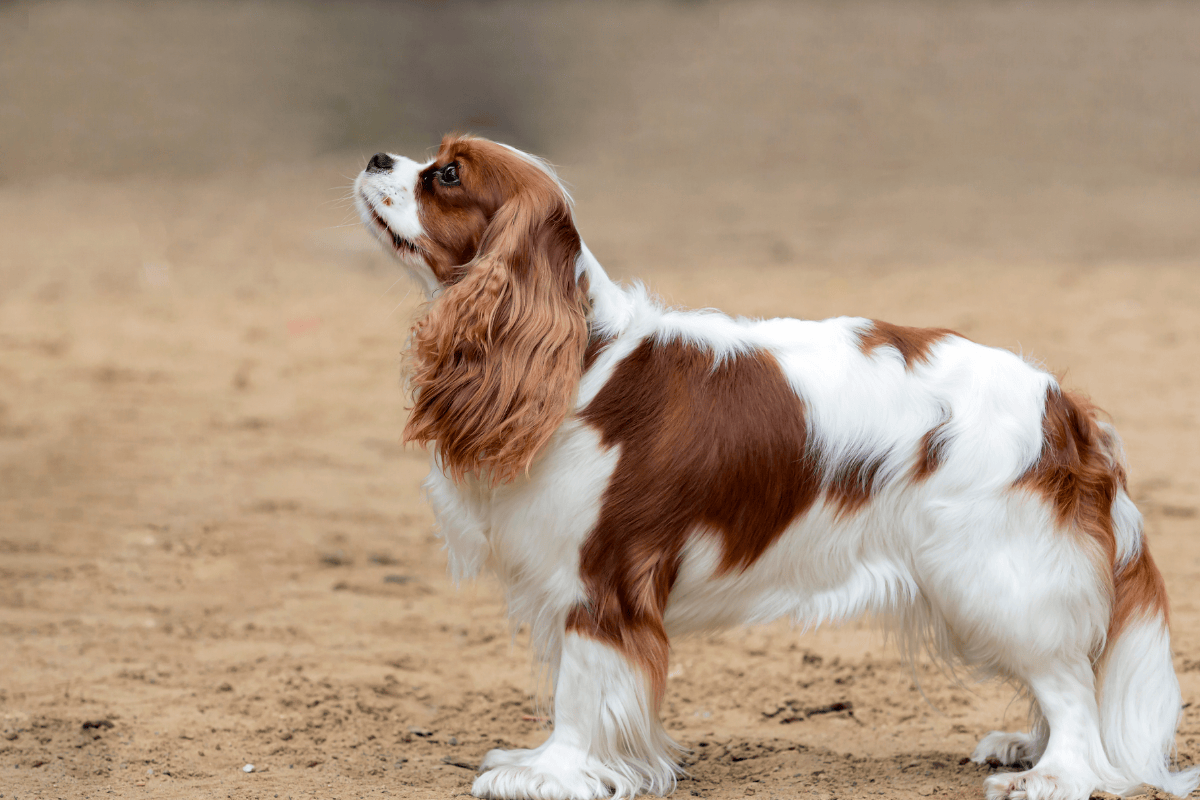
Cavalier King Charles Spaniels are small, elegant dogs known for their graceful build, warm expression, and flowing, silky coat.
- Size: Males and females typically stand 30–33 cm at the shoulder and weigh between 5.5–8 kg. Their compact yet refined frame reflects a balance of agility and grace without appearing fragile.
- Coat: Cavaliers have a silky, medium-length coat with feathering on the ears, legs, chest, and tail. Common coat colours include Blenheim (chestnut markings on a pearly white background), Tricolour (black and white with tan accents), Ruby (solid red), and Black and Tan (black with tan highlights).
- Distinctive Features: Cavaliers are characterised by their large, round, dark eyes that radiate warmth and affection. Their gently rounded skull, tapered muzzle, and long, feathered ears give them a regal yet approachable appearance.
- Tail: Their well-feathered tail is carried gracefully in motion, complementing their balanced and fluid gait. It is never curled over the back, maintaining the breed’s natural elegance.
- Built for Elegance and Playfulness: With a well-proportioned body, moderate chest, and straight legs, Cavaliers combine an aristocratic appearance with a playful and agile spirit, making them both charming companions and active family pets.
Cavalier King Charles Spaniel History
The Cavalier King Charles Spaniel boasts a noble history, rooted in companionship and royal favour.
- Origins in England: Tracing their lineage to toy spaniels of the Renaissance era, Cavaliers were beloved companions to European nobility. Their primary role was as lap dogs, offering warmth and comfort in draughty castles and homes.
- Royal Connections: During the 17th century, King Charles I and King Charles II became particularly fond of the breed, solidifying its association with the British monarchy. King Charles II’s devotion was so well-known that the dogs were often depicted in portraits alongside members of the royal family.
- Refinement and Revival: By the late 19th century, the breed’s appearance began to change, influenced by the popularity of flat-faced toy breeds. However, enthusiasts in the 1920s sought to restore the Cavalier’s original appearance, leading to the creation of the modern Cavalier King Charles Spaniel.
- Recognition in England: The breed gained official recognition from The Kennel Club in 1945, cementing its place as a cherished companion dog in British households.
- Arrival in Australia: Introduced to Australia in the mid-20th century, Cavaliers quickly gained popularity for their affectionate nature and adaptability. Their charm and regal history made them a favourite choice among Australian families.
Today, the Cavalier King Charles Spaniel is celebrated as a loving companion, seamlessly blending its noble heritage with a modern role as an adored family pet.
Cavalier King Charles Spaniel Personality
Cavalier King Charles Spaniels are celebrated for their gentle temperament, affectionate nature, and remarkable adaptability. Their charming and friendly demeanor makes them ideal companions for families and individuals of all ages.
Key Traits:
- Gentle and Affectionate: Cavaliers thrive on human companionship and form deep bonds with their families. They are known for their loving nature and are happiest when spending time with their people.
- Sociable and Friendly: This breed’s natural friendliness extends to both people and other animals, making them well-suited for social households or multi-pet families.
- Playful yet Calm: Cavaliers enjoy playtime but are equally content curling up in a lap, perfectly balancing energy and relaxation.
- Eager to Please: Their willingness to please makes them cooperative and responsive, a trait that enhances their trainability.
Good with Families:
- Patient with Children: Cavaliers are gentle and tolerant, making them excellent companions for families with children. Their playful nature aligns well with young kids, while their calm disposition ensures they adapt to quieter households too.
- Adaptable to Living Situations: Whether in a spacious home or a city apartment, Cavaliers thrive as long as they receive adequate attention and love.
Trainability:
- Intelligent and Willing: Cavaliers are intelligent dogs who respond well to positive reinforcement and consistent training. Their eagerness to learn makes training enjoyable for both the dog and the owner.
- Sensitive and Attuned: These spaniels are sensitive to their owner’s tone and emotions, requiring gentle guidance during training to maintain their trust and enthusiasm.
Affectionate and Engaging:
- Thrives on Connection: Cavaliers crave human interaction and enjoy being part of daily routines, whether it’s a walk in the park or relaxing on the couch
- Responsive to Activities: While not overly energetic, they enjoy moderate exercise, such as short walks, play sessions, or mental games, to stay healthy and stimulated.
- Dislike Being Left Alone: Due to their strong attachment to their families, Cavaliers are not suited to prolonged periods of isolation. Structured activities and companionship are essential for their emotional well-being.
Cavalier King Charles Spaniels are the epitome of a devoted, loving companion. Their gentle nature, combined with their adaptability and charm, makes them a delightful addition to any household.
Find Cavalier King Charles Spaniel Breeders or Puppies for Sale
Cavalier King Charles Spaniel as Family Pets
Cavalier King Charles Spaniels are exceptional family dogs, admired for their affectionate, gentle, and adaptable nature. Their strong attachment to their human companions and friendly demeanor make them a perfect fit for households of all sizes.
Great with Kids
- Gentle and Loving: Cavaliers are naturally kind and patient, making them wonderful companions for children. Their calm and affectionate nature ensures they interact positively with younger family members.
- Playful Companions: While not overly energetic, they enjoy interactive games and light play sessions, making them engaging yet manageable playmates for kids.
- Comforting Presence: Cavaliers are empathetic and responsive, often providing comfort to children and creating a harmonious family environment.
Excellent with Other Pets
- Sociable and Friendly: Cavaliers integrate seamlessly into multi-pet households. Their warm and amiable personality ensures they get along well with other dogs and even cats.
- Adaptable Interactions: Proper socialisation helps Cavaliers build positive relationships with other animals, showcasing their natural friendliness and gentle demeanour.
Manageable Energy Levels
- Moderately Active: Cavaliers enjoy moderate daily exercise, such as short walks, light games, or playful exploration in the yard. They need about 20–30 minutes of activity daily to stay healthy.
- Mental Engagement: These intelligent dogs thrive on mental stimulation, enjoying activities like training exercises or puzzle toys to keep their minds sharp.
- Relaxed Companions: While they enjoy bursts of activity, Cavaliers are equally content to relax and snuggle with their families, adapting to their household’s energy levels.
The Joy of Owning a Cavalier
- Affectionate and Devoted: Cavaliers build deep connections with their families, offering unwavering love and companionship. Their affectionate nature ensures they are never far from your side.
- Eager to Please: Their willingness to learn and cooperate makes training a positive and enjoyable experience, particularly when using gentle, reward-based methods.
- Loyal and Adaptable: Cavaliers are attentive and adaptable, thriving in both bustling family environments and quieter homes.
Cavalier King Charles Spaniels enrich family life with their blend of affection, playfulness, and adaptability. With the right balance of attention, exercise, and care, they become cherished and loyal companions for every member of the household.
Find Cavalier King Charles Spaniel Breeders or Puppies for Sale
Cavalier King Charles Spaniel Health & Care
Cavalier King Charles Spaniels are generally healthy dogs, but like many purebred breeds, they can be prone to certain health conditions. Responsible care, regular vet visits, and a balanced lifestyle are key to ensuring their long-term well-being.
Common Health Concerns
- Mitral Valve Disease (MVD): A prevalent heart condition in Cavaliers, MVD often develops as they age. Cavaliers can develop heart murmurs, and the valves work less efficienitly to pump blood around the heart. Cardiac screenings by breeders and owners can help detect and manage this condition early.
- Eye Conditions: Cavaliers may be prone to issues like cataracts or retinal dysplasia. Routine eye exams by a veterinary ophthalmic specialist is essential to evaluate any affected dogs.
- Syringomyelia (SM): This neurological condition affects the spinal cord and can cause pain or discomfort. This is characterised by a mismatch in size between the brain and the skull, which could partially block and may alter flow of spinal fluids around the spinal cord. The only way of identifying affected dogs is through an MRI, which is an expensive procedure and is currently not available in all parts of Australia. Where MRI scanning is available, a growing number of good breeders are now screening their dogs.
- Patellar Luxation: This condition occurs when the kneecap slips out of place, causing discomfort or lameness. Early detection by can guide appropriate treatment options.
- Dry Eye Syndrome: a rare condition in cavaliers, where the affected dogs produce no tears making their eyes incredibly sore. DNA tests are available to breeders and owners to not produce affected puppies.
- Curly Coat Syndrome: a rare skin condition, where the affected dogs skin becomes very flaky and dry, particularly around the foot, making standing and walking painful. DNA tests are available to breeders and owners to not produce affected puppies.
The Cavalier Club of NSW and Cavalier club of VIC have resources for breeders and buyers to learn more about common health concerns in the breed.
You can also connect with registered Cavalier Breeders, to learn more about Health & Care for the Cavalier King Charles Spaniel.
Preventative Care
- Balanced Diet and Exercise: Feed your Cavalier a high-quality, portion-controlled diet to maintain a healthy weight. Daily walks and light play sessions are enough to keep them fit.
- Regular Vet Visits: Annual health checkups are vital for early detection of breed-specific conditions like MVD or SM.
- Grooming Needs: Weekly brushing keeps their silky coat in excellent condition and reduces matting. Regularly check their ears and trim their nails to avoid infections and discomfort.
- Dental Hygiene: Brush their teeth several times a week with a dog-friendly toothpaste to prevent dental issues and bad breath.
Proactive Ownership
With attentive care, Cavalier King Charles Spaniels can lead long, happy, and healthy lives. Maintaining their physical and emotional health ensures they remain the loving and loyal companions they are known to be.
Caring for your Cavalier King Charles Spaniel
Meeting your Cavalier King Charles Spaniel’s physical and mental requirements ensures they thrive as happy, affectionate companions.
Key Care Tips
- Vet Visits: Schedule annual checkups to monitor your Cavalier’s health, especially for heart conditions like Mitral Valve Disease (MVD) and neurological issues such as Syringomyelia (SM). Early detection is crucial.
- Proper Nutrition: Provide a high-quality diet designed for small breeds. Control portions to prevent obesity, which can exacerbate joint and heart issues.
- Daily Exercise: Cavaliers need 20–30 minutes of moderate activity daily, such as short walks, play sessions, or gentle fetch games. This helps maintain their weight and overall health.
- Mental Engagement: Engage them with puzzle toys, basic obedience training, and interactive play to keep their minds sharp and prevent boredom.
- Health Monitoring: Pay attention to signs of lethargy, difficulty breathing, or changes in appetite, and consult your veterinarian promptly if concerns arise.
With attentive care, regular exercise, and plenty of affection, your Cavalier King Charles Spaniel will reward you with unwavering loyalty and their signature loving nature.
Cavalier King Charles Spaniel Grooming
Grooming Routine
- Brushing: Brush their medium-length, silky coat 3–4 times a week using a slicker brush or comb to prevent tangles and mats. Focus on areas prone to knotting, like behind the ears and under the legs.
- Bathing: Bathe every 4–6 weeks or as needed with a gentle, hypoallergenic shampoo to keep their coat soft and clean. Avoid overbathing to maintain the coat’s natural oils.
- Nail Trimming: Trim nails every 2–3 weeks or when they click on the floor. Regular nail care prevents discomfort and helps maintain a proper gait.
- Ear Cleaning: Due to their long, floppy ears, Cavaliers are prone to ear infections. Check weekly and clean with a vet-approved solution to prevent wax buildup and irritation.
- Dental Care: Brush teeth 2–3 times a week with dog-specific toothpaste to prevent tartar buildup and promote fresh breath. Regular dental care helps reduce the risk of gum disease.
Consistent grooming keeps your Cavalier King Charles Spaniel healthy, comfortable, and looking their elegant best, enhancing their overall well-being.
Is a Cavalier King Charles Spaniel Right For You?
Cavalier King Charles Spaniels are affectionate, gentle, and adaptable dogs that thrive in loving, family-oriented households. Ensuring their needs align with your lifestyle is essential to fostering a happy, healthy relationship.
Ideal Owners
- Affectionate and Attentive: Cavaliers thrive on close companionship and are ideal for owners who can provide plenty of love and attention.
- Active but Balanced: While not overly energetic, Cavaliers enjoy daily walks and playtime, making them perfect for moderately active households.
- Family-Oriented: Their gentle and friendly nature makes them wonderful companions for families, including those with children or other pets.
- Indoor-Friendly: Cavaliers adapt well to apartment living, provided they receive sufficient daily exercise and mental stimulation.
Not Ideal If:
- Frequently Absent: Cavaliers are prone to separation anxiety and are best suited to households where someone is home often or arrangements for companionship are in place.
- Looking for High-Energy Dogs: They enjoy activity but may not match the needs of highly active owners seeking a running or hiking partner.
- Limited Interaction: Cavaliers need regular attention and social interaction, and neglecting their emotional needs may lead to behavioural issues.
Key Considerations
- Exercise and Stimulation: Provide 20–30 minutes of daily exercise, such as gentle walks or indoor play, to keep them physically fit and mentally engaged.
- Training and Socialisation: Early socialisation and positive reinforcement training are crucial to encourage good manners and build confidence.
- Health and Grooming: Regular vet checkups, a nutritious diet, and consistent grooming help maintain their well-being, especially given their susceptibility to conditions like heart disease and ear infections.
With the right care and attention, Cavalier King Charles Spaniels reward their owners with unwavering loyalty, affection, and joy, making them cherished companions for a variety of households.
Find Cavalier King Charles Spaniel Breeders or Puppies for Sale
The Importance of a Reputable Cavalier King Charles Spaniel Breeder
Selecting a reputable breeder is crucial to providing your Cavalier King Charles Spaniel with a healthy start, a stable temperament, and early socialisation. Ethical breeders focus on the breed’s health, character, and long-term well-being by following responsible practices.
Key Practices of Reputable Breeders
- Health Testing: Responsible breeders test for common health concerns in Cavaliers. They provide clear documentation of results.
- Temperament Selection: Breeders choose parent dogs with the Cavalier’s characteristic friendly and affectionate personality, ensuring puppies inherit these desirable traits.
- Early Socialisation: Puppies are introduced to various stimuli, including people, sounds, and environments, to encourage confidence and adaptability in their formative weeks.
Finding a Reputable Breeder
- Conduct Thorough Research: Begin with breed organisations like Cavalier King Charles Spaniel Club of Australia or reliable online directories such as Dogz Online.
- Ask the Right Questions: Inquire about health screenings, socialisation efforts, and the lineage of the puppies. A reputable breeder will be forthcoming and happy to provide information.
- Visit in Person: Observe the cleanliness of the breeding environment, the condition of the puppies, and the behaviour of the parent dogs. Reputable breeders will welcome visits.
- Avoid Warning Signs: Be cautious of breeders who lack transparency about health testing, fail to ask you questions about your suitability as an owner, or seem focused on profit over the well-being of the dogs.
Why It Matters
Choosing a responsible breeder ensures your Cavalier King Charles Spaniel is healthy, well-adjusted, and ready to thrive as part of your family. This thoughtful decision lays the groundwork for a lifelong bond with a loyal and loving companion.
How Long Does a Cavalier King Charles Spaniel Live For?
Cavalier King Charles Spaniels are sweet-natured and affectionate, often living between 12 and 14 years. They love being part of the family and do best with gentle exercise, a quality diet, and regular visits to the vet. With proper care, they often stay cuddly and cheerful well into their later years
Adaptability
Adapts Well To
- Active Households: Cavalier King Charles Spaniels enjoy homes with moderate activity, thriving in environments where they can engage with their owners through play, walks, and cuddles.
- Family Environments: Known for their gentle and affectionate nature, Cavaliers integrate seamlessly into families, including those with children or other pets.
- Apartments or Smaller Homes: Their compact size and calm temperament make them well-suited for living in apartments, provided they receive regular walks and playtime.
Key Considerations:
- Exercise Needs: Cavaliers require moderate daily exercise, such as a 20–30-minute walk or interactive play sessions, to maintain physical and mental well-being.
- Socialisation: Early exposure to different people, pets, and settings helps Cavaliers develop confidence and adaptability.
- Indoor Comfort: Cavaliers are indoor dogs that enjoy cosy, comfortable living spaces and love spending time close to their family members.
Adapts Less Well To
- Very Active or Noisy Homes: While they enjoy attention, Cavaliers may become overwhelmed by excessive noise or chaotic environments.
- Long Periods of Isolation: Cavaliers form strong bonds with their owners and are prone to separation anxiety if left alone for extended periods.
- Outdoor-Only Living: Their small size and lack of a heavy coat make them unsuitable for living outdoors full-time.
Solutions for Apartment Living
- Daily Walks: Ensure regular walks and light play sessions to keep them healthy and happy in smaller living spaces.
- Interactive Toys: Use puzzle toys or treat-dispensing games to provide mental stimulation when you’re not available.
- Pet Care Support: Arrange for a dog walker or pet sitter if you’ll be away for extended periods.
Other Considerations
- Commitment to Interaction: Cavaliers crave companionship and flourish in homes where they receive regular attention and affection.
- Building Policies: Confirm pet permissions and ensure neighbours are comfortable with occasional barking or activity.
- Gentle Training: Positive reinforcement methods work best to address minor behavioural concerns and ensure a well-adjusted companion.
With proper care and attention, Cavalier King Charles Spaniels adapt beautifully to various living arrangements, bringing warmth, charm, and affection to any household.
Good for Novice Dog Owners
Cavalier King Charles Spaniels are an ideal choice for first-time dog owners, thanks to their gentle, adaptable, and eager-to-please temperament. Their manageable size and affectionate nature make them a delightful companion for those new to dog ownership.
- Loving and Devoted: Cavaliers form strong bonds with their owners and thrive on close companionship, offering constant affection.
- Easy to Train: Their intelligence and willingness to please make training straightforward, especially with positive reinforcement.
- Adaptable Size: Compact and manageable, Cavaliers fit well into various living spaces, including apartments or small homes.
- Low Exercise Needs: Their moderate energy levels suit individuals or families who prefer leisurely walks and playtime rather than intense activity.
Potential Challenges
- Social Dependence: Cavaliers may develop separation anxiety if left alone for long periods, requiring a home where they receive plenty of attention.
- Grooming Needs: Their silky coats require regular brushing to prevent tangles and mats, which may be new to novice owners.
- Sensitivity: Cavaliers can be emotionally sensitive and may react to harsh tones or loud environments.
Ideal Owners
- Affectionate Individuals or Families: Cavaliers excel in homes where they are included in daily routines and showered with love.
- First-Time Owners Seeking Companionship: Their adaptable temperament and low-maintenance exercise needs make them a great match for new owners.
- Families with Children or Other Pets: Gentle and patient, Cavaliers integrate well into family environments and get along with other animals.
Key Considerations
- Commitment to Socialisation: Early exposure to different people, pets, and environments ensures they grow into confident and well-mannered companions.
- Regular Grooming Routine: Be prepared to brush their coats a few times a week and schedule occasional professional grooming.
- Attention to Emotional Needs: Cavaliers flourish in homes where they receive plenty of love and aren’t left alone for extended periods.
With their affectionate nature, ease of training, and adaptability, Cavalier King Charles Spaniels are a rewarding choice for first-time dog owners ready to embrace their needs for companionship, care, and attention.
Sensitivity Level
Sensitivity
Cavalier King Charles Spaniels are highly sensitive and intuitive dogs, deeply attuned to their owner’s emotions and household dynamics. This emotional awareness makes them loving companions but requires careful handling to support their well-being.
Key Sensitivities
- Emotional Awareness: Cavaliers can sense stress or tension in their environment and thrive in calm, harmonious settings.
- Craving Companionship: They dislike being left alone and may develop separation anxiety if isolated for long periods.
- Gentle Training Needs: Cavaliers respond best to positive reinforcement and can become anxious with harsh corrections or loud environments.
Ownership Tips
- Kind Training Techniques: Use rewards, praise, and encouragement to reinforce good behaviour, avoiding punitive approaches.
- Consistent Routine: A predictable daily schedule provides Cavaliers with a sense of security and comfort.
- Emotional Reassurance: Offer affection and soothing interactions during stressful situations to maintain their confidence.
Notable Traits
Cavalier King Charles Spaniels’ sensitivity enhances their role as empathetic and affectionate family members, thriving in nurturing and supportive households.
Tolerates Being Alone
Cavalier King Charles Spaniels are highly social and form strong bonds with their families, making them less tolerant of being left alone for extended periods. Without companionship, they may experience anxiety or boredom.
Social Needs
- Family-Oriented: Cavaliers are happiest when surrounded by their family and included in daily routines.
- Prone to Separation Anxiety: Extended absences can lead to stress behaviours, such as whining or destructive chewing.
- Easily Bored: Lack of interaction or stimulation may result in restlessness or attention-seeking behaviours.
Ownership Tips
- Gradual Alone-Time Training: Help Cavaliers adjust to alone time by gradually increasing separation and providing interactive toys for entertainment.
- Exercise Before Absences: A well-exercised Cavalier is more likely to rest calmly when left alone.
- Consider Alternatives: Doggy daycare or a pet sitter can provide companionship during prolonged absences.
Key Considerations
While Cavaliers can adapt to short periods alone, they thrive in homes where they receive regular attention and engagement.
Tolerates Hot Weather
Cavalier King Charles Spaniels can manage warm climates but are at risk of overheating due to their flat face and long coat. Proper precautions are essential during hot weather.
Heat Sensitivity
- Overheating Risk: Their brachycephalic features can make it harder to regulate body temperature, increasing the risk of heatstroke.
- Warning Signs: Excessive panting, drooling, or lethargy should be addressed promptly.
Care Tips
- Exercise Timing: Schedule walks and play sessions during cooler parts of the day, such as mornings or evenings.
- Provide Shade and Water: Ensure they have access to fresh water and shaded areas for rest.
- Cooling Aids: Use cooling mats, vests, or fans to help keep them comfortable in warm conditions.
Safety First
Monitoring their condition and limiting activity during high temperatures ensures Cavaliers remain safe and comfortable.
Tolerates Cold Weather
Cavalier King Charles Spaniels are moderately tolerant of cold weather, but their long coat provides limited insulation. Additional protection may be needed in chilly conditions.
Cold Weather Tolerance
- Limited Insulation: While their silky coat offers some warmth, they are not equipped for prolonged exposure to extreme cold.
- Enjoys Brisk Walks: Cavaliers can still enjoy short outdoor activities with proper care.
Ownership Tips
- Protective Clothing: Use sweaters or coats during winter walks to keep them warm and comfortable.
- Limit Outdoor Time: Avoid extended exposure to freezing temperatures to prevent discomfort.
- Provide Warm Shelter: Ensure they have access to a cosy indoor space to rest after being outdoors.
Balanced Care
With appropriate precautions, Cavalier King Charles Spaniels can enjoy cold-weather outings while staying comfortable and healthy.
Friendliness
Affectionate with Family
Cavalier King Charles Spaniels are renowned for their affectionate and loyal nature, forming deep bonds with their families. Their loving temperament makes them a favourite companion for households of all sizes.
Key Traits
- Endlessly Loving: Cavaliers thrive on affection and will seek out cuddles and companionship whenever possible.
- Playful Yet Gentle: They enjoy interactive play with family members but remain calm and patient, especially with children or older adults.
- Always by Your Side: Cavaliers are known for their velcro-like attachment, preferring to stay close to their loved ones.
Ownership Tips
- Encourage Interaction: Include your Cavalier in daily family activities to nurture their bond and prevent loneliness.
- Reinforce Positivity: Use rewards and gentle praise to encourage their affectionate and eager-to-please nature.
- Balance Rest and Play: While they enjoy activity, Cavaliers also love downtime with their families, making them versatile companions.
Cavaliers’ affectionate and devoted personalities make them heartwarming additions to any home, bringing endless joy and companionship.
Kid-Friendly
Cavalier King Charles Spaniels are gentle and patient, making them wonderful companions for families with children.
Why They’re Great with Kids
- Naturally Gentle: Cavaliers have a calm demeanor that helps them adapt to children of all ages.
- Playful but Tolerant: Their balanced energy levels make them ideal playmates without becoming overly excitable.
- Trustworthy and Caring: Cavaliers instinctively understand and respond well to the energy of children, often forming protective bonds.
Ownership Tips
- Teach Respect: Guide children to handle their Cavalier with care, ensuring a safe and loving relationship.
- Supervise Playtime: While Cavaliers are patient, supervision ensures mutual comfort and safety.
- Interactive Play: Activities like fetch or gentle training games help strengthen bonds between Cavaliers and children.
Cavaliers’ adaptable and kind nature ensures they become trusted, loving companions for children, enriching family life with their presence.
With Other Pets
Cavalier King Charles Spaniels’ friendly and sociable temperament allows them to integrate seamlessly into multi-pet households.
How They Get Along
- Sociable by Nature: Cavaliers generally enjoy the company of other pets, including dogs and cats, when introduced properly.
- Respectful of Boundaries: They adapt their behaviour to suit the temperament of other animals, whether playful or calm.
- Mild Temperament: Cavaliers rarely exhibit dominance, fostering harmonious relationships.
Ownership Tips
- Start Early: Early socialisation with other pets helps Cavaliers develop positive relationships.
- Monitor Initial Meetings: Supervise interactions to ensure all pets feel safe and comfortable.
- Encourage Play: Regular exercise and playtime help Cavaliers maintain balanced energy during interactions.
Cavaliers’ friendly and adaptable disposition makes them ideal companions in multi-pet households, fostering peaceful coexistence.
Friendly Toward Strangers
Cavalier King Charles Spaniels’ warm and approachable nature makes them naturally friendly with strangers.
Traits with Strangers
- Welcoming and Outgoing: Cavaliers often greet new faces with enthusiasm and wagging tails, displaying their sociable personality.
- Gentle and Approachable: Their calm and affectionate demeanor makes them ideal for social settings.
- Confident in Public: Cavaliers adapt well to new environments and enjoy meeting new people, whether at home or out.
Ownership Tips
- Early Socialisation: Introduce your Cavalier to different people and environments to build their confidence.
- Manage Excitement: Teach them to greet visitors politely to avoid overly enthusiastic behaviour.
- Reinforce Calmness: Reward calm interactions with treats and praise to encourage well-mannered behaviour.
Cavalier King Charles Spaniels’ natural friendliness ensures they bring joy and charm to every interaction, making them delightful companions in any setting.
Health & Grooming
Amount of Shedding
Cavalier King Charles Spaniels have a silky, medium-length coat that sheds moderately, requiring regular maintenance to keep their fur in excellent condition.
Shedding Facts:
- Double Coat: Cavaliers have a feathered coat that sheds consistently throughout the year, with increased shedding during seasonal changes.
- Not Hypoallergenic: While their shedding is moderate, it may still affect allergy-sensitive individuals.
Ownership Tips:
- Regular Brushing: Brush their coat 3–4 times a week to reduce loose hair and prevent tangles or mats.
- Vacuum Maintenance: Regular vacuuming helps manage fur around the home.
- Professional Grooming: Occasional trips to a professional groomer can help keep their coat manageable and their feathering neat.
Cavalier King Charles Spaniels’ moderate shedding is manageable with routine grooming, ensuring they stay clean, comfortable, and stunningly elegant.
Drooling Potential
Cavalier King Charles Spaniels have a low tendency to drool, making them a clean and easy-to-maintain breed in this regard.
Drooling Overview:
- Occasional Instances: Minor drooling may occur after meals, drinks, or when they’re excited.
- Health Check: Excessive drooling could indicate oral issues or other health concerns, requiring veterinary attention.
Ownership Tips:
- Wipe After Meals: Keep a small towel handy to clean their mouths if necessary.
- Dental Hygiene: Regular brushing of teeth reduces the risk of oral health issues and associated drooling.
Cavaliers’ minimal drooling ensures their companionship remains fuss-free and enjoyable.
Easy to Groom
Cavalier King Charles Spaniels are relatively low-maintenance when it comes to grooming, with their flowing coats requiring moderate care.
Grooming Basics:
- Frequent Brushing: Their silky coat benefits from brushing 3–4 times a week to remove tangles and prevent matting.
- Bathing: Bathe them every 4–6 weeks or as needed with a mild dog shampoo to keep their coat soft and clean.
- Ear and Nail Care: Clean their long ears weekly to prevent infections, and trim nails regularly to avoid discomfort.
Ownership Benefits:
- Manageable Routine: Grooming needs are straightforward and fit into most schedules.
- Minimal Tools: Basic grooming supplies, such as a slicker brush and dog-safe shampoo, suffice for maintaining their coat.
Cavaliers’ grooming routine is simple yet essential, ensuring their signature elegance is always on display.
General Health
Cavalier King Charles Spaniels are a generally healthy breed but are predisposed to a few hereditary health concerns.
Common Health Issues:
- Mitral Valve Disease (MVD): A prevalent heart condition in Cavaliers, MVD often develops as they age. Cavaliers can develop heart murmurs, and the valves work less efficienitly to pump blood around the heart. Cardiac screenings by breeders and owners can help detect and manage this condition early.
- Eye Conditions: Cavaliers may be prone to issues like cataracts or retinal dysplasia. Routine eye exams by a veterinary ophthalmic specialist is essential to evaluate any affected dogs.
- Syringomyelia (SM): This neurological condition affects the spinal cord and can cause pain or discomfort. This is characterised by a mismatch in size between the brain and the skull, which could partially block and may alter flow of spinal fluids around the spinal cord. The only way of identifying affected dogs is through an MRI, which is an expensive procedure and is currently not available in all parts of Australia. Where MRI scanning is available, a growing number of good breeders are now screening their dogs.
- Patellar Luxation: This condition occurs when the kneecap slips out of place, causing discomfort or lameness. Early detection by can guide appropriate treatment options.
- Dry Eye Syndrome: a rare condition in cavaliers, where the affected dogs produce no tears making their eyes incredibly sore. DNA tests are available to breeders and owners to not produce affected puppies.
- Curly Coat Syndrome: a rare skin condition, where the affected dogs skin becomes very flaky and dry, particularly around the foot, making standing and walking painful. DNA tests are available to breeders and owners to not produce affected puppies.
Ownership Essentials:
- Routine Vet Visits: Regular checkups help detect and manage health issues early.
- Balanced Diet and Exercise: Proper nutrition and moderate exercise help maintain a healthy weight and overall well-being.
- Health Screening: Choose reputable breeders who screen for hereditary conditions, reducing the risk of serious health problems.
With attentive care and early intervention, Cavalier King Charles Spaniels lead long, happy lives, rewarding their families with love and devotion.
Potential for Weight Gain
Cavalier King Charles Spaniels are prone to weight gain, requiring careful dietary and exercise management to maintain their health.
Contributing Factors:
- Love of Food: Cavaliers often have hearty appetites and may overeat if not monitored.
- Low Activity Levels: Without sufficient exercise, they can quickly gain excess weight.
- Breed Predisposition: Their smaller frame can make even slight weight increases noticeable.
Ownership Tips:
- Portion Control: Feed measured meals and avoid overfeeding. Consult your vet for an appropriate diet plan.
- Healthy Treat Options: Use low-calorie snacks like green beans or small apple slices.
- Consistent Exercise: Provide daily walks and light play sessions to keep them active and fit.
Maintaining a healthy weight enhances a Cavalier’s quality of life, supporting their heart health and joint mobility.
Trainability
Training
Cavalier King Charles Spaniels are intelligent, eager-to-please, and highly trainable dogs, especially when positive reinforcement is used.
Smart and Eager to Learn:
- Quick Learners: Cavaliers respond quickly to training sessions and easily pick up commands and routines.
- Motivated by Rewards: They thrive on praise, treats, and affection, making positive reinforcement especially effective.
- Adaptable: Their gentle temperament and intelligence make them versatile learners in various environments.
Training Challenges:
- Sensitive Nature: Cavaliers may become discouraged with harsh corrections, so a gentle approach is essential.
- Attention-Seeking: They can become distracted if they feel ignored or left out during training.
Ownership Tips:
- Positive Reinforcement: Use praise, treats, and affection to encourage desired behaviours and foster enthusiasm.
- Short, Engaging Sessions: Keep training sessions brief and fun to hold their attention.
- Early Socialisation: Introduce them to different environments, people, and pets during puppyhood to build confidence.
Cavalier King Charles Spaniels’ trainability and eagerness make them an excellent choice for first-time dog owners and experienced trainers alike.
Intelligence
Cavalier King Charles Spaniels are bright, curious, and attentive, making them quick learners and delightful companions.
Key Traits:
- Quick Adaptability: Cavaliers excel in adapting to new routines and commands, demonstrating their intelligence.
- Problem-Solving Abilities: Their natural curiosity allows them to excel in interactive challenges, such as puzzle toys.
- Eager to Please: Cavaliers’ strong bond with their owners motivates them to learn and perform tasks.
Ownership Tips:
- Engaging Activities: Incorporate games like hide-and-seek or scent work to keep them mentally stimulated.
- Reward-Based Learning: Use treats and praise to maintain their interest and reinforce positive behaviour.
- Consistency: Maintain a structured training routine to help them understand and meet expectations.
Cavalier King Charles Spaniels’ intelligence ensures they thrive with interactive and engaging activities, making them a joy to train and live with.
Potential for Mouthiness
Cavalier King Charles Spaniels have a moderate tendency toward mouthiness, especially during their teething phase as puppies.
Mouthiness Explained:
- Chewing Needs: Cavaliers enjoy chewing, which helps alleviate teething discomfort and boredom.
- Playful Nipping: Gentle mouthing may occur during play, reflecting their playful and curious nature.
Ownership Tips:
- Safe Chew Toys: Provide durable toys to satisfy their chewing instincts and protect household items.
- Redirect Behaviour: If they nip during play, calmly redirect them to an appropriate toy.
- Supervised Interaction: Monitor their interactions with children to ensure gentle play.
Addressing mouthy behaviour early helps Cavaliers grow into well-mannered and delightful companions.
Prey Drive
Cavalier King Charles Spaniels have a low prey drive, though their curiosity and playful instincts may lead them to chase small animals or objects.
Behavioural Traits:
- Playful Chasing: They may chase squirrels or birds, but this behaviour is generally playful rather than predatory.
- Focused Curiosity: Cavaliers are more interested in interacting with their environment than pursuing prey.
Ownership Tips:
- Leash Training: Teach commands like “leave it” to manage their curiosity during walks.
- Supervised Play: Monitor interactions with smaller pets to ensure safety and positive behaviour.
- Redirect Energy: Use fetch or other interactive games to channel their playful instincts constructively.
Cavaliers’ low prey drive makes them suitable for homes with smaller pets when properly introduced and supervised.
Wanderlust Potential
Cavalier King Charles Spaniels are loyal and family-oriented, making them less likely to wander far, though intriguing sights or scents may pique their curiosity.
Family-Centered Loyalty:
- Close Bonds: Their strong attachment to their owners often keeps them nearby.
- Curiosity Over Independence: While not prone to roaming, they may explore if something catches their interest.
Ownership Tips:
- Secure Fenced Yards: Provide a safe outdoor space for them to explore without risk.
- Recall Training: Reinforce commands like “come” to manage their curiosity during off-leash play.
- Leashed Walks: Use a leash in unfamiliar or busy areas to ensure their safety.
Cavalier King Charles Spaniels’ strong loyalty and moderate curiosity make them dependable companions, especially with proper boundaries.
Tendency to Bark or Howl
Cavalier King Charles Spaniels are moderate vocalisers, barking primarily to alert their owners or express excitement.
When They Bark:
- Alert Barking: Cavaliers may bark when they hear unfamiliar noises or when someone approaches the house.
- Excitement Vocalisation: They often bark during play or when anticipating treats or walks.
Ownership Tips:
- Teach “Quiet” Commands: Use consistent training to manage barking and encourage calm behaviour.
- Identify Triggers: Address underlying causes, such as boredom or lack of exercise, to reduce unnecessary barking.
- Reinforce Calmness: Reward quiet, relaxed behaviour to discourage excessive vocalisation.
With proper guidance, Cavaliers’ barking is manageable, adding to their role as attentive and communicative companions.
Exercise Needs
Cavalier King Charles Spaniels have moderate exercise needs, thriving on regular physical and mental stimulation to stay healthy and content.
Daily Requirements:
- Physical Activity: At least 30–60 minutes of exercise daily, including walks, playtime, or light jogging.
- Mental Engagement: Incorporate games, training sessions, or puzzle toys to challenge their minds.
- Social Interaction: Cavaliers enjoy interactive play with their owners and other pets.
Energy Levels by Age:
- Puppies: Short, frequent play sessions suit their growing bodies and high energy levels.
- Adults: Daily structured activities like walks and training sessions meet their moderate stamina needs.
- Seniors: Gentle walks and interactive play help maintain health without overexertion.
A balanced routine of physical and mental activities keeps Cavaliers happy, healthy, and well-adjusted.
Potential for Playfulness
Cavalier King Charles Spaniels are naturally playful, delighting their families with their love of games and interactive activities.
Why They Love Play:
- Energetic and Engaging: Cavaliers enjoy activities like fetch, tug-of-war, and hide-and-seek.
- Social Players: Their friendly temperament makes them eager to engage with people and other pets during playtime.
- Play as Bonding: Interactive games strengthen their bond with their families while keeping them physically and mentally stimulated.
Ownership Tips:
- Daily Play Sessions: Dedicate time each day for fun and engaging activities.
- Variety of Toys: Provide a selection of safe, interactive toys to keep their interest.
- Training Through Play: Combine play with obedience training to reinforce commands and good behaviour.
Cavalier King Charles Spaniels’ playful nature enhances their role as affectionate and entertaining companions.
Find Cavalier King Charles Spaniel Breeders
or
View Cavalier King Charles Spaniel Puppies for Sale |
View Cavalier King Charles Spaniel Older Dogs for Sale