

The Chinese Crested Dog
| Size | Small |
| Weight | Females: 3–5.5 kg, Males: 4–6 kg |
| Breed Group | Group 1 – Toy |
| Exercise Requirements | High |
| Grooming Requirements | Low to Moderate |
| Life Span | 12-14 years |
| Characteristics | Alert, Affectionate, Intelligent, Sensitive |
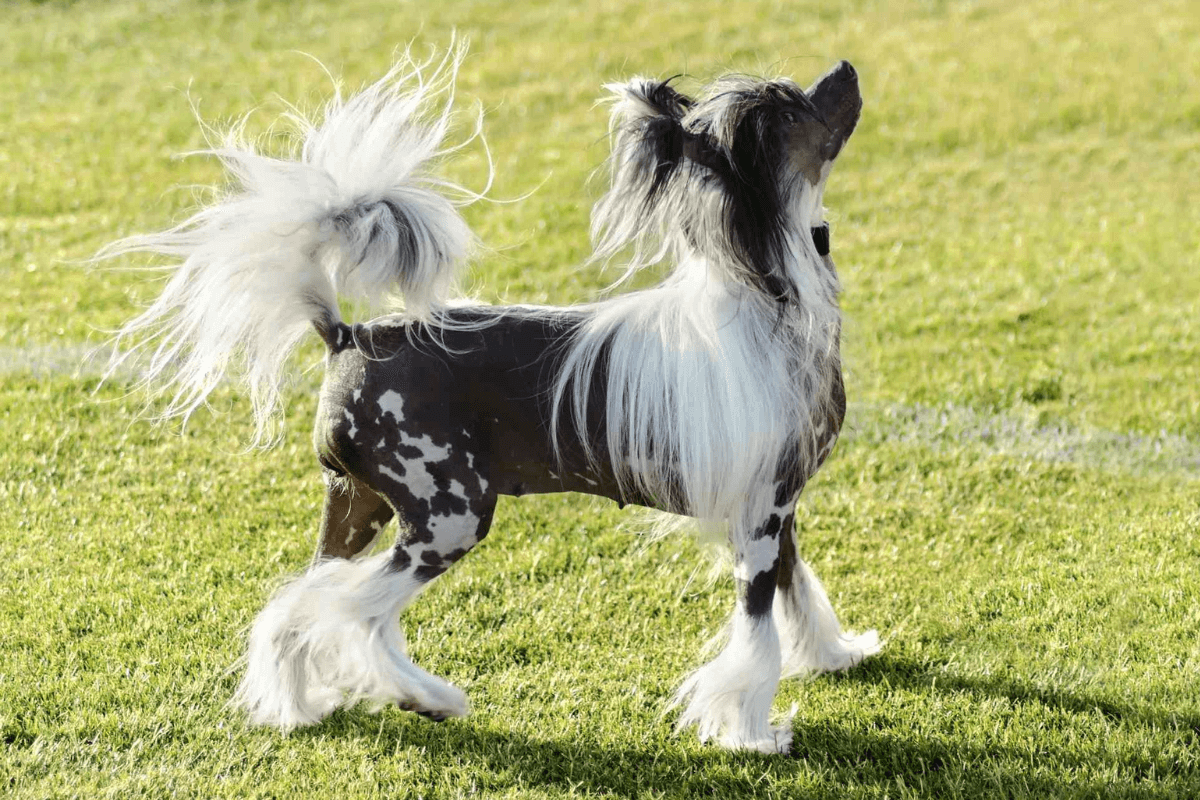
The Chinese Crested Dog is a small, elegant companion breed best known for its unique appearance and affectionate nature. Despite the name, its origins likely trace back to Africa, with refinement occurring in China, where they were prized as shipboard companions and vermin hunters. The breed has two varieties: the Hairless, featuring exposed skin with tufts of fur on the head, tail, and feet; and the Powderpuff, with a full coat of soft, flowing hair.
Friendly and sensitive, the Chinese Crested Dog's temperament makes them ideal for close-knit households. They form strong bonds with their humans and prefer being included in daily life. Despite their delicate appearance, they are playful and agile, thriving with gentle exercise and interaction.
Today, Chinese Crested Dogs are valued for their loving personality, low-shedding traits, and distinctive look. They suit homes seeking an affectionate, people-focused companion, and adapt well to apartment living or quieter households with consistent companionship.
Chinese Crested Dog Appearance
The Chinese Crested is a small, fine-boned breed with a graceful build and distinctive look. They come in two coat varieties, Hairless and Powderpuff, which are genetically related and may appear in the same litter. Despite their differences in coat, both types share the same elegant structure and expressive features.
Size:
The size of the Chinese Crested Dog is classified as small. Adult males typically weigh between 4–6 kg, while females range from 3–5.5 kg. They generally stand between 23–33 cm tall at the shoulder.
Coat:
The Hairless variety has smooth, exposed skin with tufts of soft, flowing hair on the head (crest), tail (plume), and feet (socks). The Powderpuff has a full double coat of fine, silky hair that requires regular brushing to prevent matting.
Distinctive Features:
The breed has large, upright ears, almond-shaped eyes, and a slender muzzle. Their elongated neck and level topline give them a refined appearance. The Hairless type’s exposed skin can come in various colours and patterns, often with freckles or spots.
Built for Cold and Work:
The Chinese Crested appearance is both unique and elegant. The Hairless type often draws attention for its exotic look, while the Powderpuff has a soft, flowing coat that adds to its gentle charm. Both are known for their expressive eyes and alert, inquisitive expressions.
With their small size and striking appearance, Chinese Crested Dogs are among the most recognisable breeds in the Toy Group, prized as both companions and show dogs.
Chinese Crested Dog History
The breed's history is unusual and widely debated. Despite their name, these dogs likely did not originate in China. Instead, their lineage traces back to African or Central American hairless breeds, which were later refined and miniaturised by Chinese traders.
Origins and Global Influence:
Historical evidence suggests the breed developed from larger hairless dogs found on ships or in ports along the African coast. Chinese mariners are believed to have carried smaller hairless dogs on board to control vermin. Over time, these dogs were selectively bred for their small size and hairless traits, leading to the modern Chinese Crested breed.
Appearance in Europe and the Americas:
The breed gained attention in Europe and North America during the 19th and 20th centuries, often appearing in circuses and sideshows due to their distinctive look. They were later bred as companions and began to be exhibited in dog shows, eventually gaining kennel club recognition.
Modern Role:
Today, the Chinese Crested Dog is a beloved companion dog worldwide. Recognised by the American Kennel Club, the Kennel Club (UK), and the Australian National Kennel Council, they are known for their affectionate nature and show-stopping appearance. Despite their fragile look, they are hardy, intelligent, and make loyal pets.
The breed's rich and global history contributes to its status as one of the most visually distinctive and endearing small dogs in the Toy Group.
Chinese Crested Dog Personality
The breed is affectionate, playful, and highly people-oriented. Known for their unique appearance and gentle nature, they form strong bonds with their families and thrive on human companionship. Despite their delicate frame, they are spirited and often full of quirky charm.
General Traits:
- Loving and Social: The Chinese Crested Dog personality is defined by a deep desire to be close to their humans. They are happiest when included in daily routines and tend to follow their favourite person from room to room.
- Lively but Not Hyper: While alert and energetic, they are not excessively boisterous. Their activity levels are manageable, and they enjoy indoor games, short walks, and quiet cuddle time.
Watchdog Tendencies:
- Alert but Non-Aggressive: While not bred to guard, they are naturally attentive and quick to alert their owners to new sounds or visitors. However, they are not barky or confrontational.
- Gentle Temperament: They tend to be friendly or reserved rather than reactive. With proper socialisation, they welcome guests and unfamiliar environments with confidence.
Trainability:
- Eager to Please: Their temperament includes a cooperative and responsive nature. They learn quickly and enjoy positive reinforcement through treats and praise.
- Best with Consistency: Although willing, they may become timid or anxious without patient training. A calm, reassuring approach works best to build their confidence.
Love of Activity and Engagement:
- People-Dependent: These dogs dislike being left alone for long periods. They prefer to be close to family and may struggle with extended solitude.
- Not Suited for Isolation: Their emotional sensitivity means they do best in households where someone is often home or where they have consistent interaction.
Chinese Crested Dog as Family Pets
Chinese Crested Dogs are affectionate, gentle, and quirky companions that thrive on human interaction. Their playful, loving temperament suits homes that can offer company, warmth, and a calm, attentive routine.
Good with Kids? Yes, in the Right Setting
- Affectionate and Gentle: The breed typically bonds closely with family members. They are affectionate with older, respectful children and enjoy gentle play and shared time on the couch.
- Socialisation Helps: Exposure to a variety of people and environments early builds confidence and helps prevent shyness or clinginess. With time, they can adapt well to family life and other pets.
- Supervision Encouraged: Due to their delicate build, especially the hairless type, interactions with small children should be monitored. Teach kids to handle them gently to avoid injury or stress.

Chinese Crested Dog Health Issues & Care
The Chinese Crested Dog is generally healthy and long-lived, though they are prone to several breed-specific concerns, especially involving skin and dental care. Routine attention and preventive care are key to their well-being.
Common Health Concerns:
- Patellar Luxation: Like many small breeds, the kneecap may occasionally dislocate. Mild cases are managed conservatively, while severe cases may need treatment.
- Progressive Retinal Atrophy (PRA / prcd): An inherited eye disease that leads to gradual vision loss.
- Primary Lens Luxation (PLL): The lens can dislocate and cause sudden pain or blindness; genetic tests are available and routinely used by breeders.
- von Willebrand’s Disease Type II: An inherited bleeding/clotting disorder; breeding dogs can be screened, and responsible programs share results.
- Epilepsy: Causes recurrent seizures; a dedicated genetic test isn’t available yet but is in development.
- Dry eye (Keratoconjunctivitis sicca): Known in the breed, though inheritance isn’t proven; it’s manageable with veterinary care. Watch for squinting, discharge, or eye rubbing.
- Dental Disease: Small mouths and crowded teeth make them prone to plaque buildup and gum issues. Daily brushing and regular vet dental checks are essential.
Talking directly with Chinese Crested Breeders is a great way to learn more about the breed, and health concerns in the breed.
Care and Maintenance
- Coat & Skin Care: Hairless types need sunscreen and skincare products to prevent dryness and irritation. Grooming for Powderpuffs includes regular brushing to prevent matting.
- Low Shedding: This breed sheds very little. Hairless types drop no hair, while Powderpuffs are light seasonal shedders and require brushing to manage their soft double coat.
- Exercise Needs:Despite their dainty appearance, they are lively and agile. Daily walks and light indoor games keep them stimulated and healthy.
- Balanced Diet: Feed a diet suited to small-breed metabolism. Watch for weight gain and skin flare-ups from diet-sensitive allergies.
- Routine Vet Visits: Schedule regular check-ups to monitor health problems and stay ahead of dental and skin issues, as well as maintain parasite and vaccination schedules.
With proper grooming, thoughtful skincare, and daily companionship, the Chinese Crested Dog lifespan typically reaches 12–14 years, often with years of lively companionship and loyal affection.
Caring for Your Chinese Crested Dog
Caring for a Chinese Crested Dog means meeting their grooming, social, and health needs with a consistent daily routine. Their emotional sensitivity and unique skin or coat requirements make attentive care especially important.
Routine Vet Visits
Annual check-ups and dental cleanings are essential, especially for monitoring common health issues such as dental disease, skin flare-ups, and joint health. Early intervention supports a longer, more comfortable life.
Balanced Diet
Feed a high-quality diet formulated for small breeds. Watch for food sensitivities or allergies, which may affect skin health or digestion. Avoid overfeeding, as their weight can fluctuate easily with inactivity or too many treats.
Daily Exercise and Activity
These dogs are small but lively. A couple of short walks and interactive indoor play keep them engaged and happy. Puzzle toys and light agility work also help them meet their exercise needs.
Mental Stimulation
Intelligent and people-oriented, the Chinese Crested Dog enjoys gentle games, training sessions, and being included in family routines. Without stimulation, they may become anxious or clingy.
Grooming Essentials
Grooming differs by type. Hairless dogs need regular skin care as moisturising, gentle exfoliation, and sunscreen when outdoors. Powderpuffs require brushing several times a week to manage tangles and keep their soft coat in good shape. Regular ear cleaning, nail trimming, and dental hygiene are necessary for both varieties.
Health Monitoring
Watch for signs of skin problems, such as dryness, redness, or acne. Monitor appetite, mobility, and energy levels, especially as they age. Prompt vet visits help prevent minor issues from becoming chronic.
Chinese Crested Dog Grooming
The Chinese Crested Dog has unique grooming needs depending on the variety but both types benefit from a consistent routine. Skin care is essential for Hairless types, while Powderpuffs need regular brushing to manage their soft, long coat.
Brushing
For Powderpuffs, brush three to four times a week using a pin brush or comb to prevent mats and tangles. For Hairless dogs, gentle exfoliation once a week with a soft cloth helps remove dead skin and prevent clogged pores.
Bathing
Hairless Chinese Cresteds should be bathed weekly to keep skin clean and reduce breakouts. Use a non-comedogenic, dog-safe shampoo. Powderpuffs need less frequent bathing about every 2–3 weeks, depending on activity level.
Nail Trimming
Trim nails every 3–4 weeks. Regular nail care helps maintain paw health and comfort, especially since they often spend time indoors or on smooth surfaces.
Ear Cleaning
Check ears weekly for wax buildup or signs of irritation. Clean gently using a vet-approved ear solution, being careful not to insert anything deep into the ear canal.
Dental Care
Dental hygiene is critical for this breed. The breed is prone to early tooth loss, so brush teeth several times a week using canine toothpaste and schedule professional cleanings with your vet as recommended.
With attentive grooming including skincare for Hairless types and coat maintenance for Powderpuffs, the Chinese Crested Dog stays clean, healthy, and looking their best. A structured grooming schedule supports comfort and confidence, no matter which variety you own.
Is a Chinese Crested Dog Right for You?
The Chinese Crested Dog is affectionate, quirky, and full of charm. Known for its playful nature and devotion to its people, this small companion breed thrives on attention and consistency. While sweet and low-shedding, it’s not ideal for every home. Understanding its traits and care needs helps determine if it’s the right fit for your lifestyle.
The Ideal Chinese Crested Dog Owner:
- Engaged and Present: The breed flourishes in homes where it’s a constant companion. They’re happiest with owners who include them in everyday life, from quiet cuddles to playful games.
- Patient and Attentive: Sensitive and smart, they respond best to gentle training and positive reinforcement. Owners who enjoy bonding through calm, reward-based learning are a great match.
- Diligent with Care: This breed needs regular grooming and, in the case of Hairless types, skin maintenance and sun protection. Owners should be comfortable with a skincare or grooming routine.
- Home-Based or Flexible: Cresteds prefer companionship throughout the day. They suit households with a flexible schedule or other pets to help reduce alone-time stress.
Not Ideal If:
- You’re Frequently Out: Chinese Crested Dogs form strong attachments and dislike being left alone for long stretches. Boredom or separation anxiety can develop without engagement.
- You Dislike Grooming: Powderpuffs require regular brushing, and Hairless types need skincare to avoid dryness or acne. Their grooming routine is consistent and hands-on.
- You Prefer Independent Dogs: While not overly clingy, this breed thrives on closeness and routine attention. They’re not suited to detached or hands-off households.
- You Want a Guard Dog: Small and friendly, they are alert but not protective. Their role is companion, not watchdog.
Crucial Considerations
- Exercise and Enrichment: While not overly active, the Chinese Crested Dog needs short daily walks and indoor play to stay mentally and physically sharp.
- Training Foundation: They respond well to early socialisation and consistent routines. Positive feedback and gentle commands bring out their best behaviour.
- Companionship and Lifestyle Fit: This breed bonds closely with its people. They’re ideal for homes where they can be a central part of the family experience.
Importance of a Reputable Chinese Crested Dog Breeder
Selecting a responsible Chinese Crested Dog breeder ensures your puppy has the healthiest and most stable start to life. A well-bred dog will have sound genetics, early socialisation, and a calm temperament, making them easier to integrate into family routines and care.
Health Testing
Reputable breeders screen for known health issues for Chinese Crested Dogs, helping to reduce the risk of lifelong complications
Temperament Assessment
Top breeders assess each puppy’s personality and energy level to match them with the right home. This process improves long-term compatibility and supports a smoother adjustment to family life.
Early Socialisation and Enrichment
Well-run programs expose puppies to gentle handling, everyday household sounds, and a variety of people. This critical early exposure shapes a well-rounded temperament, lowering reactivity and anxiety as they grow.
How to Find a Reputable Breeder
- Do Your Research: Look for breeders endorsed by Chinese Crested Dog clubs or official kennel associations. Ethical breeders prioritise health, temperament, and puppy welfare over volume or appearance.
- Ask the Right Questions: Inquire about genetic testing, grooming guidance, and how puppies are socialised. A responsible breeder will provide transparent answers and support.
- Visit When Possible: Meeting the parents, inspecting the premises, and observing how puppies are raised gives you valuable insight into breeding standards and puppy wellbeing.
Red Flags to Watch For
Avoid breeders who:
- Can’t provide health test documentation or vet records.
- Push for quick sales with minimal screening of buyers.
- Won’t allow questions or visits, or avoid discussing temperament.
Choosing a Chinese Crested Dog from a reputable breeder gives your pup the best possible start. With a solid foundation in health and behaviour, your new companion is set to thrive in a loving home that matches their gentle, lively nature.
How Long Does A Chinese Crested Dog Live For?
Chinese Crested dogs are known for their quirky charm and surprisingly long lives, often living between 13 and 18 years. They're generally a hardy breed when cared for properly. They thrive on companionship, good food, regular vet visits, and a bit of daily play or exercise. Like any dog, they can be prone to certain health issues, but with a loving home and a little attention to their wellbeing, many Cresteds stay happy and energetic well into their senior years. It’s not uncommon to see them still acting like puppies at 15!
When looking for a Chinese Crested puppy, choosing a responsible breeder plays a big role in ensuring a long, healthy life for your dog. Reputable breeders in Australia will screen for common genetic issues.They’ll also be upfront about the pup’s family history and provide health clearances.
Adaptability
Adapts Well To
The Chinese Crested Dog is a flexible and affectionate companion that adjusts well to a range of living situations. With a gentle nature and low exercise demands, they suit attentive households that prioritise companionship and consistent care.
- Indoor Living: Their small size and calm demeanour make them ideal for apartments or homes with limited space. They are most content when kept indoors and involved in daily family routines.
- Affectionate Households: These dogs thrive in homes that provide close interaction. They form deep bonds and do best when included in everyday life.
- Mild to Warm Climates: Due to their exposed skin, Chinese Crested Dogs prefer temperate to warm weather. Hairless types, in particular, need sun protection and warmth, while Powderpuff varieties tolerate cooler weather slightly better.
Important Considerations:
- Exercise Requirements: They enjoy short walks and light play. A few bursts of activity each day are usually enough.
- Mental Stimulation: Puzzle toys, training games, or scent work help keep them mentally alert and well-behaved.
- Social Engagement: This breed needs regular interaction and is prone to loneliness if isolated.
- Skin Care: For hairless varieties, skin protection is vital. They may need sunscreen or moisturiser to prevent irritation or dryness.
With daily care, moderate enrichment, and strong human connection, Chinese Crested Dogs adapt well to urban and suburban homes that offer routine and affection.
Adapts Less Well To
While gentle and loving, the Chinese Crested Dog may struggle in environments that lack structure or involve extended time alone. Their sensitive, social nature means they depend heavily on companionship.
- Busy or Absent Households: These dogs dislike being left alone for long periods. Without company or stimulation, they may develop anxious or clingy behaviours.
- Cold or Harsh Weather: The breed is not suited to cold climates. Hairless types in particular are vulnerable to chills and require clothing, bedding, and indoor warmth during winter.
- Noisy or Chaotic Homes: While not nervous, they can become overwhelmed by frequent loud noise or unpredictable environments. Calm, consistent households suit them best.
Potential Solutions for Busier Homes:
- Enrichment Tools: Interactive toys, rotating chews, and gentle play sessions provide structure and comfort.
- Daily Walks: Short walks and indoor play help regulate energy without physical strain.
- Part-Time Care: If alone often, consider dog sitters, family help, or pet companions to keep them relaxed.
Important Considerations:
- Skin Sensitivity: Without proper skincare, hairless varieties may experience irritation, dryness, or sunburn.
- Attachment: Their devotion means they may develop separation anxiety if their emotional needs aren’t met.
- Grooming Needs: Powderpuff types require regular brushing to prevent matting; hairless types need skin care instead of coat care.
With structured routines and reliable companionship, the Chinese Crested Dog adjusts comfortably to smaller homes and less active lifestyles, so long as their emotional and physical needs are met.
Good for Novice Dog Owners
The Chinese Crested Dog is affectionate, intelligent, and sensitive. These traits that can suit first-time owners who are home regularly and willing to provide gentle care and structure.
Why Chinese Crested Dogs Work for First-Time Owners
- Bond-Oriented: These dogs thrive on human attention and tend to shadow their owners. Their eagerness to connect makes training and bonding feel natural for beginners.
- Light Exercise Needs: Unlike high-energy breeds, the Chinese Crested Dog enjoys short walks and indoor games. This makes daily care less demanding.
- Compact and Manageable: Their small frame is easy to handle, and their indoor-friendly temperament suits a wide range of living arrangements.
Challenges for Novice Owners
- Skin or Coat Maintenance: Hairless dogs need special skincare, including protection from sun, dryness, and temperature extremes. Powderpuffs require regular grooming.
- Separation Sensitivity: These dogs bond deeply and may become distressed when left alone for long periods.
- Emotional Sensitivity: While confident, they can be startled or withdrawn in loud or unpredictable settings.
How Novice Owners Can Succeed with a Chinese Crested Dog
- Start Socialisation Early: Introduce your dog to new people, sights, and sounds to build confidence. Gentle, positive experiences reduce fearfulness and help shape calm behaviour.
- Stick to a Predictable Routine: Regular feeding, walking, and rest schedules give structure. Predictability reduces anxiety and builds trust in their environment.
- Prioritise Comfort and Connection: Offer soft bedding, calm engagement, and consistent attention. They bond best with owners who are present, relaxed, and attentive to their emotional cues.
- Support Their Skin and Health: Learn their skincare needs, from moisturising to bathing. Regular checks for skin irritation or dryness help prevent problems.
With consistency, warmth, and a bit of grooming knowledge, the Chinese Crested Dog makes a loyal and affectionate companion for new dog owners. Their gentle personality and manageable size fit easily into homes that offer time, care, and connection.
Sensitivity
Sensitivity Level
The Chinese Crested Dog is emotionally perceptive and thrives in calm, connected households. While not overly fragile, this breed is highly attuned to tone, touch, and changes in its environment. Their sensitivity is a key part of their charm but requires owners to be consistent and gentle in approach.
What Makes the Chinese Crested Dog More Sensitive
- Emotionally Responsive: The breed’s temperament includes strong attentiveness to its owner’s tone and mood. They respond quickly to praise and can become withdrawn if handled harshly or corrected too firmly.
- Attachment-Focused: These dogs form close emotional bonds with their people. They enjoy being part of the daily routine and may feel unsettled if excluded or left out for too long.
- Routine-Oriented: Sudden changes in schedule or household dynamics can affect their sense of security. A predictable environment supports their well-being.
Ownership Impact
- Kind, Consistent Training Works Best: Gentle training with positive reinforcement is ideal. Their intelligence shines when commands are clear and rewards are used effectively.
- Routine Builds Comfort: A stable daily schedule that includes play, feeding, and rest helps build trust and reduce anxiety.
- Socialisation Matters: Introducing new people, sounds, and settings early in life helps reduce nervousness and supports a more adaptable adult dog.
Important Considerations
- Sensitive to Touch and Voice: Avoid rough handling or raised voices. Calm, clear communication works best with this breed.
- Vulnerable to Overstimulation: Loud noise or crowded environments can overwhelm them. A quiet, steady home suits them well.
The Positive Side of Their Steady Nature
The Chinese Crested Dog is an affectionate, people-focused companion that rewards patience with strong loyalty. Their emotional intelligence and ability to tune into their environment make them ideal pets for households that value calm routines and consistent care.
Tolerates Being Alone
The Chinese Crested Dog is a devoted companion that prefers close contact with its family. While not completely dependent, they are not suited to being left alone for long stretches without support or stimulation.
Social Needs and Attachment
- Bond-Driven: These dogs are happiest when included in the household rhythm. Prolonged separation may lead to vocalising or signs of stress.
- Boredom Can Lead to Misbehaviour: If under-stimulated or lonely, they may bark, chew, or pace. Mental activity and daily interaction help prevent these behaviours.
- Mild Independence: With proper preparation, they can manage short periods alone, but they do best in homes where someone is often nearby.
Ownership Impact
- Match Their Need for Company: Households where someone is home regularly or where arrangements can be made during absences are ideal.
- Alone-Time Preparation: Build comfort through short practice separations and interactive toys that keep them busy.
- Engage Before You Leave: A quick walk or game before leaving the house helps burn energy and encourages rest.
- Back-Up Options: Consider a pet sitter, trusted friend, or companion pet if away for extended hours.
Important Notes
- Prone to Separation Behaviours: Without stimulation or structure, they may develop habits like barking or destructive chewing.
- Emotional Wellbeing Matters: These dogs need gentle engagement and structure to feel confident when alone.
The Positive Side of Their Nature
With thoughtful planning, routine interaction, and gradual training, Chinese Crested Dogs can learn to handle short absences well. Their loyalty and affection make them rewarding companions for attentive households that can offer regular presence and gentle connection.
Tolerates Hot Weather
The Chinese Crested Dog, particularly the hairless variety, does well in warmer climates with basic protection. While tolerant of heat, they are also prone to sun sensitivity and require careful management during hot days.
Heat Sensitivity
- Hairless but Vulnerable: While they don’t overheat easily due to the lack of fur, hairless Chinese Crested Dogs are sensitive to sunburn. Skin protection is essential during outdoor activity.
- Short Outdoor Time: High temperatures may not overheat them in the traditional sense, but prolonged sun exposure can cause irritation or burns.
- No Shaving for Powderpuffs: For coated types, avoid close clipping. Their fine hair helps protect the skin from sun and insect bites.
Ownership Impact
- Limit Midday Exposure: Plan walks and playtime for early morning or evening when UV levels are lower.
- Sun Protection is Key: Use vet-approved sunscreen on exposed areas and provide lightweight clothing for outdoor time when needed.
- Provide Shade and Water: Always offer cool rest areas and clean water, especially after activity or on humid days.
- Indoor Cooling Helps: On very warm days, use fans or air-conditioned spaces to maintain comfort.
Important Considerations
- Monitor Skin Closely: Look out for redness, peeling, or discomfort which are signs that your dog needs better protection.
- Hydration is Essential: Small dogs dehydrate quickly. Keep a travel water bowl handy.
- Never Leave in a Hot Vehicle: Even short exposure to heat can be dangerous.
With care and sun safety, the Chinese Crested Dog handles warm weather well. A mix of indoor rest, shaded walks, and basic skincare keeps them healthy and comfortable in Australia’s warmer seasons.
Tolerates Cold Weather
Due to their delicate build and minimal coat, the Chinese Crested Dog, especially the hairless variety, is poorly suited to cold weather. Owners must provide warmth and protection during winter months or in chilly indoor environments.
Cold Weather Tolerance
- Minimal Natural Insulation: Hairless dogs lack a coat and are highly vulnerable to cold temperatures. Even Powderpuff varieties have fine hair that offers limited warmth.
- Short Bursts Outside Only: They may tolerate brief walks or potty breaks in winter, but extended exposure is not safe without layers.
- Jackets Are Essential: In cool weather, well-fitted dog clothing is necessary for comfort and protection.
Ownership Impact
- Use Protective Clothing: Keep jackets or jumpers on hand for winter. Choose lined or fleece options for outdoor use.
- Keep Them Dry and Warm: Dampness can quickly lead to chills. Dry off your dog after walks or baths and keep them in warm areas.
- Paw Care: Cold surfaces can be harsh on bare skin or light-padded paws. Consider booties or foot balm in icy conditions.
- Warm Sleeping Areas: Provide soft, insulated bedding in draft-free areas of the home. Raised beds or heated mats can offer extra comfort.
Important Considerations
- Limit Exposure: Avoid long walks during cold or wet days. Brief outings with protection are safest.
- Older Dogs Need Extra Warmth: Senior or underweight dogs are especially vulnerable and may need more insulation.
- Monitor for Signs of Discomfort: Shivering, lifting paws, or reluctance to move may signal they’re too cold.
The Chinese Crested Dog needs consistent warmth and indoor comfort during colder months. With protective clothing and climate-conscious routines, they can remain happy and active throughout the winter season.
Friendliness
Affectionate with Family
Chinese Crested Dogs are affectionate, gentle, and devoted companions that form strong bonds with their families. Known for their loving temperament, they enjoy being close to their people and thrive on daily interaction and physical closeness.
Chinese Crested Dog as Affectionate Companions:
- Loyal and Close-Bonded: This breed prefers to be with their family as much as possible. They are affectionate and often follow their owners around the house, seeking lap time or gentle contact.
- Gentle and Calm: Unlike more boisterous breeds, the breed shows affection through soft gestures, cuddles, and quiet companionship rather than intense play.
- People-Oriented: They enjoy being included in household routines and feel most secure when part of a predictable and affectionate environment.
Ownership Impact:
- Bonding Through Closeness: These dogs form deep emotional connections and benefit from consistent physical affection and presence.
- Responsive and Affectionate: While they can be sensitive, they offer warmth and devotion in return for calm, steady companionship.
- Early Socialisation: Gentle handling and gradual exposure to new people and environments early on encourages a confident and sociable nature.
Kid-Friendly
Chinese Crested Dogs can be good with children when raised together and treated gently. Their size and affectionate nature make them suitable for families, especially those with older children who understand respectful handling.
Chinese Crested Dogs and Children:
- Gentle and Loving: These dogs enjoy calm, affectionate children who handle them kindly. Their sweet nature and desire for companionship allow them to bond well with older kids.
- Small and Fragile: Their fine-boned frame makes them more delicate than sturdier breeds. Rough or unsupervised play can lead to accidental injury.
- Quiet Companions: They prefer gentle play and quiet time over high-energy games, making them more suited to relaxed family environments.
Ownership Impact:
- Supervision Encouraged: Young children should be supervised to ensure gentle, respectful interactions and to avoid accidental harm.
- Teach Gentle Handling: Children must be taught not to pull, grab, or roughhouse. Soft voices and gentle hands create trust and prevent fear-based behaviours.
- Positive Early Exposure: A well-socialised Chinese Crested Dog will be more confident and accepting in family settings with children and visitors.
With supervision and education, these affectionate dogs can be calm, loving family pets who enjoy time spent with well-mannered children.
With Other Pets
Chinese Crested Dogs generally get along with other dogs and pets, especially when socialised early. Their peaceful, friendly nature makes them a good fit for multi-pet households with the right management.
Socialisation and Training:
- Often Good with Other Dogs: They enjoy the company of similarly gentle dogs, particularly those raised in the same home. Their tolerant nature makes cohabitation smoother.
- Lower Prey Drive: Unlike terriers, they have a weaker instinct to chase, though introductions to smaller pets should still be supervised.
- Soft Temperament: Most Chinese Crested Dogs are non-confrontational and avoid aggression, but can be timid around assertive or rough dogs without proper socialisation.
- Supervision and Management: Structured introductions, gentle training, and consistent interaction help your Chinese Crested Dog adjust to living with other pets. A calm, respectful environment supports peaceful cohabitation, especially when pets are introduced gradually and positively.
With the right social experiences, Chinese Crested Dogs can be affectionate, gentle companions who enjoy the company of other pets in the home.
Friendly Toward Strangers
Chinese Crested Dogs are often shy or cautious around strangers at first, but they can become friendly and trusting when socialised early. Their sensitivity means they respond best to calm, respectful introductions.
Chinese Crested Dogs and Strangers:
- Cautious but Curious: They may initially watch new visitors from a distance, but often warm up with gentle encouragement and a quiet setting.
- Not Naturally Outgoing: These dogs take time to feel safe. Their friendly side emerges once they sense a relaxed and non-threatening approach.
- Warm Once Comfortable: When allowed to approach at their own pace, many become affectionate and welcoming.
Owner’s Influence:
- Set the Tone: Calm reassurance and praise help ease their uncertainty. Letting your dog observe without pressure encourages relaxed, friendly responses.
- Use Positive Experiences: Treats, soft petting, and low-stress greetings help build trust and reduce wariness over time.
With early exposure, patient guidance, and a low-stress environment, Chinese Crested Dogs can become polite, friendly companions who enjoy gentle social interactions with new people.
Health & Grooming
Amount of Shedding
Chinese Crested Dogs are considered low-shedding dogs, particularly the hairless variety. Their minimal shedding and small size make them manageable companions for those seeking a cleaner indoor environment.
Shedding Reality:
- Minimal to None: Hairless Chinese Crested Dogs shed very little, as they only have tufts of fur on the head, feet, and tail. The Powderpuff variety sheds lightly, especially during brushing or coat changes.
- No Seasonal Coat Blowing: Unlike double-coated breeds, both varieties maintain relatively consistent coat conditions throughout the year.
- Still Requires Grooming: While they don’t shed much, regular brushing is needed for Powderpuffs, and skin care is essential for hairless types to prevent clogged pores and dryness.
Ownership Impact:
- Easy Indoor Maintenance: Light shedding means fewer loose hairs around the home. Routine cleaning is manageable with weekly brushing and coat checks.
- Powderpuff Grooming: Brushing several times a week prevents tangles and matting. Use a comb or pin brush for the long, fine coat.
- Hairless Skin Attention: Exposed skin requires care, including moisturiser and sunscreen, as well as regular baths to keep pores clean.
With proper coat or skin care, Chinese Crested Dogs are among the more manageable breeds in terms of shedding and household cleanliness.
Drooling Potential
Chinese Crested Dogs are dry-mouthed and exceptionally tidy. They rarely drool, making them a good match for owners who prefer a clean home and low-maintenance grooming around the mouth.
Drooling Tendencies:
- Low Drool Output: These dogs rarely salivate excessively. Any moisture is usually limited to after drinking water or eating.
- Monitor for Health Issues: Sudden drooling can indicate dental discomfort or nausea. Persistent symptoms should be checked by a vet to rule out underlying conditions.
Ownership Impact:
- Clean and Presentable: There’s no need to constantly wipe mouths or protect furniture from saliva stains.
- Low Grooming Demands Around the Face: Their facial hair (if present) is minimal and easy to manage, especially in hairless varieties.
The breed is among the cleanest breeds when it comes to drooling, making them easy to live with and simple to groom day-to-day.
Easy to Groom
Chinese Crested Dogs require moderate grooming depending on the variety. The Hairless type needs skin care, while the Powderpuff needs regular brushing and coat upkeep. Both are manageable with a routine approach.
Grooming Requirements:
- Hairless Variety: Bathe weekly to clean pores and prevent acne. Moisturise with vet-recommended products and apply dog-safe sunscreen before sun exposure. Wipe exposed skin regularly to avoid buildup.
- Powderpuff Variety: Brush every second day to prevent mats in the long, fine coat. Occasional trimming around the face and feet helps maintain neatness.
- Nails and Ears: Trim nails every 3–4 weeks. Check ears weekly for debris or odour and clean gently with a vet-approved solution.
- Dental Care: Brush teeth several times a week using a canine toothbrush and toothpaste. Small dogs like the Chinese Crested Dog are prone to dental issues without consistent oral care.
Ownership Impact:
- Routine Matters: Grooming is manageable with consistency. Hairless dogs need skincare instead of brushing, while Powderpuffs benefit from regular combing to maintain coat condition.
- Consider Grooming Tools: A pin brush and detangling spray are helpful for Powderpuffs, while hairless varieties may need dog-specific moisturisers and shampoos.
With basic grooming tools, consistent scheduling, and attention to skin or coat needs, the Chinese Crested Dog stays healthy, comfortable, and well-kept with reasonable effort.
General Health
Chinese Crested Dogs are generally healthy but may be prone to specific conditions, particularly related to skin, teeth, and joints. Regular vet care and attentive grooming play a key role in managing their well-being.
Potential Health Concerns:
- Patellar Luxation: Like many small breeds, the kneecap may occasionally dislocate. Mild cases are managed conservatively, while severe cases may need treatment.
- Progressive Retinal Atrophy (PRA / prcd): An inherited eye disease that leads to gradual vision loss.
- Primary Lens Luxation (PLL): The lens can dislocate and cause sudden pain or blindness; genetic tests are available and routinely used by breeders.
- von Willebrand’s Disease Type II: An inherited bleeding/clotting disorder; breeding dogs can be screened, and responsible programs share results.
- Epilepsy: Causes recurrent seizures; a dedicated genetic test isn’t available yet but is in development.
- Dry eye (Keratoconjunctivitis sicca): Known in the breed, though inheritance isn’t proven; it’s manageable with veterinary care. Watch for squinting, discharge, or eye rubbing.
- Dental Disease: Small mouths and crowded teeth make them prone to plaque buildup and gum issues. Daily brushing and regular vet dental checks are essential.
The Importance of Reputable Chinese Crested Dog Breeders
Responsible Chinese Crested Dog breeders play a crucial role in the long-term health and stability of the breed. Early screening for inherited issues and a focus on social development help ensure puppies grow into well-adjusted, healthy companions.
A reputable breeder will:
- Screen for known health problems
- Provide full medical records for both parents and puppies, including vaccination history and any health test results.
- Focus on early socialisation and stable temperament, following the recognised Chinese Crested Dog breed standard.
Ownership Impact
- Routine Veterinary Care: Schedule yearly check-ups for general wellness, dental evaluations, and health screenings. Early detection supports better outcomes.
- Exercise and Nutrition: Daily walks and a quality diet help maintain a healthy weight and reduce stress on joints.
- Health Screening: Regular monitoring for skin, eye, and dental issues helps address problems before they worsen.
- Financial Preparedness: Budget for long-term care, including skincare, grooming supplies, and preventive health treatments.
With support from an ethical breeder and attentive ownership, the breed can thrive for many years. The average Chinese Crested Dog lifespan is 12–14 years, and with proper care, they remain active, sociable pets into old age.
Potential for Weight Gain
Chinese Crested Dogs are naturally light-framed and agile, but their small size makes them prone to weight gain if food intake and exercise aren’t carefully managed. Even minor overfeeding can have a noticeable impact on their health and mobility.
Factors Contributing to Weight Gain
- Small Frame, Small Margin: Due to their compact build, even slight overfeeding can quickly lead to extra kilos. Their caloric needs are modest, and portion accuracy matters.
- Low Activity in Some Homes: While playful and alert, the breed may become sedentary without regular walks or stimulation, especially in low-energy households.
- Frequent Treats or Rich Foods: Excessive snacking or feeding from the table can contribute to unwanted weight gain. Their diet should be appropriate for size, age, and energy level.
- Underlying Health Issues: Sudden weight gain may signal conditions like hypothyroidism. Any unexplained change in body shape or behaviour should be checked by a vet.
Ownership Impact
- Measure Food Accurately: Serve the right portion based on current weight and activity. Use scales or measuring cups and avoid leaving food out all day.
- Limit Treats: Choose low-fat or single-ingredient treats and keep them small. Use part of their daily kibble for rewards during training.
- Ensure Daily Exercise: A short walk, gentle play, or indoor enrichment games each day support physical health and weight control.
- Monitor Body Condition: Watch for signs like rib coverage or waistline loss. Regular weight checks help prevent gradual gain over time.
The Importance of a Healthy Weight
Maintaining a balanced weight supports:
- Joint and spine health, especially as they age
- Reduced strain on organs, including the heart and lungs
- Improved comfort, mobility, and energy
With careful portion control, consistent exercise, and routine monitoring, Chinese Crested Dogs remain active and well-balanced throughout life.
Trainability
The Smart and Eager Learner
Chinese Crested Dogs are sensitive, intelligent, and eager to bond with their owner. They respond best to gentle, consistent training built around positive reinforcement and routine. Their desire to please makes them quick learners in the right environment.
- Quick to Learn: Their temperament is responsive and thoughtful. They pick up on patterns and cues quickly when rewarded through calm, kind methods.
- People-Oriented: They enjoy one-on-one time and are highly motivated by praise. Food rewards and verbal encouragement keep their attention and build confidence.
- Training Should Be Gentle: Harsh corrections may overwhelm or shut them down. Their sensitive nature thrives on quiet persistence and patient guidance.
The Challenges
- Easily Distracted: They can become distracted in stimulating environments, especially if nervous or unsure.
- Occasionally Stubborn: While compliant, they may pause or hesitate if training feels repetitive or harsh.
- Needs Routine: Inconsistent training or unclear expectations can lead to confusion and slow progress.
Ownership Impact
- Start Early: Begin basic training and socialisation early to build trust and establish communication.
- Use Short, Positive Sessions: Keep lessons brief and enjoyable. Use rewards they enjoy, such as soft treats or gentle praise.
- Stay Calm and Clear: Avoid loud commands or unpredictable reactions. Consistency helps them feel safe and eager to participate.
- Socialise Softly: Expose them gradually to new sights, sounds, and people. Their confidence grows with supportive exposure.
With patience and kindness, Chinese Crested Dogs become attentive, cooperative companions that enjoy training as a way to bond and feel secure.
Intelligence
The Chinese Crested Dog is bright, intuitive, and emotionally perceptive. While not pushy or dominant, they show strong awareness of their surroundings and their human’s mood. Their intelligence leans toward communication and subtle cues rather than physical problem-solving.
Quick Thinkers with a Soft Touch
- Emotionally Intelligent: They excel at reading tone and body language, often adjusting their behaviour in response to their environment.
- Responsive Learners: Once a bond is formed, they absorb commands quickly, especially when training is gentle and engaging.
- Sensitive Problem-Solvers: While not as puzzle-driven as some breeds, they can figure out how to get attention or navigate situations with quiet confidence.
Ownership Impact
- Provide Gentle Stimulation: Short training games, scent work, and light obedience exercises engage their mind.
- Avoid Harsh Repetition: Repeating the same command can cause disinterest or anxiety. Keep sessions varied and upbeat.
- Encourage Calm Curiosity: Structured games like “find it” or soft puzzle toys are well-suited to their learning style.
- Supportive Socialisation: Carefully supervised introductions to new experiences build their confidence and expand their skill set.
With the right balance of encouragement and structure, the Chinese Crested Dog flourishes as a clever and communicative companion.
Potential for Mouthiness
Chinese Crested Dogs are not known for persistent mouthy behaviour, but like many toy breeds, they may nip during play or explore with their mouth when young.
Moderate and Manageable
- Teething Stage: Puppies may chew or nip during teething. This is usually brief and managed with chew toys.
- Gentle Explorers: Some may mouth during play or when excited, but it is rarely forceful or problematic.
- More Licking than Nipping: They often express affection through licking rather than mouthing.
Ownership Impact
- Redirect Early: Use toys to redirect mouthing and reward calm interaction.
- Teach Soft Play: Encourage soft interactions with toys and discourage hand-based play.
- Monitor Around Children: Young kids should be taught how to play gently and avoid teasing gestures that encourage mouthiness.
With gentle redirection and early training, Chinese Crested Dogs learn appropriate play habits and quickly outgrow any nipping tendencies.
Prey Drive
The Chinese Crested Dog has a relatively low prey drive compared to terriers or hunting breeds. While curious and alert, they are not instinctively drawn to chase.
Low to Moderate Instincts
- Small Animal Curiosity: They may be interested in fast movement but typically observe rather than pursue.
- Not a Chaser: Unlike high-prey-drive breeds, they rarely engage in active pursuit unless play is encouraged.
Ownership Impact
- Use a Lead Outdoors: In open areas, a leash is still recommended to prevent wandering.
- Safe with Other Pets: With slow introductions, they can live peacefully with small animals.
- Reward Calm Behaviour: Reinforce calm, non-chasing responses with praise and treats.
While they enjoy alerting to activity, the Chinese Crested Dog is not likely to chase, making them well-suited to households with other pets or smaller animals.
Wanderlust Potential
Chinese Crested Dogs are home-loving and unlikely to roam far on their own. However, they can be inquisitive and may follow a scent or sound if unsupervised.
Low, but Watch for Curiosity
- Bonded to Their People: They prefer staying close to their owner and familiar surroundings.
- Occasional Escapes: If anxious or startled, they may try to flee. This is more common in insecure dogs without training or routine.
Ownership Impact
- Secure Yard is Still a Must: Even with a low urge to roam, fencing keeps them safe.
- Keep Identification Updated: Collars and microchips provide peace of mind in case of unexpected escape.
- Prevent Boredom: A mentally and physically stimulated dog is less likely to wander.
With daily attention and a secure environment, the Chinese Crested Dog stays close and content at home.
Tendency to Bark or Howl
Chinese Crested Dogs are alert and expressive, but not overly noisy. They tend to bark to alert or get attention, especially when lonely or under-stimulated.
Barking Tendencies
- Watchdog Instincts: They may bark when someone approaches or when they hear unfamiliar sounds.
- Not a Persistent Barker: With training, they quickly learn when it’s appropriate to be vocal.
- Expressive, Not Noisy: Most bark in short bursts rather than continuous yapping.
Ownership Impact
- Teach “Quiet” Early: Introduce a quiet cue during early training to manage alert barking.
- Reduce Triggers: Keep them engaged and secure as boredom often leads to vocalisation.
- Praise Calm Behaviour: Reward calmness and redirection rather than correcting noise with frustration.
With structured training and regular interaction, Chinese Crested Dogs become well-mannered and appropriately expressive companions.
Exercise Needs
While their frame is delicate, Chinese Crested Dogs are surprisingly energetic and need daily activity to stay balanced.
Exercise Requirements
- 30 to 45 Minutes Daily: Walks, short games, and indoor play are ideal.
- Mental and Physical Variety: Scent games, trick training, or light fetch sessions keep them stimulated.
- Play Matters: They thrive on interactive play with their favourite humans.
Energy Levels
- Puppies: Lively and curious, and require frequent short bursts of play and gentle guidance.
- Adults: Consistent daily movement helps maintain muscle tone and mental clarity.
- Seniors: They enjoy shorter walks and gentle engagement, adjusted for stamina.
Ownership Impact
- Routine Helps: Regular schedules make them feel secure and reduce unwanted behaviours.
- Safe Spaces to Play: Indoor games or enclosed yards work well.
- Keep It Fun: Use games and bonding time to satisfy both emotional and physical needs.
Even a small dog like the Chinese Crested benefits greatly from structured, light exercise every day.
Potential for Playfulness
Chinese Crested Dogs are playful, charming, and love attention. Their fun-loving side comes out in gentle games and close interaction with people.
Playful Personalities
- Enjoys Gentle Play: Tug, fetch, and interactive toys suit their style. They’re rarely rough but are always enthusiastic.
- Clever and Curious: Puzzle toys and trick training combine play with learning.
- Human-Centred Fun: They shine when play includes attention and praise.
Ownership Impact
- Build It Into the Routine: Play supports their mental health.
- Use Variety: Rotate soft toys, puzzles, or gentle games.
- Train Through Play: Combine obedience with fun to keep them focused and engaged.
For homes that enjoy bonding through play, the breed is an affectionate, entertaining, and loyal companion.
Find Chinese Crested Dog Breeders
or
View Chinese Crested Dog Puppies for Sale |
View Chinese Crested Dog Older Dogs for Sale