

The Dalmatian
| Size | Medium |
| Weight | Females: 16-24 kgs, Males: 18-27 kgs |
| Breed Group | Group 7 - Non-Sporting Dogs |
| Exercise Requirements | High |
| Grooming Requirements | Moderate |
| Life Span | 11-13 years |
| Characteristics | Energetic, Intelligent, Playful, Friendly |
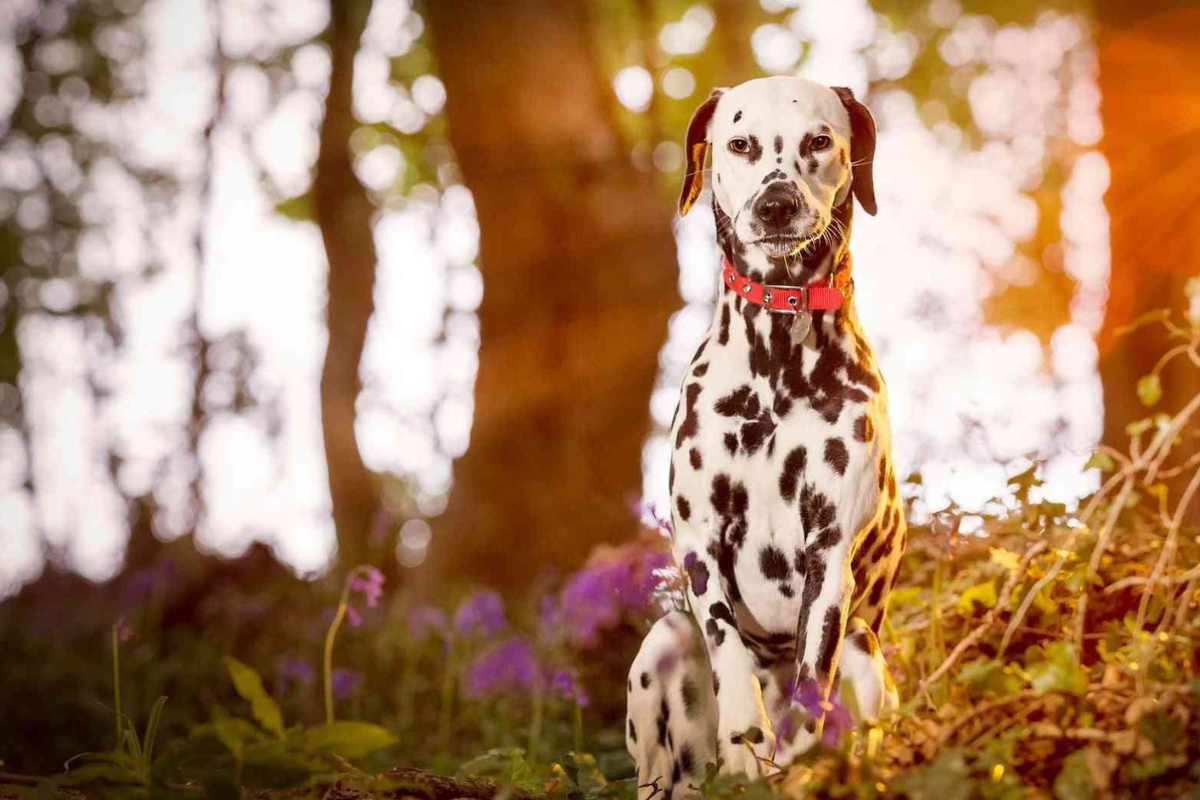
The Dalmatian is instantly recognisable due to its distinctive spotted coat and graceful, athletic build. Known as energetic, smart, and outgoing dogs, Dalmatians originally worked alongside horses and carriages and served as guardians. This explains their endless energy, strong endurance, and natural guarding instincts.
With their unique spots and friendly nature, Dalmatians have captured hearts worldwide. Not only do they excel as family pets, but their stamina and intelligence also make them great companions for various dog sports, including agility, obedience trials, and active outdoor activities.
Today, the Dalmatian remains popular both as a companion pet and competitor in dog sports, showcasing its versatility and enduring charm.
Dalmatian Appearance
A Dalmatian dog breed is easily recognised by their distinctive spotted coats, athletic build, and graceful yet energetic presence.
Size:
Dalmatians are medium-sized, muscular dogs built for endurance and agility. Males typically measure 56-61 cm at the shoulder and weigh between 18-27 kg, while females stand slightly smaller at 54-59 cm and weigh 16-24 kg. Their balanced proportions support their active, energetic nature, meeting their exercise needs.
Coat:
The Dalmatian’s short, dense, and glossy coat is uniquely marked by black or liver-coloured spots on a pure white background. These distinctive spots, varying in size, shape, and placement, appear within a few weeks after birth, making each Dalmatian’s pattern one-of-a-kind.
Distinctive Features:
Dalmatians have expressive dark or amber eyes that reflect their intelligence and outgoing personality. Their ears are neatly folded, framing their face and enhancing their friendly look. These features, combined with their iconic spotted coat, make them instantly recognisable and loved worldwide.
Elegance and Agility:
Historically bred to run alongside carriages, Dalmatians display an elegant gait and effortless, powerful movements. Their natural stamina, speed, and agility allow them to excel in activities such as obedience, agility competitions, and endurance exercises, showcasing their athletic abilities.
Dalmatian History
The Dalmatian’s history reflects its endurance, versatility, and close companionship with humans, particularly through its traditional role running alongside carriages and horses.
Origins in Croatia
The breed’s origins trace back to the region of Dalmatia in Croatia. Historical artworks and writings depict spotted dogs accompanying horse-drawn carriages, confirming the Dalmatian’s long history as a trusted companion.
Breed Development
Originally developed as “coach dogs,” Dalmatians were selectively bred for stamina, agility, and companionship. Their ability to run alongside horses and carriages, providing protection and clearing paths, made them valuable working dogs, notably later used by fire brigades to assist horse-drawn fire engines.
Recognition and Popularity
Dalmatians gained global popularity through appearances in books and films, most famously Disney’s "101 Dalmatians." Their distinctive appearance and friendly temperament continue to appeal widely today.
Dalmatians Today
Today, Dalmatians are cherished family pets, active companions, and popular competitors in dog sports. Their energy, intelligence, and loyalty ensure they remain sought-after companions, thriving best in active homes where their exercise and engagement needs are met.
Find Registered Dalmatian Breeders or Dalmatian Puppies for Sale
Dalmatian Personality
The Dalmatian personality is energetic, intelligent, and outgoing. These affectionate dogs form strong bonds with their families but need regular exercise and training to stay happy. With a friendly and alert Dalmatian dog temperament, they’re great companions for active families and highly trainable thanks to their intelligence and herding instincts.
General Traits:
- Intelligent and Energetic: Quick to learn new commands, Dalmatians excel in obedience, agility, and endurance activities, enjoying challenges that stimulate both body and mind.
- Friendly and Outgoing: Naturally sociable, they usually get along well with people and other animals, enjoying company and interaction.
- Playful and Active: Their lively nature means they need plenty of physical activities and structured play to prevent boredom or destructive behaviour.
Watchdog Tendencies:
- Alert and Observant: While friendly, Dalmatians remain naturally attentive and quick to notice changes around them, making effective watchdogs.
- Friendly but Protective: Typically welcoming towards strangers, they can still alert their owners if something unusual occurs without being aggressive.
- Moderate Barkers: They will usually bark to signal visitors or new activities but are not known to be excessive barkers unless bored or lacking attention.
Trainability
- Eager to Learn: Their intelligence and desire to please make Dalmatians responsive to training when guided positively.
- Require Mental Engagement: Without regular mental stimulation and structured training, they may become restless or mischievous.
- Positive Reinforcement Essential: Dalmatians respond best to reward-based training; harsh methods or inconsistent rules can lead to stubbornness or anxiety.
Love of Activity and Engagement
- Thrive with Interaction: Dalmatians flourish in environments where they are included in family activities, exercise, and social events.
- Need Purpose and Activity: Without structured activities or adequate exercise, they may become bored and develop unwanted behaviours.
- Not Suited to Extended Solitude: Regular companionship is important; prolonged isolation or lack of interaction may cause frustration or behavioural issues.
Dalmatian as Family Pets
Dalmatians make excellent family companions for active households able to provide sufficient exercise and training. They form strong, affectionate bonds with their families and enjoy being involved in daily activities.
Good with Kids? Yes, Usually!
- Playful and Affectionate: They typically enjoy playful interaction with children, showing patience and friendliness.
- Early Socialisation Important: Proper training from a young age ensures gentle, calm interactions with kids and other pets.
- Supervision Recommended: Their high energy and exuberance can sometimes result in boisterous play, making adult supervision advisable, especially around smaller children.
Find Registered Dalmatian Breeders or Dalmatian Puppies for Sale
Dalmatian Health Issues & Care
The Dalmatian is a strong, robust breed with few health issues, however, there are a few potential health concerns that both breeders and owners should be aware of. Responsible breeding practices and regular vet visits, alongside proper lifestyle management, including a balanced diet and meeting their exercise needs, help ensure they live a healthy, happy, and long life. Additionally, regular check-ups and monitoring for their health issues are essential for preventing complications.
Common Health Concerns:
- Deafness: Congenital deafness affects many Dalmatians, and puppies at about 7 weeks should undergo BAER (Brainstem Auditory Evoked Response) testing to confirm their hearing status. Deaf Dalmatians can adapt well with appropriate training and visual signals. Most breeders will give new owners a copy of the BAER test result so you know if your puppy has bilateral or unilateral hearing.
- Urinary Stones: Dalmatians have a genetic tendency to form urinary stones due to high levels of uric acid. Proper hydration, specialised diets, and regular veterinary monitoring can manage and reduce the risk of urinary issues.
- Skin Allergies: Dalmatians can be prone to skin irritations and allergies. Regular grooming, a balanced diet, and prompt treatment for skin symptoms help maintain healthy skin and coat.
The Dalmatian Club of NSW have great supporting resources to learn more about Deafness in dogs, and other health concerns in the breed. Alternatively, connecting directly with reputable dalmatian breeders is a great way to learn more about the health concerns in the breed.
Care and Maintenance:
Dalmatians have moderate grooming needs and high exercise and mental stimulation requirements. A proper care routine keeps them healthy and prevents behavioural issues.
- Coat Care: Their short, glossy coat sheds moderately year-round. Weekly brushing removes loose hair, keeps the coat healthy, and reduces shedding. Occasional baths keep them clean without drying the skin.
- Exercise Needs: Dalmatians are energetic and active dogs requiring at least 1-2 hours of daily exercise. Running, hiking, fetch, agility training, or structured outdoor activities help keep them physically and mentally satisfied. Lack of sufficient exercise can lead to boredom and destructive behaviours.
- Diet and Nutrition: A balanced, high-quality diet suited for urinary health and activity level is key. Avoid high-purine foods that can trigger urinary stone formation. Controlled portions and regular feeding schedules prevent obesity and health complications.
- Dental Care: Regular dental care, including brushing, dental chews, and professional cleaning, is essential to prevent plaque buildup, gum disease, and other oral health problems.
- Routine Veterinary Care: Annual vet visits, vaccinations, health screenings, and specific testing (such as BAER and urinary monitoring) ensure early detection and management of common breed-related conditions.
Caring for your Dalmatian
Providing optimal care for your Dalmatian involves meeting their exercise, nutritional, grooming, and mental stimulation needs. A consistent care routine promotes health, happiness, and long-term companionship.
Regular Vet Visits
Routine veterinary check-ups, vaccinations, dental exams, and breed-specific screenings maintain your Dalmatian’s overall health and help detect issues early.
Nutritious Diet
Feed a specialised, balanced diet suitable for their unique urinary needs. Proper nutrition supports healthy weight, strong muscles, and overall vitality. Consult your vet for individual dietary recommendations.
Exercise for Body and Mind
Dalmatians thrive on daily exercise such as long walks, runs, or agility training. Providing puzzle toys, training sessions, and interactive games helps prevent boredom and destructive behaviours, keeping your dog mentally sharp and happy.
Grooming Needs
Their short coat requires weekly brushing to maintain condition and reduce shedding. Regular grooming also includes nail trimming, ear checks, and dental care, ensuring overall cleanliness and comfort.
Mental Stimulation
Intelligent and energetic, Dalmatians benefit greatly from structured mental activities, advanced obedience training, and interactive toys or games that challenge their minds.
Monitoring for Health Changes
Regularly watch for changes in your Dalmatian’s appetite, activity levels, or behaviour, as these can indicate underlying health concerns. Prompt attention ensures early detection and successful management.
Providing consistent care, training, exercise, and attention ensures your Dalmatian stays healthy, active, and content as a beloved member of your family.
Dalmatian Grooming
Dalmatians’ short, sleek coats require minimal grooming but regular maintenance to manage moderate shedding and maintain healthy skin. They shed year-round, and weekly brushing helps remove loose hairs, reduce shedding, and keep their coat shiny. Occasional baths every 6-8 weeks or when visibly dirty also keep their skin healthy and remove any loose hair.
Regular Brushing
Brushing your Dalmatian once a week helps remove loose hairs, distribute natural oils, and keep their coat glossy. Use a soft-bristle brush or grooming glove for best results.
Bathing
Dalmatians only need baths every 6-8 weeks or when noticeably dirty. Use a gentle, dog-specific shampoo to avoid irritating their sensitive skin.
Nail Trimming
Trim their nails every 3-4 weeks to avoid overgrowth, discomfort, or potential injury. Hearing nails clicking on floors signals it's time for trimming.
Ear Cleaning
Check their ears weekly for wax buildup or signs of infection. Use vet-approved ear-cleaning solutions, and avoid inserting anything deeply into the ear canal.
Teeth Cleaning
Regular tooth brushing and dental treats prevent dental issues common in Dalmatians. Annual professional dental cleanings further support oral health.
Managing Shedding
Dalmatians shed moderately throughout the year. Weekly brushing significantly reduces shedding and keeps their coat healthy and tidy.
Proper grooming keeps your Dalmatian healthy, comfortable, and strengthens the bond between you and your pet.
Find Registered Dalmatian Breeders or Dalmatian Puppies for Sale
Is a Dalmatian Right For You?
The Dalmatian is an affectionate, intelligent, and highly energetic breed suited for active households. While they are friendly and trainable, they're not the best fit for every home. Consider your lifestyle carefully before deciding.
The Ideal Dalmatian Owner:
- Active and Outdoorsy: Dalmatians require daily physical exercise (1-2 hours), making them great for individuals or families who enjoy hiking, running, or outdoor activities.
- Committed to Regular Training: Highly intelligent and energetic, they thrive on structured, consistent training. Owners who enjoy training sessions, obedience, or agility will find Dalmatians rewarding companions.
- Patient and Positive Leader: This breed responds best to consistent, positive reinforcement. A gentle yet firm training approach helps shape their enthusiastic and lively behaviour positively.
- Seeking a Loyal Companion: Dalmatians form close bonds and prefer to be part of family life. They are affectionate, devoted, and thrive in environments with regular companionship.
Not Ideal If:
- You Have a Sedentary Lifestyle: Dalmatians need daily structured exercise and engagement. Without it, they may become restless, bored, or destructive.
- You’re Frequently Away or Busy:Dalmatians require regular companionship and interaction. Being alone too often can lead to anxiety or behavioural issues.
- You’re Unprepared for Regular Grooming:Though their coat is low-maintenance, they shed moderately year-round, requiring weekly brushing to manage loose hairs effectively.
- You Want a Quiet, Reserved Dog:Naturally alert and communicative, Dalmatians may bark briefly to announce visitors or unusual activity. Although not excessive barkers, they're not ideal for homes preferring total silence.
Crucial Considerations:
- Exercise and Mental Stimulation:Dalmatians need daily physical exercise, interactive play, and mental challenges. Without adequate engagement, they can become difficult to manage.
- Consistent and Positive Training:Intelligent but sensitive, Dalmatians respond best to gentle yet consistent positive reinforcement. Harsh corrections are ineffective and can damage their temperament.
- Companion Needs:This sociable breed thrives best with regular family interaction, structured training, and daily companionship to remain happy and well-adjusted.
Find Registered Dalmatian Breeders or Dalmatian Puppies for Sale
Importance of a Reputable Dalmatian Breeder
Selecting a reputable breeder is key in ensuring your Dalmatian puppy is healthy, properly socialised, and has a stable temperament. Ethical breeders prioritise responsible practices, health testing, and puppy development.
- Health Testing: Responsible Dalmatian breeders screen breeding dogs for breed-specific genetic conditions. Reputable breeders offer documented health results transparently and provide guidance on breed-specific health management.
- Temperament Assessment: Good breeders carefully evaluate temperament, sociability, and confidence levels to match puppies to suitable homes, ensuring compatibility and long-term happiness.
- Early Socialisation and Enrichment: Responsible breeders expose puppies to various environments, sounds, animals, and experiences from an early age. Early socialisation builds confidence and ensures puppies develop stable, friendly temperaments.
How to Find a Reputable Breeder
- Do Your Research: Start by contacting Dalmatian breed clubs or reputable breeder directories such as Dogz Online. These sources will connect you to breeders adhering to breed-specific standards and ethical practices.
- Ask Questions: A reputable breeder will openly answer detailed questions regarding puppy health, parent temperament, socialisation methods, and their breeding practices, providing clear, evidence-backed responses.
- Visit the Breeder: Whenever possible, visit the breeder’s premises to assess living conditions, meet parent dogs, and observe puppy behaviour. Clean environments, happy puppies, and transparent practices indicate responsible breeding.
Red Flags
Be cautious of Dalmatian breeders who:
- Avoid answering questions or provide vague information about their breeding practices, puppy care, or the parent dogs.
- Show a lack of transparency about health testing, especially concerning congenital deafness (BAER testing), hip dysplasia evaluations, or urinary health assessments.
- Do not prioritise finding the best homes for their puppies, instead focusing primarily on quick sales without ensuring proper owner suitability.
- Always approach breeders respectfully, recognising the effort and dedication involved in ethical breeding practices.
Choosing a responsible breeder ensures you bring home a healthy, well-socialised Dalmatian with a stable temperament, setting the foundation for rewarding companionship.
How Long Does a Dalmatian Live For?
Dalmatians are energetic, intelligent, and eye-catching with their iconic spots. They typically live between 11 and 13 years. With a healthy lifestyle, daily exercise, and regular check-ups, they often remain active and alert well into their senior years.
Frequently Asked Questions (FAQs)
Do Dalmatians shed?
Dalmatians shed year-round due to their short, sleek coats. Regular Dalmatian grooming—at least once a week—helps manage shedding and keeps their coat healthy.
Are Dalmatians aggressive?
Dalmatians are generally friendly, energetic, and alert. They are not aggressive by nature but can be protective and bark to alert their owners.
Are Dalmatians smart?
Dalmatians are highly intelligent dogs. Their personality is curious and eager to learn, excelling in tasks like obedience and agility. Regular mental stimulation and consistent training help keep them engaged and prevent boredom.
How long do Dalmatians live?
Dalmatians typically live between 11 to 13 years. To ensure a long, healthy life, regular veterinary care and attention to common health issues for this breed such as deafness and urinary stones are essential. Exercise and proper diet also contribute to their overall well-being.
Are Dalmatian puppies born with spots?
No, Dalmatian puppies are born with solid white coats. Dalmatian grooming starts early, and their spots develop gradually within a few weeks. Each Dalmatian’s pattern is unique, with spots forming over time.
Is a Dalmatian a good family dog?
Dalmatians are great family dogs. They are playful, loyal, and affectionate, making them ideal companions for active families.
Adaptability
Adapts Well To
Dalmatians are highly adaptable dogs who thrive in environments offering plenty of daily exercise, mental stimulation, and close companionship. Their friendly temperament and intelligence make them ideal for active households.
- Homes with Yards: Dalmatians greatly benefit from homes with secure yards, providing space to run, play, and expend their high energy. Although adaptable to different environments, they flourish best with regular outdoor activity.
- Active Families: This breed suits energetic individuals or families who regularly engage in outdoor activities like jogging, hiking, or interactive games. Dalmatians excel at structured sports such as agility, obedience training, and endurance activities.
- Suburban and Rural Environments: With their history as carriage dogs, Dalmatians feel most comfortable in suburban or rural homes where they can freely engage in physical exercise and exploration, satisfying their active and inquisitive nature.
Important Considerations:
- Exercise Needs: They require at least 1-2 hours of structured exercise daily to maintain fitness and prevent boredom-related behaviours.
- Mental Stimulation: Intelligent and eager to learn, Dalmatians thrive with puzzle toys, interactive play, and consistent training to stay mentally engaged.
- Companionship: Strongly social, they form deep bonds with family members and do not cope well when left alone frequently or for extended periods.
- Barking Tendencies: Dalmatians are naturally alert and communicative, often barking briefly to signal visitors or changes in their surroundings, although excessive barking is uncommon.
- Coat Care: Their short, smooth coat is generally low-maintenance but sheds moderately year-round, requiring weekly brushing to manage loose hair.
With sufficient daily exercise, regular mental challenges, and close family interaction, Dalmatians adapt very well to homes capable of meeting their active and social needs.
Adapts Less Well To
Dalmatians are active, sociable, and intelligent companions who need considerable physical exercise and mental stimulation to remain happy and well-behaved. While adaptable in many ways, they are not suited to every type of living environment or lifestyle.
Adapts Less Well To
- Homes Without Outdoor Space: Dalmatians thrive best in homes offering secure outdoor spaces to run and play freely. Without a fenced yard, they can become restless and bored, potentially developing destructive behaviours.
- Inactive or Sedentary Households: These energetic dogs require daily exercise, structured games, and regular interaction. Households that don't regularly engage in outdoor activities like running, hiking, or playing active games are less suitable, as Dalmatians easily become frustrated without adequate activity.
- Homes with Limited Social Interaction: Dalmatians are highly social, affectionate, and form close bonds with their family. Homes providing limited daily interaction or frequently leaving them alone for long periods can cause anxiety, loneliness, and behavioural issues.
Potential Solutions for Apartment Living:
- Frequent and Vigorous Exercise: Apartment living can be manageable if owners provide ample daily physical exercise. Multiple daily walks, regular runs, and visits to dog parks or off-leash areas help meet their high energy requirements.
- Mental Stimulation: Interactive puzzle toys, regular obedience training, and engaging games can help alleviate boredom and prevent destructive behaviours. Activities like agility training, obedience trials, or structured play sessions provide beneficial outlets for their energy and intelligence.
- Regular Companionship and Interaction: Including your Dalmatian in daily activities, offering frequent social interactions, and providing companionship and structured training are essential to keeping them content and well-adjusted.
Important Considerations:
- High Exercise Needs: Owners must dedicate time each day for physical exercise and structured play to prevent restlessness, anxiety, or behavioural issues.
- Sociable and Dependent: Dalmatians are affectionate dogs who rely heavily on companionship. Regular social interaction with family members is essential for their emotional well-being.
- Moderate Shedding: Their short coat sheds year-round, requiring weekly grooming to manage effectively.
- Alert and Communicative: Although not excessive barkers, Dalmatians naturally alert their owners to visitors or unusual activities, which might not suit those seeking complete quiet.
Dalmatians can successfully adapt to varied living environments if provided adequate exercise, consistent companionship, and structured activities. They thrive best in homes committed to meeting their energetic and social needs.
Good for Novice Dog Owners
Dalmatians are affectionate, intelligent, and energetic dogs, but their high exercise needs and lively nature can present challenges for first-time dog owners. With dedicated training, socialisation, and commitment, however, they can become wonderful companions.
Why Dalmatians Can Be a Challenge for Novice Owners
- Energetic and Active: Dalmatians have high energy levels and require consistent daily exercise, structured play, and mental stimulation. First-time dog owners may underestimate their exercise demands, leading to boredom or unwanted behaviours.
- Highly Intelligent and Easily Bored: Their intelligence means they learn quickly but also become easily bored without structured activities. Without regular engagement, they may develop destructive or mischievous behaviours.
- Sensitive and Responsive: Dalmatians are sensitive dogs who respond poorly to harsh training methods or inconsistent discipline. They require firm yet gentle guidance, consistency, and patience.
Challenges for Novice Owners
- Daily Exercise Commitment: They require vigorous daily exercise—such as long walks, runs, interactive games, or structured training sessions—which can be demanding for inexperienced owners.
Need for Structured Training: Dalmatians can be strong-willed and independent thinkers, testing boundaries if training is inconsistent. Novice owners need to commit to regular, positive reinforcement-based training. - Social Needs: Their strong desire for companionship means they don’t adapt well to being left alone regularly or for long periods, requiring significant daily attention and interaction.
How Novice Owners Can Succeed with a Dalmatian
- Early and Consistent Training: Start structured obedience training early, attend puppy classes, and maintain consistent daily training routines to establish clear rules and expectations.
- Regular Exercise and Activities: Provide daily physical and mental activities, such as long walks, interactive games, obedience training, and dog sports like agility or flyball, to manage their energy effectively.
- Focus on Socialisation: Early exposure to diverse people, animals, and environments helps Dalmatians develop balanced, confident, and friendly temperaments.
- Positive Reinforcement: Dalmatians respond best to gentle, reward-based training methods. Patience, consistency, praise, and treats reinforce good behaviour, build trust, and promote cooperation.
Dalmatians can be a rewarding breed for novice dog owners who are active, patient, committed to ongoing training, and prepared for regular companionship. With the right approach, first-time owners can enjoy a happy, affectionate, and highly devoted companion.
Sensitivity
Sensitivity Level
Dalmatians are intelligent, sensitive, and affectionate dogs, strongly attuned to their owner’s emotions and their surroundings. Although generally outgoing and friendly, their sensitive nature means they respond keenly to family dynamics and environmental changes. Understanding this sensitivity is essential for their emotional well-being.
What Makes Dalmatians Sensitive
- Strong Emotional Bonds: Dalmatians form deep attachments to their family and thrive on companionship. They are highly responsive to their owner's emotions, voice tone, and body language, often mirroring household moods.
- Sensitive to Harsh Training Methods: These dogs respond poorly to harsh corrections or inconsistent discipline. Gentle, reward-based training is essential to maintaining their confidence and trust.
- Alert and Reactive: Historically bred as carriage dogs, Dalmatians are naturally observant and aware of their environment. Sudden loud noises, unfamiliar situations, or unexpected changes can lead them to react with caution or anxiety.
Ownership Impact
- Positive and Gentle Training Methods: Dalmatians do best with consistent, gentle training that emphasises positive reinforcement. Patience and clear, calm communication help build trust and ensure good behaviour.
- Consistent Leadership and Structure: They thrive with a structured daily routine and clear expectations. A confident yet gentle leadership approach helps them feel secure and reduces anxiety.
- Early Socialisation: Early and consistent socialisation with different people, animals, and environments is important to helping Dalmatians develop confidence and adaptability.
- Recognising Their Signals: Owners should pay attention to signs of stress or discomfort, such as pacing, restlessness, withdrawal, or excessive barking. Understanding these cues helps prevent anxiety and ensures emotional health.
Important Considerations
- Noise Sensitivity: Dalmatians can be sensitive to loud or sudden noises. Early exposure to various sounds and calm, reassuring reactions help minimise noise-related anxiety.
- Attachment to Family: Their strong bond with family means they may struggle if left alone frequently or for extended periods. Providing structured alone-time training and mental stimulation can reduce separation anxiety.
- Engagement and Interaction: Regular exercise, training, play, and family involvement greatly support their emotional well-being. Owners investing time in bonding activities help develop a confident, balanced Dalmatian.
The Positive Side of Sensitivity
A Dalmatian's sensitivity enhances their ability to form deep emotional bonds, making them affectionate, loyal companions. Their responsiveness to their owner’s emotions, combined with their intelligence and energy, makes them exceptionally rewarding dogs for families who offer patience, positive guidance, and consistent engagement.
Tolerates Being Alone
Dalmatians form strong emotional bonds and thrive on close companionship, making them less tolerant of being left alone frequently or for extended periods. While adaptable and independent to some degree, they need regular interaction, mental stimulation, and proper training to comfortably handle solitude.
Social Needs and Attachment
- Strong Bond with Owners: Dalmatians are affectionate, sociable dogs who deeply bond with family members. They prefer being closely involved in daily routines and social interactions and may struggle emotionally when isolated regularly.
- Potential for Restlessness: Without enough mental and physical stimulation, Dalmatians become bored, restless, or frustrated if left alone frequently. This may lead to destructive behaviours, including chewing, digging, or excessive barking.
- Independent Sensitive and Dependent: While intelligent and capable of independent thought, Dalmatians depend heavily on companionship. They do best in households offering regular attention, socialisation, and interaction.
Ownership Impact
- Consider Your Schedule: Dalmatians are not ideal for owners frequently away from home or with busy schedules. They require structured routines, daily companionship, and ongoing engagement to remain content and well-behaved.
- Training for Alone Time: With gradual training, Dalmatians can become more comfortable with short periods alone. Begin with brief intervals of solitude, gradually increasing duration while ensuring they have stimulating activities to occupy their time.
- Provide Mental and Physical Enrichment: Leave interactive puzzle toys, safe chew items, or treat-dispensing feeders to keep them occupied. Exercising or playing with your Dalmatian before leaving helps them settle and reduces anxiety.
- Alternatives for Busy Owners: If your schedule frequently requires extended absence, consider hiring a dog walker, using doggy daycare, or arranging visits from family or friends to provide companionship and exercise.
Important Notes
- Separation Anxiety Risks: Dalmatians can develop separation anxiety if frequently isolated without adequate preparation. Early training, socialisation, and structured alone-time practice help reduce anxiety risks.
- Potential for Boredom-Induced Behaviour: When under-stimulated, Dalmatians may display unwanted behaviours like chewing, barking, or destructive activity. Keeping them regularly engaged physically and mentally greatly reduces these behaviours.
- Creating a Secure Space: Establish a safe, comfortable space at home where your Dalmatian can relax when alone. Include familiar items, comfortable bedding, and engaging toys to ease solitude.
The Positive Side of Their Attachment
The Dalmatian’s affectionate, loyal, and sociable nature makes them highly rewarding companions for owners willing to invest time in regular interaction and companionship. With structured training, consistent exercise, and social enrichment, they can learn to manage short periods alone comfortably while maintaining their strong, devoted bond with family.
Tolerates Hot Weather
Dalmatians generally handle warm weather quite well due to their short, smooth coats and active nature. However, they still require specific precautions and care to stay safe and comfortable during hot conditions.
Heat Sensitivity
- Well-Adapted but Sensitive: Originally bred as carriage dogs, Dalmatians have good endurance and typically cope better with heat than breeds with heavier coats. Nonetheless, they require consistent access to shade, fresh water, and proper monitoring to prevent overheating.
- Risk of Overheating: Prolonged exposure to high temperatures or intense physical activity in hot weather can quickly lead to overheating, dehydration, or heatstroke. Dalmatians must be carefully monitored and protected on especially warm days.
- Signs of Overheating: Watch carefully for symptoms such as heavy panting, drooling, lethargy, or disorientation. If signs of overheating appear, immediately move your Dalmatian to a cooler area, offer fresh water, and seek veterinary care if symptoms persist.
Ownership Impact
- Adjust Activity Levels: Schedule walks, exercise, and outdoor play during cooler parts of the day, such as early morning or late evening. Limit vigorous activities during peak heat hours to prevent heat-related illness.
- Provide Shade and Hydration: Always ensure your Dalmatian has ready access to shaded areas and a continuous supply of fresh, cool water both indoors and outdoors.
- Grooming Considerations: Regular brushing helps remove loose hair and promotes better airflow through their coat. Avoid shaving your Dalmatian, as their short coat naturally protects against sunburn and
- provides insulation from heat.
- Cooling Accessories: Use cooling mats, damp towels, or cooling vests during extremely hot days to help manage body temperature and ensure your dog remains comfortable.
Important Considerations
- Individual Heat Tolerance: Each Dalmatian may handle heat differently, depending on age, health, and activity level. Pay close attention to your dog’s behaviour, adjusting environmental conditions accordingly.
- Never Leave in Hot Environments: Never leave your Dalmatian unattended in a car or enclosed space during warm weather, as temperatures can become dangerously high within minutes.
- Monitor Indoor Temperatures: Even indoors, ensure your dog has proper ventilation or cooling systems, such as air conditioning or fans, to maintain comfort and safety.
By following these careful precautions, your Dalmatian can comfortably and safely enjoy warmer climates and weather conditions, remaining healthy, active, and happy throughout hot periods.
Tolerates Cold Weather
Dalmatians have short, sleek coats providing limited protection against cold weather. Although they manage moderately cool temperatures comfortably, additional care is needed during colder or wet conditions.
Cold Weather Tolerance
- Limited Insulation: Their short, single-layer coat provides minimal protection from colder climates, making them less suited to extended periods in harsh winter conditions. They cope best with mild to moderate cold, rather than freezing temperatures.
- Active in Cooler Conditions: Dalmatians typically remain energetic and active in cool weather, enjoying outdoor activities during autumn or mild winter days. They require extra protection in colder climates to stay comfortable.
Ownership Impact
- Monitor for Cold Sensitivity: Watch for signs of discomfort in colder weather, such as shivering, reluctance to go outdoors, or lifting paws from cold surfaces.
- Protect Their Paws: Ice, snow, and road salt can irritate paws, causing discomfort. Consider using paw balm or protective booties during winter walks.
- Provide Warm Shelter: Ensure your Dalmatian has a warm, dry, draft-free shelter outdoors. Indoors, a cosy bed placed away from drafts helps maintain warmth and comfort.
- Grooming Considerations: Regular brushing maintains their coat condition, improving insulation and skin health. Limit bathing during colder months to preserve natural skin oils that help retain body heat.
Important Considerations
- Individual Variability: Some Dalmatians, particularly puppies, seniors, or those with health concerns, may have lower tolerance for cold weather. Adjust their outdoor exposure accordingly.
- Wet and Windy Conditions: Dampness and wind quickly reduce their coat’s insulating properties. Dry your Dalmatian thoroughly after rain or snow exposure and minimise their time in wet or windy environments.
With proper care and management, Dalmatians handle mild to moderate cold comfortably. In harsher or wet conditions, extra precautions ensure their safety and comfort.
Friendliness
Affectionate with Family
Dalmatians are outgoing, affectionate, and devoted dogs who form strong bonds with their families. They love being included in daily life and express affection through close companionship, playful interactions, and loyalty.
Dalmatians as Affectionate Companions:
- Loyal and Social: Dalmatians are naturally sociable and affectionate, thriving on attention and companionship. They prefer being closely involved in family activities and do best in households where they receive plenty of interaction.
- Playful and Engaged: They actively seek interaction and show their affection through playful behaviour, companionship, and eagerness to participate in family activities.
- Responsive to Positive Interaction: Dalmatians build strong emotional bonds through regular play, training, and interactive activities. Their affectionate nature deepens with ongoing family involvement and structured socialisation.
Ownership Impact:
- Bonding Through Activity: Regular exercise, interactive games, and structured training strengthen their emotional connection with family members.
- Affection and Sociable: Dalmatians typically express affection openly, enjoying close physical interactions such as cuddling and gentle play, making them excellent family companions.
- Early Socialisation: Introducing Dalmatians to various people and environments at an early age ensures they develop friendly, affectionate, and balanced temperaments.
Kid-Friendly
Dalmatians make great family dogs, known for their playful and patient nature with children. Their energy suits active families who can provide plenty of exercise and training. However, their enthusiasm requires supervision and proper training, especially around young kids.
Dalmatians and Children:
- Playful and Energetic: Dalmatians enjoy active, playful interactions with children and are patient during family activities. Their high energy levels match well with active older children who enjoy structured games and outdoor play..
- Gentle but Enthusiastic: Their playful enthusiasm can sometimes be overly energetic, potentially overwhelming for smaller children without proper supervision.
- Protective and Attention: Naturally alert and protective, Dalmatians may watch over children closely and actively engage in family activities, contributing to their reputation as reliable and attentive family dogs.
Ownership Impact:
- Supervision is Essential: Always monitor interactions between Dalmatians and young children to prevent overly boisterous play or accidental knocking over, ensuring safe and enjoyable experiences.
- Teach Mutual Respect: Educating children on appropriate handling, interaction, and respectful play with dogs is key for positive relationships.
- Early Training and Socialisation: Early, structured socialisation and consistent training help Dalmatians learn appropriate behaviours around children, reinforcing gentle and calm interactions.
With consistent training, supervision, and socialisation, Dalmatians can become playful, gentle, and affectionate companions who thrive in active, family-oriented homes.
With Other Pets
Dalmatians generally coexist well with other pets, particularly when socialised early. Their playful nature usually helps them integrate comfortably with other dogs and pets; however, their energy and enthusiasm require proper introductions and supervision.
Socialisation and Training:
- Best with Proper Introductions: Dalmatians typically get along well with other dogs and pets when introduced early, calmly, and with clear boundaries. Early socialisation helps establish positive relationships.
- High Energy Playfulness: Their energetic and playful personality might overwhelm smaller or more timid pets. Consistent training and supervision help manage their enthusiastic interactions to ensure harmony.
- Potential for Chasing: Though not aggressive, Dalmatians can have a natural inclination to chase small animals such as cats or rabbits. Early socialisation and positive training teach them appropriate behaviours around smaller pets.
- Supervision and Management: Structured socialisation from an early age helps Dalmatians interact appropriately, learn boundaries, and build positive relationships with other household pets.
With early training, positive socialisation, and supervised introductions, Dalmatians usually become friendly, playful companions who coexist comfortably with other pets in the home.
Friendly Toward Strangers
Dalmatians are typically outgoing and friendly dogs who warmly accept new people. Proper early socialisation ensures they remain confident and polite in social settings.
Dalmatians and Strangers:
- Naturally Outgoing: Dalmatians are generally welcoming and sociable, greeting unfamiliar people with enthusiasm and friendliness.
- Alert but Approachable: While observant, they rarely exhibit suspicion toward strangers, instead approaching new people openly and positively.
- Socialisation is Key: Early exposure to different people and environments helps Dalmatians feel confident and relaxed around unfamiliar visitors.
- Owner’s Influence: They rely on cues from their owners—remaining calm and friendly helps encourage similarly positive reactions from the dog.
With proper socialisation and training, Dalmatians become confident and friendly around strangers, comfortably engaging in new social environments and interactions.
Amount of Shedding
Amount of Shedding
Dalmatians have a short, sleek coat that sheds moderately throughout the year. While relatively easy to maintain compared to longer-haired breeds, regular grooming helps minimise loose fur around the home.
Shedding Reality:
- Single, Short Coat: Dalmatians possess a smooth, single-layered coat without an insulating undercoat, which leads to moderate but consistent shedding year-round.
- Year-Round Shedding: Unlike breeds with heavy seasonal shedding, Dalmatians shed steadily throughout the entire year, requiring regular grooming to manage effectively.
- Not Hypoallergenic: They produce dander and shed consistently, making them unsuitable for allergy sufferers seeking hypoallergenic pets.
Ownership Impact:
- Regular Brushing: Weekly brushing with a grooming mitt or soft-bristle brush effectively removes loose hair, reducing shedding and keeping their coat healthy.
- Routine Vacuuming: Regular vacuuming and cleaning will help manage hair accumulation on furniture, floors, and clothing.
- Bathing as Needed: Occasional baths every 6-8 weeks or when noticeably dirty help loosen dead hairs and keep their coat clean without drying the skin.
With regular brushing and a consistent grooming routine, shedding from Dalmatians can be managed easily, keeping your home tidy and their coat in excellent condition.
Drooling Potential
Dalmatians are generally low droolers, which contributes to a cleaner home environment. They rarely drool except under specific circumstances, making them a tidy breed in this regard.
Drooling Tendencies:
- Minimal Drooling: Typically, Dalmatians only drool slightly after drinking water, during excitement, or when anticipating food.
- Health-Related Drooling: Excessive or sudden drooling can indicate underlying health issues, such as dental problems or digestive upset, and should prompt a veterinary check.
Ownership Impact:
- Cleanliness: Their minimal drooling results in less mess, keeping furniture, clothing, and floors tidier than with high-drooling breeds.
- Low Maintenance: Dalmatians suit households preferring dogs that require minimal cleanup from drooling.
With regular dental care and proper health monitoring, Dalmatians' naturally low drooling makes them an easy, clean choice for owners who appreciate tidy living spaces.
Easy to Groom
Dalmatians' short, sleek coat makes grooming relatively straightforward. Regular, basic grooming is essential to maintain their coat health and manage consistent shedding.
Grooming Requirements:
- Regular Brushing: Weekly brushing helps remove loose hair, reduce shedding, and maintain coat glossiness. A grooming mitt or soft brush is ideal for this task.
- Bathing: They only need occasional baths, usually every 6-8 weeks or when visibly dirty. Using a gentle, dog-specific shampoo prevents skin dryness.
- Nail Trimming and Ear Cleaning: Regular nail trims every 3-4 weeks keep paws healthy and comfortable. Checking and cleaning ears weekly helps prevent wax buildup or infections.
Ownership Impact:
- Low Grooming Commitment: Their short, smooth coat requires minimal grooming compared to long-haired breeds, offering convenience for owners with busy lifestyles.
- Minimal Professional Grooming Needs: Dalmatians rarely require professional grooming, making them an economical and practical choice for families seeking an easy-care dog.
With basic grooming routines and simple coat maintenance, Dalmatians remain healthy, clean, and well-groomed companions, well-suited to active and engaged households.
General Health
Dalmatians are typically robust, energetic dogs known for their active lifestyles and good general health. However, like many breeds, they're predisposed to specific genetic and breed-related health issues. Responsible ownership and regular veterinary care ensure Dalmatians remain healthy and active throughout their lives.
Potential Health Concerns
- Deafness: Congenital deafness affects many Dalmatians, and puppies at about 7 weeks should undergo BAER (Brainstem Auditory Evoked Response) testing to confirm their hearing status. Deaf Dalmatians can adapt well with appropriate training and visual signals. Most breeders will give new owners a copy of the BAER test result so you know if your puppy has bilateral or unilateral hearing.
- Urinary Stones: Dalmatians have a genetic tendency to form urinary stones due to high levels of uric acid. Proper hydration, specialised diets, and regular veterinary monitoring can manage and reduce the risk of urinary issues.
- Skin Allergies: Dalmatians can be prone to skin irritations and allergies. Regular grooming, a balanced diet, and prompt treatment for skin symptoms help maintain healthy skin and coat.
Choosing a Dalmatian from an ethical breeder is essential. Responsible breeders:
- Perform health screenings for hereditary issues
- Provide transparent health histories of breeding dogs
- Follow careful breeding practices to minimise genetic disorders
Ownership Impact
- Routine Veterinary Care: Regular veterinary check-ups detect health issues early, significantly enhancing your Dalmatian's longevity and quality of life.
- Specialised Diet and Exercise: A balanced, low-purine diet, combined with regular physical activity, maintains overall health, preventing urinary stones and joint issues.
- Health Screenings: Regular breed-specific tests—especially hearing evaluations and urinalysis—ensure ongoing health management.
- Financial Preparedness: Factor regular veterinary care, special dietary needs, and potential medical treatments into your long-term pet care planning.
With consistent health management, appropriate diet, and routine veterinary care, Dalmatians lead long, active, and rewarding lives as vibrant companions.
Potential for Weight Gain
Dalmatians are active, athletic dogs with naturally high energy levels. However, they're prone to weight gain if their diet and exercise routines aren't properly managed, which can negatively impact their health and lifespan.
Factors Contributing to Weight Gain
- Overfeeding: Excessive portions or frequent treats quickly contribute to weight gain, particularly if the diet isn't monitored carefully.
- Insufficient Exercise: Dalmatians require regular, vigorous exercise. Reduced physical activity, especially in sedentary households or as dogs age, often leads to unwanted weight gain.
- Dietary Requirements: Due to breed-specific urinary health concerns, Dalmatians may have dietary restrictions. Feeding inappropriate or high-calorie diets can cause rapid weight gain.
- Medical Conditions: Conditions such as hypothyroidism or metabolic disorders can contribute to unexplained weight gain. Veterinary consultation is essential if unexpected weight changes occur.
Ownership Impact
- Controlled Portions: Feed measured, balanced portions suited to age, weight, and activity levels. Avoid free-feeding and limit treats.
- Healthy, Breed-Specific Treats: Provide low-calorie, low-purine treats such as dog-safe fruits or vegetables to maintain a healthy weight and urinary health.
- Regular Exercise: Engage your Dalmatian in daily physical activities, such as running, walking, or interactive play, ensuring they're physically fit and mentally stimulated.
- Weight Monitoring: Regularly assess body condition, adjusting diet and exercise accordingly. Consult your vet to establish ideal weight and dietary requirements.
The Importance of a Healthy Weight
- Keeping your Dalmatian at an optimal weight helps:
- Reduce joint strain and the risk of arthritis.
- Prevent obesity-related conditions, including diabetes and cardiovascular issues.
- Maintain overall energy, activity levels, and quality of life.
Proper dietary management, regular exercise, and vigilant weight monitoring help ensure your Dalmatian stays healthy, energetic, and enjoys a longer, fulfilling life.
Trainability
The Smart and Eager Learner
Dalmatians are intelligent, enthusiastic learners known for their playful nature and eagerness to please. Their high energy and responsiveness make them trainable, but they can also be independent thinkers. Without firm leadership, they may challenge their owners, so consistent, positive training methods are crucial to achieving their best behaviour.
- Quick Learners: Dalmatians learn commands and routines rapidly, responding best when training sessions are engaging and positive.
- Energetic and Eager: Originally bred as coach dogs, they enjoy structured tasks and thrive in activities like obedience, agility, and endurance sports.
- Reward-Motivated: Training using positive reinforcement methods, such as treats, praise, and interactive play, works effectively to maintain their interest and enthusiasm.
The Challenges
- Easily Distracted: Due to their high energy and curiosity, Dalmatians can become distracted during training, particularly if sessions lack variety or excitement.
- Sensitive to Corrections: They respond poorly to harsh discipline or inconsistent training methods. Gentle, consistent, positive reinforcement is necessary to keep them confident and engaged.
- Boredom and Restlessness: Without sufficient mental and physical stimulation, Dalmatians may exhibit unwanted behaviours, including destructive chewing, excessive barking, or hyperactivity.
Ownership Impact
- Start Training Early: Begin consistent, structured training and socialisation from puppyhood to establish clear behavioural expectations and prevent undesirable habits.
- Use Positive Reinforcement: Dalmatians thrive with reward-based training methods. Harsh corrections can negatively impact their confidence and cooperation.
- Be Consistent and Patient: Clear instructions, consistent routines, and patience help your Dalmatian learn effectively, reinforcing positive behaviour and confidence.
- Mental and Physical Engagement: Incorporate stimulating activities such as agility, obedience training, interactive games, or puzzle-solving to satisfy their active minds and bodies.
With positive, consistent training and appropriate engagement, Dalmatians become attentive, well-mannered, and devoted companions. Their intelligence and playful energy suit dedicated owners who provide structure, patience, and regular interaction.
Intelligence
Dalmatians are known for their intelligence, quick learning abilities, and problem-solving skills. Their natural curiosity and drive make them highly trainable and exceptional companions, especially for active owners who provide mental and physical challenges.
A Highly Intelligent Breed
- Quick Learners: Dalmatians pick up commands quickly, thriving on new challenges and requiring consistent mental stimulation to stay engaged.
- Problem-Solving Skills: Their intelligence allows them to learn independently and figure out tasks on their own, making them ideal for training in obedience, agility, and other dog sports.
- Adaptability and Versatility: Dalmatians are versatile dogs, excelling in various training exercises, including obedience, agility, and scent work, thanks to their intelligence and willingness to work.
Ownership Impact
- Mental Stimulation is Essential: Dalmatians need regular mental challenges to prevent boredom, which can lead to undesirable behaviours. Puzzle toys, training sessions, and interactive activities can keep their sharp minds occupied.
- Training Opportunities: They thrive in structured environments where they can learn new skills, such as obedience training, agility courses, or scent detection activities.
- Channel Their Energy: Engaging Dalmatians in regular tasks and structured play helps channel their energy productively and prevents destructive behaviours like excessive barking or chewing.
Potential for Mouthiness
Dalmatians have a natural tendency for mouthiness due to their playful and energetic nature. While they are not aggressive, they may nip or grab objects in their mouth, especially when excited or engaged in play.
Mouthy Behaviour
- Teething: Puppies may chew to relieve teething discomfort, and this natural behaviour can continue until they mature.
- Exploration: Dalmatians use their mouths to explore their environment, especially when curious about new textures, objects, or surroundings.
- Playfulness: Their love for play can result in grabbing or mouthing objects, especially during energetic interactions with their owners or other pets.
Ownership Impact
- Early Training is Key: Teaching bite inhibition and redirection from puppyhood can prevent mouthiness from becoming a persistent issue.
- Positive Reinforcement: Rewarding good behaviour and redirecting any unwanted nipping or grabbing to appropriate toys or objects helps maintain a well-behaved Dalmatian.
- Provide Durable Chew Toys: Offering tough chew toys can satisfy their natural need to mouth, preventing damage to household items.
- Supervise Play with Children: Always monitor interactions to ensure that playtime doesn't turn into accidental nipping, especially with young children.
With consistent training, redirection, and structured play, Dalmatians can learn to control their mouthiness while still enjoying their playful nature and engaging in work-related activities.
Prey Drive
Dalmatians have a moderate prey drive, stemming from their historical role as carriage dogs. Their instinct to chase movement can make them prone to pursuing small animals or fast-moving objects.
Strong Chasing Instincts
- Chasing Small Animals: Dalmatians may instinctively chase cats, squirrels, or small wildlife due to their strong drive to pursue movement.
- Highly Alert and Reactive: Their sharp senses make them highly responsive to movement, triggering chasing behaviours, especially in open spaces.
Ownership Impact
- Leash Training and Control: Teaching commands like "leave it" or "stay" is essential for preventing them from chasing wildlife or other moving objects during walks.
- Supervision During Outdoor Play: Always supervise them in open spaces or unfenced areas to ensure they don’t give in to their instinct to chase.
- Training and Socialisation: Early exposure to smaller pets and consistent reinforcement of appropriate behaviours helps manage their prey drive.
- Gradual Introductions: If coexisting with cats or small animals, it’s essentiall to ensure supervised introductions and controlled interactions to avoid chasing or nipping.
With proper training and management, Dalmatians can learn to control their prey drive while remaining focused and well-behaved.
Wanderlust Potential
Dalmatians are independent and curious dogs, which can sometimes lead to a tendency to roam or explore, especially if they catch an interesting scent or see something moving.
Independent and Driven
- Strong Work Drive: Originally bred as carriage dogs, they have a natural instinct to follow movement, which may lead them to chase cars, cyclists, or other moving objects.
- Curious and Determined: Dalmatians are persistent when they become focused on something, which can make them prone to wandering if not properly contained.
Ownership Impact
- Secure Fencing: Ensure you have a sturdy, high fence to prevent your Dalmatian from escaping. Regularly check for weak spots or escape routes.
- Leash Walks: Always keep your Dalmatian on a leash in unfenced areas to prevent them from running off after a distraction.
- Mental and Physical Engagement: Regular training, interactive play, and agility exercises help satisfy their natural curiosity and prevent them from seeking new adventures on their own.
- Identification: Ensure your Dalmatian has a microchip and updated ID tags in case they wander off.
With the right balance of security, training, and mental stimulation, Dalmatians can remain loyal, well-mannered, and focused without the risk of wandering away.
Tendency to Bark or Howl
Dalmatians are naturally watchful and may bark to communicate, alert their owners, or express excitement. While not excessive barkers, they are vocal when they sense something unusual or when they are not given enough mental and physical stimulation.
Barking Tendencies
- Protective and Alert: Dalmatians bark to warn of strangers or unfamiliar noises, making them reliable watchdogs. They’re alert and aware of their surroundings.
- Expressive and Communicative: They may vocalise to express excitement, frustration, or to capture attention, especially when they’re bored or seeking interaction.
- Playful Barking: They may bark during play or when interacting with other animals, as they use their vocalisation to communicate their intentions.
Ownership Impact
- Training and Socialisation: Teach your Dalmatian commands like “quiet” early on, using positive reinforcement to manage any excessive barking.
- Provide Mental and Physical Stimulation: Regular exercise, puzzle toys, and interactive activities help prevent boredom-induced barking.
- Address Barking Triggers: Identify and manage environmental triggers such as anxiety or excessive stimulation, which may lead to unnecessary barking.
With proper training, stimulation, and clear boundaries, Dalmatians can be excellent watchdogs while remaining well-mannered and controlled in their vocalisation.
Exercise Needs
Dalmatians are highly active and require substantial daily exercise to remain happy, healthy, and well-balanced. Without sufficient physical and mental stimulation, they may become restless and develop undesirable behaviours.
Exercise Requirements
- Daily Physical Activity: At least 60-90 minutes of exercise per day is ideal. This includes long walks, runs, or vigorous play sessions like fetch and frisbee.
- Variety and Engagement: Engaging activities such as agility, obedience training, or even structured games help keep Dalmatians mentally and physically fulfilled.
- Mental Stimulation: Puzzle toys, scent work, and interactive training sessions prevent boredom and destructive behaviours, helping them stay engaged and happy.
Energy Levels
- Puppies: Dalmatians are energetic from a young age. Short, frequent play sessions help build their coordination while avoiding overexertion.
- Adults: Adult Dalmatians need structured exercise, including brisk walks, running, and play sessions, to maintain their fitness and prevent boredom.
- Seniors: As Dalmatians age, their exercise needs decrease. However, gentle activities such as slower walks and light play still help keep them active and healthy.
Ownership Impact
- Secure Environment: A fenced yard or safe off-leash area is essential for Dalmatians, as their high energy levels and curiosity can lead them to chase moving objects.
- Consistency is Key: Establishing regular exercise routines helps prevent boredom and the behaviours associated with it, such as excessive barking or destructive chewing.
- Bonding Through Activity: Regular exercise not only meets their physical needs but also strengthens the bond between Dalmatian and owner, satisfying their need for engagement and purpose.
With the right balance of structured physical and mental stimulation, Dalmatians thrive in active households and remain loyal, well-adjusted companions.
Potential for Playfulness
Dalmatians are highly playful dogs who thrive on interactive games and activities. Their high energy and intelligence make them excellent playmates, especially in homes that enjoy active engagement.
Playful Personalities
- High-Energy Playmates: Dalmatians love games involving running, chasing, and problem-solving, such as fetch, tug-of-war, or frisbee.
- Love of Challenges: Their sharp minds enjoy mentally stimulating activities like agility training, puzzle toys, and scent work. They excel when challenged both physically and mentally.
- Bonding Through Play: Playtime is essential to strengthening the bond between Dalmatians and their owners, providing a productive outlet for their energy and ensuring mental stimulation.
Ownership Impact
- Daily Playtime is Essential: Structured play sessions are important to ensure Dalmatians stay physically and mentally satisfied. Playtime also helps alleviate any potential restlessness.
- Engage with Interactive Toys: Use treat-dispensing puzzles and problem-solving games to keep them engaged and prevent boredom when playtime isn't possible.
- Incorporate Training into Play: Combining training with play is a great way to reinforce new commands and behaviours while keeping them entertained and well-behaved.
With the right balance of physical activity, mental stimulation, and regular play, Dalmatians remain happy, engaged, and closely connected to their families.
Find Dalmatian Breeders
or
View Dalmatian Puppies for Sale |
View Dalmatian Older Dogs for Sale