

The Dobermann
| Size | Large |
| Weight | Females: 32-35 kg, Males: 40-45 kg |
| Breed Group | Group 6 - Utility Dogs |
| Exercise Requirements | High |
| Grooming Requirements | Moderate |
| Life Span | 10-13 years |
| Characteristics | Bold, alert, loyal, affectionate, intelligent |
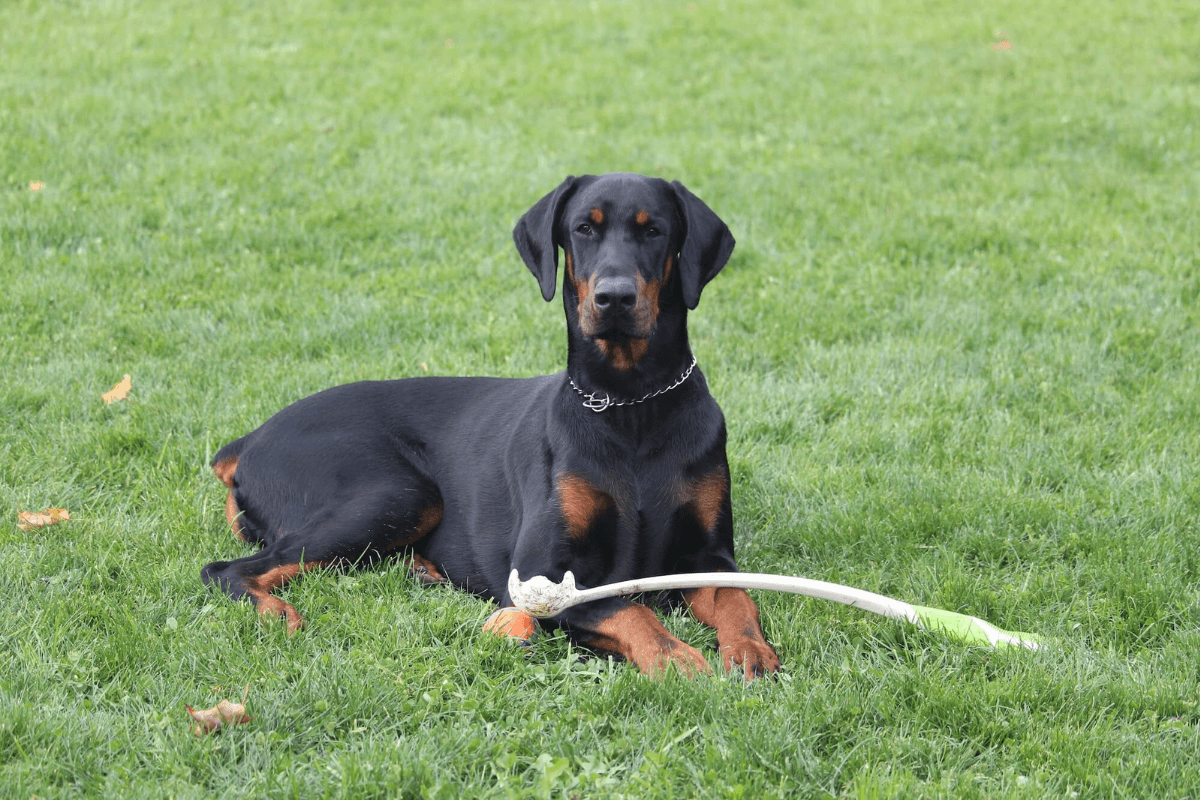
A breed of elegance and strength, the Dobermann is renowned for its intelligence, loyalty, and bold demeanor. Often referred to simply as the Dobermann, this breed exemplifies the ideal combination of grace and power, standing as an icon of both protection and companionship.
While their reputation as fearless guardians and steadfast family members is well-established, the Dobermann's history is equally captivating. Developed in Germany in the late 19th century, this breed was carefully crafted to be the ultimate protector and working dog. Their sharp intellect, trainability, and athletic ability made them indispensable in roles requiring quick thinking and agility.
Today, Dobermanns continue to excel in various capacities, including police work, military service, and as cherished family pets. Their courageous nature, loyal disposition, and elegant appearance have solidified their status as one of the most respected and versatile dog breeds worldwide.
Dobermann Appearance
Size: Dobermanns are medium to large dogs, known for their muscular and elegant build. Males typically stand about 69 cm (27 inches) tall at the withers, while females are slightly smaller, measuring around 65 cm (25.5 inches). These proportions contribute to their proud carriage and compact, tough physique.
Coat: The Dobermann features a smooth, short, hard, and thick coat that lies close to the body. While an imperceptible undercoat on the neck is permissible, any hair forming a ridge along the back of the neck or spine is highly undesirable. The breed comes in definite colors of black, brown, blue, or fawn (Isabella) with sharply defined rust red markings above each eye, on the muzzle, throat, forechest, all legs and feet, and below the tail. White markings of any kind are considered highly undesirable.
Distinctive Features: The Dobermann's most distinctive features include their almond-shaped eyes, which are moderately deep set with a lively and alert expression. Their ears are small, neat, and set high on the head, typically dropped but may be erect. Their elongated, blunt wedge-shaped head is clean-cut and in proportion to the body, with a solid black nose in black dogs, dark brown in brown dogs, dark grey in blue dogs, and light brown in fawn dogs.
A Picture of Speed and Nobility: The Dobermann's physique reflects their history as agile and powerful working dogs. With a square body where the height from ground to withers equals the length from forechest to rear projection of the upper thigh, they are built for speed and endurance. Their strong, straight topline slopes slightly from withers to croup, and their hindquarters are well developed and muscular, promoting vigorous and balanced movement.
Tail: The tail, whether docked (illegal in Australia except for medical reason) at the first or second joint or left undocked, appears as a continuation of the spine without any material drop, kink, or deformity. It may be raised and carried freely when the dog is moving or standing.
Movement: Dobermanns exhibit elastic, free, and balanced movement with strong rear drive and apparent rotary motion of the hindquarters. Their gait is characterized by a vigorous stride with neither the rear nor front legs being thrown in or out, maintaining a strong and firm back.
Ideal Height: Males ideally stand at 69 cm (27 inches) at the withers, while females are ideally 65 cm (25.5 inches) tall. Any significant deviation from these ideals is considered undesirable.
Dobermann History
The Dobermann's history is one of strategic breeding with a focus on creating an exceptional guardian and companion.
Origins in Germany: The breed's development began in the late 19th century when Karl Friedrich Louis Dobermann, a tax collector, sought to create a dog that could protect him during his rounds. He selectively bred dogs with desirable traits such as strength, intelligence, and loyalty to achieve this goal.
The Foundation Sire: The Dobermann lineage is believed to have descended from a mix of breeds, including the Rottweiler, German Pinscher, and Weimaraner, among others. This intentional crossbreeding resulted in a dog that possessed the traits Dobermann desired, laying the groundwork for the breed standard.
Rise to Prominence: Dobermanns quickly became known for their protective instincts and unwavering loyalty. Their athletic build and keen intelligence made them ideal candidates for roles as police and military dogs, as well as devoted family companions. Their reputation grew significantly after World War II, propelling them to become one of the most recognized and respected breeds worldwide.
Dobermanns in Australia: Dobermanns were introduced to Australia in the early 20th century and swiftly gained a reputation for their versatility in various working roles. They excelled as guard dogs, service dogs, and family protectors. Their adaptability and firm character have solidified their place as a popular breed in Australia, cherished for their intelligence, courage, and steadfast commitment to their families.
Dobermanns are celebrated for their intelligence, loyalty, and protective nature, making them a favorite among those seeking a devoted and versatile canine companion. Their sleek appearance and noble demeanor are matched by a strong character and a willingness to work alongside their human counterparts.
Find Registered Dobermann Breeders or Dobermann Puppies for Sale
Dobermann Personality
General Traits:
- Intelligent and Trainable: Dobermanns are highly intelligent and quick learners, making them excellent candidates for obedience training and various canine sports. Their eagerness to please and sharp minds make them responsive to positive reinforcement training methods.
- Confident and Alert: They possess a natural confidence and alertness, making them vigilant protectors of their families and homes. Their keen senses and awareness ensure they are always on guard, ready to respond to any situation.
- Loyal and Protective: Dobermanns are deeply loyal to their families and form strong bonds with their owners. Their protective instincts are pronounced, and they will not hesitate to defend their loved ones if they perceive a threat.
- Energetic and Active: Despite their regal demeanor, Dobermanns have a playful and energetic side. They enjoy engaging in outdoor activities, interactive games, and spending quality time with their families.
Watchdog Tendencies:
- Alert and Observant: Dobermanns are naturally alert and observant, always attuned to their surroundings. Their sharp senses and protective nature make them excellent watchdogs, quick to alert their owners to potential dangers.
- Protective of Family and Territory: They are fiercely protective of their families and homes, serving as natural guardians. Their loyalty and courage make them fearless in the face of threats, ready to defend their loved ones.
- Territorial Awareness: Dobermanns have a strong sense of territory and may bark to alert their owners of anyone or anything approaching their property.
Trainability:
- Highly Trainable: Dobermanns are renowned for their trainability. They are eager to learn and excel in obedience training, agility, and other canine sports. Their intelligence and focus allow them to quickly grasp new commands and concepts.
- Need for Mental Stimulation: Their sharp minds require constant challenges and mental engagement. Providing them with training opportunities, puzzle toys, and interactive games is essential to prevent boredom and destructive behaviors.
- Positive Reinforcement: They respond best to positive reinforcement training methods that focus on rewards and praise rather than punishment. Harsh training methods can damage their confidence and hinder their learning potential.
Love of Attention:
- Devoted Companions: Dobermanns thrive on human interaction and form strong bonds with their families. They enjoy being involved in family activities and are happiest when they can spend time with their loved ones.
- Need for Mental and Physical Stimulation: They are not content with simply lounging around. They need regular exercise, playtime, and mental challenges to prevent boredom and destructive behaviors.
- Separation Anxiety: Due to their strong attachment to their families, Dobermanns can be prone to separation anxiety if left alone for extended periods.
Dobermanns as Family Pets
Dobermanns can make exceptional family pets for suitable households. Their intelligence, loyalty, and protective nature ensure they are devoted companions who will fiercely guard their loved ones. However, their energy levels, training requirements, and alert temperament necessitate careful consideration before welcoming a Dobermann into your home.
Good with Kids? It Depends:
- Supervision and Socialization: Dobermanns can be excellent with children, particularly when socialized and trained from a young age. It’s vital to supervise interactions between children and any dog, as even well-behaved dogs might react unexpectedly if they feel threatened or overwhelmed.
- Energetic Play: They enjoy playing with children and can be gentle and patient playmates. However, their strength and energy should be considered, especially around smaller children.
- Training and Boundaries: It is important to teach both your Dobermann and your children how to interact respectfully. Establish clear boundaries and supervise playtimes to ensure the safety of everyone involved.
With Other Pets: Can Be Challenging
- Socialization and Training: Early socialization and proper introductions are crucial for Dobermanns to live harmoniously with other pets. They might show dominant behavior with other dogs, so training and supervision are key.
- Same-Sex Aggression: Same-sex aggression can be a concern with Dobermanns, so introducing them to dogs of the same sex may require additional caution and patience.
Energy Level: High Energy and Stamina
- Active Lifestyle Required: Dobermanns are energetic dogs needing ample exercise and mental stimulation. They thrive in active households where they can engage in physical activities, training, and dog sports.
- Daily Exercise: Aim for at least an hour of exercise daily, including walks, runs, playtime, or training activities.
- Mental Challenges: Provide mental stimulation through puzzle toys, interactive games, and obedience training to keep them engaged and prevent boredom.
The Joys of a Dobermann in Your Family
- Loyal and Devoted: Dobermanns are remarkably loyal and form strong bonds with their families, eager to please and protect.
- Intelligent and Trainable: Their intelligence and trainability make them quick learners, adaptable to various situations.
- Protective and Courageous: They are brave protectors of their families and will always be there to ensure their safety.
Bringing a Dobermann into your family is a significant commitment that requires dedication, consistent training, and a willingness to meet their high energy and mental stimulation needs. However, for the right family, they offer unmatched loyalty, companionship, and a sense of security.
Find Registered Dobermann Breeders or Dobermann Puppies for Sale
Dobermann Health
Dobermanns are generally healthy dogs, but like all breeds, they can be prone to certain health conditions. Being knowledgeable about these potential issues allows for proactive healthcare, ensuring your Dobermann leads a happy and healthy life. Choosing a reputable breeder who conducts thorough health screenings, combined with regular check-ups with your veterinarian, can significantly enhance your Dobermann's well-being.
Common Health Concerns:
- Dilated Cardiomyopathy (DCM): This is a serious heart condition that affects the heart muscle, leading to heart failure. Regular cardiac evaluations can help in early detection and management.
- Von Willebrand’s Disease: This is a blood clotting disorder that can result in excessive bleeding. Breeders typically test for this genetic condition to prevent passing it on to offspring.
- Wobbler Syndrome: A condition affecting the cervical spine, leading to an unsteady gait and potential paralysis. Treatment varies based on severity, ranging from medication to surgery.
- Chronic Active Hepatitis (CAH): Is a disease of the liver which causes the liver to degenerate to the point of liver failure and death. There is no definitive cause, nor are there any studies that prove CAH to be an inheritred disease, but owners and breeders should be aware.
- Bloat (Gastric Dilatation-Volvulus): As with many deep-chested breeds, Dobermanns are at risk of this life-threatening condition. Immediate veterinary intervention is critical.
- Hip Dyslplasia: is not as widespread in Dobermanns, however, it is always something breeders and owners of medium to large dog breeds should be aware of. It is a malformation in the development of the hip socket joint or ball, causing pain. This can be genetically passed on, or can also be environmental as well. Dogs can have their hips x-rayed and scored.
By staying informed and attentive to your Dobermann’s health, you can help ensure a full and active life for your loyal companion. The Doberman Club of Victoria, and Doberman Club of NSW have great resources on Dobermann health to learn more about these potential health concerns.
You can find all Dobermann breed clubs in your state directly on Dogz Online
Find Registered Dobermann Breeders or Dobermann Puppies for Sale
Caring for your Dobermann
Providing excellent care for your Dobermann involves a holistic approach, including routine vet visits, a balanced diet, adequate exercise, and mental stimulation.
- Regular Vet Visits: Annual checkups are essential for your Dobermann's well-being. These visits allow for early detection of potential health issues, and necessary vaccinations and preventative care.
- Nutritious Diet: A high-quality dog food formulated for medium to large breeds will provide your Dobermann with the nutrients they need to thrive. Portion control is crucial to prevent obesity, which can exacerbate health problems.
- Exercise for Body and Mind: Dobermanns are active and energetic dogs that require daily exercise to maintain their physical and mental health. Aim for at least an hour of exercise daily, including walks, runs, playtime in the park, or training sessions.
- Grooming Needs: Their short, smooth coat requires minimal grooming, but regular brushing can help maintain its condition and reduce shedding. Bathing should be done as needed, and their ears should be checked and cleaned regularly.
- Mental Stimulation: Dobermanns are intelligent dogs that need mental challenges. Engage them in training exercises, puzzle toys, and interactive games to keep their minds sharp and prevent boredom.
Monitoring for Health Changes: Be attentive to any changes in your Dobermann's behavior, appetite, energy level, or physical condition. Early detection of health issues can lead to more effective treatment.
Dobermann Grooming
The Dobermann's sleek, short coat is low maintenance but still requires regular care to keep it looking its best. Proper grooming not only enhances its appearance but also supports its overall health.
- Regular Brushing: Although the Dobermann has a short coat, weekly brushing with a soft-bristle brush or grooming mitt helps remove loose hair and distribute natural oils for a glossy finish.
- Bathing: Bathe your Dobermann every 2-3 months or as needed using a gentle dog shampoo. Over-bathing can strip their skin of essential oils, so it's important to maintain a balance.
- Nail Trimming: Regular nail trimming is essential to prevent overgrowth, which can cause discomfort or affect their gait.
- Ear Cleaning: Check and clean their ears regularly to prevent wax build-up and infections.
By providing your Dobermann with consistent grooming and attentive care, you can ensure they remain healthy, active, and a joy to have by your side.
Is a Dobermann Right For You?
The Dobermann, with its sleek, muscular build and sharp intellect, is a breed that commands attention and respect. However, they are not suitable for every household. Before bringing a Dobermann into your life, it's crucial to assess your lifestyle and expectations to ensure a harmonious match.
The Ideal Dobermann Owner:
- Active and Engaged: Dobermanns are energetic dogs that require regular exercise and mental stimulation. They are well-suited for active individuals or families who can dedicate time to walks, runs, training, and interactive play.
- Confident and Experienced: Their intelligence and assertive nature require a confident owner who can provide firm leadership, consistent training, and socialization. Novice dog owners may find their strong-willed personality challenging.
- Committed to Training: Dobermanns excel in obedience and dog sports, thriving on mental challenges. A committed owner who enjoys training and can offer ongoing mental stimulation will be rewarded with a well-mannered and content companion.
- Seeking a Protective Companion: Known for their loyalty and protective instincts, Dobermanns are devoted to their families and serve as vigilant guardians. If you're seeking a loyal and alert protector, a Dobermann may be the perfect fit.
Not Ideal If:
- You Have a Sedentary Lifestyle: Dobermanns are not content with a sedentary lifestyle. They require ample exercise and mental engagement to thrive. A less active breed may be a better match if your lifestyle is predominantly sedentary.
- You Lack Confidence as a Dog Owner: Dobermanns require a confident handler who can establish clear boundaries and provide leadership. Inexperienced owners may find their assertiveness difficult to manage.
- You Have Young Children: While Dobermanns can be good with children, their size and energy levels might be overwhelming for very young children. Close supervision is essential to ensure harmonious interactions.
- You Travel Frequently: Dobermanns form strong bonds with their families and do not do well when left alone for extended periods. Frequent travelers should arrange for reliable care or consider a more independent breed.
Crucial Considerations:
- Exercise and Mental Stimulation: Be prepared to provide your Dobermann with daily exercise and mental challenges such as training, puzzle toys, and interactive games.
- Training and Socialization: Early training and socialization are vital for Dobermanns to become well-adjusted and well-behaved companions.
- Shedding and Grooming: Their short coat requires minimal grooming, but regular brushing can help manage shedding.
- Potential Health Issues: Be aware of the health conditions Dobermanns are prone to and discuss preventative measures with your veterinarian.
If you're seeking a loyal, intelligent, and protective companion who will stand by you with unwavering devotion, a Dobermann could be your ideal match. Their courage, trainability, and elegant presence make them extraordinary dogs. By understanding their needs and providing them with the care, training, and love they deserve, you'll be rewarded with a lifelong bond and a true partner in life.
Find Registered Dobermann Breeders or Dobermann Puppies for Sale
The Importance of Reputable Dobermann Breeders
Choosing a reputable breeder is paramount when it comes to your Dobermann's health, temperament, and overall well-being. Ethical breeders prioritise the following:
Health Testing: Reputable breeders conduct thorough health screenings on their breeding dogs to minimise the risk of passing on genetic conditions to their puppies. They will be transparent about their dogs' health history and provide documentation of any relevant tests or certifications. Reputable breeders will ensure that every Dobermann is tested for common hereditary conditions and have their offspring registered.
Temperament Assessment: Ethical breeders evaluate the temperament of their dogs to ensure they are breeding for stable and well-rounded personalities. They will be knowledgeable about the breed's characteristics and happy to answer any questions you have about temperament.
Early Socialization and Enrichment: Puppies raised in a loving home environment with early exposure to various stimuli, including other dogs, people, and different environments, are more likely to develop into confident and well-adjusted dogs. Reputable breeders prioritise early socialisation and enrichment programs for their puppies.
Find Registered Dobermann Breeders or Dobermann Puppies for Sale
How to Find a Reputable Doberman Breeder
Do Your Research: Start by contacting breed clubs like the Dobermann Club of your region to obtain a list of reputable breeders in your area, or view registered breeder members on Dogz Online.
Ask Questions: Don't hesitate to ask breeders about health testing, socialisation practices, and the temperament of the puppy's parents. A responsible breeder will be open and transparent about their practices and happy to answer your questions.
Visit the Breeder: If possible, visit the breeder's facility to see how the puppies are raised and to meet the parent dogs. A clean and well-maintained environment, and healthy and happy parent dogs, are good indicators of a responsible breeder.
Red Flags: Be wary of breeders that avoid answering your questions, aren’t transparent with you, or don’t want to find the best homes for their puppies. But also remember that breeders are people too that live their lives, are caring for their dogs, and more, and that you should always treat them with respect.
By choosing a responsible breeder, you're not only getting a beautiful Dobermann but also a healthy, well-socialised, and temperamentally sound companion who will be a cherished member of your family for years to come.
How Long Does a Dobermann Live For?
Dobermanns are sleek, loyal, and incredibly intelligent. They typically live between 10 and 13 years, and with proper care, they often remain sharp and energetic well into old age. They benefit from a stimulating environment, a healthy diet, and plenty of exercise, both physical and mental.
Adaptability
Adapts Well To
Dobermanns are versatile dogs who can adapt to a range of living conditions. Their need for exercise, mental engagement, and protective nature should be taken into account when selecting an environment.
- Houses with Yards: Dobermanns are athletic and energetic, benefiting from a yard where they can run and play. A securely fenced yard offers them a safe space to exert their energy and satisfy their curiosity.
- Active Families: With their high energy levels and enthusiasm for outdoor activities, Dobermanns are ideal for active families who enjoy jogging, hiking, or engaging in interactive play. They thrive when included in family activities and receive ample physical and mental challenges.
- Urban Environments: Despite their size, Dobermanns can adapt well to urban settings if provided with sufficient exercise and stimulation. Regular walks, visits to dog parks, and interactive games can help them adjust to city life.
Important Considerations:
- Exercise Needs: Dobermanns require substantial daily exercise, both physically and mentally. Plan for regular walks, runs, play sessions, and training activities to maintain their health and happiness.
- Training and Socialization: Early and consistent training and socialization are essential for Dobermanns. They are intelligent and eager to please but need firm, positive guidance to develop good manners and confidence.
- Mental Stimulation: Engage their sharp minds with puzzle toys, obedience training, and interactive activities to prevent boredom and encourage positive behavior.
- Grooming: Dobermanns have a short, smooth coat that requires minimal grooming. Regular brushing will help maintain their coat and reduce shedding.
Adapts Less Well To
- Small Apartments: While Dobermanns can adapt to apartment living, their athletic build and need for space make it less than ideal. They require room to move freely and can become anxious or destructive if confined without adequate exercise and mental engagement.
- Sedentary Lifestyles: Dobermanns are not suitable for households with inactive lifestyles. They thrive on regular physical activity and mental stimulation. A lack of activity can lead to boredom and potential behavioral issues.
- Inexperienced Owners: The Dobermann's intelligence, protective nature, and assertive temperament can be overwhelming for novice dog owners. They benefit from experienced handlers who can provide structured training and clear leadership.
Potential Solutions for Apartment Living:
- Regular Exercise: If you reside in an apartment, ensure your Dobermann receives plenty of exercise through daily walks, runs, or visits to a dog park to burn off energy.
- Mental Enrichment: Engage their minds with puzzle toys, obedience training, and interactive games that leverage their intelligence and problem-solving abilities.
- Professional Training: Enroll in obedience classes or work with a professional dog trainer to provide your Dobermann with proper training and socialization, especially in a confined living environment.
Important Considerations:
- Commitment: Living with a Dobermann in an apartment demands a strong commitment to fulfilling their exercise and mental needs. Be prepared to dedicate time and energy to their activity requirements.
- Building Policies: Review your apartment's pet policies to verify that Dobermanns are permitted and understand any restrictions regarding size or breed.
- Neighbour Considerations: Be considerate of neighbours by minimizing noise and ensuring your Dobermann is well-mannered in shared spaces.
While apartment living can pose challenges for a Dobermann, it is feasible with a dedicated owner committed to meeting their physical and mental demands. Evaluate your lifestyle, living conditions, and experience level before deciding to accommodate a Dobermann in an apartment setting.
Good for Novice Dog Owners
Dobermanns are often recommended for dedicated and knowledgeable dog owners, particularly those who can handle their energetic and intelligent nature. While they can be suitable for committed novice owners, understanding their needs for leadership, training, and exercise is crucial. An ideal owner is one who can provide firm guidance and consistent engagement.
Challenges for Novice Owners:
- High Trainability, but Requires Experience: Dobermanns are intelligent and eager to learn, but their strong-willed nature requires experienced handling. Novice owners might find it challenging to provide the consistent training and leadership needed to manage their assertive personality.
- Protective Instincts: Known for their loyalty and protective nature, Dobermanns require proper socialization to prevent overprotective behaviors. Inexperienced owners may struggle to manage these instincts effectively without the right training.
- Exercise and Mental Stimulation Needs: With high energy levels and a keen intellect, Dobermanns demand significant physical activity and mental challenges. Novice owners might find it difficult to meet these needs adequately, leading to potential behavioral issues.
Who Can Succeed with a Dobermann:
- Experienced Dog Owners or Committed New Dog Owners: Those with prior experience in dog ownership or a strong commitment to learning and meeting a Dobermann's requirements are more likely to succeed. A dedicated approach to their training, socialization, and exercise is essential.
- Active and Committed Individuals: Dobermanns thrive with owners who are active and can invest time in providing regular exercise, structured training, and mental engagement.
- Those Seeking an Intelligent and Loyal Companion: Dobermanns are devoted and intelligent dogs, making them ideal for owners who value these traits and can offer a stable, loving environment.
Ownership Impact:
- Training and Socialization: Early and consistent training and socialization are vital to help your Dobermann develop into a well-mannered and confident companion.
- Leadership and Consistency: Establish yourself as a firm and confident leader to guide your Dobermann's behavior and training effectively.
- Exercise and Enrichment: Ensure plenty of physical activity and mental stimulation through play, training, and interactive games.
- Commitment: Be prepared for the time, energy, and financial investment necessary to properly care for and train a Dobermann.
Dobermanns may not be suitable for every dog owner, but for experienced individuals or families willing to invest the time and effort, they offer unmatched loyalty, intelligence, and companionship.
Sensitivity Level
Dobermanns are renowned for their intelligence and loyalty, traits that contribute to their sensitivity. This breed is highly attuned to their environment and their owner's emotions, making understanding their sensitivity crucial for establishing a strong bond and ensuring their overall well-being.
What Makes Dobermanns Sensitive:
- Strong Bond with Owners: Dobermanns are known for forming deep connections with their families. They are perceptive and can quickly detect changes in their owner’s emotions, often reflecting these feelings through their behavior.
- Protective Instincts: With a natural protective nature, Dobermanns are sensitive to changes in their surroundings and potential threats. They may become anxious or stressed in response to loud noises, unfamiliar situations, or disruptions in their routine.
- Individual Differences: While Dobermanns generally display sensitivity, the level of sensitivity can differ among individual dogs. Some may cope better with stressors than others.
Ownership Impact:
- Calm and Confident Leadership: Dobermanns thrive in environments that are stable and predictable, with clear and consistent leadership. They require a sense of security and confidence in their surroundings, as a chaotic or unpredictable environment can lead to anxiety or insecurity.
- Positive Reinforcement: Punitive training methods can harm a Dobermann's confidence and well-being. Positive reinforcement, such as praise, rewards, and playtime, is crucial for effective training and maintaining a healthy relationship.
- Socialization and Exposure: Early and continuous socialization helps Dobermanns become more adaptable and less sensitive to new situations and environments. Introducing them to a variety of people, places, and experiences at a young age can bolster their confidence and resilience.
- Understanding Their Cues: Dobermanns may show subtle signs of stress or anxiety, such as lip licking, yawning, or avoiding eye contact. It's important to recognize these cues and respond with calmness and reassurance.
Important Considerations:
- Noise Sensitivity: Some Dobermanns may be sensitive to loud noises, such as fireworks or thunderstorms. Providing a safe and quiet space during such events and employing desensitization techniques can help alleviate their anxiety.
- Separation Anxiety: Due to their strong bond with their families, Dobermanns can be prone to separation anxiety. Gradual training and desensitization can assist them in coping with solitude.
- Patience and Understanding: Understanding your Dobermann's sensitivity is crucial for building a strong and trusting relationship. Be patient with them, provide a stable environment, and use positive reinforcement to guide their behavior.
- The Positive Side of Sensitivity: The sensitivity of Dobermanns underscores their intelligence, loyalty, and deep connection with their human families. Their ability to attune to their owner's emotions and respond empathetically makes them exceptionally loyal and devoted companions. By acknowledging and respecting their sensitivity, you can cultivate a bond that will enhance your life and theirs for many years to come.
Tolerates Being Alone
Dobermanns are known for their loyalty and strong bonds with their families, which can make them prone to separation anxiety if left alone for extended periods.
Social Needs and Attachment:
- Strong Bonds with Family: Dobermanns are affectionate and form deep connections with their families. They thrive on companionship and are happiest when they can engage in family activities and be close to their loved ones.
- Separation Anxiety: Due to their loyal nature and strong attachment, Dobermanns can experience separation anxiety when left alone for long periods. This may manifest through destructive behaviors like chewing, excessive barking, or digging.
- Boredom and Restlessness: Without sufficient mental and physical stimulation, Dobermanns can become bored and restless, leading to unwanted behaviors.
Ownership Impact:
- Consider Your Schedule: If your lifestyle requires being away from home for long stretches, a Dobermann might not be the best fit. They do well in households where someone can provide regular companionship and attention.
- Training and Preparation: Even if you have to be away, you can help your Dobermann manage alone time with gradual training and desensitization. Begin with short absences and gradually extend the duration, ensuring they have engaging toys and a cozy space.
- Mental and Physical Enrichment: Prior to leaving your Dobermann alone, make sure they have had ample exercise and mental engagement. A well-exercised and content dog is less likely to develop anxiety or destructive behaviors.
- Alternatives: If you must leave your Dobermann alone for extended periods, consider options like doggy daycare, a dog walker, or even a second dog for companionship.
Important Notes:
- Individual Differences: While Dobermanns generally prefer not to be alone, some may be more independent. It's crucial to understand their social needs and offer them plenty of companionship and interaction.
- Proper Training: Regardless of temperament, effective training can aid Dobermanns in coping with solitude. Teaching them to relax in their crate or designated area can be beneficial.
Remember, a Dobermann's well-being relies on social interaction and mental stimulation. Opting for a Dobermann means committing to their social and emotional needs to ensure a fulfilling life for both you and your canine companion.
Tolerates Hot Weather
Dobermanns, with their smooth and short coats, are somewhat better suited for hot weather compared to breeds with thicker fur. However, they can still be sensitive to extreme heat and require appropriate care in warmer climates.
- Risk of Overheating: Although their coat is less dense, Dobermanns are highly active and can be prone to overheating, especially in hot and humid conditions. It's essential to monitor them closely for signs of heat distress to prevent heatstroke, a potentially life-threatening condition.
- Signs of Overheating: Be alert for symptoms such as excessive panting, drooling, lethargy, disorientation, vomiting, and collapse. These are indicators of heatstroke and require immediate veterinary attention.
Ownership Impact:
- Limit Outdoor Activity: During hot weather, restrict exercise to the cooler hours of early morning or late evening. Avoid vigorous activities during the hottest parts of the day to prevent heat-related issues.
- Access to Shade and Water: Ensure your Dobermann always has access to plenty of fresh, cool water and a shaded area to rest when outdoors.
- Never Leave Them in a Parked Car: Even on cooler days, the temperature inside a parked car can rise quickly to dangerous levels, posing a risk of heatstroke for your Dobermann.
- Consider Cooling Options: Utilise cooling vests, mats, or bandanas to help regulate your Dobermann's body temperature and keep them comfortable in hot weather.
Tolerates Cold Weather
- Built for Moderate Climates: Dobermanns have a short, smooth coat that offers limited insulation against cold temperatures. They are better suited for moderate climates and may require extra protection in colder conditions.
- Limited Enjoyment of Snow: Unlike some breeds, Dobermanns may not enjoy prolonged exposure to snow or extremely cold weather. They might prefer shorter outdoor activities in such conditions.
Ownership Impact:
- Monitor for Discomfort: It's essential to watch for signs of discomfort, such as shivering or reluctance to go outside, especially during cold snaps or extended exposure to low temperatures.
- Paw Protection: Consider using dog booties to protect their sensitive paws from cold surfaces, ice, and de-icing chemicals in snowy or icy conditions.
- Provide Warmth: Ensure your Dobermann has access to a warm and sheltered area when outdoors in cold weather, particularly during longer outings or if they are spending time outside.
By understanding your Dobermann's tolerance for different weather conditions and taking appropriate precautions, you can ensure their comfort and safety throughout the year, allowing them to enjoy all seasons with you.
Friendliness
Affectionate with Family
Dobermanns are renowned for their intelligence and loyalty, making them excellent companions for families. With their strong protective instincts, they are both devoted and loving members of the household.
- Loyal and Devoted: Dobermanns are fiercely loyal to their families, often forming deep emotional connections with their owners. Their dedication to protecting and pleasing their loved ones is a hallmark of the breed.
- Affectionate and Energetic: Known for their affectionate nature, Dobermanns enjoy spending time with their families. They are energetic dogs that love engaging in activities with their owners, such as running, playing, and training sessions.
- Protective and Watchful: Naturally protective, Dobermanns are alert and attentive to their surroundings. Their watchful nature provides a sense of security for their families, as they are always ready to guard their loved ones.
Ownership Impact:
- Bonding and Training: Building a strong bond with a Dobermann requires consistent training and interaction. Positive reinforcement, regular training sessions, and quality time spent together are key to fostering a deep connection.
- Socialisation: Early and continuous socialisation is crucial for Dobermanns to ensure they are comfortable and well-mannered around other people and animals.
- Mental and Physical Stimulation: Given their intelligence and energy, Dobermanns require both mental and physical challenges. Providing them with opportunities for learning, exercise, and play is essential for their happiness and well-being.
Kid-Friendly
Dobermanns can be wonderful companions for children, but their strength, intelligence, and protective nature require thoughtful handling and supervision.
- Supervision is Key: It's essential to keep an eye on interactions between children and Dobermanns, particularly with younger kids. While Dobermanns are known for their loyalty and gentleness, their size and energy can be too much for small children to handle.
- Training and Socialization: Early training and socialization are vital to ensure your Dobermann behaves appropriately around children and understands boundaries. This helps them become well-mannered family members.
- Teach Children Respect: Children should be taught how to engage with dogs respectfully, avoiding behaviors that might provoke a defensive reaction from the dog.
With Other Pets
- Socialization and Training: Early socialization and consistent training are crucial for Dobermanns to live harmoniously with other pets. They are intelligent and can be strong-minded, so structured introductions and guidance are important to manage their interactions.
- Same-Sex Aggression: Dobermanns may exhibit same-sex aggression, necessitating careful introductions and management when meeting other dogs of the same sex. Patience and proper behavior reinforcement are key to fostering peaceful coexistence.
- Supervision and Management: Supervision during interactions between your Dobermann and other pets is vital, particularly in new environments or during initial meetings. Monitoring their behavior ensures safety and promotes positive relationships with other animals.
Friendly Toward Strangers
Dobermanns are known for their intelligence, loyalty, and alertness, which can make them appear reserved around strangers. Their protective instincts often lead them to be wary of unfamiliar people, but with proper training, they can learn to be more accepting.
- Reserved but not Aggressive: While Dobermanns may keep their distance from strangers initially, they are not typically aggressive unless they sense a direct threat to their family or territory.
- Socialization and Training: Early socialization is crucial for Dobermanns to help them differentiate between friendly and threatening individuals. Consistent training can teach them to interact with new people in a calm and controlled manner.
- Controlled Introductions: Allow your Dobermann to meet new people in a controlled environment, giving them the opportunity to approach at their own pace. Avoid forcing interactions or overwhelming them with too much attention.
By recognizing their protective nature and providing thorough socialization and training, you can help your Dobermann become more comfortable and accepting of strangers while maintaining their loyalty and protective instincts.
Health & Grooming
Amount of Shedding
Dobermanns are known for their sleek, short coats, which shed lightly throughout the year.
Shedding Reality:
- Single Coat: Dobermanns have a single, smooth coat that lies close to the body. This single layer results in less shedding compared to double-coated breeds, making them light shedders.
- Consistent Shedding: Unlike some breeds with seasonal shedding, Dobermanns shed consistently throughout the year. The amount of hair shed is minimal but noticeable.
- Not Hypoallergenic: While they shed less than some other breeds, Dobermanns are not hypoallergenic, and their shedding can still trigger allergic reactions in sensitive individuals.
Ownership Impact:
- Regular Brushing: Weekly brushing is typically sufficient to remove loose hairs and maintain a healthy coat. A soft-bristle brush or grooming mitt is usually adequate for this purpose.
- Minimal Cleaning Needs: Due to their light shedding, Dobermanns do not require as much vacuuming and lint rolling as heavier shedders. However, occasional cleaning is necessary to manage the minimal hair they do shed.
- Professional Grooming: Though Dobermanns can be groomed easily at home, occasional professional grooming can help keep their coat in top condition and ensure their skin remains healthy.
Drooling Potential
Dobermanns are generally not known for excessive drooling. While they may drool on occasion, such as when excited about food or after drinking, drooling is typically not a significant concern for this breed.
- Normal Occurrences: Dobermanns may exhibit some drooling when they are excited about food, have just finished drinking water, or are engaged in physical activity. These instances are generally normal and not excessive.
- Health Check: If you observe a sudden increase in drooling or excessive drooling, it is advisable to consult your veterinarian. This could indicate an underlying health issue such as dental problems, nausea, or an allergic reaction.
Ownership Impact:
- Minimal Mess: With a Dobermann, you generally won't need to worry about excessive drool stains on your clothes or furniture, as they are not prone to heavy drooling.
- Low Maintenance: Dobermanns are relatively clean dogs in terms of drooling, making them low maintenance for owners concerned about mess.
Easy to Groom
Dobermanns are known for their sleek, short coats, which are relatively easy to maintain compared to many other breeds. Their grooming routine is straightforward, making them an ideal choice for those looking for a low-maintenance pet in terms of grooming.
- Minimal Brushing: Dobermanns have a smooth, close-lying coat that requires minimal brushing. A weekly brush with a soft bristle brush or grooming mitt will suffice to remove loose hair and keep their coat shiny.
- Bathing: Bathe your Dobermann every 2-3 months or as needed to keep their coat clean and healthy. Use a mild dog shampoo suitable for their coat type to avoid skin irritation.
- Nail Trimming and Ear Cleaning: Regularly trim your Dobermann's nails to prevent overgrowth and discomfort. Check their ears weekly for any signs of infection, redness, or wax buildup.
Ownership Impact:
- Time Commitment: Dobermanns require less grooming time compared to breeds with longer coats. A simple weekly brushing session and occasional bathing are usually all that is needed.
- Grooming Tools: Invest in a soft bristle brush or grooming mitt for easy maintenance of their coat.
- The Dobermann's Coat:The Dobermann's coat is smooth, short, and close-lying, providing a sleek and elegant appearance. Their coat is low-shedding, making them a more manageable option for individuals who prefer a clean home environment. With minimal grooming requirements, their natural beauty shines through with just a little regular care.
General Health
Dobermanns are generally robust and active dogs, known for their athletic build and intelligence. However, like all breeds, they can be predisposed to certain health conditions. Responsible ownership involves understanding these potential issues and taking proactive steps to ensure your Dobermann's health and well-being.
Potential Health Concerns:
- Dilated Cardiomyopathy (DCM): This is a serious heart condition that affects the heart muscle, leading to heart failure. Regular cardiac evaluations can help in early detection and management.
- Von Willebrand’s Disease: This is a blood clotting disorder that can result in excessive bleeding. Breeders typically test for this genetic condition to prevent passing it on to offspring.
- Wobbler Syndrome: A condition affecting the cervical spine, leading to an unsteady gait and potential paralysis. Treatment varies based on severity, ranging from medication to surgery.
- Chronic Active Hepatitis (CAH): Is a disease of the liver which causes the liver to degenerate to the point of liver failure and death. There is no definitive cause, nor are there any studies that prove CAH to be an inheritred disease, but owners and breeders should be aware.
- Bloat (Gastric Dilatation-Volvulus): As with many deep-chested breeds, Dobermanns are at risk of this life-threatening condition. Immediate veterinary intervention is critical.
- Hip Dyslplasia: is not as widespread in Dobermanns, however, it is always something breeders and owners of medium to large dog breeds should be aware of. It is a malformation in the development of the hip socket joint or ball, causing pain. This can be genetically passed on, or can also be environmental as well. Dogs can have their hips x-rayed and scored.
The Importance of Reputable Breeders:
Choosing a puppy from a reputable breeder who prioritizes health testing is crucial. Ethical breeders screen their breeding dogs for genetic conditions, striving to produce healthy puppies with a reduced risk of inherited health problems. They will be transparent about health clearances and their dogs' lineage. We encourage you to use Dogz Online to connect with registered Dobermann Breeders.
Ownership Impact:
- Regular Veterinary Care: Schedule routine checkups with your veterinarian for preventative care, vaccinations, and early detection of health issues. Discuss appropriate health screenings and preventive measures with your vet to ensure your Dobermann receives optimal care throughout its life.
- Healthy Diet and Exercise: Provide a balanced and nutritious diet appropriate for your Dobermann's age and activity level. Regular exercise is vital for maintaining a healthy weight and overall well-being. Consult your veterinarian for guidance on suitable food choices and exercise routines.
- Health Screening: Discuss breed-specific health screenings, such as cardiac evaluations and thyroid tests, with your veterinarian. Early detection of potential health issues can lead to more effective treatment and management.
- Financial Preparedness: Be prepared for potential veterinary costs associated with routine care, preventative measures, and the treatment of any health conditions that may arise. Consider pet insurance to offset unexpected expenses.
Potential for Weight Gain
While Dobermanns are known for their athletic and muscular build, they can still be prone to weight gain if their diet and exercise are not properly managed. Maintaining a healthy weight is crucial for their joint health, overall well-being, and lifespan.
- Overfeeding: Dobermanns can easily gain weight if they are overfed or given excessive treats. It's important to measure their food portions accurately and avoid free-feeding to prevent obesity.
- Reduced Activity: If a Dobermann's activity level decreases due to age, injury, or other factors, they may be at risk of gaining weight. Adjusting their diet to match their activity level is essential to maintain a healthy weight.
- Medical Conditions: Certain medical conditions, such as hypothyroidism, can also lead to weight gain in Dobermanns.
Ownership Impact:
- Portion Control: Carefully measure your Dobermann's food portions and follow your veterinarian's recommendations for feeding amounts, considering their age, activity level, and health status.
- Healthy Treats: Choose low-calorie, nutritious treats for your Dobermann and limit their quantity to prevent excessive calorie intake. Consider using small pieces of vegetables or fruits as rewards during training sessions.
- Regular Exercise: Ensure your Dobermann receives adequate exercise to maintain a healthy weight and burn off excess calories. Engage them in activities like running, obedience training, or interactive games to challenge their minds and bodies.
- Weight Monitoring: Regularly monitor your Dobermann's weight and body condition. If you notice any weight gain, consult your veterinarian to rule out underlying health issues and adjust their diet and exercise regimen accordingly.
The Importance of a Healthy Weight:
Maintaining a healthy weight is vital for your Dobermann's overall health and well-being. Excess weight can stress their joints, increase the risk of health issues like hip dysplasia and arthritis, and shorten their lifespan. By prioritizing a balanced diet and regular exercise, you can help your Dobermann live a long, active, and fulfilling life.
Trainability
Intelligence and Versatility
Dobermanns are celebrated for their intelligence, loyalty, and firm character, making them one of the most versatile dog breeds. Their sharp minds and obedient nature allow them to excel in various roles and training disciplines.
- High Intelligence and Trainability: Dobermanns are consistently ranked among the most intelligent dog breeds, known for their quick learning abilities and eagerness to please. They excel in obedience, agility, protection work, and other training disciplines, thanks to their sharp minds and responsive nature.
- Motivated by Work and Praise: Dobermanns thrive on work and praise, which makes them highly motivated learners. Positive reinforcement methods, including praise and interactive training games, are particularly effective with this breed, encouraging them to learn and perform at their best.
- Versatility: The intelligence and trainability of Dobermanns allow them to adapt to a wide range of roles, from service and protection dogs to loyal family companions. Their versatile nature makes them ideal for various working and companion roles.
The Challenges:
- High Energy and Need for Stimulation: Dobermanns are energetic dogs that require both mental and physical stimulation. Without adequate exercise and challenges, they may become bored, which can lead to destructive behaviors. Providing plenty of opportunities for learning and exercise is essential.
- Independent Thinkers: While Dobermanns are quick learners, their intelligence can lead to independent thinking. This trait may result in them testing boundaries or trying to outsmart their owners. Consistent training and clear leadership are crucial for managing this behavior.
- Sensitivity to Harsh Training: Dobermanns are sensitive and do not respond well to harsh training methods or punishment. They excel with positive reinforcement and gentle guidance, which fosters trust and a strong bond with their owners.
Ownership Impact:
- Early Training and Socialization: Early training and socialization are vital for Dobermanns to develop into well-behaved and confident companions. Begin training your puppy as soon as you bring them home and expose them to various people, places, and experiences.
- Positive Reinforcement: Utilize positive reinforcement techniques, such as praise, treats, and play, to motivate your Dobermann and make training enjoyable. Avoid harsh corrections, as these can harm their trust and willingness to learn.
- Consistency and Leadership: Consistency in commands and expectations is essential. Dobermanns need clear boundaries and a strong leader to guide them effectively.
- Mental Stimulation: Provide ample mental challenges through training exercises, puzzle toys, and interactive games to keep them engaged and prevent boredom.
Intelligence
Dobermanns are renowned for their intelligence, characterized by their sharp cognitive abilities, keen problem-solving skills, and remarkable trainability.
- Quick Learners: Dobermanns possess a high level of intelligence that enables them to quickly understand and execute new commands. Their eagerness to learn and strong work ethic make them stand out in training sessions.
- Problem Solvers: Known for their astute problem-solving capabilities, Dobermanns can assess different situations and devise effective solutions. This intelligence is particularly evident when they are faced with challenging tasks, and they demonstrate an ability to adapt and respond accordingly.
- Working Dogs: Their combination of intelligence, loyalty, and trainability has made Dobermanns successful in various working roles, such as police work, military tasks, personal protection, and search and rescue operations.
Ownership Impact:
- Mental Enrichment: Dobermanns require regular mental stimulation to maintain their well-being. Providing them with opportunities to learn new skills, solve puzzles, and participate in activities that engage their minds is essential for their happiness.
- Training Opportunities: Due to their intelligence, Dobermanns excel in dog sports and activities, including obedience, agility, tracking, and protection work. Engaging them in these activities offers both mental and physical challenges, enhancing the bond between the dog and their owner.
- Channel Their Intelligence Positively: Without adequate mental stimulation, Dobermanns can become restless or develop undesirable behaviors. It is crucial to channel their intelligence into constructive activities that keep them engaged and satisfied.
Potential for Mouthiness
Dobermanns, known for their intelligence and alertness, can sometimes exhibit mouthiness, especially during their puppy stage, which may include nipping, chewing, and mouthing behaviors.
Mouthy Behaviour:
- Teething: Dobermann puppies often use their mouths to alleviate the discomfort associated with teething by chewing on various objects.
- Exploration: They tend to explore their environment with their mouths, learning about new textures and tastes through this form of interaction.
- Playfulness: Dobermanns, being energetic and playful, may use their mouths during play, which can sometimes lead to gentle nipping.
Ownership Impact:
- Early Training: Initiate training early to instill bite inhibition and guide your Dobermann towards appropriate play behaviors.
- Positive Reinforcement: Employ positive reinforcement strategies to encourage gentle play and discourage any nipping or rough play.
- Provide Appropriate Chew Toys: Supply a range of safe and robust chew toys to channel their chewing instincts away from household items.
- Supervision: Always oversee interactions between your Dobermann and children or other pets to ensure safety and prevent any potential nipping incidents.
By understanding and addressing their tendency for mouthiness, you can foster a well-mannered and sociable Dobermann companion.
Prey Drive
Dobermanns possess a moderate to high prey drive, a characteristic that stems from their working and guarding heritage. This drive makes them excellent as protection dogs but also necessitates mindful management in everyday settings.
Herding and Protective Instincts:
- Chasing Instinct: Dobermanns may show a natural inclination to chase moving objects, including squirrels, birds, or other small animals. This behavior is linked to their history as working dogs, where they were bred for their alertness and ability to respond quickly to stimuli.
- Protective Drive: Their strong protective instincts can amplify their prey drive, as they might view small animals as potential intruders or threats to their family or territory.
Ownership Impact:
- Leash Training and Control: It's crucial to introduce leash training to your Dobermann early on to prevent them from chasing after wildlife or other animals during walks. Maintaining control and being vigilant of possible triggers in their surroundings is essential.
- Supervision: Always supervise your Dobermann when off-leash, especially in environments with wildlife or other animals. Their prey drive can be triggered, prompting them to chase or attempt to protect their space.
- Training and Socialization: Early socialization and training are vital in managing their prey drive. Teaching commands such as "leave it" and "come" can help redirect their focus and inhibit chasing. Consistent training and positive reinforcement are key to success.
- Introducing to Other Pets: When introducing your Dobermann to cats or other small pets, do so gradually and under strict supervision. Carefully monitor their interactions to ensure they are safe and respectful.
Wanderlust Potential
Dobermanns are intelligent and alert dogs who may exhibit a moderate wanderlust potential. Their innate curiosity, loyalty, and protective nature can sometimes prompt them to explore beyond their familiar territory.
Curiosity and Independence:
- Explorers at Heart: Dobermanns are naturally curious and enjoy investigating their environment. They may be drawn to wander off in pursuit of intriguing scents, sights, or challenges.
- Independent Thinkers: Their intelligence and firm character can occasionally lead them to make autonomous decisions, such as following an interesting trail or checking out an unusual sound.
- Protective Instincts: Their strong desire to guard their family and territory may lead them to patrol the area, potentially wandering off if they sense a threat.
Ownership Impact:
- Secure Fencing: Ensure your yard is securely fenced with sufficient height to deter jumping and a design that prevents digging underneath.
- Leash Walks: Always walk your Dobermann on a leash in unfenced areas to prevent them from straying or chasing wildlife.
- Mental and Physical Stimulation: Provide ample mental and physical stimulation through training, exercise, and interactive play to keep your Dobermann engaged and less likely to wander out of boredom.
- Microchipping and Identification: It's crucial to have your Dobermann microchipped and ensure they wear a collar with up-to-date identification tags in case they do wander off.
Tendency to Bark or Howl
Dobermanns, known for their intelligent and alert nature, use barking as a means of communication and to signal potential threats.
- Alert Barking: Dobermanns are naturally vigilant and protective, often barking to alert their owners to the presence of strangers or unusual activities in their environment.
- Territorial Barking: With a strong instinct to guard their home, Dobermanns may bark to assert their territory and deter intruders.
- Attention-Seeking or Boredom: Dobermanns may bark when they seek attention or are not adequately exercised, needing mental and physical stimulation.
Ownership Impact:
- Training and Socialization: Consistent training and early socialization are crucial in managing a Dobermann's barking, helping them discern appropriate situations for vocalization.
- Understanding Triggers: Identifying and addressing the root causes of excessive barking, such as lack of exercise or anxiety, can mitigate unwanted vocal behavior.
- Positive Reinforcement: Encourage quiet behavior through positive reinforcement, rewarding your Dobermann for remaining calm and quiet.
While a certain level of barking is characteristic of Dobermanns, excessive vocalization can be controlled through effective training and attention to their physical and mental needs. By recognizing their natural instincts and providing suitable outlets, you can ensure a balanced and peaceful relationship with your Dobermann.
Exercise Needs
Exercise Requirements
Dobermanns are active, intelligent dogs that thrive on physical activity and mental challenges. Regular exercise is crucial to their well-being, helping to prevent boredom and the development of unwanted behaviours.
- Daily Physical Activity: Dobermanns require at least 60-90 minutes of exercise daily. This can include brisk walks, runs, or play sessions in a securely fenced area to ensure their safety.
- Variety and Engagement: To keep Dobermanns mentally stimulated, incorporate a variety of activities into their routine. Consider engaging them in fetch, obedience training, or agility courses for a balanced workout.
- Mental Stimulation Through Exercise: These intelligent dogs benefit from exercises that challenge their minds. Incorporate activities like scent work, puzzle toys, or advanced obedience training into their daily regimen to keep them sharp and satisfied.
Energy Levels
Dobermanns are high-energy dogs known for their athleticism and need for regular exercise. Their energy levels may decrease slightly with age, but they still require consistent physical activity throughout their lives.
Energy Level Considerations:
- Puppies: Young Dobermanns are full of energy and require frequent, short play sessions to avoid overexertion and protect their growing joints.
- Adults: Adult Dobermanns need regular daily exercise to maintain their physical and mental health. They thrive on activities that engage both their bodies and minds.
- Seniors: As Dobermanns age, their energy levels may diminish, but they still benefit from regular exercise to maintain their health and well-being. Adjust their activity level based on age and physical condition, focusing on low-impact exercises if necessary.
Potential for Playfulness
Dobermanns are intelligent and energetic dogs, known for their keen sense of alertness and loyalty. Their playful nature and enthusiasm make them excellent companions for those who can match their energy levels.
- Enthusiastic Playmates: Dobermanns love engaging in active play, such as fetch or running games. Their athletic build and energy make them perfect partners for various outdoor activities.
- Love of Challenges: These dogs thrive on mental and physical challenges. Agility courses, obedience training, and scent games are excellent ways to keep their sharp minds engaged.
- Bonding Through Play: Playtime is an essential component of building a strong bond with your Dobermann, providing both enjoyment and mutual trust.
Ownership Impact:
- Provide Adequate Playtime: Ensure your Dobermann gets ample time for energetic play every day. This helps in channeling their energy positively and keeps them mentally satisfied.
- Interactive Toys and Games: Invest in toys that stimulate their intelligence, such as treat puzzles, interactive balls, and agility equipment, to keep them entertained and engaged.
- Training as Play: Integrate training sessions into play to keep your Dobermann learning new skills while enjoying the process.
Dobermanns' playful and spirited nature is a significant part of what makes them beloved companions. By offering them regular opportunities for play and challenges, you contribute to their well-being, ensuring they lead a balanced and fulfilling life.
Find Dobermann Breeders
or
View Dobermann Puppies for Sale |
View Dobermann Older Dogs for Sale