

The German Shepherd Dog
| Size | Large |
| Weight | 22-40 kgs |
| Breed Group | Group 5 - Working Dogs |
| Exercise Requirements | High |
| Grooming Requirements | Moderate |
| Life Span | 10-13 years |
| Characteristics | Intelligent, obedient, loyal |
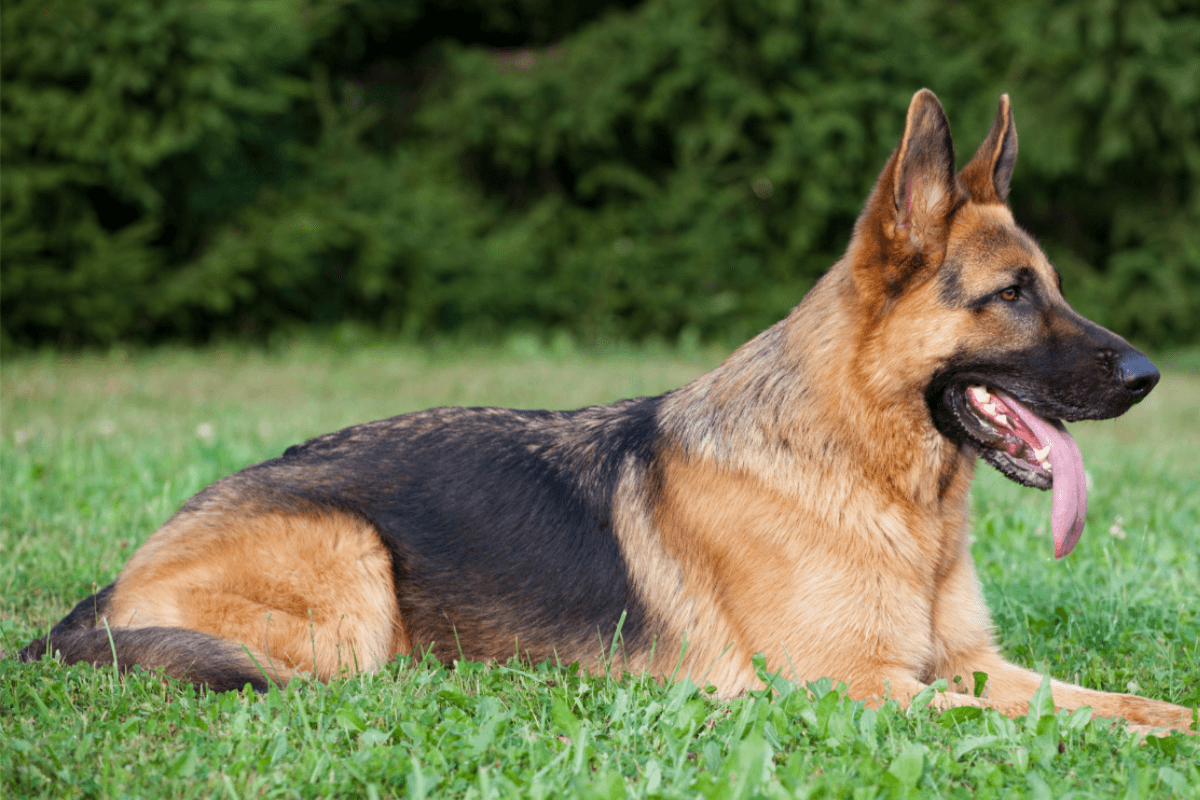
A majestic and versatile breed revered for its intelligence, loyalty, and unwavering courage. The German Shepherd Dog, often simply called the GSD, embodies the ideal working dog, possessing both physical prowess and an unmatched work ethic.
They have a reputation as loyal protectors and are devoted companions. Originally bred in Germany in the late 19th century, the German Shepherd Dog was meticulously developed to be the ultimate herding and working dog. Their intelligence, trainability, and athleticism made them invaluable assets on farms and ranches.
Today, German Shepherds continue to serve in various roles, including police work, military service, search and rescue, and as beloved family pets. Their unwavering courage, protective instincts, and gentle nature have solidified their position as one of the most popular dog breeds worldwide.
German Shepherd Dog Appearance
German Shepherd Dogs are instantly recognizable for their noble bearing, athletic build, and alert expression.
Size: They are medium-sized to large dogs with males typically standing 60-65 cm tall at the shoulder and weighing 30-40 kg. Females are slightly smaller, measuring 55-60 cm tall and weighing 22-32 kg.
Coat: German Shepherds have a dense double coat that comes in two varieties: stock coat (normal) and long stock coat, both with an undercoat. The outer coat is dense and close-lying, while the undercoat is soft and thick, providing insulation in cold weather.
Distinctive Features: Their most striking features are their alert, almond-shaped eyes and their erect, triangular ears. Their head is wedge-shaped and proportionate to their body, while their tail is bushy and hangs in a gentle curve when relaxed.
A Picture of Strength and Agility: The German Shepherd Dog's physique is a testament to their working heritage. They are muscular and well-proportioned, built for both power and agility.
Find Registered German Shepherd Breeders or German Shepherd Puppies for Sale
German Shepherd Dog History
The German Shepherd Dog's history is one of purposeful breeding and a dedication to creating the ultimate working dog.
Origins in Germany: The breed's development began in the late 19th century when Captain Max von Stephanitz, a cavalry officer, sought to create a standardised German herding dog. He carefully selected and bred dogs from various German herding breeds, focusing on intelligence, loyalty, and athleticism.
Horand von Grafrath: The Foundation Sire: A dog named Horand von Grafrath is considered the first German Shepherd Dog and the foundation sire of the breed. He embodied the qualities that von Stephanitz sought and became the blueprint for the breed standard.
Rise to Prominence: German Shepherds quickly gained recognition for their exceptional working abilities and versatility. They served as herding dogs, military dogs, police dogs, and loyal companions. Their popularity soared after World War I, and they became one of the most beloved and respected breeds worldwide.
German Shepherds in Australia: German Shepherd Dogs were introduced to Australia in the early 20th century and quickly proved their worth in various roles. They served as working dogs on farms and ranches, and police and military dogs. Their intelligence, trainability, and protective instincts made them invaluable assets. Today, they remain one of the most popular breeds in Australia, admired for their versatility, loyalty, and unwavering dedication to their families.
German Shepherd Dog Personality
German Shepherd Dogs are renowned for their intelligence, loyalty, courage, and trainability. Their well-balanced temperament and eagerness to please make them exceptional companions for those seeking a devoted and versatile dog.
General Traits:
- Intelligent and Trainable: German Shepherds are highly intelligent and quick learners, excelling in obedience training and various dog sports. They are eager to please their owners and thrive on mental challenges, making them responsive to positive reinforcement training methods.
- Confident and Courageous: They possess a natural confidence and courage, making them fearless protectors of their families and homes. Their unwavering bravery and strong sense of duty are admirable traits that make them excellent working dogs.
- Loyal and Protective: German Shepherds are deeply loyal to their families and form strong bonds with their owners. Their protective instincts are strong, and they will readily defend their loved ones if they perceive a threat.
- Energetic and Playful: Despite their serious demeanour, German Shepherds also have a playful side. They enjoy interactive games, outdoor activities, and spending quality time with their families.
Watchdog Tendencies:
- Alert and Observant: German Shepherds are naturally alert and observant, always aware of their surroundings. Their keen senses and protective instincts make them excellent watchdogs, quick to alert their owners of any potential danger.
- Protective of Family and Territory: They are fiercely protective of their families and homes, making them natural guardians. Their loyalty and courage make them fearless in the face of threats, and they will not hesitate to defend their loved ones.
- Territorial Awareness: German Shepherds have a strong sense of territory and may bark to alert their owners of anyone or anything approaching their property.
Trainability:
- Highly Trainable: German Shepherd Dogs are renowned for their trainability. They are eager to learn and excel in obedience training, agility, tracking, and other dog sports. Their intelligence and focus allow them to quickly grasp new commands and concepts.
- Need for Mental Stimulation: Their sharp minds require constant challenges and mental engagement. Providing them with training opportunities, puzzle toys, and interactive games is essential to prevent boredom and destructive behaviours.
- Positive Reinforcement: They respond best to positive reinforcement training methods that focus on rewards and praise rather than punishment. Harsh training methods can damage their confidence and hinder their learning potential.
Love of Attention:
- Devoted Companions: German Shepherds thrive on human interaction and form strong bonds with their families. They enjoy being involved in family activities and are happiest when they can spend time with their loved ones.
- Need for Mental and Physical Stimulation: They are not content with simply lounging around. They need regular exercise, playtime, and mental challenges to prevent boredom and destructive behaviours.
- Separation Anxiety: Due to their strong attachment to their families, German Shepherds can be prone to separation anxiety if left alone for extended periods.
German Shepherds as Family Pets
German Shepherds can make wonderful family pets for the right household. Their loyalty, intelligence, and protective instincts make them devoted companions who will go to great lengths to keep their families safe. However, their energy levels, training needs, and protective nature require careful consideration before bringing one into your home.
Good with Kids? It Depends
- Supervision and Socialization: German Shepherds can be good with children, especially when properly socialised and trained from a young age. However, it's crucial to supervise interactions between young children and any dog, as even the gentlest dog may react unexpectedly if feeling overwhelmed or threatened.
- Energetic Play: They enjoy playing with children and can be patient and tolerant playmates. However, their size and strength should be considered, especially with younger children.
- Training and Boundaries: It's important to teach both your German Shepherd and your children how to interact appropriately with each other. Set clear boundaries and supervise play sessions to ensure everyone's safety.
With Other Pets: Can Be Challenging
- Socialization and Training: Early socialisation and proper introductions are essential for German Shepherds to coexist peacefully with other pets. They may display some herding tendencies or be dominant with other dogs, so supervision and training are necessary.
- Same-Sex Aggression: Same-sex aggression can be an issue with German Shepherds, so introducing them to dogs of the same sex may require extra caution and patience.
Energy Level: High Energy and Stamina
- Active Lifestyle Required: German Shepherds are high-energy dogs who need plenty of exercise and mental stimulation. They thrive in active households where they can participate in physical activities, training sessions, and dog sports.
- Daily Exercise: Aim for at least an hour of exercise each day, including walks, runs, playtime, or training exercises.
- Mental Challenges: Provide mental stimulation through puzzle toys, interactive games, and obedience training to keep them engaged and prevent boredom.
The Joys of a German Shepherd in Your Family
- Loyal and Devoted: German Shepherds are incredibly loyal and devoted to their families. They form strong bonds with their owners and are always eager to please.
- Intelligent and Trainable: Their intelligence and trainability make them quick learners and adaptable to various situations.
- Protective and Courageous: They are fearless protectors of their loved ones and will always be there to keep their families safe.
Bringing a German Shepherd into your family is a significant commitment that requires dedication, training, and a willingness to meet their high energy and mental stimulation needs. However, for the right family, they offer unparalleled loyalty, companionship, and a sense of security.
Find Registered German Shepherd Breeders or German Shepherd Puppies for Sale
German Shepherd Dog Health and Care
German Shepherd Dogs are known for their robust health, but like all breeds, they can be predisposed to certain health conditions. Responsible ownership includes being informed about potential issues so you can make the best healthcare decisions for your furry friend. By partnering with a reputable breeder who prioritises health testing and working closely with your veterinarian, you can optimise your German Shepherd's chances of enjoying a long, healthy, and active life.
Potential Health Concerns:
- Hip and Elbow Dysplasia: These are developmental conditions affecting the hip and elbow joints, potentially leading to pain, lameness, and arthritis. Responsible breeders screen for these conditions and provide health clearances for their breeding dogs.
- Degenerative Myelopathy (DM): This is a progressive neurological disease that affects the spinal cord, leading to weakness and paralysis in the hind legs. While there's no cure, early diagnosis and supportive care can improve the quality of life for affected dogs.
- Bloat (Gastric Dilatation-Volvulus): This is a life-threatening condition where the stomach twists, cutting off blood flow. It requires immediate veterinary attention.
- Allergies: German Shepherds can develop skin allergies or sensitivities to certain foods, causing itching, skin irritation, and other symptoms.
- Other Concerns: Conditions like epilepsy, exocrine pancreatic insufficiency (EPI), skin conditions, various eye problems and more can also occur in German Shepherds.
The German Shpherd Dog Council of Australia have amazing resources on potential conditions which have been known on occassions to affect the GSD. You may also connect with German Shepherd Dog Breed Clubs in your state via Dogz Online
Find Registered German Shepherd Breeders or German Shepherd Puppies for Sale
Caring for Your German Shepherd
Providing excellent care for your German Shepherd involves a holistic approach, including routine vet visits, a balanced diet, adequate exercise, and mental stimulation.
- Regular Vet Visits: Annual checkups are essential for your German Shepherd's well-being. These visits allow for early detection of potential health issues, and necessary vaccinations and preventative care.
- Nutritious Diet: A high-quality dog food formulated for large breeds will provide your German Shepherd with the nutrients they need to thrive. Portion control is crucial to prevent obesity, which can exacerbate health problems.
- Exercise for Body and Mind: German Shepherds are active dogs that require daily exercise to maintain their physical and mental health. Aim for at least an hour of exercise daily, including walks, runs, playtime in the park, or training sessions.
- Grooming Needs: Their double coat requires regular brushing to prevent matting and reduce shedding. Bathing should be done as needed, and their ears should be checked and cleaned regularly.
- Mental Stimulation: German Shepherds are intelligent dogs that need mental challenges. Engage them in training exercises, puzzle toys, and interactive games to keep their minds sharp and prevent boredom.
- Monitoring for Health Changes: Be attentive to any changes in your German Shepherd's behaviour, appetite, energy level, or physical condition. Early detection of health issues can lead to more effective treatment.
German Shepherd Grooming
The German Shepherd's double coat is designed for protection and insulation. Proper grooming helps maintain its health and appearance.
- Regular Brushing: Weekly brushing is usually sufficient to remove loose hair and prevent mats. During shedding seasons, more frequent brushing may be necessary.
- Bathing: Bathe your German Shepherd every 2-3 months or as needed, using a gentle dog shampoo. Avoid over-bathing, as it can strip their coat of natural oils.
- Nail Trimming: Trim their nails regularly to prevent overgrowth and discomfort.
- Ear Cleaning: Check and clean their ears regularly to prevent infections.
By providing your German Shepherd with proper care and attention, you can ensure they live a long, happy, and healthy life by your side.
Is a German Shepherd Right For You?
The German Shepherd Dog, with its commanding presence, intelligence, and loyalty, is a breed that commands respect and admiration. However, they are not suitable for every household. Before bringing a German Shepherd into your life, it's crucial to assess your lifestyle and expectations to ensure a harmonious match.
The Ideal German Shepherd Owner:
- Active and Committed: German Shepherds are high-energy dogs that require significant daily exercise and mental stimulation. They are best suited for active individuals or families who can dedicate time to walks, runs, training, and play.
- Experienced Dog Owner: Their intelligence and strong personality require an experienced owner who can provide consistent leadership, training, and socialisation. Novice dog owners may find their training needs and protective instincts challenging.
- Dedicated to Training: German Shepherds thrive on training and mental challenges. They excel in obedience, agility, and other dog sports. A dedicated owner who enjoys training and can provide ongoing mental stimulation will be rewarded with a well-behaved and happy companion.
- Seeking a Loyal Protector: German Shepherds are known for their protective instincts and unwavering loyalty. They are fiercely devoted to their families and will go to great lengths to keep them safe. If you're seeking a loyal and protective companion, a German Shepherd may be the perfect fit.
Not Ideal If:
- You Have a Sedentary Lifestyle: German Shepherds are not couch potatoes. They need plenty of exercise and mental stimulation to thrive. If your lifestyle is primarily sedentary, a less active breed might be a better match.
- You Lack Experience with Dogs: German Shepherds require consistent training and socialisation from a young age. Novice dog owners may find their training needs and protective instincts challenging.
- You Have Young Children: While German Shepherds can be good with children, their size and energy levels may be overwhelming for very young children. They may also exhibit herding behaviours like nipping at heels, which can be problematic for toddlers.
- You Travel Frequently: German Shepherds are deeply attached to their families and do not do well when left alone for extended periods. If you travel often, you'll need to arrange for reliable care or consider a more independent breed.
Crucial Considerations:
- Exercise and Mental Stimulation: Be prepared to provide your German Shepherd with at least an hour of exercise each day, along with mental challenges like training, puzzle toys, and interactive games.
- Training and Socialization: Early training and socialisation are crucial for German Shepherds to develop into well-adjusted and well-behaved companions.
- Shedding: Their double coat sheds moderately year-round and heavily twice a year. Regular brushing is essential to manage shedding.
- Potential Health Issues: Be aware of the health conditions German Shepherds are prone to and discuss preventative measures and health screenings by working with the right breeder on Dogz Online, and working with your veterinarian.
If you're seeking an intelligent, loyal, and protective companion who will be by your side through thick and thin, a German Shepherd could be your perfect match. Their unwavering dedication, courage, and trainability make them extraordinary dogs. By understanding their needs and providing them with the care, training, and love they deserve, you'll be rewarded with a lifelong bond and a true partner in life.
Find Registered German Shepherd Breeders or German Shepherd Puppies for Sale
The Importance of Reputable German Shepherd Breeders
Choosing a reputable breeder is paramount when it comes to your German Shepherd's health, temperament, and overall well-being. Ethical breeders prioritise the following:
- Health Testing: Reputable breeders conduct thorough health screenings on their breeding dogs to minimise the risk of passing on genetic conditions to their puppies. They will be transparent about their dogs' health history and provide documentation of any relevant tests or certifications.
- Reputable breeders will ensure that every single German Shepherd Dog must pass their hip and elbow scores before being allowed to breed, and have their offspring registered
- Temperament Assessment: Ethical breeders evaluate the temperament of their dogs to ensure they are breeding for stable and well-rounded personalities. They will be knowledgeable about the breed's characteristics and happy to answer any questions you have about temperament.
- Early Socialization and Enrichment: Puppies raised in a loving home environment with early exposure to various stimuli, including other dogs, people, and different environments, are more likely to develop into confident and well-adjusted dogs. Reputable breeders prioritise early socialisation and enrichment programs for their puppies.
How to Find a Reputable Breeder
- Do Your Research: Start by contacting breed clubs like the German Shepherd Dog Club of NSW to obtain a list of reputable breeders in your area, or view our breeder members of German Shepherd Breeders on Dogz Online.
- Ask Questions: Don't hesitate to ask breeders about health testing, socialisation practices, and the temperament of the puppy's parents. A responsible breeder will be open and transparent about their practices and happy to answer your questions.
- Visit the Breeder: If possible, visit the breeder's facility to see how the puppies are raised and to meet the parent dogs. A clean and well-maintained environment, and healthy and happy parent dogs, are good indicators of a responsible breeder.
- Red Flags: Be wary of breeders that avoid answering your questions, aren’t transparent with you, or don’t want to find the best homes for their puppies. But also remember that breeders are people too that live their lives, are caring for their dogs, and more, and that you should always treat them with respect.
By choosing a responsible breeder, you're not only getting a beautiful German Shepherd but also a healthy, well-socialised, and temperamentally sound companion who will be a cherished member of your family for years to come.
Find Registered German Shepherd Breeders or German Shepherd Puppies for Sale
How Long Does a German Shepherd Dog Live For?
German Shepherds are loyal, intelligent, and incredibly versatile, with a typical lifespan of 10 to 13 years. They thrive on structure, training, and a strong bond with their humans. With a proactive approach to their health and lifestyle, many German Shepherds enjoy long, fulfilling lives.
Adaptability
Adapts Well To
German Shepherds are adaptable dogs who can thrive in a variety of living situations. Their exercise needs, intelligence, and protective instincts require careful consideration when choosing an environment.
- Houses with Yards: German Shepherds are active and energetic dogs who enjoy having space to run and play. A securely fenced yard provides them a safe environment to exercise and explore.
- Active Families: Their high energy levels and love for outdoor activities make them well-suited for active families who enjoy hiking, running, or playing fetch. They thrive when they can participate in family adventures and receive plenty of physical and mental stimulation.
- Rural Environments: German Shepherds with their working dog heritage are often at home in rural settings where they can explore open spaces and engage in activities that utilise their intelligence and athleticism.
Important Considerations:
- Exercise Needs: German Shepherds require significant daily exercise, both physical and mental. Ensure you can dedicate time for walks, runs, playtime, and training sessions to keep them happy and healthy.
- Training and Socialization: Early and ongoing training and socialisation are crucial for German Shepherds. They are intelligent and eager to learn but need consistent guidance and positive reinforcement.
- Mental Stimulation: Provide mental challenges through puzzle toys, interactive games, and training exercises to keep their minds engaged and prevent boredom.
- Shedding: German Shepherds shed moderately year-round and heavily twice a year. Be prepared for regular brushing and cleaning to manage shedding.
Adapts Less Well To
- Small Apartments: While German Shepherds can technically live in apartments, their size and energy levels make it less than ideal. They need space to move around comfortably and may become restless or destructive in confined spaces without sufficient exercise and mental stimulation.
- Sedentary Lifestyles: German Shepherds are not well-suited for inactive households. They require regular physical activity and mental challenges to thrive. A sedentary lifestyle can lead to boredom, frustration, and behavioural issues.
- Inexperienced Owners: Their intelligence, protective instincts, and potential for strong-willed behaviour can be challenging for first-time dog owners. Experienced dog handlers who can provide consistent training and leadership are best suited for German Shepherds.
Potential Solutions for Apartment Living:
- Regular Exercise: If you live in an apartment, commit to providing your German Shepherd with ample exercise opportunities through daily walks, runs, or trips to a dog park.
- Mental Enrichment: Keep their minds active with puzzle toys, training sessions, and interactive games that challenge their intelligence and problem-solving skills.
- Professional Training: Consider enrolling in obedience classes or working with a professional dog trainer to ensure your German Shepherd receives proper training and socialisation, especially in an apartment setting.
Important Considerations:
- Commitment: Apartment living with a German Shepherd requires a significant commitment to their exercise and mental stimulation needs. Be prepared to dedicate time and energy to meet their activity requirements.
- Building Policies: Check your apartment building's pet policies to ensure German Shepherds are allowed and understand any restrictions on size or breed.
- Neighbour Considerations: Be mindful of your neighbours and take steps to minimise noise and ensure your German Shepherd is well-behaved in shared spaces.
While apartment living can be challenging for a German Shepherd, it is possible with a dedicated owner who is willing to put in the time and effort to meet their physical and mental needs. Consider your lifestyle, living situation, and experience level before bringing a German Shepherd into an apartment environment.
Good For Novice Dog Owners
German Shepherds are typically recommended for committed and dedicated new owners, or experienced owners due to their high energy levels, intelligence, and protective instincts. They require a firm and experienced hand to guide their training and socialisation. A committed owner in their growth, training, mental stimulation and exercise requirements would be the ideal owner.
Challenges for Novice Owners:
- High Trainability, but Requires Experience: German Shepherds are highly trainable but also intelligent and independent thinkers. They require consistent training and clear leadership from their owners. Novice owners may find their training needs and strong personality challenging.
- Protective Instincts: Their protective nature can sometimes lead to overprotectiveness or reactivity if not properly socialised and trained. This can be a challenge for inexperienced owners who may not recognize or manage these behaviours effectively.
- Exercise and Mental Stimulation Needs: Their high energy levels and need for mental stimulation require significant dedication and commitment from their owners. Novice owners may find it challenging to provide the necessary exercise and enrichment to keep a German Shepherd happy and well-adjusted.
Who Can Succeed with a German Shepherd:
- Experienced Dog Owners or Committed New Dog Owners: Individuals or families with prior dog ownership experience,are better equipped to handle the training and management of a German Shepherd, and a committed owner that is willing to invest in their growth, training, mental stimulation and exercise requirements would be ideal.
- Active and Committed Individuals: German Shepherds thrive with owners who are active and dedicated to providing them with ample exercise, training, and mental stimulation.
- Those Seeking a Loyal and Protective Companion: German Shepherds are incredibly loyal and protective of their families. They are well-suited for owners who prioritise these traits in a dog.
Ownership Impact:
- Training and Socialization: Invest in early and ongoing training and socialisation to ensure your German Shepherd is well-behaved and confident.
- Leadership and Consistency: Establish yourself as a calm and confident leader to guide your German Shepherd's training and behaviour.
- Exercise and Enrichment: Provide plenty of physical and mental challenges through exercise, playtime, and training activities.
- Commitment: Be prepared for the time, energy, and financial commitment required to care for a German Shepherd.
German Shepherds are not the right choice for every dog owner, but for experienced and dedicated individuals or families who can meet their needs, they offer unparalleled loyalty, intelligence, and companionship.
Sensitivity Level
German Shepherds are known for their intelligence and loyalty, but they can also be sensitive dogs who are deeply attuned to their environment and their owner's emotions. Understanding their sensitivity is crucial for building a strong bond and ensuring their well-being.
What Makes German Shepherds Sensitive:
- Strong Bond with Owners: German Shepherds form deep bonds with their families and are highly perceptive of their emotions and moods. They can quickly pick up on subtle cues in body language and tone of voice, often mirroring their owner's feelings.
- Protective Instincts: Their protective nature and desire to keep their loved ones safe can make them sensitive to changes in their environment and potential threats. Loud noises, unfamiliar situations, or changes in routine can trigger anxiety or stress.
- Individual Differences: While German Shepherds are generally sensitive, the degree of sensitivity can vary between individual dogs. Some may be more resilient to stressors than others.
Ownership Impact:
- Calm and Confident Leadership: German Shepherds thrive in a stable and predictable environment with clear and consistent leadership from their owners. They need to feel secure and confident in their surroundings, and a chaotic or unpredictable environment can trigger anxiety or insecurity.
- Positive Reinforcement: Harsh training methods or punishment can be detrimental to a German Shepherd's confidence and well-being. Positive reinforcement techniques, such as praise, rewards, and playtime, are essential for effective training and a healthy relationship.
- Socialization and Exposure: Early and ongoing socialisation can help German Shepherds become more adaptable and less sensitive to new situations and environments. Exposing them to various people, places, and experiences from a young age can help build their confidence and resilience.
- Understanding Their Cues: German Shepherds may exhibit subtle signs of stress or anxiety, such as lip licking, yawning, or avoiding eye contact. It's important to recognize these cues and respond with calmness and reassurance.
Important Considerations:
- Noise Sensitivity: Some German Shepherds may be sensitive to loud noises, such as fireworks or thunderstorms. Creating a safe and quiet space for them during these events and using desensitisation techniques can help reduce their anxiety.
- Separation Anxiety: Due to their strong bond with their families, German Shepherds can be prone to separation anxiety. Gradual training and desensitisation can help them cope with being alone.
- Patience and Understanding: Understanding your German Shepherd's sensitivity is key to building a strong and trusting relationship. Be patient with them, provide a stable environment, and use positive reinforcement to guide their behaviour.
The Positive Side of Sensitivity:
German Shepherds' sensitivity is a testament to their intelligence, loyalty, and deep connection with their human families. Their ability to tune into their owner's emotions and respond with empathy makes them incredibly loyal and devoted companions. By recognizing and respecting their sensitivity, you can foster a bond that will enrich your life and theirs for years to come.
Tolerates Being Alone
German Shepherds are highly social and devoted to their families, making them prone to separation anxiety if left alone for extended periods.
Social Needs and Attachment:
- Strong Bonds with Family: German Shepherds form deep bonds with their families and thrive on companionship and interaction. They are happiest when they can be near their loved ones and participate in family activities.
- Separation Anxiety: Due to their strong attachment and pack mentality, German Shepherds are susceptible to separation anxiety if left alone for long periods. This can manifest as destructive behaviours like chewing, digging, or excessive barking, and house soiling.
- Boredom and Restlessness: When left alone without mental or physical stimulation, they can become bored and anxious, leading to destructive behaviours.
Ownership Impact:
- Consider Your Schedule: If your lifestyle involves being away from home for extended periods, a German Shepherd may not be the ideal choice. They thrive in households where someone is present most of the time to provide companionship and attention.
- Training and Preparation: Even if you can't be home all the time, you can help your German Shepherd cope with alone time through gradual training and desensitisation. Start with short absences and gradually increase the duration, making sure to provide them with plenty of toys, puzzles, and a comfortable space to rest.
- Mental and Physical Enrichment: Before leaving your German Shepherd alone, ensure they have had adequate exercise and mental stimulation. A tired and content dog is less likely to experience anxiety or engage in destructive behaviours.
- Alternatives: If your schedule necessitates leaving your German Shepherd alone for extended periods, consider options like doggy daycare, a dog walker, or even a second dog for companionship.
Important Notes:
- Individual Differences: While German Shepherds generally don't like being alone, some may be more independent than others. However, it's important to be realistic about their social needs and provide them with ample companionship and attention.
- Proper Training: Regardless of their individual temperament, proper training can help German Shepherds cope with alone time more effectively. Teaching them to settle calmly in their crate or designated area can be helpful.
Remember, a German Shepherd's well-being depends on companionship and mental engagement. Choosing a German Shepherd as a pet means prioritising their social and emotional needs to ensure a happy and fulfilling life for both you and your furry friend.
Tolerates Hot Weather
German Shepherds, with their thick double coats, are not well-suited for hot weather and can be particularly sensitive to extreme heat.
Heat Sensitivity:
- Risk of Overheating: Their dense fur and active nature make them prone to overheating, especially in hot and humid climates. It's crucial to take precautions to prevent heatstroke, a serious condition that can be fatal.
- Signs of Overheating: Watch for excessive panting, drooling, lethargy, disorientation, vomiting, and collapse. These are signs of heatstroke and require immediate veterinary attention.
Ownership Impact:
- Limit Outdoor Activity: During hot weather, exercise should be restricted to early mornings or late evenings when temperatures are cooler. Avoid strenuous activity during the hottest parts of the day.
- Access to Shade and Water: Always ensure your German Shepherd has access to plenty of fresh, cool water and a shaded area to rest when outdoors.
- Never Leave Them in a Parked Car: Even on a mild day, the temperature inside a parked car can rise rapidly to dangerous levels, putting your German Shepherd at risk of heatstroke.
- Consider Cooling Options: Cooling vests, mats, or bandanas can help regulate your German Shepherd's body temperature in hot weather.
Tolerates Cold Weather
German Shepherds are well-adapted to cold weather due to their thick double coats, which provide excellent insulation.
Cold Weather Tolerance:
- Built for Cooler Climates: Their dense undercoat and weather-resistant outer coat help them withstand cold temperatures comfortably. They can enjoy outdoor activities even in chilly weather.
- Enjoyment of Snow: Many German Shepherds enjoy playing in the snow and don't mind cold weather walks or activities.
Ownership Impact:
- Monitor for Discomfort: While they are generally comfortable in cold weather, it's still important to monitor them for signs of shivering or discomfort, especially in extreme temperatures or prolonged exposure.
- Paw Protection: In snowy or icy conditions, consider using dog booties to protect their paws from the cold, ice, and de-icing chemicals.
Shelter and Warmth: Provide a warm and dry shelter for your German Shepherd when they are spending time outdoors in cold weather, especially during extended periods.
By understanding your German Shepherd's tolerance for different weather conditions and taking appropriate precautions, you can ensure their comfort and safety throughout the year, allowing them to enjoy all seasons with you.
Friendliness
Affectionate with Family
German Shepherds are known for their loyalty and devotion to their families. They form strong bonds with their owners and thrive on being part of the pack.
German Shepherds as Affectionate Companions:
- Loyal and Devoted: German Shepherds are fiercely loyal to their families and will go to great lengths to protect and please their loved ones. They form deep bonds with their owners and are known for their unwavering devotion.
- Affectionate and Playful: While they may not be as overtly cuddly as some other breeds, German Shepherds are affectionate and enjoy interacting with their families. They are often playful and energetic, especially when young, and enjoy games like fetch and tug-of-war.
- Protective and Attentive: They are naturally protective of their families and are always alert to their surroundings. Their watchful nature and desire to keep their loved ones safe can be comforting for families.
Ownership Impact:
- Bonding and Training: German Shepherds require plenty of interaction and positive reinforcement to strengthen their bond with their owners. Regular training sessions, playtime, and quality time spent together are essential for building a strong relationship.
- Socialisation: Early and ongoing socialisation is crucial to ensure that your German Shepherd is comfortable and well-behaved around other people and dogs.
- Mental and Physical Stimulation: German Shepherds are intelligent and active dogs who need both mental and physical challenges. Providing them with opportunities to learn, play, and exercise will help them stay happy and well-adjusted.
Kid-Friendly
German Shepherds can be good with children, but their size, energy level, and protective instincts require careful consideration and supervision.
German Shepherds and Children:
- Supervision is Key: It's crucial to supervise interactions between children and German Shepherds, especially young children. While they are generally gentle and tolerant, their size and playfulness can be overwhelming for small children.
- Training and Socialization: Early training and socialisation are essential to teach your German Shepherd appropriate behaviour around children and to help them understand boundaries.
- Teach Children Respect: Children should be taught how to interact with dogs respectfully and avoid any behaviours that might trigger a defensive response from the dog.
With Other Pets: Can Be Challenging
- Socialization and Training: Early socialisation and proper introductions are essential for German Shepherds to coexist peacefully with other pets. They may display some dominant tendencies or herding behaviours, so supervision and training are necessary.
- Same-Sex Aggression: Same-sex aggression can be an issue with German Shepherds, so introducing them to dogs of the same sex may require extra caution and patience.
- Supervision and Management: It's important to supervise interactions between your German Shepherd and other pets, especially during initial introductions or in unfamiliar environments.
Friendly Toward Strangers
German Shepherds are naturally cautious and protective of their families, which can make them wary of strangers. Their alertness and protective instincts can make them appear aloof or even intimidating to those they don't know.
German Shepherds and Strangers:
- Reserved but not Aggressive: While they may not be overly friendly with strangers, German Shepherds are not typically aggressive unless they perceive a threat to their family or territory.
- Socialization and Training: Early socialisation is essential to teach your German Shepherd to distinguish between friendly and threatening strangers. Proper training can help them greet new people calmly and politely.
- Controlled Introductions: Introduce your German Shepherd to new people in a controlled environment, allowing them to approach at their own pace. Avoid forcing interactions or overwhelming them with too much attention.
By understanding their protective nature and providing proper socialisation and training, you can help your German Shepherd become more comfortable and accepting of strangers while still maintaining their loyalty and vigilance towards their family.
Health & Grooming
Amount of Shedding
German Shepherds are known for their thick, double coats, which shed moderately throughout the year and heavily during shedding seasons.
Shedding Reality:
- Double Coat: Their double coat consists of a dense, insulating undercoat and a coarser outer coat. Both layers contribute to shedding, making German Shepherds moderate to heavy shedders.
- Seasonal Shed: Twice a year, typically in spring and fall, German Shepherds experience a major shedding event known as "blowing their coat." During this period, they shed large amounts of fur to prepare for the changing weather.
- Not Hypoallergenic: If allergies are a concern, German Shepherds are not a suitable choice, as their shedding can trigger allergic reactions.
Ownership Impact:
- Regular Brushing: Frequent brushing, ideally several times a week, is essential to remove loose fur and prevent matting. Invest in a good-quality brush or undercoat rake designed for double-coated breeds.
- Vacuuming and Lint Rollers: Be prepared for dog hair on your furniture, floors, and clothing. Regular vacuuming and using lint rollers will help manage the shedding.
- Professional Grooming: While you can manage most grooming tasks at home, occasional professional grooming can be beneficial, especially during shedding seasons, to ensure thorough removal of loose fur and prevent matting.
Drooling Potential
German Shepherds are not typically known for excessive drooling. They may drool occasionally, such as when anticipating food or after drinking water, but it's generally not a significant issue.
Occasional Drool:
- Normal Occurrences: Some drooling may occur in certain situations, such as when your German Shepherd is excited about food, has just finished a drink, or is engaged in physical activity.
- Health Check: If you notice a sudden increase in drooling or excessive drooling, consult your veterinarian, as it could be a sign of an underlying health issue like dental problems, nausea, or an allergic reaction.
Ownership Impact:
- Minimal Mess: You generally won't need to worry about excessive drool stains on your clothes or furniture with a German Shepherd.
- Low Maintenance: German Shepherds are relatively clean dogs when it comes to drooling.
Easy to Groom
German Shepherds have a medium-length double coat that requires regular grooming to maintain its health and appearance. While their grooming needs are not as intensive as some long-haired breeds, they are not considered "easy to groom" due to their shedding and the need for regular brushing.
Grooming Requirements:
- Regular Brushing: Brush your German Shepherd's coat several times a week to remove loose hair, prevent matting, and distribute natural oils. During shedding seasons, more frequent brushing may be necessary.
- Bathing: Bathe your German Shepherd every 2-3 months or as needed, using a gentle dog shampoo formulated for their coat type. Avoid over-bathing, as it can strip their coat of natural oils.
- Nail Trimming and Ear Cleaning: Trim your German Shepherd's nails regularly and check their ears for any signs of infection or excessive wax buildup.
Ownership Impact:
- Time Commitment: Be prepared to dedicate time to grooming your German Shepherd. Regular brushing is essential, and bathing and ear cleaning will require additional time and attention.
- Grooming Tools: Invest in a good quality slicker brush or undercoat rake to effectively manage their coat.
The German Shepherd's Coat:
The German Shepherd's double coat is designed for protection and insulation, providing them with warmth in cold weather and some protection from the sun's rays. While it requires regular maintenance, the payoff is a healthy, shiny coat that accentuates their noble appearance.
General Health
German Shepherds are generally healthy and robust dogs, often enjoying long and active lives. However, like all breeds, they are predisposed to certain health conditions. Responsible ownership involves being informed about potential issues and taking proactive measures to ensure your German Shepherd's well-being.
Potential Health Concerns:
- Hip and Elbow Dysplasia: These are developmental conditions affecting the hip and elbow joints, potentially leading to pain, lameness, and arthritis. Responsible breeders screen for these conditions and provide health clearances for their breeding dogs.
- Degenerative Myelopathy (DM): This is a progressive neurological disease that affects the spinal cord, leading to weakness and paralysis in the hind legs. While there's no cure, early diagnosis and supportive care can improve the quality of life for affected dogs.
- Bloat (Gastric Dilatation-Volvulus): This is a life-threatening condition where the stomach twists, cutting off blood flow. It requires immediate veterinary attention.
- Allergies: German Shepherds can develop skin allergies or sensitivities to certain foods, causing itching, skin irritation, and other symptoms.
- Other Concerns: Conditions like epilepsy, exocrine pancreatic insufficiency (EPI), and various eye problems can also occur in German Shepherds.
The Importance of Reputable Breeders:
Choosing a puppy from a reputable breeder who prioritises health testing is crucial. Ethical breeders screen their breeding dogs for genetic conditions and strive to produce healthy puppies with a reduced risk of inherited health problems. They will be transparent about health clearances and their dogs' lineage.
Ownership Impact:
- Regular Veterinary Care: Schedule routine checkups with your veterinarian for preventative care, vaccinations, and early detection of health issues. Discuss appropriate health screenings and preventive measures with your vet to ensure your German Shepherd receives optimal care throughout its life.
- Healthy Diet and Exercise: Provide a balanced and nutritious diet appropriate for your German Shepherd's age and activity level. Regular exercise is vital for maintaining a healthy weight and overall well-being. Consult your veterinarian for guidance on suitable food choices and exercise routines.
- Health Screening: Discuss breed-specific health screenings, such as hip and elbow evaluations and eye exams, with your veterinarian. Early detection of potential health issues can lead to more effective treatment and management.
- Financial Preparedness: Be prepared for potential veterinary costs associated with routine care, preventative measures, and the treatment of any health conditions that may arise. Consider pet insurance to offset unexpected expenses.
Potential for Weight Gain
While German Shepherds are generally active and athletic dogs, they can still be prone to weight gain if their diet and exercise are not carefully monitored. Maintaining a healthy weight is crucial for their joint health, overall well-being, and lifespan.
Factors Contributing to Weight Gain:
- Overfeeding: Providing too much food or excessive treats can contribute to weight gain, even in active dogs like German Shepherds. It's essential to measure their food portions and avoid free-feeding.
- Reduced Activity: If a German Shepherd's activity level decreases due to age, injury, or other factors, they may become prone to weight gain. Adjusting their diet accordingly is crucial.
- Medical Conditions: Certain medical conditions, such as hypothyroidism, can also contribute to weight gain in German Shepherds.
Ownership Impact:
- Portion Control: Measure your German Shepherd's food carefully and follow your veterinarian's recommendations for feeding amounts based on their age, activity level, and overall health.
- Healthy Treats: Choose healthy, low-calorie treats and limit their quantity to avoid excessive calorie intake. Consider using small pieces of vegetables or fruits as rewards during workouts.
- Regular Exercise: Ensure your German Shepherd gets plenty of exercise to maintain a healthy weight and burn off excess calories. Engage them in activities that challenge their minds and bodies, such as agility, herding, or interactive games.
- Weight Monitoring: Regularly monitor your German Shepherd's weight and body condition. If you notice weight gain, consult your veterinarian to rule out any underlying health issues and adjust their diet and exercise plan accordingly.
The Importance of a Healthy Weight:
Maintaining a healthy weight is crucial for your German Shepherd's overall health and well-being. Excess weight can put stress on their joints, increase the risk of health issues like hip dysplasia and arthritis, and reduce their lifespan. By prioritising a balanced diet and regular exercise, you can help your German Shepherd live a long, active, and fulfilling life.
Trainability
The Smart and Eager Learner
German Shepherds are renowned for their intelligence, trainability, and eagerness to work, making them one of the most trainable dog breeds in the world. Their ability to learn quickly and their strong desire to please their owners make them highly responsive to positive reinforcement training methods.
- High Intelligence and Trainability: German Shepherds are consistently ranked among the most intelligent dog breeds, known for their quick learning abilities and eagerness to work. They excel in various training disciplines, including obedience, agility, tracking, and protection work.
- Motivated by Work and Praise: Their strong work drive and desire to please their owners make them highly motivated learners. They thrive on positive reinforcement, like praise, rewards, and interactive training games.
- Versatility: Their intelligence and trainability allow German Shepherds to perform a variety of roles, from working dogs in law enforcement and search and rescue to beloved family companions and service dogs.
The Challenges:
- High Energy and Need for Stimulation: German Shepherds' intelligence and energy levels mean they require consistent mental and physical challenges. Boredom can lead to destructive behaviours, so it's important to provide them with plenty of opportunities to learn and exercise.
- Independent Thinkers: While their intelligence makes them quick learners, they can also be independent thinkers. This can sometimes lead to them testing boundaries or attempting to outsmart their owners. Consistent training and clear leadership are essential.
- Sensitivity to Harsh Training: German Shepherds are sensitive dogs and do not respond well to harsh training methods or punishment. They thrive on positive reinforcement and gentle guidance.
Ownership Impact:
- Early Training and Socialization: Early training and socialisation are crucial for German Shepherds to develop into well-behaved and confident companions. Start training your puppy as soon as you bring them home and expose them to various people, places, and experiences from a young age.
- Positive Reinforcement: Use positive reinforcement techniques, such as praise, treats, and play, to motivate your German Shepherd and make training enjoyable for both of you. Avoid harsh corrections or punishment, as it can damage their trust and willingness to learn.
- Consistency and Leadership: Be consistent with your commands and expectations. German Shepherds need clear boundaries and a strong leader to guide them.
Mental Stimulation: Provide plenty of mental challenges through training exercises, puzzle toys, and interactive games to keep them engaged and prevent boredom.
Intelligence
German Shepherds are widely recognized as one of the most intelligent dog breeds, known for their quick learning abilities, problem-solving skills, and adaptability.
A Canine Genius:
- Quick Learners: German Shepherds are highly intelligent and can quickly grasp new commands and concepts. They are often eager to learn and excel in workouts.
- Problem Solvers: They are natural problem solvers who can assess situations and find solutions. This intelligence is evident in their ability to navigate complex tasks and make decisions in challenging environments.
- Working Dogs: Their intelligence, trainability, and work ethic have made them successful in various working roles, including police work, military service, search and rescue, and herding.
Ownership Impact:
- Mental Enrichment: German Shepherds need mental stimulation to thrive. Provide them with opportunities to learn new things, solve puzzles, and engage in activities that challenge their minds.
- Training Opportunities: Their intelligence makes them ideal candidates for dog sports and activities like agility, obedience, tracking, and herding trials. These activities provide mental and physical challenges and can strengthen the bond between you and your dog.
- Channel Their Intelligence Positively: A bored German Shepherd can become destructive or develop unwanted behaviours. Channelling their intelligence into positive activities will keep them happy and fulfilled.
Potential for Mouthiness
German Shepherds, especially as puppies, can exhibit mouthiness, which can include nipping, chewing, and mouthing behaviours.
Mouthy Behaviour:
- Teething: Puppies often mouth and chew on objects to relieve teething discomfort.
- Exploration: They use their mouths to explore their surroundings and learn about different textures and tastes.
- Herding Instincts: Their herding instincts may lead them to nip at heels or gently mouth people or other animals to try to control their movement.
Ownership Impact:
- Early Training: Start training your German Shepherd puppy early to teach them bite inhibition and appropriate play behaviours.
- Positive Reinforcement: Use positive reinforcement techniques to reward gentle play and discourage nipping or roughhousing.
- Provide Appropriate Chew Toys: Offer a variety of safe and durable chew toys to redirect their chewing urges and prevent them from damaging your belongings.
- Supervision: Always supervise interactions between your German Shepherd and children or other pets to ensure safety and prevent any potential nipping incidents.
By understanding and managing their potential for mouthiness, you can help your German Shepherd develop into a well-behaved and socially adept companion.
Prey Drive
German Shepherds, while not primarily hunting dogs, do possess a moderate prey drive due to their herding heritage and protective instincts.
Herding and Protective Instincts:
- Chasing Instinct: German Shepherds may exhibit a natural instinct to chase moving objects, such as squirrels, birds, or other small animals. This behaviour stems from their herding background, where they were bred to control and gather livestock.
- Protective Drive: Their protective instincts can also contribute to their prey drive, as they may perceive small animals as potential threats to their family or territory.
Ownership Impact:
- Leash Training and Control: It's crucial to leash train your German Shepherd from a young age to prevent them from chasing after wildlife or other animals during walks. Maintain control and be aware of potential triggers in their environment.
- Supervision: Always supervise your German Shepherd when off-leash, especially in areas with wildlife or other animals. Their prey drive may kick in, leading them to chase or attempt to herd.
- Training and Socialization: Early socialisation and training can help manage their prey drive. Teach commands like "leave it" and "come" to redirect their attention and prevent them from chasing. Positive reinforcement and consistent training are essential.
- Introducing to Other Pets: When introducing your German Shepherd to cats or other small pets, do so gradually and under supervision. Monitor their interactions closely to ensure they are safe and respectful.
Wanderlust Potential
German Shepherds are intelligent and independent dogs who may exhibit a moderate wanderlust potential. Their curiosity, desire for exploration, and protective instincts can sometimes lead them to venture beyond their boundaries.
Curiosity and Independence:
- Explorers at Heart: German Shepherds are naturally curious and enjoy exploring their surroundings. They may be tempted to wander off in search of new scents, sights, or challenges.
- Independent Thinkers: Their intelligence and independent nature can sometimes lead them to make decisions on their own, such as following an interesting scent or investigating a noise.
- Protective Instincts: Their desire to protect their territory or family members may lead them to patrol their surroundings and potentially wander off if they perceive a threat.
Ownership Impact:
- Secure Fencing: Ensure your yard is securely fenced with a high enough fence to deter jumping and a design that prevents digging under.
- Leash Walks: Always walk your German Shepherd on a leash in unfenced areas to prevent them from wandering off or chasing after wildlife.
- Mental and Physical Stimulation: Provide ample mental and physical stimulation through training, exercise, and interactive play to keep your German Shepherd engaged and less likely to wander out of boredom.
- Microchipping and Identification: It's crucial to have your German Shepherd microchipped and ensure they wear a collar with up-to-date identification tags in case they do wander off.
Tendency to Bark or Howl
German Shepherds are known for their vocal nature, often using barking as a form of communication and to alert their owners.
Barking Tendencies:
- Alert Barking: German Shepherds are naturally protective and alert, and they may bark to signal the presence of strangers, unusual noises, or perceived threats.
- Territorial Barking: They may also bark to defend their territory or warn off potential intruders.
- Excitement or Frustration: German Shepherds may bark when excited about playtime, anticipating a walk, or feeling frustrated due to lack of exercise or mental stimulation.
Ownership Impact:
- Training and Socialization: Early training and socialisation can help manage your German Shepherd's barking tendencies and teach them when it's appropriate to bark.
- Addressing the Cause: If your German Shepherd barks excessively, try to determine the underlying cause (boredom, anxiety, territoriality, etc.) and address it accordingly.
- Positive Reinforcement: Reward your German Shepherd for remaining quiet when appropriate to reinforce good behaviour.
While some barking is normal for German Shepherds, excessive barking can be managed with proper training and attention to their needs. By understanding the reasons behind their vocalisations and providing them with appropriate outlets for their energy and instincts, you can create a harmonious environment for both you and your German Shepherd.
Exercise Needs
Exercise Requirements
German Shepherds are high-energy, athletic dogs with a strong work drive. Regular exercise is essential to maintain their physical and mental well-being and prevent boredom and behavioural issues.
- Daily Physical Activity: German Shepherds need at least 60-90 minutes of exercise per day. This can include walks, runs, hikes, or playtime in a securely fenced yard.
- Variety and Engagement: Vary their exercise routine to keep them engaged and interested. Activities like fetch, frisbee, agility training, and dog sports are excellent options.
- Mental Stimulation Through Exercise: Incorporate activities that challenge their minds, such as obedience training, scent work, or puzzle toys, into their exercise routine.
Energy Levels:
German Shepherds are high-energy dogs, especially when young. While their energy levels may slightly decrease as they mature, they remain active and require daily exercise throughout their lives.
Energy Level Considerations:
- Puppies: Young German Shepherds have abundant energy and require frequent but shorter play and exercise sessions to prevent overexertion and protect their developing joints.
- Adults: Adult German Shepherds need consistent daily exercise to stay physically and mentally fit. They thrive on activities that challenge their minds and bodies.
- Seniors: As they age, their energy levels may decrease, but they still require regular exercise to maintain their health and happiness. Adjust their exercise routine based on their age and physical condition.
Potential for Playfulness
German Shepherds are playful and energetic dogs who enjoy interacting with their owners and engaging in various activities.
Playful Personalities:
- Enthusiastic Playmates: German Shepherds are always up for a game of fetch, tug-of-war, or a romp in the park. Their playful spirit and intelligence make them fun and engaging companions.
- Love of Challenges: They enjoy interactive games and activities that challenge their minds and bodies, such as agility training, hide-and-seek, and scent work.
- Bonding Through Play: Playtime is a fantastic way to bond with your German Shepherd and strengthen your relationship.
Ownership Impact:
- Provide Adequate Playtime: Dedicate time each day to playing with your German Shepherd. Engage them in games they enjoy and that provide both physical and mental stimulation.
- Interactive Toys and Games: Invest in a variety of toys and games that challenge their minds and keep them entertained, such as puzzle feeders, treat-dispensing toys, and interactive balls.
- Training as Play: Incorporate training exercises into playtime to keep your German Shepherd engaged and learning while having fun.
German Shepherds' playful and energetic nature is a wonderful part of their personality. By providing them with regular opportunities for play and exercise, you'll ensure they lead a happy, healthy, and fulfilling life.
Find German Shepherd Dog Breeders
or
View German Shepherd Dog Puppies for Sale |
View German Shepherd Dog Older Dogs for Sale