

The Great Dane
| Size | Giant |
| Weight | Females: 45-69 kgs, Males: 64-91 kgs |
| Breed Group | Group 7 - Non-Sporting Dogs |
| Exercise Requirements | High |
| Grooming Requirements | Moderate |
| Life Span | 8-10 years |
| Characteristics | Elegant, gentle, friendly, loving |
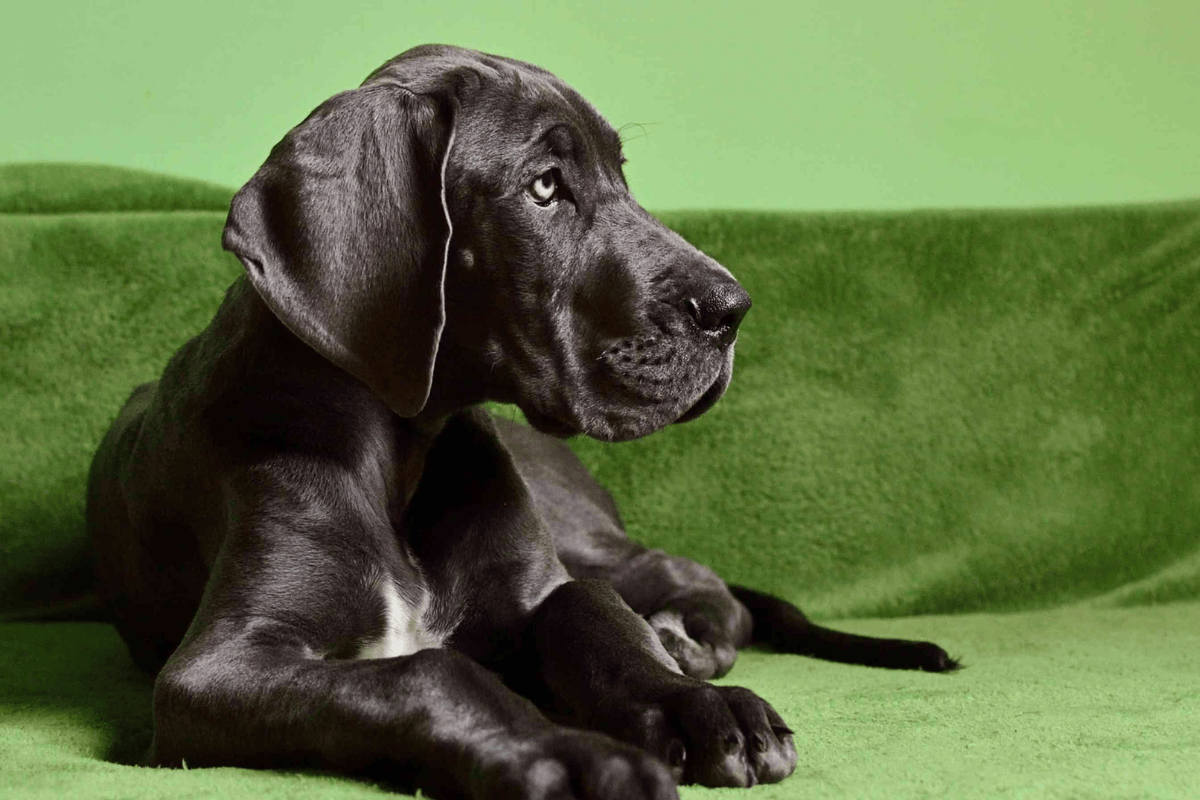
A breed renowned for its grandeur and gentle nature, the Great Dane is a striking example of elegance and power combined. Often referred to as the "Apollo of Dogs," the Great Dane is admired not only for its impressive stature but also for its dignified demeanor and friendly disposition.
The history of the Great Dane is as imposing as its size. Originating in Germany, this breed was initially developed as a boar hound, tasked with hunting large game. Over the centuries, the Great Dane has evolved, embodying a perfect balance of strength, grace, and nobility, making it a beloved companion worldwide.
Today, the Great Dane is cherished for its gentle temperament and sociable nature. Despite its formidable appearance, it is known for being friendly, patient, and loving, particularly with children. Its majestic presence, combined with an affectionate personality, secures the Great Dane's place as one of the most admired and timeless breeds in the canine world.
Great Dane Appearance
Great Danes are distinguished by their commanding presence, graceful build, and dignified expression.
Size: These are giant dogs, with males typically standing a minimum of 76 cm tall at the shoulder and weighing at least 54 kg. Females are slightly smaller, with a minimum height of 71 cm and weighing at least 46 kg.
Coat: Great Danes have a short, dense, and sleek coat that lies close to the body, giving them a polished appearance. Their coat colors vary, including brindles, fawns, blues, blacks, mantles, and harlequins, each with specific markings and shadings.
Distinctive Features: Their most notable features include their deep-set, medium-sized eyes that are preferably dark, and their triangular, medium-sized ears set high on the skull. The Great Dane’s head is long and proportionate, with a broad muzzle and strong jaws. Their thick tail tapers towards the end and is carried in line with their back when moving.
A Picture of Majesty and Power: The physique of a Great Dane reflects its noble heritage. They are powerfully built yet elegantly structured, showcasing both strength and grace. Their muscular body and free, springy movement make them a picture of both dignity and athletic ability.
Great Dane History
Origins in Germany: The Great Dane's history dates back to ancient times, but the breed as we know it was developed in Germany. Initially bred for hunting large game like boars, these dogs were prized for their strength, size, and courage. German nobility refined their breeding to create a dog that was not only powerful but also graceful and elegant.
The Boar Hound: The Foundation of the Breed: Originally known as the "Boar Hound," the Great Dane's ancestors were a mix of Irish Wolfhounds and English Mastiffs. These dogs were selectively bred for their hunting prowess and noble appearance, setting the stage for the breed's modern characteristics.
Rise to Prominence: Over time, the Great Dane transitioned from a hunting dog to a status symbol among the European elite. Their impressive stature and gentle temperament made them ideal companions and guard dogs. By the late 19th century, the breed had gained international recognition, admired for its regal presence and amiable nature.
Great Danes in Australia: Great Danes were introduced to Australia in the early 20th century, and their popularity quickly grew. Known for their gentle disposition and protective nature, they became beloved family pets and show dogs. Their striking appearance and calm demeanor continue to make them a favorite among dog enthusiasts in Australia, where they are cherished for their companionship and majestic presence.
Find Registered Great Dane Breeders or Great Dane Puppies for Sale
Great Dane Personality
Great Danes are celebrated for their gentle nature, striking appearance, and affectionate demeanor. Despite their imposing size, they are known as the "gentle giants" of the dog world, making them wonderful companions for families and individuals alike.
General Traits:
- Gentle and Friendly: Great Danes are known for their kind and gentle temperament. They are friendly and sociable, often forming strong bonds with their families. Their calm demeanor makes them well-suited for homes with children and other pets.
- Affectionate and Loyal: These dogs are highly affectionate and thrive on companionship. They are loyal to their families and enjoy being involved in household activities, often seeking out attention and affection from their loved ones.
- Patient and Tolerant: Great Danes exhibit remarkable patience, particularly with children. Their tolerant nature allows them to adapt well to various family dynamics, making them excellent family pets.
- Confident and Majestic: With their regal stature and confident presence, Great Danes exude a sense of majesty. Their dignified appearance and noble bearing contribute to their status as one of the most admired breeds.
Watchdog Tendencies:
- Alert but Non-Aggressive: While Great Danes are observant and aware of their surroundings, they are not typically aggressive. They may alert their owners to unfamiliar situations but are generally calm and composed.
- Protective Instincts: Although they are not naturally aggressive, Great Danes have a protective side. Their size and presence alone can act as a deterrent to potential intruders, and they will defend their families if necessary.
- Calm Guardians: Great Danes are known for their calm and composed demeanor, even when acting as guardians. Their steady temperament makes them reliable watchdogs without unnecessary aggression.
Trainability:
- Willing Learners: Great Danes are intelligent and willing to learn, making them responsive to training. They benefit from consistent, positive reinforcement methods, which help them excel in obedience and basic commands.
- Patience Required: Due to their large size, training should begin early to ensure proper manners and control. Patience and consistency are key to successfully training a Great Dane.
- Socialization is Key: Early socialization is important to ensure that Great Danes grow into well-rounded adults. Exposure to various environments, people, and other animals helps prevent shyness or anxiety.
Love of Attention:
- Affectionate Companions: Great Danes are deeply affectionate and enjoy spending time with their families. They thrive on human interaction and are happiest when they are included in family activities.
- Need for Exercise and Interaction: Despite their large size, Great Danes require regular exercise and mental stimulation. Daily walks and playtime help keep them physically and mentally satisfied.
- Potential for Separation Anxiety: Due to their strong bonds with their families, Great Danes can be prone to separation anxiety if left alone for extended periods. Providing them with companionship and stimulation can help alleviate this issue.
Great Dane as Family Pets
Great Danes can be excellent family pets for those who can accommodate their size and personality. Known for their friendly and gentle nature, they are often referred to as "gentle giants" and can be loving and devoted companions. However, their size, exercise needs, and care requirements should be carefully considered before bringing one into your home.
Good with Kids? Generally Yes
- Gentle Giants: Great Danes are typically patient and gentle with children. Their calm demeanor makes them excellent companions for families with kids. However, given their massive size, supervision is essential, especially around young children.
- Size Awareness: While they are usually careful, their sheer size can inadvertently knock over small children. Teaching both the dog and children how to interact safely is vital.
- Training and Boundaries: Consistent training and setting boundaries are crucial to ensure safe and enjoyable interactions between your Great Dane and children.
With Other Pets: Typically Friendly
- Socialization and Training: Great Danes are generally friendly and sociable with other pets when properly introduced and socialized. Their laid-back nature often makes them get along well with other animals.
- Size Considerations: Their size can be intimidating to smaller pets, so it's important to supervise interactions and ensure all pets feel comfortable.
Energy Level: Moderate Exercise Needs
- Balanced Activity: Great Danes have moderate exercise needs. They enjoy daily walks and playtime but don’t require as much physical activity as some smaller or more energetic breeds.
- Joint Health: Due to their size, it's important to avoid strenuous exercise, especially during their growth period, to protect their joints.
- Mental Engagement: Providing mental stimulation through training and interactive games can help keep them engaged and prevent boredom.
The Joys of a Great Dane in Your Family
- Loyal and Gentle: Great Danes are known for their loyalty and gentle nature, making them wonderful companions and family members.
- Affectionate and Sociable: They thrive on human interaction and are often affectionate and eager to be part of family activities.
- Majestic Presence: Their majestic appearance and dignified demeanor add a unique charm to any household.
Bringing a Great Dane into your family is a commitment that requires understanding their size and needs, along with providing adequate training and care. However, for the right family, they offer an unmatched combination of loyalty, affection, and a gentle nature, making them cherished companions and family members.
Find Registered Great Dane Breeders or Great Dane Puppies for Sale
Great Dane Health & Care
Great Danes are impressive and majestic dogs, but like all breeds, they can be prone to certain health issues. Being informed about these potential concerns is crucial for responsible ownership and making informed healthcare decisions. By collaborating with a reputable breeder who conducts thorough health screenings and working closely with your veterinarian, you can enhance your Great Dane's chances of a healthy and fulfilling life.
Potential Health Concerns:
- Bloat (Gastric Dilatation-Volvulus): A life-threatening emergency where the stomach fills with gas and twists, cutting off blood flow. Immediate veterinary intervention is crucial to saving the dog's life.
- Dilated Cardiomyopathy (DCM): This heart condition involves the enlargement of the heart chambers and weakening of the heart muscle. This is very common in large breeds, and is typically mangeable. However, regular veterinary check-ups and early detection are key to managing this serious ailment.
- Hypothyroidism: a common endocrine disorder in Great Danes, can lead to weight gain, lethargy, and coat changes. Regular thyroid function tests can help manage this condition effectively.
- Cancer: particularly lymphoma and bone cancer. They are also prone to a number of other skeletal, vision and neurological problems, both major and minor.
- Anal Sacculitis (Impactiton): is the inflammation of the dogs anal glands. Dogs so affected experience a build-up of fluid in their anal sac, an uncomfortable condition that can lead to pain and itching.
- Hip Dysplasia: This genetic condition affects the hip joint, potentially causing discomfort, lameness, and arthritis over time. Responsible breeders test for hip dysplasia and provide health clearances for their breeding dogs.
- Hypertrophic Osteodystrophy (HOD): a painful bone condition, occurring during the rapid growth phase of puppyhood.
- Cervical Verterbral Instability or Wobbler Syndrome: This neurological condition affects the cervical spine, leading to a wobbly gait and possible neck pain. Treatment options vary from medication to surgery, depending on the severity.
- Entropian: is a common disease of the eyelids in which the lower or upper lids roll inwards. This abnormal conformation of the eyelids is considered an undesirable inherited trait as it typically leads to pain and swelling of the eyes
- Distichiasis & Ectopic Cilia: are considered relatively common inherited disorders of the canine eyelids in which abnormal hair growth occurs within the lids themselves.
We encourage you to read the Great Dane Society of Queensland's great resource on Great Dane health. You may also connect with Great Dane Breed Clubs in your state here.
Find Registered Great Dane Breeders or Great Dane Puppies for Sale
Caring for your Great Dane
Providing excellent care for your Great Dane involves a holistic approach, including routine vet visits, a balanced diet, adequate exercise, and mental stimulation.
- Regular Vet Visits: Annual checkups are essential for your Great Dane's well-being. These visits allow for early detection of potential health issues, and necessary vaccinations and preventative care.
- Nutritious Diet: A high-quality dog food formulated for giant breeds will provide your Great Dane with the nutrients they need to thrive. Portion control is crucial to prevent obesity, which can exacerbate health problems such as joint stress and heart issues.
- Exercise for Body and Mind: Great Danes need regular exercise to maintain their physical and mental health, though less strenuous than smaller active breeds. Aim for at least 30-60 minutes of exercise daily, including leisurely walks and playtime, to keep them fit without overexertion.
- Grooming Needs: Their short coat is relatively low-maintenance but benefits from regular brushing to reduce shedding. Bathing should be done as needed, and their ears should be checked and cleaned regularly to prevent infections.
- Mental Stimulation: Great Danes are intelligent and enjoy mental challenges. Engage them in basic obedience training, interactive toys, and games to keep their minds active and prevent boredom.
- Monitoring for Health Changes: Be attentive to any changes in your Great Dane's behavior, appetite, energy level, or physical condition. Early detection of health issues can lead to more effective treatment.
Great Dane Grooming
The Great Dane's short, dense coat is sleek and easy to maintain. Regular grooming helps keep the coat healthy and enhances the breed's dignified appearance.
- Regular Brushing: Weekly brushing with a rubber curry brush or grooming mitt helps remove loose hair and distribute natural oils, keeping the coat shiny and healthy. During shedding seasons, brushing more frequently can help manage hair loss.
- Bathing: Bathe your Great Dane every 1-2 months or as needed, using a gentle dog shampoo. Over-bathing should be avoided, as it can dry out their skin and coat.
- Nail Trimming: Regular nail trimming is essential to prevent overgrowth, which can cause discomfort and affect the dog’s gait.
- Ear Cleaning: Check and clean their ears regularly to prevent wax buildup and infections, especially since their ears are folded forward.
By providing your Great Dane with proper grooming and care, you can ensure they maintain their majestic appearance and enjoy a long, healthy life as your loyal companion.
Is a Great Dane Right For You?
The Great Dane, with its majestic stature, elegance, and gentle temperament, is a breed that commands attention and admiration. However, they are not suitable for every household. Before bringing a Great Dane into your life, it's crucial to assess your lifestyle and expectations to ensure a harmonious match.
The Ideal Great Dane Owner:
- Space and Comfort: Great Danes are large dogs that require a spacious living environment. They are best suited for individuals or families who have ample room for them to move comfortably and safely within the home.
- Gentle and Patient: Known for their friendly and gentle nature, Great Danes thrive with owners who exhibit patience and kindness. They respond well to positive reinforcement and gentle training methods.
- Loves Companionship: Great Danes are affectionate and enjoy being around their families. They are ideal for those who appreciate a loyal companion who will be by their side and involved in family activities.
- Committed to Health Care: Due to their size, Great Danes have specific health considerations. An ideal owner is proactive about regular veterinary care and is informed about potential health issues common to the breed.
Not Ideal If:
- Limited Space: Great Danes need space to move and rest comfortably. If you live in a small apartment or have limited outdoor access, a smaller breed might be more appropriate.
- Uncomfortable with Large Dogs: Their imposing size can be intimidating. If you are not comfortable handling large dogs or if you have very young children who may be overwhelmed by their size, a Great Dane may not be the best fit.
- Unprepared for Health Costs: The health care of large breeds can be costly. If you are not prepared for potential veterinary expenses, consider a breed with fewer health concerns.
- Seeking a High-Energy Dog: While Great Danes enjoy moderate exercise, they are not as energetic as some other breeds. If you’re looking for a dog to join you on long, vigorous activities, consider a more active breed.
Crucial Considerations:
- Space: Ensure you have enough space for a large dog to move and rest comfortably in your home.
- Training and Socialization: Early training and socialization are important to manage their size and prevent any unwelcome behaviors.
- Health Monitoring: Be aware of the health conditions Great Danes are prone to and work closely with your veterinarian to monitor and maintain their health.
- Diet and Nutrition: Great Danes require a balanced diet suitable for large breeds to support their growth and health.
If you're seeking a gentle giant with a friendly disposition and a regal presence, a Great Dane could be your perfect match. Their affectionate nature, combined with their impressive stature, makes them extraordinary companions. By understanding their needs and providing them with the care, training, and love they deserve, you'll be rewarded with a devoted friend and a cherished member of the family.
Find Registered Great Dane Breeders or Great Dane Puppies for Sale
The Importance of a Reputable Great Dane Breeder
Choosing a reputable breeder is paramount when it comes to your Great Dane's health, temperament, and overall well-being. Ethical breeders prioritize the following:
Health Testing: Reputable breeders conduct thorough health screenings on their breeding dogs to minimize the risk of passing on genetic conditions to their puppies. They will be transparent about their dogs' health history and provide documentation of any relevant tests or certifications.
Temperament Assessment: Ethical breeders evaluate the temperament of their dogs to ensure they are breeding for stable and well-rounded personalities. They will be knowledgeable about the breed's characteristics and happy to answer any questions you have about temperament.
Early Socialization and Enrichment: Puppies raised in a loving home environment with early exposure to various stimuli, including other dogs, people, and different environments, are more likely to develop into confident and well-adjusted dogs. Reputable breeders prioritize early socialization and enrichment programs for their puppies.
How to Find a Reputable Breeder
Do Your Research: Start with Dogz Online’s Great Dane Breeders or by contacting breed clubs to obtain a list of reputable breeders.
Ask Questions: Don't hesitate to ask breeders about health testing, socialization practices, and the temperament of the puppy's parents. A responsible breeder will be open and transparent about their practices and happy to answer your questions.
Visit the Breeder: If possible, visit the breeder's facility to see how the puppies are raised and to meet the parent dogs. A clean and well-maintained environment, and healthy and happy parent dogs, are good indicators of a responsible breeder.
Red Flags: Be wary of breeders that avoid answering your questions, aren’t transparent with you, or don’t want to find the best homes for their puppies. But also remember that breeders are people too who live their lives, are caring for their dogs, and more, and that you should always treat them with respect.
By choosing a responsible breeder, you're not only getting a beautiful Great Dane but also a healthy, well-socialized, and temperamentally sound companion who will be a cherished member of your family for years to come.
Find Registered Great Dane Breeders or Great Dane Puppies for Sale
How Long Does a Great Dane Live For?
Great Danes are gentle giants, known for their affectionate nature and striking presence. They typically live between 8 and 10 years, which is on the shorter side due to their large size. That said, with a balanced diet, low-impact exercise, and regular check-ups, many Danes enjoy a calm and loving life with their families right through their senior years.
Adaptability
Adapts Well To
Great Danes are known for their gentle nature and can adapt well to various living situations. Their size, exercise needs, and sociable personality should be considered when choosing an environment.
- Houses with Yards: Great Danes benefit from having space to move around. A yard provides them ample room to stretch their legs and explore, although it should be securely fenced to ensure their safety.
- Calm Households: Despite their size, Great Danes are known for their calm demeanor and can adapt to quieter households. They appreciate a peaceful environment where they can relax and be close to their family members.
- Urban Living: With proper training and socialization, Great Danes can adapt to urban environments. They require regular walks and opportunities to socialize, which can be accommodated in city settings with access to parks and open spaces.
Important Considerations:
- Exercise Needs: Great Danes need regular exercise to maintain their health, but excessive activity should be avoided to protect their joints. Daily walks and playtime are essential for their physical and mental well-being.
- Training and Socialization: Early training and socialization are crucial for Great Danes to ensure they grow into well-mannered adults. Their intelligence and eagerness to please make them responsive to positive reinforcement techniques.
- Space Requirements: Given their large size, Great Danes require sufficient space within the home. Ensure there is room for them to move comfortably and a cozy spot for resting.
- Health Monitoring: Great Danes are prone to specific health issues, such as bloat. Regular veterinary check-ups and monitoring their diet and exercise are important to maintain their health.
Adapts Less Well To
- Small Apartments: Great Danes may not be the best fit for small apartments due to their large size. They require ample space to move around comfortably, and confined spaces can lead to restlessness or anxiety. A spacious living environment is more suitable for their well-being.
- Sedentary Lifestyles: Great Danes are not ideal for households that lead a sedentary lifestyle. Despite their calm demeanor, they require regular moderate exercise to maintain their health and prevent obesity. Lack of activity can lead to health issues and boredom.
- Inexperienced Owners: Due to their size and strength, Great Danes can be challenging for first-time dog owners. They benefit from experienced handlers who can provide consistent training and leadership to manage their sometimes stubborn nature.
Potential Solutions for Apartment Living:
- Regular Exercise: If you live in an apartment, ensure your Great Dane receives daily exercise through walks or playtime in nearby parks. Their large size makes consistent physical activity essential.
- Space Optimization: Maximize available space by arranging furniture strategically to allow your Great Dane enough room to move comfortably within the apartment.
- Training and Socialization: Engage a professional dog trainer to help with obedience training and socialization, which is crucial for managing their size and ensuring good behavior in shared spaces.
Important Considerations:
- Commitment: Living with a Great Dane in an apartment requires dedication to meeting their exercise and space needs. Be prepared to invest time and energy to ensure their comfort and happiness.
- Building Policies: Confirm your apartment building's pet policies to ensure Great Danes are allowed and understand any specific restrictions regarding size or breed.
- Neighbour Considerations: Be considerate of neighbors and take steps to minimize noise and ensure your Great Dane is well-mannered in communal areas.
While apartment living can be challenging for a Great Dane, it can be managed with a committed owner willing to meet their physical and spatial needs. Carefully consider your lifestyle, living situation, and experience level before deciding to bring a Great Dane into an apartment environment.
Good for Novice Dog Owner
Great Danes, despite their imposing size, are often recommended for novice dog owners due to their gentle temperament and friendly nature. They require a dedicated owner who can provide consistent training and care, ensuring their well-being and happiness.
Challenges for Novice Owners:
- Size and Space Requirements: Great Danes are large dogs that require ample space to move around comfortably. Novice owners might find it challenging to accommodate their size in smaller living spaces.
- Exercise and Health Needs: While not as high-energy as some breeds, Great Danes still need regular exercise to maintain their health. They are prone to certain health issues, such as hip dysplasia and bloat, which require attentive care and preventative measures.
- Training and Socialization: Great Danes are generally easygoing but benefit from early socialization and consistent training to ensure they grow into well-mannered adults. Novice owners may need guidance in establishing effective training routines.
Who Can Succeed with a Great Dane:
- First-Time Dog Owners with Patience: Individuals or families new to dog ownership who are patient and willing to learn can find success with a Great Dane, especially with guidance on training and care.
- Owners with Space and Resources: Those who have the space for a large dog and the resources to address their health and dietary needs will be well-suited to owning a Great Dane.
- Those Seeking a Gentle Giant: Great Danes are known for their gentle and affectionate nature, making them perfect for owners who value these traits in a dog.
Ownership Impact:
- Space and Environment: Ensure you have enough space for a Great Dane to live comfortably and move freely. A large yard is ideal, but regular walks can suffice in smaller living situations.
- Health and Veterinary Care: Be proactive in managing their health needs, including regular vet visits, a balanced diet, and preventive care for common breed-specific issues.
- Training and Socialization: Invest in early socialization and training to cultivate a well-adjusted and obedient companion.
- Commitment: Be prepared for the commitment required to care for a Great Dane, including time, effort, and financial resources.
While Great Danes may seem intimidating due to their size, they are gentle and loving companions well-suited for novice owners who can provide the necessary space, care, and attention. For those ready to embrace the challenges of owning a large breed, Great Danes offer unmatched companionship and affection.
Sensitivity Level
Great Danes are renowned for their gentle giant persona, exuding both strength and grace. Despite their imposing size, they are sensitive souls who thrive on companionship and a harmonious environment. Recognizing their sensitivity is key to nurturing a fulfilling relationship and ensuring their happiness.
What Makes Great Danes Sensitive:
- Strong Attachment to Family: Great Danes develop deep bonds with their human families, often displaying a heightened awareness of their owners' emotions. They are quick to notice changes in mood and can be incredibly empathetic, often seeking to comfort and support their loved ones.
- Gentle Nature: Known for their kind temperament, Great Danes can be sensitive to harsh treatment or loud, chaotic environments. They respond best to gentle handling and a calm atmosphere, which helps them feel secure and loved.
- Individual Variability: While Great Danes generally exhibit sensitive traits, each dog is unique. Some may be more adaptable to stressors, while others might require additional reassurance and comfort.
Ownership Impact:
- Consistent Leadership: Great Danes feel most comfortable in a stable environment with consistent guidance from their owners. They respond well to routine and structure, and a lack of these can lead to stress or anxiety.
- Positive Reinforcement: Gentle training methods using positive reinforcement, such as rewards and praise, are crucial for building a trusting relationship. Harsh discipline can undermine their confidence and lead to behavioral issues.
- Socialization and Exposure: Early and ongoing socialization is essential for Great Danes to develop confidence and adaptability. Introducing them to diverse people, places, and situations from a young age helps reduce sensitivity to new experiences.
- Understanding Their Cues: Great Danes may show signs of stress or discomfort through subtle cues like pacing, whining, or avoiding eye contact. Recognizing and addressing these signals with calmness and reassurance is vital.
Important Considerations:
- Noise Sensitivity: Some Great Danes may be sensitive to loud noises, such as thunderstorms or fireworks. Providing a secure, quiet space during such events and employing desensitization strategies can alleviate anxiety.
- Separation Anxiety: Their strong attachment to family can make Great Danes prone to separation anxiety. Gradual conditioning and training can help them become more comfortable when left alone.
- Patience and Understanding: Acknowledging your Great Dane's sensitivity is crucial to fostering a strong and trusting relationship. Patience, stability, and positive reinforcement are key to guiding their behavior and ensuring their well-being.
The Positive Side of Sensitivity:
The sensitivity of Great Danes highlights their affectionate and loyal nature. Their ability to connect deeply with their human companions makes them loving and devoted family members. By embracing and respecting their sensitivity, you can cultivate a bond that enhances both your life and theirs, creating a lasting and meaningful partnership.
Tolerates Being Alone
Great Danes are known for their gentle and affectionate nature, which makes them highly attached to their families. Their social nature can make them prone to loneliness if left alone for long periods.
Social Needs and Attachment:
- Strong Bonds with Family: Great Danes form strong bonds with their human companions and thrive in environments where they can be included in daily activities. They are happiest when they have the opportunity to be close to their families.
- Separation Anxiety: Due to their affectionate and dependent nature, Great Danes can experience separation anxiety when left alone for extended periods. This can lead to unwanted behaviors such as chewing, digging, or excessive barking.
- Boredom and Restlessness: Without proper mental and physical engagement, Great Danes can become bored, leading to restlessness and potentially destructive behaviors.
Ownership Impact:
- Consider Your Schedule: A Great Dane's need for companionship means they do best in households where someone is home frequently. If your schedule involves long absences, this breed may not be the best fit.
- Training and Preparation: Helping your Great Dane adapt to being alone can be achieved through gradual training. Start with short periods of separation and progressively increase the time, ensuring they have toys and a comfortable space.
- Mental and Physical Enrichment: Before leaving your Great Dane, provide them with adequate exercise and mental activities. A well-exercised and stimulated dog is less likely to become anxious or destructive.
- Alternatives: For owners who must be away for extended periods, consider options like hiring a dog walker, enrolling your Great Dane in doggy daycare, or providing them with a companion animal.
Important Notes:
- Individual Differences: While Great Danes generally prefer not to be left alone, individual temperaments can vary. Some may be more independent than others, but it's important to address their social needs consistently.
- Proper Training: Regardless of their individual temperament, training your Great Dane to be comfortable alone is crucial. Teaching them to relax in a crate or designated area can be beneficial.
Remember, a Great Dane's happiness is closely tied to their social interaction and mental engagement. Choosing a Great Dane as a pet means committing to meeting their emotional and companionship needs, ensuring a fulfilling life for both you and your gentle giant.
Tolerates Hot Weather
Heat Sensitivity:
- Risk of Overheating: Great Danes, with their large body size and short coat, can still be susceptible to overheating. Their size can make them less efficient at regulating body temperature, particularly in hot and humid conditions. Heatstroke is a risk that must be taken seriously.
- Signs of Overheating: Be alert for signs such as excessive panting, drooling, lethargy, disorientation, vomiting, and collapse. These symptoms indicate potential heatstroke, which requires immediate veterinary care.
Ownership Impact:
- Limit Outdoor Activity: During hot weather, it is advisable to limit exercise to cooler parts of the day, such as early morning or late evening. Avoid taking your Great Dane for walks or engaging in vigorous activities during peak heat hours.
- Access to Shade and Water: Ensure that your Great Dane always has access to fresh, cool water and shaded areas to rest when outside. This helps prevent dehydration and overheating.
- Never Leave Them in a Parked Car: Even on cooler days, the temperature inside a parked car can quickly become dangerously high. This can be life-threatening for your Great Dane.
- Consider Cooling Options: Utilizing cooling vests, mats, or bandanas can aid in keeping your Great Dane comfortable in hot weather. These accessories can help in regulating their body temperature efficiently.
Tolerates Cold Weather
Great Danes, despite their large size and muscular build, are not particularly well-suited for cold weather due to their short, sleek coats.
Cold Weather Tolerance:
- Limited Insulation: The Great Dane's short, dense coat provides minimal insulation against cold temperatures, making them more prone to feeling chilly compared to breeds with thicker coats. They may require extra protection during colder months.
- Cold Sensitivity: Great Danes may not enjoy long periods of outdoor activities in cold weather and can be sensitive to the cold, especially in freezing conditions.
Ownership Impact:
- Monitor for Cold Stress: It's important to keep an eye on your Great Dane for signs of cold stress, such as shivering or reluctance to move, and to limit their exposure to cold weather.
- Warm Clothing: Consider using dog sweaters or coats to keep your Great Dane warm during walks or outdoor activities in cold weather.
- Indoor Shelter: Ensure your Great Dane has access to a warm, dry indoor environment to retreat to during cold weather, as they are not equipped to handle prolonged exposure to cold temperatures.
By understanding your Great Dane's sensitivity to cold weather and taking appropriate measures, you can help them stay comfortable and safe throughout the colder months, allowing them to enjoy all seasons with you.
Health & Grooming
Amount of Shedding
Shedding Reality:
- Short Coat: Great Danes have a short, dense, and sleek coat that sheds moderately throughout the year. While their coat doesn't require as intensive grooming as some other breeds, shedding can still be noticeable.
- Consistent Shedder: Unlike some breeds that blow their coat seasonally, Great Danes tend to shed at a steady rate year-round. However, you may notice a slight increase during seasonal changes.
- Not Hypoallergenic: If allergies are a concern, Great Danes may not be the best choice, as their shedding can contribute to allergens in the home.
Ownership Impact:
- Regular Brushing: Weekly brushing is recommended to remove loose hair and reduce shedding. A soft-bristle brush or grooming mitt works well for their short coat.
- Vacuuming and Lint Rollers: Be prepared to find dog hair on your furniture and clothing. Regular vacuuming and using lint rollers will help keep your home clean and manage shedding.
- Minimal Professional Grooming: While professional grooming isn't typically necessary for Great Danes, an occasional visit can help maintain their coat's health and appearance.
Drooling Potential
Great Danes are known for their potential to drool quite a bit. Their large jowls and loose skin around the mouth can lead to noticeable drooling, especially after eating or drinking.
Occasional Drool:
- Normal Occurrences: Drooling is common in Great Danes, particularly after meals, drinking, or when they are excited. The drooling can be more pronounced during physical activity or when they are anticipating something exciting.
- Health Check: If you notice an abnormal increase in drooling or if the drooling seems excessive compared to usual, it’s wise to consult your veterinarian. Excessive drooling could indicate dental issues, gastrointestinal discomfort, or other health concerns.
Ownership Impact:
- Significant Mess: Be prepared for slobber and drool stains on your clothes, furniture, and floors. Keeping a towel handy can help manage the mess.
Moderate Maintenance: While Great Danes are majestic and loving companions, their drooling requires regular cleaning to keep their living environment clean and pleasant. Regular grooming around the mouth area can also help manage the drool.
Easy to Groom
Great Danes have a short, dense coat that is relatively low-maintenance compared to many other breeds. While their grooming needs are minimal, regular attention will keep them looking their best and contribute to their overall health.
Grooming Requirements:
- Regular Brushing: Brush your Great Dane's coat weekly to remove loose hair and distribute natural oils. This helps maintain a sleek appearance and minimizes shedding around the home.
- Bathing: Bathe your Great Dane every 2-3 months or as needed, using a gentle dog shampoo suited for their skin type. Over-bathing can lead to dry skin, so it's important to avoid excessive washing.
Nail Trimming and Ear Cleaning: Trim your Great Dane's nails regularly to prevent overgrowth and discomfort. Check their ears routinely for signs of infection or wax buildup and clean as necessary.
Ownership Impact:
- Time Commitment: Great Danes are relatively easy to groom, requiring only a moderate time investment. Weekly brushing and occasional baths are typically sufficient to keep their coat in good condition.
Grooming Tools: A soft bristle brush or rubber grooming mitt is ideal for managing their coat, while a quality nail trimmer and ear cleaning solution are essential for overall grooming care. - The Great Dane's Coat:The Great Dane's short coat offers a combination of elegance and ease of maintenance. With minimal shedding and a need for only periodic grooming, owners can enjoy the majestic appearance of this breed with relatively low effort. Their coat is designed to be sleek and close-fitting, reflecting their powerful and graceful nature.
General Health
Great Danes are majestic and gentle giants known for their towering stature and friendly demeanor. However, their size brings about certain health challenges. Owners should be vigilant and proactive in maintaining their Great Dane's health to ensure they lead a long and happy life.
Potential Health Concerns:
- Bloat (Gastric Dilatation-Volvulus): A life-threatening emergency where the stomach fills with gas and twists, cutting off blood flow. Immediate veterinary intervention is crucial to saving the dog's life.
- Dilated Cardiomyopathy (DCM): This heart condition involves the enlargement of the heart chambers and weakening of the heart muscle. This is very common in large breeds, and is typically mangeable. However, regular veterinary check-ups and early detection are key to managing this serious ailment.
- Hypothyroidism: a common endocrine disorder in Great Danes, can lead to weight gain, lethargy, and coat changes. Regular thyroid function tests can help manage this condition effectively.
- Cancer: particularly lymphoma and bone cancer. They are also prone to a number of other skeletal, vision and neurological problems, both major and minor.
- Anal Sacculitis (Impactiton): is the inflammation of the dogs anal glands. Dogs so affected experience a build-up of fluid in their anal sac, an uncomfortable condition that can lead to pain and itching.
- Hip Dysplasia: This genetic condition affects the hip joint, potentially causing discomfort, lameness, and arthritis over time. Responsible breeders test for hip dysplasia and provide health clearances for their breeding dogs.
- Hypertrophic Osteodystrophy (HOD): a painful bone condition, occurring during the rapid growth phase of puppyhood.
- Cervical Verterbral Instability or Wobbler Syndrome: This neurological condition affects the cervical spine, leading to a wobbly gait and possible neck pain. Treatment options vary from medication to surgery, depending on the severity.
- Entropian: is a common disease of the eyelids in which the lower or upper lids roll inwards. This abnormal conformation of the eyelids is considered an undesirable inherited trait as it typically leads to pain and swelling of the eyes
- Distichiasis & Ectopic Cilia: are considered relatively common inherited disorders of the canine eyelids in which abnormal hair growth occurs within the lids themselves.
The Importance of Reputable Breeders:
Selecting a puppy from a responsible breeder who conducts thorough health screenings is paramount. Ethical breeders test for genetic conditions and are transparent about health clearances, aiming to breed healthier Great Danes with fewer inherited issues.
Ownership Impact:
- Regular Veterinary Care: Schedule regular checkups to monitor your Great Dane's health and catch any potential issues early. Discuss breed-specific concerns with your vet to tailor preventative care appropriately.
- Healthy Diet and Exercise: Due to their size, Great Danes require a diet that supports their growth without promoting rapid weight gain, which can stress their joints. Regular but not excessive exercise helps maintain a healthy weight and overall fitness.
- Health Screening: Work with your veterinarian to perform breed-specific health screenings, such as cardiac evaluations and thyroid tests. Early detection is key to managing health problems effectively.
- Financial Preparedness: Be prepared for the financial responsibilities that come with owning a Great Dane, including routine care and potential treatment for health issues. Pet insurance can be a wise investment to help cover unexpected veterinary expenses.
Potential for Weight Gain
While Great Danes are known for their majestic presence and athletic build, they can still be prone to weight gain if their diet and exercise are not carefully managed. Maintaining a healthy weight is essential for their joint health, overall well-being, and longevity.
Factors Contributing to Weight Gain:
- Overfeeding: Providing too much food or excessive treats can lead to weight gain, even in a large breed like the Great Dane. It's important to measure their food portions and avoid free-feeding to maintain a healthy weight.
- Reduced Activity: If a Great Dane's activity level decreases due to age, injury, or other factors, they may become more susceptible to weight gain. Adjusting their diet accordingly is crucial to prevent obesity.
- Medical Conditions: Certain medical conditions, such as hypothyroidism, can also contribute to weight gain in Great Danes, requiring careful monitoring and management.
Ownership Impact:
- Portion Control: Measure your Great Dane's food carefully and follow your veterinarian's recommendations for feeding amounts based on their age, activity level, and overall health. Avoid overfeeding to prevent unnecessary weight gain.
- Healthy Treats: Choose healthy, low-calorie treats and limit their quantity to avoid excessive calorie intake. Consider using small pieces of vegetables or fruits as rewards during training sessions.
- Regular Exercise: Ensure your Great Dane gets plenty of exercise to maintain a healthy weight and burn off excess calories. Engage them in activities that challenge their minds and bodies, such as long walks, play sessions, or obedience training.
- Weight Monitoring: Regularly monitor your Great Dane's weight and body condition. If you notice weight gain, consult your veterinarian to rule out any underlying health issues and adjust their diet and exercise plan accordingly.
The Importance of a Healthy Weight:
Maintaining a healthy weight is crucial for your Great Dane's overall health and well-being. Excess weight can put stress on their joints, increase the risk of health issues like hip dysplasia and arthritis, and reduce their lifespan. By prioritizing a balanced diet and regular exercise, you can help your Great Dane live a long, active, and fulfilling life.
Trainability
The Smart and Eager Learner
Great Danes are celebrated for their majestic stature and gentle disposition, making them a beloved choice for families and dog enthusiasts alike. Known as the "Apollo of Dogs," Great Danes exhibit a unique blend of elegance and strength, which makes them stand out among other breeds.
- Majestic Appearance and Grace: Great Danes are renowned for their impressive size and elegant build. They possess a muscular yet sleek body, with their heads and necks held high, exuding confidence and nobility. Their graceful movement and dignified demeanor further enhance their majestic presence.
- Gentle Giants: Despite their imposing size, Great Danes are known for their kind and gentle temperament. They are friendly, outgoing, and typically get along well with other animals and people. This makes them excellent companions who thrive in family environments.
- Versatility: The Great Dane's combination of power and grace allows them to excel in various capacities, from being loving family pets to participating in canine sports. Their adaptability and friendly nature make them suitable for a range of roles, including therapy work.
The Challenges:
- Size and Space Requirements: The large size of a Great Dane means they require ample space to move around comfortably. Potential owners should ensure they have enough room in their home and yard to accommodate these gentle giants.
- Health Concerns: Great Danes are prone to certain health issues, such as hip dysplasia and heart conditions. Regular veterinary check-ups and a balanced diet are essential to maintain their health and well-being.
- Short Lifespan: Great Danes have a relatively short lifespan compared to other breeds, typically around 7 to 10 years. Prospective owners should be prepared for this aspect of their companionship.
Ownership Impact:
- Early Training and Socialization: Early training and socialization are crucial for Great Danes to develop into well-mannered and confident dogs. Introduce them to a variety of environments, people, and other animals from a young age to ensure they grow up to be well-adjusted adults.
- Positive Reinforcement: Use positive reinforcement techniques, such as treats, praise, and play, to encourage good behavior and strengthen the bond with your Great Dane. These gentle giants respond well to kind and consistent training methods.
- Consistent Routine: Establish a consistent daily routine to provide structure and stability for your Great Dane. Regular feeding, exercise, and training schedules help them feel secure and content.
- Exercise and Mental Stimulation: Although not overly energetic, Great Danes still require regular exercise and mental stimulation to keep them healthy and happy. Engage them with daily walks, playtime, and interactive toys to prevent boredom and promote their well-being.
Intelligence
- Quick Learners: Great Danes may not be as quick to learn as some other breeds, but they have a steady learning pace and can grasp commands when training is consistent and positive. Their eagerness to please their owners often motivates them in training sessions.
- Problem Solvers: While Great Danes might not be renowned problem solvers, their intelligence shines through in their ability to understand their environment and adapt to different situations. They use their instincts and observational skills to navigate their surroundings.
- Working Dogs: Historically, Great Danes were used as hunting and guard dogs, requiring a certain level of intelligence to perform these tasks effectively. Today, their intelligence and gentle nature make them excellent therapy dogs and companions.
Ownership Impact:
- Mental Enrichment: Great Danes benefit from mental stimulation to prevent boredom and maintain their cognitive abilities. Providing interactive toys, puzzles, and varied experiences can help keep their minds engaged and sharp.
- Training Opportunities: Despite their size, Great Danes can participate in dog sports and activities like obedience and rally. These activities not only provide mental and physical exercise but also strengthen the bond between owner and dog.
- Channel Their Intelligence Positively: Ensuring that Great Danes have a structured routine and positive outlets for their intelligence can prevent destructive behaviors. Engaging them in enjoyable activities and training sessions will lead to a well-balanced and content dog.
Potential for Mouthiness
Great Danes, while generally well-mannered, can exhibit mouthiness, particularly during their puppy stages, which may include nipping, chewing, and mouthing behaviors.
Mouthy Behaviour:
- Teething: As with many breeds, Great Dane puppies may mouth and chew on various objects to alleviate the discomfort of teething.
- Exploration: These dogs often use their mouths as a means to explore their environment, helping them understand different textures and tastes.
- Playful Nature: Their playful disposition can lead them to use their mouths in games, which might include gentle nipping if not properly managed.
Ownership Impact:
- Early Training: Initiate training early to instill bite inhibition and teach appropriate play behaviors to your Great Dane puppy.
- Positive Reinforcement: Utilize positive reinforcement techniques to encourage gentle play and discourage any rough mouthing or nipping.
- Provide Appropriate Chew Toys: Supply a range of safe and robust chew toys to satisfy their chewing instincts and protect household items from damage.
- Supervision: Always supervise interactions between your Great Dane and children or other pets to ensure safety and prevent potential nipping incidents.
By recognizing and addressing their potential for mouthiness, you can guide your Great Dane to become a well-mannered and sociable member of your family.
Prey Drive
Great Danes are not primarily known for their prey drive, as they were originally bred for hunting large game and boar. Their gentle disposition and size make them less inclined to exhibit strong chasing instincts compared to other breeds.
Hunting Heritage:
- Chasing Instinct: While Great Danes may not have a strong instinct to chase small animals, their size and power can be intimidating if they do decide to give chase. This behavior is more likely to be playful rather than predatory.
- Protective Drive: Great Danes have a protective nature, but they are more likely to guard their family and territory without perceiving small animals as threats. Their size and bark can be enough to deter any perceived intruder.
Ownership Impact:
- Leash Training and Control: Due to their size, it's important to ensure that Great Danes are well-trained on a leash to prevent any potential chasing incidents. Firm control is necessary, especially in environments with distractions.
- Supervision: Even though their prey drive is generally low, always supervise your Great Dane when off-leash. Their size and curiosity can lead to unintended consequences if they decide to investigate or play with other animals.
- Training and Socialization: Early training and socialization are crucial. Teaching commands such as "stay" and "come" can help manage any rare instances of chasing behavior. Positive reinforcement and consistent guidance are key for Great Danes.
- Introducing to Other Pets: When introducing a Great Dane to smaller animals, such as cats or rabbits, proceed gradually and under supervision. Their gentle nature usually allows for peaceful coexistence, but their size can be intimidating to smaller pets.
Wanderlust Potential
Great Danes, known for their majestic stature and gentle disposition, typically exhibit a low wanderlust potential. Their calm and friendly nature often means they are content to stay close to home and their family.
Curiosity and Independence:
- Homebodies at Heart: Great Danes are generally more laid-back and less inclined to wander far from their familiar surroundings. They often prefer the comfort and security of home.
- Gentle Giants: While intelligent, Great Danes do not usually display the same level of independent decision-making as some other breeds, making them less prone to exploring on their own.
- Protective but Placid: Their protective instincts are often more subdued, and they are more likely to remain near their family rather than roam in response to perceived threats.
Ownership Impact:
- Secure Fencing: Although they are less likely to wander, secure fencing is still essential to prevent any accidental escapes due to their size and strength.
- Leash Walks: Walking your Great Dane on a leash is advisable to ensure their safety and prevent them from wandering in unfenced areas.
- Mental and Physical Stimulation: Providing regular exercise and mental stimulation through gentle play and training can help keep your Great Dane content and focused.
- Microchipping and Identification: Despite their low wanderlust potential, ensuring that your Great Dane is microchipped and wears identification tags is a wise precaution in case of accidental wandering.
Tendency to Bark or Howl
Great Danes are generally not known for being excessively vocal, but like any breed, they may bark or howl for specific reasons related to their environment or emotions.
Barking Tendencies:
- Alert Barking: Although Great Danes are not typically aggressive, they possess a strong protective instinct and may bark when they perceive a potential threat or sense the presence of strangers.
- Attention Seeking: Great Danes may use barking as a way to gain attention from their owners, especially if they feel neglected or bored.
- Playful Barking: During playtime, a Great Dane might bark to express excitement or to engage with other dogs or family members.
Ownership Impact:
- Training and Socialization: Early training and socialization are crucial in teaching Great Danes appropriate barking behaviors, helping them discern when barking is necessary and when it is not.
- Understanding Triggers: Identifying and addressing the specific causes of a Great Dane's barking, such as boredom or anxiety, can help manage excessive vocalizations.
- Positive Reinforcement: Encourage quiet behavior through positive reinforcement, rewarding your Great Dane when they remain calm and quiet in situations that might typically provoke barking.
While Great Danes are generally more reserved in their vocalizations compared to some other breeds, understanding their specific triggers and needs can help manage any excessive barking. With appropriate training and attention, you can ensure that your Great Dane communicates effectively and fits harmoniously into your home.
Exercise Needs
Exercise Requirements
Great Danes are gentle giants with a calm demeanor, but they still require regular exercise to maintain their physical health and prevent obesity and related health issues.
- Daily Physical Activity: Great Danes benefit from at least 30-60 minutes of moderate exercise each day. This can include leisurely walks, light jogs, or playtime in a spacious, securely fenced area.
- Variety and Engagement: While Great Danes are not as high-energy as some breeds, incorporating a variety of activities can keep them mentally stimulated. Casual games of fetch, gentle agility exercises, or interactive play with toys are suitable options.
- Mental Stimulation Through Exercise: Engage their minds by combining obedience training with physical activities, or introduce simple puzzle toys that encourage problem-solving during playtime.
- Energy Levels: Great Danes have moderate energy levels. While they enjoy their downtime, they still require daily exercise to stay healthy and content.
Energy Level Considerations:
- Puppies: Young Great Danes are playful and energetic but should have short, controlled exercise sessions to avoid overexertion and protect their developing joints.
- Adults: Adult Great Danes need regular, moderate exercise to maintain their physique and overall well-being. They thrive on routine activities that offer both physical and mental stimulation.
- Seniors: As Great Danes age, their energy levels may decrease, but consistent, gentle exercise remains important for their health. Tailor their exercise routine based on their age and physical condition, focusing on low-impact activities that are kind to their joints.
Potential for Playfulness
Playful Personalities:
- Gentle Giants of Play: Great Danes, despite their imposing size, are known for their gentle and playful nature. They love participating in family activities and are often eager to join in a game of fetch or a leisurely stroll in the park.
- Affectionate Companions: These dogs enjoy play that includes social interaction, such as playing with other dogs or engaging in activities with their human companions. Their friendly and outgoing temperament makes them delightful playmates.
- Playful Bonding: Great Danes thrive on the attention and affection they receive during playtime, which helps in strengthening the bond between them and their owners.
Ownership Impact:
- Structured Playtime: It's important to incorporate regular play sessions into your Great Dane's routine. Although they are large, they are surprisingly agile and enjoy activities that keep them moving.
- Size-Appropriate Toys: Invest in durable, large-sized toys that can withstand their powerful jaws. Toys that encourage interactive play, like large balls or tug toys, can be very beneficial.
- Gentle Training Games: Include training elements in playtime to mentally stimulate your Great Dane while reinforcing good behavior. Games like hide-and-seek or basic command training can be both fun and educational.
Great Danes' majestic yet playful nature makes them excellent family pets. By engaging them in regular, structured play, you ensure a fulfilling and joyful life, enhancing their well-being and happiness.
Friendliness
Affectionate with Family
Great Danes are gentle giants known for their affectionate nature and loving companionship. Despite their imposing size, they are often considered one of the most family-friendly breeds, forming strong bonds with their human companions.
Great Danes as Affectionate Companions:
- Gentle and Loving: Great Danes are known for their gentle demeanor and loving nature. They thrive on human interaction and often consider themselves lap dogs, despite their large size. Their affectionate behavior makes them excellent companions for families with children.
- Playful and Fun-loving: These dogs enjoy playtime and can be quite energetic, especially during their younger years. They love participating in family activities and playing games, though their size necessitates careful supervision during play.
- Protective and Loyal: Great Danes have a strong sense of loyalty to their families. While not as overtly protective as some breeds, their sheer size and presence can be a deterrent to potential threats. Their loyalty and protective instincts offer reassurance to their loved ones.
Ownership Impact:
- Bonding and Training: Building a strong bond with a Great Dane involves regular interaction and positive reinforcement. Consistent training sessions and quality time together are crucial for nurturing their affectionate nature.
- Socialisation: Early socialisation is important to ensure that Great Danes are well-adjusted around other people and animals. Exposure to different environments and experiences helps them become confident and well-behaved companions.
- Mental and Physical Stimulation: Due to their size and intelligence, Great Danes require both mental and physical activities to remain content. Providing them with opportunities to learn, exercise, and engage in stimulating activities is key to their overall well-being.
Kid-Friendly
Great Danes and Children:
- Supervision is Key: It's important to supervise interactions between children and Great Danes, especially with younger kids. While Great Danes are often friendly and gentle, their large size can be intimidating or accidentally overwhelming during playtime.
- Training and Socialization: Early training and socialization are crucial to ensure that your Great Dane understands how to behave around children. This helps them learn boundaries and become well-mannered family members.
- Teach Children Respect: Children should be educated on how to interact respectfully with Great Danes, including avoiding rough play or startling the dog. This helps prevent any unintended reactions and fosters a positive relationship between the dog and the child.
With Other Pets
- Socialization and Training: Early socialization is crucial for Great Danes to develop a friendly and tolerant attitude towards other pets. Their large size may be intimidating to smaller animals, so proper introductions and monitoring are important to ensure peaceful interactions.
- Same-Sex Aggression: While Great Danes are generally friendly, male-to-male aggression can occasionally occur. Careful introductions and gradual socialization with other male dogs can help mitigate this potential issue.
- Supervision and Management: Due to their size and strength, it is essential to supervise Great Danes during interactions with other pets, particularly when they are in new or unfamiliar environments. Regular training and positive reinforcement can help maintain harmonious relationships between Great Danes and other animals in the household.
Friendly Toward Strangers
Great Danes are known for their friendly and gentle nature, making them more welcoming toward strangers compared to some other breeds. Their amiable disposition often leaves a positive impression on those they meet.
Great Danes and Strangers:
- Welcoming and Sociable: Great Danes are typically friendly and approachable, often enjoying the company of new people. Their gentle demeanor makes them less likely to be wary or aloof around strangers.
- Socialization and Training: While naturally sociable, early socialization helps ensure Great Danes remain well-mannered in various situations. Training them to respond positively to strangers can enhance their friendly nature.
- Positive Interactions: Encourage positive interactions by allowing your Great Dane to engage with strangers in safe environments. Reinforce good behavior with treats and praise, promoting their sociable instincts.
By fostering their natural friendliness and providing proper socialization and training, you can help your Great Dane remain approachable and friendly towards strangers, while still maintaining the dignity and grace that are characteristic of the breed.
Find Great Dane Breeders
or
View Great Dane Puppies for Sale |
View Great Dane Older Dogs for Sale