

The Jack Russell Terrier
| Size | Small |
| Weight | Females: 5-8 kgs, Males: 5-8kgs |
| Breed Group | Group 2 - Terrier Dogs |
| Exercise Requirements | High |
| Grooming Requirements | Low |
| Life Span | 13-16 years |
| Characteristics | Lively, Intelligent, Affectionate, Loyal |
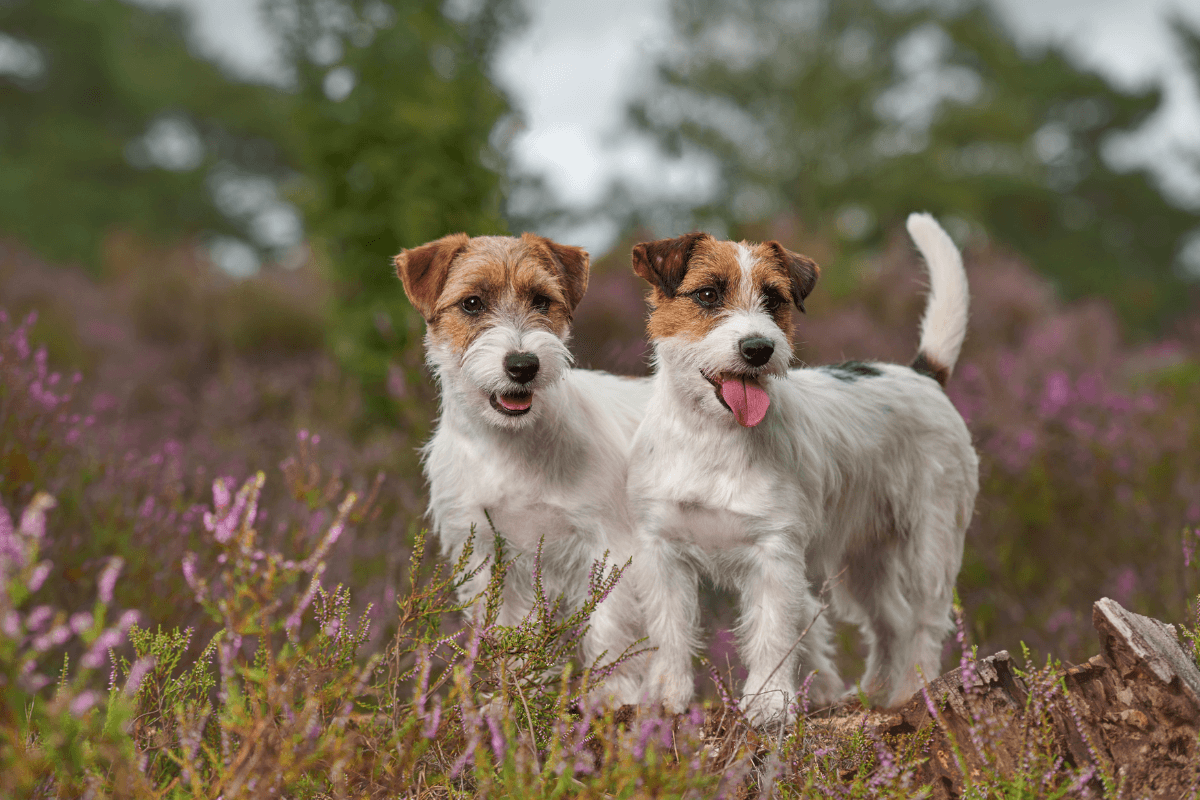
The Jack Russell Terrier, often called the JRT, is a lively and determined little dog known for its boundless energy, cleverness, and bold nature. Despite their small size, these dogs have huge personalities and are full of life, making them the perfect match for active and fun-loving owners.
This breed has its roots in 19th-century England, where Reverend John Russell bred them to hunt foxes. Their sharp instincts, endless energy, and quick reflexes made them excellent hunting companions. Jack Russells were designed to navigate tough terrain and squeeze into tight spaces to track and chase prey.
Today, the Jack Russell Terrier is just as popular as a family companion as it is a working dog. They’re playful, loyal, and incredibly smart, making them a great fit for those who can keep up with their energy. Whether running in the field or playing in the backyard, the Jack Russell Terrier is sure to bring joy and excitement wherever they go.
Jack Russell Terrier Appearance
Jack Russell Terriers may be small, but they’re built like little athletes. They’re sturdy, compact, and ready for action, with a sharp, alert look that shows just how clever they are.
Size: These small dogs typically stand 25–30 cm tall at the shoulder and weigh around 5–6 kg, with females being slightly smaller.
Coat: Their coats come in three types smooth, rough, or broken and are always dense and weatherproof. This helps them tackle outdoor adventures, no matter the conditions.
Distinctive Features: With their bright, almond-shaped eyes and lively expressions, Jack Russells always look ready for their next adventure. Their small, mobile ears (button or dropped) and straight tails add to their confident and energetic appearance.
Built for Action: Jack Russells have strong legs, a muscular body, and plenty of agility. Whether running, jumping, or darting after a ball, they move with speed and precision that’s a joy to watch.
Jack Russell Terrier History
The Jack Russell Terrier has a fascinating history that reflects its role as a hardworking and determined dog.
Early Beginnings: The breed was created in the early 1800s by Reverend John Russell, who wanted a small, energetic terrier to help him hunt foxes. These dogs were bred to be tough, smart, and full of stamina.
Fox Terrier Roots: Jack Russells share ancestry with fox terriers, but they were specifically bred to focus on hunting abilities and adaptability in tricky environments.
Global Appeal: While originally a working dog, the Jack Russell Terrier’s smarts and lively nature quickly won over families. It’s now loved worldwide as both a pet and a competitor in dog sports.
Jack Russells in Australia: The breed arrived in Australia in the early 20th century and quickly became a favourite. Whether helping on farms or keeping families entertained at home, they’ve adapted wonderfully to both city and rural life.
Find Registered JRT Breeders or JRT Puppies for Sale
Jack Russell Terrier Personality
Jack Russell Terriers are full of life and character. They’re confident, smart, and affectionate, making them a great match for families who enjoy an active lifestyle.
- Bold and Brave: These little dogs don’t shy away from challenges. They’re fearless and protective, which also makes them excellent watchdogs.
- Smart and Curious: Jack Russells are quick learners who love solving problems. They thrive when given plenty of mental stimulation, like puzzle toys and training games.
- Friendly yet Independent: They adore their families but also have an independent streak, which can make training a fun challenge. Patience and consistency go a long way with this breed.
- Playful and Energetic: Jack Russells are always ready for fun! They need regular exercise, like long walks or active playtime, to stay happy and healthy.
Watchdog Tendencies:
- Alert and Observant: Jack Russell Terriers are always on high alert. Their keen senses mean they are constantly aware of their surroundings, ready to alert their family to any unusual activity. This makes them exceptional watchdogs, despite their small size.
- Protective Instincts: These terriers may be small, but their protective nature is mighty. They are territorial and will defend their home and family with determination. While they are loyal guardians, their boldness can sometimes make them wary of strangers.
- Territorial Awareness: Jack Russells are highly territorial and quick to bark at anyone approaching their property. Their vigilance ensures no potential threat goes unnoticed, making them reliable and fearless protectors.
Trainability:
- Highly Trainable: Thanks to their intelligence, Jack Russell Terriers are fast learners when it comes to new commands and tricks. However, their independent nature means they may not always obey immediately. Consistent, positive reinforcement works best for them.
- Need for Mental Stimulation: These dogs thrive on mental challenges. Puzzle toys, advanced training exercises, and interactive games are essential to keep their minds sharp. Without proper mental stimulation, they can become bored and may resort to chewing, digging, or other destructive behaviours.
- Positive Reinforcement: The best way to train a Jack Russell Terrier is through rewards like treats, praise, or toys. Harsh training methods can damage their trust and confidence, so a kind, consistent approach is key to their success.
Love of Attention:
- Devoted Companions: Jack Russells form strong bonds with their families. While independent, they crave human interaction and love being included in family activities. Their playful and affectionate nature makes them wonderful companions for active households.
- Need for Regular Exercise: These energetic dogs aren’t happy lounging around all day. They need daily exercise, whether it’s a long walk, a run, or a play session, to burn off their endless energy. Regular activity is essential for their physical and mental well-being.
- Separation Anxiety: Jack Russells can develop separation anxiety if left alone for extended periods. Their strong attachment to their family means they thrive on companionship. To prevent negative behaviours when they’re alone, ensure they receive plenty of attention and stimulation when you’re home.
Jack Russell Terrier as Family Pets
Jack Russell Terriers can be fantastic family pets for the right household. With their boundless energy, intelligence, and affectionate nature, they make wonderful companions. However, they thrive in homes that provide consistent training, mental stimulation, and an active lifestyle.
Good with Kids? Yes, But Supervision is Key
- Energetic Playmates: Jack Russells are generally good with children, especially when socialised from an early age. Their playful and patient nature makes them lively companions for kids. However, due to their high energy and small size, it’s crucial to supervise interactions to ensure both the dog and child are safe. Proper introductions and teaching children how to interact with pets will foster a great relationship.
- Training and Boundaries: While Jack Russells are friendly, their bold and independent streak requires clear boundaries. Teaching both children and the dog how to engage respectfully will help build a harmonious and safe environment for everyone.
With Other Pets? Needs Socialisation
- Early Socialisation: Jack Russells can get along with other pets if they’re socialised from a young age. However, their strong prey drive and terrier instincts can make interactions with smaller animals tricky. Consistent exposure to other pets in controlled environments is key to reducing potential conflicts.
- Same-Sex Aggression: Like many terriers, Jack Russells may show aggression toward dogs of the same sex. Gradual and patient introductions, combined with proper training, will help ensure peaceful coexistence.
Energy Level: High and Unwavering
- Active Lifestyle Required: Jack Russells are not suited to laid-back households. They need plenty of physical and mental stimulation to stay happy and well-behaved.
- Daily Exercise: These energetic dogs need at least an hour of exercise every day, including walks, runs, or playtime. Without enough activity, they can become bored and develop destructive habits like digging or chewing.
- Mental Stimulation: Alongside physical exercise, Jack Russells thrive on mental challenges. Puzzle toys, obedience training, and games that test their problem-solving skills are essential to keep their sharp minds engaged.
The Joys of a Jack Russell Terrier in Your Family
- Loyal and Affectionate: Jack Russells form strong bonds with their families and love being involved in daily activities. Their affectionate and playful nature makes them a joy to have around.
- Courageous and Confident: These fearless dogs make excellent watchdogs, with their bold personalities and natural protective instincts.
- Quick Learners: Highly intelligent, Jack Russells enjoy learning new tricks and commands. They respond well to positive reinforcement and thrive in training sessions that challenge their minds.
Bringing a Jack Russell Terrier into your family is a rewarding experience, but it requires commitment. For active and engaged households, they bring endless energy, love, and loyalty.
Find Registered JRT Breeders or JRT Puppies for Sale
Jack Russell Terrier Health & Care
Jack Russell Terriers are a healthy and active breed, but like all dogs, they can be prone to certain health conditions. Awareness of these issues, combined with regular veterinary care, will ensure they lead a happy and healthy life.
Potential Health Concerns
- Primary Lens Luxation: An inherited eye condition where the lens can slip out of place and cause sudden pain/vision loss
- Hyperuricosuria: A recessive condition that leads to high urinary uric acid and bladder/urate stones
- Progressive Rod Cone Degeneration (prcd) - PRA: A genetic retinal disease causing gradual night-then-day blindness
DNA tests are available to breeders and owners to understand if a dog is at risk of a genetic disease.
Care Requirements
- Exercise Needs: Jack Russells need at least an hour of exercise daily to burn off their abundant energy. Activities like running, hiking, or participating in dog sports are great ways to keep them fit and happy.
- Grooming: Grooming requirements depend on their coat type. Smooth-coated Jack Russells need occasional brushing, while rough-coated ones require more frequent grooming to prevent matting. Regular ear cleaning and nail trimming are also important.
- Training and Socialisation: Early training and socialisation are essential for this intelligent and independent breed. They respond well to positive reinforcement, and consistent training will help manage their high energy and strong will. Introducing them to a variety of environments and other animals early on will ensure they grow into confident and well-behaved companions.
- Allergies: Jack Russells may develop food or environmental allergies, resulting in itching, skin irritation, or gastrointestinal issues. Identifying triggers and working with a vet can help manage symptoms.
- Dental Health: Like many small breeds, Jack Russells are prone to dental problems, including plaque buildup. Regular brushing and dental care are essential.
By staying proactive about health care and meeting their exercise and mental stimulation needs, Jack Russell Terriers can live long, healthy, and active lives. Regular vet checkups, a balanced diet, and an engaging lifestyle are the keys to ensuring your Jack Russell thrives.
Caring for your Jack Russell Terrier
Caring for your Jack Russell Terrier involves a balanced and dedicated approach to ensure they stay healthy, happy, and full of energy. This lively breed thrives with regular care, proper nutrition, mental stimulation, and plenty of physical activity.
Regular Vet Visits
Routine check-ups with your veterinarian are essential for monitoring your Jack Russell's health. These visits should cover vaccinations, parasite prevention, and dental care. Annual exams help detect potential issues early and ensure your dog remains in excellent shape throughout their life.
Nutritious Diet
A high-quality diet is vital for your Jack Russell's well-being. Opt for dog food designed for small to medium breeds, with the right balance of protein, fat, and carbohydrates. Portion control is crucial to prevent obesity, which can lead to joint problems and other health concerns. Your vet can recommend the best feeding routine and portion sizes tailored to your dog’s needs.
Exercise for Body and Mind
Jack Russell Terriers are energetic and need regular exercise to stay physically and mentally fit. Aim for at least an hour of activity each day, including walks, games, and interactive training. They also thrive on mental stimulation, so provide puzzle toys, obedience training, and problem-solving games to keep their sharp minds engaged.
Grooming Needs
The grooming requirements for Jack Russells depend on their coat types. Smooth-coated Jack Russells require minimal brushing, while rough and broken coats need regular brushing to prevent matting. Routine ear checks, nail trimming, and occasional baths will keep your dog clean, comfortable, and healthy.
Mental Stimulation
As an intelligent breed, Jack Russells need mental challenges to prevent boredom and avoid destructive behaviours such as chewing or digging. Training exercises, learning new tricks, and engaging in interactive play are excellent ways to keep them mentally stimulated and happy.
Monitoring for Health Changes
Stay vigilant for any changes in your Jack Russell’s behaviour, appetite, energy levels, or physical condition. Early detection of health concerns, such as limping, vision changes, or hearing issues, allows for timely treatment. Always consult your vet if you notice anything unusual.
By providing regular vet visits, a nutritious diet, daily exercise, and plenty of mental stimulation, you can ensure your Jack Russell Terrier leads a long, healthy, and fulfilling life. Their affectionate and energetic nature makes them ideal companions for families who can meet their needs.
Jack Russell Terrier Grooming
Jack Russell Terriers have varying grooming needs depending on their coat type (smooth, rough, or broken). A consistent grooming routine keeps their coat healthy, minimises shedding, and ensures your dog stays comfortable.
Regular Brushing
Smooth Coats: Require weekly brushing to remove loose hair and maintain their sleek appearance.
Rough and Broken Coats: Need brushing 2-3 times a week to prevent matting and tangles. Regular brushing also stimulates the skin and supports healthy hair growth.
Bathing
Jack Russells don’t need frequent baths. Bathing every 2-3 months or as needed is sufficient, especially if they’ve been playing outdoors. Use a mild, dog-specific shampoo to maintain the natural oils in their coat and prevent dryness. Over-bathing can strip these oils and lead to skin irritation.
Nail Trimming
Trim your Jack Russell’s nails every 3-4 weeks to prevent overgrowth, which can cause discomfort or injury. If you’re unsure about trimming their nails yourself, seek help from a professional groomer or vet.
Ear Cleaning
Check and clean your Jack Russell’s ears regularly to prevent infections. Use a vet-approved ear cleaner and a cotton ball to gently wipe the outer ear canal. Avoid inserting anything into the ear to prevent damage. Keeping their ears clean reduces wax buildup and helps prevent infections.
By maintaining a consistent grooming routine, you’ll keep your Jack Russell Terrier looking and feeling their best. Grooming also provides an opportunity to check for skin issues, parasites, or other health concerns, ensuring your dog stays healthy and comfortable.
Find Registered JRT Breeders or JRT Puppies for Sale
Is a Jack Russell Terrier Right For You?
The Jack Russell Terrier is a lively, intelligent, and fearless breed that thrives in active and engaging environments. With their boundless energy, sharp mind, and bold personality, they can be a fantastic addition to the right home.
However, they are not a one-size-fits-all breed. Before bringing a Jack Russell into your family, it’s important to consider your lifestyle and expectations to ensure a harmonious match.
The Ideal Jack Russell Terrier Owner:
- Active and Engaged: Jack Russells are energetic dogs that need both physical and mental stimulation every day. The ideal owner enjoys daily walks, playtime, and interactive games. These dogs are not suited to a sedentary lifestyle or households where their activity needs may be overlooked.
- Experienced Dog Owner: With their independent and strong-willed nature, Jack Russells are best suited to experienced owners. First-time dog owners may find their bold personality challenging. Experienced owners, on the other hand, will appreciate their intelligence and know how to provide consistent training and leadership.
- Dedicated to Training and Mental Stimulation: Jack Russells thrive when their minds are kept active. The ideal owner enjoys training sessions, puzzle toys, and games that challenge the dog mentally. Owners who engage in dog sports or advanced obedience training will find this breed particularly rewarding.
- Seeking a Loyal, Fun Companion: Jack Russells are affectionate and loyal dogs with a playful and fun-loving personality. They are great companions for those who value their adventurous nature and can match their energy with patience and love.
Not Ideal If:
- You Have a Sedentary Lifestyle: Jack Russells need consistent exercise and mental challenges. If your lifestyle doesn’t allow for daily walks or play, this breed might not be the best fit.
- You Lack Experience with Dogs: While intelligent and eager to learn, Jack Russells require consistent training and firm leadership. Their independent streak can be overwhelming for first-time owners.
- You Have Young Children: Although Jack Russells can be good with kids, their high energy levels and bold nature may be too much for very young children. They may also display herding behaviours, like nipping, which could be problematic. Supervision and training are crucial in homes with toddlers.
- You Travel Frequently: Jack Russells form strong bonds with their families and do not do well when left alone for long periods. If your lifestyle involves frequent travel or extended absences, this breed may struggle with separation anxiety.
Crucial Considerations:
- Exercise and Mental Stimulation: Be prepared to provide at least an hour of daily exercise. Alongside physical activity, Jack Russells need mental stimulation through training, puzzle toys, or interactive play.
- Training and Socialisation: Early socialisation and consistent training are essential. Without proper guidance, Jack Russells can develop stubborn or undesirable behaviours.
- Grooming Needs: Jack Russells may have smooth, rough, or broken coats, each requiring varying levels of grooming. Regular brushing and routine ear cleaning help keep them healthy and comfortable.
- Potential Health Issues: While generally healthy, Jack Russells can be prone to conditions like patellar luxation, deafness, and Legg-Calvé-Perthes disease. Regular vet checkups and a balanced lifestyle are important for maintaining their health.
If you’re searching for an intelligent, loyal, and energetic companion who will keep you on your toes both mentally and physically, the Jack Russell Terrier might be the perfect match. With the right care and attention, this bold little dog will reward you with a lifetime of adventure, affection, and unwavering devotion.
Importance of a Reputable Jack Russell Terrier Breeder
Choosing a reputable breeder is essential for ensuring the health, temperament, and overall well-being of your Jack Russell Terrier.
Ethical breeders prioritise responsible breeding practices, helping to produce healthy, well-adjusted dogs. Selecting a responsible breeder lays the foundation for a successful and long-term relationship with your new companion.
Key Practices of a Reputable Breeder
Health Testing:
Reputable breeders conduct thorough health screenings on their breeding dogs to reduce the risk of hereditary conditions. Ethical breeders are transparent about their dogs’ health histories and provide clear documentation, including health clearances and test results.
Temperament Assessment:
A responsible breeder evaluates the temperament of their breeding dogs to ensure they are producing confident, well-rounded puppies.
Jack Russells are lively and intelligent but can also be independent. It’s important that the parent dogs exhibit stable and balanced personalities. This ensures puppies are not only healthy but also have the temperament needed to thrive in their new homes.
Early Socialisation and Enrichment:
Early socialisation is crucial for a puppy’s development, and reputable breeders understand this.
Puppies raised in a loving and stimulating environment, exposed to different people, animals, and experiences, are more likely to grow into confident and adaptable adults. By focusing on socialisation, breeders help set their puppies up for success in new environments.
How to Find a Reputable Breeder
Do Your Research:
Begin by exploring breed-specific clubs and associations, such as the Jack Russell Terrier Club of NSW. These organisations often provide lists of reputable breeders who adhere to ethical practices and guidelines. You can also find all Registered Jack Russell Terrier Breeders in Australia on Dogz Online
Ask Questions:
Don’t hesitate to ask breeders about their health testing protocols, socialisation methods, and the temperament of the puppies’ parents. A responsible breeder will welcome these questions and provide clear, honest answers.
Visit the Breeder’s Facility:
Whenever possible, visit the breeder’s facility in person. This gives you the opportunity to see how the puppies are raised, meet the parent dogs, and assess the environment. A reputable breeder’s facility will be clean, safe, and designed to support the puppies’ development.
Watch for Red Flags:
Be cautious of breeders who avoid answering your questions or fail to provide health and temperament information. Steer clear of breeders who prioritise sales over ensuring their puppies go to the right homes. The process should feel thorough and transparent, with a shared focus on the puppies’ well-being.
Choosing a reputable breeder ensures a healthy, well-adjusted Jack Russell Terrier with the temperament and health to be a loyal, loving companion for years to come.
How Long Does a Jack Russell Terrier Live For?
Jack Russell Terriers are spirited, fearless, and incredibly energetic—and they’re also one of the longer-lived breeds, with a typical lifespan of 13 to 16 years. With their boundless energy and love of play, they can be cheeky companions well into their golden years.
Adaptability
Adapts Well To
The Jack Russell Terrier is a highly adaptable breed that can thrive in various living environments.
However, due to their high energy levels and independent nature, it's essential to consider your lifestyle and living situation to ensure that both you and your dog are well-matched.
- Homes with Yards: Jack Russells thrive in houses with fenced yards where they can run, play, and explore. Regular play sessions in a safe space help channel their energy.
- Active Individuals or Families: This breed is perfect for those who enjoy outdoor adventures like hiking, running, or playing fetch. Jack Russells love being part of active lifestyles that keep them mentally and physically stimulated.
- Apartments or Smaller Spaces: While they can adapt to apartments, Jack Russells require daily exercise, mental stimulation, and outdoor time to prevent boredom. Apartment living works best with owners who can commit to fulfilling these needs.
Important Considerations:
- Exercise Needs: At least an hour of daily exercise, including walks, play, and training, is crucial to prevent behavioural issues.
- Training and Socialisation: Early and consistent training, combined with socialisation, helps them grow into well-behaved companions.
- Mental Stimulation: Provide puzzle toys, interactive games, and training sessions to keep their sharp minds engaged.
- Grooming: Regular brushing, especially for rough-coated Jack Russells, ensures a healthy coat.
Jack Russells can adapt to various living situations if their physical and mental needs are met. With proper care, they thrive in homes with active owners who provide the attention and engagement they require.
Adapts Less Well To
Small Apartments: Limited space can make it challenging to meet their energy needs. Without enough exercise and stimulation, boredom and destructive behaviours may arise.
Sedentary Lifestyles: This high-energy breed is unsuitable for inactive homes. They need consistent physical and mental activity to stay happy and healthy.
Inexperienced Owners: Jack Russells require firm, consistent training and socialisation. Their independent and strong-willed nature can be challenging for first-time dog owners.
Potential Solutions for Apartment Living
- Exercise Needs: Jack Russells require at least an hour of daily activity to stay happy and healthy. Without it, they may develop behavioural issues like barking or digging.
- Training and Socialisation: Early and consistent training helps manage their independent nature, while socialisation ensures they are confident and well-behaved.
- Mental Stimulation: Activities like obedience training, puzzle toys, and interactive play are essential for preventing boredom-related behaviours.
- Grooming: Regular brushing, particularly for rough-coated Jack Russells, keeps their coats healthy and manageable.
Important Considerations:
- Exercise and Mental Stimulation: Daily walks, runs, or trips to the dog park are essential, along with engaging activities like puzzle toys or obedience training.
- Training Consistency: Positive and consistent training methods are crucial to managing their bold nature.
- Behavioural Issues: Without proper exercise or structure, Jack Russells can develop undesirable behaviours like excessive barking, digging, or aggression.
Jack Russells are adaptable but require an environment that matches their active and intelligent nature. Ensuring their needs are met will help them thrive as loyal and happy companions.
Good for Novice Dog Owner
Jack Russell Terriers can be a great choice for novice dog owners who are active, committed, and ready to invest in training and socialisation. Though intelligent and eager to please, their energetic and independent nature may pose challenges. With the right dedication, this spirited breed can make a wonderful companion for first-time owners.
Challenges for Novice Owners
- Energetic and Lively: Jack Russells are high-energy dogs requiring daily physical exercise and mental stimulation. Without sufficient activity, they may develop destructive behaviours. Novice owners must be prepared for the time and effort needed to meet these needs.
- Independent Nature: While intelligent and trainable, they can also be stubborn. Without consistent boundaries, they may challenge inexperienced owners.
- Training and Socialisation: Their strong-willed nature requires consistent training from an early age. Novice owners should use positive reinforcement, provide mental challenges, and prioritise early socialisation to prevent behavioural issues.
Who Can Succeed with a Jack Russell Terrier
- Active and Committed Owners: Novice dog owners who are ready to provide daily exercise, structured training, and mental enrichment are well-suited for this breed.
- Energetic Families or Individuals: Active families with older children or individuals who enjoy outdoor activities will find Jack Russells to be enthusiastic companions.
- Owners Invested in Training: Success comes with prioritising obedience training and socialisation. Owners willing to attend classes or work with trainers will build a strong bond with their dog.
Ownership Impact
- Consistency in Training: Jack Russells thrive with clear rules and boundaries. Patience and a firm but positive training approach are crucial to avoid undesirable behaviours.
- Exercise and Mental Stimulation: Daily walks, interactive games, and training sessions are essential for keeping them happy and engaged.
- Patience and Commitment: Novice owners should be prepared for a learning curve. A Jack Russell’s energy and personality require dedication and time, but the rewards are well worth the effort.
Jack Russells can be an excellent choice for first-time owners who are ready to meet their exercise and training needs. With commitment and consistency, they make loyal, energetic, and highly rewarding companions.
Sensitivity Level
Sensitivity
Jack Russell Terriers are highly intelligent, energetic, and confident dogs. While they are generally bold and fearless, they can also be quite sensitive to their environment and the emotions of their owners. Understanding their sensitivity is important for creating a strong, trusting bond and ensuring their emotional well-being.
What Makes Jack Russells Sensitive
- Strong Bond with Owners: They are deeply loyal and perceptive, often mirroring their owner’s emotions. A calm and stable environment helps them feel secure.
- Highly Reactive to Changes: Their alert nature makes them sensitive to loud noises, unfamiliar visitors, or disruptions in routine, which can lead to anxiety.
- Individual Differences: Sensitivity levels vary; some may be more resilient, while others may react strongly to new environments or noises.
Ownership Impact
- Calm and Consistent Leadership: Providing a predictable routine and clear boundaries helps them feel secure.
- Positive Reinforcement: Gentle training with rewards builds confidence, while harsh methods can damage trust.
- Socialisation and Exposure: Early socialisation reduces sensitivity to new environments and people, fostering confidence.
- Understanding Their Cues: Signs of stress, such as excessive barking or chewing, should be addressed with reassurance and a calming environment.
Important Considerations
- Noise Sensitivity: Offer a quiet, secure space during stressful events like fireworks or thunderstorms.
- Separation Anxiety: Their strong attachment to family makes them prone to anxiety when left alone for long periods. Gradual desensitisation and training can help.
- Patience and Understanding: Their sensitivity reflects their emotional connection to their family, making patience and reassurance essential for a strong bond.
Positive Side of Sensitivity
Jack Russells’ sensitivity enhances their loyalty and deepens their connection with their owners. By nurturing this bond, they become devoted and loving companions.
Tolerates Being Alone
Jack Russell Terriers are lively, intelligent, and highly social dogs that thrive on family interaction. While they are confident and independent in many ways, they are not well-suited to long periods of solitude. Their high energy and social nature require regular companionship and mental stimulation to remain happy and well-adjusted.
Social Needs and Challenges
- Strong Bonds with Family: Jack Russells form close attachments to their owners and enjoy being involved in daily activities. Long periods of isolation can make them feel anxious and stressed.
- Prone to Separation Anxiety: Prolonged absences may lead to destructive behaviours, such as chewing, barking, or house soiling, as they struggle to cope with separation.
- Boredom and Restlessness: Without sufficient exercise and mental stimulation, boredom can result in frustration and negative behaviours like digging or excessive chewing.
Ownership Impact
- Consider Your Schedule: If you work long hours or have a busy lifestyle, a Jack Russell may not be the best fit unless you can arrange regular companionship. They thrive in homes where someone is frequently available to provide attention.
- Training and Preparation: Early training to tolerate short periods alone is essential. Gradually increase time apart, and use interactive toys or puzzles to keep them mentally engaged.
- Mental and Physical Enrichment: Ensure your Jack Russell gets ample exercise before being left alone. Activities like walks, playtime, and training sessions can help reduce anxiety and destructive tendencies.
- Alternatives: If you’re frequently away, consider hiring a dog walker, arranging for a pet sitter, or enrolling your dog in daycare. A second dog may also help alleviate loneliness in some cases.
Important Notes
- Individual Differences: While most Jack Russells are highly social, some may be more independent. Assess your dog’s temperament to meet their specific needs.
- Proper Training: Crate training or designating a calm, secure area for alone time can reduce anxiety and make them feel safe when left alone.
Jack Russell Terriers need companionship and regular interaction. Understanding their social and mental stimulation needs will ensure they remain happy, content, and well-behaved even when you’re away.
Tolerates Hot Weather
Jack Russell Terriers, with their dense coats and high energy levels, are better suited to cooler climates but can adapt to moderate warmth. However, excessive heat poses risks, and proper precautions are essential to keep them safe and comfortable.
Heat Sensitivity
- Risk of Overheating: Jack Russells’ energetic nature makes them prone to overheating, especially during strenuous activity in hot weather. Their coats, whether smooth, rough, or broken, can trap heat, increasing the risk of heatstroke.
- Signs of Overheating: Watch for symptoms such as excessive panting, drooling, lethargy, disorientation, or vomiting. These require immediate action. Cool them down with water, move them to a shaded area, and seek veterinary care if symptoms persist.
Ownership Impact
- Limit Outdoor Activity: Avoid vigorous exercise during the hottest parts of the day. Opt for early morning or late evening walks and play sessions when temperatures are cooler.
- Provide Shade and Water: Ensure constant access to fresh, cool water and shaded areas, especially when outdoors.
- Never Leave Them in a Car: Like all dogs, Jack Russells should never be left in parked cars, as temperatures can rise rapidly, even on mild days, leading to life-threatening heatstroke.
- Cooling Options: Use cooling mats, vests, or bandanas to help regulate their body temperature during hot weather. These tools are particularly helpful after play or during travel in warm conditions.
Important Notes
- Individual Tolerance: While some Jack Russells may handle warmth better than others, all are vulnerable to extreme heat. It’s crucial to avoid putting them in situations that may lead to overheating.
- Hydration and Rest: Ensure plenty of opportunities for hydration and rest. Even a typically active Jack Russell can become dehydrated and fatigued quickly in hot weather.
- Consider the Climate: If you live in a hot climate, take extra precautions to provide a comfortable environment. Jack Russells generally thrive in temperate climates.
Jack Russell Terriers enjoy being active and outdoors, but they require additional care during hot weather. By preventing overheating and recognising signs of distress, you can keep your Jack Russell safe, happy, and healthy, even in the summer months.
Tolerates Cold Weather
Jack Russell Terriers, with their energetic nature and adaptability, can handle moderate cold but are not built for extreme winter conditions. Their small size and shorter coats make them more sensitive to chilly weather, requiring extra care in colder climates.
Cold Weather Tolerance
- Moderate Cold Tolerance: Jack Russells can manage in cooler temperatures but are not suited for prolonged exposure to freezing conditions. Their coats provide limited insulation compared to double-coated breeds.
- Signs of Cold Discomfort: Look for shivering, paw lifting, or seeking shelter as signs your Jack Russell is feeling the cold. If these occur, bring them indoors to warm up.
Ownership Impact
- Limit Outdoor Time: Keep outdoor activities shorter in colder months, especially in extreme temperatures. Short walks and playtime are fine, but avoid overexposure to the cold.
- Warm Shelter and Protection: Ensure they have access to a warm, dry shelter when outside. Use dog coats or sweaters to keep them warm during walks.
- Paw Protection: Their small paws are susceptible to frostbite and irritation from ice or de-icing chemicals. Protective dog booties can help keep their paws safe.
Important Notes
- Individual Differences: Some Jack Russells may tolerate cold better than others, but their small size and thin coat generally make them more suited to mild climates.
- Indoor Comfort: Provide a warm indoor environment with fresh water to keep them comfortable during cold weather.
- Active Temperament: Despite the cold, Jack Russells need regular exercise and mental stimulation. Ensure they are adequately dressed and limit outings during harsh weather.
Jack Russells can adapt to moderate cold with the right precautions but are not suited to extreme winter conditions. Providing warmth, limiting outdoor exposure, and protecting their paws will keep your Jack Russell comfortable, safe, and happy during chilly weather.
Friendliness
Affectionate with Family
Jack Russell Terriers may be bold and fearless, but they form strong bonds with their families and are surprisingly affectionate.
- Loyal and Devoted: They bond deeply with their owners and enjoy being involved in family activities, showcasing loyalty and dedication as loving companions.
- Affectionate but Independent: While not overly clingy, Jack Russells display affection in their own way, such as following you around or curling up nearby during quiet moments.
- Energetic and Playful: Their playful nature makes them fantastic companions for interactive games like fetch or tug-of-war, keeping the family entertained and engaged.
- Protective and Alert: Despite their small size, Jack Russells are protective of their families and make excellent watchdogs with their keen instincts.
Ownership Impact:
- Regular interaction, consistent training, and mental stimulation strengthen their bond with you.
- Providing structured playtime and clear boundaries ensures they express affection appropriately and remain happy and well-adjusted.
Jack Russells’ loyalty, energy, and affectionate nature make them wonderful companions for families who are active and attentive to their needs.
Kid-Friendly
Jack Russell Terriers are energetic and friendly dogs that can be excellent companions for children, but their spirited nature requires careful management.
- Supervision is Important: Their bold personality and high energy may overwhelm younger kids. Supervised interactions prevent rough play or accidental nipping.
- Training and Socialisation: Teaching them boundaries early helps them behave appropriately around children.
- Teach Children Proper Interaction: Kids should approach calmly, avoid rough handling, and respect the dog’s space, particularly during mealtimes or rest.
- Adaptable and Playful: Jack Russells enjoy interactive games and can be great playmates for older children, provided activities are structured and not overly exciting.
Ownership Impact:
- Active families with older kids who enjoy outdoor activities like hiking or running will find a Jack Russell to be a spirited companion.
- Consistent training and teaching mutual respect between kids and the dog ensure a safe and enjoyable relationship.
With proper training and supervision, Jack Russells can thrive in families with children, becoming loyal and playful lifelong companions.
With Other Pets
Jack Russell Terriers can coexist with other pets, but their high energy, prey drive, and confident nature require proper socialisation and management.
- Socialisation and Training: Early, gradual introductions in controlled environments help them learn to interact respectfully with other pets.
- Predatory Instincts: As natural hunters, Jack Russells may display interest in small animals like cats, rabbits, or rodents. Training and supervision are essential to manage this behaviour.
- Supervision and Management: Initial interactions with other pets should be supervised to prevent conflicts. Positive reinforcement encourages good habits.
- Same-Sex Aggression: They may exhibit aggression toward dogs of the same sex. Socialisation and managing interactions can reduce these tendencies.
- Ideal Pet Environment: They thrive in homes with clear leadership and boundaries, making them more manageable in multi-pet households.
With the right training and supervision, Jack Russells can adapt to living with other pets. Early exposure and patience are key to fostering peaceful relationships in multi-pet homes.
Friendly Toward Strangers
Jack Russells are generally friendly and confident but can be cautious around strangers due to their bold nature.
- Alert but Not Aloof: They tend to assess new people with curiosity and alertness rather than aggression.
- Socialisation and Training: Early exposure to various people and environments helps them remain calm and approachable.
- Confident but Cautious: While they may be reserved initially, controlled introductions in a secure setting help them warm up to strangers.
- Controlled Introductions: Calm, gradual introductions ensure they feel comfortable and respond positively.
Proper socialisation and understanding their bold nature can help Jack Russells become friendly companions who approach strangers with confidence rather than fear.
Health & Grooming
Amount of Shedding
Jack Russell Terriers are moderate shedders, with their shedding level depending on coat type and season.
- Coat Variations: Smooth coats shed moderately, while rough and broken coats require more maintenance to manage shedding.
- Seasonal Shedding: They shed more heavily during spring and fall when adapting to temperature changes.
- Not Hypoallergenic: Their shedding may trigger allergies in sensitive individuals.
Ownership Impact:
- Regular brushing (smooth coats weekly, rough coats more frequently) reduces shedding.
- Use vacuum cleaners and lint rollers to manage dog hair around the house.
- Occasional professional grooming is helpful for rough or broken coats during shedding seasons.
With consistent grooming habits, Jack Russells’ shedding is manageable, ensuring a clean and comfortable environment.
Drooling Potential
Jack Russells are low-drooling dogs, making them relatively clean and easy to maintain.
- Occasional Drool: Mild drooling may occur when excited or anticipating food, but excessive drooling is uncommon.
- Health Concerns: Unusual drooling can signal dental issues, nausea, or other health problems, warranting a vet visit.
Ownership Impact:
- Minimal drool makes Jack Russells a tidy choice for owners.
- Monitoring their health ensures drooling remains a minor issue.
Jack Russells’ low drooling potential makes them a clean and low-maintenance breed in this respect.
Easy to Groom
Jack Russells are relatively easy to groom, with straightforward requirements to maintain their coat and health.
- Regular Brushing: Brush a few times a week to manage shedding and keep their coat shiny, especially during seasonal sheds.
- Bathing: Bathe every 2-3 months or as needed using mild dog shampoo.
- Ear and Nail Care: Check and clean ears regularly, and trim nails to avoid discomfort or infections.
Ownership Impact:
- Grooming is quick and manageable, requiring basic tools like a slicker brush, ear cleaner, and nail clippers.
- Their weatherproof coats are designed for durability and require minimal upkeep.
Jack Russells’ low grooming demands make them an ideal choice for owners seeking a breed that’s easy to care for while still looking its best.
General Health
Jack Russell Terriers are generally healthy, energetic dogs with a long lifespan. However, like all breeds, they are predisposed to certain health issues. Proactive care and informed ownership are essential for their well-being.
Potential Health Concerns
- Primary Lens Luxation: An inherited eye condition where the lens can slip out of place and cause sudden pain/vision loss
- Hyperuricosuria: A recessive condition that leads to high urinary uric acid and bladder/urate stones
- Progressive Rod Cone Degeneration (prcd) - PRA: A genetic retinal disease causing gradual night-then-day blindness
The Role of Reputable Breeders
Choosing a reputable breeder who prioritises health testing can minimise the risk of inherited conditions. Ethical breeders screen for genetic health issues and provide transparency about the health history of their dogs.
Ownership Impact
- Routine Veterinary Care: Regular checkups ensure early detection of health issues and help maintain overall wellness.
- Healthy Diet and Exercise: A balanced diet and regular physical activity are essential for their active lifestyle and overall health.
- Health Screenings: Regular evaluations, including hip and eye exams, can help manage breed-specific concerns.
- Financial Preparedness: Plan for preventive care, treatments, and potential medical expenses. Consider pet insurance for unexpected costs.
With proper care, Jack Russells can enjoy a long, healthy, and active life. Being proactive about their health ensures they remain your energetic and loyal companion.
Potential for Weight Gain
Jack Russell Terriers are active dogs not typically prone to weight gain, but poor diet and insufficient exercise can lead to obesity, affecting their mobility and overall health.
Factors Contributing to Weight Gain
- Overfeeding: Small dogs like Jack Russells require measured portions. Overfeeding or excessive treats can quickly lead to weight issues.
- Reduced Activity: As they age or if exercise decreases, weight gain can occur. Adjusting their diet and ensuring regular activity is essential.
- Medical Conditions: Health issues like hypothyroidism may contribute to weight gain. Sudden changes in weight should prompt a vet visit.
Ownership Impact
- Portion Control: Measure food portions according to age, size, and activity level. Consult your vet for tailored feeding recommendations.
- Healthy Treats: Opt for low-calorie snacks, like small pieces of fruits or vegetables, to keep calorie intake balanced.
- Regular Exercise: Daily walks, interactive play, and agility training keep Jack Russells fit and maintain their natural energy levels.
- Weight Monitoring: Regularly check their weight and body condition, adjusting their diet or activity as needed based on veterinary advice.
Maintaining a healthy weight is critical for your Jack Russell’s quality of life. Proper diet, exercise, and monitoring help prevent health issues and ensure a long, active life.
Trainability
Why They’re Trainable
Jack Russell Terriers are highly intelligent and eager learners, making them one of the most trainable breeds. Their sharp minds and energetic nature allow them to excel in various activities, but they also require consistent mental and physical stimulation to prevent boredom and maintain good behaviour.
- High Intelligence: Jack Russells are quick learners, thriving in challenging environments like obedience training, agility, and dog sports.
- Motivated by Rewards: They respond well to positive reinforcement, including praise, treats, and playtime, making training enjoyable for both dog and owner.
- Versatile Skills: Their trainability allows them to excel in hunting, competitions, and as companions in active households.
Challenges in Training
- High Energy: Their energy levels require regular exercise and mental stimulation; without it, they may become bored and destructive.
- Independent Nature: They can be stubborn and test boundaries, needing consistent leadership to stay on track.
- Sensitivity: Jack Russells don’t respond well to harsh training methods, so patience and positive reinforcement are essential.
Ownership Impact
- Early Training and Socialisation: Starting early helps them grow into well-mannered, confident dogs.
- Mental Stimulation: Puzzle toys, interactive games, and regular training sessions keep their minds sharp and engaged.
- Consistency: Firm but fair boundaries ensure they understand expectations and thrive in their environment.
With proper training, patience, and mental stimulation, Jack Russells can become exceptional companions who enjoy learning and excelling in various tasks.
Intelligence
Intelligence
Jack Russell Terriers are renowned for their intelligence and problem-solving skills, making them quick learners and highly trainable. Their sharp minds and curiosity make them thrive in environments that challenge their abilities.
Why They’re Intelligent
- Quick Learners: They excel at picking up commands, tricks, and new activities.
- Natural Problem Solvers: Their ability to think through challenges makes them ideal for agility courses, hunting, and other activities requiring quick thinking.
- Eager to Please: Despite their independent streak, they enjoy pleasing their owners when training involves rewards and positive reinforcement.
Challenges of Intelligence
- Energy and Stimulation Needs: Without sufficient challenges, their intelligence can lead to boredom and unwanted behaviours.
- Independence: They may test boundaries, requiring consistent leadership and patience.
- Easily Distracted: Their curiosity can make them lose focus, so controlled environments are ideal for training.
Ownership Impact
- Early Training: Begin training young to channel their intelligence constructively.
- Positive Reinforcement: Use rewards, praise, and toys to keep them engaged during learning sessions.
- Mental Stimulation: Regularly introduce new activities and challenges to prevent boredom.
Jack Russells’ intelligence is one of their greatest assets, but it requires consistent engagement to fully harness their potential.
Potential for Mouthiness
Jack Russell Terriers are naturally playful and curious, which can sometimes lead to mouthy behaviour. This is common in puppies but can be managed effectively with training.
Why They Mouth
- Exploration: Puppies often use their mouths to explore their surroundings.
- Playfulness: Jack Russells may nip or mouth during energetic play.
- Hunting Instincts: Their natural prey drive can manifest as mouthing toys or nipping during play.
Managing Mouthiness
- Early Training: Teach bite inhibition and appropriate play behaviours from a young age.
- Positive Reinforcement: Redirect mouthing to toys and reward gentle behaviour with praise or treats.
- Chew Toys: Provide safe, durable toys to satisfy their chewing instincts.
- Supervision: Monitor interactions with children and pets to ensure play remains gentle.
Understanding their natural tendencies and offering appropriate outlets for energy and exploration helps prevent excessive mouthiness and ensures your Jack Russell is well-behaved.
Prey Drive
Jack Russell Terriers have a strong prey drive, a natural trait rooted in their history as hunting dogs. Their instincts make them highly alert and eager to chase small animals or moving objects.
Hunting and Instincts
- Chasing Instinct: Bred to hunt small game, they are quick to pursue squirrels, birds, or toys.
- Focus on Movement: Their prey drive is triggered by fast motion, making them energetic and determined.
- Terrier Nature: Their unrelenting drive is part of their bold and lively personality.
Ownership Impact
- Leash Training: Essential to keep them safe, especially around wildlife or in open areas.
- Supervision: Monitor outdoor play to prevent unwanted chasing or escape attempts.
- Commands: Teach commands like "leave it" or "come" to manage their instinctual behaviours.
- Introducing Other Pets: Carefully supervise interactions with smaller pets to ensure safety.
Managing a Jack Russell’s prey drive requires training, supervision, and appropriate outlets for their instincts.
Wanderlust Potential
Jack Russells are curious explorers with a strong desire to roam, fueled by their hunting instincts and adventurous nature.
Curiosity and Exploration
- Born Explorers: Their curiosity drives them to investigate new scents, sights, and sounds.
- Hunting Instincts: Prey drive often leads them to chase animals or venture into unknown areas.
- Energetic Nature: Their boundless energy makes them eager to explore beyond their boundaries.
Ownership Impact
- Leash Training: Prevent wandering by keeping them on a leash during walks.
- Secure Fencing: Ensure high, dig-proof barriers to keep them safely contained.
- Stimulation: Provide mental and physical challenges to satisfy their curiosity and reduce wandering tendencies.
- Supervision: Keep a close eye on them outdoors, especially in unfamiliar settings.
With proper precautions and engagement, you can safely manage your Jack Russell’s love for adventure.
Tendency to Bark or Howl
Jack Russell Terriers are vocal dogs that use barking to express excitement, alertness, or a need for attention.
Barking Tendencies
- Alert Barking: Naturally protective, they bark to alert owners of strangers or changes in their environment.
- Excitement and Play: Barking often accompanies playtime or when they’re eager to engage.
- Attention-Seeking: They may bark to communicate their need for interaction or stimulation.
Ownership Impact
- Early Training: Teach them when barking is appropriate and introduce commands like "quiet."
- Mental Stimulation: Reduce unnecessary barking by keeping them engaged with toys and activities.
- Consistent Commands: Reinforce calm behaviour with positive reinforcement.
- Supervision: Manage barking in social settings to prevent disruptive behaviour.
Proper training and engagement can help control barking while allowing Jack Russells to express themselves appropriately.
Exercise Needs
Exercise Requirements
Jack Russells are high-energy dogs requiring substantial physical and mental activity to stay healthy and happy.
- Daily Activity: At least 60 minutes of exercise, including walks, playtime, or agility training.
- Variety: Activities like fetch, scent games, and obstacle courses keep them engaged.
- Mental Stimulation: Incorporate puzzle toys and training to challenge their minds.
Energy Levels
- Puppies: Frequent but shorter play sessions to avoid overexertion.
- Adults: Consistent, varied exercise to maintain fitness and mental well-being.
- Seniors: Adjust activity levels based on age and physical condition while ensuring regular movement.
Tailoring their exercise routine to their life stage ensures Jack Russells remain active, healthy, and happy.
Potential for Playfulness
Jack Russell Terriers are naturally playful, energetic, and eager to engage with their families, making playtime an essential part of their daily routine.
Playful Personalities
- Endless Energy: They love games like fetch, tug-of-war, or chasing toys.
- Love of Challenges: Their intelligence thrives on mentally stimulating activities like puzzle toys or hide-and-seek.
- Bonding Through Play: Playtime strengthens their bond with family members and provides training opportunities.
Ownership Impact
- Daily Play: Incorporate interactive games into their routine to meet their energy needs.
- Durable Toys: Provide sturdy toys for chewing and playing.
- Training Through Play: Use games to teach commands and reinforce good behaviour.
With their playful and engaging nature, Jack Russells bring endless fun and energy to active families.
Find Jack Russell Terrier Breeders
or
View Jack Russell Terrier Puppies for Sale |
View Jack Russell Terrier Older Dogs for Sale