

The Labrador Retriever
| Size | Large |
| Weight | Females: 25 - 32 kgs, Males: 29 - 36 kgs |
| Breed Group | Group 3 - Gundogs |
| Exercise Requirements | High |
| Grooming Requirements | Low |
| Life Span | 10-12 years |
| Characteristics | Friendly, Intelligent, Loyal, Child Friendly |
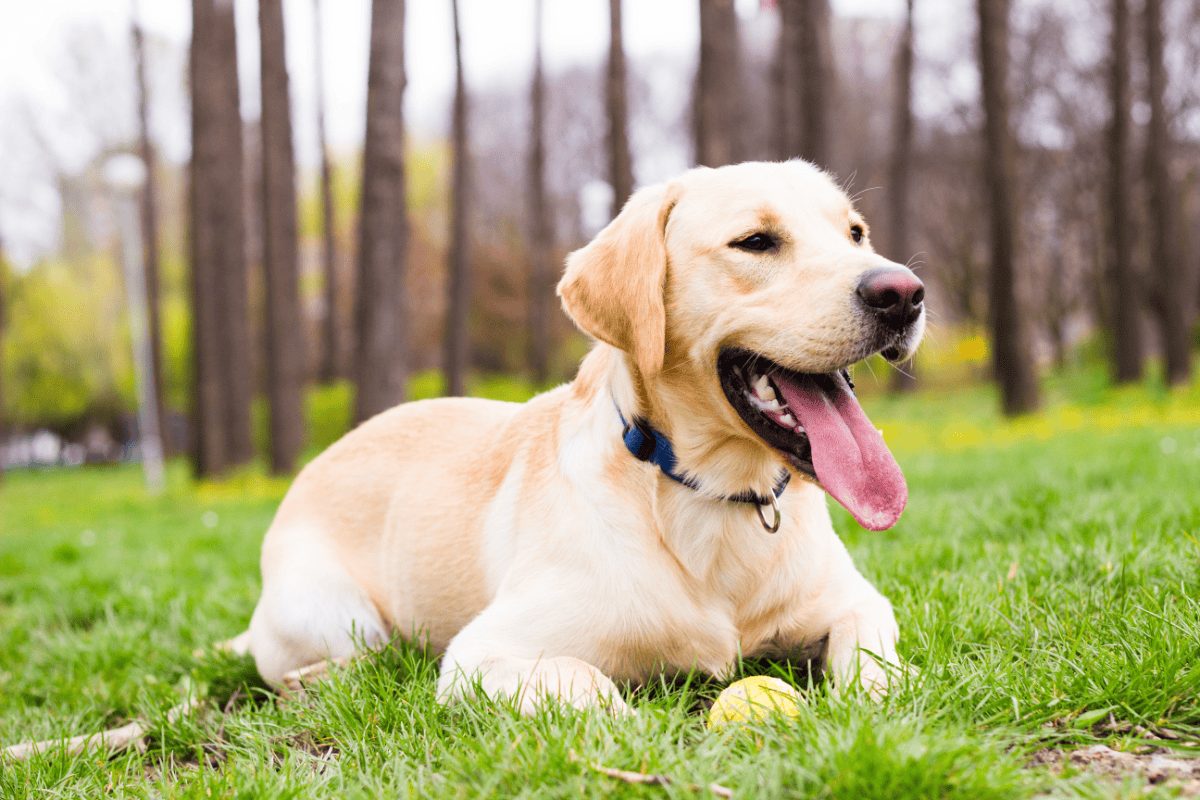
The Labrador Retriever, or Lab, is a versatile breed known for its friendly temperament, intelligence, and loyalty.
Originally bred in Newfoundland in the early 19th century, Labradors assisted fishermen by retrieving nets and escaped fish. Their love of water and natural retrieval abilities made them indispensable working dogs.
Over time, careful breeding refined their trainability, strength, and dependable nature, making Labradors one of the most trusted breeds.
Today, they excel as family pets and working dogs, taking on roles such as search and rescue, therapy, guiding the visually impaired, and detection work. Their eagerness to please and adaptable nature have earned them a place as one of the world’s most cherished breeds
Labrador Retriever Appearance
Labrador Retrievers are medium to large dogs known for their sturdy build, friendly expression, and athletic, balanced physique.
- Size: Males stand 56–57 cm at the shoulder; females are slightly shorter at 55–56 cm. They are muscular yet agile, built for strength without excessive bulk.
- Coat: Labradors have a short, dense, weather-resistant double coat. Colours include black, yellow (ranging from pale cream to fox-red), and chocolate. The undercoat provides insulation, while the outer coat lies smooth and close to the body.
- Distinctive Features: They have a broad skull, expressive brown or hazel eyes, and ears that hang close to the head, giving them an approachable appearance. Their wide nose and developed nostrils support their keen sense of smell.
- Otter Tail: A hallmark feature, their thick, tapered tail is covered in dense fur, aiding in swimming and balance.
Built for Agility: With a broad chest, well-sprung ribs, and muscular hindquarters, Labradors are powerful yet nimble, excelling as both companions and working dogs.
Labrador Retriever History
The Labrador Retriever originated in Newfoundland, where it evolved as a reliable working dog for fishermen.
- Origins in Newfoundland: Descended from the St. John’s Water Dog, Labradors hauled fishing nets and retrieved escaped fish in the 19th century. Their strength, endurance, and love of water laid the foundation for their working abilities.
- English Refinement: In the early 1800s, the Earl of Malmesbury imported the dogs to England, refining their skills and naming them “Labrador” after the Labrador Sea.
- Popularity in England: Labradors became prized for their “soft mouth” and retrieving skills, excelling as gun dogs. Their intelligence and gentle nature soon earned them a place as beloved companions.
- Arrival in Australia: Introduced in the early 1900s, Labradors quickly became popular in Australia for their adaptability, friendly nature, and versatility.
Today, they are celebrated as guide dogs, search-and-rescue workers, and therapy animals, as well as loyal family pets.
Labrador Retriever Personality
Labrador Retrievers are celebrated for their friendly temperament, intelligence, and eagerness to please. Their adaptable and easygoing nature makes them ideal companions for families and individuals seeking a loyal and affectionate dog.
Key Traits:
- Intelligent and Trainable: Labradors are quick learners, excelling in obedience, therapy, and dog sports. They respond well to consistent, reward-based training and thrive on positive reinforcement.
- Friendly and Social: Known for their outgoing nature, Labradors are great with people of all ages and other pets, making them a popular choice for families.
- Devoted and Loyal: Labradors form strong bonds with their families and are happiest when included in daily activities. Their loyalty and gentle disposition make them reliable companions.
- Playful and Energetic: Labradors love outdoor activities, especially swimming and fetch. Their high energy levels suit active households.
Good with Families:
- Patient with Children: Labradors are gentle and understanding, making them excellent companions for kids.
- Adaptable to Various Living Situations: Whether in the city or countryside, Labradors adjust well as long as they get sufficient exercise and mental stimulation.
Trainability:
- Highly Responsive: Labradors excel in obedience and specialised training, including guide work and search and rescue.
- Positive Reinforcement Focus: They thrive on praise, treats, and rewards, making training enjoyable and effective.
Affectionate and Engaging:
- Craves Interaction: Labradors are happiest when surrounded by family and involved in daily routines. They dislike being left alone for long periods.
- Mentally and Physically Active: Regular exercise and mentally stimulating activities, like swimming or puzzle toys, keep them healthy and content.
- Prone to Separation Anxiety: Their strong attachment to their families means they may struggle with prolonged isolation.
With their friendly nature, playful energy, and eagerness to please, Labradors are devoted family members who bring warmth, excitement, and steadfast companionship to their homes.
Find Registered Labrador Breeders or Labrador Puppies for Sale
Labrador Retrievers as Family Pets
Labrador Retrievers are one of the most popular family dogs due to their gentle temperament, adaptability, and love of companionship.
Great with Kids
- Patient and Tolerant: Labradors are naturally gentle and understanding, making them ideal companions for children of all ages.
- Playful and Engaging: They enjoy interactive games like fetch and are excellent playmates with plenty of energy to match active kids.
- Easygoing Nature: Labradors adapt well to bustling households and remain calm and composed, even in lively family settings.
Excellent with Other Pets
- Sociable and Non-Aggressive: Labradors integrate smoothly into multi-pet homes and generally get along well with other animals.
- Early Socialisation Benefits: Introducing them to other pets early helps foster positive relationships, though their curious and gentle nature rarely causes issues.
Manageable Energy Levels
- Active Lifestyle Required: Labradors thrive on daily physical activities, such as walks, playtime, or runs, with at least an hour of exercise recommended.
- Mental Stimulation: Engaging activities like obedience training, scent work, and puzzle toys keep them mentally sharp and prevent boredom-related behaviours.
- Favourite Activities: Swimming is a Labrador favourite, helping them burn off energy while enjoying their natural love of water.
The Joy of Owning a Labrador
- Affectionate and Loyal: Labradors form strong bonds with their families and enjoy being part of daily routines.
- Eager to Train: Their intelligence and willingness to please make training straightforward, especially with positive reinforcement methods.
- Gentle Guardians: While not guard dogs, Labradors are attentive and will alert owners to unusual activity, offering a sense of security through their calm, reassuring presence.
Labradors are adaptable, loyal, and playful companions, bringing joy to families of all sizes. With a balance of affection, exercise, and mental engagement, they thrive as devoted family members.
Find Registered Labrador Breeders or Labrador Puppies for Sale
Labrador Retriever Health & Care
Labrador Retrievers are generally healthy, active dogs, but they can be prone to certain health conditions.
Responsible ownership, including regular checkups and health screenings, is essential for ensuring their well-being.
Potential Health Concerns
- Hip and Elbow Dysplasia: Joint conditions that can lead to pain and arthritis. Regular exercise, a healthy diet, and weight management help minimise stress on joints. Responsible breeders screen their dogs' hip and elbow scores prior to breeding. The lower the grading the better.
- Eyes: There are several inherited eye diseases that may occur in Labrador Retrievers. Three of these can be screened via DNA tests available to breeders and owners. These include Progressive Rod Cone Degeneration (prcd-PRA), Macular Corneal Dystrophy, and Stargardt's Disease. Other eye issues like Hereditary Cataracts, and Retinal Dysplasia require a clinical examination by an ophthalmologist under the Australian Canine Eyes Scheme (ACES).
- Exercise-Induced Collapse (EIC): A genetic condition where dogs collapse after intense exercise. It can be managed by moderating activity and avoiding triggers.
- Tricuspid Valve Dysplasia: is a defect of a valve within the right side of the heart, that causes complication with bloodflow, and potentially heart failure. This issue is congenital, meaning present from birth. This issue is not curabble, but dogs can take medicatiton to treat and attempt delay of symptoms of heart failure. Dogs with TVD can still produce TVD affected puppies, and there is no definitive DNA test for TVD, but breeders can conduct heart evaluations with an echocardiogram to make informed decisions when breeding.
- Bloat (Gastric Dilatation-Volvulus): A rare but serious condition where the stomach twists. Smaller, frequent meals and avoiding exercise after eating reduce risk.
Breed Clubs
Labrador Retrievers have many breed clubs across Australia. If you'd like to learn more around health, there are great resources provided by the National Labrador Retriever Breed Council Australia. The Labrador Retriever Club of QLD, VIC, NSW, and WA also have great resources available.
You can also find Registered Labrador Breeders or Labrador Puppies for Sales here.
A note on colour
An important fact is that their an only 3 recognised coat colours in Labrador Retrievers: Black, Yellow, and Liver/Chocolate. Any diversion from these colours indicates a cross breeding combination may have occurred, which may also cause health complications, particularly depending on the pedigree, breed, and health position of the breeding dog(s).
Preventative Care
- Balanced Diet and Exercise: Maintain portion control and provide daily physical and mental stimulation, such as walks, runs, and obedience games.
- Regular Veterinary Checkups: Annual visits and routine screenings for PRA and joint conditions help detect potential issues early.
- Grooming Needs: Weekly brushing controls shedding, while regular ear cleaning prevents infections, especially after swimming.
By addressing their health proactively, you can ensure your Labrador enjoys a long, active, and happy life.
Caring for Your Labrador Retriever
Ensuring your Labrador Retriever’s physical and mental well-being requires regular vet visits, a nutritious diet, daily exercise, and mental stimulation.
Key Care Tips:
- Vet Visits: Annual checkups are essential for vaccinations, preventative care, and early detection of potential health issues.
- Balanced Diet: Provide high-quality food formulated for active breeds. Portion control is crucial to prevent obesity, which can lead to joint and health problems.
- Daily Exercise: Labradors need at least an hour of activity, such as walks, runs, swimming, or fetch, to stay fit and engaged. Swimming is a favourite and excellent for their joints.
- Mental Stimulation: Engage Labradors with training, interactive toys, or scent-based games to prevent boredom and keep their minds active.
- Health Monitoring: Observe changes in behaviour, energy levels, or appetite, and consult a vet promptly if issues arise.
Proper care ensures a healthy, happy Labrador that rewards you with loyalty and joy.
Labrador Retriever Grooming
Labradors are low-maintenance dogs, but regular grooming keeps them comfortable and healthy.
Grooming Routine:
- Brushing: Weekly brushing reduces shedding and keeps their coat shiny. Brush more frequently during seasonal shedding.
- Bathing: Bathe every 2-3 months or as needed with gentle dog shampoo to maintain natural coat oils.
- Nail Trimming: Trim nails every 3-4 weeks or when they start clicking on floors to prevent discomfort and splitting.
- Ear Cleaning: Check and clean floppy ears weekly, especially after swimming, using a vet-approved ear cleaner to prevent infections.
- Dental Care: Brush teeth several times a week with dog-safe toothpaste to prevent dental issues.
With consistent grooming and care, your Labrador will look and feel their best, ready for every adventure.
Is a Labrador Retriever Right for You?
Labrador Retrievers are friendly, intelligent, and eager-to-please companions that fit well into many households. However, their needs should align with your lifestyle to ensure a happy and healthy relationship.
Ideal Owners
- Active and Outdoorsy: Labradors thrive in active households where regular exercise like walks, hikes, swimming, or playtime is a priority.
- Patient Trainers: Their eagerness to learn requires a gentle, positive approach to training, making them well-suited to owners who enjoy interactive and structured learning.
- Family-Oriented: Labradors are kind, patient, and gentle, making them excellent companions for families with children.
- Prepared for Grooming: Regular brushing is essential to manage their year-round and seasonal shedding.
Not Ideal If:
- Low-Activity Lifestyle: Labradors need daily exercise and mental stimulation to prevent boredom and behavioural issues, making them unsuitable for sedentary homes.
- Long Absences: They are social dogs prone to separation anxiety and thrive in homes where companionship is readily available.
- Unprepared for Their Appetite: Their love of food requires portion control and commitment to a balanced diet to prevent obesity.
Key Considerations:
- Exercise Needs: At least an hour of activity daily, including walks, swimming, or interactive play, is essential for their physical and mental well-being.
- Training and Socialisation: Early and consistent training ensures they grow into well-mannered companions.
- Health Maintenance: Regular vet checkups, a balanced diet, and proper exercise help prevent common issues like hip dysplasia and obesity.
With the right care, Labradors bring loyalty, joy, and companionship, making them a rewarding addition to active and loving households.
Find Registered Labrador Breeders or Labrador Puppies for Sale
The Importance of a Reputable Labrador Retriever Breeder
Choosing a reputable breeder is crucial to ensure your Labrador has the best start in life, with good health, a sound temperament, and proper socialisation. Ethical breeders prioritise the breed’s well-being and adhere to high standards.
Key Practices of Reputable Breeders
- Health Testing: Ethical breeders conduct screenings for genetic conditions. They provide documentation and are transparent about test results.
- Temperament Focus: They carefully select breeding pairs with the Labrador's friendly and adaptable nature, ensuring puppies inherit positive traits.
- Early Socialisation: Puppies are exposed to a variety of stimuli, including sounds, people, and other animals, fostering confidence and good behaviour.
Finding a Reputable Breeder
- Research: Contact Labrador breed clubs or organisations and refer to reputable breeder listings such as Dogz Online.
- Ask Questions: Inquire about health testing, socialisation practices, and the temperament of the parents. Ethical breeders are open and informative.
- Visit Facilities: Assess cleanliness, the health of parent dogs, and the condition of the puppies. A visit provides insight into the breeder's standards.
- Watch for Red Flags: Avoid breeders who are vague about health testing or appear focused solely on profit.
Why It Matters
Selecting a responsible breeder ensures your Labrador is healthy, well-socialised, and temperamentally sound. This careful choice sets the foundation for a lifelong bond with a joyful and loyal companion.
Find Registered Labrador Breeders or Labrador Puppies for Sale
How Long Does a Labrador Retriever Live For?
Labrador Retrievers are friendly, outgoing, and always ready for a game of fetch. They usually live between 10 and 12 years, and with good food, regular vet visits, and plenty of movement, they can stay fit and cheerful well into their senior years.
To support a healthy life, it's worth choosing a responsible breeder who screens for issues like hip and elbow dysplasia, eye conditions, and exercise-induced collapse (EIC). A reputable breeder will also provide the dog’s health test results and background information.
Adaptability
Adapts Well To
With the right care, Labradors thrive in various environments, thanks to their adaptable and friendly nature.
- Houses with Yards: Labradors thrive in homes with secure yards where they can run and play, providing them space for exercise and exploration.
- Active Families: Ideal for households that enjoy hiking, swimming, or playing fetch. Labradors love being included in family adventures and need both mental and physical stimulation.
- City Living with Daily Exercise: Labradors can adapt to apartments if they receive sufficient exercise through regular walks, play sessions, and visits to dog parks.
Key Considerations:
- Exercise Needs: Labradors require at least an hour of daily exercise, including walks, playtime, or mental activities, to prevent boredom and destructive behaviour.
- Socialisation and Training: Early training and socialisation help Labradors develop good manners and adapt well to various environments. Positive reinforcement enhances their eager-to-please nature.
- Mental Stimulation: Include puzzle toys, scent games, and training to keep their intelligent minds engaged.
- Grooming: Regular brushing, especially during seasonal shedding, maintains their coat health and reduces shedding.
Adapts Less Well To
- Small Apartments: Labradors need room to move and can become bored or restless in confined spaces without adequate exercise.
- Sedentary Lifestyles: High-energy Labradors need active households. Inactivity can lead to weight gain and behavioural problems.
- Long Hours Alone: Labradors are social dogs and can develop separation anxiety or destructive behaviours if left alone for extended periods.
Solutions for Apartment Living
- Daily Exercise: Ensure at least an hour of activity through walks, playtime, or dog park visits.
- Mental Stimulation: Provide puzzle toys and training to prevent boredom.
- Doggy Daycare or Walkers: These can provide companionship and exercise during long absences.
Other Considerations
- Commitment to Activity: Apartment living requires a dedicated owner to meet their physical and mental needs.
- Building Policies: Check for pet permissions and weight or breed restrictions.
- Neighbour Consideration: Regular exercise and engagement help reduce barking or anxious behaviours.
Labradors can adapt to various settings but are happiest in homes with space, regular activity, and plenty of companionship.
Good for Novice Dog Owners
Benefits for Novice Owners
Labrador Retrievers are a popular choice for first-time dog owners due to their friendly nature, intelligence, and eagerness to please. Their adaptable temperament makes them an excellent match for those prepared to meet their exercise and training needs.
- Friendly and Approachable: Labradors are gentle and affectionate, getting along well with people and other animals, making them ideal for families or individuals new to dog ownership.
- Highly Trainable: Their intelligence and eagerness to learn make them responsive to positive reinforcement, simplifying training for first-time owners.
- Adaptable: Labradors thrive in various environments, from homes with yards to apartments, provided they receive regular exercise.
Potential Challenges
- High Energy Levels: Labradors require daily physical activity, such as walks or playtime, to manage their energy.
- Appetite Management: Known for their love of food, Labradors are prone to weight gain, requiring portion control and a balanced diet.
- Social Needs: Labradors need regular companionship and may struggle if left alone for long periods.
Ideal Owners
- Active Families or Individuals: Labradors excel with owners who enjoy outdoor activities and can provide daily exercise.
- New Owners Ready to Learn: Their easygoing nature makes Labradors well-suited for those new to dog training.
- Families Seeking a Friendly Pet: Labradors are affectionate and patient, making them great with children.
Key Considerations
- Training and Socialisation: Early training and socialisation ensure Labradors develop good manners and adaptability.
- Exercise Commitment: Regular physical and mental stimulation is vital to their happiness and behaviour.
- Health Monitoring: Balanced nutrition and regular vet visits are essential to maintain their health and prevent obesity.
With their friendly disposition, trainability, and adaptability, Labradors are a rewarding choice for first-time owners who are ready to invest time in their care and companionship.
Sensitivity Level
Sensitivity
Labrador Retrievers are known for their even temperament and adaptability but remain attuned to their families’ emotions and social environments.
Key Sensitivities
- Strong Social Bonds: Labradors thrive on companionship and may feel stressed if exposed to tension or unhappiness in the household.
- Social Interaction Needs: They dislike extended periods of isolation and require regular interaction.
- Responsive to Owner Reactions: Labradors respond well to positive reinforcement but may become discouraged by harsh reprimands or negative training methods.
Ownership Impact
- Gentle Training: Use rewards, praise, and play to encourage good behaviour. Avoid punitive training methods that can undermine their confidence.
- Consistency: A stable routine and environment help Labradors feel secure and reduce stress.
- Attention to Cues: Monitor behaviours like whining or excessive licking as signs of stress, and provide reassurance.
Notable Traits
Labradors’ sensitivity enhances their role as empathetic and loyal companions. By recognising and addressing their emotional needs, owners can strengthen their bond and provide a nurturing environment.
Tolerates Being Alone
Labrador Retrievers are highly social dogs and less tolerant of extended isolation, requiring companionship and engagement to stay content.
Social Needs
- Close Family Bonds: Labradors are happiest when included in daily routines and activities.
- Separation Anxiety Risk: Long periods alone can lead to anxiety, resulting in behaviours like chewing or barking.
- Boredom Prone: Without mental stimulation, they may become restless and display destructive behaviours.
Ownership Impact
- Gradual Alone-Time Training: Slowly increase separation periods, using toys or puzzles to keep them engaged.
- Exercise Before Absences: A tired Labrador is less likely to exhibit anxiety-driven behaviours.
- Consider Alternatives: Doggy daycare or a dog walker can provide needed interaction during long absences.
Key Considerations
While Labradors can adapt to some time alone, consistent companionship and enrichment are essential for their well-being.
Tolerates Hot Weather
Labradors can manage warm conditions but are at risk of overheating, particularly due to their active nature.
Heat Sensitivity
- Overheating Risk: High temperatures can lead to heatstroke, especially in humid climates.
- Symptoms: Watch for excessive panting, drooling, or lethargy during hot weather.
Care Tips
- Exercise Timing: Schedule activities during cooler parts of the day.
- Hydration and Shade: Provide fresh water and shaded areas for rest.
- Protective Measures: Use cooling mats or vests and avoid walking on hot surfaces to prevent paw injuries.
Safety First
By monitoring conditions and taking precautions, Labradors can remain safe and comfortable even in warmer climates.
Tolerates Cold Weather
Labradors’ dense, weather-resistant coats provide natural insulation, making them well-suited for cooler conditions.
Cold Weather Tolerance
- Natural Adaptation: Labradors’ coats repel water and retain warmth, allowing them to enjoy outdoor activities in chilly weather.
- Playful in Snow: They often relish cold-weather play and brisk outdoor adventures.
Ownership Impact
- Monitor Exposure: Limit time outdoors during extreme cold and watch for signs of discomfort like shivering or lifted paws.
- Paw Protection: Use booties in icy or snowy conditions to protect against frostbite or de-icing chemicals.
- Warm Shelter: Ensure access to a warm, dry area when spending time outdoors in winter.
Balanced Care
With proper precautions, Labradors can thrive in cold climates and enjoy year-round outdoor activities.
Friendliness
Affectionate with Family
Labrador Retrievers are famously affectionate, forming close bonds with their families. Their friendly disposition and devotion make them one of the most popular family dogs worldwide.
Key Traits
- Naturally Sociable: Labradors are warm and approachable, always ready to greet family members with wagging tails and enthusiasm.
- Playful Companions: They thrive on interactive activities, such as fetch and swimming, and remain playful well into adulthood.
- Gentle and Patient: Labradors are tolerant with children and adaptable to various family dynamics, making them ideal for households of all ages.
Ownership Impact
- Bond Through Activity: Daily walks, games, and training sessions strengthen their bond with the family while keeping them mentally and physically fit.
- Positive Reinforcement: Labradors respond exceptionally well to praise and rewards, enhancing their already friendly nature.
- Engagement is Key: Regular exercise and mental stimulation prevent boredom and ensure a happy, content Labrador.
Labradors’ loving and playful temperament makes them exceptional companions, enriching family life with loyalty and joy.
Kid-Friendly
Labrador Retrievers are renowned for their gentle and patient temperament, making them one of the most kid-friendly dog breeds.
Why They’re Great with Kids
- Gentle Nature: Labradors are tolerant and calm around children, often displaying remarkable patience.
- Playful Energy: Their love of games like fetch and their energetic nature make them ideal playmates for kids.
- Protective Instincts: While not aggressive, Labradors are attentive and nurturing, offering families added peace of mind.
Ownership Impact
- Teach Respect: Encourage children to interact respectfully with Labradors to build a trusting and positive bond.
- Supervise Young Children: While Labradors are gentle, supervising interactions ensures safety and comfort for both kids and dog.
- Shared Exercise: Playtime with children helps Labradors burn energy and fosters strong bonds.
Labradors are loyal, playful, and patient, making them an excellent choice for families with children.
With Other Pets
Labrador Retrievers’ friendly and adaptable nature allows them to integrate seamlessly into multi-pet households.
How They Get Along
- Sociable by Nature: Labradors are naturally gentle and enjoy the company of other animals, from dogs to cats.
- Playful but Polite: They engage actively with other pets but adjust their behaviour to suit less playful companions.
- Low Aggression: Labradors are rarely dominant, which minimises conflicts and fosters harmony.
Ownership Impact
- Early Socialisation: Introduce Labradors to other pets from a young age to enhance their natural friendliness.
- Supervise Introductions: Manage first meetings to ensure calm and positive interactions.
- Adequate Exercise: Regular physical activity keeps Labradors calm and prevents overexcitement during interactions.
Labradors’ friendly and gentle nature makes them excellent companions for homes with multiple pets.
Friendly Toward Strangers
Labrador Retrievers’ sociable and welcoming nature makes them a joy to have in any social setting.
Traits with Strangers
- Naturally Friendly: Labradors are outgoing and warm, greeting new people with enthusiasm and a wagging tail.
- Gentle Demeanour: Their non-aggressive nature makes them approachable, ideal for families who host visitors or enjoy outings.
- Calm in Social Settings: Labradors adapt easily to new environments, whether meeting strangers at home or in public.
Ownership Impact
- Socialisation Early On: Introduce Labradors to various social scenarios to build confidence and good manners.
- Manage Excitement: Train them to greet visitors calmly to avoid overly enthusiastic behaviour.
- Reward Politeness: Use positive reinforcement to encourage gentle, well-mannered greetings.
Labradors’ friendly and adaptable temperament ensures they bring positivity and warmth to every social interaction.
Health & Grooming
Amount of Shedding
Labrador Retrievers have a dense double coat, leading to consistent shedding year-round, with heavier shedding during seasonal changes.
Shedding Facts:
- Double Coat: Their coat has an insulating undercoat and a water-resistant outer layer, contributing to regular shedding.
- Seasonal Peaks: Increased shedding in spring and autumn requires extra attention.
- Not Hypoallergenic: Labradors’ shedding may trigger allergies in sensitive individuals.
Ownership Impact:
- Regular Brushing: Brush weekly and increase frequency during shedding seasons to manage loose fur.
- Home Management: Use lint rollers and vacuum regularly to minimise hair accumulation on furniture and clothing.
- Professional Grooming: Occasional professional grooming during heavy shedding periods can help remove loose undercoat.
With a consistent grooming routine, managing a Labrador’s shedding is straightforward, making them excellent companions for prepared families.
Drooling Potential
Labrador Retrievers have a moderate drooling tendency, usually manageable but noticeable in specific situations like eating or exercise.
Drooling Overview:
- Occasional Drooling: Expect drool after meals, drinks, or when anticipating treats.
- Activity-Related: Increased panting in warm weather or after physical exertion may result in more drooling.
Health Considerations:
- Monitor for Changes: Sudden or excessive drooling could indicate dental issues or other health concerns, warranting a vet visit.
Ownership Impact:
- Minimal Mess: Keep a towel handy for post-meal clean-up or after drinks.
- Low Maintenance: Regular dental care can reduce drooling and maintain oral health.
Drooling in Labradors is minimal and easy to manage with proper care, allowing you to enjoy their affectionate and friendly personality.
Easy to Groom
Labrador Retrievers are low-maintenance dogs, with simple grooming needs that are easy to manage.
Grooming Basics:
- Weekly Brushing: Use a bristle or slicker brush to remove loose fur and maintain coat health. Increase brushing during seasonal shedding.
- Bathing as Needed: Labradors require baths every few months or when dirty, using a mild dog shampoo to protect their coat’s natural oils.
- Nail and Ear Care: Regularly trim nails and clean ears, especially after swimming, to prevent infections.
Ownership Benefits:
- Time-Efficient: Their grooming routine is manageable for busy households.
- Minimal Tools: A basic grooming kit suffices for maintaining their coat and overall appearance.
Labradors’ coats are easy to care for, making them a great choice for owners seeking a low-maintenance breed.
General Health
Labradors are generally robust dogs but may be predisposed to certain health conditions that require proactive care.
Common Health Issues:
- Hip and Elbow Dysplasia: Joint conditions that can lead to pain and arthritis. Regular exercise, a healthy diet, and weight management help minimise stress on joints. Responsible breeders screen their dogs' hip and elbow scores prior to breeding. The lower the grading the better.
- Eyes: There are several inherited eye diseases that may occur in Labrador Retrievers. Three of these can be screened via DNA tests available to breeders and owners. These include Progressive Rod Cone
- Degeneration (prcd-PRA), Macular Corneal Dystrophy, and Stargardt's Disease. Other eye issues like Hereditary Cataracts, and Retinal Dysplasia require a clinical examination by an ophthalmologist under the
- Australian Canine Eyes Scheme (ACES).
- Exercise-Induced Collapse (EIC): A genetic condition where dogs collapse after intense exercise. It can be managed by moderating activity and avoiding triggers.
- Tricuspid Valve Dysplasia: is a defect of a valve within the right side of the heart, that causes complication with bloodflow, and potentially heart failure. This issue is congenital, meaning present from birth. This issue is not curabble, but dogs can take medicatiton to treat and attempt delay of symptoms of heart failure. Dogs with TVD can still produce TVD affected puppies, and there is no definitive DNA test for TVD, but breeders can conduct heart evaluations with an echocardiogram to make informed decisions when breeding.
- Bloat (Gastric Dilatation-Volvulus): A rare but serious condition where the stomach twists. Smaller, frequent meals and avoiding exercise after eating reduce risk.
Ownership Essentials:
- Routine Vet Care: Annual checkups and screenings for breed-specific concerns like dysplasia or PRA.
- Balanced Diet and Exercise: Portion-controlled feeding and daily activity to prevent obesity.
- Health Screening: Choose breeders who perform genetic testing to minimise inherited conditions.
With proper care, Labradors live long, healthy lives, rewarding owners with loyalty and companionship.
Potential for Weight Gain
Labradors’ strong appetite and genetic predisposition make them prone to obesity, requiring attentive management.
Contributing Factors:
- Hearty Appetite: Labradors are highly food-motivated, increasing the risk of overeating.
- Sedentary Habits: Without regular exercise, they can easily gain weight.
- Genetic Tendency: A predisposition to obesity requires diligent diet and activity management.
Ownership Impact:
- Portion Control: Measure meals and avoid free-feeding. Consult your vet for the ideal diet plan.
- Healthy Treats: Opt for low-calorie rewards like vegetables to reduce calorie intake.
- Daily Activity: Provide at least an hour of exercise daily, including walks, swimming, or playtime.
- Weight Monitoring: Regularly track their weight and adjust diet and exercise as needed.
Maintaining a healthy weight is crucial for a Labrador’s overall well-being, reducing the risk of joint issues and extending their lifespan.
Trainability
Training
Labrador Retrievers are intelligent, eager learners with a natural willingness to please, making them one of the most trainable dog breeds. Their adaptable temperament and strong work ethic allow them to excel in a variety of roles, from family companions to service animals.
The Smart and Eager Learner
- Intelligence and Quick Learning: Labradors are consistently ranked as one of the most intelligent breeds. Their ability to quickly grasp commands and concepts makes them ideal for obedience, service roles, and dog sports.
- Motivated to Please: Labradors thrive on positive reinforcement, responding enthusiastically to praise, treats, and play. This eagerness ensures they enjoy training and form a strong bond with their owners.
- Versatile Abilities: Labradors excel in diverse activities, including search and rescue, therapy work, and competitive obedience. Their calm and cooperative nature allows them to adapt to various training styles and roles.
Training Challenges
- High Energy Levels: Labradors require regular physical and mental engagement. Without sufficient activity, they may develop behaviours such as chewing or excessive barking out of boredom.
- Food Motivation: While their love of food is an effective training tool, it requires careful management to avoid overfeeding and potential weight gain.
Ownership Impact
- Positive Reinforcement Works Best: Focus on praise, treats, and interactive rewards to keep Labradors motivated and enthusiastic about learning. Avoid harsh methods, which can discourage their cooperative nature.
- Consistency Is Key: Use clear and consistent commands to establish expectations. Setting boundaries early helps Labradors understand their role within the family structure.
- Mental Stimulation: Incorporate activities like obedience exercises, agility courses, or puzzle toys to challenge their intellect and prevent boredom. Labradors enjoy problem-solving and new tasks.
- Early Training and Socialisation: Begin training and socialisation during puppyhood to foster a well-mannered, confident adult. Expose them to various environments, people, and experiences to build a balanced temperament.
Why Labradors Excel
Labradors’ blend of intelligence, adaptability, and eagerness to please makes them a joy to train and a reliable partner in any role.
With consistent training and mental engagement, Labradors can thrive as loving family pets, skilled working dogs, or active companions, showcasing their versatility and charm.
Intelligence
Labrador Retrievers are celebrated for their intelligence and eager-to-please nature, which makes them highly trainable and versatile. They excel in learning new commands and adapting to various roles, from family pets to working dogs.
- Smart and Eager Learners: Labradors grasp new tasks quickly, excelling in obedience and structured training. Their curiosity and enthusiasm make them a favourite for novice owners and experienced trainers alike.
- Problem-Solving Abilities: While not as independent as some breeds, Labradors show resourcefulness, particularly in activities that require focus, such as retrieving objects or scent work.
- Versatile Workers: Their adaptability and intelligence make Labradors successful in roles like therapy, search and rescue, and service work.
Ownership Impact
- Engaging Training Sessions: Use positive reinforcement, including praise, treats, and play, to keep Labradors motivated. Incorporate variety to challenge their minds and sustain their interest.
- Mental Stimulation: Offer puzzle toys, scent games, or interactive training exercises to satisfy their intelligence and prevent boredom.
- Channel Energy Positively: Activities like agility courses, obedience training, and fetch allow Labradors to combine their mental and physical energy constructively.
Labradors’ intelligence and trainability, coupled with their friendly nature, make them outstanding companions and working partners. They thrive in environments that offer mental stimulation and consistent training.
Potential for Mouthiness
Labrador Retrievers, especially during their puppy stage, exhibit a tendency for mouthiness, including chewing, nipping, or carrying objects in their mouths.
- Teething Phase: Puppies naturally chew to relieve gum discomfort, often targeting household items.
- Retrieving Instincts: Bred as retrievers, Labradors have an inherent drive to carry objects, which can translate into playful mouthing.
- Curious Nature: Labradors explore the world through their mouths, using this behaviour as a form of interaction and learning.
Ownership Impact
- Early Training: Teach bite inhibition and redirect nipping behaviour with chew toys or training commands.
- Safe Chew Options: Provide durable, breed-appropriate toys to satisfy their chewing instincts and protect household items.
- Supervised Play: Ensure interactions with children or pets are monitored to prevent overexuberance or unintentional nipping.
Guiding a Labrador’s natural mouthing behaviour early on ensures they grow into well-mannered and enjoyable companions.
Prey Drive
Labrador Retrievers have a low to moderate prey drive, more rooted in their retrieving instincts than an urge to hunt.
- Retrieving Focus: Labradors may chase small animals but are more likely to carry and return objects than pursue aggressively.
- Playful Curiosity: Their interest in movement is often playful rather than predatory.
Ownership Impact
- Leash Training: Basic leash manners and commands like “leave it” can help manage occasional curiosity for small animals.
- Positive Redirection: Reinforce calm behaviour with treats and praise when they ignore distractions.
- Supervised Interaction: Introduce Labradors to smaller pets gradually and under controlled conditions to establish positive behaviour.
With proper training, Labradors’ mild prey drive is manageable, making them well-suited for multi-pet households.
Wanderlust Potential
Labradors typically have a low to moderate wanderlust potential, driven more by curiosity than independence.
- Family-Oriented Loyalty: Labradors’ strong bond with their family often keeps them close, though intriguing scents or sights may tempt them to explore.
- Scent-Driven Curiosity: Their excellent sense of smell can lead them to follow interesting trails
Ownership Impact
- Secure Boundaries: A fenced yard ensures safety, preventing wandering after wildlife or interesting scents.
- Reliable Recall Training: Consistently practice recall commands like “come” to keep them close, especially in open areas.
- Leash Walks: Use a leash in unfamiliar or unfenced spaces to avoid unintentional roaming.
While their loyalty limits their wanderlust, managing their natural curiosity with boundaries and training keeps Labradors safe.
Tendency to Bark or Howl
Labradors are not excessive barkers but will vocalise in specific situations, such as excitement or alerting their owners.
- Alert Barking: Labradors may bark at unfamiliar noises but are less territorial compared to other breeds.
- Excitement Vocalisation: Playful barking is common during games or when they anticipate treats or walks.
Ownership Impact
- Training Commands: Teach commands like “quiet” to manage barking. Labradors respond well to consistent reinforcement.
- Identifying Triggers: Address boredom or lack of exercise, common causes of excessive barking.
- Positive Behaviour Reinforcement: Reward calm behaviour to encourage quietness in appropriate situations.
With consistent training, Labradors’ moderate barking tendencies can be managed, ensuring a peaceful home environment.
Exercise Needs
Labrador Retrievers are an energetic breed requiring ample physical and mental exercise to stay healthy and content.
- Daily Activity: Labradors need at least 60–90 minutes of exercise daily, such as brisk walks, swimming, or active playtime.
- Engaging Activities: Incorporate variety, like fetch, hiking, or agility courses, to keep Labradors physically and mentally stimulated.
- Mental Engagement: Include puzzle toys or scent games to challenge their intelligence and prevent boredom.
Energy Levels by Life Stage
- Puppies: Frequent, short play sessions suit their developing joints and high energy.
- Adults: Structured, high-energy activities meet their stamina and mental needs.
- Seniors: Gentler, consistent exercise maintains health while accommodating reduced energy levels.
A well-rounded routine of physical and mental activity ensures Labradors remain happy, healthy, and well-behaved.
Potential for Playfulness
Labradors are naturally playful, making them a delight for families and individuals who enjoy active engagement with their pets.
- Love for Games: Labradors adore interactive activities like fetch, Frisbee, and tug-of-war.
- Water Enthusiasts: Their love of swimming adds a unique dimension to their playtime.
- Sociable Nature: Labradors’ playful spirit extends to interactions with other dogs and family members, fostering strong bonds.
Ownership Impact
- Regular Playtime: Dedicate time daily to interactive games and activities, ensuring Labradors stay physically fit and mentally stimulated.
- Variety of Toys: Provide durable, engaging toys to satisfy their playful tendencies. Rotate toys to maintain interest.
- Training Through Play: Combine play with training to reinforce commands and improve focus.
Playfulness is a hallmark of the Labrador’s charm, and nurturing this trait strengthens the bond between owner and dog.
Find Labrador Retriever Breeders
or
View Labrador Retriever Puppies for Sale |
View Labrador Retriever Older Dogs for Sale