

The Pomeranian
| Size | Small |
| Weight | Females: 1.8-2.5 kg, Males: 1.8-3.0 kg |
| Breed Group | Group 1 - Toy |
| Exercise Requirements | Low |
| Grooming Requirements | Low |
| Life Span | 12-16 years |
| Characteristics | Alert, Intelligent, Curious, Lively, Bold |
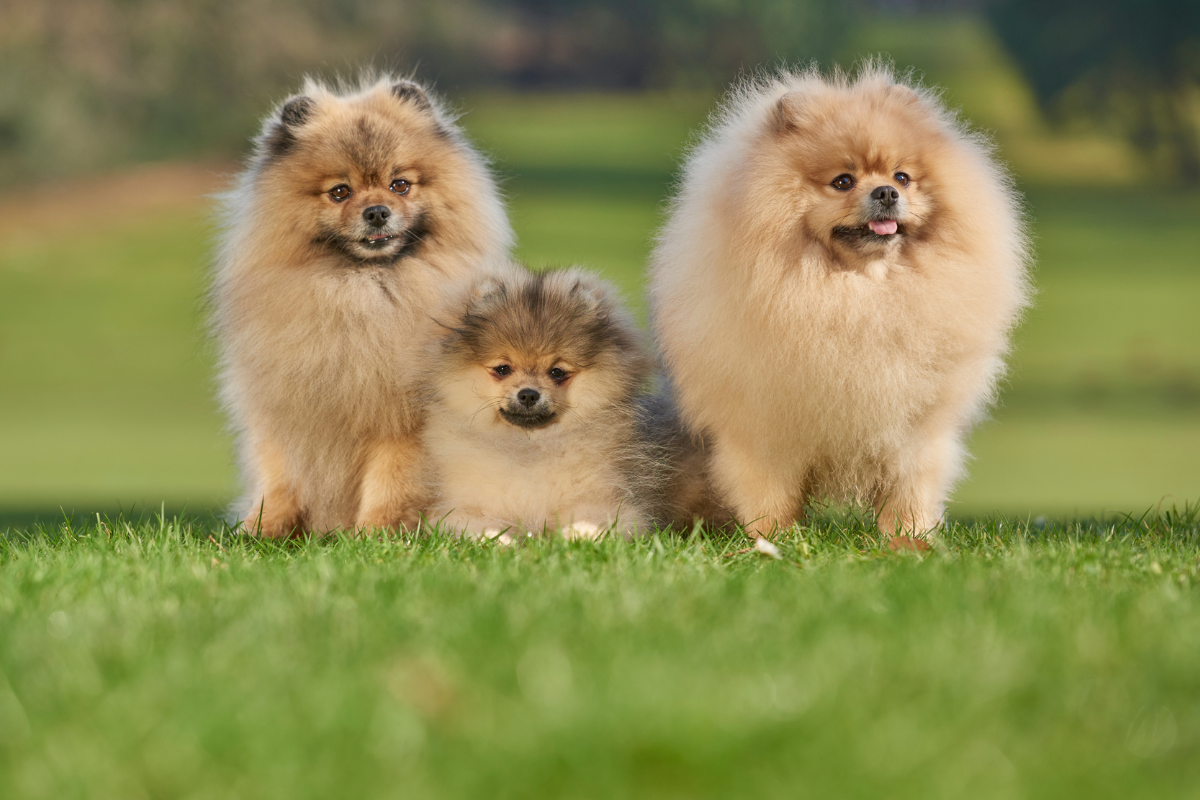
The Pomeranian is a vibrant and confident breed, admired for its fluffy coat, sharp mind and outgoing nature. As a proud member of the Toy group, it carries a big personality in a compact, fox-like frame that draws attention wherever it goes.
Bred from larger Arctic sled dogs, the Pomeranian was refined in Europe and rose to popularity through royal circles, including Queen Victoria’s influence. Their rich history and striking looks have helped secure their place as treasured companions.
Known for their cleverness, alert nature and affectionate temperament, Pomeranians suit a range of households. Breeding Pomeranians with care helps maintain their health and character. A well-raised dog shows the best of the Pomeranian temperament and thrives as a loving and lively family pet. The average life expectancy for Pomeranians is 12 to 16 years, and with consistent care, the pomeranian life span can be active and full of personality.
Pomeranian Appearance
Pomeranians are known for their bold expression, luxurious coat and lively, alert posture.
Size:
Pomeranians are small but confident dogs, typically weighing between 1.8–2.5 kg. Despite their size, they carry a compact, well-balanced frame that reflects their bold and animated temperament.
Coat:
The double coat is one of the most defining features of the breed. The outer coat is long, straight and harsh in texture, while the undercoat is soft and dense. The abundant ruff around the neck and chest adds to the Pomeranian's distinctive silhouette. Coat colours include orange, cream, black, blue, chocolate, and sable, among many others.
Distinctive Features:
- Head: Fox-like in shape with a slightly rounded skull and a fine, tapered muzzle that enhances their alert expression.
- Eyes: Medium-sized, dark and almond-shaped, giving a bright and intelligent look.
- Ears: Small, erect and set high on the head, contributing to their perky, attentive appearance.
- Tail: Plumed and set high, carried flat and straight over the back, forming a key part of the breed’s outline.
Overall Impressions:
The Pomeranian’s lively nature and expressive face reflect its intelligent and spirited disposition. Breeding Pomeranians responsibly supports the breed’s health, soundness and striking presence. The breed’s proud carriage and full coat make it one of the most eye-catching members of the Toy group.
Find Registered Pomeranian Breeders or Pomeranian Puppies for Sale
Pomeranian History
The Pomeranian's fascinating history spans royal courts and artist studios, highlighting its long-standing charm and appeal.
Origins in Pomerania:
Pomeranians descend from large Spitz-type sled dogs once found in the Pomerania region, now part of modern Poland and Germany. These early dogs were bred down in size over time, eventually becoming small companions with bold personalities.
Journey to Europe:
The breed gained attention in England in the 18th century. Queen Victoria played a major role in popularising the smaller type after she brought home a tiny Pomeranian from Italy. This royal endorsement influenced breeding trends and helped shape the modern breed.
Rise to Popularity:
Pomeranians quickly rose to prominence as beloved companion animals, admired for their vivacious personalities and striking appearance. Their popularity spread across Europe and eventually to America, where they became a staple of dog shows and family homes. Their intelligence and lively temperament made them favored among dog enthusiasts.
Pugs in Australia:
The breed made its way to Australia in the late 1800s. Breeding Pomeranians here focused on health, structure, and the lively pomeranian temperament now loved by many families. Today they are among the most recognisable toy breeds across the country.
Pomeranians have kept their charm, intelligence, and lively energy through centuries of change. The pomeranian life span continues to reflect their robust nature, making them cherished companions in homes big and small.
Pomeranian Personality
Pomeranians are loved for their bold character, alert expression and outgoing charm. Their lively nature and devotion to their families make them popular in homes of all sizes, from city apartments to country properties.
General Traits:
- Lively and Confident: Pomeranians are spirited dogs with a big personality in a small frame. They love being involved in everything and aren’t shy about sharing their opinions through expressive behaviour.
- Affectionate and Loyal: Despite their boldness, Pomeranians form close bonds with their people. They enjoy snuggling just as much as they enjoy being the centre of attention.
- Curious and Intelligent: These bright little dogs love to explore their surroundings. Their alert nature and quick mind make them entertaining companions who are always ready for fun.
- Adaptable and Outgoing:Pomeranians adjust easily to both busy family homes and quieter lifestyles. They bring warmth, energy and affection into any setting.
Watchdog Tendencies:
- Vocal and Alert: Pomeranians are naturally vocal and will bark at anything unusual. Their sharp senses and quick reactions make them effective little watchdogs.
- Protective Instincts: While small, they don’t hesitate to sound the alarm when strangers approach. Their loyalty often comes with a bold streak that makes them seem larger than life.
Trainability:
- Bright and Quick: Pomeranians respond well to engaging training. Their intelligence and eagerness to please mean they pick up cues and tricks quickly.
- Consistency Matters: They can be headstrong, so short, positive sessions work best. Gentle consistency helps them learn what’s expected without fuss.
- Enjoy Mental Challenges: Like physical exercise, brain games and regular training keep Pomeranians focused. Their clever minds benefit from daily problem-solving and rewards.
Love of Attention
- People-Focused Companions: Pomeranians enjoy being the centre of attention. They love cuddles, playtime, and chatting with their humans through cheerful barks and tail wags.
- Playful and Energetic: A lively nature means they’re always up for a quick game or a stroll. Regular play keeps them mentally and physically satisfied.
- May Dislike Being Alone: Due to their strong attachment to their people, some Pomeranians don’t like being left alone for long. They are happiest in homes where they get plenty of time and affection.
Find Registered Pomeranian Breeders or Pomeranian Puppies for Sale
Pomeranian as Family Pets
Pomeranians are spirited companions that suit homes looking for a lively, loving and compact dog. Their alert personality and affectionate nature make them a great addition to families of all sizes.
Good with Kids? In the Right Setting
- Lively and Engaged: Pomeranians enjoy being part of family life. Their playful personality makes them fun for older children who understand gentle play.
- Supervision is Key: Due to their small size, young children should always be supervised to avoid rough handling or accidental injury.
- Big Personality in a Small Frame: They bring lots of energy and fun to the home, often acting like a much larger dog in a little body.
With Other Pets: Possible with Guidance
- Confident and Curious: Pomeranians can live with other pets if introduced early and calmly. They do best with animals that respect their space.
- May Assert Themselves: Their bold nature means they might try to be the boss. Supervised interactions help set boundaries and keep things peaceful.
Energy Level: Lively and Manageable
- Always Ready to Go: Pomeranians love a brisk walk, indoor games and anything that keeps them active. They stay happy with short bursts of daily activity.
- Exercise Needs: Despite their size, they are energetic. A daily routine of play and walks helps burn energy and keeps them sharp.
The Joys of a Pug in Your Family
- Loyal and Watchful: They form strong bonds and love being close to their people. Their alert nature makes them quick to notice anything new.
- Compact and Adaptable: Their small size makes them ideal for apartments or homes with limited space, as long as they stay active and involved.
- Fun and Full of Character: Pomeranians bring spark to every room. Their fluffy coats, bright eyes and confident attitude make them a family favourite.
Pomeranians are small in size but big in spirit. Their loyalty, personality and zest for life bring warmth and fun to homes of all kinds.
Find Registered Pomeranian Breeders or Pomeranian Puppies for Sale
Pomeranian Health & Care
Pomeranians are generally healthy dogs, though they can be prone to specific health issues. Responsible ownership, regular check-ups and smart breeding practices help ensure a long and active life.
Common Health Concerns
- Luxating Patella: This condition occurs when the kneecap moves out of place, which may cause lameness or discomfort. Mild cases can be managed through diet and exercise, while severe cases may need surgery.
- Tracheal Collapse: Their small size and narrow windpipe make Pomeranians prone to tracheal collapse. A harness instead of a collar helps reduce pressure on the neck, and prompt vet care is needed if coughing starts.
- Alopecia X or Black Skin Disease: is a genetic skin decision that leads to symmetrical coat loss (often neck, thighs, tail) and progressive skin darkening
You can explore more about health concerns on the Pomeranian Club of NSW's Breed Club Site, or connect with other Pomeranian Breed Clubs in you state here.
Care Tips for Pomeranians:
- Weight Management: Keep your Pomeranian at a healthy weight to protect their joints and prevent strain. Use portion control and feed a high-quality, balanced diet.
- Exercise Needs: Short walks and indoor play sessions suit this breed. They are active and alert but do not need extensive exercise to stay fit.
- Grooming: Brush their thick double coat several times a week to prevent matting and manage shedding. Regular grooming helps maintain their distinctive fluffy look.
- Regular Vet Visits: Yearly health checks, vaccinations and dental assessments are key to a healthy Pomeranian life span. Discuss any concerns early with your vet.
- Dental Care: Due to their susceptibility to dental issues, regular brushing and vet-recommended products help maintain clean teeth and fresh breath.
- Mental Stimulation: Provide toys, training and interaction to keep their bright minds active. Pomeranians enjoy learning and being involved in daily activities
- Monitor Health Changes: Pay attention to signs like coughing, limping or changes in behaviour. Prompt vet care makes a difference in long-term health.
Find Registered Pomeranian Breeders or Pomeranian Puppies for Sale
Caring for your Pomeranian
Looking after your Pomeranian’s daily needs keeps them healthy, happy and full of life. Focus on:
Routine Veterinary Visits:
Yearly check-ups are important for monitoring health, managing dental issues and spotting early signs of common problems like luxating patella or tracheal collapse.
Nutritious Diet:
Pomeranians benefit from high-quality food suited to their size and energy levels. Portion control helps manage weight and supports joint and heart health.
Exercise and Play:
Short walks and indoor play sessions keep your Pomeranian fit and entertained. Avoid overexertion and make sure activities suit their small size.
Grooming Routine:
Daily or regular brushing is essential for maintaining their thick coat. Keeping up with coat care prevents tangles and helps reduce shedding.
Mental Engagement:
Smart and curious, Pomeranians enjoy games, training and puzzles. Mental stimulation helps reduce boredom and encourages good behaviour.
A consistent care routine helps your dog thrive. Pomeranians are happiest when their physical, mental and social needs are part of everyday life.
Pomeranian Grooming
Despite their small size, Pomeranians need regular grooming to keep their coat healthy and comfortable.
Coat Care:
Their fluffy double coat sheds seasonally and tangles easily. Brush every day or several times a week to remove loose fur and avoid mats.
Bathing
Bathe your Pomeranian every 4 to 6 weeks using a gentle dog shampoo. Avoid overwashing to protect natural oils and skin health.
Trimming and Tidy Up
A light trim around the paws, rear and ears helps keep them neat. Professional grooming every few months can help maintain their appearance.
Nail Trimming
Check nails often and trim them as needed to avoid overgrowth and discomfort. Small dogs may need more frequent trimming.
Ear Cleaning
Inspect their ears weekly for signs of wax, redness or irritation. Clean gently with a dog-safe product and avoid inserting anything deep into the ear canal.
Dental Care
Brush their teeth several times a week and provide dental chews to support oral hygiene. Dental health is key to maintaining a healthy Pomeranian life span.
Regular grooming is part of life with this breed. Staying on top of coat, skin and dental care helps your Pomeranian feel great and look their best every day.
Is a Pomeranian Right for You?
Pomeranians are bold, affectionate, and full of personality. Their small size and vibrant spirit suit many homes, but they do best with owners who understand their energy, grooming needs, and love of attention.
The Ideal Pomeranian Owner
- Present and Engaged: Pomeranians enjoy being close to their people and thrive in homes where they get regular interaction. They do well with owners who are home often or can include them in everyday routines.
- Suited to Smaller Spaces: Their tiny size and independent nature make them a good match for apartments or smaller homes. They enjoy having their own space but also love being part of family life.
- Enjoys Training and Play: Pomeranians are smart and respond well to training. They enjoy learning tricks and games that keep their mind busy and body active.
- Health-Focused: Owners should pay attention to diet, dental care and weight, as small breeds can be prone to dental issues and joint stress. Responsible care supports the average life expectancy for Pomeranians, which ranges from 12 to 16 years.
- Enjoys a Confident Companion: If you’re after a clever, lively dog with a big personality, the Pomeranian delivers. They are known for their loyalty and bold presence.
Not Ideal If:
- You Want a Quiet Companion: Pomeranians are alert and can be vocal. They use their voice to communicate, especially when excited or curious.
- You Dislike Grooming: Their thick double coat needs regular brushing to stay clean and free from knots. Grooming is part of keeping a healthy coat and skin.
- You’re Away for Long Hours: Pomeranians can develop separation anxiety if left alone too often. They benefit from companionship or help during the day.
Crucial Considerations
- Grooming Matters: Regular brushing, especially during shedding periods, keeps their coat healthy. A clean, well-maintained coat supports comfort and appearance.
- Daily Exercise and Mental Stimulation: Short walks, playtime and training keep them happy. They do not need intense exercise but thrive on daily activity.
- Protect Their Joints: Due to their size, Pomeranians need careful handling. Jumping from heights or rough play can lead to injury.
- Longevity and Care: With good nutrition, regular vet care, and attention to their needs, Pomeranians can live long, happy lives. The Pomeranian life span reflects their strong genetics when responsibly bred.
A Pomeranian brings fun, affection and personality into the home. Understanding the breed and meeting their needs helps ensure a happy, lifelong bond.
Find Registered Pomeranian Breeders or Pomeranian Puppies for Sale
Importance of a Reputable Pomeranian Breeder
Choosing a reputable breeder is essential to ensure your Pomeranian is healthy, confident, and suited to your home. Ethical breeders prioritise welfare, sound temperament, and responsible breeding practices.
Health Testing:
Reputable breeders screen for common health concerns. They provide clear documentation of health checks for both parents.
Temperament Assessment:
Well-bred Pomeranians are alert, friendly, and confident. Responsible breeders assess each puppy’s temperament and help match them with suitable homes for a positive lifelong bond.
Early Socialisation and Enrichment:
Puppies raised in a home-style setting with plenty of positive exposure to people, sounds, and environments are more likely to grow into well-adjusted companions.
What to Look For in a Breeder:
- Ask about breeding Pomeranians for health and temperament.
- Request proof of testing and meet the parent dogs in person.
- Avoid breeders who don’t prioritise wellbeing or who breed without clear knowledge of the breed standard.
Choosing a caring, informed breeder gives your Pomeranian the best start in life and supports the long-term health of the breed.
Find Registered Pomeranian Breeders or Pomeranian Puppies for Sale
Adaptability
Adapts Well To
Pomeranians are adaptable companions who adjust easily to different living environments. Their small size, confident nature, and low space requirements make them a great match for many types of households.
Apartments and Small Homes:
Thanks to their tiny stature and modest exercise needs, Pomeranians are a natural fit for apartment living. They enjoy indoor play and short walks, making them ideal for city dwellers or smaller households.
Families with Children:
Pomeranians are playful and affectionate, bonding closely with their family. With supervision, they can live well with gentle children who understand how to handle small dogs respectfully.
Active Singles or Couples:
These lively dogs enjoy time with their people and thrive when included in daily routines. Their bright personality suits homes where interaction, walks, and short games are part of everyday life.
Important Considerations:
- Exercise Needs: While they are energetic, Pomeranians need only light to moderate daily activity. Walks, games, and indoor fun help manage their energy and keep them mentally engaged.
- Grooming and Shedding: Pomeranians have a thick double coat that requires regular brushing. They shed, especially seasonally, so ongoing coat care is important for health and cleanliness.
- Attention and Companionship: Being very people-focused, Pomeranians enjoy constant companionship. They are not well-suited to homes where they are left alone for long periods.
- Noise Sensitivity: As alert little dogs, Pomeranians may bark in response to unfamiliar sights and sounds. Early socialisation and consistent guidance help manage vocal habits.
- Health Monitoring: Regular vet visits and a balanced diet help support the average life expectancy for Pomeranians. Staying alert to changes in behaviour, appetite, or weight is key to maintaining their wellbeing.
Adapts Less Well To
Pomeranians are confident and adaptable, but some settings or lifestyles may not suit them well.
Rough or Unsupervised Handling:
Their small size makes them fragile. Households with very young children may need extra supervision to prevent injury during play.
Long Periods Without Company:
Pomeranians bond closely with their people. Regular time alone may lead to stress, barking or destructive habits if not addressed early.
Very Hot or Humid Weather:
This breed is sensitive to heat. Thick double coats and small bodies mean they overheat quickly and must be kept cool in summer.
Loud or Chaotic Homes:
Pomeranians can be reactive to overstimulation. Busy homes with constant noise or movement may lead to nervous behaviour or excessive barking.
Important Considerations:
- Companionship Needs: Pomeranians thrive on interaction. Use pet-sitting or dog daycare if away often.
- Supervised Play: Playtime with children or larger dogs should be calm and monitored.
- Cool, Comfortable Spaces: Provide a safe indoor environment with shade and airflow in warmer months.
- Barking Control: Early training helps prevent constant barking in noisy or unpredictable spaces.
Pomeranians are cheerful companions, but their needs must be considered. A calm, safe, and social environment helps them flourish and remain content.
Good for Novice Dog Owner
Pomeranians are often a good choice for first-time owners thanks to their charm, intelligence, and lively spirit. Their small size and affectionate nature help them settle in well with new dog families.
Why Pomeranians Are Good for Novice Owners:
- Lively and Loving: These little dogs are full of personality and enjoy being involved in everyday life. Their outgoing and affectionate temperament makes bonding easy for new owners.
- Small and Manageable: Their compact size suits smaller homes or apartments, and they are easy to carry, groom, and manage for owners new to caring for dogs.
- Intelligent and Engaged: Pomeranians are smart and curious, often keen to learn and interact. They enjoy training games and respond well to rewards and encouragement.
- Alert but Social: While they are naturally watchful, Pomeranians are also friendly with regular socialisation. Their confidence helps them adapt to new settings and people.
Challenges for Novice Owners:
- Vocal Tendencies: Pomeranians can be talkative. Without early guidance, they may develop habits like barking at noises or new faces.
- Grooming Commitment: Their thick double coat needs regular brushing to prevent matting and reduce shedding. New owners must stick to a consistent grooming schedule.
- Handling with Care: Pomeranians are small and sometimes unaware of their size. Rough play or accidental drops can result in injury, so gentle handling is essential.
- Health Watch: Like many small breeds, Pomeranians can be prone to dental issues and patella luxation. Regular vet visits and proactive care help keep them healthy.
How to Succeed as a Pomeranian Owner:
- Start with Positive Training: Use short, fun training sessions with rewards like treats or toys. Pomeranians respond best to praise and consistent routines.
- Stick to Grooming: Brush their coat several times a week and check for knots, especially around the ears and legs. Grooming also helps strengthen the owner-dog bond.
- Support Their Confidence: Expose them to a range of people, sounds and settings while young. This helps prevent fearfulness and builds a calm, friendly attitude.
- Set Clear Limits: They are clever and may try to be the boss if given the chance. Calm, fair boundaries from the start help create good habits.
- Be Present: Pomeranians love attention and don’t do well if left alone for too long. Homes where they can stay close to their people are best.
Pomeranians make fun and loving companions for novice owners who are ready to guide them with structure and care. With their bright minds and strong attachment to family, they bring joy, affection and energy to the home.
Sensitivity Level
Pomeranians are lively, affectionate dogs with a strong emotional streak. Their alertness and loyalty form the heart of the Pomeranian temperament, but meeting their emotional needs supports their confidence and wellbeing.
What Makes Pomeranians Sensitive:
- Strong Emotional Bond: Pomeranians enjoy being close to their people and often become attached to one person. They thrive on attention and like to stay involved in family life, keeping a watchful eye on everything.
- Social Nature: Despite their small size, Pomeranians are confident extroverts. They can grow anxious if left out or ignored, especially when routines change or their environment feels too chaotic.
- Sensitivity to Environment: These dogs prefer familiarity. New settings, loud noises or sudden disruptions can rattle them. A safe space where they can retreat helps them reset when overstimulated.
Ownership Impact:
- Attention and Companionship: Daily interaction and short bursts of play help maintain emotional balance. Pomeranians respond well to affection, and they like knowing they’re part of the action.
- Positive Reinforcement: These dogs enjoy learning but dislike harsh correction. Keep training light and reward-based. It keeps their spirits high and their attention locked in.
- Consistency and Routine: Pomeranians adapt well to structured days. Knowing when to expect walks or meals lowers their stress and gives them a sense of control.
- Recognising Their Needs: Restlessness, barking or clingy behaviour can signal emotional discomfort. Staying alert to these shifts helps owners support their Pomeranian early.
Important Considerations:
- Separation Anxiety: Their loyalty can work against them. Pomeranians don’t like long periods alone. Crate training, toys or short goodbyes can ease their distress.
- Noise Sensitivity: Thunder, sirens or fireworks can be overwhelming. Closing the blinds and staying calm can help them feel safe in tense moments.
- Patience and Reassurance: Gentle handling, a calm voice and steady routines help Pomeranians feel secure. They need to know they can trust their environment and the people in it.
The Positive Side of Sensitivity:
The Pomeranian temperament adds depth to their big personality. Their emotional awareness creates a strong bond with their people. With clear limits and a stable routine, Pomeranians reward you with energy, affection and fierce loyalty.
Tolerates Being Alone
Pomeranians form strong bonds with their families and prefer staying close to their humans. While not as clingy as some breeds, they still dislike long periods of solitude and need support to stay content when left alone.
Social Needs and Attachment:
- Loyal Companions: Pomeranians want to be near their people, often following them from room to room. They enjoy being included in daily routines, big or small.
- Prone to Separation Anxiety: Without company, some Pomeranians may show signs of distress. Barking, scratching at doors or chewing can happen if they feel abandoned.
- Boredom and Loneliness: A lack of stimulation can lead to mischief. Pomeranians need ways to stay occupied, or boredom may spark nuisance barking or pacing.
Ownership Impact:
- Consider Your Schedule: Pomeranians suit homes where someone is home regularly. A busy household or flexible routine supports their need for companionship.
- Gradual Training: Help them build confidence alone by using short absences and positive distractions like chew toys or stuffed puzzle feeders.
- Mental and Physical Stimulation: Regular walks, scent games and toys with variety help reduce stress and keep their minds engaged when you’re not around.
Important Notes:
- Individual Variations: Some Pomeranians are more self-sufficient, especially if raised to be confident. Others stay clingy well into adulthood.
- Create a Safe Environment: A quiet, secure spot with fresh water, familiar toys and a cosy bed helps ease their time alone and prevents unwanted behaviour.
Tolerates Hot Weather
The Pomeranian’s thick double coat and small size make heat management tricky. They are not suited to prolonged exposure to high temperatures and can struggle in hot, humid conditions.
Heat Sensitivity:
- Risk of Overheating: Their dense coat holds heat. Pomeranians may overheat quickly during exercise or in poorly ventilated areas.
- Signs of Heat Distress: Watch for rapid panting, drooling, weakness or restlessness. These signs require immediate cooling and, in some cases, vet care.
Ownership Impact:
- Limit Outdoor Activities: Short walks during cooler parts of the day reduce heat stress. Skip long outings or hard play during peak sun hours.
- Provide Shade and Water: Access to shaded areas, cool floors and fresh water helps them recover from warm weather exposure.
- Cooling Aids: Cooling mats, damp cloths or a fan near their rest spot can help regulate their body temperature on hot days.
Potential Solutions for Hot Climates:
- Climate Control: Pomeranians need a cool, shaded indoor environment. Avoid outdoor kennels, especially during summer. Air conditioning is helpful.
- Cooling Aids: Use pet-safe cooling gear or frozen water bottles wrapped in towels placed near where they rest.
- Exercise Timing: Schedule activity for early morning or evening. Stick to short, gentle outings and carry water when temperatures rise.
Tolerates Cold Weather
The Pomeranian’s thick double coat gives some protection against the cold, but their small size limits heat retention. They enjoy cooler weather more than heat but still need care during extreme cold.
Cold Weather Sensitivity:
- Limited Insulation: Despite their fluffy coat, Pomeranians lose heat quickly due to their small frame. Prolonged exposure to cold can lead to discomfort or risk of chills.
- Signs of Cold Stress: Trembling, lifting paws, or hiding under blankets can mean your Pomeranian feels too cold and needs help warming up.
Ownership Impact:
- Limit Outdoor Time: Cold winds or damp conditions can make walks uncomfortable. Keep outings short during frosty weather.
- Warm Clothing: A lightweight dog jumper or jacket helps small dogs like Pomeranians stay warm on colder days.
- Paw Protection: Check paws after walks for ice or debris. Booties or a quick wipe down can prevent irritation or frostbite.
Important Notes:
- Indoor Comfort: Pomeranians do best in warm indoor spaces. Use pet-safe heating pads or cosy bedding in colder seasons.
- Exercise Alternatives: Playtime indoors using toys or games of fetch works well when the weather makes outdoor walks unpleasant.
Friendliness
Affectionate with Family
Pomeranians are lively, affectionate dogs that form strong attachments to their families. Their bold personality and loyal nature make them loving companions who enjoy being involved in daily life.
Pomeranians as Affectionate Companions:
- Devoted and Loving: Pomeranians thrive on human attention and like being close to their favourite people. Many enjoy cuddles, laps, and simply being present around the home.
- Playful and Entertaining: Known for their cheeky charm, Pomeranians bring energy to family life. Their quirky antics and curiosity often become part of the household routine.
- Eager to Please: These dogs respond well to praise and enjoy making their people happy. They often learn tricks or routines just to impress their humans.
Ownership Impact:
- Time and Attention: Pomeranians don’t like being ignored. Including them in everyday tasks, even as a quiet observer, keeps them emotionally fulfilled.
- Social Butterflies: Early socialisation helps Pomeranians get along well with other pets and people. They’re naturally outgoing, especially in familiar settings.
- Gentle and Adaptable: While bold, Pomeranians also show a softer side. Their adaptability allows them to settle into both quiet homes and busier households.
Kid-Friendly
Pomeranians can live happily with children when handled respectfully. Their size requires care during play, but their joyful nature pairs well with gentle kids.
Pugs and Children:
- Gentle and Patient: Some Pomeranians form strong bonds with older children. They enjoy being part of playtime, provided it isn’t too rough or unpredictable.
- Playful and Engaging: Their energy suits families with children, especially when play is calm and supervised. They love attention and gentle interaction.
- Comfortable with All Ages: With proper introduction, many Pomeranians adjust well to different age groups. Older kids often make ideal companions.
Teaching Respectful Interaction:
- Supervise Early Interactions: Due to their small size, Pomeranians can be injured easily. Always watch young children during play to avoid accidents.
- Educate Children: Kids should be taught to handle Pomeranians gently, avoiding rough petting or grabbing. Soft voices and calm movements work best.
Benefits of a Pug in the Family:
- Bonding Opportunities: Pomeranians often develop deep connections with family members. Their loyalty and expressiveness help strengthen these ties.
- Low-Maintenance Playmate: Their small size makes them well suited to indoor games. While lively, they don't need excessive physical activity to stay happy.
With Other Pets
Pomeranians can live peacefully with other pets, but their bold personality means early socialisation is important. They like attention and may try to take charge in shared spaces.
Socialisation and Training:
- Early Introductions: Start slow and steady. Controlled exposure to other pets from a young age builds tolerance and reduces pushy behaviour.
- Gentle and Non-Aggressive: While assertive, Pomeranians are not naturally aggressive. Calm, positive training helps shape their responses to other animals.
Living with Other Pets:
- Adaptability: With patience, Pomeranians can adjust to multi-pet households. Some enjoy having a companion once boundaries are clear.
- Small Size Consideration: Due to their size, Pomeranians may get hurt during rough play with larger pets. Supervised interaction is essential in mixed-size homes.
Tips for Success:
- Monitor Playtime: Watch early interactions closely to prevent dominance or injury. Use play breaks to keep things calm.
- Establish Boundaries: Teach all pets to respect personal space. Feeding areas, sleeping spots and toys should stay separate at first.
- Gradual Adjustments: Let relationships build slowly. Use treats, praise and quiet environments to support calm introductions.
Friendly Toward Strangers
Pomeranians are alert and curious dogs that often enjoy meeting new people. With early socialisation, they become confident and sociable in public settings.
Pugs and Strangers:
- Welcoming Disposition: Many Pomeranians enjoy attention from visitors and approach new people with energy and interest, especially in familiar surroundings.
- Affectionate Greeters: Once comfortable, they warm up quickly. Some will even climb into laps or demand pats from guests.
- Non-Guarding Nature: While they may bark to alert, most Pomeranians are not guard dogs. They’d rather investigate than intimidate.
Encouraging Positive Interactions:
- Socialisation: Expose them to a range of people and situations early. This builds confidence and reduces nervous barking later on.
- Gentle and Patient: Let strangers greet your Pomeranian calmly. Too much noise or fast movement can make them skittish.
Ownership Tips:
- Supervise Introductions: Watch body language. Some Pomeranians may bark first and then relax. Keep greetings short and sweet at the start.
- Set the Tone: Stay calm and cheerful when guests arrive. Your Pomeranian takes cues from your energy and will feel more at ease.
- Build Routine: Frequent, low-pressure introductions to new people help your Pomeranian adjust faster and stay sociable over time.
Heath & Grooming
Amount of Shedding
Pomeranians shed consistently throughout the year due to their thick double coat. While small in size, they produce a surprising amount of loose fur if not groomed regularly.
Shedding Reality:
- Double-Coated Breed: Pomeranians have a dense undercoat beneath a longer outer coat. This structure causes frequent shedding and seasonal coat blows, especially in spring and autumn.
- Heavy Grooming Needs: Their fine fur tangles and mats if left unattended. Brushing is needed often to control shedding and prevent knots near the skin.
- Not Hypoallergenic: Pomeranians are not considered allergy-friendly. Their shedding can release dander and loose hair into the home environment.
Ownership Impact:
- Frequent Grooming: Brush your Pomeranian at least three times a week using a slicker brush or metal comb. Daily grooming is ideal during heavy shedding seasons.
- House Cleaning Tools: Use vacuums with pet hair settings and keep a lint brush handy. Their fur can cling to soft furnishings and clothing.
- Bathing: Monthly baths using a mild dog shampoo help remove loose fur. Always dry them thoroughly to prevent skin issues under the dense coat.
- Health Check: Sudden fur loss or flaky skin may signal hormonal imbalances, poor diet, or parasites. Speak with a vet if coat condition worsens unexpectedly.
With a regular grooming routine, shedding becomes manageable and helps keep their signature fluff in good condition.
Drooling Potential
Pomeranians are not prone to drooling. Their tight lips and small mouths help contain saliva, making them one of the lower-maintenance breeds in this area.
Drooling Reality:
- Minimal Drool Production: Unlike short-muzzled breeds, Pomeranians typically do not drool unless food is involved or they are feeling unwell.
- Triggers for Salivation: Occasional drooling may happen in anticipation of treats or after drinking water, but it’s rarely excessive or ongoing.
- Health Considerations: Unusual or persistent drooling may point to dental problems, mouth injuries or nausea. A vet should assess changes in behaviour or oral health.
Ownership Impact:
- Low-Maintenance: Owners rarely need to clean up saliva. There’s little risk of drool marks on furniture or clothing with this breed.
- Facial Care: While not needed for drool, Pomeranians benefit from routine checks around the mouth for tartar, bad breath or debris in the fur.
- Health Monitoring: If a normally dry-mouthed Pomeranian starts drooling suddenly, monitor for vomiting, lethargy or signs of pain. Quick vet attention may be required.
Pomeranians’ low drooling potential makes them easy to live with, especially for owners who prefer a cleaner, drier pet.
Easy to Groom
Pomeranians look high-maintenance but don’t require constant salon-level care. Their thick double coat does need regular attention, though, to stay healthy and mat-free.
Grooming Requirements:
- Brushing Routine: Brush your Pomeranian at least three times a week using a slicker brush and metal comb. This helps prevent tangles and removes loose undercoat.
- Bathing: Bathe every 3–4 weeks using a gentle dog shampoo and conditioner. Make sure the coat is fully dry to avoid matting.
- Trimming: Trim around the feet, hocks, and rear to keep them neat. Many owners book a tidy-up trim every couple of months.
- Ear and Teeth Care: Clean ears weekly to reduce wax buildup and check for redness or odour. Daily brushing helps manage their tendency to develop dental issues.
- Shedding Management: Expect year-round shedding, with heavier blowouts during seasonal coat changes. A grooming rake helps manage this.
Ownership Impact:
- Routine-Driven Grooming: Regular brushing is essential. Missing a few sessions quickly leads to knots and mats.
- Not Hypoallergenic: Pomeranians shed, and their fur can aggravate allergies. They’re not a match for allergy-sensitive households.
- Time Commitment: Weekly maintenance adds up. While it’s not extreme, their grooming needs can’t be ignored.
Meeting a Pomeranian’s grooming needs helps prevent skin issues, reduces shedding around the house, and keeps that fluffy coat looking sharp. Regular upkeep also gives you a chance to check for lumps, ticks, or skin problems early.
General Health
Pomeranians are generally robust, but their small size and breeding history make them vulnerable to certain health problems. Early detection and consistent care support long-term well-being.
Potential Health Concerns:
- Dental Disease: Pomeranians are prone to dental issues due to their small jaws and crowded teeth. Daily brushing, dental chews and regular vet cleaning help maintain good oral health.
- Luxating Patella: This condition occurs when the kneecap moves out of place, which may cause lameness or discomfort. Mild cases can be managed through diet and exercise, while severe cases may need surgery.
- Tracheal Collapse: Their small size and narrow windpipe make Pomeranians prone to tracheal collapse. A harness instead of a collar helps reduce pressure on the neck, and prompt vet care is needed if coughing starts.
- Heart Problems: Pomeranians can develop heart conditions as they age, such as congestive heart failure. Regular check-ups help detect and manage issues early.
- Eye Issues: They may be at risk of cataracts or tear staining. Monitor eye health closely and consult your vet if you notice redness, cloudiness or irritation.
- Hypoglycaemia in Puppies: Young Pomeranians, especially toy-sized ones, can experience low blood sugar. Regular feeding and vet guidance during puppyhood help prevent serious episodes.
The Importance of Reputable Breeders:
Health problems are less likely in dogs bred by ethical breeders who screen for hereditary conditions. Responsible breeding avoids exaggerated features and prioritises long-term health.
Ownership Impact:
- Routine Vet Visits: Schedule annual health checks, dental cleanings, vaccinations, and bloodwork for early diagnosis.
- Home Monitoring: Watch for signs of limping, coughing, hair loss, or appetite changes. These can signal emerging health issues.
- Careful Handling: Due to their size, Pomeranians are prone to injury from jumping or rough handling. Use ramps or steps for furniture access.
Potential for Weight Gain
Despite their small size, Pomeranians can gain weight easily. Their lively nature sometimes hides creeping obesity, which leads to joint strain, breathing issues, or reduced energy.
Factors Contributing to Weight Gain:
- Overfeeding: Many Pomeranians get more calories than they need, especially when owners hand out treats or human food.
- Lack of Exercise: Toy breeds often get carried or pampered, reducing their opportunity to burn calories.
- Neutering or Ageing: Both can slow metabolism. Owners may need to adjust portions or increase activity over time.
- Underlying Health Issues: Conditions like hypothyroidism can contribute to weight gain or sluggishness.
Ownership Impact:
- Measured Portions: Use a digital scale or measuring cup and follow feeding guidelines based on your Pomeranian’s ideal weight.
- Nutrient-Dense Diet: Choose high-quality food with appropriate protein and fat levels for small breeds.
- Treat Control: Limit treats to 10% of daily calories. Skip fatty snacks and use kibble or vegetables for training.
- Daily Activity: Pomeranians enjoy short walks, play sessions, and training games. Physical and mental stimulation keeps their weight in check.
- Regular Weigh-Ins: Monitor their body condition monthly. A visible waistline and ribs under a light layer of fat indicate healthy weight.
The Importance of a Healthy Weight:
Maintaining an ideal weight helps reduce stress on joints and organs. It also gives your Pomeranian the best chance at a long, energetic life.
Trainability
Training
Pomeranians are intelligent and quick learners, but their bold attitude and independence can sometimes get in the way. They respond best to short, engaging sessions with consistent boundaries.
Key Traits for Training:
- Smart but Strong-Willed: Pomeranians understand commands quickly but may choose when to listen. They need firm, fair direction.
- Alert and Observant: Their curiosity helps them pick up patterns fast, including ones you didn’t mean to teach.
- Easily Bored: Repetitive drills lead to disinterest. They do better with varied sessions that challenge them.
Training Tips:
- Start Young: Early training sets the tone for future behaviour. Socialisation should begin as soon as possible.
- Use Positive Rewards: Treats, praise, or play work best. They don’t respond well to raised voices or punishment.
- Be Clear and Consistent: Stick with the same commands and expectations to avoid confusion.
- Keep It Brief: Short, frequent sessions work better than long ones. Their attention span drops quickly.
Skills to Focus On:
- Basic Commands: Sit, stay, come, and recall are important especially given their tendency to bark or bolt when distracted.
- Barking Control: Pomeranians are vocal. Training them to understand a ‘quiet’ command helps manage noise.
- Social Manners: Teach calm behaviour around people and dogs early. Without boundaries, they may become bossy or reactive.
- House Training: Stay consistent with routines and rewards. Some Pomeranians can be slow to house-train without structure.
Pomeranians respond well to training when they’re mentally engaged and treated with respect. With consistent leadership and daily structure, they become sharp, entertaining companions that know how to follow the rules on their terms.
Intelligence
Pomeranians are sharp, curious, and fast on the uptake. Their alertness and confidence mean they often act like they know more than they let on.
A Clever Companion:
- Fast Learners: Pomeranians pick up commands and tricks quickly when they feel like cooperating. Their intelligence is often tied to their mood.
- Independent Thinkers: They’re smart but not always compliant. They may test boundaries or ignore commands if they see no benefit.
- Observant and Responsive: Pomeranians notice everything. They can anticipate routines and read their owner’s body language with ease.
Ownership Impact:
- Keep It Interesting: They thrive on mental challenges like puzzle toys, scent games, or trick training. Boredom leads to barking and mischief.
- Avoid Repetition: Repeating the same tasks bores them. Rotate activities to keep their attention.
- Use Rewards Wisely: Treats and praise work well, but overuse leads to a fussy dog who stops responding without a reward.
Channelling Their Intelligence:
Pomeranians like being in control. Training should challenge their minds without overwhelming them. Give them responsibility like fetching small items or learning names of toys and they’ll stay mentally sharp and well-behaved.
Potential for Mouthiness
Pomeranians often explore the world with their mouths. As puppies especially, they can be nippy, bitey, and grabby without guidance.
Mouthy Behaviour:
- Teething Period: Expect increased chewing and nipping while their adult teeth come in.
- Excited Play: Pomeranians use their mouths during energetic play, especially when overstimulated.
- Territorial Tendencies: Some may nip when guarding toys or food if not taught boundaries early.
Ownership Impact:
- Interrupt and Redirect: Use a firm “no,” then offer a chew toy or play alternative. Don’t encourage rough play.
- Establish Limits Early: Teach bite inhibition while they’re still young.
- Supervise Around Kids: Pomeranians can be reactive. Supervise closely to prevent accidental nips during fast or rough movements.
- Provide Mental Outlets: Bored Poms chew furniture, cords, and anything else in reach. Keep them stimulated to prevent destructive chewing.
With the right redirection and consistent expectations, Pomeranians learn quickly what is and isn’t acceptable. Give them outlets and structure early, and mouthiness won’t become a long-term issue.
Prey Drive
Pomeranians can show signs of prey drive, especially when stimulated by movement. Their alert nature and high energy can trigger chasing behaviour.
- Playfulness and Curiosity:
- Chasing Instinct: Pomeranians may dart after birds, small animals or toys, not from aggression, but from excitement and natural drive.
- High Alertness: They tend to notice even slight movements, which can make them quick to react to passing animals or sounds.
Ownership Impact:
- Leash Training: Keep them on a lead during walks unless in a secure area. Even well-trained Pomeranians can run if distracted.
- Fenced Yards: Secure fencing helps prevent escape during outdoor play, especially in suburban or rural areas.
- Mental Redirection: Puzzle toys or structured fetch games keep their instincts satisfied while avoiding unwanted behaviour.
- Recall Training: Practise recall regularly in controlled environments. Strong recall can reduce the risk of chasing and running off.
- Early Socialisation: Expose them to different animals and environments early to prevent overstimulation or reactive behaviour.
Managing their prey drive helps Pomeranians stay safe while still expressing their natural energy and curiosity.
Wanderlust Potential
Pomeranians are alert, inquisitive, and often more independent than their size suggests. While they enjoy human company, they also show a tendency to explore, especially if bored or under-stimulated.
Small Dog, Big Curiosity:
- Independent Nature: Pomeranians often like to investigate sights, sounds, and smells, particularly in new environments.
- Quick to Slip Away: Their small size and agility make it easy for them to dart through small gaps or open doors.
- Chasing Instincts: Birds, leaves, or other small animals may trigger an impulse to chase, increasing the risk of wandering.
Ownership Impact:
- Supervise Outdoor Time: Never leave your Pomeranian unattended in an open yard or park, even if fenced.
- Secure Boundaries: Check fencing for gaps or weak spots. Pomeranians can fit through surprisingly small openings.
- Microchip and ID Tags: Always keep identification up to date in case your dog escapes.
- Recall Practice: Regularly practise recall commands in controlled areas to improve response and reduce risk of running off.
- Stimulating Environment: Keep them busy with interactive play, toys, and training to reduce boredom-related wandering.
Pomeranians may be small, but they’re bold. Without proper supervision and stimulation, their curiosity can lead them beyond safe boundaries.
Tendency to Bark or Howl
Pomeranians are known for their vocal nature. They are naturally alert and often quick to react to sounds, people, or changes in their environment.
Barking Tendencies:
- Watchdog Instincts: Pomeranians are quick to alert their owners of anything unfamiliar like visitors, passersby, or even rustling leaves.
- Attention-Seeking: They often bark to get attention or express excitement, especially when left out of activities.
- Boredom or Frustration: Without enough stimulation, barking can become a go-to outlet.
Ownership Impact:
- Set Boundaries Early: Teach clear commands like “quiet” or “enough” to manage barking before it becomes a habit.
- Avoid Reinforcing Noise: Don’t reward barking with attention, treats, or cuddles. Wait for calm behaviour first.
- Work Out the Cause: Figure out if it’s boredom, stress, or habit, and address it directly.
- Mental Stimulation: Rotate toys, introduce puzzle feeders, and include regular training to keep their mind occupied.
- Don’t Expect Silence: Some barking is part of the breed’s temperament. Managing it is more realistic than eliminating it.
Pomeranians won’t suit anyone wanting a silent dog, but with training and stimulation, their barking can stay manageable and often useful.
Exercise Needs
Exercise Requirements
Pomeranians have moderate exercise needs and a lively nature. While their small size means they don’t need intense workouts, they thrive on daily movement and mental stimulation.
Daily Physical Activity:
- 30–60 Minutes per Day: A mix of short walks, indoor games, and active play helps maintain their physical and mental health.
- Monitor for Overexcitement: They can get carried away with excitement. Supervise play to avoid injury, especially around stairs or furniture.
Variety and Engagement:
- Agility and Play: Pomeranians often enjoy agility-style games, basic obedience drills, and brain games.
- Rotated Toys and Routines: Change up toys and walking routes to keep them curious and mentally active.
Energy Level Considerations:
- Puppies: Young Pomeranians are full of energy but have short attention spans. Several short play sessions work better than long walks.
- Adults: Mature dogs benefit from regular, structured activity to keep their minds sharp and bodies lean.
- Seniors: Older Pomeranians slow down with age but still enjoy gentle walks and puzzle toys to stay engaged.
With consistent and stimulating exercise suited to their age and energy, Pomeranians stay alert, fit, and well-behaved.
Potential for Playfulness
Pomeranians are spirited, curious, and full of character. Their bold personality and love of attention make them lively companions who enjoy a wide range of games.
Playful Personalities:
- Energetic Companions: Pomeranians enjoy chasing toys, bouncing after balls, and racing around the house or garden. Their alert nature means they’re always ready for a new game.
- Clever and Engaged: These dogs often prefer games that challenge their minds, such as hide-and-seek or puzzle feeders. They enjoy figuring things out and love the attention that comes with it.
- Always Up for Fun: Pomeranians rarely miss a chance to join in. They play well with family members, especially those who match their enthusiasm and speed.
Ownership Impact:
- Routine Interaction: Play needs to be part of the daily routine. A few short sessions throughout the day can keep them stimulated and prevent boredom-related behaviour.
- Mental and Physical Play: Incorporate different activities to suit their intelligence and agility. Rotate toys and challenge them with treat puzzles to keep things interesting.
- Supervision and Safety: Due to their small size and fragile joints, avoid rough games or high jumps. Always supervise play with young children or larger dogs.
Pomeranians love to stay active, both physically and mentally. Structured play not only entertains them but also strengthens their bond with you.
Find Pomeranian Breeders
or
View Pomeranian Puppies for Sale |
View Pomeranian Older Dogs for Sale