

The Pug
| Size | Small |
| Weight | Females: 6-9 kgs, Males: 6-9 kgs |
| Breed Group | Group 1 - Toy Dogs |
| Exercise Requirements | Low |
| Grooming Requirements | Moderate |
| Life Span | 12-15 years |
| Characteristics | Affectionate, Playful, Stubborn, Charming |
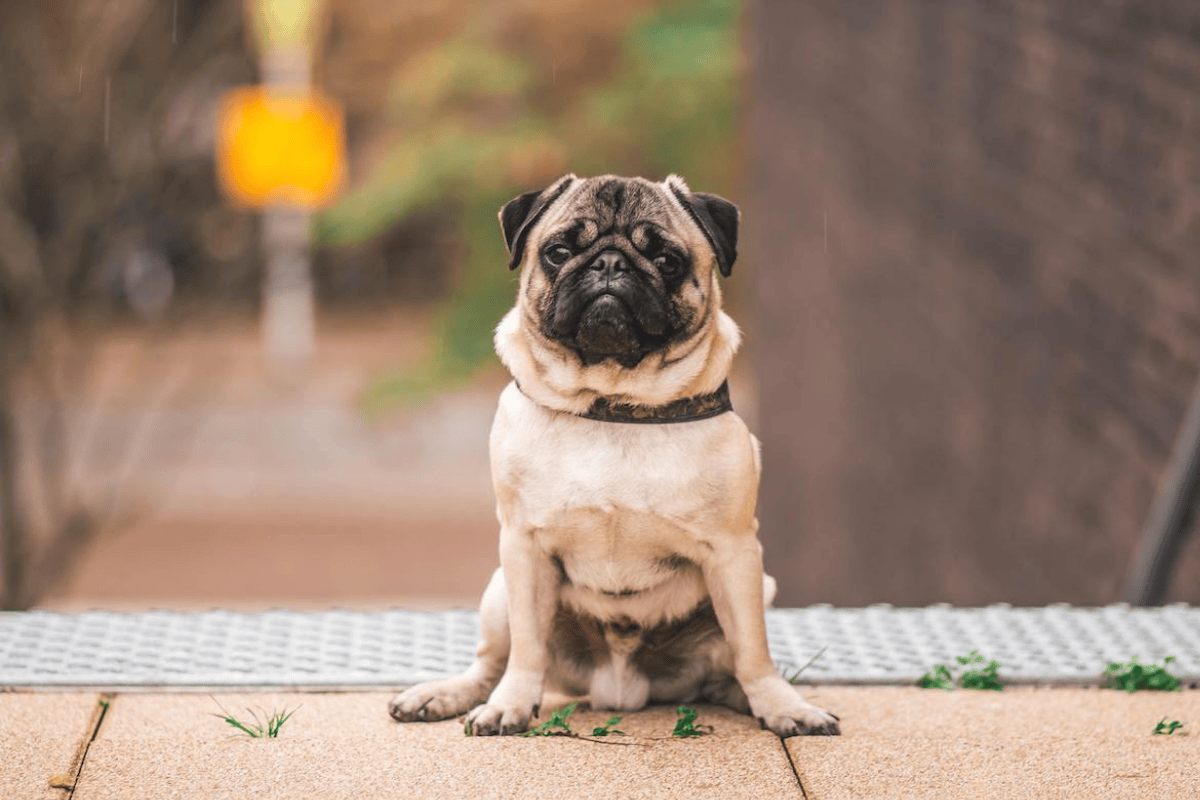
The Pug, a delightful and affectionate breed, is celebrated for its playful personality, compact form, and unmistakable appearance. As a member of the Toy group, it perfectly embodies the phrase "multum in parvo" meaning "a lot in a little" with its sturdy build and abundant charm.
Originating in ancient China, Pugs were cherished by royalty and nobility as symbols of wealth and prestige. Their journey from imperial palaces to European courts highlights their timeless appeal and enduring status as beloved companions.
Pugs are known for their loyalty, intelligence, and even temperament, thriving in various households. With their distinctive wrinkled faces, curly tails, and signature "Pug grin," they bring joy to families worldwide, making them cherished pets and delightful companions.
Pug Appearance
Pugs are instantly recognisable for their compact frame, expressive faces, and charming features.
Size:
Pugs are small, sturdy dogs. They typically weigh 6.3–8.1 kg (14–18 lbs), with a square, compact build that reflects balanced proportions. Their sturdy frame is well-suited to their playful and affectionate nature.
Coat:
Pugs have a short, fine, smooth, and glossy coat, never harsh or woolly. Their coat comes in a variety of colours, including silver, apricot, fawn, and black, often accented by black markings on the muzzle, ears, and a distinctive trace down the back.
Distinctive Features:
- Head: Large and round, with deep and well-defined forehead wrinkles that contribute to their charming expression.
- Eyes: Dark, round, and full of life, conveying warmth, intelligence, and curiosity.
- Muzzle: Short, blunt, and square, giving Pugs their characteristic, endearing appearance.
- Ears: Velvety and small, either 'button' (folding forward) or 'rose' (folding backward), enhancing their soft, approachable look.
- Tail: Tightly curled over the hip, with a double curl particularly desirable according to breed standards.
Overall Impressions:
The Pug’s playful yet dignified personality is reflected in its appearance. With a slightly arched neck, well-sprung ribs, and confident carriage, Pugs exude charm and intelligence, complemented by their unmistakable, tightly curled tails.
Pug History
The Pug’s rich history traces its journey from royal courts to modern-day homes, showcasing its enduring appeal as a beloved companion.
Origins in Ancient China:
Pugs were revered by royalty during the Han dynasty (206 BC–220 AD) as lap dogs and symbols of wealth. These flat-faced, small dogs were kept by emperors and nobility, enjoying luxurious lives.
Journey to Europe:
In the 16th century, Pugs arrived in Europe via Dutch trade routes. They became official dogs of the House of Orange after one reportedly saved Prince William of Orange by alerting him to an assassination attempt. Pugs then gained widespread popularity across England, France, and Italy.
Rise to Popularity:
Pugs were highly favoured by European nobility and often appeared in paintings as cherished companions. Queen Victoria’s love for the breed in the 19th century played a key role in establishing their popularity in Britain and beyond.
Pugs in Australia:
Introduced to Australia in the late 19th century, Pugs quickly became admired for their charm and affectionate temperament. Today, they are among the most popular toy breeds in the country, beloved for their playful personality and unique appearance.
The Pug’s rich history, loyalty, and cheerful nature have made them cherished companions worldwide, continuing to delight families with their endearing traits.]
Find Registered Pug Breeders or Pug Puppies for Sale
Pug Personality
Pugs are adored for their affectionate nature, playful demeanor, and undeniable charm. Their even temperament and lively disposition make them exceptional companions for families, individuals, and households of all sizes.
General Traits:
Charming and Sociable:
Pugs thrive on attention and love being surrounded by their loved ones. Their natural charisma and playful antics bring joy and laughter to any home.
Affectionate and Loyal:
Known for forming deep bonds, Pugs are devoted to their families and enjoy cuddling or simply being near their humans.
Playful and Mischievous:
With a delightful sense of humor, Pugs entertain with their endearing expressions and playful antics, often becoming the household favourite.
Gentle and Adaptable:
Their calm temperament and adaptability allow Pugs to fit seamlessly into a variety of lifestyles, from bustling family homes to quiet apartments.
Watchdog Tendencies:
Alert and Attentive:
While not aggressive, Pugs are naturally alert and will bark to signal unfamiliar sounds or visitors, making them effective little watchdogs.
Protective of Family:
Despite their small size, Pugs are protective and attentive to their loved ones, offering a sense of security with their loyalty and awareness.
Trainability:
Willing Learners:
Pugs are intelligent and eager to please, responding well to fun and engaging training sessions. They often learn tricks and commands quickly.
Patience is Key:
Pugs can exhibit occasional stubbornness, so consistent training with positive reinforcement, like treats and praise, is essential.
Mental Stimulation:
To prevent boredom, Pugs benefit from interactive toys, puzzles, and regular training exercises that challenge their minds and encourage good behaviour.
Love of Attention
Devoted Companions:
Pugs crave human interaction and enjoy being involved in daily activities. Their happiest moments come from spending quality time with their families.
Playful and Energetic:
While not overly demanding in exercise, Pugs enjoy short walks and playtime, ensuring they stay healthy and engaged.
Prone to Separation Anxiety:
Due to their strong attachment to their families, Pugs may experience separation anxiety if left alone for extended periods. They thrive in homes where they receive plenty of attention and affection.
Pug as Family Pets
Pugs are delightful companions, well-suited to households seeking a charming, affectionate, and low-maintenance pet. Their even temperament and playful personality make them ideal for families of all sizes and ages.
Good with Kids? Absolutely!
Gentle and Patient:
Pugs are loving and tolerant, making them wonderful companions for children. Their small yet sturdy build allows for gentle play without being overly fragile.
Supervision is Key:
Always supervise interactions between young children and Pugs to ensure safety and teach children how to handle dogs respectfully.
Playful Companions:
Pugs enjoy spending time with kids, whether playing games, going for short walks, or snuggling on the couch. Their lively nature ensures they’re always ready for fun.
With Other Pets: Great Potential
Sociable by Nature:
Pugs are friendly and get along well with other animals, making them suitable for multi-pet households. Early socialisation fosters positive relationships with other dogs and even cats.
Low Prey Drive:
Unlike some breeds, Pugs are less likely to chase or intimidate smaller pets. Proper introductions and positive reinforcement encourage harmony in the home.
Energy Level: Moderate and Manageable
Adaptable Lifestyle:
Pugs have moderate energy levels and thrive on short daily walks and indoor playtime. They are content in relaxed households and adjust well to apartment living.
Exercise Needs:
While they don’t require excessive exercise, regular walks and activities help maintain their health and prevent weight gain. Interactive toys also provide mental stimulation.
The Joys of a Pug in Your Family
Affectionate and Loyal:
Pugs form deep bonds with their families, often following their owners everywhere, earning them the nickname "velcro dogs."
Low Maintenance:
Their easygoing nature and minimal exercise needs make them perfect for families with a relaxed lifestyle or limited space.
Fun and Entertaining:
Pugs’ playful antics, expressive faces, and lively personalities bring endless joy and laughter to any household.
Bringing a Pug into your home is a rewarding experience. Their affectionate nature, adaptability, and charm make them perfect for singles, couples, and families with children or other pets. A Pug’s presence guarantees love, loyalty, and entertainment for years to come.
Find Registered Pug Breeders or Pug Puppies for Sale
Pug Health & Care
Pugs are generally healthy dogs, but they can be predisposed to certain health conditions. Proactive care and regular veterinary checkups are essential to ensuring your Pug enjoys a long, happy life.
Common Health Concerns
- Brachycephalic Obstructuive Airway Syndrome (BOAS): Due to their flat faces, Pugs may experience breathing difficulties, especially in hot or humid weather. Symptoms include snoring, wheezing, and laboured breathing. Managing weight and avoiding excessive exercise in warm conditions can help alleviate symptoms. Tests are available to breeders to screen for issues in a pug.
- Degenerative Myelopathy: it is a late-onset spinal disease that affects movement and causes hind-leg weakness or paralysis at older age. DNA tests are available to screen if a pug is clear, carrier, or at risk of this issue.
- Pyruvate Kinase Deficiency (PKD): is an inherited red-blood-cell disorder that can cause anemia. DNA tests are available for this disease.
- Pug Dog Encephalitis (PDE): is an inflammatory brain disease. DNA tests are available for this disease.
- Patellar Luxation: This condition, where the kneecap slips out of place, can cause discomfort or lameness. Severe cases may require surgical intervention.
- Heart murmurs: A murmur is a sound of turbulent blood flow that may be harmless or signal heart disease. Pups are vet-checked and, if a murmur is heard, an echocardiogram can be conducted to identify any issues.
- Eye Issues: Their prominent eyes are susceptible to conditions like corneal ulcers, dry eye, and proptosis (displacement of the eye). Regular check-ups and prompt attention to any signs of irritation or injury are vital.
- Obesity: Pugs are prone to weight gain, which can worsen joint problems and breathing issues. A balanced diet and regular exercise are crucial.
- Skin Conditions: Wrinkles can trap moisture and debris, leading to infections. Cleaning and drying the wrinkles regularly helps maintain healthy skin.
- Hip and Elbow Dysplasia: Although less common in Pugs than in larger breeds, it can occur and lead to discomfort or mobility issues. Maintaining a healthy weight and providing low-impact exercise can reduce the risk.
- Spine Issues: Pugs can have hemivertebrae or disc problems. Breeders can conduct spine x-rays at maturity and select for sound structure, reducing risk, while puppies should receive thorough vet checks during development.
While health testing is ideal, tests also need to be appropriate, and have a tangible outcome for both breeders and owners. Breeders and owners should be aware of the potential health concerns within the pug breed, so they are able to make informed decisions when breeding, and owners can make informed decision and stay aware as your puppy develops into an adult.
You can learn more about what to look for when buying a pug, and the health issues and testing available from Dogs Australia.
The Pug Club of NSW and Pug Club of SA also have some great resources to help you understand health and welfare of the pug breed. You may also find a list of all Pug Breed Clubs in your state here.
You may also want to speak directly to a registered pug breeder to learn about the breed's health.
Care Tips for Pugs:
- Weight Management: Feed a high-quality, well-balanced diet and monitor portion sizes to prevent obesity. Consult your vet for tailored dietary advice.
- Exercise Needs: Provide daily walks and gentle play sessions to maintain fitness. Avoid overexertion, especially in hot weather, due to their brachycephalic nature.
- Grooming: Brush their short coat regularly to reduce shedding and keep their skin healthy. Clean and dry their wrinkles frequently to prevent infections. Check and clean their ears to avoid wax buildup.
- Regular Vet Visits: Schedule routine check-ups to catch health concerns early. Discuss breed-specific issues like BAS and eye conditions with your vet for preventative care.
- Dental Care: Brush their teeth regularly and offer dental chews to reduce tartar buildup. Dental care is important due to their small jaws and susceptibility to dental issues.
- Mental Stimulation: Engage your Pug with interactive toys, training sessions, and puzzle feeders to keep their minds active and prevent boredom.
- Monitor Health Changes: Watch for changes in breathing, appetite, energy, or behaviour. Promptly address concerns with your veterinarian, as early intervention is key.
Caring for your Pug
Meeting your Pug’s specific needs ensures they remain healthy and content. Focus on:
Routine Veterinary Visits:
Annual check-ups allow for vaccinations, early detection of health issues, and preventative care for common conditions like BAS and eye problems.
Nutritious Diet:
Portion control and a high-quality diet tailored to their size and activity levels are essential. Consult your vet for dietary recommendations.
Exercise and Play:
Daily walks and moderate playtime keep your Pug fit and help prevent obesity. Avoid strenuous activities, particularly in hot or humid conditions.
Grooming Routine:
Brush their coat regularly, clean their facial wrinkles, and check their ears to maintain overall hygiene.
Mental Engagement:
Pugs thrive on mental stimulation. Incorporate puzzle toys, training, and interactive games into their routine to keep them happy.
By addressing your Pug’s unique needs and providing a well-rounded approach to their care, you’ll ensure they lead a fulfilling, healthy, and happy life as a cherished family member.
Pug Grooming
The Pug’s short, smooth coat is relatively low-maintenance, but regular grooming is essential for maintaining their skin and coat health while addressing their unique needs.
Regular Brushing:
Pugs shed year-round despite their short coat. Brushing once or twice a week with a soft-bristle or rubber grooming brush helps remove loose hair and keeps their coat shiny.
Wrinkle Care:
Facial wrinkles can trap dirt, moisture, and debris, leading to irritation or infections. Gently clean the folds with a damp cloth and dry them thoroughly to prevent skin issues.
Bathing:
Bathe your Pug every 4–6 weeks or as needed using a gentle dog shampoo. Avoid over-bathing to prevent stripping their coat of natural oils, which can cause dryness.
Nail Trimming:
Check and trim nails regularly to prevent overgrowth, which can cause discomfort or affect their gait. Aim to trim their nails every few weeks.
Ear Cleaning:
Inspect their ears weekly for wax buildup or signs of infection. Clean gently with a vet-recommended ear cleaner and a cotton ball.
Dental Care:
Brush their teeth regularly with dog-safe toothpaste to prevent dental issues and maintain fresh breath. Dental chews or toys can supplement their oral care routine.
By addressing their grooming needs regularly, you’ll keep your Pug looking and feeling their best while promoting overall health and happiness.
Find Registered Pug Breeders or Pug Puppies for Sale
Is a Pug Right For You?
Pugs, with their affectionate nature, playful personality, and manageable size, make delightful companions for the right owner. However, their specific needs require thoughtful consideration to ensure a harmonious match.
The Ideal Pug Owner
Loving and Attentive:
Pugs crave affection and thrive as the centre of attention. They are best suited to individuals or families who can dedicate time and care.
Adaptable Lifestyle:
Their small size and moderate energy levels make them perfect for apartments or smaller homes. They adapt well to various living environments when included in family activities.
Moderate Activity Levels:
Pugs enjoy light exercise, such as short walks and interactive play. They are ideal for owners who prefer manageable activity levels.
Health-Conscious:
Owners should be mindful of their brachycephalic (flat-faced) nature, managing their weight, monitoring breathing, and avoiding excessive heat or strenuous exercise.
Seeking a Loyal Companion:
If you value a loving, loyal dog that enjoys being by your side, a Pug is an excellent choice.
Not Ideal If:
You Want a Highly Active Dog:
Pugs are not suited for extensive outdoor adventures or vigorous activities.
You Prefer a Low-Maintenance Pet:
Regular grooming and health monitoring, including wrinkle cleaning, are essential for Pugs.
You Spend Long Hours Away:
Pugs can develop separation anxiety if left alone for extended periods. Reliable care arrangements are necessary if you work long hours or travel often.
Crucial Considerations
Health Management:
Regular vet visits, a balanced diet, and weight control are essential to manage common health concerns like breathing difficulties and eye issues.
Grooming Needs:
Pugs require regular brushing and cleaning of facial wrinkles to prevent infections.
Exercise and Mental Stimulation:
Daily walks, interactive play, and engaging toys help keep them physically and mentally stimulated.
Climate Sensitivity:
Pugs are prone to overheating and require a comfortable environment with minimal exposure to extreme weather.
If you’re seeking a loving, playful, and charming companion, a Pug may be the perfect addition to your home. Understanding their unique needs and providing attentive care will ensure a joyful and fulfilling relationship.
Importance of a Reputable Pug Breeder
Selecting a reputable breeder is crucial for ensuring your Pug is healthy, well-socialised, and suited to your lifestyle. Ethical breeders prioritise the following:
Health Testing:
Reputable breeders conduct screenings to reduce the risk of inherited conditions. They provide documentation of health checks for their dogs.
Temperament Assessment:
Responsible breeders focus on even-tempered, happy dogs. They evaluate temperament to match the right puppy with the right home and provide guidance on raising your Pug.
Early Socialisation and Enrichment:
Puppies raised in nurturing, enriching environments are more likely to develop into confident, well-adjusted companions. Ethical breeders expose puppies to various sights, sounds, and experiences from an early age.
What to Look For in a Breeder:
- Ask about health testing protocols and the parents’ health histories.
- Visit the breeder’s facility to observe living conditions and meet the parent dogs.
- Avoid breeders who lack transparency or prioritise profit over welfare.
By choosing a reputable pug breeder, you ensure your Pug is healthy and well-prepared for life as a loving, loyal companion.
How Long Does a Pug Live For?
Pugs are small, affectionate, and full of cheeky charm. They usually live between 12 and 15 years. Their comical personalities and love of lounging make them great companions, but it’s important to watch their weight and breathing, especially in warmer weather.
Adaptability
Adapts Well To
Pugs are highly adaptable and thrive in a variety of living situations. Their affectionate nature, manageable size, and moderate exercise needs make them suitable for many households and environments.
Apartments and Small Homes:
Pugs’ compact size and moderate energy levels make them ideal for apartment living or smaller homes. They are content with indoor play and short daily walks, making them well-suited for urban living.
Families with Children:
With their gentle temperament and playful personality, Pugs are excellent companions for families with children. They enjoy participating in family activities and form strong bonds with their human companions.
Elderly or Less Active Owners:
Pugs’ moderate exercise requirements and affectionate demeanor make them an ideal match for older adults or individuals with less active lifestyles. They are equally happy lounging on the couch or enjoying light walks.
Important Considerations:
Exercise Needs:
Pugs require light to moderate exercise to maintain a healthy weight and overall well-being. Daily walks and play sessions are sufficient to keep them active and happy.
Climate Sensitivity:
Pugs are sensitive to extreme temperatures, particularly heat, due to their flat faces. Ensure they have a cool and comfortable environment, avoiding strenuous activities during hot weather.
Grooming and Shedding:
Although their short coat is low-maintenance, Pugs shed year-round. Regular brushing will help manage shedding and keep their coat healthy.
Attention and Companionship:
Pugs thrive on human interaction and are happiest when surrounded by their family. They are prone to separation anxiety, so they are better suited to homes where they won’t be left alone for extended periods.
Health Monitoring:
Regular veterinary care is essential for managing potential health concerns such as breathing difficulties, obesity, and eye issues. Owners should be proactive in addressing their Pug’s specific needs.
Adapts Less Well To
While Pugs are versatile, there are certain environments and lifestyles that may not suit them well.
Extremely Active Lifestyles:
Pugs are not built for high-intensity activities such as running or hiking. Their flat noses make them prone to breathing difficulties, particularly during strenuous exercise or in warm weather.
Hot or Humid Climates:
Pugs are highly sensitive to heat and humidity due to their brachycephalic anatomy. They can quickly overheat, which can be life-threatening without proper precautions.
Homes with Extended Absences:
Pugs crave companionship and do not fare well when left alone for long periods. Prolonged isolation may lead to separation anxiety or destructive behaviours. They thrive in homes where someone is frequently available to provide attention and interaction.
Overly Crowded Spaces:
While Pugs adapt well to small living spaces, environments with constant noise or excessive activity may cause them stress or anxiety.
Important Considerations:
- Monitoring Health:Pugs are prone to respiratory issues. Regular vet checkups and careful monitoring of their breathing, especially in challenging environments, are crucial.
- Attention Needs:For owners with demanding schedules, consider pet-sitting services or doggy daycare to meet your Pug’s social and emotional needs.
- Weight Management: Maintain a healthy weight to prevent exacerbating breathing and joint issues. Feed appropriate portions and avoid overindulging in treats.
Pugs are adaptable and affectionate companions, but their unique needs require thoughtful care. With the right attention to their environment, health, and emotional well-being, they can thrive in a variety of settings, bringing endless joy to their families.
Good for Novice Dog Owner
Pugs are often considered an excellent choice for novice dog owners due to their friendly temperament, manageable size, and relatively low-maintenance lifestyle.
Their charming personalities and adaptability make them a great fit for individuals or families new to dog ownership.
Why Pugs Are Good for Novice Owners:
Affectionate and Easygoing:
Pugs are loving companions who enjoy being close to their families. Their gentle and sociable temperament fosters a strong bond with their owners.
Low Exercise Needs:
With moderate energy levels, Pugs are content with short daily walks and light play sessions. They are ideal for individuals or families who prefer a less active lifestyle.
Adaptable to Various Environments:
Whether in an apartment, small home, or larger house, Pugs adjust well to their surroundings. Their small size and moderate activity needs make them suitable for urban or suburban living.
Eager to Please:
Pugs are intelligent and enjoy pleasing their owners. They respond well to positive reinforcement, making them relatively easy to train despite occasional stubbornness.
Challenges for Novice Owners:
Health Monitoring:
Pugs are predisposed to specific health issues, including breathing difficulties, obesity, and eye problems, due to their brachycephalic (flat-faced) structure. Owners must remain vigilant and proactive in managing their health.
Climate Sensitivity:
Pugs are highly sensitive to extreme heat and cold. Novice owners need to ensure a comfortable environment and avoid overexertion during warm or humid weather.
Separation Anxiety:
Pugs thrive on companionship and may develop separation anxiety if left alone for extended periods. New owners should plan for adequate interaction or arrange for care during absences.
How to Succeed as a Pug Owner:
Regular Health Care:
Schedule routine veterinary visits and maintain a healthy diet to manage weight and prevent common health issues.
Consistent Training:
Use short, engaging training sessions with positive reinforcement techniques such as treats and praise to teach basic commands and manners.
Provide Companionship:
Pugs are happiest in homes where they receive ample attention. If your schedule is busy, enlist the help of family members or pet care services to ensure they feel secure.
Environmental Management:
Keep your Pug comfortable by maintaining a cool environment during hot weather and limiting outdoor activities during extreme temperatures.
Grooming Routine:
Regular brushing and cleaning of their facial wrinkles prevent skin infections, while dental care and nail trimming support overall health.
Pugs are ideal for novice owners who can provide affection and attention. With manageable care needs, a playful nature, and loyalty, they bring joy and companionship when their unique needs are met in a loving home.
Sensitivity Level
Pugs are affectionate and sensitive dogs that form deep bonds with their families. Their sensitivity plays a key role in their charm, but understanding their emotional needs is crucial to ensuring their happiness and well-being.
What Makes Pugs Sensitive:
Strong Emotional Bond:
Pugs thrive on human interaction and are highly attuned to their owner’s emotions. They often seek to be close to their families, providing comfort and companionship while mirroring their owner’s feelings.
Social Nature:
With a strong need for attention and companionship, Pugs can be sensitive to being ignored or left alone for extended periods, which may lead to stress or anxiety.
Sensitivity to Environment:
Creatures of habit, Pugs prefer stable, predictable environments. Changes in routine, loud noises, or chaotic surroundings can make them uneasy.
Ownership Impact:
Attention and Companionship:
Regular interaction, affection, and playtime are essential for Pugs’ emotional well-being.
Positive Reinforcement:
Gentle training methods focused on praise and rewards are most effective. Harsh discipline can harm their confidence and trust.
Consistency and Routine:
Predictable feeding times, walks, and play sessions contribute to their sense of security and reduce anxiety.
Recognising Their Needs:
Pugs may show stress through behaviours like whining, excessive licking, or constant reassurance-seeking. Attentive owners can provide comfort and security when needed.
Important Considerations:
Separation Anxiety:
Pugs are prone to separation anxiety due to their strong attachment to their families. Gradual training and distractions, such as toys, can ease their adjustment to alone time.
Noise Sensitivity:
Loud sounds like fireworks or thunderstorms can stress Pugs. A calm, quiet space helps soothe their anxiety.
Patience and Reassurance:
A nurturing environment with gentle guidance helps Pugs build trust and maintain happiness.
The Positive Side of Sensitivity:
Pugs’ sensitivity makes them endearing companions. Their ability to tune into emotions and offer comfort creates a unique bond. With a loving and stable environment, you’ll enjoy a lifetime of joy and warmth from your Pug.
Tolerates Being Alone
Pugs are affectionate and social dogs that thrive on human interaction. They are less tolerant of being left alone for extended periods, as their strong bonds with their families mean they prefer constant companionship and attention.
Social Needs and Attachment:
Loyal Companions: Pugs love being involved in daily activities, whether lounging on the couch or playing in the yard.
Prone to Separation Anxiety: Pugs may experience separation anxiety when left alone, leading to behaviours like whining, barking, or destructive chewing.
Boredom and Loneliness: Without stimulation or companionship, Pugs may develop undesirable behaviours from boredom.
Ownership Impact:
Consider Your Schedule: Homes where someone is often present suit Pugs best. If your schedule is demanding, plan for their care and companionship.
Gradual Training: Help your Pug adjust to alone time by increasing absences gradually and creating positive associations with treats, toys, and cosy spaces.
Mental and Physical Stimulation: Toys, puzzle feeders, and regular exercise help reduce boredom and anxiety.
Important Notes:
Individual Variations: Some Pugs are more independent. Observe their behaviour to gauge their tolerance for alone time.
Create a Safe Environment: Provide a secure, comfortable space with water, toys, and a cosy bed for their comfort.
Tolerates Hot Weather
Pugs are not well-suited for hot weather due to their brachycephalic (short-muzzle) structure and compact build, making them vulnerable to overheating.
Heat Sensitivity:
Risk of Overheating:
Their short nasal passages hinder temperature regulation, increasing their risk of heat exhaustion or heatstroke.
Signs of Heat Distress:
Watch for excessive panting, drooling, rapid breathing, weakness, or collapse. Immediate veterinary care is crucial if heatstroke is suspected.
Ownership Impact:
Limit Outdoor Activities:
Restrict exercise to early mornings or late evenings and avoid peak heat.
Provide Shade and Water:
Ensure access to cool water and shaded rest areas. Indoor living during extreme heat is ideal.
Cooling Aids:
Cooling mats, vests, fans, or misting with water can help keep your Pug comfortable.
Potential Solutions for Hot Climates:
Climate Control:
Ensure your Pug has access to air conditioning or a cool, shaded area during warmer months. Never leave them in hot or poorly ventilated spaces.
Cooling Aids:
Use cooling mats, vests, or fans designed for pets to help them stay comfortable in hot weather.
Exercise Timing:
Limit outdoor activities to cooler parts of the day, such as early morning or late evening, to reduce the risk of overheating.
Tolerates Cold Weather
Pugs are sensitive to cold due to their short, fine coat and limited ability to regulate body temperature.
Cold Weather Sensitivity:
Limited Insulation: Without a thick coat, Pugs are vulnerable to cold temperatures, increasing the risk of discomfort or hypothermia.
Signs of Cold Stress: Shivering, reluctance to move, or seeking warmth signal that your Pug may need help.
Ownership Impact:
Limit Outdoor Time: Focus on indoor activities during cold weather.
Warm Clothing: Dog sweaters or coats can help retain body heat.
Paw Protection: Protect paws from ice, snow, or de-icing chemicals with wipes or booties.
Important Notes:
Indoor Comfort: Pugs thrive in climate-controlled environments. Ensure warmth during colder months.
Exercise Alternatives: Interactive indoor play can replace outdoor walks on extremely cold days.
Friendliness
Affectionate with Family
Pugs are renowned for their affectionate nature, making them wonderful family companions. Their loving and charming personalities ensure they build deep, lasting bonds with their humans.
Pugs as Affectionate Companions:
Devoted and Loving: Pugs thrive on physical contact and emotional connection, often seeking out cuddles and closeness with their owners.
Playful and Entertaining: Their playful antics and love for interaction make them delightful family members.
Eager to Please: Pugs enjoy making their owners happy, which adds to their cheerful and endearing presence.
Ownership Impact:
Time and Attention: Pugs crave constant companionship and are happiest when included in family activities.
Social Butterflies: They adapt well to families with children or other pets, especially with early socialisation.
Gentle and Adaptable: Their calm nature suits a variety of family dynamics, from small households to active families.
Kid-Friendly
Pugs are an excellent choice for families with children due to their friendly, playful, and patient temperament.
Pugs and Children:
Gentle and Patient: Pugs are tolerant and enjoy being part of family activities, including children’s playtime.
Playful and Engaging: Their enthusiasm matches the energy of children, making them ideal companions for kids of all ages.
Comfortable with All Ages: Pugs adapt easily to both young and older children, accommodating varying energy levels.
Teaching Respectful Interaction:
Supervise Early Interactions: Ensure young children handle Pugs gently to avoid unintentional harm.
Educate Children: Teach kids how to interact with Pugs respectfully, including avoiding pulling on wrinkles, ears, or tails.
Benefits of a Pug in the Family:
Bonding Opportunities: Pugs’ affectionate nature fosters close connections with all family members.
Low-Maintenance Playmate: With moderate energy levels, Pugs are suitable for indoor play and occasional outdoor activities.
With Other Pets
Pugs’ friendly and calm demeanour makes them ideal for multi-pet households.
Socialisation and Training:
Early Introductions: Gradual exposure to other pets ensures harmonious relationships.
Gentle and Non-Aggressive: Pugs’ easygoing nature reduces the likelihood of conflict with other animals.
Living with Other Pets:
Adaptability: Pugs adjust well to coexisting with other pets, but initial supervision is essential.
Small Size Consideration: Their size makes them non-intimidating, though care is needed to avoid rough play with larger pets.
Tips for Success:
Monitor Playtime: Supervise early interactions to ensure safety.
Establish Boundaries: Teach pets to respect each other’s space to avoid conflicts.
Gradual Adjustments: Allow time for pets to adapt to each other, using positive reinforcement to encourage calm behaviour.
Friendly Toward Strangers
Pugs’ outgoing and cheerful nature makes them naturally welcoming to strangers.
Pugs and Strangers:
Welcoming Disposition: Pugs enjoy meeting new people, greeting them with wagging tails and curiosity.
Affectionate Greeters: They thrive on attention, making them approachable and friendly.
Non-Guarding Nature: Unlike some breeds, Pugs focus on building bonds rather than displaying guarding instincts.
Encouraging Positive Interactions:
Socialisation: Introduce Pugs to various people and environments early to nurture their sociable personality.
Gentle and Patient: Pugs respond well to calm and friendly interactions.
Ownership Tips:
Supervise Introductions: Ensure both the Pug and the stranger feel comfortable during initial meetings.
Heath & Grooming
Amount of Shedding
Pugs are moderate shedders with a short, smooth coat that requires regular maintenance to manage their consistent shedding.
Shedding Reality:
Short Coat, Big Shedding: Despite their fine, glossy coat, Pugs shed consistently rather than seasonally.
Double Coat in Some Pugs: Many Pugs, especially lighter-coloured ones like fawn, have a double coat, leading to increased shedding compared to single-coated breeds.
Not Hypoallergenic: Like most dogs, Pugs are not hypoallergenic, and their shedding can affect individuals with allergies.
Ownership Impact:
Frequent Grooming: Brush your Pug at least once or twice a week using a rubber curry brush or grooming mitt to manage loose fur and maintain a healthy coat.
House Cleaning Tools: Keep lint rollers and vacuums handy for managing dog hair on furniture and clothing.
Bathing: Bathe your Pug about once a month or as needed to remove excess fur and keep their coat clean. Use a mild dog shampoo to avoid skin irritation.
Health Check: If shedding becomes excessive or is paired with skin issues, consult a veterinarian to rule out underlying conditions like allergies or skin infections.
With regular grooming, Pug owners can effectively manage shedding and enjoy the companionship of their adorable dog without too much fuss.
Drooling Potential
While Pugs are moderate droolers, their facial structure and love for food can occasionally lead to noticeable drooling.
Drooling Reality:
Facial Anatomy: The Pug’s short muzzle and loose skin contribute to occasional drooling, particularly around mealtimes or when treats are involved.
Normal Occurrences: Drooling is most common after drinking water, during meals, or in anticipation of food. While not excessive, it may be more noticeable compared to long-muzzled breeds.
Health Considerations: Unusual or excessive drooling could indicate health problems such as dental issues, nausea, or heat stress. A veterinarian should evaluate any sudden changes.
Ownership Impact:
Manageable Mess: Pugs may leave drool marks on clothing or furniture, particularly after meals or drinks. Regular cleaning can help minimise messes.
Hygiene Maintenance: Wipe their face and clean their wrinkles daily to prevent saliva buildup and keep their skin healthy.
Health Monitoring: Keep an eye on changes in drooling habits, as these could signal potential health concerns.
With simple hygiene care and attentiveness, Pug owners can easily manage drooling, allowing their charming personality to shine through without distraction.
Easy to Groom
Pugs are low-maintenance in terms of grooming, but their unique skin folds and facial structure require regular attention to maintain their health.
Grooming Requirements:
Regular Brushing: Weekly brushing with a soft-bristle brush or grooming mitt helps control shedding and keeps their coat shiny.
Skin Fold Care: Clean their facial wrinkles regularly with a damp cloth to remove dirt and moisture, and dry the area thoroughly to prevent bacterial infections.
Bathing: Bathe your Pug every 1-2 months or as needed using a gentle dog shampoo. Avoid overbathing to preserve their skin’s natural oils.
Nail Trimming and Ear Cleaning: Trim nails regularly to avoid overgrowth and discomfort, and clean their ears to prevent wax buildup and infections.
Ownership Impact:
Minimal Grooming Time: Pugs require less grooming compared to high-maintenance breeds, making them ideal for owners who prefer a manageable routine.
Attention to Details: Daily care of their wrinkles and facial folds is necessary to prevent health issues.
Manageable Shedding: Regular brushing controls shedding and reduces the amount of hair around the home.
By addressing their unique grooming needs with consistency, Pug owners can keep their pets comfortable, healthy, and looking their best. The small effort involved is more than worth it for such an affectionate and charming companion.
General Health
Pugs are generally healthy dogs, but their unique physical features and genetic predispositions make them susceptible to specific health concerns. Responsible ownership includes awareness and proactive care to support their overall well-being.
Potential Health Concerns:
- Brachycephalic Obstructuive Airway Syndrome (BOAS): Due to their flat faces, Pugs may experience breathing difficulties, especially in hot or humid weather. Symptoms include snoring, wheezing, and laboured breathing. Managing weight and avoiding excessive exercise in warm conditions can help alleviate symptoms. Tests are available to breeders to screen for issues in a pug.
- Degenerative Myelopathy: it is a late-onset spinal disease that affects movement and causes hind-leg weakness or paralysis at older age. DNA tests are available to screen if a pug is clear, carrier, or at risk of this issue.
- Pyruvate Kinase Deficiency (PKD): is an inherited red-blood-cell disorder that can cause anemia. DNA tests are available for this disease.
- Pug Dog Encephalitis (PDE): is an inflammatory brain disease. DNA tests are available for this disease.
- Patellar Luxation: This condition, where the kneecap slips out of place, can cause discomfort or lameness. Severe cases may require surgical intervention.
- Heart murmurs: A murmur is a sound of turbulent blood flow that may be harmless or signal heart disease. Pups are vet-checked and, if a murmur is heard, an echocardiogram can be conducted to identify any issues.
- Eye Issues: Their prominent eyes are susceptible to conditions like corneal ulcers, dry eye, and proptosis (displacement of the eye). Regular check-ups and prompt attention to any signs of irritation or injury are vital.
- Obesity: Pugs are prone to weight gain, which can worsen joint problems and breathing issues. A balanced diet and regular exercise are crucial.
- Skin Conditions: Wrinkles can trap moisture and debris, leading to infections. Cleaning and drying the wrinkles regularly helps maintain healthy skin.
- Hip and Elbow Dysplasia: Although less common in Pugs than in larger breeds, it can occur and lead to discomfort or mobility issues. Maintaining a healthy weight and providing low-impact exercise can reduce the risk.
- Spine Issues: Pugs can have hemivertebrae or disc problems. Breeders can conduct spine x-rays at maturity and select for sound structure, reducing risk, while puppies should receive thorough vet checks during development.
The Importance of Reputable Breeders:
Choosing a Pug from a reputable breeder ensures they come from sound genetics and reduces the likelihood of inheriting common health issues. Ethical breeders conduct health screenings and are transparent about any potential concerns.
Ownership Impact:
Regular Veterinary Care: Routine check-ups, vaccinations, dental cleanings, and monitoring of breed-specific health concerns are essential.
Weight Management: Provide a balanced diet with appropriate portion sizes and ensure regular, moderate exercise tailored to your Pug’s physical needs.
Skin and Eye Care: Clean wrinkles and monitor eyes for redness or discharge. Promptly address issues to prevent complications.
Potential for Weight Gain
Pugs’ love for food, combined with their compact build and moderate activity levels, makes them prone to weight gain. Proper diet management and exercise are essential for preventing obesity-related health problems.
Factors Contributing to Weight Gain:
Overfeeding: Pugs have a tendency to overeat, especially with frequent treats or oversized portions. Table scraps and calorie-dense snacks should be avoided.
Reduced Activity: Pugs generally have lower energy levels. Their short muzzles can make strenuous activity challenging, particularly in warm weather, limiting their exercise.
Medical Conditions: Hypothyroidism or other health issues may contribute to weight gain and reduced activity.
Ownership Impact:
Portion Control: Accurately measure your Pug’s food based on their age, weight, and activity level. Follow veterinary recommendations for a balanced diet.
Healthy Treats: Choose low-calorie options like carrot sticks or apple slices instead of high-calorie treats. Moderation is key.
Regular Exercise: Incorporate activities suited to Pugs, such as short walks, interactive play, or mental stimulation with toys.
Weight Monitoring: Regularly assess your Pug’s weight and body condition. If weight gain occurs, consult your veterinarian to adjust their diet or exercise routine and rule out health issues.
The Importance of a Healthy Weight:
Maintaining a healthy weight is vital for your Pug’s quality of life. Obesity can strain their joints, worsen breathing issues, and increase the risk of conditions such as diabetes or heart disease. With proper nutrition, portion control, and moderate exercise, you can ensure your Pug remains happy, healthy, and active.
Trainability
Training
Pugs are intelligent and eager to please, making them relatively easy to train. However, their playful nature and occasional stubborn streak may require patience and consistency during training.
Key Traits for Training:
Eager to Please: Pugs thrive on positive reinforcement and love to make their owners happy. Praise, treats, and affection work well as motivators.
Playful Nature: Their natural playfulness can be harnessed during training sessions to keep them engaged and interested.
Stubborn Streak: While generally cooperative, Pugs can sometimes be headstrong. Short, fun training sessions help keep them focused.
Training Tips:
Start Early: Begin training and socialisation as puppies to establish good behaviours and reduce the likelihood of bad habits forming.
Positive Reinforcement: Use rewards such as small treats, verbal praise, or playtime to encourage desired behaviours. Avoid harsh discipline, as it can harm their trust and confidence.
Consistency is Key: Be consistent in commands and expectations to reinforce learning and ensure reliable responses.
Patience and Persistence: Training may take time, so remain patient and persistent. Repetition and encouragement are essential.
Skills to Focus On:
Basic Commands: Teach essential commands such as sit, stay, and come early on.
Leash Training: Practice walking on a leash to prevent pulling or lagging behind.
House Training: Be consistent with potty schedules and reward successes to help Pugs learn quickly.
Pugs’ affectionate and adaptable nature makes them enjoyable to train. With positive reinforcement and a little patience, they can master essential skills and become well-behaved, delightful companions.
Intelligence
Pugs are charming and intelligent companions, known for their ability to learn quickly when training is engaging, rewarding, and fun.
A Clever Companion:
Quick Learners: Pugs respond well to basic commands and tricks when training sessions are consistent, interactive, and enjoyable.
Eager to Please: Their affectionate nature and strong bond with their owners motivate them to learn when positive reinforcement is used.
Playful Problem Solvers: While not as task-driven as working breeds, Pugs enjoy interactive challenges and can exhibit problem-solving skills during playtime.
Ownership Impact:
Engage Their Minds: Pugs benefit from activities like puzzle toys, games, and varied training sessions that stimulate their intelligence and prevent boredom.
Use Positive Reinforcement: Treats, praise, and affection are effective motivators. Harsh corrections can discourage them, so focus on encouragement.
Short Sessions Work Best: Due to their playful and sometimes stubborn nature, brief and enjoyable training sessions help maintain their focus and enthusiasm.
Channelling Their Intelligence:
Pugs may not excel as working dogs, but their intelligence shines in their connections with their owners. Providing mental stimulation through rewarding and varied activities fosters a happy, well-behaved, and thriving companion.
Potential for Mouthiness
Pugs, particularly as puppies, can display mouthy behaviours such as nipping, chewing, and mouthing. These behaviours stem from their playful and curious nature.
Mouthy Behaviour:
Teething: Like all puppies, Pugs may mouth and chew to alleviate discomfort during teething.
Playfulness: Their lively temperament often leads them to use their mouths during play, especially when excited.
Exploration: Pugs use their mouths to explore new textures and objects in their environment, driven by curiosity.
Ownership Impact:
Early Training: Teach appropriate behaviours early using positive reinforcement. Help your Pug learn bite inhibition and discourage nipping during play.
Positive Reinforcement: Reward gentle play and redirect energy when mouthing becomes inappropriate. Avoid scolding, as Pugs are sensitive and respond better to encouragement.
Provide Chew Toys: Offer safe, age-appropriate chew toys to satisfy their chewing urges and protect household items.
Supervision: Always monitor interactions between your Pug and children or other pets to ensure safe and positive play.
By guiding their mouthy tendencies with patience and positive reinforcement, you can help Pugs develop excellent manners and enjoy playful, safe interactions.
Prey Drive
Pugs are not typically known for a strong prey drive, but their playful and curious personality can occasionally lead to chasing behaviours.
Playfulness and Curiosity:
Chasing Instinct: Pugs may chase toys, small animals, or moving objects out of excitement rather than predatory intent.
Social Interactions: They are more likely to engage with other animals out of friendliness and curiosity than for hunting purposes.
Ownership Impact:
Leash Training: Teach proper leash behaviour to prevent chasing distractions during walks. Early training is essential.
Supervision: Monitor off-leash activities to avoid situations where their curiosity could lead to wandering.
Socialisation: Early exposure to different animals and environments reduces the likelihood of chasing behaviours.
Interactive Play: Redirect their chasing instinct into structured games with toys for mental and physical stimulation.
By understanding and managing their playful tendencies, Pugs can remain well-behaved and content while enjoying their environment.
Pugs
Pugs are devoted, people-oriented dogs with a low tendency to wander. Their strong bond with their family and contentment in familiar surroundings make them ideal companions for home-focused owners.
Content Companions:
Close to Home: Pugs prefer staying near their loved ones and rarely venture far from their family.
Limited Independence: Their loyal and affectionate nature reduces the likelihood of roaming.
Curiosity Without Straying: Pugs are naturally curious but generally remain within their home environment.
Ownership Impact:
Supervised Outdoor Time: Always supervise your Pug during outdoor activities, even with their low wanderlust potential.
Secure Fencing: Ensure your yard is securely enclosed to prevent accidental escapes.
Identification: Equip your Pug with a collar, ID tags, and microchipping for added security.
Interactive Play: Engage your Pug with games and activities to satisfy their curiosity without encouraging roaming.
Their loyalty and low wanderlust potential make Pugs a great choice for owners seeking a devoted and home-focused pet.
Tendency to Bark or Howl
Pugs are not excessive barkers, but they are expressive and may use barks, grunts, and snorts to communicate.
Barking Tendencies:
Alert Barking: Pugs may bark to alert their owners of visitors or unusual noises.
Excitement or Playfulness: Barking often accompanies playtime or excitement, such as greeting family members.
Attention-Seeking: As people-oriented dogs, Pugs may vocalise to express needs or gain attention.
Ownership Impact:
Early Training: Teach commands like "quiet" early to manage vocal tendencies effectively.
Address the Cause: Determine why your Pug is barking (e.g., boredom, anxiety, or excitement) and address the underlying need.
Positive Reinforcement: Reward calm behaviour and avoid scolding, which may confuse or upset sensitive Pugs.
Interactive Stimulation: Provide enough mental and physical stimulation to reduce boredom-related barking.
By understanding their vocal nature and addressing their needs, you can enjoy your Pug’s expressive personality without excessive noise.
Exercise Needs
Exercise Requirements
Pugs have moderate exercise needs, thriving on short bursts of activity and interactive play. Regular exercise is essential to maintain their health and prevent obesity.
Daily Physical Activity:
20–40 Minutes per Day: Pugs benefit from leisurely walks, indoor play, or light outdoor activities.
Avoid Overexertion: Due to their short muzzles, avoid strenuous exercise, especially in hot or humid weather, to prevent overheating.
Variety and Engagement:
Low-Impact Activities: Gentle fetch, short strolls, and interactive toys are ideal for keeping Pugs entertained.
Rotated Activities: Vary activities to keep them mentally stimulated and prevent boredom.
Energy Level Considerations:
Puppies: Young Pugs are energetic but require short, frequent play sessions to avoid overexertion.
Adults: Adult Pugs thrive on consistent, moderate exercise to maintain a healthy weight and avoid boredom.
Seniors: Older Pugs benefit from gentle walks and light activity tailored to their reduced energy levels.
With regular, tailored exercise that considers their unique needs, Pugs remain healthy, happy, and content.
Potential for Playfulness
Pugs are lively, affectionate companions with a strong playful side. Their cheerful disposition and love for interaction make them delightful partners for playtime activities.
Playful Personalities:
Joyful Playmates: Pugs are naturally playful and enjoy games like fetch, tug-of-war, or chasing toys. Their energetic and happy nature makes them eager participants in play.
Interactive and Engaging: These dogs thrive on interactive activities with their owners, such as hide-and-seek or treat-dispensing puzzles, fostering mental stimulation and bonding.
Social Butterflies: Pugs love socialising with family members and other pets, bringing humour and charm to every play session.
Ownership Impact:
Daily Playtime: Dedicate time each day to engage in playful activities with your Pug. Short, engaging sessions keep them entertained and strengthen your relationship.
Variety in Games: Rotate activities to include gentle fetch, puzzle toys, and problem-solving games to stimulate both their minds and bodies.
Consider Their Size and Energy Levels: Tailor activities to suit their compact build and moderate energy levels, avoiding overexertion or stress.
With their playful, endearing personalities, Pugs bring immense joy to their families. Regular interactive play helps them stay happy, active, and deeply connected to their loved ones.
Find Pug Breeders
or
View Pug Puppies for Sale |
View Pug Older Dogs for Sale