

The Rottweiler
| Size | Large |
| Weight | Females: 35-48 kg, Males: 50-60 kg |
| Breed Group | Group 6 - Utility |
| Exercise Requirements | High |
| Grooming Requirements | Low |
| Life Span | 8-10 years |
| Characteristics | Loyal, Protective, Confident, Good-natured |
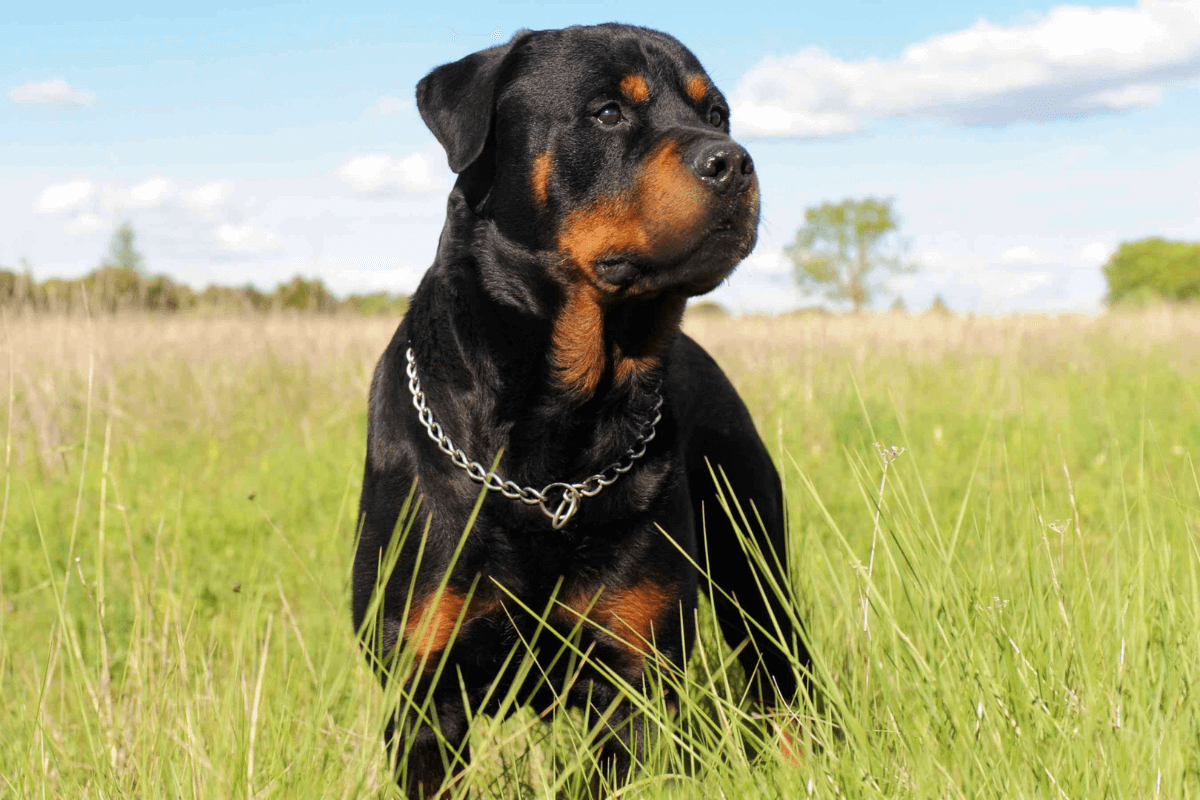
Regarded as one of the oldest and most resilient breeds, the Rottweiler stands out for its strength, loyalty, and historical significance. Bred initially to serve as a dependable herding and driving dog, this powerful breed has roots tracing back to Roman times, where they accompanied legions, guarding and driving cattle across the Alps.
Named after the German town of Rottweil, the breed became invaluable for butchers and livestock keepers due to its dedication to protecting both property and herds. The Rottweiler’s impressive agility, intelligence, and robust physique made it a trusted companion and an effective working dog, especially for tasks requiring courage and stamina.
Today, the Rottweiler remains highly regarded as a loyal companion and versatile service dog. Known for its calm demeanour and unwavering protectiveness, the breed excels in roles such as police work, search and rescue, and as a devoted family guardian. Its steady temperament, combined with remarkable strength and a natural instinct for guarding, continues to make the Rottweiler a beloved and respected breed worldwide.
Rottweiler Appearance
The Rottweiler is a robust and well-proportioned breed, exuding strength and confidence through its powerful build and noble stance.
Size: Rottweilers are medium to large dogs. Males typically stand 61-68 cm at the withers, with an ideal weight around 50 kg, while females measure slightly smaller at 56-63 cm and weigh approximately 42 kg.
Coat: The Rottweiler sports a double-layered coat, comprising a dense and coarse outer layer that lies flat and an undercoat that provides insulation. The coat is short to medium in length, with slightly longer hair on the back of the legs.
Distinctive Features: Rottweilers are easily recognisable by their black coat with rich tan markings on the cheeks, muzzle, chest, legs, and under the tail. Their almond-shaped dark brown eyes convey alertness, while their medium-sized, triangular ears sit high on the skull, enhancing their powerful appearance.
A Picture of Strength and Stability: Built with a compact and muscular frame, the Rottweiler’s structure emphasises both strength and endurance. Their powerful shoulders, broad chest, and sturdy limbs contribute to their agility and stamina, making them well-suited for a variety of working roles. The Rottweiler’s physical appearance reflects its heritage as a dependable working dog, capable of both strength and precise movement.
Rottweiler History
The history of the Rottweiler is rooted in resilience and dedication, tracing back to ancient times as a trusted working dog.
Origins in Ancient Rome: The Rottweiler’s lineage dates to Roman times, where they were used as herding and driving dogs by the Roman legions. These dogs marched alongside soldiers, guarding and herding cattle to provide sustenance as the troops advanced.
The Rottweil Butcher’s Dog: After the fall of the Roman Empire, these dogs settled in the town of Rottweil, Germany, where they mixed with native breeds. Here, they became indispensable to butchers and cattle traders, who relied on their strength, loyalty, and herding instincts. Known as the “Rottweil butcher’s dog,” these dogs were prized for their ability to drive cattle and protect their masters.
Recognition as a Working Dog: As urbanisation reduced the need for cattle drivers, the Rottweiler’s role shifted. At the turn of the 20th century, the breed’s loyalty, strength, and intelligence were recognised for police and guard work. In 1910, the Rottweiler was officially recognised as a police dog, marking a new era for the breed as a protector and service dog.
Rottweilers Today: The Rottweiler remains a symbol of strength and loyalty, celebrated for its versatility in roles ranging from family guardian to police service. Its steady temperament, impressive endurance, and dedication continue to make the Rottweiler a beloved and respected breed worldwide.
Find Registered Rottweiler Breeders or Rottweiler Puppies for Sale
Rottweiler Personality
Rottweilers are known for their loyal, calm, and confident temperament, making them outstanding companions and reliable guardians.
General Traits:
Loyal and Devoted: Rottweilers form strong bonds with their families and are deeply loyal. They are protective by nature and often feel responsible for their family’s well-being, making them trustworthy companions.
Confident and Self-Assured: Rottweilers possess a natural confidence and an unflappable demeanour, remaining calm and composed in various situations. This steady disposition makes them well-suited for roles in service and protection.
Good-Natured and Eager to Work: They are generally friendly with those they know, displaying a gentle disposition with family members. They are also highly willing to work and are happiest when given tasks, thriving in environments where they can exercise their strength and intelligence.
Watchdog Tendencies:
Alert and Observant: Naturally alert, Rottweilers are always aware of their surroundings, responding quickly to anything they perceive as a threat. Their watchful nature and loyalty make them excellent guardians.
Protective Instincts: Rottweilers are protective of both their family and home, and they are fearless when defending loved ones. This protective instinct, combined with their courage, makes them ideal for roles in security and personal protection.
Territorial Awareness: Rottweilers have a strong sense of territory and can be reserved around strangers, often alerting their owners to anyone approaching. This trait can be managed with proper socialisation to ensure they are well-mannered in various settings.
Trainability:
Eager to Learn: Rottweilers are highly trainable and respond well to structured training programs. Their intelligence allows them to quickly pick up new commands, and they excel in activities requiring focus and obedience.
Firm and Consistent Training Required: Rottweilers benefit from firm, consistent training to harness their strength and assertiveness positively. They respond best to calm, assertive handlers who provide clear guidance.
Need for Mental and Physical Engagement: Mental stimulation is essential for Rottweilers. Without engaging in activities and tasks, they can become bored and may develop destructive behaviours. Interactive training and puzzle toys help keep their minds sharp and prevent boredom.
Love of Attention:
Strong Family Bonds: Rottweilers thrive on family involvement and enjoy being close to their loved ones. They are happiest when included in family activities and are known for their affectionate and gentle nature with those they trust.
Requirement for Regular Exercise: Due to their strength and stamina, Rottweilers need regular exercise to stay healthy and content. Daily walks, playtime, and activities are essential for their well-being.
Potential for Separation Anxiety: Their attachment to family members can lead to separation anxiety if left alone for long periods. They do best with families who can provide companionship and interaction throughout the day.
Rottweiler as Family Pets
Rottweilers can make loyal and loving family pets for households prepared to meet their unique needs. Their protective instincts, gentle disposition with family, and intelligence make them wonderful companions. However, their strength, training needs, and guarding tendencies require careful consideration.
Good with Kids? Supervision is Key
Protective and Gentle: Rottweilers are known to be gentle and tolerant with children, especially when raised with them. They often take on a protective role, looking out for younger family members.
Training and Socialisation: Early socialisation and training are essential to ensure a Rottweiler behaves well with children. They should learn to be calm and controlled around children, while children should be taught how to interact respectfully with the dog.
Size and Strength: Rottweilers are powerful dogs, and even their playful behaviour can unintentionally overwhelm small children. Supervised interactions help prevent accidents and ensure everyone’s safety.
With Other Pets: Requires Patience and Socialisation
Early Socialisation: Rottweilers can live peacefully with other pets, but early and consistent socialisation is key. They should be introduced to other animals in a calm, positive environment to develop good social habits.
Dominance with Other Dogs: Some Rottweilers may show dominance, particularly with dogs of the same sex. Proper introductions and supervision are important to avoid conflicts.
Energy Level: Moderate to High
Exercise Needs: Rottweilers have moderate to high energy levels and require regular exercise to stay healthy and content. An active lifestyle with daily walks, playtime, or even work-related tasks is essential for their well-being.
Mental Stimulation: They are intelligent dogs and need mental challenges to stay engaged. Interactive games, obedience training, and puzzle toys are effective ways to keep their minds active.
The Joys of Having a Rottweiler in Your Family
Loyal and Protective: Rottweilers are exceptionally loyal and form strong bonds with their families. Their natural protectiveness provides a sense of security to their loved ones.
Intelligent and Trainable: Their intelligence and eagerness to please make them highly trainable. With consistent guidance, they can quickly learn commands and adapt to family routines.
Affectionate and Devoted: Despite their powerful appearance, Rottweilers have a gentle side and enjoy spending time with their families. They thrive on companionship and often seek affection from their loved ones.
Bringing a Rottweiler into your family is a rewarding commitment that requires time, training, and a willingness to meet their physical and mental needs. For the right family, they offer unmatched loyalty, companionship, and a protective presence.
Find Registered Rottweiler Breeders or Rottweiler Puppies for Sale
Rottweiler Health & Care
Rottweilers are generally healthy dogs, but like all breeds, they may be prone to certain health conditions. Responsible ownership includes awareness of potential health issues to make informed care decisions. Working with a reputable breeder who conducts health screenings and partnering with a trusted veterinarian can help ensure a long, healthy life for your Rottweiler.
Common Health Concerns:
- Hip and Elbow Dysplasia: Rottweilers are susceptible to hip and elbow dysplasia, conditions where the joints do not develop properly, leading to pain, lameness, and arthritis over time. Testing is available to breeders such as x-rays and scoring. The lower the score the better. A good breeder will screen for these prior to a mating to help reduce their incidence.
- Juvenile Laryngeal Paralysis & Polyneuropathy (JLPP): a disease that affects the nerves that supply the muscles of the larynx, leading to muscle weakness and paralysis in the spine and body. Testing is available to screen for this genetic disease.
The National Rottweiler Council of Australia also has great information about the common health concerns in the rottweiler breed in Australia. You may also find a full list of Rottweiler Breed Clubs in Your State here
Routine Care Tips:
- Exercise Needs: Rottweilers are active dogs and benefit from regular exercise to maintain their physical and mental health. Daily walks, playtime, and activities that allow them to use their strength and agility are recommended.
- Diet and Weight Management: A balanced diet is crucial to keep Rottweilers at a healthy weight, which can prevent stress on their joints and lower the risk of certain health issues. Consult with a veterinarian for dietary recommendations tailored to their size and activity level.
- Oral Health: Regular dental care is essential to prevent gum disease and maintain oral health. Brush their teeth regularly, and consider using dental chews or professional cleanings as recommended by your veterinarian.
- Joint Care: As Rottweilers are prone to joint issues, supplements like glucosamine and chondroitin can support joint health. Discuss joint care options with your vet, especially as your dog ages.
By staying informed and proactive about their health, you can help your Rottweiler live a happy, active life. Regular vet visits, preventive care, and attention to their physical and mental well-being will contribute to a strong, enduring bond with your Rottweiler.
Caring for your Rottweiler
Caring for a Rottweiler requires a balanced approach that includes regular vet checkups, a nutritious diet, sufficient exercise, and consistent mental stimulation to ensure their health and happiness.
Regular Vet Visits: Routine veterinary visits are essential to monitor your Rottweiler’s health and catch potential issues early. Annual checkups allow for necessary vaccinations, preventive care, and health screenings, especially for common breed-specific conditions like hip dysplasia and heart issues.
Nutritious Diet: A high-quality diet formulated for large breeds is crucial to support the Rottweiler’s muscular build and energy needs. Portion control is important, as Rottweilers can be prone to obesity, which may strain their joints and impact overall health. Consult your veterinarian for dietary recommendations suited to your dog’s age and activity level.
Exercise for Physical and Mental Health: Rottweilers are energetic and require daily exercise to maintain their physical and mental well-being. Aim for at least an hour of activity, including walks, playtime, and strength-building exercises. Engaging them in agility training, obedience drills, or play sessions helps keep them fit and mentally stimulated.
Grooming Needs: Rottweilers have a short, dense coat that benefits from weekly brushing to reduce shedding and keep it healthy. Bathing should be done as needed, and it’s essential to check and clean their ears regularly. Routine nail trimming and dental care are also important parts of grooming.
Mental Stimulation: Rottweilers are intelligent dogs who need mental challenges to stay engaged and prevent boredom. Interactive toys, obedience training, and puzzle games help keep their minds sharp. Providing tasks and training exercises gives them a sense of purpose and prevents unwanted behaviours.
Monitoring for Health Changes: Keep an eye out for changes in your Rottweiler’s behaviour, appetite, or energy levels, as these may indicate underlying health concerns. Prompt attention to any unusual signs, like limping or excessive panting, can make a significant difference in treatment outcomes.
With attentive care, a balanced lifestyle, and regular interaction, your Rottweiler can lead a fulfilling, healthy life as a loyal companion.
Find Registered Rottweiler Breeders or Rottweiler Puppies for Sale
Rottweiler Grooming
The Rottweiler's short, dense double coat is relatively low-maintenance but benefits from regular grooming to keep it in top condition and reduce shedding.
Regular Brushing: Weekly brushing is sufficient to remove loose hair and keep the coat looking its best. During seasonal shedding periods, more frequent brushing may be needed to control shedding and prevent hair from accumulating in the home.
Bathing: Bathe your Rottweiler every 2-3 months or as needed, using a gentle, dog-specific shampoo. Over-bathing can strip the coat of its natural oils, so it’s best to keep baths minimal unless they get particularly dirty.
Nail Trimming: Regular nail trims are important for comfort and overall health. Overgrown nails can cause discomfort and difficulty walking, so check their nails every few weeks and trim as necessary.
Ear Cleaning: Rottweilers have ears that can trap debris, so it’s essential to check and clean them regularly to prevent infections. Use a vet-recommended ear cleaner and avoid inserting anything into the ear canal.
Dental Care: Routine dental care, including brushing their teeth and providing dental chews, is beneficial to prevent tartar buildup and maintain oral health.
With regular grooming and attention to these needs, your Rottweiler will look and feel their best, contributing to their overall health and happiness.
Is a Rottweiler Right For You?
The Rottweiler, with its strong, protective instincts and loyal nature, is a breed that commands respect and thrives under responsible ownership. However, this breed may not be suitable for everyone. Prospective Rottweiler owners should evaluate their lifestyle and experience to ensure they can meet the breed's needs.
The Ideal Rottweiler Owner:
Active and Engaged: Rottweilers are active dogs that require regular exercise and mental stimulation. They thrive with owners who can provide daily walks, playtime, and structured activities to keep them fit and mentally engaged.
Experienced with Strong Breeds: Rottweilers are powerful dogs with a natural instinct to protect, so they need a confident and experienced owner who can provide consistent, positive training and assertive leadership.
Committed to Training: Early training and socialisation are essential for Rottweilers to grow into well-behaved adults. An ideal owner enjoys training and can offer guidance in obedience, socialisation, and possibly even dog sports.
Looking for a Loyal Protector: Rottweilers are known for their loyalty and natural protective instincts. They form strong bonds with their families and are dedicated guardians, making them well-suited for those seeking a dependable, protective companion.
Not Ideal If:
You Have Limited Time for Exercise and Interaction: Rottweilers need regular exercise and mental stimulation to prevent boredom. If your schedule is too busy, this breed may not get the activity and engagement it requires.
You Lack Experience with Dogs: Rottweilers are best suited to experienced dog owners who can provide consistent training and leadership. They may be challenging for first-time dog owners due to their strength and protective tendencies.
You Prefer a Quiet Companion: Rottweilers are alert and protective, and they may be naturally wary of strangers. If you prefer a low-energy dog with minimal watchdog tendencies, a different breed might be a better fit.
Crucial Considerations:
Exercise Needs: Rottweilers benefit from at least an hour of exercise daily, whether through walks, play, or structured activities. Their energy needs make them a better match for active individuals or families.
Training and Socialisation: Early and consistent training, paired with socialisation, is key to helping a Rottweiler become a confident and well-mannered companion.
Grooming and Health Management: Rottweilers have moderate grooming needs and require regular checkups. It’s essential to stay informed about potential health issues, such as hip dysplasia, and work with a reputable breeder and veterinarian.
If you’re looking for a loyal, intelligent, and protective companion, a Rottweiler might be the perfect fit. Their dedication, strength, and calm demeanour make them outstanding family protectors when raised in a loving and responsible home. By understanding their needs and providing them with the care, training, and commitment they deserve, you can develop a rewarding bond with this remarkable breed.
Find Registered Rottweiler Breeders or Rottweiler Puppies for Sale
The Importance of a Reputable Rottweiler Breeder
Selecting a reputable breeder is essential when considering a Rottweiler for your family. A responsible breeder’s practices significantly impact the health, temperament, and overall well-being of the puppies they produce. Ethical breeders focus on the following key areas to ensure each puppy’s quality and compatibility with the breed’s standards.
Health Testing: Reputable breeders prioritise health and genetic screening to minimise the risk of inherited conditions.
Temperament Assessment: Ethical breeders emphasise the Rottweiler’s characteristic good-natured disposition. They carefully evaluate the temperament of their breeding dogs, ensuring that they meet the Rottweiler’s standards of devotion, alertness, and steadiness. A reputable breeder will discuss temperament openly and answer any questions to ensure you understand the traits typical of Rottweilers.
Early Socialisation and Enrichment: Puppies raised in an enriching and positive environment are more likely to grow into confident, well-adjusted adults. Ethical breeders prioritise socialisation from an early age, introducing puppies to various sounds, people, and experiences. This early enrichment helps them adapt to new situations and contributes to their calm and observant nature.
How to Find a Reputable Breeder
Research Breeder Listings and Clubs: Start by exploring resources like breed clubs or organisations, such as the Rottweiler Club in your region, for a list of reputable breeders. Additionally, websites such as Dogz Online offer breeder member listings to help you locate responsible breeders nearby.
Ask Key Questions: Inquire about health screenings, socialisation practices, and parental temperament. A responsible breeder will readily answer questions and discuss their breeding practices, welcoming your curiosity and demonstrating a commitment to quality.
Visit the Breeder if Possible: When circumstances allow, visiting the breeder’s facility offers valuable insights. Observing the conditions in which the puppies are raised and meeting the parent dogs can give you confidence in the breeder’s practices. Clean facilities and friendly, healthy parent dogs are signs of a responsible breeding environment.
Recognise Red Flags: Be cautious of breeders who are unresponsive to questions or lack transparency about their breeding practices. A reputable breeder prioritises the health and welfare of their dogs and actively seeks suitable homes for their puppies. However, remember to engage respectfully, as breeders balance many responsibilities in caring for their animals.
By selecting a reputable breeder, you gain more than just a Rottweiler; you receive a healthy, well-socialised companion whose temperament and quality reflect ethical breeding standards. This commitment to responsible breeding practices enhances the chances of a lifelong, fulfilling relationship with a Rottweiler who will enrich your family and faithfully uphold the breed’s esteemed qualities.
How Long Does a Rottweiler Live For?
Rottweilers are confident, loyal, and protective companions that usually live between 8 and 10 years. With the right care—including a healthy diet, consistent exercise, and preventative vet care—they can enjoy a robust and active life.
Adaptability
Adapts Well To
Rottweilers are adaptable dogs known for their versatility and strength. While they can thrive in a range of environments, it’s essential to consider their exercise needs, temperament, and protective instincts when determining a suitable home.
Homes with Secure Yards: Rottweilers enjoy having space to move freely, and a securely fenced yard provides them a safe area to exercise and explore. Their strength and energy make them well-suited to environments where they can play and burn off energy in a controlled space.
Active Households: With their robust build and working dog background, Rottweilers are an excellent match for active families or individuals who enjoy physical activities like walking, running, and hiking. They thrive when given regular exercise and opportunities to engage in family activities.
Rural Settings: Rottweilers, with their origins as working dogs, are comfortable in rural areas where they can enjoy larger spaces and engage in tasks that utilise their intelligence and stamina. They appreciate environments where they can move freely and have a sense of purpose.
Important Considerations:
Exercise and Mental Stimulation: Rottweilers require substantial physical activity and mental challenges daily to maintain a healthy balance. Committing to regular exercise sessions and interactive activities will help them stay happy and prevent potential behavioural issues.
Consistent Training and Socialisation: Early and consistent training and socialisation are essential for Rottweilers. They are intelligent and eager to learn but respond best to positive reinforcement. Regular socialisation helps ensure they grow into well-rounded and confident adults.
Protective Instincts: Rottweilers are naturally protective and will guard their family and territory. Proper training is essential to channel these instincts appropriately and prevent overprotective behaviours in certain environments.
Moderate Shedding: With a double coat, Rottweilers shed year-round and more heavily during seasonal changes. Routine brushing helps manage shedding, keeps their coat healthy, and minimises loose fur in the home.
Rottweilers make loyal and devoted companions in the right environment, especially when their needs for exercise, training, and social interaction are met. Their adaptability, intelligence, and protective instincts make them an excellent fit for homes that can provide them with both activity and companionship.
Adapts Less Well To
Small Apartments: Due to their size, strength, and moderate exercise needs, Rottweilers are not ideally suited for small apartment living. They benefit from having space to move around, and in confined spaces without sufficient physical and mental stimulation, they may become restless or develop behavioural issues.
Sedentary Lifestyles: Rottweilers are active dogs with a history as working and guard dogs. They require regular exercise and mental engagement to stay healthy and happy. A sedentary lifestyle does not suit their needs, and lack of stimulation can lead to frustration and undesirable behaviours.
Inexperienced Owners: The Rottweiler’s intelligence, protective nature, and physical power make them best suited to experienced dog owners. They require consistent training and a firm, confident leader. Novice dog owners may find their strong-willed personality challenging without prior experience.
Potential Solutions for Apartment Living:
Daily Exercise Commitment: If living in an apartment, a Rottweiler will require multiple daily walks, ample outdoor play, and exercise sessions in open spaces or dog parks to burn off energy.
Mental Enrichment: Provide engaging activities like puzzle toys, obedience training, and interactive games that challenge their intelligence. These can help keep their minds active, especially in limited spaces.
Professional Training: Enrol in training classes or work with a professional trainer to ensure proper socialisation and guidance, particularly in apartment settings.
Important Considerations:
Exercise and Stimulation Needs: Rottweilers need consistent physical activity and mental challenges. Apartment living demands a high level of commitment to their exercise routine to avoid restlessness.
Building and Neighbour Policies: Confirm your building’s pet policies regarding size and breed restrictions. Consider neighbours’ comfort and take steps to minimise noise and ensure your Rottweiler is well-behaved in shared areas.
Neighborhood Environment: Choose a neighbourhood with nearby parks, green spaces, or dog-friendly areas where you can regularly exercise and socialise your Rottweiler.
While it may be possible to raise a Rottweiler in an apartment, it requires dedication and an active lifestyle to meet their exercise, mental stimulation, and socialisation needs. Prospective owners should assess their lifestyle, experience, and living environment before committing to a Rottweiler in an apartment setting.
Good for Novice Dog Owner
Rottweilers are often recommended for experienced dog owners due to their strength, intelligence, and protective instincts. While highly trainable, they require a firm, consistent hand in training and socialisation to develop into well-mannered, balanced companions. For novice owners willing to invest in learning about the breed and committing to their needs, a Rottweiler can be an excellent partner.
Challenges for Novice Owners:
Strong-Willed Personality: Rottweilers are confident and can be independent-minded. They require clear boundaries and consistent training to prevent stubborn or dominant behaviours. Novice owners may find these traits challenging without prior experience.
Protective Nature: Known for their loyalty and protectiveness, Rottweilers may be wary of strangers. Without proper socialisation, this protective instinct can manifest as over-guarding or reactivity, which requires experience to manage effectively.
Exercise and Mental Stimulation Needs: Rottweilers need daily exercise and mental engagement to maintain their physical and mental health. Owners must be committed to fulfilling these needs, which can be demanding for those with a less active lifestyle.
Who Can Succeed with a Rottweiler:
Experienced or Dedicated Dog Owners: Individuals or families with dog experience are typically better suited for Rottweilers. However, novice owners willing to invest in training, socialisation, and ongoing education can also provide a loving home for a Rottweiler.
Active and Involved Individuals: Rottweilers thrive with owners who can provide them with physical activities and mental challenges, such as obedience training, agility, or other dog sports.
Those Seeking a Loyal Guardian: Rottweilers are highly devoted to their families and make excellent protectors. They are ideal for owners looking for a loyal and protective companion.
Ownership Impact:
Commitment to Training and Socialisation: Early and consistent training is essential to develop a well-rounded Rottweiler. Socialising them with various people, animals, and environments will help them grow into confident, friendly dogs.
Leadership and Consistency: Rottweilers need an owner who can provide calm, assertive leadership. Establishing clear boundaries and routines will help prevent undesirable behaviours and ensure a balanced temperament.
Active Lifestyle: Rottweilers require regular exercise to maintain their muscular build and mental well-being. Be prepared to dedicate time to walks, playtime, and training exercises.
Commitment: Potential owners should be ready for the time, energy, and resources required to care for a Rottweiler, from training to veterinary care.
While not always an ideal first dog for inexperienced owners, Rottweilers can be a rewarding choice for those ready to commit to their training and care needs. With the right guidance, they offer unwavering loyalty, intelligence, and companionship.
Sensitivity Level
Sensitivity
Rottweilers are generally resilient and self-assured dogs; however, they are also highly attuned to their environment and the emotions of those they care about. Understanding their sensitivity can enhance the bond with them and support their well-being.
What Makes Rottweilers Sensitive:
Strong Attachment to Owners: Rottweilers form deep bonds with their families, making them responsive to the emotions and mood changes of their owners. They can sense subtle shifts in body language and tone, often reflecting their owner's state of mind.
Protective Instincts: Known for their loyalty and protectiveness, Rottweilers can become vigilant about any changes in their surroundings that they perceive as threats. New environments, loud noises, or unfamiliar people can sometimes trigger a cautious response.
Individual Variability: While Rottweilers are generally sturdy, each dog may have a unique sensitivity level. Some may be more adaptable to change, while others may display increased wariness in unfamiliar situations.
Ownership Impact:
Calm and Consistent Environment: Rottweilers thrive in stable surroundings with confident, predictable leadership. They respond best to calm and assertive handling, and chaotic or inconsistent environments can lead to anxiety.
Positive Reinforcement: Due to their loyalty and sensitivity, Rottweilers may become anxious or defensive if faced with harsh training methods. Positive reinforcement techniques, like praise, treats, and play, are effective in building their trust and confidence.
Gradual Socialisation: To manage their protectiveness, Rottweilers benefit from early and gradual socialisation, which helps them become comfortable with a range of people, animals, and settings. This can build their adaptability and confidence in different situations.
Recognising Their Cues: Rottweilers may display subtle signs of stress or discomfort, such as yawning, lip licking, or looking away. Recognising these cues can help owners respond with reassurance or provide a more comfortable environment.
Important Considerations:
Noise Sensitivity: Some Rottweilers may be sensitive to loud sounds, such as thunderstorms or fireworks. Creating a safe, quiet space during these events can help them feel secure.
Separation Anxiety: Due to their close bonds, Rottweilers may experience separation anxiety if left alone for extended periods. Gradual training and a consistent routine can help them manage time alone.
Patience and Understanding: Recognising your Rottweiler's sensitivity and addressing it with patience fosters a strong bond. Providing stability and positive interactions supports their confidence and well-being.
The Positive Side of Sensitivity:
A Rottweiler’s sensitivity is a testament to their loyalty, intelligence, and devotion. Their ability to tune into their owners’ emotions strengthens their role as attentive and protective companions. By respecting and responding to their sensitivity, owners can enjoy a deep and enriching relationship with their Rottweiler, built on mutual trust and understanding.
Tolerates Being Alone
Rottweilers are devoted companions who form strong bonds with their families, making them prone to loneliness or anxiety if left alone for extended periods. Understanding their social needs and attachment style is essential for a harmonious relationship.
Social Needs and Attachment:
Loyal and Family-Oriented: Rottweilers are loyal and protective of their families, thriving on companionship and a sense of purpose within their household. They enjoy participating in family activities and being near their loved ones.
Separation Anxiety: Due to their close bonds and protective instincts, Rottweilers can experience separation anxiety if left alone for long durations. This may manifest as excessive barking, chewing, or other destructive behaviours when they feel isolated or distressed.
Boredom and Restlessness: Rottweilers are intelligent and energetic, requiring mental and physical engagement. Without adequate stimulation, they can become restless, leading to negative behaviours as a way to cope with boredom.
Ownership Impact:
Consider Your Schedule: Rottweilers are best suited for households where someone is home regularly or able to provide consistent companionship. They do not thrive in situations where they are left alone frequently or for long periods.
Gradual Training: If long absences are unavoidable, gradually train your Rottweiler to handle alone time. Start with brief separations, progressively increasing the duration to help them adjust without stress. Enrichment items like puzzle toys can also keep them occupied.
Physical and Mental Stimulation: Before leaving your Rottweiler alone, ensure they have had ample exercise and mental enrichment. A tired dog is less likely to experience anxiety or exhibit destructive behaviours.
Alternatives: If your schedule requires extended periods away, consider solutions like doggy daycare, hiring a dog walker, or having a companion dog to keep your Rottweiler company and provide interaction.
Important Notes:
Individual Differences: While Rottweilers generally prefer company, some may handle solitude better than others. Understanding your Rottweiler’s unique personality can help you tailor their alone-time training.
Training and Resilience: With proper training and gradual exposure, Rottweilers can become more comfortable with short periods alone. Crate training or designating a comfortable area for rest can provide them with a safe retreat during your absence.
Rottweilers are deeply connected to their families and rely on companionship for their well-being. A Rottweiler owner must be prepared to provide ample social interaction, exercise, and stimulation to keep their pet content and prevent anxiety when alone. With patience and commitment, Rottweilers can learn to cope with limited periods of solitude while maintaining their bond with their family.
Tolerates Hot Weather
Rottweilers, with their dense double coats and robust build, are moderately tolerant of hot weather but require special care in high temperatures to prevent overheating.
Heat Sensitivity:
Risk of Overheating: Rottweilers' dark coats and muscular bodies can cause them to absorb heat more readily, making them prone to overheating in hot and humid conditions. Extra precautions should be taken to prevent heatstroke, a potentially life-threatening condition.
Signs of Overheating: Be vigilant for symptoms such as heavy panting, drooling, fatigue, disorientation, vomiting, and collapse, as these are indicators of heatstroke that demand immediate veterinary intervention.
Ownership Impact:
Limit Outdoor Activity: During hot weather, Rottweilers should be exercised in the cooler hours of early morning or late evening. Avoid intense physical activities during peak heat to reduce the risk of overheating.
Access to Shade and Water: Ensure your Rottweiler has constant access to fresh, cool water and a shaded area to rest when outside. Hydration and a cool place to retreat are essential for regulating their body temperature.
Avoid Cars in Heat: Never leave a Rottweiler in a parked car, as the temperature can rapidly rise to dangerous levels, even on mild days. This can lead to fatal heatstroke within minutes.
Consider Cooling Products: Cooling vests, mats, or bandanas can help your Rottweiler manage heat during warmer months. These products provide extra relief by helping regulate body temperature.
Rottweilers can handle warmer temperatures with proper precautions, but their well-being depends on careful management to avoid overheating. With access to shade, hydration, and cool resting areas, they can remain comfortable and healthy even in hot climates.
Tolerates Cold Weather
Rottweilers, with their robust build and dense double coats, are moderately suited to colder weather, although they may require additional protection in extreme conditions.
Cold Weather Tolerance:
Adaptation to Cooler Temperatures: Rottweilers possess a weather-resistant outer coat and an insulating undercoat, providing some protection in colder climates. They are generally comfortable with outdoor activities during chilly weather.
Moderate Enjoyment of Snow: Many Rottweilers enjoy exploring snowy environments and can handle short periods of play in the snow. However, they may not thrive in very harsh or prolonged cold conditions without added care.
Ownership Impact:
Monitor for Cold Sensitivity: Despite their tolerance for cooler temperatures, Rottweilers should be monitored for signs of discomfort in extreme cold, such as shivering, lifting their paws, or reluctance to stay outdoors.
Paw Protection: In icy or snowy conditions, Rottweilers’ paws can be vulnerable to frostbite or irritation from ice and road salt. Dog booties can help protect their paws from the elements.
Provide Shelter and Warmth: If your Rottweiler spends time outdoors in winter, ensure they have access to a warm, dry, and insulated shelter to protect them from wind, moisture, and severe cold.
By understanding a Rottweiler's cold tolerance and taking appropriate steps to keep them warm, owners can enjoy outdoor activities with their dog even in winter, while ensuring their comfort and well-being.
Friendliness
Affectionate with Family
Rottweilers are known for their deep loyalty and affectionate nature toward their families. They are devoted companions who bond closely with their owners and thrive in family environments where they feel included and valued.
Rottweilers as Affectionate Companions:
Loyal and Protective: Rottweilers are incredibly loyal to their families, often displaying a strong protective instinct. They are committed to their loved ones and will go to great lengths to keep them safe, making them both affectionate and reliable companions.
Gentle and Loving: Although their imposing appearance might suggest otherwise, Rottweilers can be gentle and loving with their families. They often enjoy physical affection and may seek out cuddles and closeness with those they trust, especially when socialised from a young age.
Patient and Tolerant: Rottweilers are known to be patient with children and can form strong bonds with younger family members. However, due to their size and strength, they should always be supervised around small children to ensure safe interactions.
Ownership Impact:
Time and Bonding: Rottweilers thrive on companionship and interaction, so owners should make time to bond with their dogs. Quality time spent playing, training, or simply being together will help strengthen the bond between a Rottweiler and its family.
Training and Socialisation: Early training and socialisation are essential to ensure a Rottweiler’s affectionate nature is fostered in a safe and manageable way. Exposure to different environments and people will help them remain well-rounded and friendly with family members.
Physical and Mental Engagement: Rottweilers are intelligent and active dogs, and they benefit from physical exercise and mental stimulation. Regular activity not only keeps them healthy but also allows them to expend energy in a positive way, contributing to a happy, affectionate temperament at home.
With their steadfast loyalty and affectionate nature, Rottweilers make wonderful family companions. Their devotion to their families, combined with their gentle side, makes them a beloved choice for owners looking for a protective yet loving dog to share their lives with.
Kid-Friendly
Rottweilers can make excellent family pets and generally have a tolerant and affectionate nature with children. However, due to their size, strength, and protective instincts, careful supervision and proper introductions are essential.
Rottweilers and Children:
Supervised Interactions: Given their powerful build, it’s crucial to supervise interactions between young children and Rottweilers. While they are often gentle and patient, their playfulness and size may unintentionally overwhelm small children.
Early Training and Socialisation: Introducing Rottweilers to children at a young age and focusing on positive socialisation is key. This helps them learn appropriate boundaries and become comfortable around the sounds and movements of children.
Respect and Boundaries: Children should be taught how to interact with a Rottweiler respectfully, avoiding rough or intrusive behaviour that may trigger a defensive response from the dog. Teaching children proper ways to approach and handle a dog fosters a safe and positive relationship.
Ownership Impact:
Training and Bonding: Regular training sessions and bonding activities between the Rottweiler and family members help strengthen their connection and reinforce positive behaviours. This bonding can make them more comfortable and affectionate around children.
Mental and Physical Activity: Rottweilers are intelligent, energetic dogs who benefit from mental and physical challenges. Engaging them in structured playtime helps burn off excess energy, making them more calm and patient around children.
Family Inclusion: Rottweilers thrive when they feel like part of the family. Involving them in daily activities and giving them positive interactions with children fosters a strong, affectionate bond.
Rottweilers, when properly socialised and trained, are known to be loving and protective family dogs who can get along well with children. However, due to their size and strength, they are best suited to households where careful supervision and respect are priorities in fostering a positive, kid-friendly environment.
With Other Pets
With proper socialisation, structure, and supervision, Rottweilers can learn to coexist peacefully with other pets, but it’s essential to remain vigilant, especially in multi-pet households.
Socialisation and Training: Rottweilers are naturally protective and loyal, which makes early socialisation and training crucial for ensuring they interact well with other pets. Introductions should be gradual and supervised, allowing them to learn positive behaviours around different animals.
Dominance and Guarding Instincts: Rottweilers may display dominant behaviours or guarding tendencies, particularly towards other dogs, due to their strong instinct to protect their family and territory. With proper training, they can learn to control these impulses, but they may require a firm and consistent approach.
Same-Sex Aggression: Some Rottweilers can exhibit same-sex aggression, especially with other large, dominant dogs. Introducing them to dogs of the same sex may require additional caution, patience, and close supervision.
Supervision and Management: Close supervision is recommended when Rottweilers are around other pets, particularly in the beginning stages of introducing new animals into the household. Establishing boundaries and reinforcing positive behaviours can help create a peaceful environment for all pets involved.
Friendly Toward Strangers
Rottweilers are known for their loyal and protective nature, which can make them reserved or cautious around unfamiliar people. Their strong guarding instincts mean they may be naturally wary of strangers, particularly if they sense any potential threat to their family or home.
Rottweilers and Strangers:
Protective, Not Aggressive: While Rottweilers are often cautious with strangers, they are not inherently aggressive without reason. With proper training and confidence-building, they can learn to discern between friendly interactions and possible threats.
Socialisation and Training: Early and consistent socialisation is key to helping Rottweilers develop balanced responses to strangers. Exposure to various people and environments during their formative years can promote confidence and reduce the likelihood of overprotective behaviours.
Controlled Introductions: When introducing a Rottweiler to new people, it’s best to do so in a controlled, calm environment. Allow them to approach at their own pace to build trust and avoid any overwhelming situations.
By understanding their natural instincts and ensuring proper training and socialisation, you can help your Rottweiler become more comfortable and accepting of strangers, all while maintaining their loyal and vigilant temperament.
Health & Grooming
Amount of Shedding
Rottweilers have a short, dense double coat that sheds moderately year-round, with an increase in shedding during seasonal changes. Their coat consists of a topcoat and an insulating undercoat, both contributing to their shedding patterns.
Shedding Reality:
Double Coat: The Rottweiler’s double coat includes a protective outer layer and a soft, dense undercoat. Both layers shed moderately, making regular grooming essential to manage loose fur. Seasonal Shed: Rottweilers typically experience an increase in shedding during spring and fall, a period when they “blow” their undercoat to adapt to seasonal temperature changes.
Not Hypoallergenic: Due to their shedding, Rottweilers are not suitable for allergy-sensitive households, as their dander and loose fur can trigger allergic reactions.
Ownership Impact:
Weekly Brushing: Brushing your Rottweiler at least once a week is recommended to remove loose fur, distribute natural oils, and keep their coat healthy. During seasonal shedding, brushing several times a week may be necessary.
Vacuuming and Cleaning: Be prepared for some hair on floors, furniture, and clothing, especially during high-shedding periods. Regular cleaning will help manage the fur around your home. Minimal
Professional Grooming: While most Rottweiler grooming can be done at home, occasional professional grooming can be helpful, particularly during shedding seasons, to ensure thorough removal of loose fur and maintain coat health.
Drooling Potential
Rottweilers are known to drool moderately, especially in situations where they anticipate food, drink, or are physically active. Their natural build, particularly their broad jowls, can make drooling more common than in other breeds.
Occasional Drool:
Normal Occurrences: Rottweilers may drool during activities like eating, drinking, or physical exercise. Drooling can also increase in warm weather as they regulate their body temperature. Health Check: If you observe excessive drooling or a sudden change in drooling habits, it could indicate an underlying health issue, such as dental problems, nausea, or an allergic reaction. Consulting a veterinarian in such cases is advisable.
Ownership Impact:
Manageable Mess: Due to their moderate drooling, Rottweilers may leave some drool around the home or on furniture, but it is generally manageable with regular cleaning. Routine Care: Keeping a cloth handy to wipe their mouths after eating or drinking can help reduce drool stains. Investing in a drool-resistant bed cover or mat can also make maintenance easier.
Easy to Groom
Rottweilers have a short, dense double coat that is relatively low-maintenance compared to many other breeds. While they are not entirely “easy to groom” due to occasional shedding, their coat requires only moderate upkeep to stay healthy and clean.
Grooming Requirements:
Regular Brushing: Brush your Rottweiler’s coat once or twice a week to remove loose hair and reduce shedding. During shedding seasons, more frequent brushing may be necessary to keep your home fur-free.
Bathing: Rottweilers generally only need baths every 2-3 months or as needed. Use a gentle dog shampoo to maintain their coat’s natural oils. Over-bathing can dry out their skin and coat.
Nail Trimming and Ear Cleaning: Keep your Rottweiler’s nails trimmed to a comfortable length and check their ears for any signs of wax buildup or infection. Ear cleaning should be done regularly, especially if they spend a lot of time outdoors.
Ownership Impact:
Time Commitment: Rottweilers are relatively low-maintenance in terms of grooming. Regular brushing, periodic baths, and basic nail and ear care will keep their coat and health in good condition.
Grooming Tools: A soft-bristle brush or grooming mitt works well for their short coat, and an occasional undercoat rake during shedding seasons will help manage loose fur.
The Rottweiler’s Coat:
The Rottweiler’s coat is built to protect them from various weather conditions. With a short, dense outer layer and a soft undercoat, their coat requires minimal grooming effort yet benefits from regular brushing to maintain its shine and health. This straightforward grooming routine allows Rottweiler owners to keep their pet looking well-kept with minimal effort.
General Health
Rottweilers are generally healthy and resilient dogs, with many enjoying long, active lives. However, they are susceptible to certain genetic and breed-specific health conditions, making informed ownership and regular care essential.
Potential Health Concerns:
- Hip and Elbow Dysplasia: Rottweilers are susceptible to hip and elbow dysplasia, conditions where the joints do not develop properly, leading to pain, lameness, and arthritis over time. Testing is available to breeders such as x-rays and scoring. The lower the score the better. A good breeder will screen for these prior to a mating to help reduce their incidence.
- Juvenile Laryngeal Paralysis & Polyneuropathy (JLPP): a disease that affects the nerves that supply the muscles of the larynx, leading to muscle weakness and paralysis in the spine and body. Testing is available to screen for this genetic disease.
The Importance of Reputable Breeders:
Selecting a puppy from a reputable breeder who prioritises health testing is crucial for Rottweiler owners. Ethical breeders screen their dogs for common health issues, to help ensure healthier puppies. These breeders are transparent about health records and clearances.
Ownership Impact:
Routine Veterinary Care: Schedule regular checkups with your vet to ensure your Rottweiler’s vaccinations, health screenings, and preventative care are up to date. Your veterinarian can also advise on breed-specific health monitoring.
Healthy Diet and Exercise: Provide a well-balanced diet suitable for your Rottweiler’s age, size, and activity level, and ensure they get regular exercise to maintain a healthy weight, which reduces stress on their joints.
Health Screenings: Discuss breed-specific health screenings, such as heart evaluations and hip and elbow checks, with your vet. Early detection can lead to more effective management of health issues.
Financial Preparedness: Owning a Rottweiler may come with potential health costs, especially if issues like bloat or joint conditions arise. Pet insurance can be beneficial to manage unexpected expenses.
With proactive care, Rottweilers can lead healthy, fulfilling lives as loyal companions, benefiting greatly from informed and engaged ownership.
Potential for Weight Gain
Rottweilers are known for their robust build and muscular frame, but this also means they can be prone to weight gain if their diet and exercise routine are not carefully managed. Keeping a healthy weight is essential for their joint health, stamina, and overall quality of life.
Factors Contributing to Weight Gain:
Overfeeding: Due to their love of food, Rottweilers are susceptible to overeating if not portioned correctly. To prevent overfeeding, it’s important to measure their food carefully and avoid frequent or large treats.
Reduced Activity Levels: As Rottweilers age or if their activity levels drop due to health or lifestyle changes, they may become more prone to weight gain. Adjusting their diet to match their energy expenditure is essential.
Genetics and Metabolism: Some Rottweilers may naturally have slower metabolisms, making them more prone to weight gain, especially without regular exercise.
Health Conditions: Hypothyroidism and other metabolic conditions can contribute to weight gain in Rottweilers. Regular vet checkups are essential to catch these early.
Ownership Impact:
Portion Control: Carefully measure your Rottweiler’s meals and follow your vet’s recommendations for portion sizes based on age, activity level, and health status. Avoid feeding table scraps, as these can lead to excessive calorie intake.
Low-Calorie Treats: Choose healthy, low-calorie treats to avoid unnecessary weight gain. Treats should be given sparingly and can be substituted with healthy options like small pieces of vegetables.
Regular Exercise: Engage your Rottweiler in regular physical activities like walking, running, and mental challenges. Rottweilers enjoy exercise that stimulates both their mind and body, which can help maintain a healthy weight.
Frequent Weight Checks: Monitor your Rottweiler’s weight regularly to spot any weight gain early. Consult your vet for guidance if you notice an increase, as they can help with dietary adjustments or exercise plans.
The Importance of a Healthy Weight:
Maintaining a healthy weight is vital for your Rottweiler’s longevity and quality of life. Extra weight can strain their joints, increasing the risk of conditions like arthritis and reducing their overall mobility and energy levels. By focusing on a balanced diet and consistent exercise, you can help your Rottweiler stay active, strong, and healthy for years to come.
Trainability
The Smart and Eager Learner
Rottweilers are known for their intelligence, strength, and eagerness to work, making them highly trainable and effective in various roles. With a loyal and obedient nature, they respond well to structured training and are known to excel in tasks requiring focus and discipline.
High Intelligence and Trainability:
Working Heritage: Rottweilers were originally bred for driving cattle and guarding, giving them a natural aptitude for focused tasks and obedience. Their history as a working breed means they are quick to learn commands and enjoy engaging activities.
Loyal and Devoted: Known for their loyalty to their owners, Rottweilers are highly motivated by a desire to please, making them responsive to training and guidance.
Adaptability in Roles: Rottweilers excel in many roles, from family companions to service, rescue, and police work. Their physical strength and intelligence make them versatile and dependable in these demanding jobs.
The Challenges:
Strong-Willed Nature: While Rottweilers are highly trainable, they can also be strong-willed. They benefit from a firm, consistent leader who can set clear boundaries.
High Energy: As a powerful breed, Rottweilers need plenty of exercise to keep their minds and bodies engaged. Insufficient physical and mental stimulation can lead to restlessness and undesirable behaviours.
Sensitivity to Tone: Rottweilers respond best to calm, assertive training rather than harsh corrections. They can be sensitive to tone and may become distrustful if treated with excessive punishment.
Ownership Impact:
Early Training and Socialisation: Start training and socialising your Rottweiler early to ensure they grow into well-adjusted and confident adults. Exposing them to different environments, people, and animals from a young age is essential.
Positive Reinforcement: Reward-based training, including treats, praise, and play, works well with Rottweilers. They are more likely to excel when they are motivated by rewards rather than punishment.
Firm Leadership: Rottweilers thrive under firm and consistent leadership. Owners should establish themselves as clear leaders to help the dog understand boundaries and expectations.
Mental and Physical Stimulation: Provide regular exercise and mental challenges for your Rottweiler. Activities like agility, obedience training, and interactive toys are great ways to keep them mentally sharp and physically fit.
The Importance of Consistency and Patience:
Rottweilers are intelligent and capable learners, but they require patience, consistency, and a firm approach from their owners. With the right training, they become loyal, protective, and well-mannered companions, showcasing the strength and nobility that define their breed.
Intelligence
Rottweilers are highly intelligent dogs, displaying a remarkable ability to learn quickly and perform tasks efficiently. Their history as working dogs has given them a keen mind suited for complex roles, making them highly trainable and reliable in various demanding situations.
A Canine Problem Solver:
Quick Learners: Rottweilers possess a natural aptitude for learning and can pick up commands and routines with minimal repetition. Their eagerness to understand and follow instructions makes training relatively straightforward.
Independent Thinkers: Known for their problem-solving abilities, Rottweilers can assess situations independently and often make decisions with confidence. This quality is especially valuable in tasks that require focus and judgement.
Dedicated Workers: Rottweilers are renowned for their loyalty and devotion, making them highly effective in roles such as guarding, police work, and service. Their intelligence, combined with their willingness to work, makes them dependable partners in various fields.
Ownership Impact:
Mental Enrichment: Rottweilers benefit greatly from mental stimulation. Providing them with puzzle toys, training exercises, and engaging activities helps keep their minds sharp and prevents boredom.
Structured Training: Their intelligence allows them to excel in training, but they require clear, consistent guidance. Structured training sessions that focus on obedience and discipline are essential for them to thrive.
Preventing Boredom: A bored Rottweiler may develop unwanted behaviours. By channelling their intelligence and energy into positive outlets like agility training, obedience classes, or interactive games, you can ensure they remain happy and well-adjusted.
The Benefits of Intelligent Companionship:
Rottweilers’ intelligence adds to their appeal as loyal, hardworking companions. Their quick learning ability and problem-solving nature, combined with a natural desire to please their owners, make them not only intelligent but also a joy to train and work alongside. With proper mental and physical engagement, Rottweilers can achieve remarkable feats, embodying both strength and wisdom in their role as a devoted family and working dog.
Potential for Mouthiness
Rottweilers, especially as puppies, can display a level of mouthiness that includes nipping, chewing, and using their mouths to explore. This behaviour is common in strong, intelligent breeds and can be managed effectively with early training and guidance.
Mouthy Behaviour:
Teething and Exploration: Like most puppies, Rottweilers use their mouths to investigate their environment, especially during teething. This can lead to chewing on various objects, which helps relieve gum discomfort.
Playful Nipping: Due to their history as working dogs with herding instincts, Rottweilers may use gentle nipping in play, although this behaviour should be managed to ensure they learn boundaries.
Guarding Instincts: As natural protectors, some Rottweilers may use their mouths to subtly direct or herd family members, though this can be minimised with consistent training.
Ownership Impact:
Early Bite Inhibition Training: Begin teaching bite inhibition as early as possible to help your Rottweiler understand appropriate play behaviour. Redirect their attention to suitable toys when they nip or chew.
Reward-Based Training: Rottweilers respond well to positive reinforcement. Praise and rewards for gentle play can discourage rough or overly mouthy behaviour.
Provide Durable Chew Toys: Offer a variety of sturdy chew toys that are safe for a strong bite. This can help fulfil their need to chew and reduce the risk of them targeting household items.
Supervision with Young Children: Supervise play between your Rottweiler and small children, especially during the puppy stage, to prevent any unintentional nipping or mouthing.
By guiding and managing their natural tendencies for mouthiness, you can help your Rottweiler develop into a well-mannered companion who understands boundaries and engages positively with family members.
Prey Drive
Rottweilers are not specifically bred for hunting, but they do have a moderate prey drive, which can manifest as a tendency to chase smaller animals or moving objects. Their history as working and guard dogs contributes to their alert and protective instincts.
Protective and Chasing Instincts:
Natural Guardians: Rottweilers' strong protective instincts may lead them to view small animals or unfamiliar creatures as potential threats, triggering a response to chase or guard.
Playful Chasing: While not particularly driven by prey, Rottweilers may chase moving objects out of playfulness or curiosity, especially if they perceive it as part of their duty to protect and monitor their surroundings.
Ownership Impact:
Leash Training: Consistent leash training from a young age can help manage any chasing tendencies and ensure control in environments where small animals are present.
Supervised Off-Leash Time: If allowing off-leash activity, do so in enclosed areas or settings without wildlife, as their protective instincts may lead them to chase other animals.
Commands and Training: Teaching commands like “leave it” and “stay” can effectively manage their moderate prey drive. Positive reinforcement will help them understand when not to chase or guard.
Socialisation: Early socialisation with other animals can help Rottweilers develop a well-adjusted and balanced temperament, reducing the likelihood of chasing or protective overreactions.
With the right training and boundaries, a Rottweiler’s moderate prey drive can be managed effectively, allowing them to safely coexist with other pets and animals.
Wanderlust Potential
Rottweilers generally exhibit a low wanderlust potential, as they are devoted and loyal dogs that prefer to stay close to their family and protect their territory. Their strong bond with their owners and territorial instincts make them less likely to roam compared to more independent breeds.
Loyalty and Territorial Instincts:
Homebodies: Rottweilers are known for their attachment to their families and tend to stay close to home. They are not naturally inclined to wander, as they often take their role as protectors seriously.
Territorial Awareness: Rottweilers have a natural sense of territory and may patrol their surroundings, but this is typically confined to their immediate area or yard rather than seeking out new adventures.
Ownership Impact:
Fenced Yard: While Rottweilers are unlikely to wander, a securely fenced yard is still recommended to ensure their safety and prevent them from responding to passing animals or potential intruders.
On-Leash Walks: Even with their low wanderlust tendency, it’s essential to keep Rottweilers on a leash during walks in unfenced or unfamiliar areas to maintain control and ensure they don’t respond protectively to new environments.
Mental Engagement: Keeping a Rottweiler mentally and physically engaged through regular exercise, play, and interactive activities will further reduce any inclination to explore beyond their boundaries.
Identification: As with any dog, ensure your Rottweiler is microchipped and has up-to-date ID tags for peace of mind in case of unexpected escapes or emergencies.
By understanding their protective and loyal nature, you can help your Rottweiler thrive in a secure environment, fostering their natural desire to stay close to family while providing outlets for exercise and mental stimulation.
Tendency to Bark or Howl
Rottweilers are generally considered moderate barkers, often using their voice selectively to communicate or alert their owners to unusual situations. They are not known for excessive barking but may vocalise when necessary.
Barking Tendencies:
Protective Alert: Rottweilers have strong protective instincts, and they may bark to alert their owners to strangers, unfamiliar sounds, or perceived threats. This alert barking is often deep and intimidating.
Territorial Barking: Given their natural territorial instincts, Rottweilers may bark if they feel their space is being encroached upon by people or animals, especially in a yard or home setting.
Low Tendency to Howl: Unlike some breeds, Rottweilers are not prone to howling. Their vocalisations are typically limited to barking, with little inclination toward other sounds like whining or howling.
Ownership Impact:
Training and Socialisation: Early training and socialisation can help ensure that your Rottweiler understands when barking is appropriate. Teaching them commands like "quiet" can help manage excessive vocalisations.
Mental and Physical Engagement: Providing adequate physical and mental stimulation will reduce the likelihood of boredom-related barking, helping them remain calm and content.
Positive Reinforcement: Reward your Rottweiler for remaining quiet in appropriate situations to reinforce controlled barking behaviour, which can prevent nuisance barking.
With proper guidance, Rottweilers can be managed to bark only when necessary, making them well-suited to households that value a watchful yet typically quiet companion. Their natural alertness combined with training helps balance their protective instincts with respect for a peaceful environment.
Exercise Needs
Rottweilers are strong, muscular dogs with moderate to high exercise needs. Regular activity is essential to maintain their physical health and prevent boredom-related behaviours.
Daily Physical Activity: Rottweilers typically require around 60 minutes of exercise daily. This can include a combination of walks, jogs, and interactive playtime. Due to their strength and stamina, they benefit from activities that challenge both their bodies and minds.
Structured and Engaging Activities: Engage Rottweilers in activities that satisfy their working dog instincts, such as obedience training, fetch, or agility exercises. They enjoy having tasks and can thrive with activities like carrying a weighted backpack on walks or performing structured commands.
Mental Stimulation Through Exercise: Incorporate mental challenges like obedience drills, tracking exercises, or puzzle toys to keep them mentally engaged. Given their intelligence and alert nature, Rottweilers benefit from exercises that stimulate both their physical and cognitive abilities.
Energy Levels:
Puppies: Young Rottweilers are full of energy but have developing joints. Shorter, controlled play sessions are ideal to prevent overexertion while allowing them to explore and socialise.
Adults: Adult Rottweilers need consistent, daily exercise to keep them fit and mentally balanced. They thrive in structured routines that combine physical and mental challenges.
Seniors: As Rottweilers age, their activity levels may naturally decrease. However, they still benefit from moderate, low-impact exercise to maintain their health and mobility. Adjust intensity based on their age and physical condition.
With regular, appropriate exercise, Rottweilers remain healthy, focused, and well-behaved. Meeting their physical and mental needs helps prevent issues such as boredom or restlessness, allowing them to be calm and contented companions.
Potential for Playfulness
Rottweilers are known for their balanced temperament, often showing a playful and affectionate side with their families. While they may appear serious and reserved around strangers, Rottweilers can be enthusiastic and fun-loving companions.
Playful Personalities:
Loyal and Engaged Playmates: Rottweilers are devoted to their families and enjoy spending quality time through interactive play. They may engage in games of fetch, tug-of-war, or structured play sessions with their owners.
Moderate Playfulness: While not as energetic as some breeds, Rottweilers have a moderate play drive and enjoy activities that allow them to use their strength and intelligence. They appreciate interactive toys and games that offer both mental and physical engagement.
Bonded Through Play: Rottweilers thrive on bonding activities, and playtime can strengthen their loyalty and connection with their family members. They enjoy being part of family activities, making them excellent companions for an active household.
Ownership Impact:
Consistent Playtime: Make time for daily play sessions to engage your Rottweiler. Although they don’t require constant play, a regular routine helps keep them mentally stimulated and content.
Durable Toys: Given their strength, Rottweilers benefit from durable toys that can withstand their powerful jaws. Look for sturdy toys designed for large breeds to ensure long-lasting playtime enjoyment.
Structured Activities: Incorporate training exercises into play, as Rottweilers enjoy learning new commands and tasks. Training can serve as a form of play, keeping them engaged and reinforcing positive behaviours.
Rottweilers' balanced nature means they enjoy play without excessive demand for attention. With regular, structured play, owners can help their Rottweiler maintain a healthy, happy disposition.
Find Rottweiler Breeders
or
View Rottweiler Puppies for Sale |
View Rottweiler Older Dogs for Sale