

The Samoyed
| Size | Medium |
| Weight | Females: 16-20 kg, Males: 20-30 kg |
| Breed Group | Group 6 - Utility |
| Exercise Requirements | High |
| Grooming Requirements | High |
| Life Span | 12-14 years |
| Characteristics | Friendly, Alert, Gentle, Sociable, Smart |
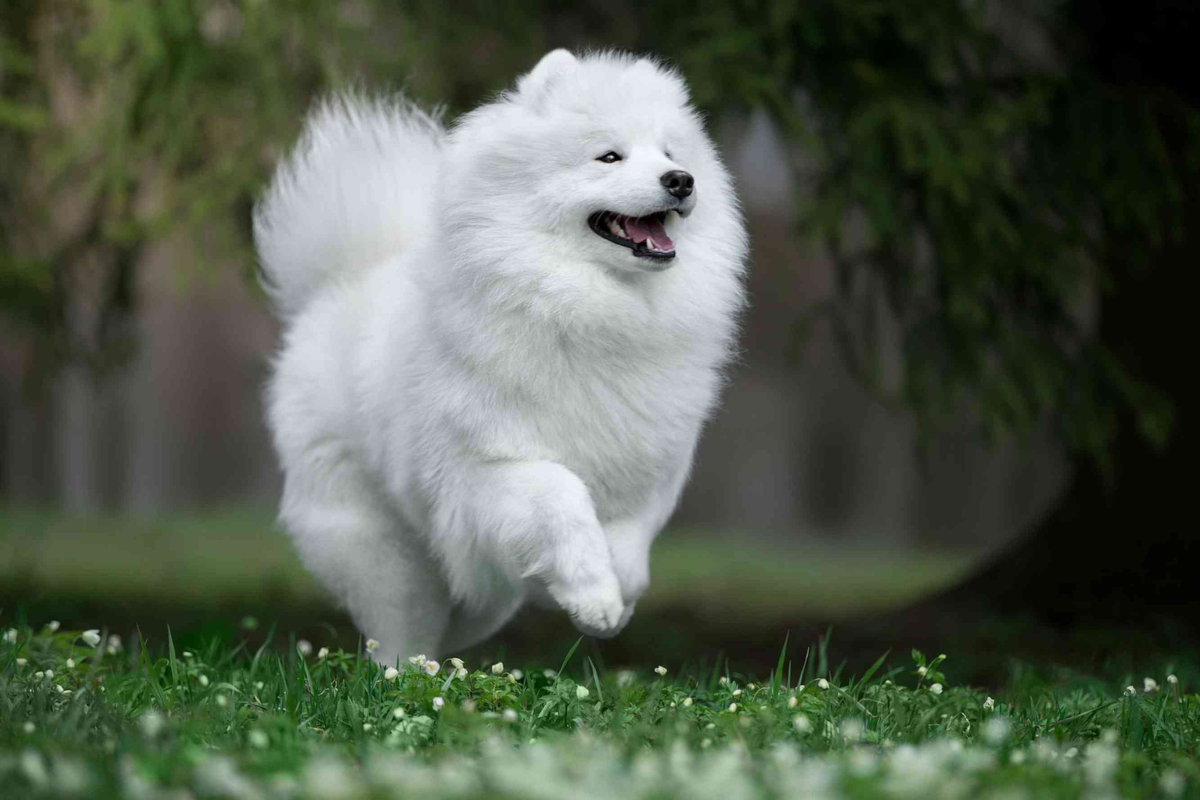
The Samoyed is a strong, sociable breed known for its thick white coat and friendly nature. Originally developed by the Samoyede people in Siberia, this Samoyed dog was used for herding reindeer and pulling sleds in freezing temperatures. Its striking appearance and cheerful expression have made it a beloved companion in many homes today.
The Samoyed dog temperament is a mix of intelligence, energy, and affection. They are quick learners, highly alert, and enjoy being around people. Because of their working background, they need daily exercise and mental stimulation to stay happy. Their playful side makes them great with families and other pets.
Still admired for their loyalty and bright personalities, the Samoyed dog breed fits well into active households. While their grooming needs are high due to their thick coat, their companionship and charm more than make up for it. The Samoyed is a stunning and affectionate addition to the right home.
Samoyed Appearance
The Samoyed is instantly recognisable by its fluffy white coat, strong frame, and signature “Sammy smile.” Bred to withstand icy Siberian climates, the Samoyed dog has a thick, weather-resistant coat and a sturdy, athletic build suited to both work and play.
Size:
The Samoyed dog size is considered medium to large. Males typically weigh between 20–30 kg, and females 16–20 kg. They stand 48–60 cm tall at the shoulder. Their well-muscled body and bushy tails give them a powerful yet friendly presence.
Coat:
The Samoyed breed dog has a dense double coat made to repel cold and moisture. The outer layer is long and straight, while the undercoat is soft and thick. Daily brushing helps manage shedding and keeps the coat healthy. Extra care is needed during the warmer months to prevent overheating.
Distinctive Features:
With their dark almond-shaped eyes, erect ears, and curled tail, Samoyeds are both striking and expressive. Their trademark dark pigment and smile helps identify them in snowy conditions and adds to their cheerful look.
Strength and Charm:
Bred for endurance and companionship, Samoyed dogs combine physical strength with a warm temperament. Their friendly face, fluffy coat, and sociable nature make them stand out in both work and family settings.
Samoyed History
The Samoyed dog breed has a long, respected history as a working companion in harsh climates. Originally bred by the Samoyede people of Siberia, the Samoyed was essential for herding, hunting, and pulling sleds, known for its resilience and loyalty.
Origins in Siberia
The Samoyed origin traces back to the nomadic tribes of Siberia who relied on these dogs for survival. They helped herd reindeer, kept families warm during freezing nights, and served as alert, trusted companions. Their iconic white coat helped them blend into snowy terrain.
Breed Development
Over generations, selective breeding refined the Samoyed dog into the affectionate, intelligent companion seen today. While they still carry strong instincts for teamwork and endurance, their friendly nature makes them beloved pets in many parts of the world.
Recognition and Popularity
Recognised globally for their beauty and spirit, Samoyed breed dogs are now admired not just for their work ethic, but for their cheerful expression and sociable nature. Their appeal lies in their adaptability, loyalty, and charm.
Samoyed Today
Today, the Samoyed is known as a loyal family dog and a joyful companion. Its intelligence, friendly nature, and distinctive look continue to make it a favourite with dog lovers around the world.
Find Registered Samoyed Breeders or Samoyed Puppies for Sale
Samoyed Personality
The Samoyed dog personality is defined by friendliness, loyalty, and intelligence. They are affectionate family dogs who thrive in active homes with plenty of interaction and purpose.
General Traits:
- Energetic and Bright: Known for their working roots, Samoyeds are quick learners and enjoy tasks that challenge both body and mind. Daily walks, games, and social time keep them happy.
- Social and Affectionate: These dogs bond closely with people and are happiest when included in family life. Early socialisation helps them stay well-mannered around children and other pets.
- Playful and Cheerful: The typical Samoyed dog is lively and always ready for play. Their upbeat attitude adds joy to every household.
Watchdog Tendencies:
- Alert but Friendly: While not aggressive, Samoyeds are naturally alert and will let you know if something seems off.
- Protective of Their Pack: They may not be guard dogs, but their loyalty means they pay attention to changes in the environment.
- Vocal Communicators: Known for their expressive barks and ‘talking’, they often use sound to share their thoughts, especially when bored or excited.
Trainability:
- Intelligent and Capable: The Samoyed breed dog responds well to consistent, reward-based training. They enjoy learning new tasks but need patient guidance.
- Need Consistent Stimulation: Mental and physical activity helps prevent mischief or frustration.
- Best with Positive Reinforcement: Praise, treats, and structure work well to shape good habits and strengthen your bond.
Love of Activity and Engagement:
- Thrive on Interaction: Samoyed dogs want to be part of daily routines, from outdoor play to indoor family time.
- Need Purpose and Connection: Without regular engagement, they can become bored or restless.
- Not Suited to Isolation: This breed prefers companionship and may struggle in homes where they’re left alone for long periods.
Samoyed as Family Pets
Samoyeds are affectionate, friendly, and dependable dogs that enjoy being around people. Their sociable nature and love of interaction make them well-suited to families who enjoy active, engaging lifestyles.
Good with Kids? Yes, Generally!
- Playful and Caring: The Samoyed dog is gentle with children and enjoys spending time playing in the yard or joining in on family walks. Their size and strength mean they’re sturdy enough for energetic play.
- Socialisation Helps: Early socialisation encourages confident behaviour around kids and other pets, building a calm, well-mannered family member.
- Supervision Still Important: Due to their excitement and strength, play should be supervised with smaller children to prevent knocks or overexcitement.
Find Registered Samoyed Breeders or Samoyed Puppies for Sale
Samoyed Health Issues & Care
The Samoyed is a generally healthy breed when responsibly bred, but some health concerns can occur. A good diet, proper grooming, and regular vet care help keep your Samoyed dog in top condition.
Common Health Concerns:
- Bloat (GDV): A life-threatening emergency where the stomach fills with gas and can twist; deep-chested breeds like Samoyeds are at higher risk
- Portosystemic (Liver) Shunts: An abnormal blood vessel lets blood bypass the liver, so toxins aren’t filtered, causing stunted growth, odd behavior after meals, or neurological signs; uncommon but serious, and treatments exist
- Hip Dysplasia: Some Samoyeds may be prone to joint issues such as hip dysplasia. Maintaining a healthy weight helps reduce stress on joints.
- Progressive Retinal Atrophy (PRA): Eye conditions like PRA can occur. Regular check-ups with a vet help monitor for signs early.
- Canine Familial Enamel Hypoplasia (FEH): A breed-associated genetic enamel defect that leaves teeth thin/fragile and prone to wear.
The Samoyed Club of Victoria has helpful articles that are able to help learn more about health concerns in the breed. You can also connect directly with reputable Samoyed Breeders to learn more.
You may also find a list of all Samoyed Breed Clubs in your state.
Care and Maintenance
- Coat Care: The dense double coat needs brushing several times a week. Regular grooming helps control shedding and keeps the coat healthy and clean.
- Exercise Needs: Active and playful, Samoyeds need at least an hour of daily exercise, including walks, fetch, or time in a secure yard.
- Diet and Nutrition: A high-quality diet suited to their size and activity level helps maintain energy and a healthy weight.
- Routine Veterinary Care: Annual health checks, vaccinations, and screenings support their long-term wellbeing and catch early signs of illness.
Caring for Your Samoyed
Samoyed care involves maintaining their thick coat, meeting their high energy needs, and supporting their health with good nutrition and regular vet visits. A steady routine keeps them happy, engaged, and thriving.
Regular Vet Visits
Routine check-ups are essential for any Samoyed dog. Annual exams, vaccinations, dental checks, and screenings for joint or thyroid issues help ensure their long-term well-being and catch concerns early.
Nutritious Diet
A healthy diet suited to their size and energy levels supports coat condition, muscle tone, and overall health. Choose quality dog food or vet-approved meals that provide balanced nutrients. Controlled portions help manage weight and support joint health.
Exercise for Body and Mind
The Samoyed breed dog is active and needs daily physical and mental stimulation. At least one hour of exercise, including walks, fetch, or training games, helps prevent boredom and restlessness. Mental tasks like learning tricks or scent games also support their well-being.
Grooming Needs
Their thick double coat requires brushing several times a week to reduce matting and shedding. Nail trimming, ear checks, and routine dental care are also important parts of a regular grooming routine to keep your Samoyed dog comfortable.
Mental Stimulation
Samoyeds are smart and enjoy mental challenges. Puzzle toys, basic training refreshers, and interactive games can keep them sharp and focused, reducing unwanted behaviour caused by boredom.
Monitoring for Health Changes
Stay alert to shifts in energy, eating habits, or general behaviour. Any changes may be signs of underlying health issues. Early vet visits and a watchful eye help maintain a happy, healthy Samoyed.
Meeting the daily needs of your Samoyed helps ensure they live a long, healthy, and fulfilling life. With consistent care, attention to their health, and plenty of interaction, these affectionate dogs thrive as active and loyal companions.
Samoyed Grooming
The Samoyed dog has a thick, double-layered coat that requires regular grooming to stay clean, healthy, and free from mats. Though high-maintenance, a consistent grooming routine helps manage shedding and keeps your dog comfortable year-round.
Regular Brushing
Due to their dense undercoat, Samoyeds need brushing at least three to four times a week. During shedding seasons, daily brushing helps control loose fur and prevents tangles or matting.
Bathing
Bathe your Samoyed dog every 6–8 weeks or as needed, using a gentle, dog-friendly shampoo. Their thick coat takes time to dry fully, so plan for thorough drying to avoid skin irritation.
Nail Trimming
Trim your Samoyed’s nails every 3–4 weeks. Long nails can cause discomfort or affect their gait. If you hear them tapping on hard surfaces, it's time for a trim.
Ear Cleaning
Check their ears weekly for wax, debris, or signs of irritation. Clean gently with a vet-approved solution and a soft cloth. Avoid inserting anything deep into the ear canal.
Teeth Cleaning
Dental care is just as important for the Samoyed breed dog. Brush their teeth several times a week and use dental treats to reduce plaque and maintain fresh breath.
Proper grooming keeps your Samoyed comfortable, healthy, and looking their best. It’s also a great way to strengthen your bond and spot any skin issues early.
Find Registered Samoyed Breeders or Samoyed Puppies for Sale
Is a Samoyed Right for You?
The Samoyed is a smart, friendly, and active breed that thrives in homes where it can be both mentally and physically engaged. While they are incredibly affectionate, Samoyeds are not ideal for every lifestyle. It’s important to assess whether you can meet their grooming, exercise, and companionship needs.
The Ideal Samoyed Owner:
- Active and Engaged: The Samoyed dog needs daily exercise and mental stimulation. They suit owners who enjoy outdoor activities and can include them in walks, games, or other active routines.
- Committed to Training and Structure: These intelligent dogs respond well to consistent, reward-based training. They enjoy learning and thrive when given a clear sense of routine and purpose.
- Hands-On with Grooming: Their thick coat requires regular brushing to manage shedding and avoid matting. Owners who are comfortable with grooming or willing to learn will manage it best.
- Enjoys a Social Dog: Known for being people-oriented, Samoyeds want to be involved in family life. They’re best in homes where someone is usually around to provide company.
Not Ideal If:
- You Prefer a Low-Energy Pet: While not hyperactive, Samoyeds need daily activity. Without enough exercise, they can become restless or destructive.
- You Dislike Shedding: Their thick double coat sheds year-round and more heavily during seasonal changes. If you prefer a low-shedding breed, the Samoyed dog breed may not suit.
- You’re Frequently Away: Samoyeds are companion dogs and don’t do well being left alone for long periods. They need regular interaction to stay content.
- You Want a Quiet Dog: While not constant barkers, Samoyeds are vocal and often “talk” to their owners. They’ll alert you to visitors or express themselves when excited or bored.
Crucial Considerations:
- Exercise and Mental Engagement: The Samoyed breed dog requires at least an hour of activity daily. Walks, training games, and puzzle toys help prevent boredom and support wellbeing.
- Ongoing Training and Routine: Positive reinforcement works best. These dogs benefit from early socialisation and regular training to guide behaviour and build trust.
- Emotional Needs: Samoyeds form strong bonds and do best in households where they receive regular companionship. Without it, they may become vocal or anxious.
Importance of a Reputable Samoyed Breeder
Choosing a reputable breeder is essential when bringing a Samoyed into your home. Ethical breeding practices help ensure that your Samoyed puppy is healthy, confident, and well-socialised. Responsible breeders also provide transparency and support throughout the process.
Health Testing
Reputable breeders screen for common genetic health concerns in the Samoyed breed dog. Responsible breeders will supply full health documentation and offer advice on long-term care for breed-specific issues.
Temperament Assessment
A good Samoyed breeder evaluates each puppy’s temperament to match them with suitable homes. Puppies are assessed for confidence, sociability, and behaviour, helping them adapt more easily to family life.
Early Socialisation and Enrichment
Puppies raised by responsible breeders are introduced to different sounds, surfaces, and social situations early. These experiences help shape a stable, friendly Samoyed dog personality and prepare them for home life.
How to Find a Reputable Breeder
Do Your Research: Use Samoyed breeder directories and breed club listings to find registered breeders who follow ethical practices.
Ask Questions: A good breeder will be happy to explain their approach to health testing, puppy care, and socialisation. Look for honest, informed responses.
Visit the Breeder: When possible, visit the home or facility. A clean, well-maintained environment with happy puppies and relaxed parent dogs is a strong positive sign.
Red Flags
Avoid breeders who:
- Are vague or unwilling to answer health-related questions.
- Avoid discussing the health of parent dogs or skipping health testing.
- Appear focused on quick sales rather than responsible placement.
Choosing a breeder who values the well-being of the Samoyed dog helps you bring home a healthy, confident puppy. Ethical breeding supports long-term health and gives you the best start with a loyal and well-adjusted companion.
How Long Does a Samoyed Live For?
Samoyeds are friendly, fluffy, and full of energy, usually living between 12 and 14 years. Their cheerful nature and love of family make them a joy to have around. With proper grooming, exercise, and vet care, they remain lively companions into old age.
Adaptability
Adapts Well To
The Samoyed dog is highly adaptable and thrives in environments that meet its needs for exercise, engagement, and companionship. With their intelligence, sociable nature, and resilience, Samoyeds do well in a variety of homes that offer space, structure, and interaction.
- Homes with Yards: Samoyeds benefit from having secure outdoor areas where they can move freely and explore. A backyard provides a safe space for play and activity, though regular walks and family involvement are just as important for their well-being.
- Active Families: This breed suits families who enjoy an energetic lifestyle. The Samoyed breed dog enjoys long walks, active play, and being part of household routines. While not hyperactive, they need daily outlets for their energy.
- Suburban and Rural Environments: Samoyeds are well-suited to suburban or rural homes with access to safe, open areas. They also adapt to urban living when given sufficient exercise and time outdoors. Their social nature means they prefer environments where people are present and engaged.
Important Considerations:
- Exercise Needs: Daily physical activity is essential. At least one hour of walking, games, or training keeps them fit and balanced.
- Mental Stimulation: Intelligent and curious, Samoyeds enjoy challenges like obedience work, scent games, or puzzle toys.
- Companionship: This breed forms strong bonds with family and doesn't cope well with isolation. They thrive on daily connection and interaction.
- Barking Tendencies: Samoyeds are vocal and may bark to alert their owners to changes or when excited.
- Coat Care: Their dense coat needs frequent brushing to manage shedding and prevent matting, especially during seasonal changes.
With enough attention, activity, and social time, the Samoyed fits well into a range of living situations. They flourish in homes where they are treated as part of the family.
Adapts Less Well To
While the Samoyed is adaptable and friendly, there are some living situations that may not be ideal for this active, social breed. Their need for space, attention, and mental engagement means they may not thrive in every household.
- Homes Without Outdoor Space: The Samoyed dog enjoys regular time outside. Without access to a secure yard or nearby green space, they may become bored or vocal. Daily walks and outdoor play are essential to meet their physical and mental needs.
- Inactive or Sedentary Households: While Samoyeds are not overly intense, they still require consistent activity. Homes with limited physical engagement may find it challenging to keep up with their daily exercise and enrichment needs.
- Homes with Limited Social Interaction: The Samoyed breed dog is people-focused and forms strong attachments to its family. They do not cope well when left alone for long periods. A lack of companionship can lead to boredom, restlessness, or vocalisation.
Potential Solutions for Apartment Living:
- Daily Outdoor Exercise: Even without a yard, regular walks, playtime, and park visits help meet their daily exercise requirements. Aim for at least an hour each day.
- Mental Stimulation: Use puzzle toys, obedience sessions, or training games to keep their mind sharp and focused.
- Consistent Companionship: Samoyeds thrive with human interaction. For those in apartments or away during the day, options like a dog walker or pet daycare can help maintain emotional balance.
Important Considerations:
- Active Breed Needs: The Samoyed dog needs daily exercise and stimulation to stay happy and avoid unwanted behaviours.
- Social and Vocal: These dogs are affectionate and tend to “talk.” They are not ideal for those seeking a quiet or highly independent pet.
- Heavy Shedding: Unlike low-shedding breeds, Samoyeds shed heavily, especially during seasonal changes. Their coat needs regular care.
- Watchful Nature: While friendly, Samoyeds are alert and will often bark to alert their family to changes around the home.
With proper time, space, and interaction, the Samoyed can adapt well to a variety of homes. However, they need an environment that supports their physical and emotional needs to truly thrive.
Good for Novice Dog Owners
Samoyeds are intelligent, friendly, and loyal dogs, but their high grooming needs and energy levels may be challenging for first-time dog owners. With consistent training, socialisation, and daily interaction, they can become wonderful companions.
Why the Samoyed Can Be a Challenge for Novice Owners
- High-Energy and Strong-Willed: The Samoyed dog has a lot of stamina and enjoys regular activity. Their independent streak and strength may surprise first-time owners who aren’t prepared for consistent leadership.
- Heavy Grooming Requirements: Unlike short-coated breeds, Samoyeds need frequent brushing and coat maintenance. Novice owners might find it demanding to keep up with their grooming needs.
- Highly Social: This breed craves attention and doesn’t cope well when left alone for extended periods. They form strong bonds and require plenty of interaction to stay emotionally balanced.
Challenges for Novice Owners
Daily Exercise Commitment: The Samoyed breed dog needs at least an hour of daily activity. Without regular exercise, they may become vocal or frustrated. First-time owners must be ready to provide this consistently.
Grooming Demands: Their thick coat sheds year-round and needs routine care. Owners new to grooming may need time to learn proper brushing and coat maintenance techniques.
Social Needs: Samoyeds thrive when they’re included in family life. Lack of companionship can lead to restlessness or separation-related behaviour, which can be difficult for novice owners with busy schedules.
How Novice Owners Can Succeed with a Samoyed
Early and Consistent Training
Start training from a young age to build good habits and communication. Enrol in puppy classes for structure and early socialisation to help your Samoyed become well-rounded.
Regular Exercise and Activities
Daily walks, active play, and mental challenges help meet the breed’s energy needs. A consistent routine prevents boredom and helps manage their strong working instincts.
Focus on Socialisation
Expose your Samoyed puppy to different environments, people, and animals from an early age. This helps build confidence and reduces anxiety in new situations.
Positive Reinforcement
Use praise, treats, and fun activities to guide behaviour. Samoyeds respond well to positive training and clear boundaries, especially when combined with patience and consistency.
With a steady routine, patience, and commitment to grooming and activity, Samoyeds can be a rewarding breed for novice dog owners. Their affectionate nature, loyalty, and charm make them a much-loved companion in the right home.
Sensitivity
Sensitivity Level
Samoyeds are intelligent, loyal, and emotionally aware dogs. They form strong bonds with their families and are sensitive to tone, mood, and changes in their environment. Their cheerful nature is balanced by a deep emotional awareness that makes thoughtful care essential.
What Makes the Samoyed Sensitive
- Emotional Awareness: The Samoyed dog is known for its ability to read human emotions. They stay close to their people and often seek affection or provide comfort when someone is upset.
- Responsive to Training Style: Samoyeds don’t respond well to harsh discipline. They do best with positive reinforcement, gentle correction, and consistency. A calm and encouraging approach builds trust and helps shape reliable behaviour.
- Alert and Aware: Naturally alert, the Samoyed notices changes in its surroundings and reacts quickly. While not timid, loud environments or unfamiliar settings can cause stress, especially if not introduced gradually.
Ownership Impact
- Positive Training Is Essential: Samoyeds thrive when trained with patience and kindness. Harsh or inconsistent methods can affect their confidence and lead to resistance or anxiety.
- Predictable Routine Helps: Like many intelligent breeds, Samoyeds feel most secure in homes with regular routines. Consistency in daily activities helps them relax and behave reliably.
- Start Socialisation Early: Introducing your Samoyed puppy to new people, animals, and places from a young age helps build resilience and reduces anxiety in unfamiliar situations.
Important Considerations
- Sensitivity to Sound: Samoyeds may be sensitive to loud noises such as fireworks or thunderstorms. Gradual desensitisation and reassurance can help reduce stress during noisy events.
- Attachment to People: This breed builds deep bonds with its family. They are not suited to being left alone for long stretches and need regular companionship to stay emotionally balanced.
The Positive Side of Sensitivity
The Samoyed’s emotional intelligence strengthens its bond with family. Loyal, affectionate, and cheerful, they reward owners who offer positive guidance, structure, and lots of connection. Their sensitivity makes them deeply in tune companions in the right home.
Tolerates Being Alone
Samoyeds are deeply attached to their families and do not tolerate extended time alone well. Without daily interaction and enrichment, they may experience boredom or anxiety, leading to unwanted behaviours.
Social Needs and Attachment
- Strong Bond with Owners: The Samoyed dog thrives in close-knit households and wants to be involved in daily routines. These dogs are affectionate and sociable, forming strong attachments that make long separations emotionally challenging.
- Prone to Restlessness: A lack of engagement can lead to vocalisation, digging, or chewing. Without regular activity and company, Samoyeds may become frustrated or act out
- Independent Yet Social: While confident, the Samoyed breed dog prefers consistent interaction. They do best in homes that provide structure, companionship, and plenty of attention throughout the day.
Ownership Impact
- Consider Your Schedule: Samoyeds are not well-suited to homes where people are frequently away for long hours. They need routine, stimulation, and regular human contact to stay balanced and content.
- Gradual Alone-Time Training: With patient guidance, Samoyeds can become more comfortable being left for short periods. Start by creating positive associations with brief separations and slowly build duration.
- Provide Enrichment Activities: Use puzzle toys, safe chew items, or slow-feeding bowls to occupy them. Physical exercise before alone time helps settle them and reduces anxiety.
- Support Options for Busy Households: For those with demanding schedules, solutions like dog walkers, pet sitters, or day care services can help meet their social and physical needs.
Important Notes
- Separation-Related Behaviours: The Samoyed dog may develop anxiety or vocal habits if isolated too often. Early training and gradual exposure to alone time help build resilience.
- Boredom-Driven Behaviour: Under-stimulated Samoyeds are more likely to become destructive. Daily exercise and interactive play are essential to keeping them mentally and physically fulfilled.
- Create a Comfortable Space: Designate a secure, quiet area with their bed, toys, and familiar scents to make alone time less stressful and more comforting.
The Positive Side of Their Attachment
The Samoyed's strong connection with its family is one of its most rewarding traits. When given structured training, regular activity, and social engagement, they manage short periods alone while remaining loyal and emotionally balanced companions.
Tolerates Hot Weather
Despite their origins in cold climates, Samoyeds can adapt to warmer weather when given proper care and attention. Their thick double coat insulates against both cold and heat, but they are still vulnerable to overheating and need careful monitoring during hot conditions.
Heat Sensitivity
- Heat Tolerance with Limits: The Samoyed dog has a dense coat designed for freezing temperatures, making them more sensitive to heat than short-coated breeds. On warm days, they need access to shade, water, and a cool place to rest.
- At Risk of Overheating: High humidity, intense sun, or strenuous activity can cause heat stress in Samoyeds. Overexertion in hot conditions can lead to dehydration or heatstroke, so it's important to manage their environment carefully.
- Watch for Signs: Heavy panting, drooling, slowed movement, or disorientation may signal overheating. Move your Samoyed to a cooler area, provide water, and consult a vet if symptoms don’t improve quickly.
Ownership Impact
- Time Outdoor Activities Wisely: Exercise or walks should take place during cooler parts of the day, like early morning or evening. Avoid intense activity when temperatures peak.
- Access to Shade and Water: Always ensure your Samoyed dog has access to fresh water and a shaded space, whether indoors or outside.
- Grooming Support: Brushing removes loose fur and helps airflow through their coat. Never shave a Samoyed, as their double coat provides protection against both heat and sunburn.
- Use Cooling Tools: Cooling mats, damp cloths, or access to tiled floors can help your Samoyed stay comfortable when temperatures rise.
Important Considerations
- Varying Tolerance: Each Samoyed responds to heat differently, depending on factors like age, weight, and fitness. Monitor their behaviour closely and adjust their environment when needed.
- Never Leave in Enclosed Hot Spaces: A Samoyed should never be left in a hot car or confined space, even briefly, as their risk of overheating increases quickly.
- Indoor Cooling: Ensure proper ventilation indoors with fans, open windows, or air conditioning to keep your Samoyed safe and comfortable.
- Proper care during warm weather helps Samoyeds remain comfortable and active. Paying attention to signs of heat stress, providing consistent hydration, and managing outdoor activity times are essential to keeping them healthy through the summer months.
Friendliness
Friendliness
Samoyeds are known for their affectionate, sociable, and loyal personalities. They form strong bonds with their families and enjoy being included in everyday life. Their cheerful nature and gentle temperament make them a popular choice for households that value interaction and connection.
Samoyed as Affectionate Companions:
- Loyal and Engaging: The Samoyed dog thrives in environments where it receives consistent attention and affection. They are naturally friendly and enjoy being part of family activities.
- Playful and Social: Their upbeat attitude makes them eager participants in games and shared routines. They use body language, eye contact, and vocal cues to express their affection.
- Responsive to Positive Interaction: Samoyeds bond deeply through shared experiences, including walks, training, and regular play. These interactions nurture their emotional connection with family members.
Ownership Impact:
- Build Bonds Through Activity: Active play, obedience training, and structured routines all help strengthen your relationship with your Samoyed. This breed thrives when treated as a valued member of the family.
- Physically Affectionate: These dogs enjoy physical closeness and are often seen resting near or leaning into their people. Their expressive nature makes them warm and welcoming companions.
- Early Socialisation: Exposure to different people, settings, and animals from a young age supports a friendly, well-adjusted temperament.
Kid-Friendly
Samoyeds can be wonderful with children, especially when raised in family environments that encourage positive interaction. Their friendly disposition, combined with a gentle temperament, makes them a good match for families who prioritise supervision and respect in pet-child relationships.
Samoyed and Children:
- Playful and Interactive: The Samoyed dog enjoys games and thrives on interaction. Their enthusiasm makes them well-suited to older children who understand respectful play.
- Gentle and Patient: While robust, Samoyeds are sensitive to tone and can become overwhelmed by rough handling or chaos. Calm environments and consistent supervision help ensure positive experiences.
- Watchful and Alert: These dogs are naturally alert and may keep a close eye on family members, often acting as attentive companions more than protective guardians.
Ownership Impact:
- Supervise Young Children: Due to their strength and enthusiasm, supervision is important when Samoyeds interact with younger children. This helps prevent unintentional knocking or overstimulation.
- Encourage Respectful Handling: Teaching children how to engage gently and respectfully supports a lasting, positive bond between kids and pets.
- Train Early for Social Success: Consistent training and early socialisation build confidence and help your Samoyed respond appropriately to children’s energy and behaviour.
Samoyeds can be affectionate, energetic companions in family homes with patience, supervision, and proper training. They bring warmth, fun, and emotional connection to households that value involvement and respect.
With Other Pets
Samoyeds generally get along well with other pets, especially when they receive early and positive socialisation. Their friendly and sociable nature helps them interact comfortably with other dogs and animals, though their size and energy levels call for careful supervision.
Socialisation and Training:
- Best with Proper Introductions: The Samoyed dog usually accepts other pets well when introduced calmly and gradually. Early socialisation helps them develop friendly habits and appropriate behaviour around other animals.
- Playful and Sociable: Their energetic personality makes Samoyeds enthusiastic playmates. While they are gentle, their size and strength can overwhelm smaller pets, so supervised interaction is recommended.
- Prey Instincts Possible: Some Samoyeds may show interest in chasing smaller animals due to their working background. Consistent training and early exposure to smaller pets help reduce this behaviour.
- Supervision and Management: Positive reinforcement, structured introductions, and consistent boundaries support good behaviour. These strategies help your Samoyed adjust to living with other pets safely and respectfully.
Samoyeds can become playful and cooperative companions in multi-pet households with the right socialisation, supervision, and training.
Friendly Toward Strangers
Samoyeds are naturally friendly and approachable dogs. Their cheerful personality and interest in people make them welcoming in most social settings, especially when they are introduced to a variety of people from a young age.
Samoyed and Strangers:
- Open and Friendly: The Samoyed breed dog is known for greeting new people with enthusiasm and warmth. Their social nature means they enjoy human interaction and respond well to attention from strangers.
- Alert but Calm: While they may bark to alert their family of a new arrival, Samoyeds are typically not suspicious. They tend to settle quickly once they sense a calm, safe environment.
- Importance of Socialisation: Consistent exposure to different people and environments builds a confident and relaxed dog. Well-socialised Samoyeds remain calm and curious in new situations.
- Guided by Owner’s Cues: These dogs often take behavioural cues from their owners. When you remain calm and friendly during interactions, your Samoyed is more likely to behave similarly.
When properly socialised and supported by positive owner behaviour, Samoyeds are happy to meet new people and adapt well in a wide range of social environments.
Health & Grooming
Amount of Shedding
Samoyeds have a thick double coat and are known for their heavy shedding. While beautiful and fluffy, their coat requires consistent grooming to stay clean, healthy, and manageable, particularly during seasonal shedding periods.
Shedding Reality:
- Thick Double Coat: The Samoyed dog has a dense undercoat and coarse outer coat, which contributes to significant shedding, especially during seasonal changes.
- Heavy Shedding Twice a Year: In addition to light year-round shedding, Samoyeds blow their undercoat once or twice a year, which results in a heavy amount of fur.
- Not Hypoallergenic: Like most breeds, Samoyeds shed dander and fur, which may not suit individuals with allergies.
Ownership Impact:
- Frequent Brushing Needed: Daily or near-daily brushing during heavy shedding seasons is recommended to reduce matting and remove loose fur. Outside of these periods, brushing a few times a week helps manage coat health.
- Vacuuming Required: Regular cleaning of floors, furniture, and clothing is needed to keep hair buildup under control.
- Seasonal Coat Management: During heavy shedding, additional grooming sessions or professional grooming support may help manage the volume of hair.
With routine brushing and consistent grooming, Samoyed shedding can be kept under control, maintaining coat condition and a cleaner home environment.
Drooling Potential
Samoyeds are not known for drooling and are generally considered a tidy breed. While they may drool slightly in specific situations, their drool levels are minimal compared to other breeds.
Drooling Tendencies:
- Low Drooling Levels: The Samoyed breed dog tends to have very little drool. A small amount may be seen after eating or drinking, but they are not known for producing excessive saliva.
- Health-Related Drooling Possible: Unusual or increased drooling can indicate issues like dental disease or digestive discomfort. A sudden change in drool behaviour should be checked by a vet.
Ownership Impact:
- Tidy Around the House: Their low drool output means less mess on floors, furniture, or clothing.
- Easy to Maintain: Samoyeds suit households looking for dogs that don’t contribute to additional mess through drooling.
Maintaining proper dental hygiene and monitoring overall health helps ensure that Samoyeds remain low droolers, contributing to a cleaner living environment.
Easy to Groom
Samoyeds have a thick, double-layered coat that requires more maintenance than short-haired breeds. While not difficult to groom, their coat needs consistent care to stay clean, healthy, and free from mats or tangles.
Grooming Requirements:
- Regular Brushing: Frequent brushing, ideally several times a week, helps remove loose fur, prevent matting, and maintain the coat’s natural oils. Use a slicker brush or undercoat rake to reach the dense inner coat.
- Bathing: Samoyeds need bathing every 6–8 weeks or when dirty. Use a dog-specific shampoo that suits their skin type to avoid irritation or dryness.
- Nail Trimming and Ear Cleaning: Trim nails every 3–4 weeks and check ears weekly to reduce the risk of infections or wax build-up.
Ownership Impact:
- Higher Grooming Commitment: Samoyed dog grooming is more involved than that of short-haired breeds. Owners should expect regular coat care, particularly during heavy shedding seasons.
- Occasional Professional Help: While many owners handle grooming at home, some may prefer professional grooming every few months, especially during coat blow periods.
A consistent grooming routine keeps the Samoyed looking and feeling its best while supporting coat health and overall comfort.
General Health
Samoyeds are generally healthy and resilient dogs, but like all breeds, they may be predisposed to specific genetic conditions. Routine care, responsible breeding, and regular vet check-ups support long-term health and well-being.
Potential Health Concerns
- Bloat (GDV): A life-threatening emergency where the stomach fills with gas and can twist; deep-chested breeds like Samoyeds are at higher risk
- Portosystemic (Liver) Shunts: An abnormal blood vessel lets blood bypass the liver, so toxins aren’t filtered, causing stunted growth, odd behavior after meals, or neurological signs; uncommon but serious, and treatments exist
- Hip Dysplasia: Some Samoyeds may be prone to joint issues such as hip dysplasia. Maintaining a healthy weight helps reduce stress on joints.
- Progressive Retinal Atrophy (PRA): Eye conditions like PRA can occur. Regular check-ups with a vet help monitor for signs early.
- Canine Familial Enamel Hypoplasia (FEH): A breed-associated genetic enamel defect that leaves teeth thin/fragile and prone to wear.
The Importance of Reputable Samoyed Breeders
Choosing a responsible Samoyed breeder helps ensure your dog has a healthy start. Reputable breeders:
- Screen for hereditary conditions
- Provide health clearances for both the puppy and parent dogs.
- Raise puppies in clean, supportive environments to encourage strong social skills.
Ownership Impact
- Routine Vet Visits: Regular veterinary check-ups, vaccinations, and screenings help identify issues early and support the Samoyed’s overall health.
- Diet and Exercise: A high-quality diet and daily physical activity help maintain a healthy weight and support joint function.
- Health Screenings: Annual tests help monitor for breed-specific concerns, including kidney and thyroid function.
- Financial Preparedness: Be ready for the costs of ongoing care, from routine visits to potential long-term management of health conditions.
With proactive health care, good nutrition, and regular vet visits, Samoyeds can enjoy long, active, and happy lives as loyal companions.
Potential for Weight Gain
Samoyeds are active working dogs, but their strong build and healthy appetite can lead to weight gain if their diet and exercise are not carefully managed. Maintaining a healthy weight is essential to support their joints and overall well-being.
Factors Contributing to Weight Gain
- Overfeeding: Due to their sturdy size, the Samoyed dog can gain weight quickly if given excessive portions or too many treats. Measured feeding and limited high-calorie snacks are essential to avoid unwanted weight gain.
- Insufficient Exercise: While energetic by nature, Samoyeds still need structured daily exercise. Without regular activity, especially in sedentary households or during colder months, they may become overweight.
- Dietary Requirements: A balanced, nutrient-rich diet suited to their activity level helps maintain a healthy weight. Feeding food that’s too rich in fat or carbohydrates can lead to excess weight.
- Medical Conditions: Issues like hypothyroidism can contribute to weight gain. Unexpected changes in weight should be assessed by a vet to rule out underlying health concerns.
Ownership Impact
- Controlled Portions: Serve measured meals based on your Samoyed’s age, weight, and activity levels. Avoid free-feeding or frequent high-calorie snacks to reduce the risk of overfeeding.
- Healthy Treat Options: Use dog-safe fruits, vegetables, or low-calorie treats to reward good behaviour without adding excessive calories.
- Daily Exercise Routine: Regular activity, such as walking, hiking, or a play session, is essential to burn off energy and manage weight. Aim for at least one hour of exercise daily.
- Weight Monitoring: Regularly check your Samoyed’s body condition and consult your vet for weight guidelines. Adjust their diet and exercise based on seasonal needs and age.
The Importance of a Healthy Weight
Maintaining the right weight helps your Samoyed:
- Prevent joint strain and reduce the risk of arthritis
- Avoid obesity-related conditions such as diabetes or heart disease
- Stay energetic, active, and able to enjoy daily activities
With the right combination of diet, exercise, and regular weight checks, Samoyeds can stay fit, healthy, and enjoy an active lifestyle well into their senior years.
Trainability
The Smart and Eager Learner
Samoyeds are intelligent, enthusiastic learners who respond well to positive training methods. Their working background and strong desire to engage with people make them ideal for obedience training, though their independent streak can sometimes present a challenge.
- Quick Learners: The Samoyed dog breed is quick to pick up new commands, especially when mentally stimulated. They enjoy tasks that challenge their intelligence and allow for interaction with their handler.
- Enthusiastic: Known for their energy and spirit, Samoyeds thrive in structured training settings that keep them active and mentally engaged. Activities like obedience training and advanced commands help harness their enthusiasm productively.
- Reward-Motivated: Positive reinforcement, including treats, praise, and games, helps keep Samoyeds motivated. They respond best to encouragement and consistent rewards for desired behaviours.
The Challenges
- Strong-Willed: While smart and eager, Samoyeds can be independent thinkers. They may test boundaries or resist repetitive training if not kept engaged.
- Stubborn Moments: Their strong personality can lead to selective listening, especially during adolescence. Keeping training sessions interesting and varied can help hold their attention
- Requires Patience: Training a Samoyed can take time. They need consistency and clarity from their owners to understand expectations and follow through with commands.
Ownership Impact
- Start Training Early: Begin obedience and socialisation training in puppyhood to set strong behavioural foundations and reduce stubborn tendencies as they grow.
- Use Positive Reinforcement: Harsh discipline is ineffective with this breed. Samoyeds thrive under positive, reward-based training methods that promote trust and cooperation.
- Be Consistent and Confident: Regular, clear guidance helps build trust. A calm, confident owner will have the best success in shaping their behaviour.
- Provide Mental Stimulation: Games, puzzle toys, and advanced training exercises keep their minds active and prevent boredom-related issues.
Samoyeds are smart, affectionate dogs with a strong desire to engage. With consistent training, clear expectations, and ongoing mental challenges, they grow into obedient and loyal companions for committed owners.
Intelligence
Samoyeds are highly intelligent and independent-minded dogs, known for their quick thinking and strong problem-solving abilities. Their heritage as working dogs contributes to their adaptability and desire to stay mentally active.
A Highly Intelligent Breed
- Quick Learners: The Samoyed dog picks up new commands quickly and responds well to structured training. They benefit from ongoing mental stimulation to keep their minds engaged.
- Problem-Solving Skills: Their intelligence makes them good at figuring out puzzles and understanding routines. While eager to learn, their independence may require extra patience during training.
- Adaptability and Versatility: Samoyeds can excel in obedience, agility, and even sled sports. Their alertness and energy allow them to learn a variety of tasks, especially when sessions are fun and rewarding.
Ownership Impact
- Mental Stimulation is Essential: Without regular mental engagement, Samoyeds may become bored or restless. Puzzle toys, scent games, and training sessions are useful tools to keep their minds busy.
- Training Opportunities: Obedience classes or agility training help reinforce good behaviour and allow them to express their intelligence productively.
- Channel Their Energy: Structured activities and daily routines help direct their energy toward positive behaviours, reducing the risk of frustration or destructive habits.
Potential for Mouthiness
Samoyeds, like many active breeds, may show mouthy behaviour, especially as puppies. While generally gentle, they may nip or chew during play or when exploring new environments.
Mouthy Behaviour
- Teething: Samoyed puppies may chew more during teething to relieve gum discomfort. This stage is temporary but needs guidance.
- Exploration: Curiosity can lead them to use their mouths to investigate their surroundings. This is common in energetic, inquisitive breeds.
- Playfulness: Their love of play can include light mouthing, particularly in high-energy moments or when excited.
Ownership Impact
- Early Training is Key: Teaching acceptable boundaries early helps ensure mouthiness doesn’t become a problem. Redirecting their attention to toys can be highly effective.
- Positive Reinforcement: Reward calm behaviour and redirect chewing or nipping to appropriate items, such as chew toys or ropes.
- Provide Durable Chew Toys: Keeping suitable chew toys available helps satisfy their natural urge to gnaw, especially during the teething stage.
- Supervise Play with Children: Supervision is important to ensure gentle play. Children should also be taught how to interact respectfully with the Samoyed to avoid accidental nips.
With the right training, socialisation, and plenty of structured play, Samoyeds can manage their natural mouthiness and grow into well-behaved, affectionate family dogs.
Prey Drive
Samoyeds have a moderate prey drive due to their origins as working and herding dogs. While not bred for hunting, their alertness and instinct to chase can be triggered by small, fast-moving animals.
Strong Chasing Instincts
- Chasing Small Animals: Samoyeds may chase animals like rabbits, birds, or cats when outdoors, particularly if not trained to control their impulses. Their herding background contributes to this natural behaviour.
- Highly Alert and Reactive: Quick movements can catch their attention, prompting a chase. This is more common in open areas or yards where there are unfamiliar animals or activity.
Ownership Impact
- Leash Training and Control: Teaching commands like “leave it” and “stay” early on helps redirect their focus. A consistent training routine builds good habits and prevents chasing behaviour during walks.
- Supervision During Outdoor Play: Always supervise your Samoyed in unfenced or open spaces. Even in secure areas, be aware of distractions that may trigger their instincts.
- Training and Socialisation: Early socialisation with smaller animals and reinforcement of calm behaviour are important. Controlled introductions and positive reinforcement help teach self-control.
- Gradual Introductions: When introducing Samoyeds to small pets, take time and supervise each interaction closely. Calm and structured settings help them learn appropriate behaviour.
With the right training and regular supervision, Samoyeds can learn to manage their natural impulses and live calmly alongside other animals.
Wanderlust Potential
Samoyeds are intelligent, curious, and active dogs with a desire to explore. Their love for activity and interest in their surroundings can lead them to wander if not contained properly.
Independent and Driven
- Exploration Drive: Their working-dog background gives Samoyeds a strong sense of curiosity. If given the chance, they may follow scents, chase animals, or simply wander to investigate new spaces.
- Persistent: Samoyeds can become focused on scents or distant sights, making it important to keep them in secure environments.
Ownership Impact
- Secure Fencing: Use strong, high fencing to keep your Samoyed safe in your yard. Regularly check for any weak spots or areas where they might dig or slip through.
- Leash Walks: Always keep your Samoyed on a leash when walking in open areas. Their drive to explore can lead them to run off without warning.
- Mental & Physical Engagement: Daily exercise and enrichment help satisfy their curiosity. Providing structure and stimulation reduces the urge to wander.
- Identification: Make sure your Samoyed is microchipped and wears an ID tag. These precautions are essential if they ever manage to escape or stray.
With the right combination of exercise, supervision, and secure boundaries, Samoyeds can enjoy their curious nature while remaining safe and well-behaved.
Tendency to Bark or Howl
Samoyeds are vocal and expressive dogs that often use barking to communicate with their families. Their natural alertness and sociable temperament make them prone to vocalising, particularly when excited or stimulated.
Barking Tendencies
- Protective and Alert: Samoyeds are naturally alert and will bark to notify their owners of visitors, strange noises, or changes in their environment. Their history as working dogs contributes to their instinct to vocalise when something seems out of place.
- Expressive and Communicative: They may bark when excited, anxious, or seeking attention. Their expressive nature makes them more vocal than many breeds, particularly if they feel under-stimulated or ignored.
- Playful Barking: Barking often accompanies games and family interactions. It is typically good-natured and reflects their lively, social personality rather than aggression.
Ownership Impact
- Training and Socialisation: Start training early to manage barking through clear commands such as “quiet.” Reward-based training helps reduce unnecessary barking and encourages calm responses to stimuli.
- Provide Mental and Physical Stimulation: Daily exercise, play, and enrichment are essential to keep them occupied and reduce boredom-related vocalisation.
- Address Barking Triggers: Identify common triggers such as visitors or loud noises and desensitise your Samoyed through exposure and positive reinforcement. Socialising them early supports a calm reaction to everyday environments.
With proper guidance, regular activity, and training, Samoyeds can learn to balance their vocal nature with appropriate household behaviour.
Exercise Needs
Samoyeds are active, energetic dogs that thrive on regular exercise and mental engagement. Their working background and love for movement make them well-suited to homes that provide consistent physical activity and stimulation.
Exercise Requirements
- Daily Physical Activity: At least 1–2 hours of exercise is ideal. This can include long walks, hiking, or supervised off-leash play in secure areas. Their stamina and energy require daily outlets to prevent frustration.
- Variety and Engagement: Structured activities such as obedience, agility, or scent-based games help stimulate both their mind and body. A mix of training and play supports their natural drive to work and interact.
- Mental Stimulation: Enrichment through toys, games, and training is important for preventing boredom. They enjoy problem-solving tasks and interactive play that challenge their intelligence.
Energy Levels
- Puppies: Young Samoyeds are energetic and curious, benefiting from multiple short play sessions to build coordination and positive behaviours.
- Adults: Adults require structured and sustained activity to stay healthy. Long walks, social play, and task-based activities suit their energy levels.
- Seniors: Older Samoyeds may slow down but still need gentle walks and mental stimulation to maintain their health and happiness.
Ownership Impact
- Secure Environment: A fenced yard or secure open space is recommended to give your Samoyed freedom to move safely.
- Consistency is Key: Daily activity prevents destructive behaviour and promotes a balanced temperament. Structured routines ensure their physical and mental needs are met.
- Bonding Through Activity: Regular walks, training, and play deepen the relationship between owner and dog, promoting trust and good behaviour.
With consistent and engaging physical activity, Samoyeds thrive in active households and maintain their cheerful and cooperative nature.
Potential for Playfulness
Samoyeds are playful, friendly dogs that enjoy interactive games and social engagement. Their cheerful attitude and natural energy make them wonderful companions for households that enjoy regular play and bonding.
Playful Personalities
- High-Energy Playmates: Samoyeds enjoy active games such as fetch, chase, and tug-of-war. Their lively nature and endurance make them ideal for families who enjoy outdoor activities.
- Love of Challenges: Mental enrichment is just as important as physical play. Puzzle toys, scent games, and training exercises help keep them engaged and satisfied.
- Bonding Through Play: Interactive play strengthens the connection between Samoyeds and their owners. Their sociable nature means they enjoy being included in daily family fun.
Ownership Impact
- Daily Playtime is Essential: Play provides an outlet for energy and helps reduce behavioural issues. Daily interactive sessions keep them happy and well-adjusted.
- Engage with Interactive Toys: Toys that require problem-solving or offer rewards are great for stimulating their minds when independent play is needed.
- Incorporate Training into Play: Games that reinforce obedience and commands create a fun, productive way to train while keeping your Samoyed active and responsive.
Regular play helps meet both the physical and emotional needs of Samoyeds, encouraging a joyful, well-behaved companion for the entire family.
Frequently Asked Questions (FAQs) Samoyeds
Why does my Samoyed want to be near me?
Samoyeds are highly affectionate dogs that form strong bonds with their owners. They thrive on companionship and enjoy being involved in family activities, which is why they often want to be close to you.
Do Samoyeds shed?
Yes, Samoyeds shed a lot. They have a thick double coat that sheds year-round, with heavier shedding during seasonal changes. Regular grooming is necessary to manage their shedding.
Are Samoyeds hypoallergenic?
No, Samoyeds are not hypoallergenic. They shed dander and hair, which can trigger allergies in sensitive individuals.
How long does a Samoyed live for?
Samoyeds generally live between 12 and 14 years, though some may live longer with proper care and attention to their health.
What are Samoyeds like?
Samoyeds are friendly, energetic, and affectionate dogs. They are playful and known for their signature “Sammy smile,” making them both charming and social.
Are Samoyed dogs high maintenance?
Yes, Samoyeds can be high maintenance. They require regular grooming to manage their thick coat, as well as plenty of exercise and social interaction to stay happy and healthy.
Are Samoyed dogs friendly?
Yes, Samoyeds are very friendly. They are sociable, outgoing, and get along well with both people and other animals, making them great companions.
Are Samoyeds smart?
Yes, Samoyeds are intelligent and eager to learn. They respond well to positive reinforcement but can also be independent at times, requiring consistent training.
Are Samoyeds affectionate?
Yes, Samoyeds are affectionate and love being close to their family members. They often seek out attention and are known for their loving nature.
Are Samoyeds good family dogs?
Yes, Samoyeds make excellent family dogs. They are playful, gentle, and great with children, but they do require regular exercise and attention to be happy.
Find Samoyed Breeders
or
View Samoyed Puppies for Sale |
View Samoyed Older Dogs for Sale