

The Shetland Sheepdog
| Size | Medium |
| Weight | Females: 6-9 kgs, Males:7-12 kgs |
| Breed Group | Group 5 - Working Dogs |
| Exercise Requirements | High |
| Grooming Requirements | Moderate |
| Life Span | 12-14 years |
| Characteristics | Intelligent, Loyal, Affectionate, Protective |
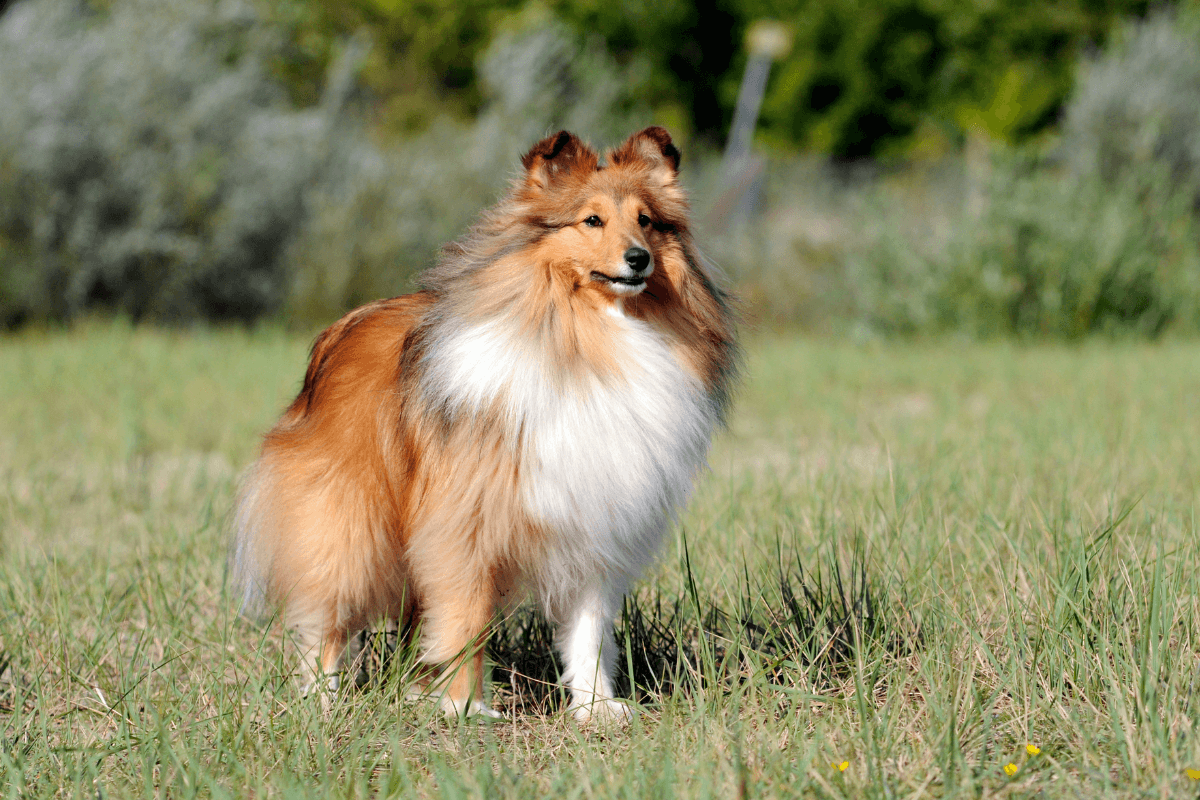
A charming and graceful breed admired for its intelligence, agility, and affectionate nature, the Shetland Sheepdog, or "Sheltie," is a small yet sturdy working dog known for its versatility and elegance.
Renowned for their loyalty and gentle temperament, Shelties trace their origins to the rugged Shetland Islands of Scotland. Bred to herd sheep in challenging conditions, they were developed to be resilient, intelligent, and highly trainable. Their compact size and lush double coat made them well-suited to the harsh climate and demanding work of their homeland.
Today, Shetland Sheepdogs thrive in various roles, including herding, agility, and obedience, and as cherished family companions. Their intelligence, friendly nature, and striking appearance make them one of the most endearing and adaptable breeds.
Shetland Sheepdog Appearance
Shetland Sheepdogs are admired for their refined beauty, symmetrical build, and graceful movement.
Size:
Shelties are small yet well-proportioned dogs, with males typically standing 37 cm tall at the shoulder and females slightly smaller at 35.5 cm. Their compact size contributes to their agility and efficient movement.
Coat:
The breed features a lush double coat, with a straight, harsh-textured outer layer and a soft, dense undercoat. The mane and frill around the neck are abundant, enhancing their regal appearance. Additionally, their forelegs, hind legs, and tail are profusely feathered, adding to their distinct charm.
Distinctive Features:
Shelties have almond-shaped, dark brown eyes that convey a gentle and intelligent expression, though blue or blue-flecked eyes can appear in merles. Their small, semi-erect ears with forward-tipping tips highlight their alert and attentive nature. The refined, wedge-shaped head is perfectly balanced with the body, underscoring their elegance.
Elegance and Agility:
The Shetland Sheepdog's symmetrical outline and graceful movement reflect their working heritage. Lithe and active, they cover ground effortlessly with a smooth, flowing gait, showcasing their agility and purpose as working dogs.
Shetland Sheepdog History
The Shetland Sheepdog's history is a tale of adaptation and purposeful breeding, reflecting the unique needs of its rugged island home.
Origins in the Shetland Islands
The Shetland Sheepdog, affectionately known as the "Sheltie," hails from Scotland's Shetland Islands. These small, hardy dogs were bred to herd sheep in the region's challenging climate and rocky terrain. Their compact size and agility suited the environment, while their intelligence and trainability made them effective working dogs.
Influence of Collies
Collies played a significant role in the Sheltie’s development. Early breeding programs incorporated Collie bloodlines to enhance the Sheltie's physical attributes and working traits. This careful refinement resulted in a breed that is both beautiful and functional, excelling as a herder.
Recognition and Popularity
By the early 20th century, the Shetland Sheepdog was recognised as a distinct breed. Its striking appearance, intelligence, and gentle temperament quickly made it a favourite among dog enthusiasts. Shelties became renowned not only as exceptional working dogs but also as devoted family companions.
Shetland Sheepdogs in Australia
Shelties arrived in Australia in the mid-20th century and were celebrated for their versatility and adaptability. They excel in obedience, agility, and herding trials, showcasing their intelligence and trainability. Today, Shelties are cherished as loyal pets and active participants in canine sports, embodying the charm and capability of their heritage.
Find Shetland Sheepdog Breeders or Puppies for Sale
Shetland Sheepdog Personality
Shetland Sheepdogs are celebrated for their intelligence, gentleness, and devotion to their families. Their well-rounded temperament and eagerness to bond with their owners make them exceptional companions and reliable working dogs.
General Traits:
- Intelligent and Trainable: Shelties are quick learners, excelling in obedience and agility training. They thrive on mental stimulation and enjoy learning new tasks, responding well to positive reinforcement.
- Gentle and Affectionate: Known for their kind and loving nature, Shelties form strong bonds with their families, making them ideal companions for individuals and families alike.
- Alert and Responsive: Shelties are highly observant, responsive to cues, and eager to please.
- Energetic and Playful: While they may seem reserved, Shelties have a playful side that shines in games and outdoor activities. They are happiest when active and involved with their families.
Watchdog Tendencies:
- Alert and Observant: Shelties have a natural vigilance, quickly noticing any unusual activity.
- Protective Instincts: Though not aggressive, they are protective and will alert their owners to potential threats.
- Territorial Awareness: Shelties have a strong sense of territory and will bark to notify their families of visitors or intrusions.
Trainability
- Highly Trainable: Their intelligence and eagerness to please make Shelties excel in obedience, agility, and herding tasks.
- Need for Mental Stimulation: Regular mental challenges like puzzles, games, and training sessions keep them engaged and prevent boredom.
- Positive Reinforcement: Shelties respond best to reward-based training methods. Harsh techniques may harm their confidence and lead to reluctance or fearfulness.
Love of Attention
- Loyal Companions: Shelties thrive on companionship and enjoy participating in family activities.
- Active Engagement: Regular exercise, playtime, and mental enrichment are key to their well-being.
- Sensitivity to Loneliness: Shelties may become anxious if left alone for long periods. They need a balance of independence and interaction to remain emotionally healthy.
Shetland Sheepdog as Family Pets
Shetland Sheepdogs are excellent family pets for those who can provide them with the love, attention, and stimulation they need. Their gentle temperament, intelligence, and devotion make them wonderful companions, but their energy levels and sensitivity should be considered before bringing one into your home.
Good with Kids? Absolutely!
- Gentle and Affectionate: Shelties are naturally gentle and affectionate, making them well-suited to families with children. They are patient and enjoy spending time with kids, often forming strong bonds with them.
- Supervision and Socialisation: Like all dogs, interactions between Shelties and young children should be supervised to ensure safety for both. Proper socialisation and training from an early age help them develop confidence and comfort in family settings.
- Energetic Play: Shelties enjoy interactive play and will eagerly join in with games, though their small size means they may be more comfortable with older or calmer children who can handle them gently.
Find Shetland Sheepdog Breeders or Puppies for Sale
Shetland Sheepdog Health & Care
Shetland Sheepdogs are generally healthy dogs, but like all breeds, they can be affected by certain health concerns. Awareness of these potential issues and proactive care can help ensure your Sheltie lives a long, happy, and active life. Working with a reputable breeder who conducts health testing and ensuring regular veterinary checkups are essential to their care.
Common Health Concerns:
- Collie Eye Anomaly (CEA): A genetic condition affecting eye development, common in herding breeds like Shelties. Reputable breeders test for CEA to minimise its occurrence.
- Hip Dysplasia: While less common in Shelties than in larger breeds, hip dysplasia can occur. This condition affects the hip joint and may cause discomfort, lameness, or arthritis over time.
- Elbow Dysplasia: is a developmental elbow joint problem that can lead to lameness and early arthritis.
- Ivermectin Sensitivity (MDR1): A hereditary gene variant that makes some Shelties react badly to certain medicines (like ivermectin or loperamide); a DNA test is available to screen if a sheltie may be affected.
- Von Willebrand’s Disease III (vWD-III): A bleeding disorder that can affect Shelties. Genetic testing helps breeders identify carriers and avoid producing affected puppies.
- Degenerative Myelopathy (DM): Degenerative Myelopathy (DM) is a disease affecting the spinal cord, resulting in slowly progressive hind limb weakness and paralysis.
- Juvenile Dermatomyositis (DMS): An autoimmune disorder causing skin lesions and muscle inflammation. Early detection and management can significantly improve the quality of life for affected dogs.
The Sheltie Club of NSW and Sheltie Club of VIC have great resources on this. You may also view a full list of all Sheltie Clubs in your state here.
Care and Maintenance:
- Coat Care: Shelties have a luxurious double coat requiring regular grooming to prevent matting and keep them looking their best. Weekly brushing is usually sufficient, but during seasonal shedding periods, more frequent brushing is needed to manage their dense undercoat.
- Exercise Needs: Despite their small size, Shelties are active, energetic dogs who thrive on daily exercise. Regular walks, playtime, and mental stimulation are key to their physical and mental well-being.
- Diet and Nutrition: Feeding your Sheltie a high-quality, balanced diet tailored to their age, size, and activity level is essential. Monitoring their weight and adjusting portion sizes can help prevent obesity, which can worsen joint problems.
- Dental Care: Shelties, like many small breeds, are prone to dental issues. Regular tooth brushing, dental chews, and professional cleanings help maintain their oral health and prevent problems.
- Routine Veterinary Care: Regular veterinary checkups and vaccinations are crucial for maintaining your Sheltie’s health. Early detection of potential health concerns can make a significant difference in treatment and outcomes.
Caring for your Shetland Sheepdog
Providing exceptional care for your Shetland Sheepdog involves meeting their physical, mental, and emotional needs. With regular grooming, exercise, and a focus on overall health, your Sheltie will thrive as a happy, loyal companion.
Regular Vet Visits: Routine veterinary checkups are vital for monitoring your Sheltie’s health and detecting potential issues early. Annual exams, vaccinations, and preventative care ensure your dog remains in optimal condition.
Nutritious Diet: Shelties benefit from a high-quality dog food tailored for small to medium-sized breeds. Proper portion control is essential to prevent obesity, which can exacerbate joint issues and other health concerns. Consult your veterinarian for dietary recommendations based on your Sheltie’s age, weight, and activity level.
Exercise for Body and Mind: Though small, Shelties are active and energetic dogs that need daily exercise. A mix of walks, playtime, and interactive games will keep them physically fit and mentally stimulated. Shelties excel in activities like agility and obedience, providing excellent outlets for their intelligence and energy.
Grooming Needs: The Sheltie’s double coat requires regular maintenance to keep it looking its best. Brush their coat at least twice a week to prevent matting and reduce shedding. During seasonal shedding periods, more frequent brushing may be necessary. Additionally, trim their nails, clean their ears, and brush their teeth regularly to maintain overall hygiene.
Mental Stimulation: Shelties are highly intelligent dogs that need mental challenges to stay happy. Engage them in training exercises, puzzle toys, and interactive play to keep their minds sharp and prevent boredom. Regular training sessions also help reinforce good behavior and strengthen your bond.
Monitoring for Health Changes: Be observant of any changes in your Sheltie’s behavior, appetite, or energy levels, as these could indicate underlying health issues. Promptly addressing concerns with your veterinarian can lead to better outcomes.
By providing consistent care, a stimulating environment, and plenty of love, you can help your Sheltie lead a long, healthy, and fulfilling life as a cherished member of your family.
Shetland Sheepdog Grooming
The Shetland Sheepdog's double coat is one of its most striking features, providing both beauty and protection. Regular grooming is essential to maintain the health and appearance of their luxurious coat.
Regular Brushing: Shelties require brushing at least twice a week to prevent mats and tangles and to remove loose hair. During seasonal shedding periods, more frequent brushing is necessary to manage their dense undercoat effectively.
Bathing: Bathe your Sheltie every 6-8 weeks or as needed, using a gentle, dog-specific shampoo. Over-bathing can strip their coat of natural oils, so it’s important to balance cleanliness with their coat’s natural health.
Nail Trimming: Trim their nails regularly to prevent overgrowth and discomfort. Long nails can affect their gait and lead to unnecessary strain on their joints.
Ear Cleaning: Check and clean your Sheltie’s ears regularly to prevent wax buildup and infections. Use a vet-recommended ear cleaner and avoid inserting anything deep into the ear canal.
Teeth Cleaning: Like many small breeds, Shelties are prone to dental issues. Regular brushing with dog-friendly toothpaste and providing dental chews can help maintain their oral health.
Managing Shedding: Shelties are moderate to heavy shedders, especially during seasonal coat changes. Consistent grooming and the use of deshedding tools can help control shedding and keep your home cleaner.
Proper grooming not only keeps your Sheltie looking their best but also ensures they stay comfortable and healthy, reinforcing the bond between you and your furry companion.
Find Shetland Sheepdog Breeders or Puppies for Sale
Is a Shetland Sheepdog Right For You?
The Shetland Sheepdog, with its gentle nature, intelligence, and striking appearance, is a breed that thrives in the right environment.
However, they are not suitable for every household. Before welcoming a Sheltie into your life, it’s essential to assess your lifestyle and ensure it aligns with their needs.
The Ideal Sheltie Owner:
- Active and Engaged: Shelties are active and energetic dogs that require daily physical exercise and mental stimulation. They are best suited for individuals or families who enjoy regular walks, playtime, and interactive activities.
- Patient and Gentle: Shelties are sensitive dogs that respond best to positive reinforcement and gentle training methods. Owners who are patient and kind will help their Sheltie flourish.
- Enjoys Training and Bonding: Highly intelligent and eager to please, Shelties excel in obedience training, agility, and other dog sports. They thrive with owners who enjoy training and building a strong bond through consistent, engaging activities.
- Seeking a Loyal Companion: Shelties form deep connections with their families and are happiest when included in daily life. If you’re looking for a devoted and affectionate companion, a Sheltie may be a perfect match.
Not Ideal If:
- You Lead a Sedentary Lifestyle: Shelties need regular exercise and mental stimulation. A sedentary lifestyle may lead to boredom and behavioral issues, such as excessive barking or destructive habits.
- You Dislike Shedding: Shelties have a double coat that requires regular grooming and sheds seasonally. If you’re not prepared to manage shedding, this breed might not be the best fit.
- You’re Frequently Away: Shelties are deeply attached to their families and do not do well when left alone for extended periods. They can develop separation anxiety if isolated for too long.
- You Prefer a Quiet Dog: While Shelties are not overly loud, they are naturally alert and may bark to communicate or warn their owners of changes in their environment.
Crucial Considerations:
- Exercise and Mental Stimulation: Shelties require at least 30–60 minutes of daily exercise to stay healthy and happy. Regular walks, playtime, and engaging puzzle toys or training sessions are essential for keeping their minds sharp and preventing boredom.
- Grooming Commitment: Maintaining a Sheltie’s beautiful coat requires regular brushing to manage shedding and prevent matting. Their luxurious double coat needs consistent care, especially during seasonal shedding periods.
- Positive Training Methods: As a sensitive breed, Shelties respond best to positive reinforcement techniques. Harsh training methods can cause fearfulness and anxiety, so focus on encouragement and rewards to build their confidence and reinforce good behaviour.
- Close Companionship: Shelties thrive in homes where they are treated as valued members of the family. They love being involved in daily activities and will return your care and attention with unwavering loyalty and affection.
Importance of a Reputable Shetland Sheepdog Breeder
Choosing a reputable breeder is crucial to ensuring the health, temperament, and overall well-being of your Shetland Sheepdog. Ethical breeders prioritise the following:
Health Testing:
Reputable breeders conduct thorough health screenings on their breeding dogs to minimise the risk of genetic conditions in their puppies. A responsible breeder will provide documentation of these tests and be transparent about the health history of their dogs.
Temperament Assessment:
Ethical breeders carefully evaluate their dogs’ temperaments to produce puppies with stable, gentle, and well-rounded personalities. They should be well-versed in the breed’s traits and willing to answer any questions about temperament.
Early Socialisation and Enrichment:
Puppies raised in a nurturing home environment, with early exposure to different sights, sounds, and experiences, are more likely to grow into confident, well-adjusted dogs. Responsible breeders prioritise socialisation and enrichment to prepare their puppies for family life.
How to Find a Reputable Breeder
- Do Your Research: Start by contacting breed clubs such as the Shetland Sheepdog Club of NSW or exploring breeder listings on platforms like Dogz Online. These resources can connect you with ethical breeders who prioritise health, temperament, and adherence to breed standards.
- Ask Questions: A reputable breeder will welcome questions about health testing, socialisation practices, and the temperament of the puppy’s parents. They should provide clear, detailed answers and be open about their breeding program.
- Visit the Breeder: When possible, visit the breeder’s facility to see how puppies are raised and to meet the parent dogs. A clean, well-maintained environment with healthy, happy dogs is a strong indicator of a responsible breeder.
Red Flags - Be cautious of breeders who:
- Avoid answering questions.
- Lack transparency about health testing.
- Do not prioritise finding the best homes for their puppies.
Always approach breeders respectfully, recognising the dedication and effort involved in responsible breeding.
By choosing a reputable breeder, you’re investing in a healthy, well-socialised Shetland Sheepdog with a sound temperament. This ensures you bring home a cherished companion who will thrive and bring joy to your family for years to come.
How Long Does a Shetland Sheepdog Live For?
Shetland Sheepdogs, or Shelties, are gentle, clever, and devoted. They typically live between 12 and 14 years, and with regular care and love, often remain lively and loyal for a long time. Their intelligence makes them eager to learn and quick to bond with family
Adaptability
Adapts Well To
Shetland Sheepdogs are adaptable and versatile dogs that can thrive in a variety of living environments, provided their needs for companionship, exercise, and mental stimulation are met. Their affectionate nature and intelligence make them a wonderful addition to many types of households.
Homes with Yards: Shelties enjoy having access to a secure yard where they can run, play, and explore. While they are small enough to adapt to apartment living, they thrive in environments that provide them with opportunities for outdoor activity.
Active Families: Shelties are energetic and love engaging in activities with their families. They are well-suited to households that enjoy regular walks, hikes, or games of fetch. Their playful and interactive nature ensures they’ll happily participate in family outings.
Suburban and Rural Environments: With their herding background, Shelties are often most comfortable in suburban or rural settings where they can enjoy open spaces. They love activities that engage their natural instincts and allow them to stretch their legs.
Important Considerations:
Exercise Needs: Shelties are an active breed that requires daily exercise to stay healthy and happy. Regular walks, playtime, and training sessions are essential to meet their physical and mental needs.
Mental Stimulation: As intelligent dogs, Shelties need mental challenges to prevent boredom. Puzzle toys, obedience training, and interactive games help keep their sharp minds engaged.
Companionship: Shelties are social dogs that form strong bonds with their families. They thrive in homes where they receive plenty of attention and don’t do well when left alone for long periods.
Barking Tendencies: Shelties are naturally alert and may bark to communicate or alert their families to changes in their environment. Proper training and socialisation can help manage excessive barking.
Coat Care: Their double coat requires regular grooming to prevent mats and manage shedding, especially during seasonal coat changes.
With the right care and attention, Shetland Sheepdogs can adapt to various living situations, making them an excellent choice for families, active individuals, and those who value a loyal and loving companion.
Adapts Less Well To
Shetland Sheepdogs are adaptable companions that can thrive in various living situations, provided their needs for exercise, mental stimulation, and companionship are met. Their intelligence and affectionate nature make them well-suited to attentive households.
Adapts Less Well To
Houses with Yards: Shelties thrive in homes with secure yards where they can run and play freely. This space allows them to burn off energy and engage in outdoor activities, satisfying their physical and mental stimulation needs.
Active Families: Homes with active individuals or families who enjoy outdoor activities, such as walking, hiking, or playing games, are ideal for Shelties. Their high energy levels and enthusiasm make them excellent companions for those who lead an active lifestyle.
Interactive Households: Shelties flourish in households where they are included in daily activities and treated as part of the family. Their loyalty and eagerness to please make them wonderful companions for those who enjoy spending time with their pets.
Training Enthusiasts: Thanks to their intelligence and trainability, Shelties excel in environments where training and interactive games are part of their routine. They are particularly well-suited to owners interested in agility, obedience, or other canine sports.
Potential Solutions for Apartment Living:
Daily Exercise: Shelties need regular physical activity to stay healthy and happy. Ensure they get plenty of exercise through daily walks, playtime, and visits to a nearby park. Interactive activities like fetch or agility exercises are essential for burning off their energy.
Mental Stimulation: Keep their intelligent minds engaged with puzzle toys, training sessions, and games that challenge their problem-solving skills. Regular mental enrichment is vital to prevent boredom and undesirable behaviours.
Positive Social Interaction: Shelties thrive when included in family life. Dedicate time to bonding activities, such as grooming or interactive play, to fulfil their need for companionship and make them feel valued as part of the household.
Important Considerations:
Exercise Commitment: Shelties require consistent daily exercise to remain physically and mentally healthy. Owners should be prepared to dedicate time to their needs to ensure a well-adjusted and content pet.
Noise Sensitivity: As alert and vocal dogs, Shelties may bark at unfamiliar sounds or people, which could pose challenges in shared living spaces. Early training is key to managing excessive barking.
Grooming Needs: Their double coat sheds seasonally and requires regular grooming to prevent matting and manage shedding. This routine should be factored in, especially in smaller living environments.
Social Needs: Shelties are happiest in interactive and attentive households. Limited engagement or prolonged isolation can lead to separation anxiety or undesirable behaviours.
Shetland Sheepdogs can adapt to less-than-ideal environments with dedicated care and attention.
Good for Novice Dog Owner
Shetland Sheepdogs, renowned for their gentle and intelligent nature, are an excellent choice for novice dog owners. Their friendly temperament and eagerness to please make them easy to train and wonderful family companions. However, their energy levels and grooming needs require commitment and understanding.
Why Shelties Are Great for Novice Owners
Intelligent and Trainable: Shelties are highly intelligent and quick learners, making training straightforward and enjoyable. They respond exceptionally well to positive reinforcement and are eager to learn commands and tricks.
Affectionate and Loyal: Shelties form strong bonds with their owners, offering unwavering loyalty and affection. Their desire to be close to their family makes them loving and dependable companions.
Adaptable: Shelties can adjust to various living situations, from families to singles or older adults, as long as their needs for exercise and mental stimulation are met.
Challenges for Novice Owners
High Energy Levels: Despite their compact size, Shelties are energetic dogs that require daily exercise to stay happy and healthy. Owners must be prepared to meet their physical and mental activity needs.
Grooming Requirements: Their luxurious double coat requires regular brushing to prevent matting and reduce shedding. Novice owners should establish a consistent grooming routine to maintain their coat’s condition.
Vocal Nature: Shelties are naturally alert and prone to frequent barking. Without early training, this trait can become overwhelming for inexperienced owners.
How Novice Owners Can Succeed with a Sheltie
Commit to Training: Enrol in obedience classes or dedicate time to consistent training. Early training helps manage behaviours like excessive barking or herding instincts.
Exercise and Mental Stimulation: Provide daily walks, interactive playtime, and puzzle toys to keep your Sheltie engaged and content.
Grooming Routine: Establish a regular grooming schedule to care for their coat and maintain overall hygiene.
Positive Reinforcement: Use gentle, reward-based training methods to build trust and confidence. Avoid harsh corrections, as Shelties are sensitive and respond better to encouragement.
Shetland Sheepdogs are a wonderful choice for novice dog owners willing to invest time in their care and training. Their intelligence, affection, and loyalty make them rewarding companions for those prepared to embrace their needs and enjoy their vibrant personalities.
Sensitivity
Sensitivity Level
Shetland Sheepdogs, or Shelties, are renowned for their gentle and intuitive nature.
Their sensitivity is a defining trait, making them deeply attuned to their surroundings and their owner’s emotions. Understanding this sensitivity is essential to fostering a strong bond and ensuring their emotional well-being.
What Makes Shelties Sensitive
Strong Emotional Connection: Shelties form close bonds with their families and are highly perceptive of human emotions. They quickly sense changes in mood, body language, or tone of voice and respond with empathy and affection.
Alert Nature: As a herding breed, Shelties are naturally vigilant and responsive to their environment. Sudden noises, unfamiliar people, or changes in routine can lead to anxiety or stress.
Social Sensitivity: Generally reserved around strangers, Shelties may take time to warm up in new social settings. This cautious nature reflects their sensitivity and intelligence.
Ownership Impact
Calm and Reassuring Leadership: A stable and predictable environment, paired with calm and consistent guidance, helps Shelties feel secure and confident.
Positive Reinforcement: Harsh training methods can harm Shelties emotionally. Gentle and reward-based training builds trust and ensures effective learning.
Socialisation and Exposure: Early socialisation is vital for helping Shelties adapt to various situations. Introducing them to new people, environments, and experiences boosts their confidence and adaptability.
Understanding Their Cues: Shelties communicate stress or discomfort through subtle behaviours like pacing, lip licking, or avoidance. Recognising and addressing these signals with care is crucial.
Important Considerations
Noise Sensitivity: Shelties are particularly sensitive to loud or sudden noises, such as fireworks or thunderstorms. Providing a quiet, safe space can help them feel secure during stressful events.
Separation Anxiety: Due to their strong attachment to their families, Shelties may experience separation anxiety when left alone for long periods. Gradual desensitisation and interactive toys can help them adjust.
Patience and Understanding: Building trust with Shelties requires patience and kindness. Their sensitivity rewards owners with incredible loyalty and love, but it also demands consistent care and understanding.
The Positive Side of Sensitivity
A Sheltie’s sensitivity highlights their intelligence and deep loyalty. Their ability to emotionally connect with their owners makes them exceptional companions.
By respecting and nurturing their sensitive nature, owners can build a strong, lasting bond with these devoted dogs, ensuring they feel secure, loved, and confident in their environment.
Tolerates Being Alone
Shetland Sheepdogs, or Shelties, are deeply social dogs that thrive on close companionship with their families. Their strong attachment to their owners means they are not well-suited to being left alone for extended periods.
Social Needs and Attachment
Strong Family Bonds: Shelties are incredibly loyal and happiest when spending time with their loved ones. They enjoy being involved in daily activities and forming deep emotional connections with their families.
Sensitivity to Loneliness: Due to their affectionate nature, Shelties may become anxious or stressed when left alone for long periods, leading to behaviours such as excessive barking, chewing, or pacing.
Dependence on Interaction: As intelligent and active dogs, Shelties require both mental stimulation and social interaction to feel secure and content.
Ownership Impact
Consider Your Availability: A Sheltie may not be the ideal choice for households where family members are away for long stretches. Regular attention and interaction are essential for their well-being.
Training and Adaptation: With proper training and gradual desensitisation, Shelties can learn to tolerate short periods of alone time. Begin by leaving them alone for brief intervals and gradually increase the duration while keeping them occupied.
Provide Enrichment: Interactive toys, puzzle feeders, and safe chew items can help keep your Sheltie entertained and mentally engaged when you’re away.
Alternatives for Busy Owners: Consider hiring a dog walker, enrolling your Sheltie in doggy daycare, or asking a trusted neighbour or family member to check in and provide companionship during longer absences.
Important Notes
Separation Anxiety Risks: Shelties are prone to separation anxiety due to their strong attachment to their families. Early intervention with training and gradual exposure to alone time is critical to prevent issues such as excessive barking or destructive behaviours.
Noise Concerns: As a vocal breed, Shelties may bark excessively when left alone, especially if they are anxious or bored. Ensuring they are mentally and physically tired before you leave can help minimise this behaviour.
Building Independence: Create a safe and comfortable space, such as a crate or a cosy corner of your home, where your Sheltie can feel secure during periods of solitude.
The Positive Side of Social Attachment
A Sheltie’s strong need for companionship reflects their loving and loyal nature. They are devoted family dogs who bring joy and affection to their owners.
By meeting their social and emotional needs, you can build a deep, trusting relationship and provide a fulfilling life for your Sheltie.
Tolerates Hot Weather
Shetland Sheepdogs, with their lush double coats, are not particularly suited to hot weather. Careful management is essential to ensure their comfort and safety during warm conditions.
Heat Sensitivity
Risk of Overheating: The Sheltie’s dense double coat, while providing excellent insulation in cooler weather, makes them prone to overheating in hot and humid climates. They are especially vulnerable during heatwaves or periods of intense sun exposure.
Signs of Overheating: Watch for symptoms such as excessive panting, drooling, lethargy, disorientation, or collapse. If heatstroke is suspected, seek immediate veterinary attention.
Ownership Impact
Limit Outdoor Activity: Restrict outdoor activities to cooler parts of the day, such as early mornings or late evenings. Avoid strenuous play or walks during peak heat hours.
Provide Shade and Hydration: Ensure your Sheltie always has access to a shaded, cool resting spot and plenty of fresh water. Use fans or air conditioning indoors to maintain a comfortable environment.
Grooming Considerations: Regular brushing helps maintain airflow through their coat by removing loose undercoat, reducing the risk of overheating. Avoid shaving their coat, as it provides natural sun protection.
Cooling Accessories: Use cooling mats, vests, or bandanas to help regulate your Sheltie’s body temperature during warm conditions.
Important Notes
Individual Tolerance: While Shelties generally struggle in hot weather, individual tolerance may vary. Observe your dog’s behaviour and adjust their activity and environment as needed.
Never Leave Them in Hot Environments: Never leave a Sheltie in a parked car or enclosed space during warm weather, as temperatures can rise dangerously high within minutes.
Monitor Indoor Temperatures: Even indoors, ensure your Sheltie is not exposed to excessive heat. Use fans or cooling systems to maintain a comfortable living space.
By understanding and addressing the challenges of hot weather, Shetland Sheepdog owners can ensure their pets remain safe, comfortable, and happy, even in warmer climates. With proper care and precautions, your Sheltie can thrive in a variety of conditions.
Tolerates Cold Weather
Shetland Sheepdogs are well-suited to cold weather, thanks to their luxurious double coats that provide excellent insulation and protection against the elements.
Cold Weather Tolerance
Natural Insulation: Shelties have a dense undercoat and a long, weather-resistant outer coat, which act as a natural barrier against chilly temperatures, keeping them warm and comfortable.
Enjoyment of Cold Climates: Many Shelties thrive in cooler weather and enjoy activities like playing in the snow. Their lively nature makes brisk walks and outdoor games ideal during colder months.
Ownership Impact
Monitor for Extreme Cold: While Shelties are comfortable in cold weather, watch for signs of discomfort, such as shivering or reluctance to move, as these indicate they need to warm up.
Protect Their Paws: Snow, ice, and de-icing chemicals can irritate a Sheltie’s paws. Use dog booties during walks in snowy or icy environments and check their paws for cracks or irritation afterward.
Provide Shelter and Warmth: Ensure your Sheltie has access to a warm, dry shelter if they spend time outdoors. Indoors, a cosy bed away from drafts is ideal for relaxation.
Grooming Considerations: Regular brushing maintains their coat’s insulating properties by preventing mats and evenly distributing natural oils. Avoid shaving their coat, as it is crucial for temperature regulation.
Important Notes
Individual Sensitivities: While Shelties generally tolerate cold weather well, individual dogs may vary. Older, very young, or health-compromised Shelties may need extra care in colder conditions.
Be Aware of Wet Conditions: A wet coat loses its insulating properties, leaving your Sheltie vulnerable to chills. Dry them thoroughly after exposure to rain or snow to keep them comfortable.
By understanding and supporting your Sheltie’s natural adaptation to cold climates, you can ensure they remain healthy, happy, and ready to enjoy outdoor adventures even during the colder months.
Friendliness
Affectionate with Family
Shetland Sheepdogs are renowned for their affectionate and loyal nature, forming strong and lasting bonds with their families. Their gentle temperament and eagerness to please make them exceptional companions.
Shetland Sheepdogs as Affectionate Companions:
Loyal and Devoted: Shelties thrive on being close to their loved ones and enjoy being involved in family activities, offering companionship and loyalty that is hard to match.
Gentle and Loving: Known for their kind disposition, Shelties enjoy cuddling, being petted, and spending quiet moments with their owners, making them perfect for families who value a loving companion.
Responsive to Emotions: Highly attuned to their owners’ emotions, Shelties respond with empathy and attentiveness, creating deep emotional connections with their families.
Ownership Impact:
Bonding Through Interaction: Regular playtime, grooming, and gentle training strengthen the bond between Shelties and their owners.
Affection for All Ages: Shelties’ patient and loving nature makes them an excellent choice for families with children.
Socialisation Benefits: Early socialisation ensures Shelties remain confident and well-mannered around strangers and other animals.
Kid-Friendly
Shetland Sheepdogs are gentle, patient, and highly adaptable, making them a wonderful choice for families with children.
Shetland Sheepdogs and Children:
Gentle and Patient: Shelties naturally tolerate children and enjoy joining in on playtime.
Responsive to Training: Their intelligence and eagerness to please make them reliable companions who can be trained to behave appropriately around kids.
Protective and Watchful: While not aggressive, Shelties are naturally alert and tend to keep a watchful eye on children, offering additional reassurance for parents.
Ownership Impact:
Supervision is Essential: Always supervise interactions between Shelties and young children to ensure safe and positive experiences for both.
Teach Mutual Respect: Encourage children to handle Shelties gently and respectfully to build trust and a strong bond.Socialisation and Training: Early exposure to children and other pets helps Shelties develop appropriate behaviour in family settings.
With Other Pets
Shetland Sheepdogs are generally sociable and adaptable, especially when properly introduced to other pets.
Socialisation and Training:
Shelties are friendly with other pets when socialised early and trained effectively. Their affectionate nature makes them well-suited to multi-pet households.
Key Considerations:
Natural Herding Instincts: Shelties may exhibit gentle herding behaviours like nudging or circling, particularly with smaller pets. Proper training can redirect these instincts.
Same-Sex Dynamics: While Shelties are less prone to same-sex aggression, monitoring interactions between two dogs of the same sex during introductions is important.
Supervision and Management: Always supervise initial introductions, especially with smaller or more timid animals, to ensure positive interactions.
With appropriate introductions and reinforcement, Shelties can coexist peacefully with a variety of pets, including dogs and cats.
Friendly Toward Strangers
Shetland Sheepdogs are naturally reserved with strangers, reflecting their sensitive and cautious temperament.
Shetland Sheepdogs and Strangers:
Reserved but Polite: Shelties may be cautious around unfamiliar people but are not aggressive.
Socialisation and Confidence Building: Early and consistent socialisation helps Shelties feel more comfortable with meeting new people.
Approach with Gentleness: Calm introductions at the dog’s pace foster trust and security.
The Role of Their Family: Shelties often mirror their owner’s behaviour. A calm and welcoming owner encourages the dog to feel at ease with strangers.
While initially reserved, Shelties can become well-mannered and pleasant companions in social settings with proper socialisation and training.
Health & Grooming
Amount of Shedding
Shetland Sheepdogs, or Shelties, are known for their luxurious double coats, which result in moderate to heavy shedding and require regular maintenance.
Shedding Reality:
Double Coat: Shelties have a dense undercoat and a long, harsh outer coat that contribute to year-round shedding and heavier seasonal shedding.
Seasonal Shed: Twice a year, typically in spring and autumn, Shelties "blow their coat," shedding significant amounts of fur.
Not Hypoallergenic: Due to shedding and dander, Shelties are not recommended for individuals with dog hair allergies.
Ownership Impact:
Regular Brushing: Brush your Sheltie 2–3 times per week, increasing to daily during seasonal shedding periods to minimise loose fur and matting.
Vacuuming and Cleaning: Be prepared for Sheltie hair on furniture and floors. Regular vacuuming and lint rollers are essential.
Professional Grooming: Occasional professional grooming can help with thorough coat maintenance, especially during heavy shedding seasons.
With proper grooming and care, managing a Sheltie’s shedding is straightforward, and their stunning coat can remain healthy and beautiful year-round.
Drooling Potential
Shetland Sheepdogs are not prone to excessive drooling, making them a low-mess option for owners who value cleanliness.
Drooling Tendencies:
Minimal Drooling: Shelties typically drool only after drinking water or in anticipation of food.
Health-Related Drooling: Sudden or excessive drooling can indicate dental problems, nausea, or other health issues, warranting a vet visit.
Ownership Impact:
Low Maintenance: Minimal drooling means less mess on furniture, clothing, and floors.
Cleanliness: Shelties are a tidy breed in terms of drooling, ideal for households that prefer less cleanup.
Their minimal drooling, combined with their affectionate and gentle nature, makes Shelties an appealing choice for many families. Regular health checks ensure their drooling stays within normal limits.
Easy to Groom
While Shelties are not considered "easy to groom" due to their abundant fur, their grooming needs are manageable with regular care.
Grooming Requirements:
Regular Brushing: Brush 2–3 times a week to remove loose fur, prevent tangles, and maintain their coat’s shine. During shedding seasons, more frequent brushing is needed.
Bathing: Bathe every 6–8 weeks or as necessary, using a gentle dog shampoo suitable for double-coated breeds.
Dealing with Shedding: Invest in quality grooming tools, such as an undercoat rake or slicker brush, to manage year-round and seasonal shedding.
Nail Trimming and Ear Cleaning: Trim nails regularly to prevent discomfort and clean ears to avoid wax buildup and infections.
Ownership Impact:
Time Investment: Shelties require consistent grooming, especially during shedding periods. Regular brushing and maintenance are essential.
Grooming Tools: Slicker brushes, combs, and de-shedding tools make the process more effective.
Professional Grooming: Occasional visits to a professional groomer can assist in maintaining the coat, especially for owners who find their thick fur challenging to manage.
The Sheltie’s thick double coat not only enhances their beauty but also provides protection against harsh weather. Proper grooming ensures their coat remains healthy, functional, and one of the breed’s most defining features.
General Health
Shetland Sheepdogs are generally healthy and vibrant dogs, often living long and fulfilling lives. However, they are predisposed to certain genetic and health conditions. Regular veterinary care and informed ownership are essential to ensuring their overall well-being.
Potential Health Concerns
- Collie Eye Anomaly (CEA): A genetic condition affecting eye development, common in herding breeds like Shelties. Reputable breeders test for CEA to minimise its occurrence.
- Hip Dysplasia: While less common in Shelties than in larger breeds, hip dysplasia can occur. This condition affects the hip joint and may cause discomfort, lameness, or arthritis over time.
- Elbow Dysplasia: is a developmental elbow joint problem that can lead to lameness and early arthritis.
- Ivermectin Sensitivity (MDR1): A hereditary gene variant that makes some Shelties react badly to certain medicines (like ivermectin or loperamide); a DNA test is available to screen if a sheltie may be affected.
- Von Willebrand’s Disease III (vWD-III): A bleeding disorder that can affect Shelties. Genetic testing helps breeders identify carriers and avoid producing affected puppies.
- Degenerative Myelopathy (DM): Degenerative Myelopathy (DM) is a disease affecting the spinal cord, resulting in slowly progressive hind limb weakness and paralysis.
- Juvenile Dermatomyositis (DMS): An autoimmune disorder causing skin lesions and muscle inflammation. Early detection and management can significantly improve the quality of life for affected dogs.
The Importance of Reputable Breeders
Choosing a Sheltie from a reputable breeder is critical. Ethical breeders:
- Perform health screenings for genetic conditions.
- Provide transparency about their dogs' health and lineage.
- Help reduce the likelihood of inherited health issues.
Ownership Impact
Routine Veterinary Care: Schedule regular checkups for vaccinations, preventative care, and screenings for breed-specific conditions. Early detection is key.
Balanced Diet and Exercise: Feed a nutritious, age-appropriate diet and ensure regular exercise to maintain physical and mental health.
Health Screenings: Discuss necessary health tests, such as eye exams and thyroid screenings, with your veterinarian.
Financial Preparedness: Budget for regular and unexpected veterinary care. Pet insurance can help offset potential costs.
With proactive care, Shelties can lead long, healthy, and happy lives as affectionate and intelligent companions.
Potential for Weight Gain
Shetland Sheepdogs are naturally active, but they can gain weight if their diet and exercise are not managed carefully. Maintaining a healthy weight is essential for their overall well-being.
Factors Contributing to Weight Gain
Overfeeding: Shelties have hearty appetites, and overfeeding or excessive treats can quickly lead to weight gain.
Reduced Activity Levels: Lack of regular exercise, especially as they age or in sedentary lifestyles, increases the risk of weight gain.
Genetic Predisposition: Some Shelties may have slower metabolisms, making weight management more challenging.
Medical Issues: Conditions like hypothyroidism can contribute to unexpected weight gain. Consult your veterinarian if this occurs.
Ownership Impact
Controlled Portions: Measure food carefully based on age, weight, and activity level. Avoid free-feeding and table scraps.
Healthy Treat Options: Opt for low-calorie treats or dog-safe fruits and vegetables. Limit calorie-dense treats.
Consistent Exercise: Engage in regular physical activities, such as walks, agility training, or herding games, to keep your Sheltie fit and stimulated.
Weight Monitoring: Regularly monitor your Sheltie’s body condition and weight. Use a body condition scoring system and consult your veterinarian to make adjustments as needed.
The Importance of a Healthy Weight
Maintaining a healthy weight is crucial for Shelties, as excess weight can:
- Strain joints, increasing the risk of arthritis.
- Heighten the likelihood of diabetes and heart disease.
By prioritising proper nutrition and an active lifestyle, you can help your Sheltie live a long, healthy, and happy life.
Trainability
The Smart and Eager Learner
Shetland Sheepdogs are celebrated for their exceptional intelligence, responsiveness, and eagerness to please, making them one of the most trainable breeds. Their natural work ethic and love for learning allow them to excel in a wide variety of activities.
Quick Learners: Shelties grasp new commands with minimal repetition, excelling in obedience training and agility.
Work Ethic: Their herding instincts and drive to work make them versatile and adept in activities like herding trials, agility, rally, and therapy work.
Motivated by Rewards: Positive reinforcement methods, including treats, praise, and playtime, encourage their enthusiasm and engagement in training sessions.
The Challenges
Sensitive Nature: Shelties may become anxious or withdrawn if exposed to harsh training methods. Gentle, patient training builds their confidence and fosters trust.
Distracted by Movement: Their alertness and herding instincts can make them prone to distractions, such as passing cars or small animals. Early training helps them focus.
High Energy Levels: Shelties require significant mental and physical stimulation. Without it, they may resort to behaviours like barking or digging.
Ownership Impact
Start Early: Begin training and socialisation as soon as possible to help your Sheltie develop good manners and confidence.
Positive Reinforcement: Use gentle, reward-based training methods to motivate and encourage your Sheltie.
Consistent Commands: Clear and consistent commands are key to guiding Shelties’ behaviour effectively.
Mental and Physical Challenges: Provide engaging activities like puzzle toys, agility courses, or interactive games to channel their energy productively.
Intelligence
Shetland Sheepdogs are renowned for their intelligence, ranking among the smartest dog breeds. Their sharp minds, adaptability, and eagerness to learn make them exceptional companions.
A Canine Genius
Quick Learners: Shelties can master new tasks with minimal repetition, excelling in obedience and agility training.
Problem-Solving Skills: Their herding background equips them with independent thinking and the ability to handle complex situations.
Adaptability and Versatility: Shelties excel in various roles, from dog sports to therapy work, showcasing their intelligence and willingness to adapt.
Ownership Impact
Mental Enrichment: Provide puzzle toys, teach new tricks, or involve them in herding activities to keep their minds active.
Training Opportunities: Engage in dog sports like agility, rally, or flyball to challenge them mentally and physically while strengthening your bond.
Channel Their Energy: Without sufficient stimulation, Shelties may develop undesirable behaviours like barking or chewing. Structured activities and training sessions help prevent this.
Potential for Mouthiness
Shetland Sheepdogs are playful and curious, with a tendency for mouthiness during their puppy stages. This behaviour stems from their intelligence and herding instincts but can be managed with proper training.
Mouthy Behaviour
Teething: Puppies may chew to relieve discomfort during teething.
Exploration: Shelties use their mouths to learn about their environment, exploring objects and textures.
Herding Instincts: Nipping or mouthing may occur, particularly during play or when trying to "herd" people or other pets.
Ownership Impact
Early Training: Teach bite inhibition and discourage nipping with consistent commands.
Positive Reinforcement: Reward gentle play and redirect mouthing behaviour with toys or approved chew items.
Provide Appropriate Chew Toys: Offer durable chew toys to satisfy their urge to chew and protect household items.
Supervision: Monitor interactions with young children or other pets to ensure safe and positive experiences.
By addressing mouthiness early and providing appropriate outlets, you can help your Sheltie become a well-mannered and delightful companion.
Prey Drive
Shetland Sheepdogs, or Shelties, possess a moderate prey drive, stemming from their herding origins. While not hunting dogs, their instinct to chase and control movement reflects their heritage.
Herding and Chasing Instincts
Chasing Small Animals: Shelties may instinctively chase squirrels, birds, or other small animals due to their herding background.
Alert and Responsive: Their keen senses and attentiveness make them highly responsive to movement, which can sometimes trigger the urge to chase.
Ownership Impact
Leash Training and Control: Teach your Sheltie to stay focused on you during walks and prevent wildlife chasing through consistent leash training.
Supervision During Play: Always supervise outdoor play, particularly in unfenced areas, to ensure their safety.
Training and Socialisation: Early training with commands like "leave it" and "stay" can redirect their prey drive and help them resist chasing.
Gradual Introductions: Supervise interactions with cats or smaller pets to encourage peaceful coexistence.
By managing their prey drive through training and supervision, Shelties can remain well-behaved and harmonious companions.
Wanderlust Potential
Shetland Sheepdogs have a moderate wanderlust potential, driven by their intelligence, curiosity, and herding instincts.
Curiosity and Herding Instincts
Natural Explorers: Shelties’ curiosity may tempt them to explore new sights, smells, and sounds.
Herding Tendencies: Their instinct to follow or chase moving objects, such as cars or cyclists, can lead them away from home.
Ownership Impact
Secure Fencing: Ensure your yard is securely fenced to prevent escape, and regularly check for potential gaps or weak spots.
Leash Walks: Always keep your Sheltie on a leash in unfenced areas to prevent wandering off.
Mental and Physical Engagement: Regular exercise and mentally stimulating activities help satisfy their curiosity and reduce the urge to roam.
Identification: Equip your Sheltie with a microchip and updated ID tags in case they do wander off.
By addressing their curiosity and herding instincts, Shelties can enjoy a safe and secure lifestyle while remaining loyal companions.
Tendency to Bark or Howl
Shetland Sheepdogs are known for their vocal nature, using barking to communicate and express their emotions. Their alertness and sensitivity make them excellent watchdogs.
Barking Tendencies
Alert and Protective: Shelties bark to alert owners to strangers, unusual sounds, or environmental changes.
Expressive Nature: They may bark to express excitement, frustration, or boredom, often seeking attention.
Herding Influence: Barking may occur during play or when attempting to control movement.
Ownership Impact
Training and Socialisation: Teach commands like "quiet" early on, using positive reinforcement to manage excessive barking.
Mental and Physical Stimulation: Regular exercise and engaging activities help prevent boredom-induced barking.
Addressing Triggers: Identify and manage barking triggers, such as anxiety or environmental changes.
With proper training and stimulation, Shelties can be communicative yet well-mannered companions.
Exercise Needs
Exercise Requirements
Shetland Sheepdogs are active and energetic dogs that thrive on regular physical activity and mental stimulation.
Exercise Requirements
Daily Physical Activity: Provide 45–60 minutes of exercise daily, including walks, play sessions, or dog sports like agility and obedience training.
Variety and Engagement: Activities like fetch, herding games, or advanced obedience exercises keep them engaged and fulfilled.
Mental Stimulation: Incorporate problem-solving tasks, puzzle toys, or scent work into their routine to channel their energy constructively.
Energy Levels
Puppies: Short, frequent play sessions accommodate their developing bodies while avoiding overexertion.
Adults: Moderate, consistent exercise that includes both mental and physical challenges keeps them fit and happy.
Seniors: Regular but gentle activities maintain their health and prevent stiffness in older age.
Ownership Impact
Secure Environment: Provide a safely enclosed space for off-leash play, as their herding instincts may lead them to chase moving objects.
Consistency: Regular exercise routines prevent boredom and associated behaviours like barking or chewing.
Bonding Opportunities: Exercise strengthens your bond with your Sheltie and satisfies their need for companionship.
By meeting their exercise needs with a balanced mix of physical and mental activities, Shelties remain happy, healthy, and well-adjusted companions.
Potential for Playfulness
Shetland Sheepdogs, or Shelties, are lively and affectionate dogs, celebrated for their spirited personalities and love of play. Their enthusiasm and intelligence make them engaging and fun companions.
Playful Personalities
Energetic Playmates: Shelties are always eager for games like fetch, tug-of-war, or a run in the park. Their high energy and zest for life make them entertaining and interactive play partners.
Love of Challenges: They thrive on mental stimulation and enjoy activities that challenge their minds, such as agility training, hide-and-seek, or solving puzzle toys.
Bonding Through Play: Playtime is a wonderful opportunity for Shelties to bond with their families. They enjoy activities that allow them to interact, express their affection, and build strong connections.
Ownership Impact
Provide Daily Playtime: Dedicate time each day for interactive play to keep your Sheltie physically active and mentally stimulated.
Interactive Toys and Games: Offer toys like treat-dispensing puzzles or games that encourage problem-solving. These can keep them entertained and provide a positive outlet for their energy.
Training as Play: Incorporate training exercises into play sessions to reinforce good behaviour while keeping their attention and enthusiasm. Teaching new commands or tricks through fun activities taps into their intelligence and eagerness to please.
Find Shetland Sheepdog Breeders
or
View Shetland Sheepdog Puppies for Sale |
View Shetland Sheepdog Older Dogs for Sale