

The Shih Tzu
| Size | Small |
| Weight | Females: 4.5-7 kg, Males: 4.5-7 kg |
| Breed Group | Group 1 - Toy |
| Exercise Requirements | Low to Moderate |
| Grooming Requirements | High |
| Life Span | 10–16 years |
| Characteristics | Affectionate, Playful, Outgoing, Loyal, Alert, Calm at Home |
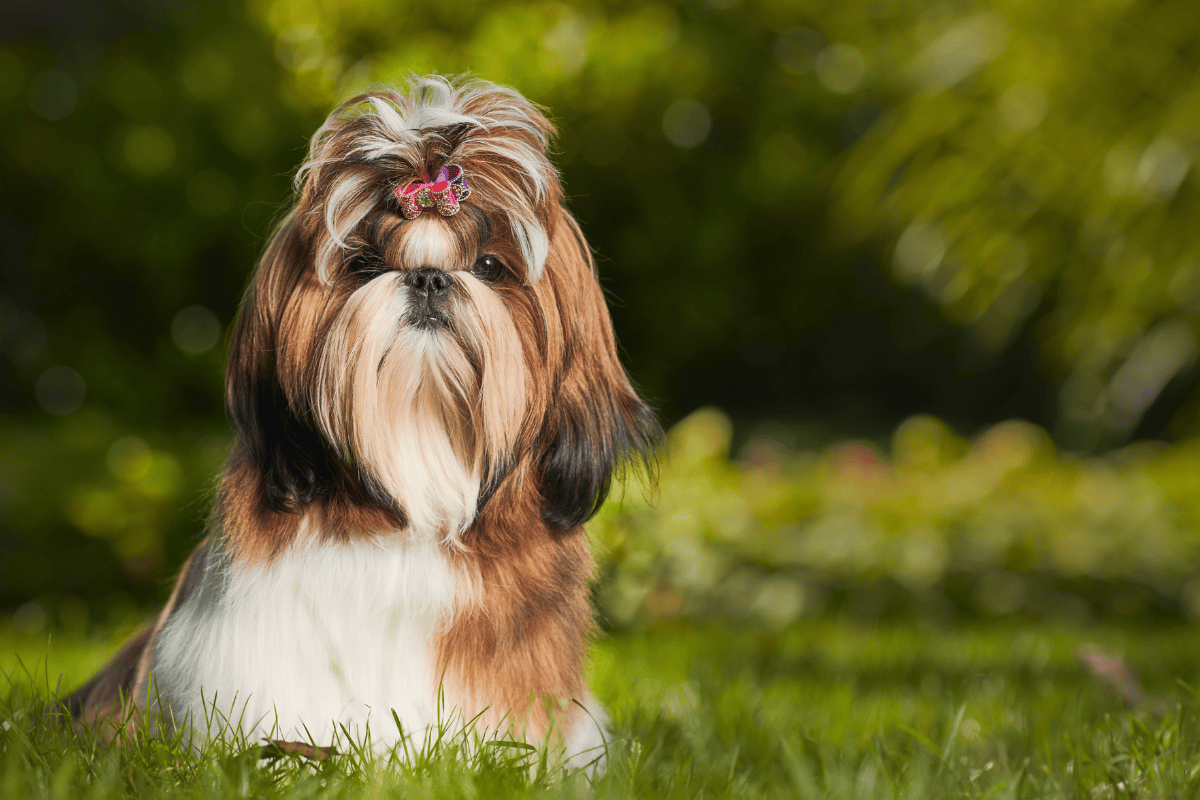
The Shih Tzu is a small yet sturdy breed, adored for its affectionate and lively nature. Originally bred in ancient China as a companion for royalty, the breed is well-known for its flowing coat and delightful personality. Despite its compact size, the Shih Tzu carries itself with confidence and charm, making it a loyal addition to many households.
This breed’s temperament combines playfulness, devotion, and intelligence. Shih Tzus thrive on human companionship and form strong bonds with their families. While calm and friendly at home, they may be reserved or wary around unfamiliar people. Early training and consistent socialisation help nurture their gentle and outgoing nature.
Shih Tzus require regular grooming to maintain their dense coat, but their exercise needs are relatively low. A short walk and indoor play are sufficient, making them suitable for apartments or larger homes. With their affectionate temperament and adaptability, Shih Tzus remain a popular choice for families, seniors, and individuals alike.
Shih Tzu Appearance
The Shih Tzu is a small, sturdy breed with a compact and well-proportioned body. It is known for its charming round face, large dark eyes, and long, flowing coat that requires significant grooming. Despite its small stature, the Shih Tzu carries itself with grace and confidence, making it a highly appealing companion.
Size
The Shih Tzu is small in size. Both males and females typically weigh between 4.5–7 kg. Though small, the breed is well-built, displaying a sturdy and confident posture.
Coat
The Shih Tzu has a long, silky coat that demands frequent grooming. While the coat is beautiful, it requires careful maintenance to avoid mats and tangles. Many owners opt for a shorter cut to make grooming easier, but the coat should still be managed to ensure its health.
Distinctive Features
Shih Tzus have a broad, round head with a short muzzle, dark, expressive eyes, and large, well-set ears. Their flowing coat often covers the face, contributing to the breed's signature "teddy bear" look. Their strong body and poised stance enhance their overall charm.
Strength and Charm
Bred as companion dogs, Shih Tzus are physically solid and affectionate. Their strong connection to family members and their loving temperament make them a delightful companion.
Shih Tzu History
The Shih Tzu has a rich history as a companion dog, originally bred to resemble lions in ancient China. These royal companions were treasured for their affectionate nature and elegant appearance.
Origins in China
The Shih Tzu was bred by Chinese royalty, valued for its charming personality and lion-like look. They were bred to be the perfect lap dog, companionable and dignified.
Breed Development
Over time, the Shih Tzu was refined through selective breeding to maintain its small size and luxurious coat.
Recognition and Popularity
Shih Tzus are admired for their gentle personality and beautiful coat. Though less common than some toy breeds, they are appreciated worldwide for their affectionate nature, becoming a well-loved member of many homes.
Shih Tzu Today
Today, the Shih Tzu is primarily known as a beloved companion. Although originally bred for royalty, the breed has become popular with families of all types, offering affection and loyalty to its owners.
Shih Tzu Personality
Shih Tzus are known for their playful and affectionate temperament. They are gentle and friendly with those they trust, but can be reserved with strangers. Early socialisation helps develop their confidence and outgoing nature.
General Traits:
- Loyal and Affectionate: Shih Tzus are deeply loyal and form strong emotional bonds with their families.
- Playful and Outgoing: While calm at home, they enjoy playful interaction and are generally friendly with children.
- Alert and Intelligent: Shih Tzus are aware of their surroundings but do not tend to bark excessively.
Watchdog Tendencies:
- Alert but Calm: They are generally quiet, only barking when they sense new people or unusual activity. They are not aggressive, and socialisation helps them relax around guests.
- Reserved Nature: Shih Tzus are cautious with unfamiliar faces but warm up when they sense no threat.
Trainability:
- Intelligent but Stubborn: Shih Tzus are smart, but they can also be independent and occasionally stubborn. Consistent training and early socialisation are important for developing good behaviours.
- Needs Gentle Guidance: This breed responds best to calm, confident leadership. Patience and positive reinforcement are key to training a Shih Tzu effectively.
Love of Activity and Engagement:
- Low to Moderate Exercise Needs: Shih Tzus require minimal exercise. A short daily walk and indoor play are generally sufficient to keep them healthy.
- Prefers Companionship: This breed thrives on human interaction. It is best suited to homes where it can be a part of family activities and not left alone for extended periods.
Shih Tzu as Family Pets
Shih Tzus are affectionate, playful dogs that form strong bonds with their families. They are gentle and calm, making them ideal companions for families with children and other pets. Their smaller size and calm nature make them a great addition to many homes.
Good with Kids? Yes, Generally!
- Gentle and Playful: Shih Tzus are typically good with children, enjoying playtime and companionship.
- Socialisation Helps: Early exposure to children and other pets can help Shih Tzus develop into well-mannered and calm companions.
- Supervision Still Important: Although Shih Tzus are gentle, their small size means that supervision is necessary, especially when playing with younger children.

Shih Tzu Health Issues & Care
The Shih Tzu is generally a healthy breed, but breeders and owners should be aware of the potential health concerns in the breed. Reputable Dogs Australia breeders have reduced many of the genetic health issues in Shih Tzu, by responsible breeding. So, most of the health concerns are related to general care of the breed.
Regular veterinary care, proper diet, and grooming help ensure a long and happy life for this breed.
Common Health Concerns:
- Eye infections: Shih Tzu aren’t more prone than other dogs, but daily wiping and quick vet care for redness, discharge, squinting, or a bluish haze after an injury helps keep eyes healthy.
- Ear infections: Not more common than in other breeds, but Shih Tzu grow hair in the ear canal, have it cleared and keep ears clean to prevent mites and secondary infections.
- Dental issues: Regular tooth brushing and dental checks are essential; without routine care, plaque and tartar can build up and require veterinary treatment.
- Hernias: Umbilical and inguinal hernias aren’t a major concern in the breed anymore, but they can still occur—responsible breeders will point them out and discuss management.
- Luxating Patella: have been found in Shih Tzu historically; however, reputable breeders have removed those lines from breeding programs.
You can read more about the general health and wellbeing of the breed on the Shih Tzu Club of Victoria's page, or connect directly with reputable Shih Tzu Breeders.
Care and Maintenance
- Exercise Needs: Shih Tzus need low to moderate exercise. A short walk and playtime are generally enough to keep them healthy.
- Diet and Nutrition: A balanced diet helps maintain a healthy weight and overall well-being.
- Routine Veterinary Care: Regular vet visits ensure that potential health problems are caught early, keeping your Shih Tzu healthy.
Caring for Your Shih Tzu
Shih Tzus are easy to care for with the right routine. Their grooming needs are significant due to their long, beautiful coat, and they also require regular vet check-ups to stay healthy.
Regular Vet Visits
Routine vet visits are important for monitoring common health issues such as eye problems and joint concerns. Regular vaccinations and screenings help ensure your Shih Tzu remains healthy.
Nutritious Diet
Feeding your Shih Tzu a balanced diet tailored to their size and activity level helps them stay healthy and maintain their ideal weight.
Exercise for Body and Mind
Shih Tzus enjoy short walks and indoor play. Mental stimulation, such as training sessions and puzzle toys, is also essential to keep them mentally engaged.
Grooming Needs
Shih Tzus require frequent grooming to maintain their long, flowing coats. Bathing should be done every 4–6 weeks, and daily brushing helps prevent mats and tangles.
Mental Stimulation
Though not a high-energy breed, Shih Tzus benefit from mental stimulation through training, interactive toys, and play.
Meeting the daily needs of your Shih Tzu helps ensure they live a long, healthy, and fulfilling life. With consistent care, attention to their health, and plenty of interaction, these affectionate and loyal dogs thrive as companions in any household.
Shih Tzu Grooming
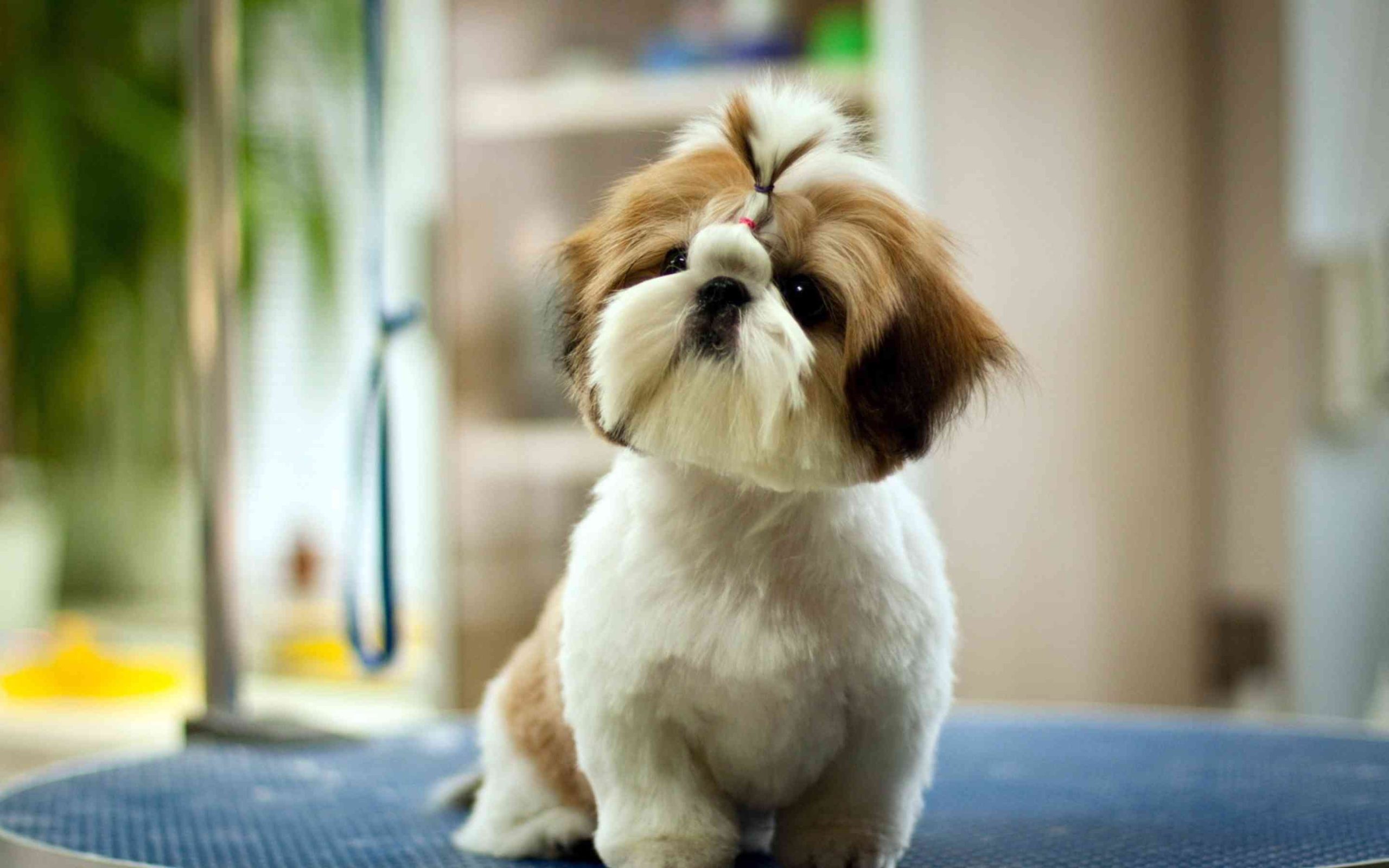
The Shih Tzu is a breed known for its luxurious, long coat. To keep your Shih Tzu looking its best, grooming is a necessity. Regular maintenance is required to ensure their coat stays healthy, shiny, and free from tangles.
Regular Brushing
The Shih Tzu has a dense, long coat that sheds very little. However, their coat tends to mat if not properly brushed. It is essential to brush your Shih Tzu's coat 3 to 4 times a week to prevent tangling. During shedding seasons, more frequent brushing may be necessary to manage loose hair.
Bathing
Shih Tzus should be bathed every 4 to 6 weeks to maintain cleanliness. Use a mild, dog-friendly shampoo to preserve the coat’s natural oils while keeping it clean. Bathing too frequently can dry out their skin, so it’s important to stick to this recommended schedule.
Nail Trimming
Regular nail trimming is essential to prevent discomfort and injury. Trim the nails every 3 to 4 weeks or as needed to avoid them becoming too long. Keeping nails short helps prevent potential damage to your furniture or the dog’s paws.
Ear Cleaning
Shih Tzus have long, floppy ears that require regular cleaning to prevent wax buildup or infections. It’s important to check their ears weekly and clean them gently using a vet-approved ear cleaner.
Teeth Cleaning
Dental hygiene is an important part of Shih Tzu care. Brushing their teeth at least 2 to 3 times a week helps prevent plaque buildup and ensures fresh breath. Regular dental checkups are recommended as well to avoid more serious dental issues.
Proper grooming ensures that your Shih Tzu remains comfortable, healthy, and looking their best. It also provides an opportunity to spot any skin conditions or other health issues early, strengthening the bond between you and your pet.
Is a Shih Tzu Right for You?
The Shih Tzu is an affectionate and friendly breed that may be the ideal companion for the right person or family. Before bringing a Shih Tzu into your home, consider your lifestyle, activity levels, and grooming commitment.
The Ideal Shih Tzu Owner:
- Loves a Low-Moderate Activity Dog: The Shih Tzu is not overly energetic, making it ideal for families or individuals who enjoy relaxed daily activities like short walks and indoor play.
- Can Commit to Grooming: Shih Tzus require regular grooming to maintain their long, beautiful coat. Owners should be prepared for the time commitment involved in brushing and bathing.
- Experienced with Small Breeds: While this breed is not difficult to train, its small size and sometimes independent personality may require owners who have experience with small dog breeds.
Not Ideal If:
- You Prefer a Low-Maintenance Dog: The Shih Tzu's coat requires a lot of care. If you are looking for a breed that doesn’t need frequent grooming, this may not be the right choice.
- You’re Frequently Away: Shih Tzus are social dogs that thrive on companionship. They do not handle being left alone for long periods and may become anxious or destructive if isolated for too long.
- You Want a Quiet Dog: Although not excessive barkers, Shih Tzus can be alert and will bark to notify their owners of new people or activity.
Crucial Considerations:
- Exercise and Mental Engagement: Shih Tzus require only low to moderate exercise. They enjoy a short daily walk, along with some playtime indoors. Mental stimulation is also important, so engaging them with toys and short training sessions can help prevent boredom.
- Ongoing Training and Routine: Though Shih Tzus are generally easy to train, they can be a little independent and strong-willed. Early socialisation and consistent, positive reinforcement training are key to
- managing their independent streak and fostering good behaviour.
- Emotional Needs: Shih Tzus are affectionate and thrive on human companionship. They form strong bonds with their families and should not be left alone for long periods. They need regular attention and interaction to keep them emotionally balanced.
Importance of a Reputable Shih Tzu Breeder
Choosing a reputable breeder is critical for ensuring that your Shih Tzu puppy is healthy, well-socialised, and has a good temperament. A responsible breeder will help ensure that your Shih Tzu grows into a well-adjusted and loving companion.
Health Testing
Reputable breeders screen for common health issues in the Shih Tzu breed, such as:
- Eye Problems: Shih Tzus can be prone to eye conditions such as cataracts and progressive retinal atrophy (PRA). Responsible breeders will test for these issues.
- Respiratory Issues: As a brachycephalic breed, Shih Tzus can face breathing difficulties, particularly in hot or humid conditions. Ethical breeders ensure they choose healthy, clear-breathing dogs for breeding.
- Hip Dysplasia: Though less common in Shih Tzus, some may develop joint issues. Health screening for hip dysplasia is important to reduce the risk.
- Responsible breeders offer full health documentation and advice on breed-specific care.
Temperament Assessment
- A good breeder will assess the temperament of each puppy to ensure they are matched with the right family. Puppies should be calm, confident, and well-socialised from an early age, which helps them adjust to their new homes.
Early Socialisation and Enrichment
- Responsible breeders will begin socialising their Shih Tzu puppies early. They expose them to various experiences, sounds, and environments to ensure that they are well-adjusted and not fearful of new situations or people.
How to Find a Reputable Breeder
- Do Your Research: Use Shih Tzu breeder directories and breed club listings to find registered breeders. Look for breeders who are committed to the health and welfare of the breed.
- Ask Questions: A responsible breeder will answer your questions about health testing, puppy care, and socialisation efforts. They should be transparent and willing to provide you with the necessary information.
- Visit the Breeder: Whenever possible, visit the breeder’s home or facility. A clean, well-maintained environment with healthy, happy puppies and calm parent dogs is a good sign.
Red Flags
Avoid breeders who:
- Are vague about health-related questions.
- Skip health testing or don’t discuss the health of the parent dogs.
- Prioritise sales over the well-being of the puppies.
Choosing a reputable breeder ensures your Shih Tzu has the best start in life and will provide you with a loyal companion for years to come.
How Long Does a Shih Tzu Live For?
Shih Tzus typically live between 10 to 16 years. Known for their affectionate nature and charming personalities, they can be wonderful companions for many years, provided they receive the right care, including attention to their weight, dental health, and overall well-being as they age.
Frequently Asked Questions (FAQs)
Do Shih Tzu dogs shed?
Shih Tzus shed, but they are considered low-shedding dogs. Regular grooming helps manage this.
What is a Shih Tzu's lifespan?
Shih Tzus live between 10 to 16 years on average.
How often does a Shih Tzu need grooming?
Shih Tzus need grooming every 4 to 6 weeks, with daily brushing recommended.
How to cut the hair of a Shih Tzu?
It’s best to take your Shih Tzu to a professional groomer, but if you cut it at home, use sharp grooming scissors or clippers carefully.
How to take care of a Shih Tzu dog?
Provide regular grooming, daily walks, a balanced diet, and regular vet check-ups. They also need companionship and mental stimulation.
How often do you have to groom a Shih Tzu?
Groom Shih Tzus every 4 to 6 weeks and brush them daily to prevent matting.
What is the personality of a Shih Tzu?
Shih Tzus are affectionate, friendly, playful, and love being around their family.
Are Shih Tzu barkers?
Shih Tzus can bark, but they are not excessive barkers.
Are Shih Tzu dogs aggressive?
Shih Tzus are generally gentle and friendly.
Are Shih Tzu dogs hypoallergenic?
Shih Tzus are not hypoallergenic, though they shed less than some breeds.
Adaptability
Adapts Well To
The Shih Tzu is highly adaptable and can thrive in a variety of homes, as long as it receives enough attention, gentle exercise, and companionship.
- Homes with Yards: While a Shih Tzu can live happily in apartments, it enjoys a secure outdoor space where it can play. A yard is ideal, though not a necessity.
- Active Families: The Shih Tzu is adaptable and can join in on family activities, but it also enjoys its quiet time. It’s perfect for families with a balanced, moderate activity level.
- Suburban and Urban Environments: Shih Tzus thrive in suburban or urban settings as long as they have access to daily walks and human companionship. They are content as long as their emotional needs are met.
Important Considerations:
- Exercise Needs: A short walk and indoor playtime are usually sufficient to meet their exercise needs.
- Mental Stimulation: Regular play and interaction with toys are essential to keep them mentally sharp.
- Companionship: Shih Tzus are social and require regular human interaction to stay emotionally healthy.
With enough attention, space, and companionship, the Shih Tzu can thrive in various living situations.
Adapts Less Well To
While the Shih Tzu is adaptable, it may not thrive in the following environments:
- Homes Without Outdoor Space: While they can live in apartments, they can become bored or anxious without access to outdoor play. Daily walks and occasional outdoor exploration help meet their exercise needs and prevent them from becoming restless.
- Inactive Households: Shih Tzu still needs some form of exercise to stay healthy. Households that don't engage in daily activities or walks may find it difficult to meet the Shih Tzu's needs.
- Limited Social Interaction: Shih Tzus can become anxious or develop behavioural issues if left alone for long periods. They are companion dogs and need regular interaction to stay emotionally balanced.
Potential Solutions for Apartment Living:
- Daily Outdoor Exercise: Even without a yard, regular walks or trips to parks will help meet their exercise needs. These outings allow them to socialise and burn off energy.
- Mental Stimulation: Interactive toys and training sessions will help keep your Shih Tzu mentally engaged and reduce boredom.
- Consistent Companionship: If you’re away during the day, consider using a dog walker or placing your Shih Tzu in a pet daycare to ensure they get enough attention. Shih Tzus are social dogs that need their people around as much as possible.
Important Considerations:
- Low-Activity Breed Needs: Shih Tzus don't require vigorous exercise, but they still need daily mental and physical stimulation to prevent restlessness.
- Social and Vocal: While generally calm, Shih Tzus are alert and may bark when new people enter their home. They are good watchdogs but not excessively noisy.
- Grooming Needs: Shih Tzus have long, silky coats that require regular grooming. They do shed, but their shedding is moderate compared to other breeds. Regular brushing helps manage this and keeps their coat tangle-free.
- Observant Nature: Despite their small size, Shih Tzus are aware of their surroundings and can be cautious with strangers. They make excellent alert dogs but are not typically aggressive.
With enough attention, exercise, and socialisation, the Shih Tzu can adapt well to various home environments, as long as their emotional and physical needs are met.
Good for Novice Dog Owners
The Shih Tzu is a fantastic choice for novice dog owners due to its affectionate, friendly nature and manageable exercise requirements. While they are generally easy-going, there are some considerations to ensure they thrive in your home.
Why the Shih Tzu Can Be a Challenge for Novice Owners
- Independent Streak: While the Shih Tzu is an intelligent breed, they can sometimes be a bit stubborn. Novice owners should be prepared for consistent, positive training to guide their behaviour and help them learn basic commands.
- Social Needs: The Shih Tzu is highly social and will not enjoy being left alone for long periods. They thrive on human companionship and do better in homes where someone is around regularly.
Challenges for Novice Owners
- Exercise Commitment: Although the Shih Tzu doesn’t require intense exercise, they do need daily walks and indoor play to remain happy and healthy. Owners need to commit to regular outdoor outings to meet their needs.
- Training Requirements: Shih Tzus are smart but can be independent. Early training and socialisation are key to ensuring they develop into well-behaved pets. Patience and consistency are important.
- Companionship Needs: As companion dogs, they form strong bonds with their owners. If left alone too long, they may become anxious or destructive.
How Novice Owners Can Succeed with a Shih Tzu
Early and Consistent Training
Start training early to teach clear communication and establish positive habits. Puppy classes can be very beneficial for socialisation.
Regular Exercise and Activities
Daily walks, indoor play, and engaging in mental activities like puzzle toys or learning new tricks will help keep your Shih Tzu mentally and physically stimulated.
Focus on Socialisation
Introducing your Shih Tzu to different environments, people, and pets from an early age will reduce any shyness and help them become confident adults.
Positive Reinforcement
Always use praise, treats, and gentle guidance to reward good behaviour. Shih Tzus respond best to positive reinforcement.
With the right training, socialisation, and a steady routine, a Shih Tzu can make a great companion for first-time dog owners. Their affectionate and loving nature makes them ideal for those who can meet their emotional and physical needs.
Sensitivity
Sensitivity Level
The Shih Tzu is an emotionally intelligent breed, known for its ability to bond deeply with its family. They are sensitive to changes in their environment and are particularly attuned to the moods and emotions of their owners.
What Makes the Shih Tzu Sensitive
- Emotional Awareness: Shih Tzus are very in-tune with their owners’ emotions. They are known to seek out their owners for comfort when they sense sadness or distress. They form deep emotional bonds and are often described as “lap dogs” due to their love of physical closeness.
- Responsive to Training Style: Shih Tzus are sensitive to their owners' tone of voice and approach. They thrive on positive reinforcement and gentle guidance. Harsh training methods or negative reinforcement can cause anxiety and hinder their progress.
- Alert and Aware: Shih Tzus are naturally alert to their surroundings. While not overly timid, they can be cautious or reserved with strangers. Early socialisation helps them become more comfortable in different environments.
Ownership Impact
- Positive Training Is Essential: Shih Tzus respond best to a calm and patient approach. They may become anxious or fearful if training is too harsh. Building a strong bond through gentle training will help them succeed in a family environment.
- Predictable Routine Helps: Like many breeds, Shih Tzus thrive on routine. Having a consistent daily schedule for meals, exercise, and playtime helps them feel secure and relaxed.
- Start Socialisation Early: Socialisation is key to reducing anxiety and helping your Shih Tzu feel comfortable in various situations. Introducing them to different people, pets, and environments helps them develop into well-rounded adults.
Important Considerations
- Sensitivity to Sound: Shih Tzus can be sensitive to loud noises like thunderstorms, fireworks, or even the sound of vacuum cleaners. Gradual desensitisation through positive reinforcement can help them manage these fears.
- Attachment to People: Shih Tzus are strongly attached to their families and may struggle if left alone for extended periods. Regular interaction is essential for their emotional well-being.
The Positive Side of Sensitivity
The Shih Tzu’s emotional intelligence is one of its most endearing qualities. Their loyalty, affection, and sensitivity make them excellent companions who are attuned to the moods of their owners. When provided with love, attention, and structured training, Shih Tzus form a deep and rewarding bond with their families.
Tolerates Being Alone
The Shih Tzu is a companion breed that thrives on human interaction and does not cope well with being left alone for extended periods. Without sufficient companionship, mental stimulation, and daily engagement, they can become anxious or bored.
Social Needs and Attachment
- Strong Bond with Owners: The Shih Tzu forms strong emotional bonds with its family. It is happiest when involved in daily activities and receiving plenty of attention from its owners.
- Prone to Restlessness: If left alone for long stretches, Shih Tzus may exhibit signs of frustration, such as vocalising, chewing, or destructive behaviours. Regular interaction, play, and companionship help prevent these issues.
- Independent Yet Social: While Shih Tzus are independent enough to entertain themselves for short periods, they are still highly social animals that need consistent attention. They thrive in environments where they are involved in family life.
Ownership Impact
- Consider Your Schedule: The Shih Tzu is not suited for homes where people are frequently away for long periods. They need daily interaction and companionship to stay emotionally healthy.
- Gradual Alone-Time Training: Shih Tzus can learn to be left alone for short periods with patient training. Start with brief separations and gradually increase the time apart to help them become more comfortable.
- Provide Enrichment Activities: Offering toys, chew items, and engaging mental stimulation when left alone can help distract and soothe your Shih Tzu. Exercising them before leaving can also help them relax and settle.
Important Notes
- Separation-Related Behaviours: The Shih Tzu may develop anxiety or engage in vocal habits if isolated too often. Early training to reduce separation anxiety is essential, and gradually increasing the amount of alone time can build their tolerance.
- Boredom-Driven Behaviour: Without enough mental stimulation and exercise, Shih Tzus can become bored and start exhibiting undesirable behaviours. Ensure they receive daily interactive play, regular walks, and engaging activities.
- Create a Comfortable Space: Make sure your Shih Tzu has a designated quiet area with their bed, toys, and familiar scents. This will make their alone time more comforting and less stressful.
The Positive Side of Their Attachment
The Shih Tzu’s strong attachment to its family is one of its most rewarding traits. They are loyal, affectionate, and make wonderful companions. When provided with structured training, regular activities, and sufficient social interaction, they can manage short periods alone while maintaining a well-balanced emotional state.
Tolerates Hot Weather
Although the Shih Tzu has a dense coat, it is adapted to moderate temperatures. They are more susceptible to heat and can struggle in extreme hot conditions. Careful monitoring is essential to ensure they stay comfortable and avoid overheating.
Heat Sensitivity
- Heat Tolerance with Limits: Shih Tzus are not well-suited for hot climates due to their thick coat, which makes them more vulnerable to heat stress. They require a cool, shaded environment during warm weather.
- At Risk of Overheating: High humidity, intense sun, or overexertion can lead to heatstroke in Shih Tzus. Ensure they have access to fresh water and a cool place to rest, particularly on hot days.
- Watch for Signs: Symptoms like heavy panting, drooling, lethargy, or disorientation could signal overheating. If these signs occur, move your Shih Tzu to a cooler area, offer water, and seek veterinary attention if needed.
Ownership Impact
- Time Outdoor Activities Wisely: During hot weather, avoid exercise or walks during peak temperatures. Opt for early mornings or evening walks when the temperature is cooler.
- Access to Shade and Water: Always provide your Shih Tzu with access to fresh water and a shaded spot where they can rest. Consider using cooling mats or a damp cloth to help regulate their body temperature.
- Grooming Support: While Shih Tzus should not be shaved, regular grooming, including brushing their coat, can help manage their thick fur and promote better airflow, helping to prevent overheating.
Important Considerations
- Varying Tolerance: Each Shih Tzu has a different tolerance for heat, depending on factors such as age, weight, and overall health. Monitor your dog carefully during hot weather and adjust its environment as needed.
- Never Leave in Enclosed Hot Spaces: A Shih Tzu should never be left in a hot car or an enclosed space, as their risk of overheating increases significantly in these conditions.
Indoor Cooling: During extreme heat, ensure your home is cool and well-ventilated with fans or air conditioning. A comfortable indoor temperature is essential for the well-being of your Shih Tzu.
With proper care and attention, your Shih Tzu can remain comfortable in warmer conditions, but it’s crucial to keep them safe from overheating.
Tolerates Cold Weather
While the Shih Tzu has a dense coat that provides some protection, they are not well-suited to extremely cold weather. Extra care should be taken during chilly conditions to ensure their comfort and health.
Cold Weather Tolerance
- Limited Insulation: Despite having a long coat, the Shih Tzu’s coat is not designed to provide significant warmth in harsh cold weather. They may need additional protection when exposed to colder temperatures for extended periods.
- Active in Cooler Conditions: Shih Tzus are more active and comfortable in cooler weather compared to hot weather. However, they should not be exposed to freezing temperatures for long.
Ownership Impact
- Monitor for Cold Sensitivity: Watch for signs of discomfort like shivering, reluctance to go outside, or lifting their paws from cold surfaces. These signs indicate your Shih Tzu may need extra warmth or protection during colder weather.
- Protect Their Paws: Snow, ice, and road salt can irritate a Shih Tzu’s paws. Consider using paw balm or protective booties during winter walks to prevent irritation.
- Provide Warm Shelter: Ensure that your Shih Tzu has access to a warm, dry area when outside. Indoors, provide them with a cosy bed away from cold drafts to help them stay comfortable.
- Grooming Considerations: Brushing your Shih Tzu regularly helps maintain coat condition and skin health, especially during the colder months. However, avoid over-bathing during cold months to preserve the natural oils that help protect their skin.
Important Considerations
- Individual Variability: Some Shih Tzus, particularly older dogs or those with health concerns, may have a lower tolerance to cold. Always monitor your dog’s comfort and adjust their exposure accordingly.
- Wet and Windy Conditions: Wet and windy weather can reduce the insulating effect of the Shih Tzu’s coat. After outdoor exposure, make sure to dry your dog thoroughly and avoid keeping them in damp conditions for too long.
With proper care, Shih Tzus can handle cooler weather, but extra precautions are necessary during harsh conditions to keep them warm and safe.
Friendliness
Friendliness
Shih Tzu dogs are well-known for their affectionate and friendly nature. They form strong bonds with their families and thrive on human companionship. Despite their small size, they have a calm and loving temperament, making them excellent companions for various households.
Shih Tzu as Affectionate Companions:
- Loyal and Devoted: The Shih Tzu is highly loyal to its family, often forming deep emotional attachments. They are happiest when they receive regular attention and affection, treating their family as their main priority.
- Calm and Gentle: Despite their feisty appearance, Shih Tzus are typically calm and gentle in the home. They have a quiet, affectionate demeanour and are known to cuddle with family members and enjoy their presence.
- Affectionate, but Protective: While they are very affectionate, Shih Tzus also display protective tendencies when it comes to their family. Though not aggressive, they will bark or alert their owners if they sense something unusual.
Ownership Impact:
- Build Strong Bonds through Interaction: Regular playtime, gentle walks, and daily routines help strengthen the bond between you and your Shih Tzu. They thrive on positive attention, making them ideal companions for those looking to spend time with their dog.
- Enjoys Physical Closeness: Shih Tzus love being physically close to their owners. They will often seek out your lap, lean against you, or rest by your side, offering comfort and companionship.
- Early Socialisation for Better Behaviour: Early socialisation and exposure to different people, places, and experiences ensure a well-adjusted, confident Shih Tzu. It helps them grow accustomed to different situations, making them more relaxed and less anxious.
Kid-Friendly
Shih Tzus are gentle and patient dogs, making them great companions for families with children. However, as with any dog, supervision and proper interaction with children is important to ensure positive relationships.
Shih Tzu and Children:
- Gentle with Family: Shih Tzus are generally very gentle with children, particularly when they are raised in a family environment. They enjoy spending time with kids, although caution should be taken when playing with younger children due to their small size.
- Patient and Calm: Shih Tzus are known for their calm, patient temperament. They are affectionate and will tolerate gentle handling, making them great companions for older children. However, younger children should always be supervised when interacting with the dog.
- Protective Nature: Although not aggressive, Shih Tzus will act protectively when they sense danger. Their instincts often make them alert to unfamiliar faces or situations, but they are not overly wary of strangers unless there’s a reason to be.
Ownership Impact:
- Supervision with Younger Children: While Shih Tzus are great with children, their small size means they should always be supervised, especially when interacting with young kids who may not understand how to handle them gently.
- Teach Respectful Interaction: It’s important to teach children how to approach and interact with a Shih Tzu. By encouraging calmness and gentle touch, kids will foster positive relationships with the dog, ensuring the bond is based on respect and kindness.
- Early Training for Socialisation: Introducing a Shih Tzu to children and other pets at an early age will help them become more adaptable and responsive. Early socialisation is key to reducing anxiety and preventing any unwanted behavioural issues.
Shih Tzus can be loyal, affectionate, and cheerful members of the family. With gentle guidance and active involvement, they bring warmth, companionship, and emotional connection to a loving home.
With Other Pets
Shih Tzus can coexist peacefully with other pets, especially when they have been properly socialised from an early age. They are generally friendly and non-aggressive but should be introduced to new pets in a calm and controlled manner.
Socialisation and Training:
- Introductions Should Be Calm: When introducing a Shih Tzu to other animals, take your time and do so in a calm, relaxed environment. Proper socialisation ensures that your Shih Tzu forms positive relationships with other pets.
- Strong Playful Side: Shih Tzus enjoy playful interactions with other dogs and pets, although their smaller size means that they may be more gentle and cautious around larger animals. Playtime should always be supervised to ensure no harm comes to the Shih Tzu.
- Natural Companions: While not known for their guarding instincts, Shih Tzus can be protective in their own way. They enjoy being around other pets, and as long as they are well-socialised, they can form strong bonds with both dogs and non-canine pets.
A well-socialised Shih Tzu can be a calm and cooperative companion in a multi-pet household, especially when supported by consistent training and clear boundaries.
Friendly Toward Strangers
Shih Tzus are generally friendly dogs, but they can be reserved around strangers. Their naturally alert nature means they may initially be cautious with new people, but with the right socialisation, they adapt well to visitors and guests.
Shih Tzu and Strangers:
- Alert but Calm: They are highly alert and may bark when new people approach, but they usually calm down once they sense that there is no threat.
- Natural Guardians: While they are not typically aggressive, Shih Tzus can exhibit a natural instinct to protect their home and family. They tend to warm up to guests when introduced calmly, and with proper socialisation, they can be friendly and welcoming.
- Socialisation Enhances Relaxation: Exposing a Shih Tzu to various people from an early age helps them adjust to new faces. This early exposure ensures that the dog is more comfortable when meeting strangers, leading to a more relaxed and friendly attitude.
When well-socialised, Shih Tzus are generally friendly and accepting of strangers, although they may need some time to adjust to new people. Socialisation is key to ensuring your Shih Tzu grows into a confident, well-adjusted companion who can handle meeting guests without anxiety.
Health & Grooming
Amount of Shedding
Shih Tzus are generally a healthy breed but like any dog, they are prone to certain health concerns. Regular grooming is necessary to maintain their long, flowing coat and ensure their overall well-being.
Shedding Reality:
- Minimal Shedding: Unlike many other breeds, Shih Tzus shed very little. However, their long, dense coat requires frequent grooming to prevent matting and tangles.
- Not Hypoallergenic: While they shed less, Shih Tzus are not considered hypoallergenic. They still shed dander, which may trigger allergies in sensitive individuals.
Ownership Impact:
- Frequent Brushing Needed: Shih Tzus need to be brushed daily to prevent their long coat from becoming matted. Their hair grows continuously, so regular care is crucial to avoid discomfort and tangles.
- Vacuuming Required: While shedding is minimal, regular cleaning of floors and furniture will help manage any loose hair and keep your home tidy.
- Seasonal Coat Management: Their hair grows thick and long, and during heavy shedding periods, more frequent grooming sessions may be required.
By maintaining a consistent grooming routine, Shih Tzus' coats will stay healthy, and your home will stay free from excessive hair buildup.
Drooling Potential
Shih Tzus are not known for excessive drooling. Unlike some other breeds, their drooling is minimal and not usually a cause for concern.
Drooling Tendencies:
- Minimal Drooling: Shih Tzus rarely drool, although they may produce slight drool after eating or drinking.
- Health-Related Drooling Possible: If there is a sudden increase in drooling, it could indicate dental issues or digestive discomfort. It’s important to check with a vet if the behaviour seems unusual.
Ownership Impact:
- Tidy Around the House: The minimal drool output makes Shih Tzus a good choice for households that prefer a dog that doesn't contribute to extra mess.
- Easy to Maintain: Their lack of excessive drool means they are easier to maintain than other breeds that drool frequently.
- Maintaining Proper Health: Regular dental care and routine health checks will ensure that your Shih Tzu remains clean and comfortable.
Easy to Groom
Shih Tzus have a beautiful, long coat, but it requires commitment and regular grooming to keep it in excellent condition. Though they have a long coat, they are not as high-maintenance as some other long-haired breeds, but they still need regular attention to avoid matting.
Grooming Requirements:
- Regular Brushing: To prevent mats and tangles, Shih Tzus should be brushed at least once a day, particularly if they have a full-length coat. A slicker brush is ideal for their fine hair.
- Bathing: Shih Tzus should be bathed every 4-6 weeks to maintain their coat’s cleanliness and softness. Be sure to use a gentle dog shampoo that won't irritate their skin.
- Nail Trimming and Ear Cleaning: Regular nail trims (every 3–4 weeks) are essential to prevent discomfort or injury. Their ears should be cleaned regularly to prevent wax buildup and ear infections.
Ownership Impact:
- Moderate Grooming Commitment: The Shih Tzu requires more effort than short-haired breeds due to its long coat. Expect to spend time brushing their fur daily and maintaining its health with regular baths.
- Occasional Professional Help: Many Shih Tzu owners choose to have their dog professionally groomed every 6-8 weeks to keep their coat in top condition.
- Routine Grooming: Consistent grooming is important to keep your Shih Tzu comfortable, healthy, and happy. It’s a great way to bond with your dog and maintain their appearance.
General Health
The Shih Tzu is generally a healthy breed, but breeders and owners should be aware of the potential health concerns in the breed. Reputable Dogs Australia breeders have reduced many of the genetic health issues in Shih Tzu, by responsible breeding. So, most of the health concerns are related to general care of the breed.
Regular veterinary care, proper diet, and grooming help ensure a long and happy life for this breed.
Potential Health Concerns
- Eye infections: Shih Tzu aren’t more prone than other dogs, but daily wiping and quick vet care for redness, discharge, squinting, or a bluish haze after an injury helps keep eyes healthy.
- Ear infections: Not more common than in other breeds, but Shih Tzu grow hair in the ear canal, have it cleared and keep ears clean to prevent mites and secondary infections.
- Dental issues: Regular tooth brushing and dental checks are essential; without routine care, plaque and tartar can build up and require veterinary treatment.
- Hernias: Umbilical and inguinal hernias aren’t a major concern in the breed anymore, but they can still occur—responsible breeders will point them out and discuss management.
- Luxating Patella: have been found in Shih Tzu historically; however, reputable breeders have removed those lines from breeding programs.
The Importance of Reputable Shih Tzu Breeders
- Choosing a responsible breeder is essential when bringing a Shih Tzu into your home. Ethical breeders ensure that your puppy is healthy, well-socialised, and free of hereditary health problems.
- Provide health clearances for both the puppy and parent dogs.
- Raise puppies in clean, supportive environments to encourage strong social skills
Ownership Impact
- Routine Vet Visits: Regular veterinary check-ups and vaccinations are essential for early issue identification.
- Diet and Exercise: A balanced diet and regular exercise help maintain a healthy weight.
- Health Screenings: Annual screenings help monitor breed-specific health concerns.
- Financial Preparedness: Be prepared for routine visits and possible long-term care costs.
With proactive health care, good nutrition, and regular vet visits, Shih Tzus can enjoy long, active, and happy lives as loyal companions.
Potential for Weight Gain
Shih Tzus are small, but they can easily gain weight without proper care. Maintaining a healthy weight is essential for their overall health.
Factors Contributing to Weight Gain
- Overfeeding: Shih Tzus may gain weight quickly if overfed. Measure their meals and limit treats.
- Insufficient Exercise: They need regular exercise. Ensure they get daily walks or playtime.
- Dietary Requirements: A balanced, nutritious diet is vital for maintaining a healthy weight.
- Medical Conditions: Health issues like hypothyroidism may cause weight gain, so consult your vet if there are any changes in their weight.
Ownership Impact
- Controlled Portions: Avoid free-feeding and give measured meals based on their age and activity level.
- Healthy Treat Options: Use low-calorie, dog-safe treats to reward good behaviour.
- Daily Exercise Routine: Ensure they have a daily walk and interactive play to burn off energy.
- Weight Monitoring: Regularly check their weight and adjust their diet or exercise routine.
The Importance of a Healthy Weight
- Maintaining the right weight helps your Shih Tzu:
- Prevent joint strain and reduce the risk of arthritis
- Avoid obesity-related conditions such as diabetes or heart disease
- Stay energetic, active, and able to enjoy daily activities
With the right combination of diet, exercise, and regular weight checks, Shih Tzus can stay fit, healthy, and enjoy an active lifestyle well into their senior years.
Trainability
The Smart and Eager Learner
Shih Tzus are intelligent and eager learners, but can be independent and strong-willed at times. Their affectionate nature makes them highly trainable, though they may require a bit more patience from their owners.
- Quick Learners: Shih Tzus are quick to pick up new commands, especially when mentally stimulated. They enjoy tasks that challenge their intelligence and allow for interaction with their handler.
- Enthusiastic: Shih Tzus thrive in structured training settings that engage both their minds and bodies. Training sessions and basic commands help harness their enthusiasm productively.
- Reward-Motivated: Positive reinforcement, including treats, praise, and play, helps keep Shih Tzus motivated. They respond best to encouragement and consistent rewards for desired behaviours.
The Challenges
- Strong-Willed: While smart and eager, Shih Tzus are independent thinkers. They may test boundaries or resist repetitive training if not kept engaged.
- Stubborn Moments: Their strong personality can lead to selective listening, especially during adolescence. Keeping training sessions interesting and varied can help hold their attention.
- Requires Patience: Training a Shih Tzu can take time. They need consistency and clarity from their owners to understand expectations and follow through with commands.
Ownership Impact
- Start Training Early: Begin obedience and socialisation training in puppyhood to set strong behavioural foundations and reduce stubborn tendencies as they grow.
- Use Positive Reinforcement: Harsh discipline is ineffective with this breed. Shih Tzus thrive under positive, reward-based training methods that promote trust and cooperation.
- Be Consistent and Confident: Regular, clear guidance helps build trust. A calm, confident owner will have the best success in shaping their behaviour.
- Provide Mental Stimulation: Games, puzzle toys, and advanced training exercises keep their minds active and prevent boredom-related issues.
Shih Tzus are intelligent, affectionate dogs with a strong desire to engage. With consistent training, clear expectations, and ongoing mental challenges, they grow into obedient and loyal companions for committed owners.
Intelligence
Shih Tzus are highly intelligent and independent-minded, known for their quick thinking and strong problem-solving abilities. Their heritage as companion dogs makes them adaptable and able to stay mentally active.
A Highly Intelligent Breed
- Quick Learners: Shih Tzus pick up new commands quickly and respond well to structured training. They benefit from ongoing mental stimulation to keep their minds engaged.
- Problem-Solving Skills: Their intelligence makes them good at figuring out puzzles and understanding routines. While eager to learn, their independence may require extra patience during training.
- Adaptability and Versatility: Shih Tzus can excel in obedience tasks, agility, and more. Their alertness and calm nature allow them to learn various tasks, especially when training sessions are fun and rewarding.
Ownership Impact
- Mental Stimulation is Essential: Without regular mental engagement, Shih Tzus may become bored or restless. Puzzle toys, scent games, and training sessions are great ways to keep their minds busy.
- Training Opportunities: Obedience classes or agility training help reinforce good behaviour and allow them to express their intelligence productively.
- Channel Their Energy: Structured activities and daily routines help direct their energy toward positive behaviours, reducing the risk of frustration or destructive habits.
Potential for Mouthiness
Shih Tzus, like many small breeds, may show mouthy behaviour, especially during their puppy stage. While generally gentle, they may nip or chew during play or when exploring new environments.
Mouthy Behaviour
- Teething: Shih Tzu puppies may chew more during teething to relieve gum discomfort. This stage is temporary but needs guidance.
- Exploration: Curiosity can lead them to use their mouths to investigate their surroundings. This is common in energetic, inquisitive breeds.
- Playfulness: Their love of play can include light mouthing, particularly in high-energy moments or when excited.
Ownership Impact
- Early Training is Key: Teaching acceptable boundaries early helps ensure mouthiness doesn’t become a problem. Redirecting their attention to toys can be highly effective.
- Positive Reinforcement: Reward calm behaviour and redirect chewing or nipping to appropriate items, such as chew toys or ropes.
- Provide Durable Chew Toys: Keeping suitable chew toys available helps satisfy their natural urge to gnaw, especially during the teething stage.
- Supervise Play with Children: Supervision is important to ensure gentle play. Children should also be taught how to interact respectfully with the Shih Tzu to avoid accidental nips.
With the right training, socialisation, and plenty of structured play, Shih Tzus can manage their natural mouthiness and grow into well-behaved, affectionate family dogs.
Prey Drive
Shih Tzus have a low prey drive but may become interested in small, moving objects. Though not bred for hunting, their alertness can lead them to show interest in small animals.
Strong Chasing Instincts
- Chasing Small Animals: While not aggressive, Shih Tzus may chase after smaller animals, such as squirrels or birds, when outside. This is more common when they haven't been trained to control their impulses.
- Highly Alert and Reactive: Quick movements can catch their attention, prompting a chase. This behaviour is more common when in open spaces or areas where there are unfamiliar animals or activity.
Ownership Impact
- Leash Training and Control: Teaching commands like “leave it” and “stay” early on helps redirect their focus. A consistent training routine builds good habits and prevents chasing behaviour during walks.
- Supervision During Outdoor Play: Always supervise your Shih Tzu when outside to avoid any unintended chasing behaviour.
- Training and Socialisation: Early socialisation with smaller animals and reinforcement of calm behaviour are important. Controlled introductions and positive reinforcement help teach self-control.
- Gradual Introductions: When introducing Shih Tzus to small pets, take time and supervise each interaction closely. Calm and structured settings help them learn appropriate behaviour.
With the right training and regular supervision, Shih Tzus can learn to manage their impulses and live calmly alongside other animals.
Wanderlust Potential
Shih Tzus are curious and enjoy exploring their surroundings, though they are not as driven to wander as some breeds. Their interest in new spaces and activities can lead them to wander if not properly supervised.
Independent and Driven
- Exploration Drive: Shih Tzus have a natural curiosity. If given the chance, they may follow scents or chase after moving objects.
- Persistent: Shih Tzus can focus intently on something of interest, so it’s important to keep them in secure environments.
Ownership Impact
- Secure Fencing: Ensure your yard is secure with high fencing to keep your Shih Tzu safe. Regularly check for any weak spots or areas where they might escape.
- Leash Walks: Always keep your Shih Tzu on a leash during walks to prevent them from wandering.
- Mental & Physical Engagement: Daily exercise and enrichment help satisfy their curiosity. Providing structure and stimulation reduces the urge to wander.
- Identification: Make sure your Shih Tzu is microchipped and wears an ID tag. These precautions are essential if they ever manage to escape or stray.
With the right combination of exercise, supervision, and secure boundaries, Shih Tzus can enjoy their curious nature while remaining safe and well-behaved.
Tendency to Bark or Howl
Shih Tzus are generally not excessively vocal, but they can bark to communicate, especially when something catches their attention. Their alertness can lead them to be vocal at times.
Barking Tendencies
- Protective and Alert: Shih Tzus will bark to notify their owners of visitors, strange noises, or changes in their environment.
- Expressive and Communicative: They may bark when excited, anxious, or seeking attention. Their expressive nature can make them vocal, particularly if they feel under-stimulated.
- Playful Barking: Barking often accompanies games and family interactions. It is typically good-natured and reflects their lively, social personality rather than aggression.
Ownership Impact
- Training and Socialisation: Start training early to manage barking through clear commands such as “quiet.” Reward-based training helps reduce unnecessary barking and encourages calm responses to stimuli.
- Provide Mental and Physical Stimulation: Daily exercise, play, and enrichment are essential to keep them occupied and reduce boredom-related vocalisation.
- Address Barking Triggers: Identify common triggers such as visitors or loud noises and desensitise your Shih Tzu through exposure and positive reinforcement. Socialising them early supports a calm reaction to everyday environments.
With proper guidance, regular activity, and training, Shih Tzus can learn to balance their vocal nature with appropriate household behaviour.
Exercise Needs
Shih Tzu dogs are generally low-energy, but they still benefit from regular exercise to stay healthy and fit. They have a playful nature and enjoy moderate physical activity, but they’re not as demanding as more energetic breeds.
Exercise Requirements
- Daily Physical Activity: Around 30 minutes to 1 hour of exercise is ideal for Shih Tzus. This can include short walks, gentle play, or time spent in a secure yard. Though not particularly active, they still need daily outlets to stay healthy.
- Variety and Engagement: Shih Tzus enjoy short play sessions that include interactive games. Light training sessions, as well as playtime with toys or other pets, help keep them physically and mentally stimulated.
- Mental Stimulation: Shih Tzus benefit from games that engage their minds. Interactive toys, puzzle games, and training exercises are great for preventing boredom.
Energy Levels
- Puppies: Shih Tzu puppies are playful and curious, but they should be given short bursts of playtime throughout the day rather than extended exercise sessions.
- Adults: Adult Shih Tzus are generally calm but still require consistent exercise to stay fit. Daily walks and play help maintain their health and prevent excess weight gain.
- Seniors: Older Shih Tzus may slow down, but gentle walks and mental stimulation remain essential for their well-being.
Ownership Impact
- Secure Environment: A fenced yard or secure open space is beneficial, but Shih Tzus can thrive in apartments if they get sufficient daily activity and attention.
- Consistency is Key: Consistent exercise is important to prevent boredom or obesity. Shih Tzus thrive on routine, so daily walks and play sessions are essential.
- Bonding Through Activity: Regular walks, training, and playtime deepen the bond between owner and dog. Shih Tzus enjoy quality time with their families.
With consistent and engaging physical activity, Shih Tzus thrive in active households and maintain their loving and cooperative nature.
Potential for Playfulness
Shih Tzus are playful and social dogs that enjoy interactive games. They are affectionate companions and love being included in family activities.
Playful Personalities
- Playful Companions: Shih Tzus enjoy gentle games like fetch, tug-of-war, or chasing after toys. While not highly energetic, their playful nature makes them a fun companion.
- Love of Challenges: Mental enrichment through puzzle toys, scent games, and simple tricks can keep Shih Tzus entertained and engaged.
- Bonding Through Play: Interactive play strengthens the connection between Shih Tzus and their owners. They love being involved in family playtime.
Ownership Impact
- Daily Playtime is Essential: Shih Tzus thrive on daily play, which provides both physical and mental outlets for their energy.
- Engage with Interactive Toys: Toys that stimulate their minds and encourage problem-solving help keep Shih Tzus engaged and entertained.
- Incorporate Training into Play: Simple games like hide-and-seek or fetch are fun ways to reinforce obedience commands while keeping your Shih Tzu active and responsive.
Regular playtime helps meet both the physical and emotional needs of Shih Tzus, making them happy and well-behaved companions.
Find Shih Tzu Breeders
or
View Shih Tzu Puppies for Sale |
View Shih Tzu Older Dogs for Sale