

The Tenterfield Terrier
| Size | Small |
| Weight | Females: 3–5.5 kg, Males: 4–6 kg |
| Breed Group | Group 2 – Terriers |
| Exercise Requirements | High |
| Grooming Requirements | Low to Moderate |
| Life Span | 12-20 years |
| Characteristics | Alert, Energetic, Intelligent, Loyal |
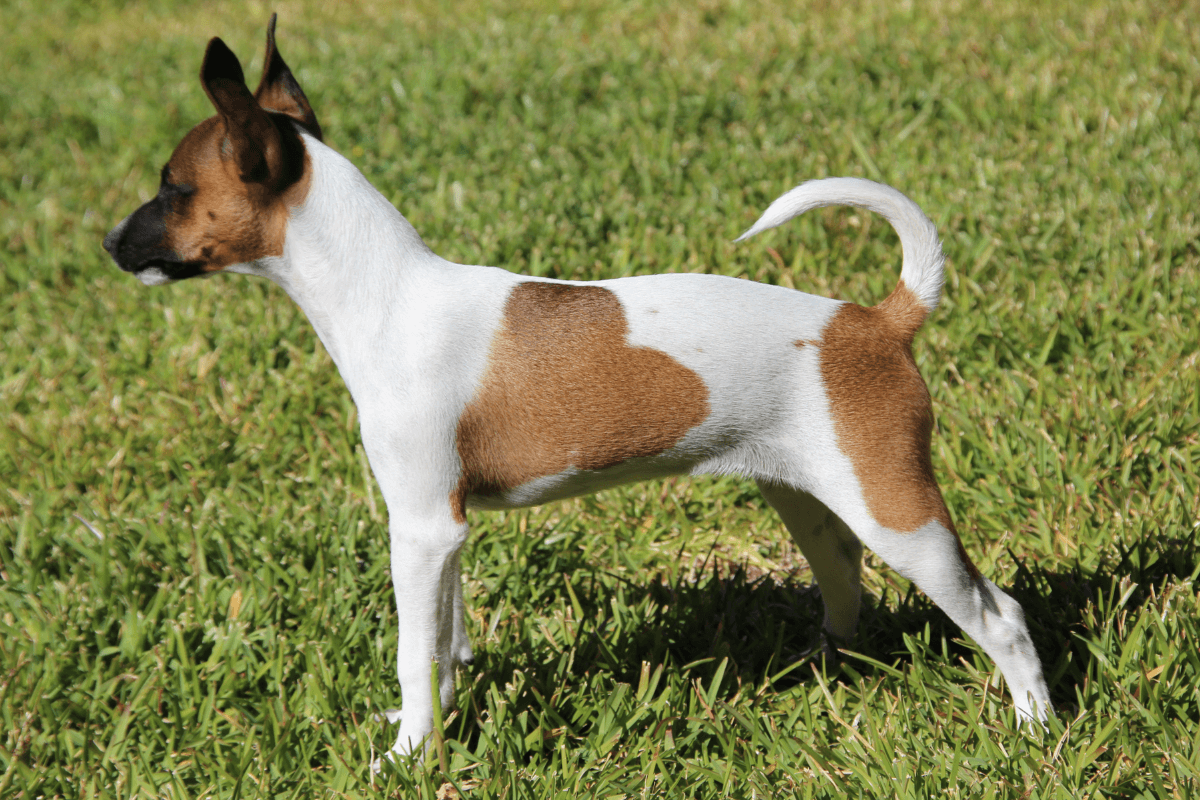
The Tenterfield Terrier is a small Australian breed known for its compact build, lively personality, and strong vermin-hunting instincts. Originally developed for pest control on farms, this energetic breed is quick, clever, and thrives on daily activity and interaction.
Adaptable and intelligent, the Tenterfield Terrier temperament suits active homes that enjoy engaging with a smart and spirited companion. They are affectionate, loyal dogs that bond closely with their families while maintaining a bold and confident character.
Today, Tenterfield Terriers are cherished household pets across Australia, admired for their agility, alertness, and loyal nature. While always ready for action, they also enjoy quiet time with their people, making them well-rounded companions for both rural and urban lifestyles.
Tenterfield Terrier Appearance
The Tenterfield Terrier is a compact, agile dog known for its alert expression, smooth coat, and balanced build. Bred in Australia for vermin control, this small breed combines athleticism and precision in a neat, low-maintenance frame. Confident and quick-moving, it carries itself with purpose and energy.
Size:
The Tenterfield Terrier size is classified as small. Males generally weigh between 4–6 kg, while females are slightly lighter, ranging from 3–5.5 kg. Despite their small stature, these dogs are muscular and sturdy, reflecting their working origins.
Coat:
The coat of a Tenterfield Terrier dog is short, smooth, and fine, lying close to the body. It requires minimal grooming and is easy to maintain with regular brushing.
Distinctive Features:
Notable features include their wedge-shaped head, expressive dark eyes, erect ears, and high-set tail. The body is slightly longer than it is tall, and their movement is free and efficient. Coat colours include white with black, tan, or liver markings.
Built for Cold and Work:
The overall Tenterfield Terrier appearance reflects its history as a quick, capable hunter. Their clean lines, nimble structure, and sharp awareness all point to a dog bred for both function and agility. Their physical traits align closely with the Tenterfield Terrier breed standard, showcasing purpose-driven form in a compact body.
Tenterfield Terrier History
The Tenterfield Terrier's history is uniquely Australian, with the breed evolving as a reliable, all-purpose farm dog known for dispatching rodents and small pests. It descends from small terriers brought by European settlers and refined locally to suit Australian working conditions.
Colonial Working Roots:
Early settlers brought small, smooth-coated terriers to Australia, where they were used on farms for vermin control. These dogs adapted well to the harsh and variable environments, developing into agile, intelligent companions with a strong prey drive.
Breed Refinement and Naming:
The modern Tenterfield Terrier dog was shaped in rural Australia, especially in regions like Tenterfield, New South Wales. Although the name “Tenterfield Terrier” was coined in the late 20th century, the dogs existed for decades. Breeders focused on creating a small but durable terrier with strong instincts, good health, and a manageable coat.
Recognition and Growth:
The breed was officially recognised by Australian national kennel clubs in the early 2000s. Since then, it has grown steadily in popularity thanks to its compact size, versatility, and lively temperament. Responsible Tenterfield Terrier breeders continue to promote the breed’s core traits: courage, intelligence, and agility.
A Proud Australian Breed:
The Tenterfield Terrier's lifespan averages 12–20 years, with many dogs staying active well into their senior years. This breed remains a proud symbol of Australian canine heritage. An energetic companion with deep working roots and a strong bond with its human family.
Tenterfield Terrier Personality
The Tenterfield Terrier is lively, intelligent, and alert, with a confident personality shaped by its working background. Known for its quick reflexes and sociable nature, this breed thrives in homes that provide stimulation, companionship, and consistent structure.
General Traits:
- Energetic and Smart: The Tenterfield Terrier dog breed is quick to learn and eager to engage. They excel in activities that challenge both body and mind, including obedience and interactive games.
- Friendly and Social: These terriers are naturally outgoing and affectionate. With proper socialisation, they enjoy the company of people and other dogs, making them well-suited to busy households.
- Independent but Loyal: While they bond closely with their families, they also show an independent streak. They like to explore and may test boundaries without firm guidance.
Watchdog Tendencies:
- Alert and Vocal: The Tenterfield Terrier temperament includes a strong awareness of their surroundings. They will quickly alert their owners to new visitors or unusual activity.
- Protective but Not Aggressive: While they’re not aggressive by nature, their natural confidence and alertness make them effective watchdogs.
- Communicative Barkers: These terriers can be vocal, especially if under-stimulated. Early training helps manage this tendency.
Trainability:
- Clever and Responsive: Tenterfield Terrier training is rewarding with the right approach. They respond well to consistency and positive reinforcement.
- Needs Structure: Training should be consistent and engaging. Without clear boundaries, they may become mischievous or overly independent.
- Motivated by Praise and Play: Reward-based training works best so use toys, treats, and praise to reinforce good behaviour and maintain interest.
Love of Activity and Engagement:
- Always On the Go: These terriers love being active. Walks, agility sessions, or backyard games are essential to keeping them well-behaved and content.
- Needs Daily Interaction: They thrive on companionship and mental challenges. Without engagement, boredom may lead to destructive behaviour.
- Best in Active Homes: Families who enjoy a playful, interactive companion will find the Tenterfield Terrier dog a great match.
Tenterfield Terrier as Family Pets
Tenterfield Terriers are cheerful, loyal, and spirited companions that enjoy being part of family life. Their small size and big personality make them well-suited to homes that can provide interaction and consistent routines.
Good with Kids? Yes, With Guidance
- Playful and Fun: The Tenterfield Terrier dog breed gets along well with children, especially when raised with them. Their energetic nature matches well with older kids who understand how to play respectfully.
- Socialisation Matters: Early exposure to different people and environments helps ensure confident, well-mannered behaviour around children and pets.
- Supervision Encouraged: Due to their small frame, it’s best to supervise play with young children. Teaching kids gentle handling prevents accidents and supports safe, positive interactions.

Tenterfield Terrier Health Issues & Care
The Tenterfield Terrier is generally healthy and long-lived, but like all breeds, it may be prone to certain conditions. Regular vet care and a healthy lifestyle are essential to maintaining their wellbeing.
Common Health Concerns:
- Patellar Luxation: this condition involves dislocation of the kneecap and may affect mobility. Responsible breeding and monitoring of joint health are important.
- Hypothyroidism: is a puppy-onset thyroid disorder seen in Tenterfield Terriers that causes poor growth, lethargy, disproportionate dwarfism and often a neck swelling (goiter), typically becoming evident from a few weeks of age. It’s linked to a fault in thyroid hormone production.
See a list of all Tenterfield Terrier Clubs in your state, or connect directly with Tenterfield Terrier Breeders to learn more about health concerns in the breed.
Care and Maintenance
- Coat Care: The smooth, short coat makes Tenterfield Terrier grooming simple. Weekly brushing removes loose hair and maintains skin health.
- Low to Moderate Shedding: The breed is known for its clean habits and manageable Tenterfield Terrier shedding, which is typically light throughout the year.
- Allergies or Skin Irritation: Some dogs may experience mild skin sensitivities. Grooming and diet management help reduce flare-ups.
- Dental Care Needs: As with many small breeds, dental health requires attention. Brushing and routine cleanings reduce the risk of gum disease.
- Daily Exercise: These terriers are very active and need 45–60 minutes of exercise daily. Walks, agility drills, or fetch games keep them physically fit and mentally stimulated.
- Balanced Diet: Provide a nutrient-rich diet appropriate to their size and energy level. Monitoring food intake helps prevent weight gain.
- Routine Vet Visits: Schedule regular check-ups to monitor for Tenterfield Terrier health issues and maintain vaccinations, dental care, and parasite control.
With the right care, Tenterfield Terriers enjoy a long, healthy life. The average Tenterfield Terrier lifespan is 12–20 years, and many remain sprightly well into their senior years.
Caring for Your Tenterfield Terrier
Caring for a Tenterfield Terrier means supporting their health, energy levels, and affectionate temperament through routine vet care, daily activity, and consistent grooming. This active breed thrives in environments that deliver stimulation and structure.
Routine Vet Visits
Regular check-ups help detect potential Tenterfield Terrier health problems early. Annual vaccinations, dental exams, and health screenings contribute to a longer, healthier life.
Balanced Diet
Provide a nutritious, portion-controlled diet suited to their size and energy needs. Overfeeding can lead to weight gain, so monitor treat intake and speak with your vet for feeding recommendations.
Daily Exercise and Activity
The Tenterfield Terrier dog is energetic and needs at least 30–60 minutes of physical activity each day. Walks, agility drills, or backyard games help manage energy and maintain good behaviour.
Mental Stimulation
This clever breed enjoys tasks that challenge their mind. Puzzle toys, obedience training, and scent games help prevent boredom and keep your Tenterfield Terrier engaged and responsive.
Grooming Essentials
Thanks to their short coat, grooming is straightforward. Weekly brushing and regular maintenance of ears, nails, and teeth support long-term health and hygiene.
Health Monitoring
Stay alert to changes in appetite, weight, coat quality, or energy levels. Common Tenterfield Terrier health issues, such as patellar luxation or allergies can be managed with early intervention and a proactive care routine.
Tenterfield Terrier Grooming
The Tenterfield Terrier is low-maintenance when it comes to grooming, but consistency is still important. Their smooth coat, minimal Tenterfield Terrier shedding, and natural cleanliness make them an easy companion to care for.
Brushing
Brush once or twice a week using a soft bristle or rubber grooming mitt. This removes loose hair and promotes skin health without the need for heavy grooming tools.
Bathing
Bathe as needed, typically every couple of months or when dirty. Use a gentle, dog-safe shampoo to avoid skin irritation. Overbathing can strip natural oils.
Nail Trimming
Trim nails every 3–4 weeks. If you hear clicking on floors, it's time for a trim. Short nails help with posture and reduce strain during activity.
Ear Cleaning
Check ears weekly for debris or odour. Clean gently using a vet-approved ear solution and avoid inserting anything deep into the ear canal.
Dental Care
Brush teeth several times a week with a canine toothpaste. Dental chews and vet cleanings reduce the risk of tartar build-up and support long-term health.
With a routine grooming schedule, your Tenterfield Terrier will stay clean, comfortable, and healthy with minimal effort.
Is a Tenterfield Terrier Right for You?
The Tenterfield Terrier is spirited and smart. Known for its loyalty and liveliness, this small breed thrives in interactive households but is not for everyone. Understanding its traits and care needs helps determine if it’s the right fit for your lifestyle.
The Ideal Tenterfield Terrier Owner:
- Active and Present: The Tenterfield Terrier needs regular play, walks, and companionship. They suit owners who enjoy active time with their dog and include them in daily routines.
- Patient and Consistent: Positive training and socialisation are key. Those willing to invest time in training will see a well-mannered and responsive pet.
- Firm but Gentle: While affectionate, this breed is confident and benefits from clear guidance. It suits experienced or prepared first-time owners who can maintain boundaries.
- Engaged and Social: These dogs love human connection. They do best in homes where they’re not left alone for long stretches.
Not Ideal If:
- You’re Frequently Away: Tenterfield Terriers form strong bonds and dislike long periods of solitude.
- You Prefer Low-Energy Dogs: This breed needs consistent stimulation and daily exercise.
- You Expect Quiet Behaviour: They can be vocal and will alert to visitors or changes in the environment.
- You Want a Hypoallergenic Dog: The Tenterfield Terrier's hypoallergenic status is low. While they shed minimally, they are not allergy-friendly for sensitive households.
Crucial Considerations
- Exercise and Enrichment: A bored terrier may become noisy or destructive. Daily activity, mental stimulation, and companionship help manage their energy.
- Training Foundation: Clear rules and early training prevent pushy behaviour. They’re eager learners when rewarded through praise or treats.
- Companionship and Lifestyle Fit: The Tenterfield Terrier temperament shines in homes that value interaction and routine. They are best suited to households that treat them as involved family members.
Importance of a Reputable Tenterfield Terrier Breeder
Selecting a responsible Tenterfield Terrier breeder gives your puppy the best start to life. A well-bred dog will have strong foundations in health, social behaviour, and confidence, making them easier to train and integrate into family life.
Health Testing
Reputable breeders conduct health screening for common Tenterfield Terrier health problems, helping reduce long-term risk.
Temperament Assessment
Good breeders observe puppies closely to understand their personalities. Matching a puppy’s temperament to the right household ensures a smoother transition and builds a strong owner-dog relationship from the start.
Early Socialisation and Enrichment
Well-run breeding programs include regular handling, exposure to sounds, new environments, and people. This early stimulation shapes the Tenterfield Terrier temperament, promoting confident, well-adjusted dogs with lower reactivity and anxiety.
How to Find a Reputable Breeder
- Do Your Research: Choose breeders recommended by Tenterfield Terrier clubs, breed associations, or veterinary professionals who uphold ethical and welfare standards.
- Ask the Right Questions: Inquire about parental health tests, temperament assessments, and how puppies are raised. A transparent breeder is happy to share details.
- Visit If Possible: Meeting the breeder, observing the puppies’ living conditions, and interacting with the parent dogs provides valuable insight into the care and standards behind the breeding program.
Red Flags to Watch For
Steer clear of breeders who:
- Can’t provide documented health testing.
- Are reluctant to answer questions or schedule a visit.
- Focus more on selling quickly than matching the puppy to a suitable home.
Choosing a Tenterfield Terrier puppy from a reputable breeder sets you up for a smoother, healthier, and more rewarding experience. With the right start, this bright and lively breed thrives in homes that match their energy, intelligence, and sociable nature.
How Long Does a Tenterfield Terrier Live For?
Tenterfield Terriers are compact, confident, and spirited Aussie favourites that usually live between 12 and 20 years. With their zest for life and loyal nature, they make fantastic companions into their senior years.
Frequently Asked Questions (FAQs)
- Do Tenterfield Terriers shed hair?
Tenterfield Terriers shed lightly year-round. Their short coat is easy to manage with regular brushing to control loose hair. - How long do Tenterfield Terriers live?
They typically live 12 to 20 years. With proper care and regular vet visits, some live even longer. - Are Tenterfield Terriers good dogs?
They are loyal, intelligent, and friendly. They do well in active homes and respond well to training and socialisation. - How high can a Tenterfield Terrier jump?
Tenterfield Terriers can jump up to one metre. Their agility means secure fencing is important to prevent escapes. - How many walks do Tenterfield Terriers need?
Tenterfield Terriers need one to two walks daily. Regular exercise keeps them healthy and prevents boredom. - How old is a Tenterfield Terrier fully grown?
They reach full size at 10 to 12 months and mature mentally by around 18 months.
Adaptability
Adapts Well To
The Tenterfield Terrier is a smart, active breed that adjusts well to a variety of living situations when its needs are met. Despite its small size, this breed has a bold personality and thrives in homes that provide structure, stimulation, and companionship.
- Small Homes and Apartments: Thanks to their compact build and moderate exercise needs, Tenterfield Terriers can thrive in apartments or smaller living spaces, provided they receive daily walks and indoor enrichment.
- Active Families: This breed suits families who enjoy play, walking, and daily engagement. They are lively, alert, and love being included in regular household activities.
- Mild Climates: While adaptable to most environments, Tenterfield Terriers do best in temperate climates. Their short coat offers little insulation, so they may need extra warmth in cooler weather.
Important Considerations:
- Exercise Requirements: These dogs enjoy short bursts of energy and need daily walks or play sessions to keep their minds and bodies satisfied.
- Mental Stimulation: As a clever breed, they require puzzle toys, basic obedience, and games to prevent boredom.
- Social Engagement: The Tenterfield Terrier temperament benefits from daily interaction. They are not suited to long periods of isolation.
- Secure Fencing: Though small, they are agile and curious. Secure fencing helps prevent them from slipping through gaps or chasing small animals.
- Grooming: The Tenterfield Terrier grooming routine is simple, but consistent brushing helps manage their short coat and skin health.
With consistent stimulation and attention, Tenterfield Terriers adapt well to both city and suburban homes, especially where they can enjoy a close bond with their family.
Adapts Less Well To
While versatile, Tenterfield Terriers may face challenges in homes that lack structure, engagement, or supervision. Their alert, active nature means they need regular direction and companionship.
- Sedentary Households: Without regular exercise and interaction, they may become restless or vocal. They need a lifestyle that includes activity and stimulation, even if it’s indoors.
- Homes with Limited Supervision: Left alone for too long, Tenterfield Terriers may bark excessively or find destructive outlets for their energy.
- Cold Weather Environments: They have a short coat with minimal insulation. In colder areas, they require indoor shelter and dog jackets during winter outings.
Potential Solutions for Busier Homes:
- Daily Enrichment: Short training sessions, fetch games, and puzzle feeders help release energy in compact spaces.
- Routine Walks: Even in urban settings, two or three short walks a day provide needed structure.
- Pet Sitters or Daycare: If away during the day, consider hiring a sitter or using daycare to keep your Tenterfield Terrier engaged.
Important Considerations:
- Strong Prey Drive: Some Tenterfield Terriers may chase smaller pets. Supervised interaction and early socialisation help reduce issues.
- Barking Tendencies: This vocal breed needs clear boundaries to manage alert barking, particularly in apartments.
- Structure and Routine: Without clear leadership, they may become demanding or misbehave. Consistent routines help them feel secure.
With the right structure, even first-time owners in urban homes can raise a well-mannered, energetic Tenterfield Terrier. They do best with clear rules, consistent attention, and opportunities to explore, play, and connect.
Good for Novice Dog Owners
The Tenterfield Terrier dog breed is intelligent, trainable, and full of personality. While their energy and alertness can be a handful, they are generally well-suited to novice dog owners willing to provide time, consistency, and engagement.
Why Tenterfield Terriers Work for First-Time Owners
- Smart and Responsive: Their temperament is eager to please and quick to learn. They enjoy interaction and thrive on praise, making training enjoyable for new owners.
- Small Size, Big Personality: Their manageable Tenterfield Terrier size makes them ideal for smaller homes, and they are easy to handle on walks or in training. Despite their compact build, they are alert and full of character.
- Adaptable to Lifestyle: These dogs can adapt to varied routines, as long as daily mental and physical engagement is provided. They enjoy both relaxed indoor time and outdoor activity.
Challenges for Novice Owners
- Energy Management: Though not as demanding as larger working breeds, Tenterfield Terriers still need daily walks, play, and enrichment to remain calm and balanced.
- Vocal Nature: They are natural watchdogs and may bark excessively if bored or under-stimulated. Owners must establish early boundaries around barking behaviour.
- Early Socialisation: They can be wary of unfamiliar dogs or people without proper exposure. Early socialisation and structured introductions help them develop polite manners.
How Novice Owners Can Succeed with a Tenterfield Terrier
- Begin Training Early: Start basic obedience training using positive reinforcement. Their intelligence makes them quick learners, and structured routines help avoid behavioural issues.
- Stick to a Routine: Consistency in feeding, exercise, and sleep schedules helps reduce stress and builds confidence. Predictable routines help new owners stay organised and responsive.
- Engage Their Minds: Use toys, food puzzles, and simple commands to keep their mind active. This helps prevent boredom and encourages good behaviour.
- Seek Support When Needed: Joining puppy classes or consulting with trainers can provide guidance and boost confidence for new owners.
With the right approach, first-time owners will find Tenterfield Terriers to be loyal, lively companions. Their intelligence, compact size, and trainability make them rewarding pets for those ready to invest in a consistent, active relationship.
Sensitivity
Sensitivity Level
The Tenterfield Terrier dog is alert, responsive, and emotionally attuned to its surroundings. While not overly delicate, this breed is sensitive to tone and handling, especially in close family environments. Their desire to please and quick responsiveness make them adaptable companions, particularly when training is consistent and kind.
What Makes the Tenterfield Terrier More Sensitive
- Emotionally Aware: The Tenterfield Terrier temperament is marked by attentiveness and awareness. They respond quickly to their owner’s voice and mood, which makes harsh corrections counterproductive. Clear guidance and positive reinforcement yield better results.
- Strong Human Bond: Tenterfield Terriers form close attachments to their family and do best in homes where they feel included. While they are not overly clingy, they thrive in environments where affection and interaction are part of the daily routine.
- Responsive to Change: While relatively adaptable, they may become unsettled by frequent disruptions or inconsistent routines. Maintaining structure helps this breed feel secure and confident in their environment.
Ownership Impact
- Gentle, Clear Training Works Best: These dogs are intelligent but may shut down with forceful handling. Early socialisation and reward-based training suit their temperament, encouraging cooperation without fear.
- Structure Builds Confidence: Routine exercise, feeding, and bonding activities help them feel secure. Though small in size, they respond well to households that provide consistency and attention.
- Socialisation is Key: Exposure to different people, pets, and settings from a young age helps prevent nervous or reactive behaviour later on. Well-socialised Tenterfield Terriers are more adaptable and calm in new situations.
Important Considerations
- Sensitive to Tone: Use calm, encouraging language. This breed responds better to praise and treats than to punishment or raised voices.
- Can Be Startled by Noise: While generally confident, loud or unexpected sounds may cause temporary unease. Early exposure helps build resilience.
The Positive Side of Their Steady Nature
The Tenterfield Terrier is a devoted, alert companion who thrives on interaction and responds well to consistent handling. Their emotional intelligence and adaptability make them rewarding pets for owners who use patience, praise, and structure to guide behaviour.
Tolerates Being Alone
The Tenterfield Terrier is a companion-focused breed that enjoys being near its people. While moderately independent, they do not enjoy long periods of solitude and may develop behavioural issues if left alone frequently without stimulation.
Social Needs and Attachment
- Family-Oriented: They form strong bonds and expect to be part of daily life. They are happiest when included in routines and given meaningful interaction.
- Boredom Triggers Behavioural Problems: Without engagement, they may bark excessively, dig, or become restless. Mental stimulation and activity help reduce the risk of frustration-driven behaviours.
- Moderate Independence: Though they can handle short periods alone with preparation, they are not a breed that enjoys full-day isolation.
Ownership Impact
- Plan Around Your Routine: Homes where someone is present for most of the day or can break up long absences suit this breed best.
- Alone-Time Training Helps: Gradual desensitisation and the use of interactive toys or puzzles help build confidence during alone time.
- Physical and Mental Preparation: A short walk or play session before being left alone helps reduce anxiety. Rotating toys can also maintain interest in your absence.
- Support Options: If you’re regularly away, consider dog walkers, neighbours, or part-time daycare to provide breaks in solitude.
Important Notes
- Risk of Separation Stress: Some Tenterfield Terriers may show signs of separation-related behaviours like pacing, barking, or destructive chewing if under-stimulated.
- Need for Engagement: Routine exercise and human contact are crucial to their emotional well-being.
The Positive Side of Their Nature
With consistent engagement, structured routines, and proper training, the Tenterfield Terrier can handle short absences well. Their affectionate nature and loyalty make them ideal companions for households that can provide the companionship and stimulation they crave.
Tolerates Hot Weather
The Tenterfield Terrier is well-suited to Australian climates and generally copes well in warm conditions. With a short, fine coat and active nature, this breed can adapt to hotter weather when supported with basic precautions.
Heat Sensitivity
- Short-Coated and Tolerant: The low-maintenance coat of the Tenterfield Terrier dog allows for good airflow and helps regulate body temperature in warm environments. Their small size makes them less prone to overheating than heavier breeds.
- Still Needs Supervision: While adaptable, Tenterfield Terriers should not be overexerted during the hottest parts of the day. They can experience heat-related stress if overexercised without access to water or shade.
Ownership Impact
- Adjust Activity Times: Plan exercise in the early morning or late afternoon when temperatures are cooler.
- Hydration and Rest: Always provide cool water and access to a shaded, ventilated area.
- Cooling Solutions: On especially warm days, use cooling mats, shaded verandas, or indoor rest spaces with fans or air-conditioning.
- Avoid Hot Surfaces: Pavement and sand can become extremely hot and may damage paws during summer walks.
Important Considerations
- Heat tolerance varies by age and health. Monitor older Tenterfield Terriers or those with health problems more closely.
- Never leave any dog in a hot car or confined space during summer.
- Signs of overheating include excessive panting, drooling, or weakness. Cool them down and seek veterinary help if symptoms persist.
The Tenterfield Terrier handles warm climates well with a little planning and care. Their short coat and alert personality make them great companions in Australian summers when routines are adjusted for safety.
Tolerates Cold Weather
Although active and hardy, the Tenterfield Terrier is not naturally cold-tolerant due to its light build and short coat. Extra care is needed in colder months, particularly during wet or windy conditions.
Cold Weather Tolerance
- Not Built for Frost: The breed lacks a dense undercoat, which makes it more vulnerable to cold, especially in damp environments.
- Still Enjoys the Outdoors: With a high activity level, they will happily go for walks in cool weather, but they need protection when temperatures drop significantly.
Ownership Impact
- Provide Warm Clothing: In colder weather, use dog jackets or jumpers to help your Tenterfield Terrier retain body heat.
- Keep Them Dry: Wet or windy conditions increase cold stress. Always dry your dog after exposure to rain or snow.
- Paw Care: On icy or gritty surfaces, rinse and dry paws after walks to avoid irritation or cracking.
- Indoor Comfort: Ensure a warm, draught-free place to sleep with cosy bedding, especially overnight.
Important Considerations
- Puppies, seniors, and Tenterfield Terriers with existing health concerns may need extra insulation and shorter outings during winter.
- Avoid long exposure to damp or freezing environments.
- Regular grooming to keep their coat clean helps maintain its insulating value.
Although not cold-weather specialists, Tenterfield Terriers can still enjoy winter days with the right support. Warm clothing, dry shelter, and close monitoring help them stay active and comfortable throughout the cooler months.
Friendliness
Affectionate with Family
Tenterfield Terriers are affectionate, loyal, and alert companions that form strong bonds with their families. They enjoy being included in daily routines and express affection through playfulness, presence, and occasional cuddles.
Tenterfield Terrier as Affectionate Companions:
- Loyal and Interactive: While they thrive on companionship, Tenterfield Terriers are not overly clingy. They show affection through engagement and close presence rather than constant physical contact.
- Playful and Cheerful: With their bright temperament, Tenterfield Terriers enjoy interactive play and being part of household activities. They often use their energy to express joy and affection.
- Confident and Engaging: This breed is people-oriented and enjoys spending time with its humans. They are alert and tuned in to family life, making them lovely devoted pets.
Ownership Impact:
- Bonding Through Routine: Tenterfield Terriers thrive when included in daily activities, walks, and games. Shared routines strengthen their bond with their pets.
- Affectionate and Responsive: While not dependent, they respond warmly to affection and attention. They value connection but maintain a confident, self-assured personality.
- Early Socialisation: Introducing your puppy to a range of people, environments, and sounds during early development helps nurture their natural sociability.
Kid-Friendly
Tenterfield Terriers are typically good with children, especially when raised with them. Their small size, lively nature, and friendly temperament make them enjoyable companions in family environments.
Tenterfield Terriers and Children:
- Energetic and Responsive: This breed enjoys structured play and can match the energy of older children who understand how to engage respectfully.
- Small But Robust: Though small in stature, Tenterfield Terriers are agile and resilient. Supervision is still important to ensure safe interaction, particularly with toddlers.
- Friendly and Alert: They enjoy being around children and are generally quick to form bonds. Their sociable nature shines in homes with consistent attention.
Ownership Impact:
- Supervision Recommended: As with all dogs, young children should be taught how to approach and handle dogs safely. Supervised interaction prevents accidental rough handling.
- Teach Mutual Respect: Teaching kids how to treat the dog calmly and with care ensures a harmonious relationship.
- Early Socialisation Matters: A well-socialised Tenterfield Terrier will be more tolerant, gentle, and confident with children and other pets.
With positive experiences and clear boundaries, Tenterfield Terriers can be joyful, affectionate, and trustworthy companions for families with kids.
With Other Pets
Tenterfield Terriers can live harmoniously with other dogs when properly introduced, but may have a high prey drive around small animals. Their alert instincts and terrier lineage make early socialisation critical.
Socialisation and Training:
- Best with Early Introductions: Raised with other dogs, Tenterfield Terriers generally get along well. They are sociable but may assert dominance if boundaries are unclear.
- Instinct to Chase: Like many terriers, they have a natural drive to chase small animals such as birds or rodents. This behaviour can be managed through early and consistent training.
- Lively but Tolerant: They are playful and friendly, especially with dogs their size. Some supervision may be required when interacting with unfamiliar animals.
- Supervision and Management: Structured introductions and positive reinforcement are essential when bringing a Tenterfield Terrier into a home with other pets.
Daily stimulation, exercise, and attention help prevent tension and allow for better interactions. With the right guidance, Tenterfield Terriers can enjoy the company of other dogs and adapt well to multi-pet households.
Friendly Toward Strangers
Tenterfield Terriers are naturally alert but generally friendly toward strangers when properly socialised. While they may be cautious at first, they warm up quickly and enjoy meeting new people.
Tenterfield Terriers and Strangers:
- Alert but Sociable: This breed is watchful and vocal when strangers approach but not aggressive. They often observe first before becoming friendly.
- Confident in Social Settings: With consistent social exposure, they become more relaxed and accepting of visitors or new situations.
- Adaptable and Outgoing: Many Tenterfield Terriers are enthusiastic greeters when raised in environments where meeting people is common.
Owner’s Influence:
- A calm, welcoming approach from the owner helps the Tenterfield Terrier feel safe and model appropriate behaviour.
- Positive experiences build trust and confidence, encouraging polite and relaxed responses to unfamiliar people.
- Given time and exposure, they are confident, friendly, and social with a wide range of people.
Health & Grooming
Amount of Shedding
Tenterfield Terriers have short coats and are considered light shedders. Their grooming routine is minimal, but consistent care is required to maintain coat health and manage stray hairs.
Shedding Reality:
- Short Coat, Light Shedding: The Tenterfield Terrier shedding level is low to moderate. While not heavy shedders, they do lose some hair year-round.
- Seasonal Changes: You may notice slightly increased shedding during warmer months, though it remains manageable.
- Not Hypoallergenic: While easy to groom, the breed isn’t hypoallergenic and may not be suitable for allergy-prone households.
Ownership Impact:
- Weekly Brushing: Use a soft bristle brush once or twice a week to remove loose hairs and distribute oils through the coat.
- Minimal Cleaning Required: Light shedding means less vacuuming and maintenance compared to heavier-coated breeds.
- Bathe When Needed: They only require a bath when visibly dirty or after outdoor play. Overbathing should be avoided to protect the skin’s natural oils.
With simple grooming habits, Tenterfield Terriers remain clean and comfortable, making them a practical choice for low-maintenance households.
Drooling Potential
Tenterfield Terriers are a dry-mouthed breed and rarely drool. Their clean habits and compact build make them appealing to owners seeking a tidy pet.
Drooling Tendencies:
- Very Low Drool Output: Most Tenterfield Terriers don’t drool under normal conditions. Drooling is usually limited to moments of excitement or after drinking water.
- Possible Health Triggers: Unusual drooling may signal dental issues or nausea. If excessive, a vet check is advised.
Ownership Impact:
- Clean and Tidy Living: Their dry mouths reduce the need for frequent cleaning, which is helpful for households with carpets or upholstery.
- Simple Maintenance: Owners can focus on basic hygiene without worrying about saliva stains or excess drool.
Tenterfield Terriers are naturally tidy and make excellent companions for owners who prefer a clean, low-drool dog.
Easy to Groom
Grooming a Tenterfield Terrier is quick and straightforward. Their smooth, short coats require little maintenance, but regular attention ensures they stay healthy and presentable.
Grooming Requirements:
- Routine Brushing: Brush once or twice weekly to manage hair and remove dust or debris. A soft grooming mitt or rubber brush works well.
- Occasional Baths: Only bathe every 6–8 weeks or when needed. Their coat repels dirt and dries quickly.
- Nail and Ear Care: Trim nails every few weeks and check ears weekly for dirt or signs of irritation. Clean gently with a vet-approved solution.
- Dental Hygiene: Brush teeth several times a week and use dental chews to reduce plaque and maintain fresh breath.
Ownership Impact:
- Minimal Time Commitment: Grooming sessions are short and simple, ideal for busy owners.
- Low Professional Needs: Most owners can manage all grooming at home without requiring visits to a professional groomer.
Tenterfield Terriers are a low-maintenance breed when it comes to grooming. They’re easy to care for and always looking sharp with just a little attention.
General Health
Tenterfield Terriers are generally healthy, energetic dogs with a long history as reliable Australian companions. Their compact build and active nature contribute to a favourable health profile, but like all dogs, they are prone to certain genetic and breed-specific conditions. Routine vet care and responsible breeding practices play a key role in long-term well-being.
Potential Health Concerns
- Patellar Luxation: this condition involves dislocation of the kneecap and may affect mobility. Responsible breeding and monitoring of joint health are important.
- Hypothyroidism: is a puppy-onset thyroid disorder seen in Tenterfield Terriers that causes poor growth, lethargy, disproportionate dwarfism and often a neck swelling (goiter), typically becoming evident from a few weeks of age. It’s linked to a fault in thyroid hormone production.
The Importance of Reputable Tenterfield Terrier Breeders
- Choosing a responsible Tenterfield Terrier breeder is essential for ensuring your puppy’s long-term health and temperament. Ethical breeders:
- Screen for known health problems common with the breed, including joint issues and inherited diseases.
- Provide complete health records for both parents and puppies.
- Prioritise early socialisation, stable temperament, and breed soundness according to the Tenterfield Terrier breed standard.
Ownership Impact
- Routine Veterinary Care: Regular vet visits for check-ups, vaccinations, and dental checks help prevent and manage common health concerns.
- Exercise and Diet: A balanced diet and daily physical activity help maintain a healthy Tenterfield Terrier size and overall condition.
- Health Screening: Ongoing monitoring for joint, thyroid, and dental health ensures any concerns are addressed early.
- Financial Responsibility: Be prepared for costs associated with preventative care, routine treatments, and health management specific to the breed.
With proper care, responsible breeding, and ongoing monitoring, Tenterfield Terriers can enjoy a long, lively life. The typical Tenterfield Terrier lifespan is 12–20 years, making them reliable and loyal companions well into their senior years.
Potential for Weight Gain
Tenterfield Terriers are naturally agile and active, but without proper management of food intake and exercise, they can gain weight. Like many small breeds, their compact size means even slight overfeeding can have noticeable effects on their health and energy levels.
Factors Contributing to Weight Gain
- Portion Mismanagement: Tenterfield Terriers have modest energy requirements. Feeding large portions or offering too many treats can lead to gradual weight gain.
- Lack of Exercise: Though energetic by nature, they require daily play and structured activity to stay fit. Inactive households can increase the risk of weight-related issues.
- Unbalanced Diet: Feeding rich or inappropriate foods can contribute to obesity. Their diet should be tailored to their size, age, and lifestyle.
- Medical Conditions: Issues like hypothyroidism can result in sluggishness and weight gain. If weight changes occur suddenly, consult your vet.
Ownership Impact
- Measure Food Portions: Serve accurate portions based on the dog’s size, weight, and activity level. Avoid free-feeding and monitor caloric intake.
- Choose Healthy Treats: Opt for low-calorie treats and limit snacks. Reward-based training should balance reinforcement with nutritional awareness.
- Daily Activity: Engage in daily walks, interactive games, and opportunities for free movement to help burn calories and strengthen muscles.
- Track Progress: Regularly assess body condition and consult your vet for adjustments to feeding or exercise plans.
The Importance of a Healthy Weight
- Maintaining a lean, healthy frame helps:
- Support joint function and reduce the risk of orthopaedic problems
- Lower the chance of metabolic and heart conditions
- Preserve long-term mobility, energy, and well-being
With portion control, regular activity, and ongoing monitoring, Tenterfield Terriers remain energetic and healthy well into their later years.
Trainability
The Smart and Eager Learner
Tenterfield Terriers are intelligent, alert, and quick to learn. They are highly responsive to training when approached with consistency, positivity, and a strong bond with their handler. Their eagerness to please, combined with a lively spirit, makes them well-suited to obedience and interactive learning.
- Quick Learners: The Tenterfield Terrier dog is known for its sharp mind and fast learning ability. They pick up commands and routines quickly and respond well to positive reinforcement.
- Lively and Motivated: Their energetic nature means they enjoy structured training sessions. They thrive in environments where they can be mentally stimulated and physically engaged.
- Reward-Focused: Tenterfield Terriers are best trained with praise, treats, and play. They enjoy being rewarded for good behaviour and can become bored or disengaged with repetitive or harsh training methods.
The Challenges
- High Energy Needs: While eager to learn, their active temperament requires short, focused sessions to prevent restlessness.
- Occasionally Stubborn: Although cooperative, they may show some independence. Clear boundaries and a consistent routine help manage this.
- Easily Distracted: Their alert senses and curiosity can lead to distraction during training, particularly in outdoor environments.
Ownership Impact
- Start Early: Begin Tenterfield Terrier training in puppyhood to build good habits and reinforce desired behaviours. Early socialisation is essential for well-rounded development.
- Keep Sessions Short and Positive: Their intelligence makes them ideal for brief, engaging sessions. Use upbeat, reward-based techniques to maintain enthusiasm and focus.
- Introduce Variety: Mix obedience training with activities like agility, scent work, or puzzle games. This taps into their mental and physical energy in productive ways.
- Maintain Clear Leadership: The Tenterfield Terrier temperament responds well to calm, confident guidance. Inconsistent training or mixed signals may lead to confusion or unwanted behaviours.
With consistent training, variety, and positive reinforcement, they become obedient, confident companions who enjoy engaging with their owners and learning new skills.
Intelligence
Tenterfield Terriers rank high for problem solving ability, quick learning, and adaptability. Their sharp minds trace back to their early role as versatile farm dogs that controlled vermin and sounded alarms. This heritage shaped a confident, inquisitive Tenterfield Terrier temperament that shines in modern homes and sports clubs alike.
A Highly Intelligent Breed
- Natural problem-solvers: These small dogs work things out fast like opening latches, navigating obstacles, or finding hidden treats. Their ingenuity impresses owners and judges in rally and agility rings.
- Keen instincts: Bred to hunt rodents, Tenterfield Terriers react swiftly to sights and sounds, showing remarkable focus when given a job.
- Independent thinkers: They enjoy human partnership yet keep a streak of self-reliance, so commands must make sense to them before they comply.
Ownership Impact
- Provide daily mental work: Scent games, trick routines, and interactive feeders channel intelligence productively and curb boredom.
- Vary training methods: Short, upbeat sessions with food rewards or tug toys maintain enthusiasm. Repetition without challenge leads to distraction.
- Link brains to action: Activities such as agility, flyball, and earthdog trials suit the size and energy, allowing them to think while they move.
- Prevent self-invented fun: Under-stimulated dogs may dig, chew, or stage daring escapes. Consistent training and enrichment stop mischief before it starts.
Smart, alert, and eager, Tenterfield Terriers thrive in households ready to engage their minds each day. A committed owner enjoys a lively companion that learns new skills quickly and brings endless curiosity to every adventure.
Potential for Mouthiness
Tenterfield Terriers, like many lively breeds, may show some mouthy behaviour during puppyhood and active play. While not aggressive, they may nip or chew when excited or curious.
Mouthy Behaviour
- Teething: As with most puppies, a Tenterfield Terrier dog may chew frequently while teething. This is normal and usually eases as they mature.
- Exploration: These curious dogs use their mouths to explore new objects and textures, particularly in stimulating environments.
- Playfulness: Playtime often involves light mouthing, especially during games like tug or fetch.
Ownership Impact
- Early Training is Key: Teaching bite inhibition early helps set lasting boundaries. Positive reinforcement with praise and redirection ensures they develop respectful habits.
- Use Appropriate Chew Toys: Providing chew-resistant toys gives your Tenterfield Terrier an appropriate outlet for their oral fixation.
- Supervise Child Play: Their enthusiasm may lead to playful nipping, so it’s best to monitor interactions with small children.
With redirection and structure, Tenterfield Terriers learn to manage mouthiness and channel their playfulness constructively.
Prey Drive
The Tenterfield Terrier has a moderate to strong prey drive, inherited from its background as a vermin hunter. Quick movements can trigger their instinct to chase.
Strong Chasing Instincts
- Small Animal Alertness: Tenterfield Terriers may chase birds, rodents, or small pets, especially when unsupervised outdoors.
- Highly Aware and Reactive: Their alert temperament and fast reflexes make them quick to respond to movement.
Ownership Impact
- Leash Control: Basic commands like “leave it” and “stay” should be part of your training.
- Outdoor Supervision: Always supervise in unsecured areas, as their prey drive can override recall.
- Gradual Introductions: If they’ll live with smaller animals, introduce them slowly in calm settings.
- Socialise Early: Regular exposure to varied settings and pets can help lower reactivity.
With consistency and early boundaries, Tenterfield Terriers can manage their chase instincts and coexist peacefully with other pets.
Wanderlust Potential
While small, Tenterfield Terriers are adventurous dogs that may wander when bored or unsupervised. Their curious nature makes them prone to roaming.
Independent and Driven
- Keen Explorers: These dogs enjoy following scents or sounds, which may lead them away from home if not contained.
- Persistent Focus: Once engaged in a pursuit, a Tenterfield Terrier may ignore commands unless well-trained.
Ownership Impact
- Secure Fencing is Essential: Ensure fencing is gap-free and of suitable height. They’re small but determined.
- Leashed Walks Only: Keep your Tenterfield Terrier on-lead in open areas.
- Daily Mental & Physical Engagement: A tired dog is less likely to roam. Structured games and tasks help.
- Identification: Keep their microchip and ID tags up to date for peace of mind.
With proper boundaries and stimulation, Tenterfield Terriers are loyal companions that stay close to home.
Tendency to Bark or Howl
Tenterfield Terriers are naturally alert and vocal, often barking to communicate or respond to activity around them. While not persistent barkers, they’re quick to sound off when stimulated.
Barking Tendencies
- Protective and Responsive: They may bark to alert owners of visitors or changes in their environment.
- Social Expression: Barking can also reflect excitement or a call for attention.
- Playful Talkers: During play, some may bark lightly or engage in short bursts of excitement.
Ownership Impact
- Train “Quiet” Early: Teaching this command early helps manage excessive vocalisation.
- Stimulation Matters: A mentally and physically engaged Tenterfield Terrier is less likely to bark without cause.
- Recognise Triggers: Common triggers include doorbells, unfamiliar people, or other animals.
- Positive Reinforcement: Calm, consistent training works best with this sensitive but spirited breed.
Proper training and early socialisation help ensure Tenterfield Terriers remain well-mannered and expressive, not disruptive.
Exercise Needs
Small but energetic, Tenterfield Terriers thrive on regular activity. Their compact size doesn’t limit their enthusiasm or stamina.
Exercise Requirements
- Daily Physical Activity: They need at least 45–60 minutes of active time each day, including walks and free play.
- Variety Helps: Mix in games like fetch or scent work to keep them mentally and physically satisfied.
- Mental Stimulation: Incorporate puzzle toys or short training sessions to challenge their minds.
Energy Levels
- Puppies: High energy and curiosity make daily play important, though sessions should be short and safe.
- Adults: Mature dogs benefit from regular outings and interactive games.
- Seniors: Adjust intensity but maintain consistency to support mobility and well-being.
Ownership Impact
- Routine is Key: Predictable exercise times help manage their energy and avoid behavioural issues.
- Secure Play Spaces: They benefit from enclosed yards where they can run freely under supervision.
- Interactive Engagement: Exercise also builds your bond and supports your dog’s emotional health.
A well-exercised Tenterfield Terrier is more focused, balanced, and content.
Potential for Playfulness
Bright, energetic, and cheeky, Tenterfield Terriers are highly playful dogs that love interactive games and attention from their humans.
Playful Personalities
- Love Games: Fetch, chase, and tug-of-war are favourites. They thrive in homes where play is part of the daily routine.
- Problem-Solvers: Their sharp minds love puzzle toys and training games.
- Family-Focused Fun: They form close bonds and enjoy shared activities like short hikes, backyard games, or agility-style tasks.
Ownership Impact
- Daily Play is Important: Skipping play sessions may result in barking, boredom, or mischief.
- Choose the Right Toys: Rotate chew-resistant and interactive toys to keep them interested.
- Train Through Play: Use games as a training tool to reinforce obedience and reward good behaviour.
For families seeking a fun-loving, active companion, the Tenterfield Terrier is an ideal playmate that brings endless joy and energy.
Find Tenterfield Terrier Breeders
or
View Tenterfield Terrier Puppies for Sale |
View Tenterfield Terrier Older Dogs for Sale