

The Tibetan Spaniel
| Size | Small |
| Weight | Females: 4-6kg, Males: 4-7kg |
| Breed Group | Group 1 – Toy |
| Exercise Requirements | Moderate |
| Grooming Requirements | Moderate |
| Life Span | 12-15 years |
| Characteristics | Loyal, Intelligent, Affectionate, Playful, Independent |
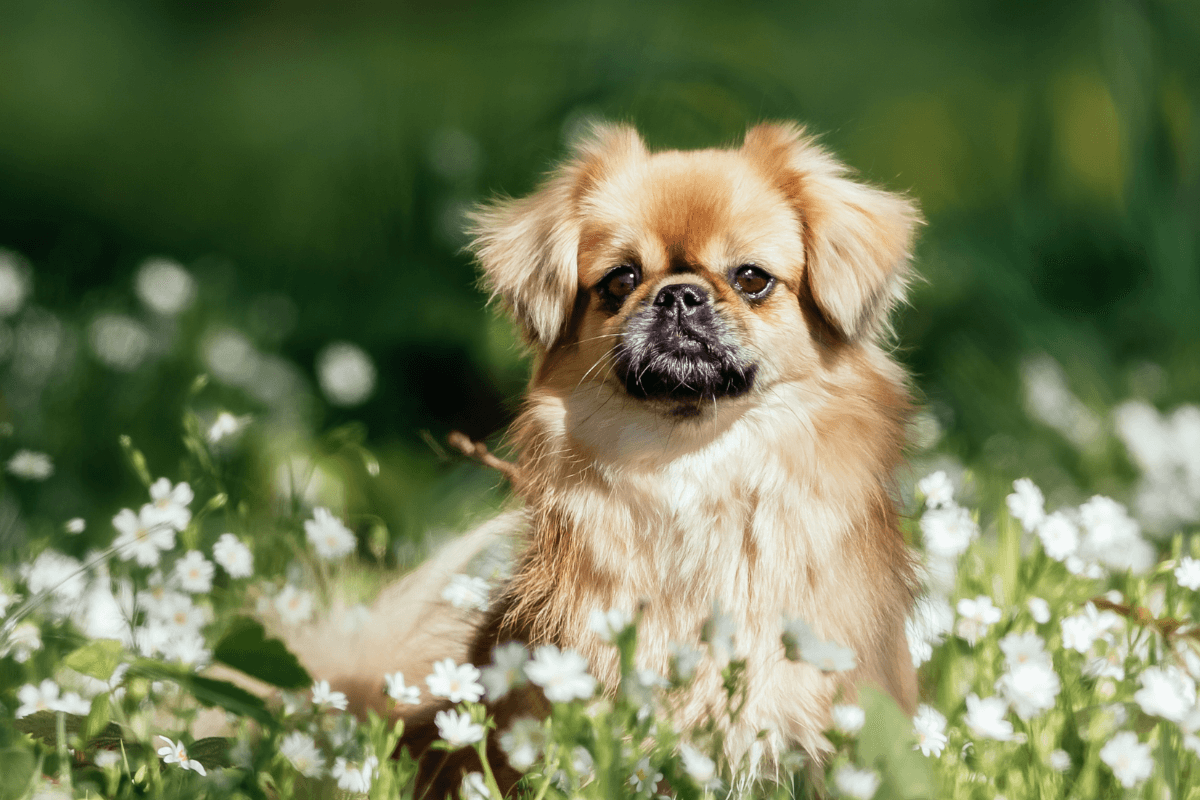
The Tibetan Spaniel is a small, confident breed originally bred by Tibetan monks to be companions and watchdogs. Despite their compact size, they possess a bold, alert personality. Known for their silky coat and energetic nature, Tibetan Spaniels are agile and quick, making them ideal for active owners. Their grooming needs are moderate; while they shed lightly, regular brushing helps maintain their coat’s health.
Tibetan Spaniels are intelligent and independent, forming strong bonds with their families. They are affectionate, loyal, and playful, but can also be reserved around strangers. With the right socialisation, they become fun-loving and friendly companions. Their keen instincts make them great watchdogs, as they remain alert to any changes in their environment.
While they have moderate exercise requirements, Tibetan Spaniels thrive on daily activity. Regular walks and interactive play sessions are essential to keep them physically and mentally stimulated. Without sufficient exercise, they may become restless or develop undesirable behaviours. Active owners who provide regular engagement and stimulation will find Tibetan Spaniels to be loyal, energetic, and affectionate pets.
Tibetan Spaniel Appearance
Tibetan Spaniels are known for their playful, affectionate, and intelligent personalities. Though small, they carry themselves with confidence and independence. They are loyal to their families, forming strong bonds with their owners. While generally affectionate, they are often reserved with strangers. Early socialisation is key to ensuring they become well-adjusted and friendly companions.
Size
The Tibetan Spaniel is considered a small breed, weighing between 4–7 kg. They stand about 25–28 cm tall at the shoulder. Despite their small size, they possess a strong, muscular frame that contributes to their agility and ability to navigate various terrains.
Coat
The Tibetan Spaniel’s coat is long, silky, and flowing, with a mane around the neck that enhances its dignified appearance. Regular grooming is necessary to prevent matting, but the breed does not shed excessively. A weekly brush will help maintain the coat’s condition and manage shedding during seasonal changes.
Distinctive Features
Tibetan Spaniels have a rounded head with a short muzzle, expressive dark eyes, and a slightly domed skull. Their long, flowing coat gives them a majestic look, while their tail is carried over their back in a plume-like fashion. Their gentle expression, coupled with their elegant stance, makes them stand out among small dog breeds.
Strength and Charm
Though small, the Tibetan Spaniel is strong, energetic, and playful. Their lively and affectionate nature, coupled with their alertness, makes them wonderful companions for active families or individuals. They combine beauty, intelligence, and charm into one delightful package.
Tibetan Spaniel History
The Tibetan Spaniel has a long and storied history, originating from the monasteries of Tibet, where they were bred to accompany monks and provide companionship. Despite their smaller stature, they were also used as watchdogs, alerting their human companions to any intruders.
Origins in Tibet
The Tibetan Spaniel hails from Tibet, where they were bred as companion dogs for monks and nobility. They were valued not only for their companionship but also for their ability to serve as alert watchdogs, often kept in monasteries to guard the premises.
Breed Development
Over centuries, Tibetan Spaniels were carefully bred to combine the ideal qualities of loyalty, alertness, and charm. Their small stature made them ideal for living in confined spaces while their keen senses and independent nature made them excellent watchdogs.
Recognition and Popularity
Today, the Tibetan Spaniel is appreciated as both a family companion and a watchdog. Their gentle disposition and playful nature make them a beloved pet in many homes around the world. Though not as widely known as some other breeds, their popularity has grown due to their affectionate nature and low grooming demands.
Tibetan Spaniel Today
In modern times, the Tibetan Spaniel continues to be a popular companion dog. They are known for their playful and affectionate nature while maintaining an independent streak. Though they have retained their alertness and tendency to watch over their family, they are much more relaxed in the home setting, thriving in active environments.
Tibetan Spaniel Personality
The Tibetan Spaniel is known for its playful and affectionate personality, balanced with an independent streak. Though small in size, this breed carries itself with confidence and is known for its loyalty to family. Tibetan Spaniels are intelligent and energetic, forming strong bonds with their owners, while also enjoying some time to themselves.
General Traits:
- Loyal and Protective: Tibetan Spaniels are dedicated to their families and can be protective. They alert their owners to unusual occurrences but are not typically aggressive, preferring to vocalise rather than engage physically.
- Energetic and Playful: Though not as high-energy as some breeds, Tibetan Spaniels enjoy interactive games such as fetch. Their playful nature thrives in an environment where they receive plenty of attention.
- Affectionate and Sociable: Tibetan Spaniels form close bonds with their families and enjoy companionship. They may be reserved with strangers but are generally sociable with proper socialisation.
Watchdog Tendencies:
- Alert but Calm: Tibetan Spaniels are naturally alert and will bark to alert you of changes in their environment, but they tend to be calm and not excessively vocal.
- Guarding Instincts: While they have a protective instinct, with proper training and socialisation, they can be less territorial and more relaxed with strangers.
Trainability:
- Independent but Intelligent: Tibetan Spaniels are intelligent but can be independent thinkers, so training requires patience and consistency. Their independent nature can make them slightly stubborn at times.
- Needs Positive Reinforcement: This breed responds well to reward-based training, such as treats and praise. They require a gentle and patient approach for best results.
Love of Activity and Engagement:
- Moderate Exercise Needs: Tibetan Spaniels enjoy daily activity but don’t require intense exercise. Regular walks and short play sessions are usually enough to keep them content and healthy.
- Enjoys Human Interaction: While they can be independent, Tibetan Spaniels form strong bonds with their families and prefer homes where they receive regular attention and companionship.
Tibetan Spaniel as Family Pets
Tibetan Spaniels are affectionate, loyal, and energetic, making them great companions for active families. While their independent streak means they aren’t overly needy, they enjoy being included in family activities. Their alertness also makes them excellent watchdogs, although they should be provided with enough mental stimulation to prevent boredom.
Good with Kids? Yes, But Supervision is Important!
- Gentle and Playful: Tibetan Spaniels generally get along well with children, forming strong bonds and enjoying playtime. Their playful nature makes them a great companion for older children. However, they are small and can be overwhelmed by overly boisterous play, so supervision is recommended.
- Socialisation Helps: Introducing Tibetan Spaniels to various people and situations from an early age helps them develop into well-adjusted family dogs. Early exposure to children and other pets will also foster a peaceful environment.
- Supervision Still Important: Despite being affectionate, their independent nature means that supervision is important to prevent them from retreating or becoming overwhelmed during intense play sessions with younger children.

Tibetan Spaniel Health Issues & Care
Tibetan Spaniels are generally healthy dogs, but they can be prone to certain health issues. As with all breeds, it’s essential to stay on top of their veterinary care, diet, and exercise to keep them in good health.
Common Health Concerns:
- Patellar Luxation: This common issue in small breeds causes the kneecap to slip out of place, potentially causing pain and difficulty walking. Regular check-ups can help monitor this condition.
- Progressive Retinal Atrophy (PRA): An inherited retinal degeneration that leads from night-vision loss to blindness over time; eye specialist exams and genetic screening (where available) help identify risk and guide responsible breeding.
- Liver Shunt (Portosystemic Shunt / PSS): An abnormal vessel lets blood bypass the liver so toxins aren’t filtered, causing poor growth or odd behavior after meals; it’s uncommon but serious—vets can screen and treatment options (including surgery) exist.
- Hernias (umbilical/inguinal): Small umbilical hernias may improve as pups mature; others can be repaired—often conveniently at desexing—after a vet check.
- Legg-Calvé-Perthes Disease: A juvenile hip disorder causing pain and hind-leg lameness; early diagnosis and surgical management can restore comfort, and careful breeders monitor family lines.
- Hip Dysplasia (HD): A malformed hip joint that can lead to arthritis later in life; keeping your Tibbie lean and choosing pups from hip-scored parents lowers risk.
- Cherry Eye: The tear gland of the third eyelid can prolapse and appear as a red “cherry” in the inner corner; typically corrected with a minor surgical tack to preserve normal tear production.
- Tearing/Weeping eyes: Watery eyes or tear staining can result from hair irritation, mild eyelid/tear-duct issues, or the environment; daily face cleaning helps, and persistent tearing should be checked by a vet.
You can also read more at the Tibetan Spaniel Association of Victoria, or connect directly with reputable Tibetan Spaniel Breeders to learn more about the Breed's Health. Alternatively, you can find a list of all the tibetan spaniel breed clubs in your state.
Care and Maintenance
- Exercise Needs: Tibetan Spaniels require moderate exercise. Regular walks, playtime, and interactive activities help them stay physically and mentally healthy.
- Nutritious Diet: A balanced diet rich in protein and nutrients is important for their health. Be mindful of portion sizes to prevent obesity, which can lead to joint and heart problems.
- Routine Veterinary Care: Regular vet visits, including eye exams, dental care, and vaccinations, help ensure that your Tibetan Spaniel remains in good health.
- Mental Stimulation: Tibetan Spaniels are intelligent dogs that enjoy mental challenges. Interactive toys, training sessions, and games can keep their minds sharp and prevent destructive behaviour.
Caring for Your Tibetan Spaniel
To ensure your Tibetan Spaniel remains healthy, it is important to provide proper care, including regular vet visits, a healthy diet, and sufficient physical and mental activity.
Regular Vet Visits
Routine check-ups help detect health issues such as patellar luxation, eye conditions, and dental problems. Regular screenings can catch potential issues early. Vaccinations and parasite control should also be part of their care routine.
Nutritious Diet
Providing a nutrient-rich diet supports your Tibetan Spaniel’s active lifestyle. A high-quality diet can help maintain a healthy weight and promote strong joints, which is especially important for a small breed like this. Avoid overfeeding to prevent obesity-related issues.
Exercise for Body and Mind
Tibetan Spaniels are moderately active and require daily exercise. Regular walks, as well as interactive play sessions, are ideal to burn off excess energy and keep them happy. Mental stimulation, such as puzzle toys or training exercises, will help prevent boredom.
Grooming Needs
Tibetan Spaniels have a long, silky coat that requires regular care. Brush their coat at least twice a week to prevent tangles and mats. Bathing every 4–6 weeks will keep their coat clean and healthy.
Mental Stimulation
These intelligent dogs thrive on mental challenges. Provide puzzle toys, training sessions, and games to keep their minds engaged and prevent destructive behaviour. Mental stimulation is especially important for Tibetan Spaniels, as it can prevent boredom and related issues.
Monitoring for Health Changes
Keep an eye on any changes in your Tibetan Spaniel’s behaviour, eating habits, or activity levels. If you notice any significant changes, consult your veterinarian for a check-up.
With steady care, gentle daily exercise, and proper nutrition, your Tibetan Spaniel can live a long, healthy life and remain a loving, loyal companion.
Tibetan Spaniel Grooming
Tibetan Spaniels have a long, flowing coat that requires regular grooming to keep it in top condition. Their grooming needs are moderate, but with regular care, their coat will remain silky and healthy.
Regular Brushing
Brush your Tibetan Spaniel’s coat at least twice a week to prevent tangling and mats. During shedding season, you may need to brush more frequently to remove loose hair and maintain their coat.
Bathing
Bathe your Tibetan Spaniel every 4–6 weeks or as needed. Use a gentle dog-friendly shampoo to avoid drying out their skin.
Nail Trimming
Trim their nails every 3–4 weeks to prevent discomfort and injury. Regular nail care ensures your Tibetan Spaniel can move freely and comfortably.
Ear Cleaning
Tibetan Spaniels have long, floppy ears that can be prone to infections. Clean their ears regularly with a vet-approved solution to prevent wax buildup and infections.
Teeth Cleaning
Brush your Tibetan Spaniel’s teeth several times a week to prevent dental issues. Regular brushing helps reduce the risk of tartar build-up and ensures fresh breath.
By maintaining a consistent grooming routine, you’ll keep your Tibetan Spaniel looking and feeling their best, while also preventing potential health issues.
Is a Tibetan Spaniel Right for You?
The Tibetan Spaniel is an affectionate, alert, and intelligent breed that thrives in households that offer both companionship and stimulation. To determine if this breed is a good match, consider your lifestyle, energy level, and the ability to meet their exercise and grooming needs.
The Ideal Tibetan Spaniel Owner:
- Active and Engaged: Tibetan Spaniels are moderately energetic and enjoy daily walks and interactive play. Owners who enjoy a balanced level of activity—whether it’s a brisk walk or playtime—will find them to be excellent companions.
- Experienced Dog Owner: Though affectionate, Tibetan Spaniels can be independent, so owners need to be patient and consistent with training. A firm but gentle approach works best, especially when guiding their independent nature.
- Committed to Exercise and Mental Stimulation: Tibetan Spaniels thrive on mental stimulation and moderate physical activity. Interactive games, puzzles, and regular walks will keep them mentally and physically healthy.
Not Ideal If:
- You Prefer a Low-Energy Dog: While not hyperactive, Tibetan Spaniels do need regular activity and stimulation. A sedentary household may not be the best fit for this breed.
- You’re Often Away from Home: Tibetan Spaniels are very attached to their families and may struggle with separation anxiety if left alone for long periods.
- You Want a Quiet Dog: Tibetan Spaniels have an alert nature and will bark to notify you of visitors or any unusual activity. While not overly vocal, they are not suited for those seeking a completely quiet dog.
Crucial Considerations:
- Exercise and Engagement: Tibetan Spaniels require daily walks and playtime. Regular exercise helps keep them healthy, both physically and mentally.
- Training and Socialisation: Early training and socialisation are important for Tibetan Spaniels. This breed is intelligent but can be independent, so consistency and positive reinforcement are key to helping them develop good habits.
- Emotional Needs: Tibetan Spaniels form strong attachments and need human companionship to stay emotionally balanced. Without sufficient interaction, they may become anxious or withdrawn.
Importance of a Reputable Tibetan Spaniel Breeder
Choosing a responsible Tibetan Spaniel breeder is essential for ensuring that your puppy is healthy, well-socialised, and free from hereditary health issues. A reputable breeder provides guidance on raising a healthy and well-adjusted puppy.
Health Testing
Responsible Tibetan Spaniel breeders conduct thorough health screenings to minimise the risk of hereditary conditions. Good breeders also provide full health documentation and offer advice on how to care for your new Tibetan Spaniel.
Temperament Assessment
A good breeder will carefully evaluate each puppy’s temperament to ensure they are placed in the right home. Socialisation at an early age is key to helping Tibetan Spaniels become well-adjusted family dogs.
Early Socialisation and Enrichment
Reputable breeders raise their puppies in a socialised environment where they are exposed to different people, animals, and sounds. This helps prepare them for life in a family setting.
How to Find a Reputable Breeder
- Do Your Research: Use breed club directories or trusted breeder listings to find ethical breeders who follow responsible breeding practices.
- Ask Questions: A responsible breeder will be open and transparent about their breeding practices, health testing, and socialisation efforts.
- Visit the Breeder: Always visit the breeder’s facility to ensure it is clean and well-kept. This also gives you the opportunity to meet the parent dogs and assess their temperament.
Red Flags
Avoid breeders who:
- Are vague about health testing or fail to provide documentation.
- Do not perform health tests or screen their dogs for genetic conditions.
- Seem more interested in selling puppies than ensuring their dogs’ well-being.
By selecting a responsible breeder, you are ensuring your Tibetan Spaniel will be a healthy, well-adjusted companion for years to come.
How Long Does a Tibetan Spaniel Live For?
Tibetan Spaniels typically live between 12 to 15 years. Their lifespan is influenced by a combination of genetics, diet, exercise, and regular veterinary care. With proper care and health screenings, Tibetan Spaniels can enjoy a long, happy life by your side.
Frequently Asked Questions (FAQs)
Does a Tibetan Spaniel shed?
Tibetan Spaniels shed moderately. Regular brushing, especially during shedding seasons, helps manage loose fur and keeps their coat healthy.
How big does a Tibetan Spaniel get?
Tibetan Spaniels are a small breed, typically weighing between 4.5–7 kg and standing around 25–28 cm tall at the shoulder.
Are Tibetan Spaniels good dogs?
Tibetan Spaniels are loyal, affectionate, and independent. They make great companions for families or individuals who can provide them with the care and attention they need.
Are Tibetan Spaniels hypoallergenic?
Tibetan Spaniels are not considered hypoallergenic. They shed and may cause allergic reactions in sensitive individuals.
How long do Tibetan Spaniels live?
Tibetan Spaniels typically live for 12 to 15 years, with proper care and attention to their health and well-being.
How to train a Tibetan Spaniel?
Training a Tibetan Spaniel requires consistency, patience, and positive reinforcement. Start with basic obedience and socialisation as early as possible for the best results.
What breeds make a Tibetan Spaniel?
The Tibetan Spaniel is believed to have been developed in Tibet as a companion dog, bred to guard monasteries and temples.
What does a Tibetan Spaniel look like?
Tibetan Spaniels have a compact, muscular build with a long, flowing coat. Their expressive, dark eyes and feathered tail carried over their back are some of their distinct features.
How fast can a Tibetan Spaniel run?
Tibetan Spaniels are agile and quick, with speeds reaching up to 15–20 km/h. They are well-suited for brisk walks and play.
How much exercise does a Tibetan Spaniel need?
Tibetan Spaniels require at least 30–60 minutes of exercise daily. Regular walks, playtime, and mental stimulation help maintain their physical and mental health.
Adaptability
Adapts Well To
The Tibetan Spaniel is a confident and independent breed that adjusts well to various living environments, including apartments, as long as it receives sufficient attention, exercise, and mental stimulation.
- Homes with Yards: Tibetan Spaniels enjoy secure outdoor spaces where they can explore and play. A yard offers the ideal environment, but regular walks and play are also necessary.
- Active Families: While not as energetic as some breeds, Tibetan Spaniels still enjoy being part of family activities. They are well-suited to families with a moderate lifestyle, enjoying outdoor walks and interaction.
- Suburban and Rural Environments: Tibetan Spaniels can easily adapt to suburban or rural environments where they have space to explore. They can also live comfortably in apartments provided their exercise and socialisation needs are met.
Important Considerations:
- Exercise Needs: Tibetan Spaniels need moderate daily exercise. A minimum of 30 minutes to 1 hour of activity, such as walks or interactive play, is important to keep them healthy and mentally satisfied.
- Mental Stimulation: Being an intelligent breed, Tibetan Spaniels benefit from interactive toys, training sessions, and puzzle games. This keeps them engaged and prevents boredom.
- Companionship: Tibetan Spaniels are affectionate and require human interaction. They can become anxious or develop behavioural problems if left alone for long periods.
- Barking Tendencies: Tibetan Spaniels are generally not excessive barkers but can alert their owners to unfamiliar sounds or intruders. Their natural watchfulness means they may bark occasionally but are not typically loud.
With proper care, consistent interaction, and space to explore, the Tibetan Spaniel can flourish in different living environments.
Adapts Less Well To
While adaptable, the Tibetan Spaniel may struggle in certain environments:
- Inactive Households: Tibetan Spaniels require regular physical and mental stimulation. A sedentary lifestyle with little engagement can lead to boredom, anxiety, and destructive behaviour.
- Limited Social Interaction: Tibetan Spaniels are social animals that form strong bonds with their families. If left alone too often, they may experience separation anxiety and become stressed.
- Potential Solutions for Apartment Living:
- Daily Outdoor Exercise: Tibetan Spaniels still need regular walks and outdoor trips, even in apartments, to expend energy and remain happy.
- Mental Stimulation: Providing interactive toys or training activities can meet their mental needs, even in smaller spaces.
- Consistent Companionship: If you're away for long periods, consider using dog walkers or pet daycare services to prevent loneliness and anxiety.
Important Considerations:
- Active Breed Needs: Tibetan Spaniels need regular exercise to maintain their health and avoid restlessness. Without enough physical and mental engagement, they may develop undesirable behaviours.
- Social and Vocal: Though calm in nature, Tibetan Spaniels are alert and may bark to alert their family of changes in their environment. They aren't suited for households looking for a quiet, laid-back dog.
- Moderate Shedding: Tibetan Spaniels shed moderately, but regular grooming helps manage fur loss and keeps their coat in good condition.
- Watchful Nature: Tibetan Spaniels are naturally observant and will react to changes around the house, offering protection and keeping an eye on their surroundings.
By providing sufficient exercise, stimulation, and companionship, the Tibetan Spaniel can adapt well to various living conditions.
Good for Novice Dog Owners
The Tibetan Spaniel is a charming and intelligent breed with an independent streak. While they’re loyal and affectionate, their somewhat independent nature can pose a challenge for first-time owners. With the right training approach and consistent care, they can be a wonderful companion.
Why the Tibetan Spaniel Can Be a Challenge for Novice Owners
- Strong-Willed and Independent: Tibetan Spaniels are intelligent, but their independent nature may make training a challenge. Novice owners need to be firm and consistent in their training efforts to avoid behavioural issues.
- Exercise Needs: Although not overly high-energy, Tibetan Spaniels still require regular exercise. New owners should be prepared for daily walks and playtime to ensure their dog's physical and mental health.
- Social Needs: Tibetan Spaniels are social dogs that thrive on companionship. If left alone for extended periods, they can become anxious, which may lead to destructive behaviour.
Challenges for Novice Owners
- Exercise Commitment: Tibetan Spaniels need daily physical activity. Novice owners must be prepared to dedicate time for walks and interactive play.
- Training Demands: Although intelligent, Tibetan Spaniels may be stubborn. They respond best to positive reinforcement, so owners must be patient and consistent.
- Social Needs: Tibetan Spaniels form strong emotional bonds with their owners and need regular human interaction to stay happy. They are not suited for homes where they are frequently left alone.
How Novice Owners Can Succeed with a Tibetan Spaniel
- Early and Consistent Training: Start training early to establish clear communication. Puppy classes can aid with socialisation and the development of basic commands.
- Regular Exercise and Activities: Ensure that your Tibetan Spaniel receives daily exercise and mental engagement. Regular walks, play sessions, and training are essential to keeping them well-adjusted.
- Focus on Socialisation: Introduce your dog to a variety of people, pets, and environments to build their confidence and reduce anxiety.
- Positive Reinforcement: Use rewards and praise to guide your dog’s behaviour. Consistent and positive training ensures that your Tibetan Spaniel becomes a well-mannered and affectionate companion.
With steady training, regular exercise, and positive socialisation, Tibetan Spaniels can be a fantastic breed for novice owners. Their loyalty and intelligence make them excellent companions.
Sensitivity
Sensitivity Level
Tibetan Spaniels are highly sensitive to their environment and can easily pick up on the emotions of their family members. Despite their independent streak, they are closely bonded with their owners and show great emotional awareness.
What Makes the Tibetan Spaniel Sensitive
- Emotional Awareness: Tibetan Spaniels are deeply in tune with their owners' emotions and will often seek comfort when they sense distress or anxiety. They thrive on companionship and affection.
- Responsive to Training Style: They respond well to positive reinforcement and can become stressed under harsh training methods. Consistent, gentle training methods work best for this breed.
- Alert and Aware: Tibetan Spaniels are naturally observant, always alert to changes in their surroundings. However, they are not easily startled and will calmly investigate new situations.
Ownership Impact
- Positive Training is Essential: Tibetan Spaniels need consistent, positive training. Harsh discipline can create anxiety and make them hesitant to learn. Gentle methods and patience work best.
- Predictable Routine Helps: A structured routine helps maintain the emotional balance of your Tibetan Spaniel. A consistent daily schedule ensures they feel secure and content.
- Start Socialisation Early: Socialising early is crucial for Tibetan Spaniels to build confidence. Exposure to different people, pets, and environments helps them adapt to new situations without anxiety.
Important Considerations
- Sensitivity to Sound: Tibetan Spaniels may become stressed by loud noises like thunderstorms or fireworks. Gradual desensitisation and comforting reassurance can help alleviate their stress during such events.
- Attachment to People: Tibetan Spaniels form strong bonds with their owners. They prefer to be included in family activities and can develop separation anxiety if left alone for long periods.
The Positive Side of Sensitivity
Tibetan Spaniels are loving and loyal companions, in tune with their family’s needs. Their sensitivity makes them ideal pets for those who can offer consistent companionship and emotional support.
Tolerates Being Alone
Tibetan Spaniels are affectionate and social dogs that form strong bonds with their families. While they are independent by nature, they do not enjoy being left alone for extended periods. Without adequate mental and physical stimulation, they may become anxious, bored, and exhibit undesirable behaviours.
Social Needs and Attachment
- Strong Bond with Owners: Tibetan Spaniels are loyal and affectionate, forming strong emotional attachments with their owners. They are happiest when included in family activities and receive regular attention.
- Prone to Restlessness: If left alone for too long, Tibetan Spaniels may become anxious, which can lead to behaviours like barking, chewing, or excessive grooming.
- Independent Yet Social: Although Tibetan Spaniels enjoy their independence, they thrive in homes where they are active participants in daily activities, receiving plenty of interaction and attention.
Ownership Impact
- Consider Your Schedule: Tibetan Spaniels are best suited for homes where family members are present for most of the day. If you work long hours, consider hiring a dog walker or using pet daycare services to ensure they are not left alone for too long.
- Gradual Alone-Time Training: While Tibetan Spaniels can learn to tolerate short periods of solitude, it’s important to gradually increase the time they spend alone to prevent separation anxiety from developing.
- Provide Enrichment Activities: Interactive toys, puzzles, and daily playtime can help keep your Tibetan Spaniel mentally engaged when you are away. Additionally, a good walk before leaving them alone can help reduce anxiety.
Important Notes
- Separation-Related Behaviours: Without proper training, Tibetan Spaniels may develop separation anxiety, which can lead to vocalisation or destructive behaviours when left alone.
- Boredom-Driven Behaviour: As intelligent dogs, Tibetan Spaniels need plenty of mental and physical engagement to prevent boredom, which can manifest in unwanted behaviours like chewing or digging.
- Create a Comfortable Space: When left alone, make sure your Tibetan Spaniel has a safe and quiet area with their bed, toys, and familiar scents to help them feel secure.
The Positive Side of Their Attachment
Tibetan Spaniels are deeply devoted companions who develop strong emotional connections with their families. With consistent routines, gentle mental stimulation, and regular interaction, they typically stay emotionally balanced and content even when left alone for short periods.
Tolerates Hot Weather
While Tibetan Spaniels have a medium-length coat, they are not as tolerant of extreme heat as some other breeds. They can handle moderate warmth, but it’s essential to monitor them during hot weather to ensure they don’t overheat.
Heat Sensitivity
- Heat Tolerance with Limits: Tibetan Spaniels can tolerate warmer weather but should not be exposed to extreme heat for long periods. Always provide access to fresh water and shade when outside.
- At Risk of Overheating: Due to their dense coat, Tibetan Spaniels can easily overheat in hot conditions, especially if they’re overexerted. It’s important to adjust their exercise routine accordingly.
- Watch for Signs: Signs of overheating include heavy panting, drooling, or lethargy. If you notice these symptoms, move your dog to a cooler environment and provide them with water immediately.
Ownership Impact
- Time Outdoor Activities Wisely: Exercise should be scheduled for early mornings or late evenings to avoid the heat of midday. Avoid long walks or strenuous activities during peak temperatures.
- Access to Shade and Water: Always ensure that your Tibetan Spaniel has access to water and a shaded area when outside, especially during hot weather. Keeping them hydrated and providing a cool resting area is essential.
- Cooling Support: You can use cooling mats or damp towels to help regulate your Tibetan Spaniel’s temperature. Keeping them indoors in an air-conditioned space is another way to keep them comfortable.
Important Considerations
- Varying Tolerance: Some Tibetan Spaniels may have different heat tolerances based on their age, health, or fitness. Always keep a close eye on their behaviour and adjust their environment as needed.
- Never Leave in Enclosed Hot Spaces: Never leave your Tibetan Spaniel in a hot car or confined space, as temperatures can rise rapidly and cause overheating.
- Indoor Cooling: Ensure proper ventilation in your home through fans, open windows, or air conditioning to maintain a cool environment.
With proper care and attention, Tibetan Spaniels can stay active and comfortable in warmer climates, but monitoring their heat tolerance and providing relief during high temperatures is essential.
Tolerates Cold Weather
Tibetan Spaniels, with their medium-length coat, are more suited to cooler climates but may not tolerate extreme cold as well as other breeds with thicker coats. They require extra care during colder months.
Cold Weather Tolerance
- Cold Weather Tolerance: Tibetan Spaniels are sensitive to cold temperatures and may require extra warmth during winter. They may need a dog coat or sweater when outdoors for extended periods.
- Active in Cooler Conditions: Tibetan Spaniels enjoy being outside in cooler weather, but should not be exposed to freezing temperatures for too long. Short walks and play sessions are ideal during colder weather.
- Monitor for Discomfort: Watch for signs of cold sensitivity, such as shivering or reluctance to go outside. If these signs appear, bring your dog inside to a warm environment.
Ownership Impact
- Provide Warm Shelter: When outside, ensure your Tibetan Spaniel has access to a warm, dry shelter. Indoors, provide a comfortable, draught-free bed to keep them cosy during colder months.
- Protect Their Paws: Snow, ice, and salt can irritate Tibetan Spaniels' paws. Consider using dog booties or applying paw balm to protect their feet during winter walks.
- Grooming Considerations: Regular grooming is important in cold weather. Avoid over-bathing, which can strip natural oils from their coat that help with insulation.
Important Considerations
- Individual Variability: Older Tibetan Spaniels or those with health conditions may have a lower tolerance for cold. Always monitor your dog’s comfort and adjust outdoor activities accordingly.
- Wet and Windy Conditions: If your Tibetan Spaniel is exposed to rain or snow, ensure that they are thoroughly dried after the walk to prevent chills or discomfort.
With proper care, your Tibetan Spaniel can tolerate mild to moderate cold weather, but extra precautions are needed to protect them from harsh, wet, or windy conditions.
Friendliness
Tibetan Spaniels are affectionate, loyal, and make wonderful companions. They are known for being gentle and loving with their families, yet can also be reserved or cautious around strangers.
Tibetan Spaniel as Affectionate Companions:
- Loyal and Devoted: Tibetan Spaniels are deeply attached to their families and enjoy participating in daily life. They are affectionate and enjoy being around their loved ones.
- Energetic and Playful: Despite their independent streak, Tibetan Spaniels are playful and enjoy games like fetch or tug-of-war. They thrive when engaged in interactive play.
- Independent, Yet Sociable: Tibetan Spaniels are confident and enjoy their own space but also like socialising with their family. They can entertain themselves but appreciate attention and affection.
Ownership Impact:
- Build Strong Bonds through Interaction: Regular walks, playtime, and bonding activities are key to forming a strong relationship with your Tibetan Spaniel.
- Enjoys Physical Closeness: Tibetan Spaniels enjoy being close to their family, whether lounging on the couch or staying near you during activities.
- Early Socialisation for Better Behaviour: Early exposure to various people, environments, and situations will help your Tibetan Spaniel grow into a well-adjusted, confident dog.
Kid-Friendly
Tibetan Spaniels can make great family pets, particularly in homes with older children. They are patient, playful, and form strong emotional bonds with their human family members, but their small size means supervision is key during active play.
Tibetan Spaniel and Children:
- Gentle with Family: Tibetan Spaniels are typically gentle and affectionate with children, though supervision is recommended, especially with younger kids. Their small size means they are generally careful but may get excited during play.
- Patient and Playful: Tibetan Spaniels enjoy playing and are patient with children. However, their playful nature and independence may sometimes lead to rough play if they feel overstimulated.
- Protective Nature: Tibetan Spaniels are naturally protective and will alert their family to any perceived threat, providing a sense of security.
Ownership Impact:
- Supervision with Younger Children: Due to their small size and energetic nature, supervision during playtime with young children is important to ensure safe interactions.
- Teach Respectful Interaction: Teach children how to gently interact with the Tibetan Spaniel, which will foster a positive relationship.
- Early Training for Socialisation: Exposing Tibetan Spaniels to children and different environments early ensures they grow into well-rounded dogs.
Tibetan Spaniels are gentle and playful with children, but supervision is essential to ensure safe and positive interactions, especially when they are very energetic.
With Other Pets
Tibetan Spaniels generally get along well with other pets when properly introduced from a young age. Their calm and affectionate nature allows them to coexist peacefully with other animals. However, like all breeds, they require careful management, especially with smaller animals, due to their strong-willed personality and some natural prey instincts.
Socialisation and Training:
- Introductions Should Be Calm: Tibetan Spaniels usually integrate well with other pets when introduced slowly and calmly. Early socialisation can help them form positive relationships with other animals.
- Strong Playful Side: They enjoy playing with other dogs, but their independent nature may sometimes cause them to be reserved or slightly dominant. Supervision is key during these interactions to ensure harmony.
- Natural Hunting Instincts: While not overly aggressive, Tibetan Spaniels have a mild prey drive, and proper training is essential to prevent them from chasing smaller pets.
With proper training and early socialisation, Tibetan Spaniels can be great companions in multi-pet households. Ensuring introductions are calm and gradual helps foster positive interactions.
Friendly Toward Strangers
Tibetan Spaniels are generally friendly but reserved when meeting strangers. Their naturally cautious nature can make them appear standoffish initially, but they warm up quickly with proper introductions. They are vigilant and may bark to alert their owners to unfamiliar faces.
Tibetan Spaniel and Strangers:
- Alert but Calm: Tibetan Spaniels are highly alert and can be cautious when meeting new people, but they tend to calm down once they sense no threat.
- Natural Guardians: Their instinct is to protect their family, and they are naturally reserved around unfamiliar faces. With proper socialisation, they become more relaxed and accepting of visitors.
- Socialisation Enhances Relaxation: Regular exposure to new people and environments helps Tibetan Spaniels become more confident and less reserved with strangers. Socialisation is important to help them adapt in social settings.
With consistent training and positive socialisation, Tibetan Spaniels can become well-adjusted and friendly toward strangers.
Health & Grooming
Amount of Shedding
Tibetan Spaniels are generally healthy dogs but can be prone to specific health issues. Regular grooming and veterinary care are important to maintain their overall health and well-being. Their moderate grooming needs and relatively low shedding make them a manageable breed for many owners.
Shedding Reality:
- Moderate Shedding: Tibetan Spaniels shed moderately throughout the year. Their double coat requires regular brushing to keep it healthy, particularly during shedding seasons.
- Not Hypoallergenic: Like most dogs, they shed both fur and dander, which can cause issues for people with allergies.
Ownership Impact:
- Frequent Brushing Needed: Regular brushing, particularly during shedding seasons, helps manage loose fur and keeps their coat in good condition. It’s recommended to brush them a few times a week to prevent matting.
- Vacuuming Required: As with most breeds that shed, regular cleaning of floors, furniture, and clothing is necessary to manage fur buildup in the home.
- Seasonal Coat Management: During peak shedding periods, extra grooming may be needed. Professional grooming can also help manage excessive hair loss during these times.
With regular grooming, the shedding of a Tibetan Spaniel can be controlled, keeping their coat healthy and your home cleaner.
Drooling Potential
Tibetan Spaniels are generally tidy dogs and do not have a tendency to drool excessively. While they may drool slightly after eating or drinking, their drooling levels are minimal, making them a clean breed to own.
Drooling Tendencies:
- Moderate Drooling Levels: Tibetan Spaniels may drool occasionally, especially after meals or drinking water, but they do not typically produce large amounts of saliva.
- Health-Related Drooling Possible: If there is a sudden increase in drooling, it could indicate dental issues or gastrointestinal discomfort. Any significant changes in drooling should be checked by a vet.
Ownership Impact:
- Tidy Around the House: Tibetan Spaniels are a good choice for those seeking a dog with minimal drool, as their drooling is moderate and manageable.
- Easy to Maintain: Their low-drool nature means they require less cleaning up around the house, making them easy to maintain.
- Maintaining Proper Health: Regular dental care and mouth cleaning help keep drooling levels minimal and prevent oral health issues.
Easy to Groom
Tibetan Spaniels have a beautiful, medium-length coat that requires regular grooming. While they don’t shed excessively, their coat needs attention to avoid matting and to keep it shiny and healthy. Their grooming routine is manageable with regular care.
Grooming Requirements:
- Regular Brushing: Brushing a few times a week helps remove tangles and loose fur, while also preventing matting. A comb or pin brush works well for their double coat.
- Bathing: Tibetan Spaniels should be bathed every 4–6 weeks or as needed. Use a mild, dog-friendly shampoo to prevent skin irritation.
- Nail Trimming and Ear Cleaning: Trim their nails every 3–4 weeks, and check their ears weekly for wax buildup or signs of infection.
Ownership Impact:
- Moderate Grooming Commitment: Compared to long-haired breeds, Tibetan Spaniels' grooming needs are reasonable, though regular brushing and occasional baths are necessary to maintain their coat.
- Professional Grooming: Some owners may choose to visit a professional groomer every few months, especially if their dog’s coat becomes matted or unruly.
- Routine Grooming: Consistent grooming helps keep your Tibetan Spaniel looking and feeling great, and it’s a great way to bond with your dog.
General Health
Tibetan Spaniels are generally healthy dogs but can be prone to certain health conditions. Regular vet visits, a balanced diet, and proper exercise are crucial to ensuring their well-being and longevity.
Potential Health Concerns
- Patellar Luxation: This common issue in small breeds causes the kneecap to slip out of place, potentially causing pain and difficulty walking. Regular check-ups can help monitor this condition.
- Progressive Retinal Atrophy (PRA): An inherited retinal degeneration that leads from night-vision loss to blindness over time; eye specialist exams and genetic screening (where available) help identify risk and guide responsible breeding.
- Liver Shunt (Portosystemic Shunt / PSS): An abnormal vessel lets blood bypass the liver so toxins aren’t filtered, causing poor growth or odd behavior after meals; it’s uncommon but serious—vets can screen and treatment options (including surgery) exist.
- Hernias (umbilical/inguinal): Small umbilical hernias may improve as pups mature; others can be repaired—often conveniently at desexing—after a vet check.
- Legg-Calvé-Perthes Disease: A juvenile hip disorder causing pain and hind-leg lameness; early diagnosis and surgical management can restore comfort, and careful breeders monitor family lines.
- Hip Dysplasia (HD): A malformed hip joint that can lead to arthritis later in life; keeping your Tibbie lean and choosing pups from hip-scored parents lowers risk.
- Cherry Eye: The tear gland of the third eyelid can prolapse and appear as a red “cherry” in the inner corner; typically corrected with a minor surgical tack to preserve normal tear production.
- Tearing/Weeping eyes: Watery eyes or tear staining can result from hair irritation, mild eyelid/tear-duct issues, or the environment; daily face cleaning helps, and persistent tearing should be checked by a vet.
The Importance of Reputable Tibetan Spaniel Breeders
- Choosing a responsible Tibetan Spaniel breeder is crucial for your dog's health and well-being. Ethical breeders:
- Screen for inherited conditions like patellar luxation, hip dysplasia, and eye disorders such as PRA.
- Provide health clearances for both the puppy and parents.
- Raise puppies in clean, social environments that promote stable temperaments and proper socialisation.
Ownership Impact
- Routine Vet Visits: Regular vet visits are essential for identifying potential health problems such as hip dysplasia, dental issues, and thyroid conditions early. Keeping up with these check-ups ensures your Tibetan Spaniel stays healthy.
- Diet and Exercise: A balanced diet and daily physical activity are key for maintaining weight and overall health. Consistent exercise will meet your Tibetan Spaniel’s energy needs and support their well-being.
- Health Screenings: Annual health screenings help detect any emerging issues like heart conditions or eye problems. Timely identification of these concerns allows for better management.
- Financial Preparedness: Be ready for ongoing veterinary expenses, including check-ups, vaccinations, and potential treatments. Ensuring your Tibetan Spaniel’s health with preventive care is essential for their long-term well-being.
By staying on top of vet visits, diet, exercise, and health screenings, your Tibetan Spaniel will thrive and live a healthy life as a loyal companion.
Potential for Weight Gain
Tibetan Spaniels are active dogs, but overfeeding or insufficient exercise can lead to weight gain, which can affect their joints and overall health.
Factors Contributing to Weight Gain
- Overfeeding: Portion control is crucial. Overfeeding or giving too many treats can lead to weight gain.
- Insufficient Exercise: Regular activity is vital. Without enough exercise, they may become overweight.
- Dietary Requirements: A well-balanced diet rich in protein and low in fats will help maintain a healthy weight.
- Medical Conditions: Certain health conditions, like hypothyroidism, can contribute to weight gain.
Ownership Impact
- Controlled Portions: Measure meals to ensure appropriate feeding, and avoid free feeding or excessive treats.
- Healthy Treats: Use low-calorie treats to keep them motivated without adding extra weight.
- Daily Exercise: Ensure at least an hour of exercise each day. Activities like walks or playtime will help keep them fit.
- Regular Weight Monitoring: Check their weight regularly and consult your vet to ensure their weight stays healthy.
The Importance of a Healthy Weight
- Maintaining a healthy weight helps prevent:
- Excess weight can strain the joints and lead to conditions such as arthritis and reduced mobility.
- Maintaining an ideal weight can also lower the risk of obesity-related health issues, including heart disease and diabetes.
- Keeping your Tibetan Spaniel lean and fit ensures they remain active, comfortable, and able to enjoy their daily routines.
With a balanced diet, regular gentle exercise, and consistent weight monitoring, your Tibetan Spaniel can stay healthy and full of life for years to come.
Trainability
The Smart and Eager Learner
Tibetan Spaniels are intelligent and adaptable dogs. With the right approach, they can learn new tasks and commands quickly. They thrive when challenged mentally and respond well to consistent, positive training methods.
- Quick Learners: Tibetan Spaniels enjoy activities that engage their minds, such as obedience training and agility exercises. Their sharp minds and eagerness to please make them quick learners when properly motivated.
- Energetic and Enthusiastic: Their playful nature and energy make them well-suited for training sessions that involve both physical and mental engagement. Positive reinforcement with treats, praise, or toys helps them stay focused and motivated during training.
- Reward-Motivated: Tibetan Spaniels respond well to positive reinforcement. Using rewards like treats or praise encourages desired behaviour, and they are highly motivated when consistently rewarded.
The Challenges
- Independent Thinkers: While Tibetan Spaniels are intelligent, they can be independent and stubborn, requiring clear and consistent training. They may challenge boundaries if the training lacks variety or excitement, so keeping them engaged is essential.
- Stubbornness: Like many small breeds, Tibetan Spaniels can be stubborn, particularly during adolescence. Maintaining engaging, varied training sessions is key to keeping their attention and ensuring their cooperation.
- Patience Required: Training a Tibetan Spaniel requires patience and consistency. Their independent nature means they need a calm, firm, and understanding approach to ensure positive outcomes.
Ownership Impact
- Start Training Early: Begin obedience and socialisation early to instil good behaviour and build strong habits.
- Use Positive Reinforcement: Reward-based training works best for Tibetan Spaniels. Positive reinforcement fosters trust and encourages good behaviour.
- Be Consistent and Confident: Clear, consistent instructions and a calm, confident approach will help guide your dog.
- Provide Mental Stimulation: Keep them engaged with interactive toys, obedience drills, and mental challenges to prevent boredom and foster good behaviour.
With consistent training and positive reinforcement, Tibetan Spaniels become loyal, well-behaved companions.
Intelligence
Tibetan Spaniels are highly intelligent dogs, capable of learning quickly and adapting to new tasks. Their ability to problem-solve, combined with their energetic personality, makes them a great fit for various activities.
A Highly Intelligent Breed
- Quick Learners: Tibetan Spaniels are fast learners who excel in a variety of training activities. They enjoy challenges that stimulate their minds, making them excellent candidates for obedience training, agility, or scent work.
- Problem-Solving Skills: Their sharp minds enable them to figure out puzzles and tasks with ease. Tibetan Spaniels thrive when provided with activities that challenge their intelligence, such as interactive games or problem-solving exercises.
- Adaptability: Tibetan Spaniels' intelligence allows them to adapt well to new activities. They excel in obedience training, agility, and other mentally stimulating exercises..
Ownership Impact
- Mental Stimulation is Key: Without sufficient mental engagement, Tibetan Spaniels may become bored and exhibit undesirable behaviours. Provide regular challenges such as puzzle toys and obedience training.
- Training Opportunities: Engage them in activities like scent tracking or agility exercises to stimulate their minds and keep them sharp.
- Channel Their Energy: Combine physical activities with mental challenges to prevent frustration and help manage their high energy levels.
Potential for Mouthiness
Tibetan Spaniels, like many small breeds, may show mouthing behaviour, especially as puppies. While they are generally playful and curious, this behaviour can be managed with the right approach.
Mouthy Behaviour
- Teething: Tibetan Spaniel puppies may chew to relieve discomfort during teething. Redirection to appropriate chew toys is essential to manage this phase.
- Exploration: Their curiosity may lead them to use their mouths to explore, which is common in energetic breeds.
- Playfulness: Playtime can often lead to mouthing, particularly when they’re excited. Redirection to toys helps curb this tendency.
Ownership Impact
- Early Training is Essential: Teach them boundaries for mouthing early to prevent it from becoming a long-term habit.
- Positive Reinforcement: Reward calm and appropriate behaviour while redirecting mouthing to suitable chew toys.
- Provide Durable Chew Toys: Ensure that they have access to strong chew toys, especially during teething, to satisfy their urge to chew.
- Supervise Play with Children: Encourage gentle play with children to avoid accidental nips and ensure a safe interaction.
With consistent guidance and redirection, Tibetan Spaniels can manage mouthing behaviour and grow into well-mannered companions.
Prey Drive
Tibetan Spaniels have a natural prey drive, which is a characteristic of their hunting heritage. While they are not aggressive, their instinct to chase small animals can sometimes cause challenges if not managed properly.
Strong Chasing Instincts
- Chasing Small Animals: Due to their background, Tibetan Spaniels have a strong drive to chase small animals like birds or squirrels. Without proper training, this instinct can lead to unwanted chasing behaviours, especially in open spaces.
- Highly Alert and Reactive: Tibetan Spaniels are alert and have quick reflexes. They are likely to react to anything that catches their attention, particularly in unfamiliar environments or when exposed to small animals.
Ownership Impact
- Leash Training and Control: Leash training is crucial for redirecting their focus during walks, especially in areas where they may encounter small animals.
- Supervision During Outdoor Play: Always supervise your Tibetan Spaniel when outside, especially in unsecured areas, to prevent them from chasing wildlife or wandering off.
- Training and Socialisation: Early exposure to smaller animals and reinforcing calm behaviour can help them manage their prey drive. Controlled introductions to other pets will also teach them proper behaviour.
- Gradual Introductions: Introducing Tibetan Spaniels to small animals gradually and in calm environments will ensure appropriate behaviour and reduce the likelihood of chasing.
By providing consistent training and supervision, Tibetan Spaniels can manage their prey drive and peacefully coexist with other animals.
Wanderlust Potential
Tibetan Spaniels are naturally curious and independent, which may lead them to explore if not properly contained. Their love for activity and keen interest in their surroundings can encourage them to wander off in search of new experiences.
Independent and Driven
- Exploration Drive: Tibetan Spaniels are inherently curious and may follow scents or explore unfamiliar places. Their strong instinct to seek new territory can make them prone to wandering if not contained properly.
- Persistent Nature: Their determination can cause them to fixate on something that catches their attention. It’s important for owners to ensure they’re in secure environments to prevent them from wandering off.
Ownership Impact
- Secure Fencing: Ensure your home is securely fenced to prevent your Tibetan Spaniel from wandering. Regularly check for weak spots or gaps in the fencing where they could escape.
- Leash Walks: Always walk your Tibetan Spaniel on a leash when in open or unfamiliar areas. Their curiosity may lead them to stray, so it’s important to keep them under control.
- Mental & Physical Engagement: Regular exercise and engaging activities help reduce the urge to explore and wander. Structured walks and play sessions keep them focused and satisfied.
- Identification: Make sure your Tibetan Spaniel is microchipped and wears an ID tag, especially if they are prone to wandering. This makes it easier to recover them if they become lost.
With regular exercise, supervision, and secure boundaries, Tibetan Spaniels can safely enjoy their exploratory nature while remaining well-behaved.
Tendency to Bark or Howl
Tibetan Spaniels are not typically excessive barkers but can become vocal when they want attention or notice something unusual. Their alert nature makes them vocal at times, especially when excited or curious.
Barking Tendencies
- Protective and Alert: Tibetan Spaniels are naturally alert and will bark to warn their owners about visitors or unfamiliar sounds. Their protective instincts make them vocal when they sense changes in their environment.
- Expressive and Communicative: They may bark when excited, anxious, or seeking attention. If left unstimulated, they may increase their vocalisation.
- Playful Barking: During playtime, barking is usually lighthearted and reflects their energetic personality.
Ownership Impact
- Training and Socialisation: Early training and socialisation are essential for managing barking. Teaching commands like "quiet" or "enough" helps control unnecessary vocalisations.
- Provide Mental and Physical Stimulation: Keep your Tibetan Spaniel engaged with daily exercise, play, and mental activities to prevent boredom-related barking.
- Address Barking Triggers: Identify triggers such as strangers, loud noises, or excitement. Positive reinforcement and early socialisation help manage excessive vocalisation.
With proper training, exercise, and mental stimulation, Tibetan Spaniels can learn to bark appropriately and maintain a calm household.
Exercise Needs
Tibetan Spaniels are energetic dogs that require regular physical activity and mental stimulation to stay healthy and happy. Their active nature makes them a great fit for owners who can provide both structured exercise and engaging activities to meet their needs.
Exercise Requirements
- Daily Physical Activity: Tibetan Spaniels require at least 1 hour of exercise daily. This could include walks, jogs, or supervised playtime in a secure area. Regular activity is crucial to prevent restlessness and undesirable behaviours.
- Variety and Engagement: Including activities such as agility training, obedience work, or scent games can help stimulate their minds while meeting their physical needs. A mix of physical and mental exercises is ideal to keep them balanced.
- Mental Stimulation: Tibetan Spaniels thrive when mentally challenged. Puzzle toys, problem-solving games, and training activities are important to keep them engaged and well-adjusted
Energy Levels
- Puppies: Tibetan Spaniel puppies are energetic and playful. Multiple short play sessions throughout the day help them burn off excess energy and develop coordination.
- Adults: Adult Tibetan Spaniels require sustained physical activity. Walks, play sessions, and engaging activities will help manage their energy and maintain their well-being.
- Seniors: Older Tibetan Spaniels may slow down, but they still benefit from regular, gentle exercise and continued mental engagement to maintain their health and happiness.
Ownership Impact
- Secure Environment: A fenced yard or secure play area is important for Tibetan Spaniels to safely explore and release energy. Outdoor activities are essential for their physical and emotional well-being.
- Consistency is Key: Regular daily exercise is necessary to keep them balanced. A structured routine that includes both physical and mental activities will help them develop healthy habits and prevent unwanted behaviours.
- Bonding Through Activity: Regular exercise and play are excellent ways to build a strong bond with your Tibetan Spaniel. Engaging in active routines reinforces positive behaviours and strengthens your relationship.
With consistent exercise and mental stimulation, Tibetan Spaniels will thrive in an active household and maintain their joyful disposition.
Potential for Playfulness
Tibetan Spaniels are playful dogs that enjoy interactive games. Their energetic nature and love for outdoor activities make them ideal companions for families who enjoy regular playtime and bonding activities.
Playful Personalities
- High-Energy Playmates: Tibetan Spaniels enjoy games such as fetch, chase, and tug-of-war. Their lively attitude makes them a great fit for families who love spending time outdoors.
- Love of Challenges: Mental challenges are as important as physical play for Tibetan Spaniels. Puzzle toys, scent games, and interactive tasks help keep them entertained and mentally satisfied.
- Bonding Through Play: Interactive play is a great way to strengthen your bond with your Tibetan Spaniel. They enjoy being involved in family activities and love being part of the fun.
Ownership Impact
- Daily Playtime is Essential: Regular playtime provides an outlet for their boundless energy and helps reduce behavioural issues. Engaging activities keep them happy, healthy, and well-adjusted.
- Engage with Interactive Toys: Toys that challenge their minds, such as those involving problem-solving tasks or offering rewards, are perfect for keeping them entertained during independent play.
- Incorporate Training into Play: Playtime can also be a fun and productive way to reinforce obedience while keeping your Tibetan Spaniel active and responsive to commands.
Regular play helps meet their physical and emotional needs, ensuring they remain joyful and well-behaved companions.
Find Tibetan Spaniel Breeders
or
View Tibetan Spaniel Puppies for Sale |
View Tibetan Spaniel Older Dogs for Sale