

The West Highland White Terrier
| Size | Small |
| Weight | Females: 6.8–7.2 kg, Males: 7–10 kg |
| Breed Group | Group 2 - Terriers |
| Exercise Requirements | Moderate |
| Grooming Requirements | High |
| Life Span | 12-16 years |
| Characteristics | Confident, Friendly, Spirited, Alert, Independent |
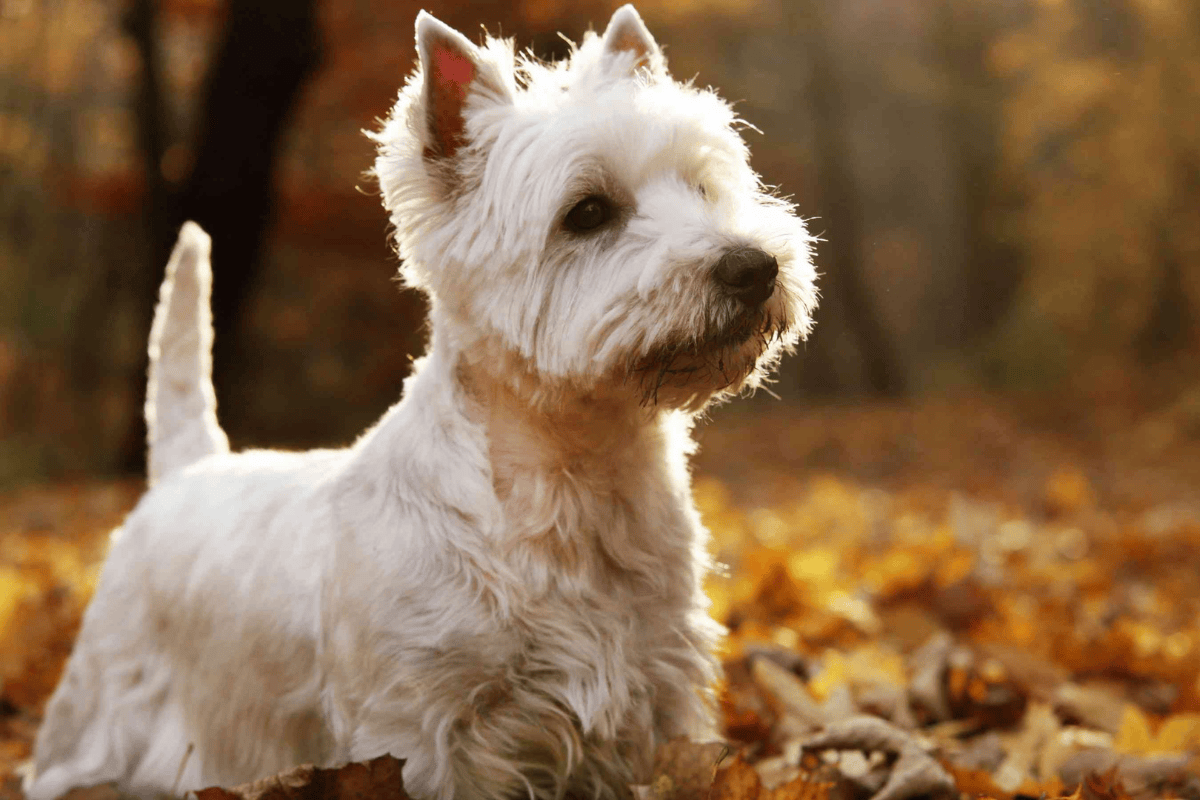
The West Highland White Terrier, or Westie, is a small yet spirited breed known for its bold personality and distinctive appearance. Their intelligence, confidence, and tenacity make them delightful companions for families and individuals alike.
Originally hailing from Scotland, Westies were bred in the 19th century to hunt vermin in tough terrains. Their white coat was purposefully selected to differentiate them from prey, ensuring their safety during hunts. With sharp instincts and a strong work ethic, they were highly prized by farmers and hunters.
Over time, the Westie evolved from a hardworking terrier into a beloved family pet. Known for their cheerful and playful nature, they form strong bonds with their owners. Their alert expression and snowy white coat further add to their appeal, embodying their heritage and charm.
Today, the West Highland White Terrier remains a popular choice for families and individuals. Their lively and affectionate temperament brings joy and companionship to countless homes.
West Highland White Terrier Appearance
West Highland White Terriers are small, sturdy dogs with a well-balanced physique that reflects their heritage as determined hunters.
- Size: Westies are compact yet solidly built. Males typically stand 25-30 cm tall at the shoulder and weigh 6-8 kg, while females are slightly smaller, measuring 23-28 cm and weighing 5-7 kg.
- Coat: Their distinctive white double coat is a hallmark of the breed. The dense, straight outer coat is durable, while the soft undercoat provides insulation. Regular grooming is essential to maintain the coat’s condition and prevent matting.
- Distinctive Features: Bright, dark eyes and small, erect ears give the Westie its intelligent and alert expression. The round head, slightly domed skull, and well-defined stop create a distinctive appearance. Their short, high-set tail complements their confident demeanour.
- Strength and Agility: Despite their small size, Westies are muscular and agile. Their strong legs and robust build reflect their working heritage, enabling them to tackle rugged terrains with ease. This combination of strength and charm makes them practical working dogs and endearing companions.
West Highland White Terrier History
The West Highland White Terrier has a rich history rooted in its role as a skilled working dog.
Scottish Origins
The breed originated in 19th-century Scotland, where it was developed to hunt small game such as foxes and rats. Breeders sought a small, tough terrier capable of thriving in the challenging Scottish highlands. The breed’s white coat made it easy to identify in the field, ensuring safety during hunts.
The Work of James Allan
James Allan, a Scottish breeder, played a key role in refining the West Highland White Terrier. In the 1870s, he bred white terriers specifically for hunting, aiming to create bold and reliable dogs. His efforts helped establish the breed standard and solidified the Westie’s reputation as a capable working dog with a distinctive appearance.
Rise to Fame
By the early 20th century, the Westie had gained international recognition. Its vibrant personality, iconic white coat, and ties to Scottish heritage made it a sought-after companion. Kennel clubs around the world officially recognised the breed, further boosting its popularity.
Westies in Australia
The West Highland White Terrier arrived in Australia in the early 20th century, quickly winning the hearts of Australian families. Their cheerful nature and adaptability made them popular as both loyal companions and skilled hunters. Today, the Westie remains a cherished breed in Australia, known for its lively personality and timeless charm.
Find Registered West Highland White Terrier Breeders
West Highland White Terrier Personality
West Highland White Terriers, affectionately known as Westies, are renowned for their cheerful, confident, and lively nature. Although small in size, they have larger-than-life personalities, blending independence with an irresistible charm.
General Traits
- Energetic and Playful: Westies are bursting with energy and love interactive games, walks, and outdoor activities. Their playful spirit makes them ideal companions for active families or individuals seeking an energetic and engaging dog.
- Confident and Bold: Westies are fearless and self-assured, often behaving as though they are much bigger than they are. Their bold attitude and strong sense of self are among their most endearing qualities.
- Affectionate and Loyal: Despite their independent streak, Westies form deep bonds with their families. They thrive on companionship, often following their owners and seeking attention, making them loving and devoted pets.
- Alert and Intelligent: Naturally observant and quick-thinking, Westies make excellent watchdogs. Their keen awareness and sharp instincts also mean they respond well to training, especially when positive reinforcement is used.
Watchdog Tendencies
- Vigilant and Protective: While not aggressive, Westies are territorial and protective of their families. They will quickly alert you to anything unusual, and their bark, though surprising for their size, is highly effective.
- Independent yet Loyal: Westies balance their independent nature with fierce loyalty, ensuring they remain attentive and dependable guardians.
Trainability
- Quick Learners: Intelligent and eager to please, Westies are highly trainable when approached with patience and positive reinforcement.
- Occasionally Stubborn: Like many terriers, Westies have a streak of stubbornness. Consistent training and engaging methods can help overcome this trait, ensuring they respond well to commands.
Love of Attention
- Devoted and Social: Westies thrive on interaction and love being involved in family activities. Their independent spirit doesn’t dampen their social nature; they enjoy companionship and being at the centre of attention.
- Mental and Physical Stimulation: These curious and active dogs need regular exercise and mental challenges to stay content. Boredom can lead to mischievous behaviour, so interactive games and training sessions are essential.
West Highland White Terrier as Family Pets
West Highland White Terriers are wonderful family pets for those who appreciate their lively personalities and affectionate nature. Their small size, adaptability, and love for companionship make them ideal for families who can meet their needs.
Good with Kids? Yes, with Supervision
- Energetic and Playful: Westies love interacting with children and make great playmates. However, their small size and spirited personality mean they may not always be gentle with younger children. Teaching kids how to handle the dog respectfully is essential.
- Supervision and Training: Early socialisation and guidance ensure Westies interact well with children. Supervision is especially important with young kids, as Westies may not tolerate rough play.
With Other Pets: Friendly but Independent
- Socialisation Matters: Westies generally get along well with other dogs and pets, especially if they are socialised from a young age.
- Terrier Instincts: Their hunting background means they may have a strong prey drive and be less tolerant of smaller animals like rodents or birds. Proper training and introductions can help them coexist peacefully.
Energy Level: Moderate but Active
- Active Lifestyle Required: Westies may be small, but they require regular exercise to remain healthy and happy. Daily walks, playtime, and mental stimulation are non-negotiable to keep them engaged.
- Mental and Physical Stimulation: Activities like puzzle toys, interactive play, and training sessions keep their minds sharp and bodies active, preventing boredom and destructive behaviours.
The Joys of a Westie in Your Family
- Affectionate and Loyal: Westies are known for their loving and devoted nature. They adore spending time with their families and are always ready for a cuddle or a game.
- Independent yet Social: Their blend of confidence and social nature ensures they fit seamlessly into family life, bringing joy, energy, and endless affection.
Bringing a West Highland White Terrier into your home is a rewarding experience. Their spirited personality, loyalty, and loving nature make them a wonderful addition to families who can provide the attention, exercise, and training they thrive on.
Find Registered West Highland White Terrier Breeders
West Highland White Terrier Health & Care
West Highland White Terriers are generally healthy dogs, but like all breeds, they may be predisposed to certain health conditions.
Being proactive and working closely with a trusted veterinarian and reputable breeder can help your Westie enjoy a long, happy life. Regular check-ups and a thoughtful care routine are vital to maintaining their well-being.
Common Health Concerns
- Patella Luxation: This condition, where the kneecap temporarily slips out of place, is common in small breeds. It can cause limping or difficulty walking. While mild cases may not need treatment, more severe cases might require surgery. Breeders and owners can get an assessment by a veterinarian.
- Hip Dysplasia / Legg-Perthes disease: Although uncommon in westies, hip dysplasia—a genetic condition affecting the hip joint—can still occur. It may lead to pain and arthritis over time. Responsible breeding practices and regular veterinary check-ups are essential for reducing risks and detecting early signs. Additionally, being smaller dogs, they can easily cause themselves injury to kelbows and hips by jumping down from high places.
- Liver Shunt Disease: uncommon in westies, but good to rule out, an abnormal blood vessel lets blood bypass the liver so toxins aren’t filtered, which can cause stunted growth or “off” behavior after meals.
- CMO (craniomandibular osteopathy) jawbone calcification: An overgrowth of bone in the jaw of young dogs that can make chewing painful and cause drooling; it often stabilizes as the dog matures. It's less common in westies in Australia, but breeders and owners should be aware of it's potential concern in the breed.
- Skin Conditions: Westies are prone to skin allergies, which may cause itching, redness, and irritation. These allergies can be triggered by environmental factors like pollen, dust mites, or specific food ingredients. Regular grooming and keeping their environment clean can help manage these issues. Your vet may recommend specialised shampoos or treatments for relief.
- Allergies: Westies can suffer from food allergies or sensitivities to environmental allergens such as pollen and dust. Symptoms may include skin irritation or gastrointestinal issues. Westies have been known to be allergic to Wheat, Corn, Beef, Pork, Chicken, Dairy and Soy. Consulting a vet to identify and manage allergens through diet or medication is crucial.
- Dental Issues: Like many small breeds, Westies are prone to dental problems, including tartar build-up and gum disease. Regular tooth brushing, dental chews, and periodic cleanings by a vet can help maintain their oral health.
- Other Concerns: Conditions like epilepsy (seizures) and hypothyroidism (affecting metabolism) can occur in Westies. Regular health screenings and early detection help manage these effectively.
The Westie Club of Vic has some great informatiton about potential health concerns in the breed. Alternatively, you can connect with a Westie Breed Club in your state, or Registered Westie Breeders to learn more.
Care Recommendations
- Grooming Needs: Westies have a dense double coat that requires regular grooming to prevent matting and maintain its signature look. Brush your Westie several times a week and consider occasional hand-stripping to remove dead hair. Regular grooming also allows you to monitor for skin irritations or other concerns.
- Exercise: Despite their small size, Westies are active dogs who need daily exercise. Regular walks, playtime, and interactive games will keep them fit and content. Activities that engage both their body and mind are especially beneficial.
- Diet: A well-balanced, high-quality dog food suited to their size, age, and activity level is key. Westies with food sensitivities may require special diets. Consult your vet to ensure their nutritional needs are met, and practice portion control to prevent obesity.
- Regular Vet Check-ups: Routine visits to the vet are essential for vaccinations, parasite prevention, and monitoring for health issues. Early detection of conditions like hip dysplasia, allergies, or dental problems ensures your Westie receives timely care.
By combining regular veterinary care, grooming, and a healthy lifestyle, you can help your Westie thrive.
Caring for Your West Highland White Terrier
Caring for a West Highland White Terrier involves meeting their unique needs with attention and love. From proper diet to mental stimulation, here’s how to keep your Westie happy and healthy.
- Regular Vet Visits: Annual check-ups allow for vaccinations, dental care, and parasite prevention while helping to detect health issues early.
- Nutritious Diet: Feed your Westie a balanced, high-quality diet. Avoid overfeeding, as excess weight can exacerbate joint issues. Consult your vet for diet recommendations tailored to your dog’s needs.
- Exercise for Body and Mind: Daily walks, playtime, and mental challenges are vital to keeping Westies physically fit and mentally stimulated. Puzzle toys and training activities can help prevent boredom.
- Grooming Needs: Brush their coat regularly to prevent tangles and maintain its health. Hand-stripping helps preserve its texture. Check their ears and teeth routinely to prevent infections or dental problems.
- Mental Stimulation: Westies are intelligent dogs who enjoy games, puzzles, and training that challenge their problem-solving skills. Keeping their minds engaged is key to avoiding undesirable behaviours.
- Monitoring for Health Changes: Stay alert to changes in appetite, behaviour, or energy levels. Limping, excessive scratching, or eating issues may indicate a health problem that requires vet attention.
By tailoring your care routine to their specific needs, you’ll ensure your Westie remains a cherished and vibrant member of your family for years to come.
West Highland White Terrier Grooming
The West Highland White Terrier has a unique double coat that requires regular grooming to keep it healthy, comfortable, and looking its best. A consistent grooming routine helps ensure your Westie stays clean, stylish, and happy.
Grooming Essentials
- Regular Brushing: Brush your Westie two to three times a week to prevent matting and remove loose hair, dirt, and debris. During shedding seasons, more frequent brushing may be needed to maintain their coat’s sleek appearance.
- Hand-Stripping: Westies benefit from hand-stripping, a grooming method that removes dead hair to maintain the wiry texture of their outer coat. While not essential for all Westies, it is often preferred by owners of show-quality dogs.
- Bathing: Bathe your Westie every 4-6 weeks or as needed. Use a mild, dog-specific shampoo to protect their skin's natural oils. Over-bathing can cause dryness and irritation, so only bathe them when they’re especially dirty or smelly.
- Nail Trimming: Trim your Westie’s nails every 3-4 weeks to prevent overgrowth, which can lead to discomfort or mobility issues. Regular trimming also protects their paws from injury.
- Ear Cleaning: Westies can be prone to ear infections due to their erect ears. Check their ears regularly for dirt, wax, or irritation, and clean them gently with a dog-specific ear cleaner and cotton balls. Keeping their ears clean and dry helps prevent infections.
- Dental Care: Brushing your Westie’s teeth regularly and offering dental chews or toys can reduce plaque build-up and the risk of periodontal disease. Good dental hygiene is crucial for their overall health.
By integrating these grooming practices into your routine, you’ll help your West Highland White Terrier look and feel its best while also keeping an eye out for potential health concerns.
Find Registered West Highland White Terrier Breeders
Is a West Highland White Terrier Right for You?
The West Highland White Terrier, with its bold personality and confident nature, is an excellent companion for the right owner.
While small in size, Westies have big personalities and thrive when given attention, care, and mental stimulation. Understanding their needs will help create a happy and fulfilling relationship with your Westie.
The Ideal Westie Owner
- Active and Engaged: Westies are energetic dogs who need daily exercise and mental stimulation. They suit individuals or families who can provide regular walks, playtime, and activities like training or puzzle toys.
- Experienced Dog Owner: Westies have a strong independent streak and a confident personality. While friendly and adaptable, they respond best to experienced owners who can offer consistent training and guidance. First-time dog owners may find their stubbornness challenging but manageable with patience and positive reinforcement.
- Grooming Enthusiast: Westies require regular grooming to maintain their distinctive coat. Owners who enjoy brushing, hand-stripping, and overall coat care will ensure their Westie stays in top condition.
- Social and Playful Companion: If you’re looking for a social, cheerful, and playful dog that thrives on interaction with its family, the Westie is a perfect choice. They are excellent companions for both individuals and families.
Not Ideal If...
- You Have a Sedentary Lifestyle: Westies are active and require regular physical activity. If you prefer a less energetic pet, a Westie may not be the best fit.
- You Lack Experience with Dogs: Their independence and strong-willed nature require consistent training, which can be challenging for novice dog owners.
- You Have Very Young Children: Westies are generally good with children, but their energetic nature may be overwhelming for toddlers. Teaching appropriate interactions is essential.
- You Travel Frequently: Westies form strong bonds with their families and may struggle if left alone for extended periods. They need companionship and are not suited to a lifestyle where they’re frequently left behind.
Crucial Considerations
- Exercise and Mental Stimulation: Westies thrive on daily walks, playtime, and interactive toys. Regular activity keeps them healthy and prevents boredom-related behaviours.
- Training and Socialisation: Early training and socialisation ensure your Westie grows into a well-behaved and confident dog. Consistent, positive reinforcement is key to managing their independent streak.
- Grooming Commitment: Westies require routine coat maintenance, including brushing and occasional hand-stripping. Be prepared to dedicate time to keeping their coat in excellent condition.
- Health Monitoring: Regular vet check-ups are essential for managing breed-specific concerns like skin conditions or allergies. Staying proactive ensures your Westie remains happy and healthy.
If you’re looking for an energetic, affectionate, and self-assured companion, the West Highland White Terrier might be the perfect fit. With proper care, training, and love, a Westie will bring endless joy, loyalty, and personality to your home.
Importance of a Reputable West Highland White Terrier Breeder
Choosing a reputable breeder is crucial when welcoming a West Highland White Terrier into your home. Ethical breeders prioritise the health, temperament, and overall well-being of their dogs, ensuring you bring home a well-adjusted and healthy puppy.
Responsible breeding practices uphold the highest standards, helping to safeguard the breed’s future and giving you a loyal, loving companion.
Why a Reputable Breeder Matters
- Health Testing: A responsible breeder conducts thorough health screenings to minimise the risk of hereditary conditions. They should be transparent about the health history of the puppy’s parents and provide relevant health clearances and certifications.
- Temperament Assessment: Westies are known for their strong personalities and confident temperaments. Reputable breeders carefully evaluate the temperament of both parents and puppies to ensure well-rounded, stable dogs. They will gladly answer your questions about temperament and offer guidance on raising a happy, balanced puppy.
- Early Socialisation and Enrichment: Puppies raised in a loving, well-socialised environment are more likely to grow into confident and friendly adults. Reputable breeders expose puppies to a variety of experiences, environments, and sounds from a young age, helping them adjust to family life and reducing the risk of behavioural issues later on.
How to Find a Reputable Breeder
- Do Your Research: Websites like Dogz Online offer breeder connections that can guide you to ethical breeders in your area.
- Ask Questions: A responsible breeder will welcome your questions about their breeding practices, health testing, and socialisation techniques. Ask about the health records of the puppies and their parents and ensure they provide clear, detailed information.
- Visit the Breeder: Whenever possible, visit the breeder’s facility to observe how the puppies are raised. A clean, well-maintained environment with healthy and happy parent dogs is a positive sign. Meeting the puppies’ parents will give you an insight into their temperament and how they’re cared for.
- Be Aware of Red Flags: Avoid breeders who are unwilling to answer questions or seem more focused on making a sale than the welfare of their dogs. A reputable breeder will prioritise finding the best homes for their puppies rather than simply turning a profit.
Supporting Ethical Breeding
By choosing a reputable breeder, you’re ensuring your West Highland White Terrier is healthy, well-socialised, and has the best start in life.
You’re also contributing to ethical breeding practices that protect the breed’s future. A well-bred Westie will be a loyal, loving, and joyful addition to your family for many years to come.
How Long Does a West Highland White Terrier Live For?
West Highland White Terriers, or Westies, are confident, lively, and full of charm. They typically live between 12 and 16 years, making them a wonderful long-term companion. With proper care, they often remain sprightly and social well into their older years.
A responsible breeder will test for known concerns like skin disorders, patellar luxation, and Legg-Calvé-Perthes disease. They’ll also provide a solid background on the pup’s health and family line.
Adaptability
Adapts Well To
West Highland White Terriers are highly adaptable dogs, capable of thriving in a variety of living environments. Their small size and lively personality make them suitable for many types of households, provided their exercise, grooming, and socialisation needs are met.
- Houses with Yards: Westies love having space to explore and play. A securely fenced yard gives them the freedom to burn off energy and enjoy outdoor time. However, their adaptability also means they can live happily in smaller spaces, like apartments, as long as they receive daily exercise and mental stimulation.
- Active Families: With their energetic and playful nature, Westies are wonderful companions for families who enjoy an active lifestyle. Westies thrive when they’re part of the action.
- Urban and Rural Environments: Westies are equally comfortable in urban or rural settings. While they enjoy the open spaces of rural life, they can adapt to city living if they are given regular walks and mental challenges.
Important Considerations
- Exercise Needs: Westies are small but energetic and require daily physical activity. Walks, playtime, and mental challenges are essential for keeping them happy and well-balanced.
- Training and Socialisation: Early socialisation and consistent training are crucial for managing their independent streak. Westies respond well to positive reinforcement but may require patience and consistency during training.
- Mental Stimulation: Interactive toys, puzzle games, and training exercises help keep their intelligent minds engaged and prevent boredom-related behaviours.
- Shedding and Grooming: Westies are low-shedding but require regular grooming to maintain their wiry coat. Brushing several times a week and occasional hand-stripping are necessary for their distinctive look.
With the right care and attention, Westies can adapt to a wide range of lifestyles, becoming loyal and happy companions.
Adapts Less Well To
- Small Apartments Without Adequate Exercise: While their size makes them suitable for apartment living, Westies’ active nature requires regular exercise. Without daily walks and playtime, they can become restless or destructive.
- Inexperienced Owners: Westies are independent and strong-willed, which can be challenging for first-time dog owners. Without proper training and leadership, they may develop stubborn behaviours.
- Long Periods of Alone Time: Westies are social dogs and may struggle with being left alone for extended periods. They thrive on companionship and interaction, so frequent absences can lead to separation anxiety or destructive behaviours.
- Extremely Hot or Humid Climates: Westies' dense double coat can make them prone to overheating in hot or humid environments. Regular grooming and access to cool, shaded areas are essential in warmer climates.
- Owners Unprepared for Grooming: Maintaining their coat requires consistent care, including regular brushing and hand-stripping. If you prefer a low-maintenance breed, a Westie may not be the best choice.
By understanding these limitations and addressing their needs with proper care, training, and attention, a Westie can thrive in the right environment.
Good for Novice Dog Owners
West Highland White Terriers can be a wonderful choice for first-time dog owners who are ready to embrace the challenges and rewards of raising a spirited and independent breed.
Their friendly nature, intelligence, and manageable size make them ideal for owners who are committed to training, socialisation, and grooming.
Challenges for Novice Owners
- Stubborn Independence: Westies are independent thinkers with a stubborn streak. While eager to please, they may test boundaries, requiring patience and consistency during training.
- Socialisation Needs: Early exposure to various people, pets, and environments is essential to ensure they become well-adjusted. Novice owners may need guidance on effective socialisation techniques.
- Grooming Commitment: A Westie’s wiry coat requires regular care, including brushing and hand-stripping. This responsibility can be daunting for new owners who are unprepared for the effort involved.
- Exercise Requirements: Despite their small size, Westies have high energy levels and need regular physical activity and mental stimulation to stay happy and healthy.
Who Can Succeed with a Westie
- First-Time Owners with Commitment: Novice owners who are ready to invest time and effort in training, grooming, and care will find a Westie to be a loyal and rewarding companion.
- Active Families: Westies are well-suited to families who enjoy an active lifestyle and can include the dog in their daily activities.
- Those Seeking a Social, Affectionate Dog: Westies love companionship and thrive in homes where they are treated as part of the family.
Ownership Tips for Novice Owners
- Training and Socialisation: Start training early, using positive reinforcement to encourage good behaviour. Consistent boundaries and patience are key to managing their independent streak.
- Exercise and Enrichment: Provide daily walks, playtime, and mentally stimulating activities like puzzle toys and training exercises to meet their energy needs.
- Grooming Routine: Commit to regular brushing and occasional hand-stripping to maintain their coat. Establishing a grooming routine early will make the process easier for both you and your Westie.
- Clear Leadership: Be firm but gentle in training, setting clear rules and boundaries to guide their behaviour.
West Highland White Terriers can be a fantastic choice for first-time dog owners who are prepared to meet their needs. With proper care and guidance, a Westie will reward you with loyalty, affection, and plenty of personality, making them a cherished member of your family.
Sensitivity Level
Sensitivity
West Highland White Terriers, or Westies, are known for their bold, confident, and independent nature. However, beneath their sturdy exterior lies a sensitive side that owners must understand to foster a strong and trusting bond with their Westie.
What Makes Westies Sensitive
- Strong Bond with Owners: Westies are highly affectionate and deeply connected to their families. They are perceptive to their owner's emotions and respond with loyalty and love. While they may seem independent, they thrive on companionship and enjoy being involved in family activities.
- Sensitive to Changes in Routine: Disruptions such as new family members, a change in schedule, or moving house can cause stress for a Westie. Providing a consistent environment and early socialisation can help them adapt more easily to changes.
- Noise Sensitivity: Westies can be sensitive to loud sounds like thunderstorms, fireworks, or construction noise. These events may cause anxiety or agitation. Creating a calm, safe space during noisy situations can help comfort them.
- Individual Differences: While most Westies are confident, some may be more sensitive than others. Sensitivity levels vary between individual dogs, and some may require extra reassurance, patience, and guidance to handle stressors.
Ownership Impact
- Stable Environment: A stable, predictable home environment helps Westies feel secure and confident. Establishing a consistent routine and maintaining a calm household can reduce stress and promote emotional well-being.
- Positive Reinforcement: Westies respond best to positive reinforcement in training. Harsh methods or punishment can damage their confidence and lead to anxiety or unwanted behaviours. Use praise, treats, and playtime to encourage learning and build trust.
- Understanding Their Cues: Pay attention to signs of stress, such as excessive licking, whining, or hiding. Responding to these behaviours with calmness and care will help maintain their emotional health.
Important Considerations
- Separation Anxiety: Westies form strong bonds with their families and can develop separation anxiety when left alone for extended periods. Gradual desensitisation and providing interactive toys or puzzles can help them feel more comfortable in your absence.
- Building Confidence: Socialisation is key to helping your Westie become more adaptable and less sensitive to unfamiliar situations. Expose them to different people, environments, and pets from a young age to build their confidence.
The Positive Side of Sensitivity
Westies’ sensitivity is part of their charm and one of the reasons they make such loyal, affectionate companions.
Their ability to tune into their owner’s emotions and provide comfort strengthens their bond with their family. By respecting their sensitive nature and offering consistent care, you’ll build a relationship with your Westie that’s filled with trust, love, and lasting joy.
Tolerates Being Alone
West Highland White Terriers, or Westies, are social dogs that thrive on companionship and interaction with their families. While they can tolerate being alone for short periods, their strong attachment to their owners means they may struggle with extended solitude.
Social Needs and Attachment
- Strong Bond with Owners: Westies are affectionate and loyal dogs that enjoy being part of the family. They thrive on spending time with their loved ones and feel happiest when involved in daily activities.
- Independence, But Not Too Much: While Westies have a confident, independent streak, they are still companion dogs. Long hours of isolation can lead to feelings of loneliness or anxiety.
- Separation Anxiety: Left alone for too long, Westies may develop separation anxiety. Signs include excessive barking, destructive chewing, or house soiling. Early training can help them manage alone time and reduce stress.
- Boredom and Restlessness: Without adequate mental and physical stimulation, Westies may become bored or restless when left alone. This can result in behaviours like barking, digging, or chewing.
Ownership Impact
- Consider Your Schedule: Westies thrive in homes where someone is available for interaction. If you’re away frequently, this breed may not be the best fit unless you can arrange for companionship or care during your absence.
- Training and Preparation: Gradually getting your Westie used to being alone is essential. Start with short separations and slowly extend the time to build their tolerance. Provide interactive toys and a comfortable, secure space to help them cope.
- Mental and Physical Stimulation: Ensure your Westie has had a good dose of exercise and mental engagement before being left alone. Regular walks, playtime, and puzzle toys can help reduce anxiety and keep them entertained.
- Alternatives: For owners with demanding schedules, options like doggy daycare, hiring a dog walker, or having another pet as a companion can help meet a Westie’s social needs.
Important Notes
Individual Differences: While most Westies do not enjoy prolonged solitude, some may be slightly more independent. However, all Westies require regular interaction and companionship to remain happy and healthy.
Proper Training: Teaching your Westie to tolerate short absences and providing a safe, secure space can help prevent unwanted behaviours. Crate training or setting up a designated area where they feel comfortable can be beneficial.
Tolerates Hot Weather
West Highland White Terriers, or Westies, are better suited to cooler climates, but with proper care, they can tolerate moderate heat. While they are not as heat-sensitive as larger breeds with thick coats, extreme temperatures can still cause discomfort.
Heat Sensitivity
- Risk of Overheating: Westies’ thick double coat, while insulating, can trap heat, making them vulnerable to overheating in hot conditions. Their active nature further increases the risk of becoming too warm.
- Signs of Overheating: Watch for symptoms such as excessive panting, drooling, lethargy, or difficulty breathing. If you notice these signs, take immediate action to cool your dog down and seek veterinary advice if needed.
Ownership Impact
- Limit Outdoor Activity: Restrict outdoor play and walks to the cooler parts of the day, such as early mornings or evenings. Avoid strenuous activity during peak heat to prevent overheating.
- Provide Shade and Water: Always ensure your Westie has access to fresh, cool water and a shaded area where they can rest comfortably. Avoid leaving them in direct sunlight for extended periods.
- Never Leave Them in a Parked Car: Even for a short time, a parked car can become dangerously hot. Always avoid leaving your Westie in this situation, as it can lead to heatstroke.
- Cooling Accessories: Use cooling mats, bandanas, or vests to help regulate their body temperature. These items can offer extra comfort during warm days and reduce heat-related health risks.
Important Considerations
- Regular Grooming: Grooming helps keep their coat healthy and prevents it from becoming overly thick, which can trap heat. Brush your Westie regularly to maintain a breathable coat.
- Monitor Temperature: Stay mindful of weather conditions and ensure your Westie doesn’t overexert themselves in hot or humid weather.
By taking these precautions, your Westie can remain comfortable and healthy during warmer months.
Tolerates Cold Weather
West Highland White Terriers are naturally better equipped for cooler weather due to their dense double coat. While they handle cold temperatures well, they still require proper care to ensure comfort and safety.
Cold Weather Tolerance
- Built for Cooler Climates: Westies’ weather-resistant double coat provides insulation, making them more tolerant of chilly conditions. However, they should not be exposed to extreme cold for long periods.
- Enjoyment of Outdoor Activities: Westies enjoy outdoor play and are well-suited to cool-weather walks. Their energetic nature helps them stay warm, but care should be taken not to overexert them in freezing conditions.
Ownership Impact
- Monitor for Discomfort: Watch for signs of cold discomfort, such as shivering or reluctance to go outside. If your Westie appears too cold, bring them indoors promptly.
- Provide Warm Shelter: When outdoors, ensure your Westie has access to a sheltered space, like a dog house or covered porch, where they can take refuge from wind and rain. Keeping them dry is essential to prevent health issues.
- Protect Paws from Cold: In icy or snowy conditions, dog booties can shield your Westie’s paws from cold surfaces, ice, and road salt, which can cause irritation or injury.
- Warm Clothing Options: In particularly cold climates, a dog jacket or sweater can help regulate your Westie’s body temperature during walks or outdoor activities.
Important Considerations
- Grooming Needs: Regular grooming ensures their coat remains effective in cold weather. Brush regularly to prevent tangles and maintain its insulating properties.
- Avoid Prolonged Exposure: Even with their tolerance for cooler weather, prolonged exposure to extreme cold can be harmful. Limit outdoor time in freezing temperatures and ensure they have a warm indoor space to rest.
With appropriate care, West Highland White Terriers can enjoy cold weather comfortably. Their thick coat provides natural protection, but their well-being still depends on mindful precautions and attentive care.
Friendliness
Affectionate with Family
West Highland White Terriers are known for their friendly and affectionate nature, forming close bonds with their families. They thrive on interaction and enjoy being an integral part of the household.
West Highland White Terriers as Affectionate Companions:
- Loyal and Loving: Westies are highly devoted to their families. Their small size and affectionate personality make them ideal companions who seek attention and love from their owners. They often enjoy being close to their people and are known for their loyalty.
- Playful and Energetic: Westies may not be as cuddly as some other breeds, but they are certainly affectionate in their own way. They are playful and energetic, always ready for a game or a fun activity with their family.
- Protective and Watchful: While they are friendly and affectionate, West Highland White Terriers also have a protective side. They may bark at strangers and alert their family to potential intruders, but they are not aggressive. Their protective instinct is balanced by their loving nature, making them excellent companions.
Ownership Impact:
- Bonding and Interaction: Westies require plenty of interaction with their owners to develop a strong bond. Spending quality time with them, including play sessions, walks, and training, will help deepen your connection and ensure they feel loved and secure.
- Socialisation: Early socialisation is important to help your Westie become comfortable with other people, animals, and different environments. Well-socialised Westies are more confident and relaxed in new situations, making them even better companions.
- Mental and Physical Stimulation: West Highland White Terriers are intelligent and energetic dogs who thrive on both mental and physical challenges. Keeping them engaged with puzzles, interactive games, and regular exercise ensures they remain happy and healthy while strengthening the bond with their family.
Westies are affectionate dogs that make wonderful companions for families looking for an energetic and loving pet.
By providing them with attention, mental stimulation, and consistent training, you will ensure that your Westie remains a loyal, playful, and devoted member of your family for years to come.
Kid-Friendly
West Highland White Terriers, known for their small size and energetic nature, can make wonderful companions for children, but there are a few considerations for ensuring positive interactions.
West Highland White Terriers and Children:
- Friendly and Playful: Westies are generally friendly and enjoy being part of the family, making them great companions for children. They are lively and playful, often engaging in games like fetch and running around with kids. Their small size makes them well-suited to families with children who are old enough to understand how to handle a dog properly.
- Social and Affectionate: West Highland White Terriers are known for their affectionate nature and love to be included in family activities. They form strong bonds with their owners and enjoy being around people, including children. They thrive on attention and love cuddling, but they should be handled with respect and gentleness.
- Independence and Feisty Personality: While they are friendly, Westies have an independent and confident nature, often exhibiting a bit of a stubborn streak. This can sometimes make them less tolerant of rough handling or overly enthusiastic children. They should be taught to respect boundaries, and children should be guided on how to interact appropriately with the dog.
Ownership Impact:
- Supervision and Teaching Boundaries: It's important for parents to supervise interactions between young children and Westies, especially when it comes to rough play. While they generally enjoy playing, their feisty nature means they might nip or become defensive if they feel threatened or overwhelmed. Teaching children to respect the dog's space and to approach the dog calmly is essential.
- Early Socialisation: Socialising your Westie from an early age helps them grow into a well-adjusted companion who is comfortable with children and other pets. Regular positive interactions will help your Westie learn how to handle different situations and environments, making them more adaptable and less likely to become stressed or anxious.
- Energy and Playtime: West Highland White Terriers have a lot of energy and enjoy regular playtime. Encouraging children to engage in interactive play with their dog helps strengthen the bond and keeps both the child and the dog active and entertained.
Important Notes:
- Training and Respect: Proper training is essential to ensure your Westie is well-behaved around children. They should be taught commands like "sit," "stay," and "leave it," which help ensure safe interactions. It's also important for children to understand that the dog needs moments of rest and space.
- Tolerating Rough Handling: Westies, while generally good with children, are not always tolerant of rough handling. It's important to teach children how to gently pet and handle their dog, and how to recognise signs that the dog is becoming stressed, such as growling, snapping, or backing away.
West Highland White Terriers can be excellent family pets, especially for families with children who understand and respect the dog’s needs and boundaries.
By providing proper socialisation, training, and supervision, a Westie can become a loving and playful companion to your children for many years.
With Other Pets
West Highland White Terriers, with their confident and lively personalities, can get along well with other pets, but their social interactions require attention and management.
Socialisation and Training
- Early socialisation is key to ensuring that your Westie is comfortable and friendly around other pets. Regular introductions to other dogs, cats, and even smaller animals will help your West Highland White Terrier become more adaptable and less likely to display territorial or dominant behaviours. Consistent training will also help them learn boundaries and appropriate interactions with other pets.
- Territorial Instincts: Westies can be territorial, especially when it comes to their space or toys. This characteristic might sometimes cause friction with other pets, particularly with dogs of the same sex. However, proper socialisation from a young age can help reduce this behaviour and ensure that your Westie is able to coexist peacefully with other animals in the household.
- Playful and Energetic: West Highland White Terriers are known for their energetic nature and love for play. They often enjoy playing with other pets, especially those with similar energy levels. If you have other dogs, your Westie will likely engage in fun and active play sessions, but always ensure that these interactions are supervised to avoid any rough play that may overwhelm smaller pets.
- Introducing New Pets: When introducing a Westie to a new pet, particularly another dog or a cat, it’s essential to do so slowly and carefully. Allow your Westie to adjust to the new pet’s scent and presence before direct contact. Over time, they will become more comfortable with their new companion. Always monitor the first few interactions to ensure that they are positive and stress-free.
Important Notes:
- Breed-Specific Traits: While they are generally friendly, West Highland White Terriers can have a strong prey drive due to their hunting background. This means that they may chase smaller animals, including cats or rodents. Early socialisation and training can help mitigate this instinct.
- Supervision and Boundaries: As with any breed, it's important to supervise your Westie’s interactions with other pets, especially during the initial stages of their introduction. This helps prevent any conflicts or miscommunications from escalating. Setting clear boundaries and reinforcing appropriate behaviours is key to maintaining harmony in a multi-pet household.
West Highland White Terriers, when properly socialised and trained, can thrive in homes with other pets. Their friendly and outgoing nature helps create a well-adjusted companion who can peacefully coexist with other dogs and animals in the family.
Friendly Toward Strangers
West Highland White Terriers, also known as Westies, are generally friendly and confident dogs, but they can be cautious around strangers. Their alert and courageous nature often makes them cautious of unfamiliar people, though they are not typically aggressive.
Westies and Strangers:
- Curious but Cautious: West Highland White Terriers are naturally inquisitive and will often approach strangers with a sense of curiosity. However, they may initially be wary or reserved until they feel comfortable. Once they assess a person’s intentions, they typically warm up quickly.
- Not Aggressive, But Guarding: While they may not exhibit overt aggression, Westies do have a strong protective instinct and can be vocal, alerting their owners to the presence of newcomers. They are particularly known for their tendency to be territorial, making them more cautious around strangers, but not necessarily threatening.
- Socialisation and Training: Early socialisation is important for helping your Westie become more comfortable with strangers. Introductions should be gradual, allowing them to get used to new faces in a controlled manner. With proper socialisation, a Westie can learn to greet strangers politely and without anxiety.
- Controlled Introductions: When introducing your Westie to strangers, take it slow and allow them to approach the new person at their own pace. Rushing the interaction or overwhelming your Westie with attention can lead to discomfort and defensiveness. Ensuring the experience is positive will help your Westie be more confident in meeting new people in the future.
Important Notes:
- Individual Differences: Not all Westies react to strangers in the same way. Some may be more reserved or cautious, while others might be more outgoing. Understanding your Westie’s personality is key to managing their interactions with strangers.
- Training for Calmness: Teaching your Westie to remain calm when meeting new people is essential. Rewarding calm behaviour and reinforcing positive interactions with strangers will help them become more confident and friendly over time.
In general, with the right socialisation and training, West Highland White Terriers can develop into well-mannered, confident dogs that are friendly toward strangers, while still retaining their alert and protective nature when needed.
Health & Grooming
Amount of Shedding
West Highland White Terriers, also known as Westies, have a double coat that sheds moderately throughout the year, with higher shedding periods during seasonal changes.
Shedding Reality:
- Double Coat: Westies possess a dense undercoat and a coarser outer coat that protects them from the elements. Both layers contribute to moderate shedding, though they do not shed as heavily as some other breeds with thicker double coats.
- Seasonal Shedding: While Westies do not undergo the dramatic "blowout" seen in breeds like German Shepherds, they do shed more during seasonal transitions, particularly in spring and fall. During these times, you may notice increased shedding as they adjust their coat for the upcoming weather.
- Not Hypoallergenic: Although Westies shed less than many double-coated breeds, they are not considered hypoallergenic. Their shedding can still cause allergic reactions in sensitive individuals.
Ownership Impact:
- Regular Brushing: To manage shedding and maintain a healthy coat, regular brushing is essential. Aim to brush your Westie at least two to three times a week, particularly during shedding periods. This will help remove loose hair, prevent mats, and keep their coat looking neat.
- Vacuuming and Cleaning: Westies' shedding is manageable but still noticeable, especially on furniture and floors. Regular vacuuming and the use of lint rollers will help keep your home free from dog hair.
- Professional Grooming: While regular brushing can be done at home, professional grooming can be beneficial, especially during shedding seasons. A trim or shaping by a professional groomer can help manage shedding and ensure your Westie looks their best.
By staying on top of regular grooming routines and understanding the shedding pattern, you can keep your Westie comfortable and your home clean, while still enjoying the companionship of this energetic and affectionate breed.
Drooling Potential
West Highland White Terriers, commonly known as Westies, are generally clean dogs with a minimal tendency to drool. While they might occasionally drool in certain situations, it is not a significant concern for most owners.
Occasional Drool:
- Normal Occurrences: Some drooling may occur in situations such as when your Westie is excited about food, after drinking water, or during moments of high excitement. However, this drooling is usually brief and not excessive.
- Health Check: If you notice an unusual increase in drooling or if it becomes a persistent issue, it's important to consult with a veterinarian. Excessive drooling could be a sign of underlying health issues such as dental problems, nausea, or other conditions that may require medical attention.
Ownership Impact:
- Minimal Mess: Westies generally do not produce much drool, so they do not create significant messes in the home. You likely won't need to worry about constant drool stains on furniture or clothes.
- Low Maintenance: Due to their low drooling potential, Westies are relatively low-maintenance when it comes to cleaning up after them. Regular grooming and care will keep your Westie clean and comfortable without excessive drool-related issues.
- Westies are a great option for individuals and families who want a small, affectionate companion without the challenges of excessive drooling. Regular health check-ups and monitoring can ensure your Westie stays in good health, with minimal mess or discomfort from drooling.
Easy to Groom
West Highland White Terriers, or Westies, have a double coat that requires regular grooming to keep it looking its best. While their grooming needs are manageable, they do require a bit more attention than some other breeds, especially when it comes to their coat care.
Grooming Requirements:
- Regular Brushing: To prevent matting and keep the coat healthy, Westies need to be brushed several times a week. Their outer coat is harsh and needs to be kept free of tangles, while the soft undercoat needs to be combed regularly to remove loose hair.
- Hand-Stripping: West Highland White Terriers typically benefit from hand-stripping their coat. This grooming method removes dead hair and helps maintain the breed's characteristic rough coat texture. If hand-stripping isn’t an option, regular trimming by a professional groomer can help keep their coat in good shape.
- Bathing: Westies should be bathed every 4 to 6 weeks to maintain their coat's appearance and cleanliness. Use a gentle dog shampoo, ensuring that the bath doesn’t strip their coat of essential oils. Over-bathing can lead to dryness and irritation.
- Nail Trimming and Ear Cleaning: Regular nail trimming is necessary to prevent overgrowth. Additionally, check their ears periodically for any signs of infection or wax buildup, and clean them when necessary to avoid ear problems.
Ownership Impact:
- Time Commitment: While Westies are not overly demanding when it comes to grooming, they do require consistent care to maintain their coat and skin health. Regular brushing, hand-stripping, and bathing will need to be incorporated into your schedule.
- Grooming Tools: To keep your Westie’s coat in top shape, invest in a good-quality slicker brush, comb, and stripping knife for hand-stripping. It is also helpful to have a pair of nail clippers and ear-cleaning solution on hand for routine maintenance.
The West Highland White Terrier’s coat is a key part of their charm, but it does require regular grooming to keep them looking neat and tidy.
With the right tools and grooming routine, maintaining their beautiful white coat will become a manageable part of owning this active and friendly breed.
Potential for Weight Gain
West Highland White Terriers are small, energetic dogs that generally maintain a healthy weight with proper diet and exercise.
However, like all breeds, they can be prone to weight gain if their diet and activity levels are not carefully monitored. Maintaining a healthy weight is essential for their overall well-being, mobility, and longevity.
Factors Contributing to Weight Gain:
- Overfeeding: Westies are small dogs, and overfeeding, even with small portions, can lead to unnecessary weight gain. It's essential to measure their food and avoid excessive treats. Feeding them according to their age, size, and activity level is key.
- Lack of Exercise: While West Highland White Terriers are active by nature, a lack of exercise or reduced activity levels due to age or health issues can result in weight gain. It's important to engage them in regular physical activities to help burn off calories.
- Medical Conditions: Health issues such as hypothyroidism or diabetes can lead to weight gain in Westies. If you notice sudden weight gain or lethargy, it's important to consult with your veterinarian to rule out underlying conditions.
Ownership Impact:
- Portion Control: Keep an eye on portion sizes and follow the recommended feeding guidelines provided by your veterinarian. Westies have a small frame, so portion control is crucial to prevent obesity.
- Healthy Treats: When giving treats, choose low-calorie options and limit their intake. Healthy, small rewards such as carrot sticks or apple slices can satisfy their need for a snack without adding excessive calories.
- Regular Exercise: Westies require daily physical activity to maintain a healthy weight. Regular walks, play sessions, and mental stimulation through training or interactive games are ideal ways to keep them active and fit.
- Weight Monitoring: Regularly monitor your Westie’s weight and body condition. If you notice they are gaining weight, consider adjusting their food intake or increasing their exercise. Consult your veterinarian for personalized advice if needed.
The Importance of Maintaining a Healthy Weight:
Keeping your West Highland White Terrier at a healthy weight is vital for their joint health, heart health, and overall quality of life. Excess weight can lead to joint problems, such as arthritis, and can increase the risk of other health issues.
By maintaining portion control, providing a balanced diet, and ensuring consistent exercise, you can help your Westie live a long, active, and healthy life.
Trainability
The Smart and Eager Learner
West Highland White Terriers, commonly known as Westies, are small, lively dogs with a keen intelligence and a strong desire to please their owners.
While they are highly trainable, their independent nature and strong personality can present unique challenges when it comes to training.
- High Intelligence and Trainability: Westies are quick learners and excel in various training disciplines, including obedience and agility. Their intelligence allows them to grasp new commands and tricks relatively quickly, but their strong-willed personality means that they may require consistent guidance and patience.
- Motivated by Positive Reinforcement: West Highland White Terriers respond best to positive reinforcement techniques such as praise, treats, and playtime. These rewards help motivate them and make training enjoyable. Harsh training methods or punishment can have a detrimental effect, as Westies can become stubborn or even fearful.
- Independent Thinkers: Despite their intelligence, Westies are independent and can sometimes be less eager to please compared to other breeds. They may decide to ignore commands if they are not sufficiently motivated, so training should involve creative and engaging methods to keep them interested and focused.
The Challenges:
- Strong Personality: Westies are confident and assertive, which can make them more likely to test boundaries. Consistent, firm, and positive training is essential to ensure they understand what is expected of them.
- Energetic Nature: Their high energy levels mean they require regular mental and physical stimulation to stay engaged and avoid boredom. A lack of stimulation can lead to undesirable behaviours such as digging or excessive barking.
Ownership Impact:
- Early Training and Socialisation: Starting training early is crucial for a Westie’s development. Early exposure to various environments, people, and other dogs will help them grow into well-rounded, confident pets.
- Positive Reinforcement: Use treats, praise, and interactive games to keep your Westie engaged during training sessions. Avoid overly repetitive or harsh corrections, as these can diminish their enthusiasm for learning.
- Consistency and Patience: Due to their independent nature, it’s essential to remain consistent with commands and expectations. Clear leadership and patience will go a long way in helping your Westie become a well-behaved companion.
- Mental Stimulation: Provide plenty of opportunities for your Westie to use their intelligence, such as puzzle toys, agility courses, and new training challenges. Regularly changing up their routine will keep them mentally stimulated and focused.
By understanding their strong-willed nature and using the right training methods, West Highland White Terriers can thrive and become loving, well-behaved companions.
Intelligence
West Highland White Terriers, or Westies, are intelligent and independent dogs with a strong sense of self. Known for their cleverness, they are quick learners but can also show a stubborn streak, making training both a rewarding and sometimes challenging experience.
- Sharp Learners: Westies are quick to pick up new commands and tricks, and their curiosity often drives them to explore and solve problems. Their intelligence allows them to excel in tasks such as learning basic commands, navigating obstacles, and responding to cues, making them enjoyable companions for owners who enjoy teaching their dogs new things.
- Problem Solvers: In addition to being fast learners, West Highland White Terriers are natural problem solvers. This intelligence often results in them coming up with creative solutions to situations, which can sometimes lead to mischief if they are left unsupervised.
- Confident and Independent: While they are intelligent, Westies are also independent and may not always listen to commands if they don't see the benefit for themselves. Their strong-willed nature means they may decide to ignore instructions, especially when they’re feeling stubborn. This trait can be managed with consistent training and positive reinforcement, though it’s important to remain patient and persistent.
The Challenges:
- Strong-Willed Nature: West Highland White Terriers can sometimes become independent thinkers, making training a bit more challenging. They may not always be motivated by traditional methods, so owners must employ creative and engaging techniques to keep their attention and ensure that learning remains fun.
- Boredom and Destruction: Given their sharp minds, Westies need consistent mental stimulation to prevent boredom. Without enough mental and physical challenges, they may resort to destructive behaviours like digging or excessive barking.
Ownership Impact:
- Engaging Training Sessions: Westies thrive on mental stimulation and training sessions that challenge their intellect. Regular practice of tricks and obedience commands helps keep their minds sharp and provides an opportunity for bonding.
- Creative Problem Solving: Leverage their problem-solving ability by incorporating puzzle toys or interactive games that engage their sharp minds. These activities not only provide mental stimulation but also help redirect their energy in a positive direction.
- Patience and Consistency: To harness their intelligence, it’s important to remain patient and consistent with training. Positive reinforcement works best, so rewarding them with treats or praise when they obey commands can help build a strong, trusting relationship.
With their high intelligence and energetic nature, West Highland White Terriers can excel in various activities when provided with the right amount of stimulation. Keeping them mentally challenged and engaged ensures they remain happy and well-behaved companions.
Potential for Mouthiness
West Highland White Terriers, or Westies, are generally not known for being excessively mouthy, but they can exhibit mouthy behaviours, especially as puppies or when they are excited.
Mouthy Behaviour:
- Teething: Like all puppies, West Highland White Terriers may chew on things during their teething phase to relieve discomfort. This can lead to some mouthing or nipping as they explore their world with their mouths.
- Exploration and Play: Westies are curious and playful, often using their mouths to explore their surroundings. They may engage in gentle mouthing during play or while interacting with toys.
- Alert and Protective Nature: While not typically aggressive, Westies can be vocal and protective. Their instinct to alert their owners to anything unusual may include some mouthing, especially in situations where they feel the need to assert control.
Ownership Impact:
- Early Training: It’s important to start training your Westie early to curb any unwanted mouthing or nipping. Teaching bite inhibition and gentle play behaviours can help your Westie learn the boundaries of acceptable mouthing.
- Positive Reinforcement: Encourage appropriate behaviour by using positive reinforcement techniques, such as offering praise or treats when your Westie plays gently without mouthing.
- Provide Chew Toys: Westies have a natural urge to chew, so offering safe and durable chew toys can help redirect their chewing behaviour and prevent them from chewing on furniture or household items.
- Supervision and Socialisation: Supervise your Westie during interactions with children and other pets to prevent accidental mouthing or nipping. Early socialisation can also help them learn appropriate behaviours around other animals and people.
By understanding their potential for mouthiness and providing the right training and redirection, you can help your West Highland White Terrier develop into a well-behaved and socially adept companion.
Prey Drive
West Highland White Terriers, or Westies, are known for their strong prey drive, which is a result of their terrier heritage. Originally bred for hunting small game like rats and foxes, their instincts to chase and dig are still prevalent today.
Hunting Instincts
- Strong Chase Instinct: Westies are highly alert and curious, with a natural instinct to chase anything that moves. They may be particularly drawn to small animals such as squirrels, birds, or even insects. This prey drive can sometimes lead to them chasing after smaller animals in the yard or during walks.
- Terrier Tenacity: Their history as hunting dogs gives them a tenacious and determined nature. Westies are often seen "working" or digging in gardens and other spaces, searching for hidden animals or treasures.
- Excitable Energy: Their high energy and playful nature mean that they are likely to engage in chasing behaviours during outdoor play, sometimes to the point of ignoring commands or distractions.
Ownership Impact:
- Leash Training: It’s important to keep your Westie on a leash, particularly in areas with wildlife or small animals. Their strong prey drive means they may dart off after a bird or squirrel if not under control.
- Training for Recall: Early training in commands like "leave it" and "come" can help you manage your Westie's prey drive, especially when they are focused on something in the environment. Positive reinforcement is key to making this training effective. Engagement and Mental
- Stimulation: Providing your Westie with mental stimulation, like puzzle toys, and physical activities can help channel their energy productively. Engaging them in games that mimic hunting, such as hide-and-seek, can also satisfy their need for mental and physical challenges.
- Socialisation with Other Pets: When introducing your Westie to small pets, such as cats or rabbits, take care to monitor interactions closely. Their strong prey drive can lead them to chase or show interest in smaller pets, so gradual introductions and supervision are essential to ensure safe interactions.
By understanding and managing their prey drive, you can help your West Highland White Terrier be both a loving companion and a well-behaved pet, minimizing potential risks during outdoor
Wanderlust Potential
West Highland White Terriers, or Westies, are lively and curious dogs with a moderate wanderlust potential. Their inquisitive nature, combined with their terrier instincts, can sometimes lead them to venture off in search of new sights and scents.
Curiosity and Independence:
- Explorers at Heart: Westies are naturally curious and enjoy exploring their surroundings. They may be tempted to wander off in search of new areas to investigate, especially when they catch an intriguing scent or hear something that piques their interest.
- Terrier Instincts: As terriers, Westies have a strong prey drive and love to dig, chase, and explore. Their desire to hunt small animals or dig into the earth can sometimes drive them to wander and search for new places or creatures to investigate.
- Independent Thinkers: Their independent and self-reliant nature means that Westies may sometimes decide to go off on their own, following their instincts without much thought for their owners.
Ownership Impact:
- Secure Fencing: Ensure your yard is securely fenced to prevent your Westie from escaping or wandering off. A high fence that they cannot easily jump over and that is secure against digging is ideal for keeping them safe.
- Leash Walks: Always walk your Westie on a leash to prevent them from wandering too far away or getting distracted by small animals or scents. Keep an eye out for any potential triggers that may make them want to wander off.
- Mental and Physical Stimulation: Provide your Westie with plenty of activities to keep them engaged and active. Mental stimulation through interactive games, puzzle toys, and training can help satisfy their curiosity and reduce the desire to wander.
- Identification and Microchipping: Always ensure your Westie has a collar with up-to-date identification tags, and consider microchipping them for added security in case they do manage to wander off.
By managing their natural curiosity and ensuring they are appropriately supervised and engaged, you can help your West Highland White Terrier enjoy a safe and fulfilling life while keeping their wanderlust in check.
Tendency to Bark or Howl
West Highland White Terriers, or Westies, are known for their vocal nature. They may bark or howl to express excitement, alert their owners of approaching strangers, or simply communicate their presence.
While they are not typically excessive barkers, their terrier instincts often prompt them to vocalise when they feel it’s necessary.
Barking Tendencies:
- Alert Barking: Westies are naturally alert and will bark to signal the presence of strangers, new people, or unusual sounds. This makes them good watchdogs, as they are quick to alert their families to anything they perceive as new or different in their environment.
- Excitement or Playfulness: They may also bark when they are excited, especially during playtime, or when they anticipate something enjoyable like a walk or meal.
- Territorial Barking: As with many small terrier breeds, Westies may bark to defend their territory or assert their presence, particularly if they feel another dog or animal is encroaching on their space.
Ownership Impact:
- Training and Socialisation: Early training and socialisation can help manage your Westie’s barking tendencies. Teaching them when it's appropriate to bark and when to be quiet can prevent excessive vocalisation.
- Addressing the Cause: If your Westie barks excessively, it’s important to identify the cause—whether it’s due to boredom, anxiety, or territorial behaviour—and address it. Providing ample mental and physical stimulation can help reduce unnecessary barking.
- Positive Reinforcement: Reward your Westie for being calm and quiet when appropriate. Positive reinforcement will help them understand when to remain silent and when barking is acceptable.
Westies are naturally alert and expressive, but with proper training, their barking can be managed, ensuring they are well-behaved and their vocalizations are used appropriately.
Exercise Needs
West Highland White Terriers, or Westies, are small, active dogs that require regular exercise to maintain their health and happiness.
Though they may not need the same intensity of exercise as larger breeds, they still have high energy levels and a strong desire to explore their environment. Keeping them physically and mentally stimulated is key to their well-being.
- Daily Physical Activity: Westies need at least 30-60 minutes of exercise each day. This can include daily walks, playtime in a securely fenced yard, or engaging in interactive games such as fetch or tug-of-war. Their compact size makes them ideal for urban environments, but they still require outdoor activities to burn off energy.
- Variety and Engagement: To keep your Westie engaged, mix up their exercise routine. Activities like scent games, agility training, or even short hiking trips can be exciting for them. Westies enjoy exploration and are naturally curious, so providing them with opportunities to discover new scents and environments helps keep them mentally and physically fit.
- Mental Stimulation: In addition to physical exercise, Westies thrive on mental stimulation. Puzzle toys, obedience training, and interactive games that challenge their problem-solving skills are excellent ways to keep their sharp minds engaged. Regular training sessions can also strengthen the bond between you and your dog.
- Energy Levels: Westies are high-energy dogs, particularly as puppies. While they may slow down a bit with age, they remain active and playful throughout their lives. Adjust their exercise routine according to their age and health, but ensure that they continue to receive daily mental and physical stimulation to prevent boredom.
Energy Level Considerations:
- Puppies: Young Westies are full of energy and need frequent short play sessions to avoid overexertion.
- Adults: Adult Westies benefit from daily walks and active playtime to stay fit and healthy.
- Seniors: Older Westies may need less intense exercise, but regular walks and gentle play should continue to maintain their health.
Maintaining a consistent and enjoyable exercise routine is essential to keep your Westie healthy, happy, and well-adjusted. Their lively nature and love for activity make them a joy to own, and regular exercise will help ensure they stay that way for years to come.
Potential for Playfulness
West Highland White Terriers, or Westies, are small but spirited dogs known for their playful nature and high energy. Their lively and fun-loving personality makes them a joy to have around, and they are always ready for playtime with their owners.
Playful Personalities:
Enthusiastic Playmates: Westies are natural playmates, eager to engage in a variety of games. Their energetic spirit and enthusiasm make them wonderful companions for both adults and children.
Chasing and Hunting Instincts: While small in size, Westies have a strong prey drive. They may enjoy chasing after toys, small animals, or even the family cat. Their hunting instincts can also translate into a love for games that simulate hunting or tracking.
Bonding Through Play: Playtime with a Westie is an excellent way to bond. Their joy and excitement during play foster a strong connection between dog and owner, strengthening the relationship and helping them feel more secure and confident.
Ownership Impact:
- Provide Ample Playtime: Westies need daily play sessions to burn off their energy. Engaging them in active play or games that challenge them mentally will keep them happy and prevent boredom. Aim for at least 30-60 minutes of active playtime each day.
- Interactive Toys and Games: Westies love interactive toys such as puzzle feeders, treat-dispensing toys, and balls. Providing them with a variety of toys ensures they stay entertained and mentally stimulated, which is key to preventing destructive behaviours.
- Training as Play: Incorporate training exercises into playtime to keep your Westie engaged and learning while having fun. Simple commands and tricks are great ways to integrate learning into their play routine.
Westies’ playful nature brings joy and energy to any home. By providing them with regular opportunities for fun and games, you’ll ensure they remain happy, healthy, and well-adjusted.
Their love for interaction and activity makes them great companions for active families or individuals.
Find West Highland White Terrier Breeders
or
View West Highland White Terrier Puppies for Sale |
View West Highland White Terrier Older Dogs for Sale