

The White Swiss Shepherd Dog
| Size | Large |
| Weight | Females: 25–35 kg, Males: 30–40 kg |
| Breed Group | Group 5 – Working Dogs |
| Exercise Requirements | High |
| Grooming Requirements | Moderate to High |
| Life Span | 12-14 years |
| Characteristics | Intelligent, Loyal, Friendly, Calm |
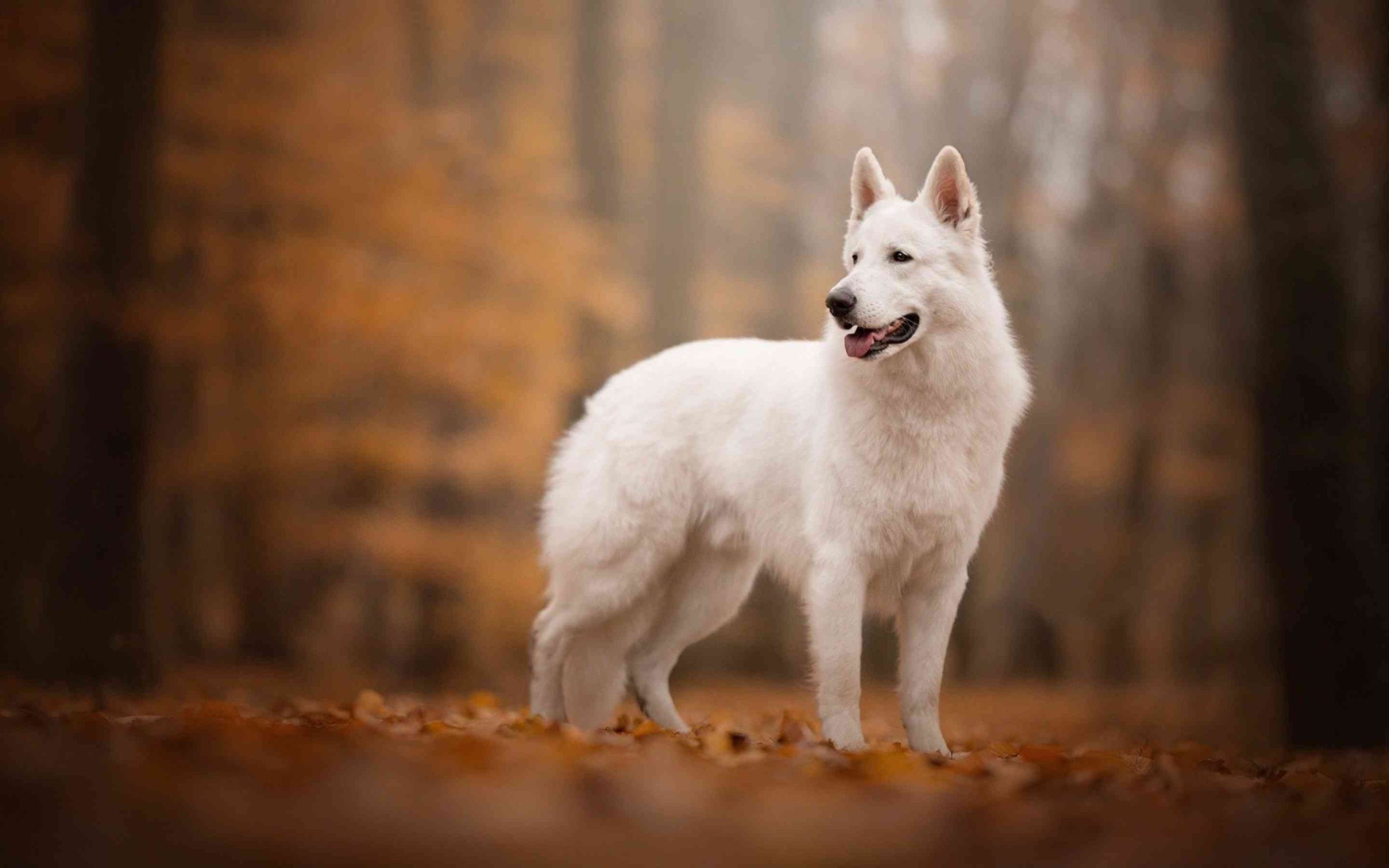
The White Swiss Shepherd Dog is a striking breed with a graceful frame, intelligent eyes, and lush white coat. Developed from white-coated German Shepherd lines, this elegant dog became recognised in Europe as its breed. It’s now admired worldwide for its working ability and loyal nature.
Known for their steady and responsive nature, White Swiss Shepherd Dogs are smart, active, and eager to learn. Their calm confidence and social ease make them excellent companions for families and individuals alike. They thrive with regular exercise and mental engagement every day.
The White Swiss Shepherd Dog breed suits active homes that enjoy close companionship. While they need routine grooming, especially during seasonal shedding, their balanced temperament, affectionate spirit and versatility make them a joy to live with.
White Swiss Shepherd Dog Appearance
The White Swiss Shepherd Dog is admired for its elegant build, confident posture, and pure white coat. Bred from white-coated German Shepherd lines, the White Swiss Shepherd Dog breed combines athletic ability with a gentle, attentive expression.
Size:
The White Swiss Shepherd Dog size falls into the medium to large range. Males generally weigh 30–40 kg and females 25–35 kg. Height at the shoulder is around 58–66 cm for males and 53–61 cm for females. With their balanced, rectangular shape and upright stance, they carry themselves with strength and grace.
Coat:
This breed has a thick double coat that comes in medium or long lengths. The outer layer is straight and protective, while the undercoat is soft and insulating. While not as heavy as some Arctic breeds, the coat still requires regular upkeep. Weekly brushing and seasonal grooming help manage White Swiss Shepherd Dog shedding, especially during moulting.
Distinctive Features:
The White Swiss Shepherd Dog has erect ears, almond-shaped dark eyes, and a bushy tail carried low at rest. Their intelligent gaze and alert expression show their working-dog heritage. The white coat, strong head, and fluid gait make them stand out in any setting.
Strength and Charm:
With their calm yet energetic presence, White Swiss Shepherd Dogs balance beauty and function. Their smart, trainable nature is reflected in their clean outline and flowing movement. In both family homes and active roles, they blend strength, confidence, and charm.
White Swiss Shepherd Dog History
The White Swiss Shepherd has a fascinating history rooted in intelligence, loyalty, and resilience. Developed from white-coated German Shepherds, the breed evolved into a distinct type known for its friendly nature and elegant appearance.
Origins in North America and Europe
The White Swiss Shepherd Dog history began with white-coated German Shepherds in the United States and Canada. These dogs were recognised for their gentle temperament and working ability. In the 1970s, they were imported to Switzerland, where a breeding program began to refine and preserve their unique qualities.
Breed Development
Over time, the breed was shaped into the graceful and versatile White Swiss Shepherd breed known today. Careful selection focused on preserving their loyal, trainable nature while enhancing their bright white coat and social disposition. Their adaptability made them suitable for both active work and family life.
Recognition and Popularity
Accepted as a separate breed in the 1990s, the White Swiss Shepherd Dog gained recognition across Europe and later in Australia. Their combination of smarts, good nature, and elegant looks has led to steady growth in popularity among dog lovers and trainers alike.
White Swiss Shepherd Dog Today
Today, the White Swiss Shepherd is known for its gentle nature, strong work ethic, and striking white coat. Its intelligence, loyalty, and sociable personality make it a popular choice for families and dog lovers across Australia and beyond.
Find White Swiss Shepherd Dog Breeders or Puppies for Sale
White Swiss Shepherd Dog Personality
The White Swiss Shepherd Dog personality is marked by loyalty, intelligence, and a calm, affectionate nature. These confident and attentive dogs form close bonds with their families and thrive in homes that provide companionship and structure.
General Traits:
- Smart and Responsive: With working roots, White Swiss Shepherd Dogs are intelligent and eager to learn. They respond well to direction and enjoy both mental and physical challenges.
- Gentle and Loyal: Known for their soft nature, they are friendly with children and often gentle with other pets. Socialisation helps bring out their naturally balanced temperament.
- Involved and Observant: They enjoy being close to their people and are tuned in to household routines. Their watchful nature makes them steady companions.
Watchdog Tendencies:
- Alert and Attentive: The White Swiss Shepherd is naturally vigilant. They will alert you to visitors or unusual activity, but are not overly reactive.
- Protective Yet Calm: Loyal to their pack, they keep a close eye on their environment but rarely act without cause.
- Quiet Confidence: While not overly vocal, they will communicate with you when necessary, especially if something needs your attention.
Trainability:
- Highly Trainable: The White Swiss Shepherd breed is known for its responsiveness and willingness to learn. Training sessions are more effective when positive methods and consistency are used.
- Enjoy Purposeful Work: These dogs excel when given tasks such as obedience, agility, or assisting with daily routines.
- Patient and Sensitive: They benefit from gentle handling and clear direction, and can become uneasy with harsh corrections.
Love of Activity and Engagement:
- Need Daily Interaction: These dogs enjoy spending time with their people and need regular activity to stay content.
- Work Best With Routine: Mental stimulation and physical engagement help prevent boredom and anxiety.
- Companionship Is Key: The White Swiss Shepherd Dog thrives in households where they are part of everyday life and not left alone for long stretches.
White Swiss Shepherd Dog as Family Pets
White Swiss Shepherds are loyal, gentle, and social companions that love being part of the family. Their calm, attentive nature and love for people make them a great match for households that enjoy quality time with their pets.
Good with Kids? Yes, Very Often!
- Affectionate and Steady: The White Swiss Shepherd Dog is caring and patient with children. They enjoy family outings and are often seen relaxing alongside or gently playing with younger family members.
- Confident with Early Socialisation: Introducing them to kids and pets from an early age helps develop a calm and balanced White Swiss Shepherd Dog temperament.
- Best with Supervised Play: Their size and energy call for watchful play around toddlers, just to avoid unintentional bumps during excitement.
Find White Swiss Shepherd Dog Breeders or Puppies for Sale
White Swiss Shepherd Dog Health Issues & Care
The White Swiss Shepherd Dog is generally healthy when sourced from ethical breeders, but like all breeds, they can be prone to some conditions. Proper nutrition, regular grooming, and consistent vet care help support overall wellbeing.
Common Health Concerns:
- Hip Dysplasia: Joint issues, particularly hip dysplasia, can affect mobility. Maintaining a steady weight and giving appropriate exercise helps reduce risk.
- Elbow Dysplasia: White Swiss Shepherd may also develop elbow joint issues, also affecting mobility. Maintaining a steady weight and giving appropriate exercise helps reduce risk.
Breeders that screen for HD and ED in the program is ideal.
Care and Maintenance
- Coat Care: Weekly brushing keeps the dense coat healthy and helps reduce loose hair. Seasonal shedding may require more attention.
- Exercise Needs: The White Swiss Shepherd Dog breed thrives on daily walks, off-lead play in secure areas, and time spent learning tasks.
- Diet and Nutrition: Feed a balanced diet that suits their activity level and age. A steady routine supports digestion and overall health.
- Routine Veterinary Care: Ongoing vet visits, vaccinations, and screenings are key for detecting early signs of White Swiss Shepherd Dog health problems and promoting a long, healthy life.
- Digestive Sensitivities: This breed may have a sensitive stomach, so a consistent feeding routine and high-quality diet are essential.
- Allergies and Skin Irritations: Occasional skin issues may arise. Grooming and regular vet checks help detect and manage them early.
Caring for Your White Swiss Shepherd Dog
White Swiss Shepherd Dog care involves keeping up with grooming, providing daily activity, and supporting overall health through proper nutrition and vet care. With routine and attention, they remain healthy, active, and content companions.
Regular Vet Visits
Consistent check-ups help maintain the long-term health of your White Swiss Shepherd. Annual vet exams, vaccinations, and dental screenings are important, along with checks for joints and skin health as they mature.
Nutritious Diet
A diet suited to the White Swiss Shepherd size and activity level supports growth, muscle strength, and immune function. Choose high-quality food with balanced nutrients and controlled portions to maintain a steady weight and prevent health issues.
Exercise for Body and Mind
The White Swiss Shepherd breed needs daily physical and mental stimulation to stay balanced and happy. Activities like walking, fetch, or basic training games help meet their needs and reduce boredom or anxiety.
Grooming Needs
Routine grooming is essential for the White Swiss Shepherd Dog. Weekly brushing helps manage loose hair and keeps the coat healthy. Include ear cleaning, nail trimming, and teeth brushing in their care routine for overall comfort and hygiene. Look up grooming tips for White Swiss Shepherd Dog to maintain their coat during shedding seasons.
Mental Stimulation
This intelligent breed thrives on mental engagement. Training refreshers, puzzle toys, or short learning sessions offer valuable stimulation and strengthen the bond with their owner.
Monitoring for Health Changes
Keep an eye out for any changes in energy, eating, or coat condition. Early signs of illness are often subtle, so prompt vet attention ensures small problems don’t become major health issues.
Providing consistent care helps your White Swiss Shepherd enjoy a long, healthy life. With the right balance of activity, grooming, and attention, this loyal breed thrives as both a working companion and a loving family pet.
White Swiss Shepherd Dog Grooming
The White Swiss Shepherd has a dense double coat that needs consistent care to stay clean, healthy, and free of tangles. While grooming may take some time, regular upkeep helps manage shedding and supports overall skin and coat health.
Regular Brushing
Brush your White Swiss Shepherd Dog at least three times a week to remove loose hair and prevent mats, especially around the ears, legs, and tail. During heavy shedding, daily brushing will help control fur and keep their coat in top condition.
Bathing
Bathe every 6–8 weeks or when needed. Use a gentle dog-safe shampoo that won’t strip natural oils. The thick coat takes longer to dry, so ensure it’s fully dried to avoid irritation or hotspots.
Nail Trimming
Trim nails every 3–4 weeks. Long nails can cause discomfort or affect movement. If you hear them tapping on the floor, it’s time for a trim.
Ear Cleaning
Check your dog’s ears weekly for wax buildup, redness, or unusual odour. Use a soft cloth and a vet-approved ear cleaner to gently wipe the outer ear. Avoid inserting anything deep into the ear canal. Routine cleaning helps prevent irritation and infections.
Teeth Cleaning
Brush your White Swiss Shepherd Dog’s teeth a few times a week. Dental treats or chew toys also help reduce tartar and keep their breath fresh.
Regular grooming keeps your White Swiss Shepherd Dog healthy, clean, and feeling good. It also gives you the chance to check for any skin issues or coat changes early. With consistent care and a gentle routine, your White Swiss Shepherd will stay comfortable and ready for whatever the day brings.
Find White Swiss Shepherd Dog Breeders or Puppies for Sale
Is a White Swiss Shepherd Dog Right For You?
The White Swiss Shepherd Dog is intelligent, affectionate, and energetic suited to homes where it can be active, engaged, and close to its people. While loyal and trainable, this breed thrives under structure, companionship, and routine care. Understanding what the breed needs can help determine if it’s a good match for your lifestyle.
The Ideal White Swiss Shepherd Dog Owner:
- Active and Committed: The White Swiss Shepherd Dog needs daily physical and mental exercise. They fit best with owners who enjoy long walks, games, or training time that keeps them thinking and moving.
- Consistent with Training: Known for their willingness to learn, White Swiss Shepherd Dogs benefit from structured, reward-based training. They like having a job and thrive in environments with clear guidance and expectations.
- Comfortable with Grooming: Their white double coat requires regular brushing to stay clean and reduce loose hair. Owners should be prepared for routine coat care, especially during seasonal shedding.
- Enjoys a Loyal Companion: This breed forms deep bonds with its people and prefers to stay close. They suit homes where they’re treated as part of the family, not left outside or alone too often.
Not Ideal If:
- You Prefer a Couch Companion: While not hyper, the White Swiss Shepherd needs daily movement and mental challenges. A sedentary home may not provide the stimulation they require.
- You Dislike Grooming: Their white coat requires weekly brushing and regular checks for mats or dirt. If coat care feels like a chore, this breed may not be the best fit.
- You’re Often Away: This breed values connection. Long periods alone may lead to stress, restlessness, or unwanted behaviour. They do best with people who are around often.
- You Want a Quiet Dog: Although not yappy, White Swiss Shepherd Dogs are expressive and alert. They may bark to communicate or when something catches their attention.
Crucial Considerations:
- Daily Exercise and Mental Stimulation: The White Swiss Shepherd Dog needs at least an hour of exercise each day. Walks, games, scent work, and training all help keep them content and focused.
- Early Training and Socialisation: This intelligent breed responds best to calm, consistent direction. Early exposure to different settings and people supports a balanced, confident temperament.
- Close Human Connection: These dogs crave companionship. They’re happiest when included in family life and thrive in households that value their loyalty and gentle nature.
The Importance of a Reputable White Swiss Shepherd Dog Breeder
Finding a reputable breeder is a vital step when adding a White Swiss Shepherd to your home. Responsible breeding helps ensure your puppy is healthy, confident, and well-prepared for life with a new family. Good breeders offer transparency, proper socialisation, and ongoing support.
Health Testing
Reputable breeders conduct health screening to reduce the risk of inherited conditions often seen in the White Swiss Shepherd breed, such as:
- Hip and Elbow Dysplasia: Joint issues can affect mobility later in life. Ethical breeders assess hips and elbows before breeding to reduce risk.
White Swiss Shepherd Dog health problems can vary, so trusted breeders provide full documentation and explain what tests the parent dogs have undergone.
Temperament Assessment
Well-regarded White Swiss Shepherd Dog breeders observe each puppy’s personality and match them with the right home. Puppies are assessed for curiosity, social confidence, and behaviour to support an easier transition into family life.
Early Socialisation and Enrichment
Reputable breeders expose White Swiss Shepherd puppies to different sights, sounds, and surfaces from a young age. This early enrichment supports balanced behaviour and a steady White Swiss Shepherd Dog temperament, especially during key developmental stages.
How to Find a Reputable Breeder
- Start with Research: Use breeder directories or breed club listings for recognised White Swiss Shepherd breeders in Australia. These sources often list breeders who follow national breed standards and ethical guidelines.
- Ask Questions: A good breeder will be open about their approach to health testing, early puppy care, and socialisation. Look for clear, honest answers and a willingness to educate you.
- Visit if Possible: Meeting the breeder, parent dogs, and seeing the environment can give a strong sense of their practices. Look for clean, calm settings and puppies that are alert and well-handled.
Red Flags
Avoid breeders who:
- Refuse to discuss health tests or downplay common breed issues.
- Rush the sales process or avoid answering detailed questions.
- Keep dogs in poor living conditions or discourage visits.
Choosing an ethical breeder helps protect the health and wellbeing of the White Swiss Shepherd Dog and gives you the best chance of raising a happy, well-adjusted companion. Proper breeding sets the foundation for a lifetime of loyalty, companionship, and good health.
How Long Does a White Swiss Shepherd Dog Live For?
The average White Swiss Shepherd life expectancy is 12 to 14 years. This depends on inherited health conditions, diet, exercise, and access to veterinary care. Common conditions include hip and elbow dysplasia.
Responsible White Swiss Shepherd Dog breeders test for these issues before breeding. Routine vet check-ups, a controlled diet, and daily physical activity support long-term health.
Frequently Asked Questions (FAQs)
What is a White Swiss Shepherd?
The White Swiss Shepherd is a purebred herding dog known for its striking white coat, intelligent expression, and strong working drive. It shares ancestry with the German Shepherd but was developed in Switzerland as a distinct breed. White Swiss Shepherds are praised for their loyalty, trainability, and calm, friendly nature.
Are White Swiss Shepherds good for first-time owners?
First-time owners with time, energy, and a commitment to consistent training may do well with a White Swiss Shepherd. This breed thrives under structure and benefits from early socialisation and mental engagement. Without those, it may become anxious or overly attached.
Are White Swiss Shepherds good guard dogs?
They are naturally alert and protective, though not typically aggressive. While they may bark to raise an alarm and watch over their home, most do not have the territorial or confrontational instincts of traditional guard breeds. Their temperament leans more toward loyal family protectors than frontline guard dogs.
Do White Swiss Shepherds shed?
White Swiss Shepherds shed heavily, especially during seasonal coat changes. Regular brushing helps manage the shedding and keeps their dense double coat in good condition. Owners should be prepared for visible fur in the home year-round.
Are White Swiss Shepherds rare?
They are less common than other herding breeds and are considered rare in some regions, including Australia. Limited breeders and strict standards for appearance and temperament have kept the population relatively small.
How long do White Swiss Shepherds live?
The average lifespan for a White Swiss Shepherd ranges from 12 to 14 years. With proper care, including good nutrition, regular vet checks, and exercise, many live well into their teens.
Do White Swiss Shepherds bark a lot?
They’re vocal and will often bark at new people, sounds or changes in their environment. Poor training or boredom can lead to excessive barking. Clear rules, exercise and mental engagement help manage their noise levels.
How big do White Swiss Shepherds get?
Males typically reach 60–66 cm in height and weigh 30–40 kg. Females tend to be slightly smaller, standing 55–61 cm and weighing 25–35 kg. They’re leaner than traditional German Shepherds, but still strong and well-muscled.
Is a White Swiss Shepherd a German Shepherd?
Genetically, they share roots. But today’s White Swiss Shepherd is recognised as a separate breed, not just a white version of the German Shepherd. Their temperament, build and breeding standards have diverged to prioritise softer expression and family-focused traits.
What does a White Swiss Shepherd eat?
A diet based on high-quality, balanced dry food suited to their size and energy level works well. Some may benefit from joint support formulas or fish oils. Avoid fillers and low-grade protein sources. Regular portion control and vet checks help prevent weight gain.
Adaptability
Adapts Well To
The White Swiss Shepherd Dog is intelligent, loyal, and adaptable to many living situations when its needs for stimulation, movement, and companionship are met. With their balanced nature and eagerness to be involved in family life, they fit well into homes that offer structure, affection, and regular activity.
- Homes with Yards: This breed benefits from having access to a secure outdoor space. A backyard allows the White Swiss Shepherd to explore, play, and move freely. While outdoor time is valuable, regular interaction and walks remain just as important.
- Active Households: The White Swiss Shepherd breed thrives with families who enjoy exercise and engagement. Walks, training, and play sessions support both their energy and intelligence. They enjoy being included in everyday routines and social activities.
- Suburban and Semi-Rural Settings: With their calm yet alert temperament, White Swiss Shepherds do well in suburban or semi-rural homes, especially when space and stimulation are available. They also adapt to urban settings if their daily physical and mental needs are consistently met.
Important Considerations:
- Exercise Needs: These dogs require at least an hour of activity per day. Walks, fetch, or obedience work help keep them content and healthy.
- Mental Stimulation: Intelligent and quick to learn, they enjoy obedience, puzzle toys, and learning tasks that challenge them mentally.
- Companionship: The White Swiss Shepherd Dog forms strong bonds with family members and prefers not to be left alone for long periods.
- White Swiss Shepherd Dog grooming: Their thick coat requires regular brushing to manage White Swiss Shepherd Dog shedding and keep them comfortable.
- Vocal Tendencies: Naturally alert, they may bark to signal changes or respond to their environment.
Given time, involvement, and structure, White Swiss Shepherd Dogs are adaptable, responsive, and affectionate companions who thrive in homes where they are seen as part of the family.
Adapts Less Well To
Despite their adaptable nature, there are living conditions that can be challenging for the White Swiss Shepherd. A lack of stimulation, space, or human interaction may lead to boredom and frustration.
- Homes Without Outdoor Access: While they can adapt to apartments with effort, White Swiss Shepherds prefer environments where they can stretch their legs. A secure yard or access to nearby green space is highly beneficial.
- Low-Activity Lifestyles: The White Swiss Shepherd Dog enjoys being physically and mentally engaged. A sedentary household may struggle to meet their daily exercise and enrichment needs.
- Frequent Isolation: These dogs are companion-focused and want to be with their people. If left alone too often, they may become anxious, vocal, or destructive.
- Potential Solutions for Apartment Living:
- Daily Outdoor Activity: Long walks, park visits, or games in open areas help meet their physical needs. At least one hour of activity is recommended each day.
- Interactive Enrichment: Use puzzle feeders, trick training, and scent games to engage their mind and keep them focused indoors.
- Social Balance: If family members are away during the day, options like pet daycare or a trusted dog walker help provide the companionship and structure this breed craves.
Important Considerations:
- Energy Needs: The White Swiss Shepherd Dog breed does best in homes that prioritise daily movement and mental tasks.
- Alert and Expressive: Naturally watchful, they may bark to communicate or raise awareness of changes around the home.
- Regular Coat Maintenance: Their thick, white coat sheds and requires ongoing care, particularly during seasonal changes.
- Emotionally Sensitive: These dogs bond deeply and thrive in environments where their emotional needs are recognised and supported.
When their exercise, interaction, and care needs are met, the White Swiss Shepherd Dog proves to be a loyal, attentive, and engaging companion across a wide range of living environments.
Good for Novice Dog Owners
White Swiss Shepherds are intelligent, loyal, and eager to please, but their energy levels and grooming needs may require extra effort from first-time dog owners. With steady guidance, early training, and daily involvement, they can become devoted and well-mannered companions.
Why the White Swiss Shepherd Dog Can Be a Challenge for Novice Owners
- Energetic and Strong-Willed: The White Swiss Shepherd Dog enjoys staying active and engaged. While they are eager to learn, their energy and alertness may overwhelm first-time owners unfamiliar with consistent training and leadership.
- Grooming Requirements: Their thick double coat requires regular brushing to prevent tangles and manage shedding. Novice owners may find coat maintenance more demanding than expected.
- Sensitive and Social: This breed forms close bonds and prefers to stay near their people. They don’t cope well when left alone for long periods and may develop separation-related behaviours without proper attention.
Challenges for Novice Owners
- Daily Exercise Commitment: The White Swiss Shepherd Dog breed needs at least an hour of movement each day. Walks, games, or training help release energy. Skipping this routine can lead to boredom or unwanted behaviour.
- White Swiss Shepherd Dog Grooming Needs: Their coat needs regular care to avoid matting and keep it clean. New owners may need guidance on grooming techniques and brushing schedules, especially during seasonal coat changes.
- Companionship Requirements: These dogs thrive on interaction and daily engagement. They’re not suited to homes where they’ll be left alone for long stretches without human contact.
- How Novice Owners Can Succeed with a White Swiss Shepherd Dog
Start Training Early and Stay Consistent
Begin training as a puppy to build clear communication and good habits. Enrolling in group classes can support both owner and dog with structure and social skills.
Meet Exercise and Mental Needs
Plan daily activities such as long walks, scent games, or obedience sessions. The White Swiss Shepherd is mentally alert and thrives on purposeful tasks and play.
Prioritise Socialisation
Introduce your dog to various people, sounds, and environments early. This helps build a well-adjusted adult with confidence in new situations.
Use Positive Training Methods
Reward-based training works well with this breed. Consistent praise, treats, and patience help them stay focused and responsive to guidance.
The White Swiss Shepherd Dog can be an excellent choice for committed first-time owners when provided with structure, time, and hands-on care. Their devotion, sharp mind, and affectionate nature make them a rewarding addition to the right home.
Sensitivity
Sensitivity Level
White Swiss Shepherd Dogs are intelligent, loyal, and emotionally responsive. They form strong connections with their families and are highly attuned to tone, mood, and atmosphere. Their calm yet sensitive nature makes them thoughtful, devoted companions when given kind guidance and structure.
What Makes the White Swiss Shepherd Dog Sensitive
- Emotionally Attuned: The White Swiss Shepherd pays close attention to its owner’s emotions. They are quick to comfort and naturally drawn to people in need of support, which adds to their reputation as emotionally intelligent dogs.
- Responds to Tone and Training Style: These dogs are not suited to harsh corrections or strict discipline. They respond best to positive reinforcement and calm, consistent leadership. Encouragement builds confidence and helps shape cooperative behaviour.
- Alert and Aware: Naturally observant, they notice changes in the environment and people’s behaviour. While not overly timid, they can become unsettled in loud or chaotic settings if not introduced gradually.
Ownership Impact
- Gentle Training Builds Trust: Positive reinforcement and structure help your White Swiss Shepherd Dog feel safe and confident. Rough handling can lead to mistrust or hesitation, especially in young or sensitive dogs.
- Routines Offer Security: Predictable routines help reduce anxiety and build stability. Regular walks, feeding times, and training sessions create a calm, grounded environment.
- Early Socialisation Is Key: Start socialisation early with new people, animals, and environments. This helps your dog become well-adjusted and confident in a variety of situations.
Important Considerations
- Noise Sensitivity: The White Swiss Shepherd may react to loud noises like fireworks or storms. Calming support and gradual exposure help manage this sensitivity over time.
- Attachment to Owners: These dogs bond deeply and crave daily companionship. Long periods of separation may lead to emotional stress or unwanted behaviours.
The Positive Side of Sensitivity
Loyal, affectionate, and highly responsive, the White Swiss Shepherd forms strong emotional connections with its family. Their sensitivity enhances their role as an intuitive and loving companion, especially in homes that provide guidance, connection, and consistency.
Tolerates Being Alone
White Swiss Shepherd Dogs are deeply social and bond closely with their families. They are not well-suited to long periods of isolation and need regular engagement to remain content and emotionally balanced.
Social Needs and Attachment
- Family-Oriented: The White Swiss Shepherd thrives when included in daily life. They want to be part of the action and may become anxious or restless when left alone for too long.
- Boredom and Frustration: Without stimulation, these dogs may develop habits such as barking, chewing, or digging. Their active minds and bodies need an outlet each day.
- Independent but Connected: Although confident, this breed still seeks consistent contact. They adapt best in households that provide time, structure, and plenty of attention.
Ownership Impact
- Think About Your Routine: The White Swiss Shepherd Dog does best in homes where someone is present for much of the day. Long hours alone are not ideal for their social nature.
- Train Gradually for Alone Time: Help your dog adjust to short separations by using gentle training methods. Building up time slowly can improve their comfort when alone.
- Enrichment Matters: Leave safe chew toys, puzzle games, or treat-dispensing items to keep them occupied. Exercise before alone time also helps them settle.
- Get Help if Needed: If you have a busy schedule, dog walkers, day care, or pet sitters can help support your dog’s social and physical needs while you're away.
Important Notes
- Separation-Related Stress: The White Swiss Shepherd may become vocal or anxious without company. Early alone-time training and a secure routine reduce the risk of separation issues.
- Prevent Destructive Behaviour: Under-stimulated dogs are more likely to act out. A good balance of exercise and mental activities helps prevent frustration-driven behaviour.
- Create a Calm Space: Designate a quiet, comfortable area with their bed, toys, and familiar items to make alone time feel safe and positive.
The Positive Side of Their Attachment
The White Swiss Shepherd Dog's deep emotional bond with its family is one of its most cherished qualities. With regular activity, calm training, and consistent social interaction, they can manage short periods alone while staying loyal, well-mannered, and emotionally secure.
Tolerates Hot Weather
The White Swiss Shepherd Dog can adapt to warmer conditions, but their thick double coat and loyal disposition mean they need thoughtful care in the heat. While their coat provides some insulation, they are still vulnerable to overheating and need close supervision in hot weather.
Heat Sensitivity
- Coat Provides Light Insulation: Though not bred for extreme cold, the White Swiss Shepherd Dog has a dense coat that can trap heat in summer. While it helps regulate body temperature to a degree, it doesn’t prevent heat stress in hot, humid climates.
- Vulnerable to Overheating: Warm days and intense exercise can quickly lead to overheating. Humidity, full sun, and confined spaces increase risk, so it's important to watch for early signs of heat stress.
- Signs to Watch: Excessive panting, drooling, slowing down, or restlessness may signal heat discomfort. Move your dog to a cool, shaded area and offer water. Contact a vet if symptoms persist.
Ownership Impact
- Schedule Activities for Cooler Hours: Limit walks and exercise to early mornings or evenings when temperatures are lower.
- Hydration and Rest Areas: Always offer clean drinking water and a shaded rest spot, especially when outdoors.
- Maintain the Coat: Brushing removes loose fur and promotes airflow through the coat. Avoid shaving, as it strips away their natural sun protection.
- Use Cooling Support: Items like cooling mats, damp towels, or tiled indoor floors can help your White Swiss Shepherd stay cool during hotter months.
Important Considerations
- Each Dog Is Different: Tolerance for heat can vary by age, weight, and general health. Observe your dog closely during warm days.
- Never Leave in Hot Spaces: Cars or poorly ventilated rooms can heat up fast. Avoid leaving your dog unattended in such environments.
- Keep Indoors Cool: Use fans or air-conditioning to provide a cool resting area when inside. Dogs should have access to well-ventilated indoor spots throughout the day.
Proper warm-weather care helps your White Swiss Shepherd Dog stay comfortable and safe. Being mindful of their limits, keeping them hydrated, and adjusting routines help prevent overheating and ensure they stay happy in the heat.
Tolerates Cold Weather
The White Swiss Shepherd Dog handles cooler climates well thanks to its double coat and solid build. While not bred for Arctic conditions, this breed enjoys outdoor activity in cool weather and typically adapts well to moderate cold when supported with proper care.
Cold Weather Tolerance
- Insulated Double Coat: Their thick, weather-resistant coat offers natural insulation. It protects against wind and chill, making the White Swiss Shepherd well suited to cool weather walks and activity.
- Enjoys Outdoor Time: This breed stays active in cooler seasons and often enjoys brisk walks and light outdoor play in winter, especially when dry. Limit exposure during particularly icy or wet weather to prevent discomfort.
Ownership Impact
- Watch for Signs of Cold Sensitivity: Shivering, paw lifting, or reluctance to go outside may mean your dog is feeling the cold more than usual. Keep outings short and adjust based on their response.
- Paw Care Matters: Cold footpaths, snow, and salt can cause irritation. Consider paw balm or boots for winter walks to help protect their feet.
- Warm Shelter Is Key: When outdoors, they need a dry, draft-free shelter. Indoors, provide a cosy space away from cold windows or tiled floors.
- Grooming Still Needed: Continue regular brushing to prevent matting and maintain coat health. Limit bathing during winter to preserve natural skin oils.
Important Considerations
- Some Dogs Need Extra Warmth: Puppies, seniors, or dogs with certain health conditions may feel the cold more intensely. Adjust time outside accordingly.
- Rain and Wind Reduce Insulation: Wet weather can reduce the coat’s warmth. Always dry your White Swiss Shepherd Dog thoroughly after rain or snow to help preserve body heat.
Cool and even cold environments suit this breed well when supported with proper care. Active families who enjoy the outdoors will appreciate a resilient and enthusiastic companion across all seasons.
Friendliness
Friendliness
The White Swiss Shepherd Dog is celebrated for its affectionate nature, emotional intelligence, and strong loyalty to its family. This breed thrives on connection and is happiest when involved in daily life. Their gentle, devoted temperament makes them a great fit for homes that value companionship and positive interaction.
White Swiss Shepherd Dog as Affectionate Companions:
- Loyal and Devoted: The White Swiss Shepherd bonds closely with its people. They are emotionally responsive and enjoy spending time with their family in both active and quiet settings.
- Sociable and Expressive: These dogs love being part of the family dynamic, responding well to verbal praise, touch, and shared activities. They often seek out attention and express affection with calm body language and eye contact.
- Enjoy Engagement: Walks, training sessions, or simply relaxing at home are opportunities for connection. Their eagerness to please strengthens their bond with those around them.
Ownership Impact:
- Build Trust Through Routine: This breed flourishes when treated as a true family member. Daily structure and positive interactions help develop a confident, well-adjusted dog.
- Enjoys Physical Affection: The White Swiss Shepherd often shows affection by leaning in, staying close, or resting beside their people. They value closeness and emotional contact.
- Early Socialisation Matters: Positive exposure to different environments, people, and pets builds a sociable and adaptable adult dog.
Kid-Friendly
The White Swiss Shepherd Dog can be a loving and calm companion for children when raised with proper guidance and respectful interaction. Their friendly nature and desire to please make them well-suited to family homes that prioritise calm environments and supervision.
White Swiss Shepherd Dog and Children:
- Calm and Attentive: These dogs are observant and tend to form quiet attachments to children in the home. Their patient temperament and balanced energy allow them to stay composed during play.
- Gentle and Watchful: While not overly boisterous, the White Swiss Shepherd Dog stays alert and involved, often watching over children without being overprotective.
- Best with Respectful Play: Though loving and loyal, they may become unsettled by rough or unpredictable behaviour. They respond best in calm households where children are taught respectful interaction.
Ownership Impact:
- Supervise Around Young Children: Their medium-to-large size and sensitivity make supervision important to avoid unintentional bumps or stress.
- Teach Respectful Handling: Children should learn to approach calmly, avoid tugging or startling, and understand when the dog needs space.
- Socialise Early: A well-socialised White Swiss Shepherd learns to respond confidently to children’s energy. This helps build trust and strengthens their bond.
Kind, loyal, and emotionally in tune, this breed can grow into a cherished family companion when children are involved in their care with respect and guidance.
With Other Pets
The White Swiss Shepherd Dog is generally friendly with other animals when raised with early socialisation and proper introductions. Their high intelligence and trainable temperament make them well-suited to multi-pet households that offer structure and supervision.
Socialisation and Training:
- Open to New Friends: The White Swiss Shepherd Dog generally gets along well with other dogs and pets when introduced gradually. Calm, early exposure helps reduce uncertainty and encourages friendly, confident behaviour.
- Energetic but Controlled: Their playful side shines through during interaction, but their manners and calm focus mean they usually play safely and fairly—though their size may overwhelm smaller pets without guidance.
- May Show Prey Drive: Like many working breeds, some White Swiss Shepherd Dogs may show mild prey instincts, especially around smaller animals. Consistent training and routine exposure help manage this behaviour.
- Supervision and Management: Structured introductions, positive reinforcement, and clear boundaries support safe cohabitation with other pets. A steady routine helps your White Swiss Shepherd Dog feel secure and behave respectfully in multi-pet environments.
Most settle well in multi-pet homes when given early guidance, structure, and positive experiences with other animals.
Friendly Toward Strangers
Naturally polite and curious, the White Swiss Shepherd tends to greet unfamiliar people with gentle interest. While slightly more reserved than some, it usually warms up quickly with calm handling and regular social contact.
White Swiss Shepherd Dog and Strangers:
- Polite and Observant: The White Swiss Shepherd Dog tends to approach strangers with quiet interest. They may assess the situation before fully engaging, especially in unfamiliar environments.
- Alert Yet Gentle: These dogs are attentive and may bark to alert their family to new visitors. However, once they sense there is no threat, they usually settle and become more welcoming.
- Value of Socialisation: Introducing your White Swiss Shepherd Dog to various people, places, and experiences from a young age helps reduce hesitation and builds a socially confident adult dog.
- Takes Cues from Owners: White Swiss Shepherd Dogs are emotionally responsive and often mirror their handler’s behaviour. When owners remain calm and friendly, their dog is more likely to reflect the same energy toward strangers.
Early experiences and steady guidance help shape a dog that greets strangers with quiet confidence. This breed stays alert but open, responding to social situations with gentle curiosity and good manners.
Health & Grooming
Amount of Shedding
White Swiss Shepherd Dogs have a thick double coat that sheds year-round, with heavier seasonal shedding during spring and autumn. While their coat is beautiful and weather-resistant, it requires regular maintenance to remain healthy and comfortable.
Shedding Reality:
- Double Coat Structure: The White Swiss Shepherd has a soft undercoat and a straighter, longer topcoat that sheds moderately to heavily depending on the season.
- Seasonal Coat Blowing: Twice a year, they shed more heavily as they lose their undercoat. Regular grooming is needed during this time to manage the volume of hair.
- Not Hypoallergenic: Like most breeds, they shed dander and fur, which can aggravate allergies in sensitive individuals.
Ownership Impact:
- Routine Brushing Needed: Brushing several times a week, and daily during shedding seasons, helps remove loose hair and prevent matting.
- Home Cleanliness: Expect regular vacuuming and cleaning to manage fur buildup on floors and furniture.
- Seasonal Shedding Support: Extra grooming or occasional professional help may be useful during peak shedding periods.
Regular coat care keeps shedding under control and supports a healthy skin and coat. A clean home and a comfortable dog go hand in hand when grooming becomes part of the weekly routine.
Drooling Potential
White Swiss Shepherd Dogs are generally clean and not known for drooling. They maintain a neat appearance, and their drool is minimal compared to more jowly breeds.
Drooling Tendencies:
- Low Drool Production: These dogs may drool lightly after meals or drinking water, but they are not excessive droolers.
- Watch for Health Changes: Sudden or excessive drooling can signal dental issues or illness. If noticed, a vet check is advised.
Ownership Impact:
- Low Mess Around the House: Their tidy habits mean you won’t usually find drool on floors or furniture.
- Easy to Maintain: White Swiss Shepherd Dogs are a good match for owners who value cleanliness and a lower-maintenance mouth area.
Good dental care and regular health checks help keep drooling to a minimum. This tidy breed is a low-mess choice for owners who appreciate a cleaner home.
Easy to Groom
Despite their thick coat, White Swiss Shepherd Dogs are relatively easy to groom when cared for consistently. Their straight fur resists matting more than curled or woolly coats, but still requires attention.
Grooming Requirements:
- Regular Brushing: Brush at least two to three times a week to remove dead hair, reduce shedding, and maintain coat texture.
- Bathing: Bathe every 6–8 weeks or as needed using a gentle, dog-safe shampoo to preserve coat oils.
- Nail and Ear Care: Trim nails every few weeks and clean ears weekly to avoid buildup and infection.
Ownership Impact:
- Moderate Grooming Effort: Their grooming needs are manageable but consistent. Neglecting brushing during shedding seasons can result in tangles or discomfort.
- Optional Groomer Visits: While many owners manage grooming at home, some may prefer professional help during heavy shedding or for nail trimming.
A steady grooming routine keeps your White Swiss Shepherd looking neat, feeling comfortable, and free of tangles or debris.
General Health
White Swiss Shepherds are typically healthy dogs when sourced from reputable breeders, but like all breeds, they are prone to certain health issues. Preventative care and health screening play a key role in long-term well-being.
Potential Health Concerns
- Hip Dysplasia: A genetic condition affecting the hip joint. Maintaining a lean weight and regular exercise helps reduce stress on joints.
- Elbow Dysplasia: Also a concern in this breed, affecting forelimb mobility. Early screening and proper care are important.
- Allergies and Skin Sensitivities: Some dogs may develop food or environmental allergies that require dietary or environmental adjustments.
The Importance of Reputable White Swiss Shepherd Dog Breeders
Responsible breeders help reduce the risk of inherited health conditions. A good breeder will:
- Screen for common issues such as hip/elbow dysplasia and degenerative myelopathy.
- Provide documentation of health clearances for both parent dogs.
- Raise puppies in safe, enriched environments to support mental and physical development.
Ownership Impact
- Regular Vet Visits: Annual check-ups and preventative care are key to catching issues early.
- Balanced Diet and Activity: High-quality food and daily exercise support weight control and joint health.
- Health Monitoring: Watch for signs of stiffness, digestive changes, or skin reactions and consult your vet as needed.
- Financial Planning: Be prepared for both routine and potential long-term care costs.
Thoughtful care, regular activity, and support from a responsible breeder give White Swiss Shepherd Dogs the best chance at a long, healthy, and active life.
Trainability
The Smart and Eager Learner
White Swiss Shepherd Dogs are intelligent, responsive dogs that excel in training environments built on trust, consistency, and positive reinforcement. Their eagerness to learn and close bond with their owners make them well-suited to obedience work, though their sensitivity requires a thoughtful approach.
- Quick Learners: The White Swiss Shepherd is highly trainable and picks up new commands quickly, especially when training sessions are interactive and rewarding. Their sharp mind and working background make them eager participants in structured learning.
- Eager to Please: Naturally devoted and people-oriented, the breed enjoys pleasing their handler. They thrive when given clear guidance and a role to play in family life or daily routines.
- Responsive to Praise: Gentle encouragement, praise, and high-value rewards help motivate these dogs. They respond best to calm, positive training methods that foster a strong connection and mutual respect.
The Challenges
- Can Be Sensitive: These dogs are emotionally attuned and may shut down in response to harsh correction or inconsistent feedback. They need a calm, patient trainer who uses kind but firm leadership.
- Easily Distracted When Under-Stimulated: Without sufficient mental stimulation, White Swiss Shepherds may lose focus or show signs of restlessness during training. Variety and challenge are key to maintaining engagement.
- Early Guidance Needed: Their high intelligence means they can develop bad habits as quickly as good ones. A consistent approach from puppyhood helps avoid confusion and builds reliable behaviour.
Ownership Impact
- Begin Training Young: Early obedience and socialisation lay the groundwork for a confident, well-behaved adult dog. Introduce new people, environments, and experiences during the puppy stage.
- Prioritise Positive Reinforcement: Harsh methods can erode trust and increase anxiety. Reward-based training using food, play, and affection brings out their best.
- Be Consistent and Clear: Consistent commands, boundaries, and expectations help your White Swiss Shepherd Dog understand what is expected and reinforce good habits.
- Mental Stimulation Is Essential: Incorporate brain games, scent work, agility, or advanced obedience tasks to challenge their mind and build confidence.
White Swiss Shepherd Dogs are fast learners with an affectionate, cooperative nature. When trained with patience and positivity, they grow into obedient, responsive, and well-mannered companions for owners willing to invest in early guidance and ongoing engagement.
Intelligence
White Swiss Shepherd Dogs are highly intelligent, attentive dogs known for their ability to learn quickly and adapt to a wide variety of situations. Their history as working and herding dogs contributes to their excellent problem-solving skills and mental agility.
A Highly Intelligent Breed
- Quick Learners: The White Swiss Shepherd Dog excels in training environments that challenge their mind. They quickly grasp new commands and enjoy learning routines and advanced tasks.
- Problem-Solving Skills: Their sharp intellect means they are capable of recognising patterns and adjusting their behaviour accordingly. They’re especially motivated when mentally stimulated through games or structured tasks.
- Versatility: With the right guidance, White Swiss Shepherds thrive in obedience, agility, herding trials, and other mentally engaging activities. Their adaptable mind allows them to perform various roles with confidence and enthusiasm.
Ownership Impact
- Mental Stimulation is Essential: These dogs require regular mental challenges to avoid boredom. Activities like puzzle toys, obedience drills, or scent games are effective ways to engage their mind.
- Training Opportunities: Ongoing training is highly beneficial. Obedience classes, dog sports, or trick training sessions help keep their intelligence active and focused.
- Routine Matters: Structured routines and purposeful tasks satisfy their working instincts and reduce the risk of boredom-related behaviours like chewing or vocalising.
Potential for Mouthiness
White Swiss Shepherd Dogs may display some mouthy behaviour, especially in puppyhood. While typically gentle, they may use their mouths during play or to explore new surroundings, particularly when teething or overexcited.
Mouthy Behaviour
- Teething Phase: Like many puppies, White Swiss Shepherds may chew more as they go through teething. This behaviour typically decreases with age and redirection.
- Exploration through Mouthing: Their inquisitive nature may lead them to nibble or chew on new objects or people as they explore.
- Playfulness: During energetic play, especially with humans or other pets, they may mouth out of excitement. This behaviour is usually manageable with proper training.
Ownership Impact
- Early Training is Crucial: Teaching what’s acceptable early on helps prevent excessive mouthing. Redirecting their attention to toys is an effective way to set boundaries.
- Use Positive Reinforcement: Reward calm and appropriate behaviour. Avoid punishment, and instead guide your White Swiss Shepherd Dog to better choices.
- Provide Chew Outlets: Have sturdy, dog-safe chew toys available to support their natural need to bite and chew, especially during development.
- Supervised Play with Children: Their size and energy can overwhelm young kids. Supervision ensures gentle play and helps children learn how to interact respectfully.
Clear boundaries, gentle redirection, and plenty of appropriate outlets help White Swiss Shepherds grow into respectful, affectionate companions.
Prey Drive
White Swiss Shepherd Dogs have a moderate prey drive, primarily influenced by their herding ancestry. While they are not natural hunters, their alertness and responsiveness to movement can lead to chasing behaviour, especially outdoors.
Strong Chasing Instincts
- May Chase Small Animals: Birds, squirrels, or even cats may trigger their chasing instinct. This is especially common if they have not been trained to resist the urge.
- Naturally Alert: Their sharp senses make them highly responsive to movement and sound, which can trigger instinctive reactions during outdoor play.
Ownership Impact
- Train Reliable Recall: Teaching commands like “leave it,” “stay,” and a strong recall are important to prevent impulsive chasing.
- Supervise Outdoor Time: Especially in open areas or unfenced environments, watch closely for triggers that might provoke a chase.
- Socialise Early: Calm, positive introductions to smaller pets help establish boundaries and reduce the likelihood of prey-driven responses.
- Redirect with Focused Tasks: Using games or commands can help direct their focus when small animals are nearby.
Early training, thoughtful exposure, and strong recall cues help White Swiss Shepherd Dogs manage their chasing instinct and stay focused around smaller animals.
Wanderlust Potential
White Swiss Shepherd Dogs are curious and observant, often drawn to explore their surroundings. If left unsupervised or under-stimulated, their natural drive to roam or investigate can lead to wandering.
Independent and Driven
- Curious by Nature: Their alertness and intelligence can lead to an interest in sights, sounds, or smells beyond the backyard or house.
- Focus on Scents or Movement: Once engaged, they may pursue a trail or target without hesitation, especially if they’re not on a leash or in a secure area.
Ownership Impact
- Ensure a Secure Environment: Fencing should be strong, tall, and regularly inspected for escape points. Their persistence can surprise even experienced owners.
- Always Leash in Open Areas: Unless fully trained with a strong recall, leashing is the safest way to prevent them from wandering during outdoor walks.
- Satisfy Curiosity at Home: Provide interactive toys, training challenges, and exploratory walks to reduce their desire to roam.
- Use Identification: Microchipping and ID tags are essential, especially for a breed that can slip away when intrigued.
By fulfilling their mental and physical needs and ensuring secure boundaries, White Swiss Shepherd Dogs can enjoy their curiosity while remaining safely within reach.
Tendency to Bark or Howl
White Swiss Shepherd Dogs are alert, expressive dogs that often use barking to communicate. Their keen awareness and strong desire to engage with their environment can make them vocal, especially in stimulating or unfamiliar situations.
Barking Tendencies
- Protective and Watchful: The White Swiss Shepherd is naturally observant and will bark to alert its family to unfamiliar sights or sounds. Their guarding instincts may prompt them to vocalise when they sense something unusual.
- Communicative by Nature: These dogs may bark when excited, bored, or seeking attention. Their desire for interaction makes them naturally expressive, particularly if they feel under-engaged.
- Situational Barking: Barking often accompanies playful moments or new encounters. It’s generally friendly and manageable but may become excessive without proper boundaries.
Ownership Impact
- Early Training is Crucial: Begin training early to teach quiet commands and reduce unnecessary barking. Positive reinforcement methods work best for shaping calm and controlled behaviour.
- Identify Triggers: Recognise and manage common barking triggers, such as strangers, doorbells, or separation. Gradual desensitisation helps reduce reactivity.
- Mental and Physical Activity: Boredom or lack of stimulation may increase barking. Structured daily exercise and enrichment reduce the likelihood of vocal frustration.
Consistent training, regular engagement, and proactive management help White Swiss Shepherd Dogs stay calmly communicative without becoming overly vocal.
Exercise Needs
White Swiss Shepherd Dogs are athletic, high-energy dogs that thrive on regular physical activity and mental enrichment. Their working background demands purposeful engagement and daily movement to support their overall well-being.
Exercise Requirements
- Daily Activity Needed: At least 1–2 hours of daily exercise is essential. Walks, hiking, or playing in a secure yard help burn off their energy and satisfy their need for movement.
- Enjoyment of Variety: Structured training activities such as agility, obedience, or herding simulations are ideal. These offer both physical challenge and mental stimulation.
- Mental Engagement: Like physical exercise, mental challenges are important. They enjoy interactive games, scent work, and puzzle-based activities that promote problem-solving.
Energy Levels
- Puppies: White Swiss Shepherd Dogs puppies are curious and full of energy. Short, controlled play sessions help guide their development.
- Adults: Adults need consistent, high-level activity to remain fit and mentally balanced. Structured play, training, and social time suit their temperament.
- Seniors: As they age, activity needs may lessen, but gentle walks and stimulation remain important for maintaining health and mobility.
Ownership Impact
- Space to Move: A secure, fenced yard allows safe free movement. Supervised off-leash time in safe areas is beneficial when available.
- Consistency and Routine: Daily activity helps reduce restlessness or destructive behaviour. Owners should commit to a structured routine.
- Strengthen Bonds Through Activity: Walks, games, and training strengthen your relationship with your dog and help reinforce good manners.
Regular movement and mental enrichment help White Swiss Shepherd Dogs stay physically strong, mentally alert, and emotionally balanced.
Potential for Playfulness
White Swiss Shepherd Dogs are fun-loving, energetic dogs that enjoy interactive play and shared experiences. Their friendly and responsive personalities make them great companions for families that prioritise active engagement and bonding.
Playful Personalities
- Engaged and Energetic: These dogs enjoy active games such as fetch, tug, or agility-based play. Their athleticism and enthusiasm make them ideal playmates.
- Mentally Motivated: In addition to physical play, they respond well to challenges like puzzle toys and interactive games that engage their intelligence.
- Bond-Oriented Play: White Swiss Shepherds love participating in shared activities with their families. They thrive when involved in games that reinforce trust and connection.
Ownership Impact
- Regular Play is Key: Daily interactive play is important to meet their physical and emotional needs. It helps prevent behavioural issues and supports a balanced temperament.
- Offer Enrichment Options: Rotating toys, interactive feeders, and play-based training sessions keep them mentally stimulated and prevent boredom.
- Combine Play with Learning: Games that incorporate commands or skills turn fun into an opportunity to reinforce obedience and responsiveness.
By supporting their love of play through daily interaction and mental enrichment, White Swiss Shepherd Dogs become joyful, well-mannered companions in homes that appreciate their energy and intelligence.
Find White Swiss Shepherd Dog Breeders
or
View White Swiss Shepherd Dog Puppies for Sale |
View White Swiss Shepherd Dog Older Dogs for Sale