

The Yorkshire Terrier
| Size | Small |
| Weight | Females: 2.5–3 kg, Males: 2.5–3.5 kg |
| Breed Group | Group 1 – Toy |
| Exercise Requirements | Moderate |
| Grooming Requirements | High |
| Life Span | 13–16 years |
| Characteristics | Lively, Intelligent, Confident, Affectionate |
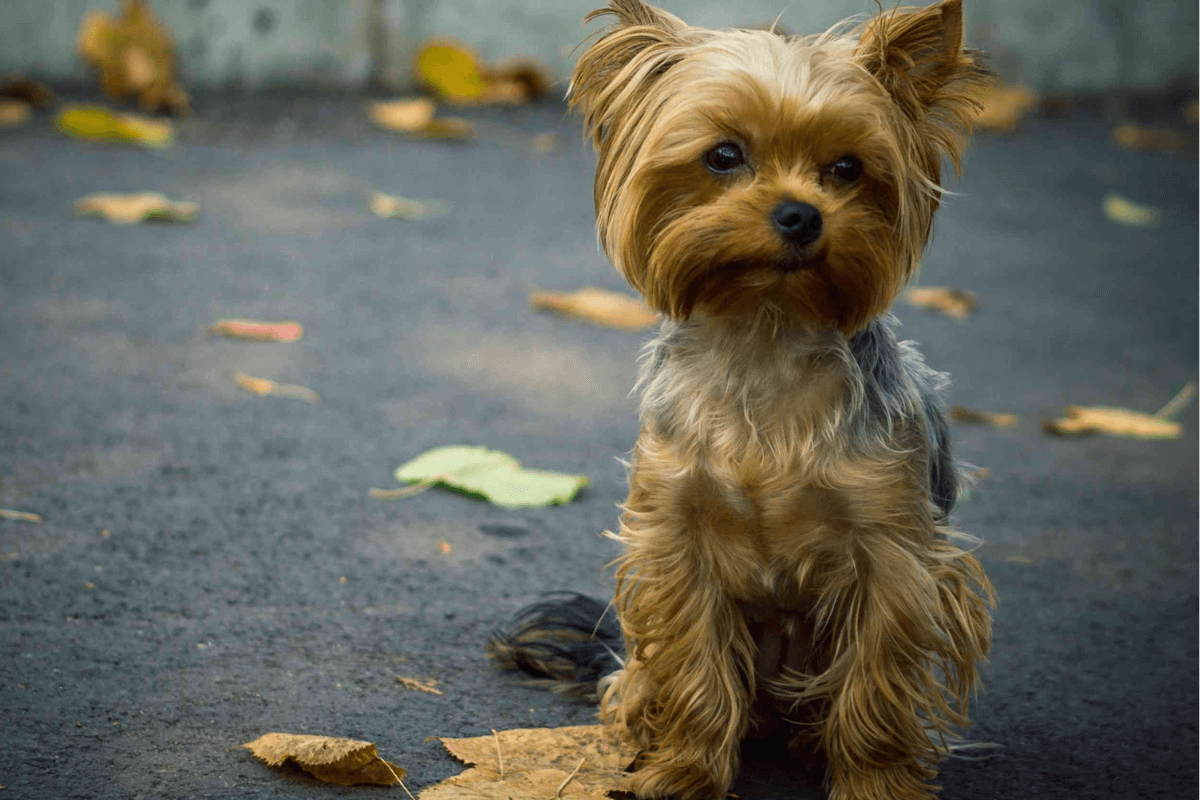
The Yorkshire Terrier is a small but bold breed known for its luxurious coat, big personality, and long-standing popularity as a companion dog. Originally bred for catching rats in textile mills, this spirited toy breed now thrives in households that value companionship and character in a compact frame.
Despite their size, Yorkshire Terriers are confident, alert, and eager to engage with their environment. Their affectionate nature and small stature make them well-suited to indoor living, while their active minds benefit from play and regular interaction.
Today, the Yorkshire Terrier dog is one of Australia's most recognisable toy breeds, admired for its charm, elegance, and adaptability. They are particularly valued by city dwellers and those seeking a loyal companion with a bit of attitude and a lot of heart.
Yorkshire Terrier Appearance
The Yorkshire Terrier is a compact, fine-boned toy breed known for its silky coat and upright, confident stance. Despite its small frame, this dog carries itself with elegance and alertness, showing both refinement and determination.
Size:
Their size is classified as small, with most adults weighing between 2.5–3.5 kg. Their petite build makes them easy to carry but sturdy enough for active indoor play.
Coat:
Grooming is essential due to their long, fine, human-like hair. Their coat is typically steel blue and tan, falling straight down either side of the body from a central part. Some owners prefer to keep it clipped short for easier care.
Distinctive Features:
The Yorkshire Terrier dog has a small, flat skull, erect V-shaped ears, and a dark, medium-sized muzzle. The eyes are bright and full of expression. Their flowing coat and high tail carriage give them a polished, stylish appearance.
Compact but Confident:
Though small, Yorkshire Terriers present a bold presence. Their neat proportions, silky coat, and attentive stance reflect their terrier heritage and companion role alike.
Yorkshire Terrier History
Their breed history begins in 19th-century England, where textile workers in Yorkshire and Lancashire developed the breed for rat-catching in mills. They are believed to be descendants of several terrier types brought north by Scottish weavers.
From Workers to Companions:
The breed history reflects a transition from utility to elegance. Originally bred for pest control, their manageable size and attractive coat helped them gain popularity in Victorian society as fashionable lapdogs.
Refinement and Recognition:
The breed was refined over generations to enhance its coat and structure. By the late 1800s, Yorkshire Terriers were recognised in both British and Australian show circles, known for their neat form and lively character.
A Lasting Favourite:
Today, the breed remains a top choice for those seeking a small, intelligent companion. Their resilience and charm have kept them relevant across generations, with a presence in both urban homes and show rings worldwide.
Find Registered Yorkshire Terrier Breeders or Puppies for Sale
Yorkshire Terrier Personality
The Yorkshire Terrier is lively, affectionate, and alert, with a strong-willed personality shaped by its terrier ancestry. Though small, this breed is fearless, curious, and highly engaged with its surroundings.
General Traits:
- Lively and Intelligent: Their temperament is marked by intelligence, curiosity, and confidence. They enjoy learning tricks and engaging in play that challenges both mind and body.
- Sociable and Affectionate: These dogs form strong bonds with their families and enjoy being close to their people. While social, they often attach strongly to one or two individuals.
- Independent but Loyal: Though affectionate, Yorkshire Terriers are known for their independence. They enjoy companionship but are also content to amuse themselves when needed.
Watchdog Tendencies:
- Alert and Vocal: The breed is naturally alert and often quick to sound the alarm. They may bark at unfamiliar noises, making them effective watchdogs despite their size.
- Not Aggressive, But Assertive: While not typically aggressive, they won’t hesitate to stand their ground. Early socialisation helps moderate any excessive defensiveness.
- Quick to React: Their alertness and small size mean they can be startled easily. Calm introductions and gentle handling are best for helping them feel secure.
Trainability:
- Bright but Stubborn: Yorkshire Terriers are clever, but their independence can lead to stubbornness. They respond well to positive reinforcement and short, engaging sessions.
- Sensitive Learners: Harsh correction is not effective. Use treats, praise, and consistency to teach desired behaviours.
- Repetition Avoidance: Boredom sets in quickly if training is repetitive. Keep lessons varied and upbeat to hold their attention.
Love of Activity and Engagement:
- Always Ready to Play: The Yorkshire Terrier dog enjoys being involved in daily activities. Play sessions, short walks, and interactive toys help keep them mentally stimulated.
- Not Just a Lapdog: While affectionate, they thrive on purpose and involvement. Puzzle toys, trick training, or short agility sessions can help channel their energy in positive ways.
- Best in Engaged Homes: They suit owners who enjoy daily involvement and can provide stimulation beyond cuddling.
Yorkshire Terrier as Family Pets
Yorkshire Terriers are affectionate, loyal, and lively companions that adapt well to indoor life. Their compact size and engaging personality make them popular choices for families, singles, and older adults.
Good with Kids? Yes, With Supervision
- Lively and Interactive: The breed enjoys play and attention, especially from children who understand how to handle small dogs gently.
- Size Awareness Matters: Due to their small frame, rough handling or accidental falls can cause injury. Supervised play is important, especially around toddlers.
- Early Exposure Helps: Gradual, positive exposure to children, visitors, and pets helps shape a confident and well-mannered dog.
- Watch for Overstimulation: While energetic, they can become overwhelmed by loud noise or too much handling. Quiet time and a consistent routine help maintain balance.
With respectful handling, clear boundaries, and daily interaction, Yorkshire Terriers are affectionate and engaging pets for families of all types.
Find Registered Yorkshire Terrier Breeders or Puppies for Sale
Yorkshire Terrier Health Issues & Care
The Yorkshire Terrier is generally a healthy and resilient small breed. There are no known genetic health issues within the breed in Australia, however, as with many small dogs, you should be aware of the following health concerns.
Common Health Concerns:
- Luxating Patella: A common issue in smaller breeds, this refers to a dislocating kneecap that can affect mobility. Early detection and weight management are key. It's important to monitor the jumping and leaping of your Yorkshire Terrier from high levels, as it puts a lot of stress on the dog legs.
- Hypoglycaemia in Puppies: Young Yorkshire Terriers may be susceptible to low blood sugar. Frequent small meals and prompt vet care are important if symptoms appear.
- Dental: regular brushing, and a healthy routine will help avoid teeth and gum disease.
Note: that there is only one breed of the Yorkshire Terrier. There is no such thing as a teacup yorkshire terrier, and very small yorkshire terriers can be more susceptible to health problems, and become sick rapidly. It is likely a red flag if you come across a breeder that uses this term. Please keep this in mind when searching for a Yorkshire Terrier Breeder.
Speak with a reputable Yorkshire Terrier Breeder to learn more about the breed, and the breed's health. You can also connect with a relevant Yorkshire Terrier Breed Club in your state here.
Care and Maintenance
- Coat Care: Grooming is essential, as their silky coat can grow long and tangle easily. Daily brushing is recommended for long coats, and regular trims help reduce matting for pets in shorter styles.
- Exercise Needs: Their exercise needs are moderate. Daily walks and play sessions are enough to maintain physical health and prevent boredom. Indoor games and short outdoor strolls work well in small homes.
- Diet and Nutrition: Feed a balanced, high-quality diet suited to their size and energy level. Avoid overfeeding, as small dogs gain weight easily. Small, frequent meals are ideal for puppies and adults with sensitive digestion.
- Routine Vet Visits: Schedule annual health checks, dental exams, and vaccinations. Screen for breed-specific issues and consult your vet about the best care for your Yorkshire Terrier dog as they age.
With attentive care, regular grooming, and proper nutrition, the Yorkshire Terrier can live a long, vibrant life as a charming and active companion.
Caring for Your Yorkshire Terrier
Caring for a Yorkshire Terrier means addressing their physical, emotional, and grooming needs. A steady care routine that includes health checks, engagement, and grooming supports a long, healthy life.
Routine Vet Visits
Book yearly vet check-ups, vaccinations, and relevant health screenings. These help identify health issues early, especially those related to dental care and joint health.
Balanced Diet
Feed your Yorkshire Terrier dog a high-quality, age-appropriate diet with lean protein and essential nutrients. Avoid overfeeding and use small, low-calorie treats to help maintain a healthy weight.
Daily Exercise and Activity
They need daily movement, but not intensive activity. Short walks, indoor games, and enrichment toys help meet their moderate exercise needs and manage energy levels.
Mental Stimulation
This breed is clever and curious. Engage them with puzzle feeders, scent work, or short training drills to keep them mentally active. Stimulation also reduces boredom-related barking or mischief.
Grooming Essentials
Grooming includes daily or near-daily brushing, depending on coat length. Nail trimming, ear checks, and dental brushing are part of a well-rounded care routine.
Health Monitoring
Watch for signs of discomfort, coat dullness, appetite changes, or lethargy. Prompt attention to early signs of health issues, such as tracheal irritation or dental pain, can make a major difference in long-term well-being.
Yorkshire Terrier Grooming
A good grooming routine is essential to maintain the breed’s signature silky coat. While they do not shed heavily, their long, fine hair requires consistent care to stay smooth and free of tangles.
Brushing
Brush your Yorkshire Terrier dog daily using a pin brush or metal comb to prevent knots and mats. For shorter pet trims, brushing every second day may be sufficient. Begin grooming early in life to help your dog become comfortable with handling.
Bathing
Bathe them every 3 to 4 weeks using a mild, dog-safe shampoo. Conditioning is recommended to keep their coat soft and manageable. Dry thoroughly after bathing to prevent skin irritation.
Nail Trimming
Trim nails every 3–4 weeks or as needed. Small dogs often need more frequent trimming due to limited natural wear. If you hear clicking on floors, it’s time for a trim.
Ear Cleaning
Check ears weekly for wax, redness, or odour. Clean gently with a vet-approved solution and a cotton pad, avoiding deep insertion into the ear canal.
Dental Care
Dental hygiene is crucial for Yorkshire Terriers. Brush teeth several times a week using dog-friendly toothpaste and provide dental chews or approved toys to help control plaque.
With regular brushing, dental care, and routine grooming, Yorkshire Terriers remain healthy, comfortable, and looking their best, whether in a show coat or a practical pet trim.
Find Registered Yorkshire Terrier Breeders or Puppies for Sale
Is a Yorkshire Terrier Right for You?
The Yorkshire Terrier is confident, affectionate, and bold despite its small size. While they adapt well to family life, it’s important to understand the breed’s personality and care needs before welcoming one into your home.
The Ideal Yorkshire Terrier Owner:
- Engaged and Responsive: Yorkshire Terriers thrive in homes where people are present and involved. They enjoy daily walks, games, and time spent with their humans.
- Consistent with Training: This clever breed responds best to firm but positive leadership. Their temperament is independent, so structure and rewards go a long way.
- Patient with Small-Dog Attitudes: Though loyal and charming, Yorkshire Terriers may act bossy or stubborn if boundaries aren’t clear.
- Social and Present: These dogs prefer to be with their people and don’t do well when left alone for long stretches. They like to be included in everyday life.
Not Ideal If:
- You dislike vocal breeds: Yorkshire Terriers are known for being talkative. While training can reduce excessive barking, they are alert and expressive.
- You want a low-maintenance pet: Daily brushing, regular dental care, and attention to health are all important for this breed.
- You prefer laid-back dogs: Their personality is lively, alert, and sometimes feisty but not a passive lapdog.
- You lack time for training: Without direction, they may develop small-dog behavioural issues like possessiveness or excessive barking.
Crucial Considerations
- Exercise and Stimulation: While not overly energetic, they do need daily activity. Short walks, light play, and interaction help manage energy and reduce restlessness.
- Training Needs: Early obedience training and socialisation shape a well-behaved, confident dog. Positive reinforcement works best.
- Social Life: They bond deeply and prefer homes where they’re not left alone for extended periods. Many thrive in pairs or with another friendly pet.
Importance of a Reputable Yorkshire Terrier Breeder
A responsible breeder provides a well-socialised puppy with a healthy start. Choosing carefully helps ensure your dog has strong health, a steady temperament, and a positive foundation for life as a companion or show dog.
Health Testing
Look for breeders who screen for known Yorkshire Terrier health issues.
Temperament Assessment
Reputable breeders assess each puppy’s temperament to match them with the right home. A confident, well-adjusted Yorkshire Terrier will settle more easily into family life and respond better to training.
Early Socialisation and Enrichment
Good breeders expose puppies to new people, surfaces, sounds, and environments from an early age. This helps raise puppies that are more confident, resilient, and better adjusted to life with people, children, and other pets.
How to Find a Reputable Breeder
- Research Carefully: Look for breeders registered with Yorkshire Terrier breeder clubs or associations that follow strict health and welfare standards.
- Ask Questions: Inquire about health testing, vaccination schedules, temperament, and socialisation routines.
- Visit When Possible: Meet the breeder and view the puppy’s environment. Clean, calm conditions with confident, healthy puppies are a strong indicator of good practice.
Red Flags to Watch For
Avoid breeders who:
- Provide no veterinary records or health clearances.
- Rush the sale without screening potential owners.
- Avoid questions about the puppy’s upbringing or parent dogs.
Choosing a Yorkshire Terrier from a trusted breeder sets the stage for a long, healthy relationship with a bright, affectionate, and spirited companion.
How Long Does a Yorkshire Terrier Live For?
Yorkshire Terriers are tiny in size but big in personality. They often live between 13 and 16 years, making them one of the longest-lived breeds. With proper care, they remain affectionate and spunky throughout their life.
A responsible breeder will screen for genetic issues known to the breed. A good breeder will also offer health records and tips for managing their grooming and care needs.
Frequently Asked Questions (FAQs)
Do Yorkshire Terrier dogs shed?
Yorkshire Terriers shed very little. Their coat is more like human hair, which grows continuously and falls minimally, making them a low-shedding breed.
Are Yorkshire Terriers hypoallergenic dogs?
While no dog is completely allergen-free, Yorkshire Terriers are often considered hypoallergenic dogs. Their low-shedding coat and reduced dander can make them a better fit for allergy-sensitive households.
How tall is a Yorkshire Terrier?
The typical Yorkshire Terrier stands about 20–23 cm tall at the shoulder. Despite their small size, they carry themselves with confidence and alertness.
Are Yorkshire Terriers easy to train?
Yorkshire Terriers are intelligent and respond well to consistent, reward-based training. Early socialisation and firm boundaries help bring out their best behaviour.
Are Yorkshire Terriers good dogs?
Yorkshire Terriers are affectionate, loyal, and spirited companions. They are well-suited to many households and thrive with attention, structure, and companionship.
Are Yorkshire Terriers good with cats?
Many Yorkshire Terriers live peacefully with cats, especially when introduced properly. However, early socialisation and supervision are key due to their natural prey drive.
Are Yorkshire Terriers intelligent?
Yorkshire Terriers are intelligent dogs. They learn quickly and enjoy tasks that engage their minds, from basic commands to puzzle games.
Are Yorkshire Terriers smart?
Yorkshire Terriers are smart and curious. Their sharp minds benefit from daily training, interactive toys, and mental challenges.
Are Yorkshire Terriers yappy?
Yorkshire Terriers can be vocal, especially when alerting to movement or strangers. Early training and socialisation help manage excessive barking and build polite habits.
What is the average lifespan of a Yorkshire Terrier?
The average Yorkshire Terrier lifespan is 13 to 16 years. With proper care, diet, and regular vet visits, many live well into their senior years.
Adaptability
Adapts Well To
The Yorkshire Terrier is a flexible, people-oriented breed that adjusts well to various home environments when given companionship, routine, and gentle structure. Despite its small size, this spirited dog thrives in homes that provide stimulation and affection.
- Apartments and Smaller Homes: Yorkshire Terriers do well in compact spaces as long as they receive daily activity and social time. They are particularly well-suited to apartment living when their energy is managed with indoor play and short outdoor walks.
- Singles and Families: Their temperament suits both individuals and families. They bond closely with their people and enjoy being part of everyday life, from lounging on laps to shadowing you from room to room.
- Moderate Climates: Their long coat provides insulation, but they’re sensitive to extreme heat or cold. In colder months, a dog coat may be helpful, and in summer, they need shade, hydration, and cool indoor spaces.
Important Considerations:
- Exercise Needs: 20–30 minutes a day is enough. Without movement, they may become restless or develop nuisance behaviours.
- Mental Stimulation: These clever dogs benefit from daily engagement. Puzzle toys and short training sessions help avoid boredom.
- Close Companionship: The Yorkshire Terrier dislikes isolation and prefers to be included in household routines.
- Prey Drive: They may chase birds or rodents outdoors. Secure fences and on-leash walks are ideal.
- Grooming Needs: Grooming requires regular brushing and coat maintenance, even for trimmed styles.
With daily interaction, manageable activity, and a secure space, the Yorkshire Terrier thrives in both urban and suburban homes.
Adapts Less Well To
Although adaptable, Yorkshire Terriers may struggle in homes where interaction and structure are lacking. Their sharp instincts and emotional sensitivity call for engaged owners and stable routines.
- Busy or Absent Households: They crave attention and may become anxious or vocal when left alone for long periods. Their small size doesn’t mean they’re low-maintenance emotionally.
- Cold or Harsh Weather Environments: Due to their fine coat and small stature, Yorkshire Terriers need protection from the cold and should never be left outside unattended in chilly or wet conditions.
- Unstructured Households: Without clear expectations, these smart dogs can become bossy or anxious. They do best with predictable daily rhythms and calm leadership.
Potential Solutions for Urban Living:
- Structured Exercise: Walks, playtime, or indoor games meet their moderate activity needs.
- Mental Enrichment: Rotate toys, teach basic tricks, or introduce food puzzles.
- Separation Management: If away often, consider dog walkers or daytime companionship.
Important Considerations:
- Low Shedding, High Grooming: Though they shed very little, their coat requires regular care.
- Sensitive Personality: They don’t cope well with yelling or harsh handling. Calm, respectful training works best.
- Vocal Tendencies: They may bark if under-stimulated or left alone too long.
With consistent attention, light activity, and a nurturing environment, Yorkshire Terriers make loyal, engaging companions for many different types of households.
Good for Novice Dog Owners
The Yorkshire Terrier is affectionate, alert, and compact, making it a popular choice for first-time dog owners who are ready for a companion that’s equal parts cuddly and clever.
Why the Yorkshire Terrier Works for First-Time Owners
- Eager and Trainable: Breed traits include sharp intelligence and a strong desire to please. They enjoy learning and do well with short, consistent training sessions.
- Compact and Manageable: Their small size makes them suitable for owners without large yards or prior experience managing bigger breeds.
- Adaptable Temperament: Though confident and bold, the Yorkshire Terrier personality is generally affectionate and responsive. They can adjust well to different routines and households.
Challenges for Novice Owners
- Exercise Needs: Short walks and indoor games are essential. Without stimulation, they may bark or become clingy.
- Training Consistency: Their intelligence can turn into stubbornness if they’re allowed to call the shots. Boundaries matter.
- Social Needs: They bond deeply and may become upset if left alone frequently or ignored during the day.
How Novice Owners Can Succeed with a Yorkshire Terrier
- Start Training Early: Focus on early socialisation and positive reinforcement. Introduce new sounds, places, and people to build a well-rounded companion.
- Meet Their Exercise Needs: A couple of short walks and 10–15 minutes of indoor play each day keep them happy and healthy.
- Understand the Breed’s Instincts: Don’t let their size fool you! They're bold and sometimes territorial. Training and structure help balance their confidence.
- Consistent Leadership: Provide calm, kind guidance. Avoid coddling or allowing bad habits to develop as Yorkshire Terriers do best with clear expectations and praise-based learning.
With patience, routine, and affection, Yorkshire Terriers make rewarding first pets for those seeking a small, smart, and loyal companion.
Sensitivity
Sensitivity Level
The Yorkshire Terrier is an alert, emotionally perceptive breed that responds closely to its environment. While confident and spirited, they are also highly attuned to tone, routine changes, and their owner's mood, making consistency and gentle handling essential.
What Makes the Yorkshire Terrier More Sensitive
- Emotionally Responsive: Their temperament includes a strong bond with their owner. They often mirror emotional energy and can become unsettled if routines shift suddenly.
- Alert and Aware: Bred as watchdogs, Yorkshire Terriers are acutely aware of new sounds or people. This sensitivity makes them quick to react, either with curiosity or barking.
- Tone Matters: These dogs respond noticeably to their owner's voice and mood. Positive, consistent cues are more effective than harsh correction, which may cause nervousness or avoidance.
Ownership Impact
- Gentle Training is Key: A firm but encouraging approach helps build trust. Harsh discipline or shouting can damage confidence.
- Create a Calm Routine: Predictable schedules help the Yorkshire Terrier dog feel secure. Feeding, walking, and playtime should follow a consistent rhythm.
- Socialisation Still Important: Early exposure to various environments and people helps reduce anxiety. A well-socialised Yorkshire Terrier is more adaptable and confident.
Important Considerations
- Sensitive to noise and chaos, they prefer peaceful homes.
- May become clingy or anxious if overstimulated or ignored.
- Thrive with affectionate owners who balance attention and calm leadership.
The Positive Side of Their Sensitive Nature
When raised in a supportive, stable environment, the breed displays affectionate loyalty, emotional intelligence, and alert companionship. For owners who value connection and responsiveness, this breed offers a deeply engaging and intuitive bond.
Tolerates Being Alone
The Yorkshire Terrier breed is affectionate and people-focused, forming strong attachments to its household. While they can manage short periods alone with the right training, they prefer company and routine interaction.
Social Needs and Attachment
- Highly People-Oriented: Yorkshire Terriers enjoy being close to their owners and may become distressed if left for too long.
- Prone to Separation Anxiety: Without gradual training, long separations can trigger barking, pacing, or anxious behaviour.
- Thrives on Consistency: Predictable routines and daily companionship help reduce stress during absences.
Ownership Impact
- Plan for Presence: Best suited to homes where someone is around most of the day or where a companion pet offers company.
- Train for Independence: Slowly increase time apart, using praise and enrichment to build comfort.
- Enrich Their Environment: Use treat puzzles, soft music, or access to a favourite window to keep them occupied.
- Use Support Options: Doggy daycare or trusted pet sitters are ideal for busier schedules.
Important Notes
- May bark or whine if understimulated.
- Early independence training helps prevent anxiety.
- Safe, cosy spaces like crates or designated rest zones ease time alone.
The Positive Side of Their Nature
With gradual training and reliable companionship, Yorkshire Terriers can adapt to short periods alone. Their loyalty and emotional connection make them deeply rewarding pets in homes that prioritise daily interaction.
Tolerates Hot Weather
The Yorkshire Terrier can handle warm conditions with care, but their small size and fine coat mean they are sensitive to heat. Summer comfort depends on shade, hydration, and good coat maintenance.
Heat Sensitivity
- Light Coat, But Heat-Prone: The fine, silky coat provides limited protection. Heat stress is a risk if they overexert or stay in the sun too long.
- Quick to Overheat: Long walks or high-energy play in hot weather can lead to exhaustion or dehydration.
- No Shaving Required: Their coat should be kept trimmed and brushed, not shaved, to avoid sunburn and skin issues.
Ownership Impact
- Adjust Activity Schedules: Exercise should be limited to mornings or evenings during hot days.
- Keep Cool at Home: Use fans, open windows, and lightweight bedding to help them stay comfortable indoors.
- Hydration is Vital: Always offer clean, cool water especially after walks or meals.
- Cooling Aids Help: Cooling mats or damp towels provide relief after time outdoors.
Important Considerations
- Avoid peak heat hours for outdoor activity.
- Never leave your dog in a parked car or enclosed sunroom.
- Brush regularly to support skin health and airflow.
With attention to grooming, hydration, and environment, the Yorkshire Terrier remains healthy and active during Australia’s warm seasons.
Tolerates Cold Weather
The Yorkshire Terrier dog is not naturally equipped for cold climates. Their small frame and silky coat offer little insulation, so warmth and weather protection are necessary during colder months.
Cold Weather Tolerance
- Minimal Natural Protection: Without an undercoat, Yorkshire Terriers are vulnerable to wind chill and low temperatures.
- Outdoor Time Should Be Limited: Short, supervised walks or toilet breaks are fine, but they should not be exposed to cold for long.
- Coats and Booties Recommended: A warm jumper and protective booties help them stay comfortable outdoors.
Ownership Impact
- Limit Exposure: Keep walks short during cold, wet, or windy conditions.
- Provide Warm Bedding: Heated pads or layered blankets help maintain body warmth indoors.
- Indoor Play is Key: On chilly days, focus on training games or puzzles to replace outdoor exercise.
Important Considerations
- Seniors and puppies are more cold-sensitive.
- Avoid damp or drafty conditions.
- Brushing helps maintain coat condition and comfort.
With seasonal adjustments and protective clothing, Yorkshire Terriers stay safe, cosy, and happy throughout winter.
Friendliness
Affectionate with Family
Yorkshire Terriers are affectionate, devoted companions who thrive on close contact with their humans. They form strong bonds with family members and love being included in everyday routines and attention.
Yorkshire Terrier as Affectionate Companions:
- Loyal and Attached: The breed may be small, but their loyalty is enormous. They often follow their owners from room to room and enjoy sitting on laps or snuggling in bed.
- Playful and Energetic: Their lively temperament means they often express affection through spirited play and interaction rather than constant cuddling.
- People-Oriented: Yorkshire Terriers do best in homes where they receive daily engagement and aren’t left alone for long hours.
Ownership Impact:
- Build Bond Through Interaction: Quality time, such as walks, grooming, or training, strengthens their emotional attachment.
- Cuddly but Confident: They love affection but aren’t overly clingy, making them a great fit for households that enjoy a balanced companion.
- Start Early: Positive exposure to family routines helps reinforce affectionate, confident behaviour from puppyhood.
Kid-Friendly
Yorkshire Terriers can be good with older, respectful children, but may not suit families with toddlers. Their small size makes them vulnerable to rough handling, and they do best when children are calm and considerate.
Yorkshire Terriers and Children:
- Lively but Delicate: Their size means they must be handled gently. Rough or loud play can cause stress or defensive behaviour.
- Better with Older Kids: School-aged children who understand boundaries tend to do well with this breed.
- Protective Tendencies: Some dogs may become possessive of their owners, so early training is important.
Ownership Impact:
- Supervise Interactions: Always watch younger children with the dog to avoid accidents.
- Teach Respect on Both Sides: Kids must be taught not to grab or chase the dog, while the dog should learn to stay calm and polite.
- Early Socialisation Is Key: Introduce your Yorkshire Terrier to children early so they learn to remain calm and friendly in family environments.
With Other Pets
Yorkshire Terriers can live with other pets, particularly other dogs, when raised together or introduced properly. However, their confident personality and high prey drive may require supervision around smaller animals.
Socialisation and Training:
- Generally Good with Dogs: Many Yorkshire Terriers enjoy the company of other dogs, especially those of similar size and temperament. They can form close bonds when socialised early and positively.
- Prey Drive Awareness: Their prey drive may be triggered by small pets such as birds, rabbits, or rodents. Supervised introductions and clear rules help reduce the risk of chasing.
- Terrier Tenacity: As with many terriers, they can be bold and assertive. Structured introductions with firm boundaries reduce the risk of tension, particularly during feeding or play.
- Supervision and Management: Slow, well-managed introductions and consistent training support safe cohabitation with other pets. Daily interaction and positive experiences build tolerance and trust over time.
With guidance and socialisation, Yorkshire Terriers can adapt well to multi-pet households, especially those that provide boundaries, routine, and plenty of attention.
Friendly Toward Strangers
Yorkshire Terriers are alert and confident companions that are often reserved with unfamiliar people at first. While not aggressive, they may be cautious until they feel comfortable, especially without early socialisation.
Yorkshire Terriers and Strangers:
- Naturally Watchful: Most Yorkshire Terriers will bark to alert their owners to new visitors. While this makes them good watchdogs, it also means they may appear standoffish at first.
- Cautious but Curious: Once they feel secure, many Yorkshire Terriers warm up quickly. Their inquisitive nature often leads them to engage politely with visitors.
- Socialisation Matters: Exposing them to a variety of people, environments, and experiences from a young age helps reduce excessive barking or nervous behaviour.
- Owner’s Influence: A relaxed, confident owner helps the Yorkshire Terrier stay calm during greetings. Encouraging gentle interactions builds confidence and reduces territorial behaviour.
With consistent exposure and clear boundaries, Yorkshire Terriers typically learn to be polite and friendly in social settings, making them manageable companions in both quiet and active households.
Health & Grooming
Amount of Shedding
Yorkshire Terriers are a low-shedding breed, thanks to their fine, human-like hair. While they do not shed in the traditional sense, their coat requires ongoing grooming to stay healthy and manageable.
Shedding Reality:
- Minimal to No Shedding: Unlike double-coated breeds, Yorkshire Terrier dogs lose very little hair naturally. Stray strands may appear during brushing, but they do not shed seasonally.
- Hair Growth Instead of Fur: Their coat grows continuously and requires trimming or maintenance, which limits hair around the home.
- Not Truly Hypoallergenic: While often considered low-allergy dogs, Yorkshire Terriers can still produce dander, which may trigger allergies in sensitive individuals.
Ownership Impact:
- Brush Frequently: Daily brushing helps prevent tangles and distributes natural oils, especially for longer styles.
- Less Hair Cleanup: The low-shedding nature makes them appealing for those wanting a cleaner indoor space.
- Professional Grooming Needed: While shedding is minimal, coat upkeep through regular trimming or grooming is essential.
With routine brushing and coat care, Yorkshire Terriers stay clean and comfortable without leaving much hair behind.
Drooling Potential
Yorkshire Terriers are known for their clean, tidy nature and have very low drooling tendencies. Their small mouths and neat eating habits contribute to minimal mess in the home.
Drooling Tendencies:
- Low Drool Output: Most Yorkshire Terriers do not drool excessively. Mild drooling may occur after drinking water or in response to excitement, but it is not typical of the breed.
- Health-Related Drooling: Any sudden or excessive drooling may signal dental issues, nausea, or oral discomfort. In such cases, a vet visit is recommended.
Ownership Impact:
- Low Maintenance: Owners rarely have to wipe drool from furniture, clothing, or floors, making the breed ideal for neat households.
- Clean Eaters: Their small size and tidy behaviour reduce mess during feeding, especially when served from shallow, stable bowls.
With regular dental care and routine health checks, Yorkshire Terriers remain clean companions that require minimal effort when it comes to drooling.
Easy to Groom
Yorkshire Terriers have a fine, silky coat that requires regular upkeep. While grooming can be simple with a short trim, maintaining a long show-style coat involves more commitment and daily brushing.
Grooming Requirements:
- Routine Brushing: Brush your Yorkshire Terrier daily if the coat is kept long to prevent knots and tangles. A shorter “puppy cut” only needs brushing every few days.
- Bathing Occasionally: Bathe every 3–4 weeks using a gentle dog shampoo. Using conditioner helps maintain coat softness and manageability.
- Nails and Ears: Trim nails every 3–4 weeks. Check ears weekly for wax or odour and clean with vet-approved products when needed.
Ownership Impact:
- Manageable at Home: Most grooming can be done at home with basic tools. Professional grooming is recommended every 6–8 weeks for clipped coats.
- Suited to Owners Who Enjoy Routine: Grooming also provides bonding time. With a consistent schedule, grooming becomes a manageable and rewarding part of care.
With regular brushing, occasional baths, and basic coat maintenance, Yorkshire Terriers stay clean, comfortable, and polished with relatively low effort, especially in a practical trim.
General Health
Yorkshire Terriers are generally healthy and long-lived, but like all breeds, they are prone to certain genetic and age-related health issues. With proactive care and regular veterinary check-ups, they can lead a full, active life.
Potential Health Concerns
- Luxating Patella: A common issue in smaller breeds, this refers to a dislocating kneecap that can affect mobility. Early detection and weight management are key. It's important to monitor the jumping and leaping of your Yorkshire Terrier from high levels, as it puts a lot of stress on the dog legs.
- Hypoglycaemia in Puppies: Young Yorkshire Terriers may be susceptible to low blood sugar. Frequent small meals and prompt vet care are important if symptoms appear.
- Dental: regular brushing, and a healthy routine will help avoid teeth and gum disease.
The Importance of Reputable Yorkshire Terrier Breeders
Choose experienced Yorkshire Terrier breeders who prioritise health and socialisation. Ethical breeders:
- Screen for hereditary conditions
- Provide vaccination and health records
- Ensure puppies are well-socialised and raised in a safe environment
Ownership Impact
- Routine Vet Care: Annual check-ups, vaccinations, and dental cleanings are essential for long-term well-being.
- Balanced Diet and Exercise: Feed high-quality food suited to their age and weight. Daily walks help maintain health and mental stimulation.
- Home Safety: Avoid stairs and furniture jumps for puppies and seniors to protect their joints and prevent injury.
With responsible breeding, preventive care, and daily attention, Yorkshire Terriers enjoy long, happy lives full of energy and companionship.
Potential for Weight Gain
Yorkshire Terriers are small, active dogs, but their petite frame makes them prone to weight gain if overfed or under-exercised. Managing their diet and daily routine is essential for long-term health.
Factors Contributing to Weight Gain
- Overfeeding: Small dogs require small portions. Even slight overfeeding can quickly lead to excess weight.
- Too Many Treats: Training rewards or frequent snacks can add up. Stick to low-calorie options and avoid table scraps.
- Reduced Activity: Older or less active Yorkshire Terriers may not burn enough calories. Without daily walks or play, weight can accumulate.
- Health Conditions: Hormonal issues like hypothyroidism can cause unexplained weight gain. See your vet if your dog gains weight despite diet control.
Ownership Impact
- Control Portions: Use a measuring cup or scale to feed the correct amount based on age and activity level.
- Choose Healthy Treats: Limit treats to no more than 10% of daily calories. Use kibble from meals during training sessions.
- Stay Active: Daily walks, light play, or indoor games help burn calories and keep them stimulated.
- Monitor Weight Changes: Feel for ribs and a visible waistline. Adjust food or activity if your Yorkshire Terrier starts to look heavier.
The Importance of a Healthy Weight
Maintaining a lean build supports:
- Joint and back health
- Better energy and mobility
- Lower risk of diabetes and heart conditions
- Longer, more comfortable life
With portion control, consistent exercise, and regular monitoring, Yorkshire Terriers can stay trim, energetic, and in excellent shape well into their senior years.
Trainability
The Smart and Eager Learner
Yorkshire Terriers are intelligent and quick learners, but their bold personality and independent streak can make training a mix of reward and patience. They respond well to positive reinforcement and consistent routines.
- Quick Thinkers: The breed picks up commands quickly, especially when training is engaging and reward-based. They enjoy learning and performing, particularly in short, focused sessions.
- Alert and Responsive: Their high awareness makes them attentive to training cues, though their curiosity may distract them in stimulating environments.
- Motivated by Rewards: Treats, praise, and toys work well as motivators. Harsh or repetitive correction can reduce cooperation and should be avoided.
The Challenges
- Strong-Willed Personality: Like many terriers, Yorkshire Terriers can be headstrong. Without structure, they may try to run the household.
- Easily Distracted: Their small size and high energy can make them prone to excitement. Keeping sessions short and upbeat improves focus.
- Consistency Is Key: They need clear rules and regular practice. Inconsistent expectations can lead to stubbornness or confusion.
Ownership Impact
- Start Early: Early training and socialisation help shape confident, well-mannered Yorkshire Terrier dogs. Puppy classes are a great foundation.
- Stay Patient and Positive: Use gentle corrections, reward good behaviour, and avoid frustration. Their sensitive nature responds best to calm, upbeat guidance.
- Build on Basics: Once basic obedience is in place, keep training fun with tricks, agility, or scent games. This keeps their mind active and builds a stronger bond.
- Avoid Overindulgence: Because of their size, owners often let bad habits slide. Consistency matters so set boundaries early and reinforce them daily.
With their intelligence, charm, and energy, Yorkshire Terriers can be delightful to train. Success comes from patience, consistency, and recognising their clever but independent spirit.
Intelligence
The Yorkshire Terrier is a smart, alert breed with excellent problem-solving skills. Their lively personality and curiosity reflect a sharp mind, though their intelligence often shows more through mischief than obedience.
A Highly Intelligent Breed
- Quick to Learn: The Yorkshire Terrier dog excels in picking up commands and routines. They adapt quickly to new environments and thrive when mentally engaged.
- Independent Thinkers: While smart, they don’t always follow instructions without question. Their confidence can lead to stubbornness if not managed with firm, fair training.
- Observant and Responsive: Yorkies are highly attuned to their surroundings. They often react quickly to subtle cues, making them sensitive to their owner’s mood and routine.
Ownership Impact
- Challenge Their Minds: Use puzzle toys, treat games, and training drills to keep your dog mentally stimulated. Without engagement, boredom can lead to unwanted behaviour.
- Rotate Activities: Change toys and tasks regularly to maintain their interest. Yorkies enjoy novelty and are more likely to cooperate when training is varied and upbeat.
- Combine Training with Play: Short, playful sessions that include games like fetch, scent work, or hide-and-seek tap into their natural curiosity.
- Watch for Clever Escapes: Their small size and clever nature make them expert escape artists. Baby gates, secure fencing, and dog-proofing are important, especially during unsupervised time.
Yorkshire Terriers are smart, spirited companions who thrive on interaction and mental stimulation. With regular training and fun challenges, they prove just how clever and capable they really are.
Potential for Mouthiness
Yorkshire Terriers, like many small, energetic breeds, may display mouthy behaviour during play or exploration. While not typically aggressive, they may nip or chew, particularly as puppies.
Mouthy Behaviour
- Puppy Nipping: During teething, Yorkshire Terrier puppies may bite or chew to relieve discomfort. This phase usually passes with age and proper redirection.
- Interactive Play: Yorkies often use their mouths during games. Tug toys, chasing, or gentle nipping can occur when they’re excited or overstimulated.
- Curious Chewing: Their high intelligence leads them to explore with their mouth like chewing on objects, especially if bored or under-stimulated.
Ownership Impact
- Start Training Early: Teach bite inhibition and redirection from puppyhood. Calm, consistent guidance helps your dog learn boundaries.
- Provide Chew Options: Use durable toys made for small breeds. Rotate chews to keep them interested and help manage their urge to mouth.
- Redirect Excited Nipping: If your Yorkie becomes mouthy during play, pause and offer a toy. Avoid rough games that encourage biting at hands or clothing.
- Supervise Play with Children: Yorkies may nip if startled or handled roughly. Always monitor interactions between dogs and young kids to prevent misunderstandings.
With gentle correction, plenty of chew toys, and consistent play routines, Yorkshire Terriers can learn to interact gently. Their small mouths and responsive nature make training manageable with the right approach.
Prey Drive
Yorkshire Terriers have a naturally high prey drive, a trait inherited from their history as skilled ratcatchers. While small in size, they are alert and quick to chase anything that moves.
Strong Chasing Instincts
- Rodent-Hunting Heritage: Originally bred to hunt vermin, the Yorkshire Terrier dog is instinctively drawn to small, fast-moving creatures like birds, lizards, and rodents.
- Chase Response: Even in urban settings, they may dart after leaves, insects, or pets. Their strong focus can override recall commands if they’re excited.
Ownership Impact
- Always Supervise Outdoors: Keep your Yorkie in fenced areas or on a lead. Their chase response is fast and determined, making them prone to running off.
- Leash Training is Crucial: Early leash training and commands like “leave it” or “stay” help manage impulses during walks or outdoor play.
- Avoid Off-Lead in Open Areas: Even well-trained Yorkshire Terriers may not resist the urge to chase. Reserve off-lead play for secure environments only.
- Cohabitation with Small Pets: Extra care is needed around rabbits, birds, or pocket pets. Slow, supervised introductions and strict boundaries are essential.
With consistent training and controlled settings, their prey drive can be managed effectively. Their bold nature and strong instincts are part of their charm, but they do best with owners who provide structure and supervision.
Wanderlust Potential
Yorkshire Terriers are curious, alert, and surprisingly bold for their size. While not as prone to roaming as larger working breeds, they still have a strong drive to explore, particularly if left unstimulated.
Independent and Driven
- Big Personality, Small Size: Despite their compact build, Yorkshire Terrier dogs are adventurous and confident. They may try to chase after scents, explore new paths, or escape through small gaps if not supervised.
- Focused Explorers: When fixated on a smell or sound, they can be surprisingly persistent. Their small size lets them slip under or through small openings unnoticed.
Ownership Impact
- Secure Fencing: Make sure garden fences are intact, low to the ground, and without gaps. Yorkshire Terriers are known to squeeze through or dig if left bored and unattended.
- Avoid Off-Leash in Open Areas: Even well-behaved Yorkshire Terriers may wander if something catches their interest. Off-lead time is safest in enclosed dog parks or fenced yards.
- Provide Mental and Physical Stimulation: Regular play, short training sessions, and indoor games help reduce restlessness and discourage escape attempts.
- Use ID and Microchipping: In case they do get out, make sure your dog is microchipped and wears a collar with updated identification.
With the right precautions and daily engagement, Yorkshire Terriers can enjoy their curious nature safely. Owners who stay alert and provide structure will help prevent unwanted wandering while still satisfying their need to explore.
Tendency to Bark or Howl
Yorkshire Terriers are known for being vocal, especially when alerting their owners to unfamiliar sounds or sights. While their barking often reflects curiosity or protectiveness, it can become excessive without consistent training.
Barking Tendencies
- Naturally Vocal: As watchdogs in a compact body, Yorkshire Terrier dogs are quick to bark at doorbells, new people, or unexpected noises.
- Alert and Responsive: They take their role as household sentinels seriously and are often the first to signal activity outside the home.
- Can Be Triggered by Boredom: A lack of mental or physical engagement may lead them to bark out of frustration or restlessness.
Ownership Impact
- Early Training Helps: Teach quiet cues early using praise and rewards. Consistent reinforcement is key to controlling barking habits.
- Limit Triggers: Minimise barking triggers by limiting window access or using white noise when away.
- Keep Them Engaged: Daily interaction, puzzle toys, and play sessions reduce the chance of barking out of boredom.
- Avoid Harsh Corrections: These sensitive dogs respond best to calm, reward-based direction, not punishment.
With early socialisation, structure, and stimulation, Yorkshire Terriers can be trained to express themselves appropriately. While they may always be alert and expressive, their barking can be managed with patience and routine.
Exercise Needs
Yorkshire Terriers are small in size but lively and full of energy. They benefit from daily activity to stay physically fit and mentally sharp. While not as demanding as larger breeds, they still require regular exercise and stimulation to remain well-behaved.
Exercise Requirements
- Daily Movement: A minimum of 30 minutes of exercise is ideal. This can include short walks, indoor games, or supervised outdoor play.
- Mental Enrichment Matters: Obedience training, puzzle toys, and interactive games help meet their cognitive needs.
- Adaptable Routines: Their exercise can be split into short sessions throughout the day, which suits their small size and fast-paced temperament.
Energy Levels
- Puppies: High-energy and playful. Short bursts of activity paired with early training help shape good habits.
- Adults: Active and alert. They enjoy daily walks and games that mimic chasing or scenting.
- Seniors: Lower energy but still benefit from light walks and gentle play to maintain mobility and mental stimulation.
Ownership Impact
- Consistent Daily Exercise: Without activity, they may bark excessively, chew furniture, or become restless.
- Suitable for Indoors and Small Yards: They don’t need large spaces but thrive when given time to explore and move.
- Bonding Through Play: Games like fetch or tug-of-war help strengthen your bond while meeting their activity needs.
With regular exercise, mental stimulation, and interactive time with family, Yorkshire Terriers stay happy, focused, and fit, proving that even small dogs need a solid activity routine.
Potential for Playfulness
Yorkshire Terriers are spirited and lively companions with a strong, playful streak. Their small size doesn't limit their enthusiasm for games, toys, or interaction with people and pets. They thrive in homes where play is part of the daily routine.
Playful Personalities
- Naturally Energetic: Despite their size, Yorkshire Terrier dogs have high energy and enjoy active play. They love chasing balls, squeaky toys, and games that stimulate their senses.
- Enjoys Interaction: They bond quickly with owners through shared activities. From light tug-of-war to puzzle games, they are happiest when engaged.
- Small but Bold: With big personalities, Yorkshire Terriers often initiate play and respond enthusiastically when given attention.
Ownership Impact
- Daily Playtime is Essential: Play helps reduce boredom and excess energy. Aim for a few short play sessions each day, indoors or out.
- Use Interactive Toys: Toys that squeak, bounce, or challenge their minds are ideal. Rotate toys regularly to keep things interesting.
- Incorporate Training into Play: Use playtime to reinforce commands or practice tricks. It keeps sessions fun and helps maintain focus and good behaviour.
With regular engagement and a playful environment, Yorkshire Terriers remain joyful, interactive, and well-adjusted, making them delightful additions to any household that values companionship and energy.
Find Yorkshire Terrier Breeders
or
View Yorkshire Terrier Puppies for Sale |
View Yorkshire Terrier Older Dogs for Sale