


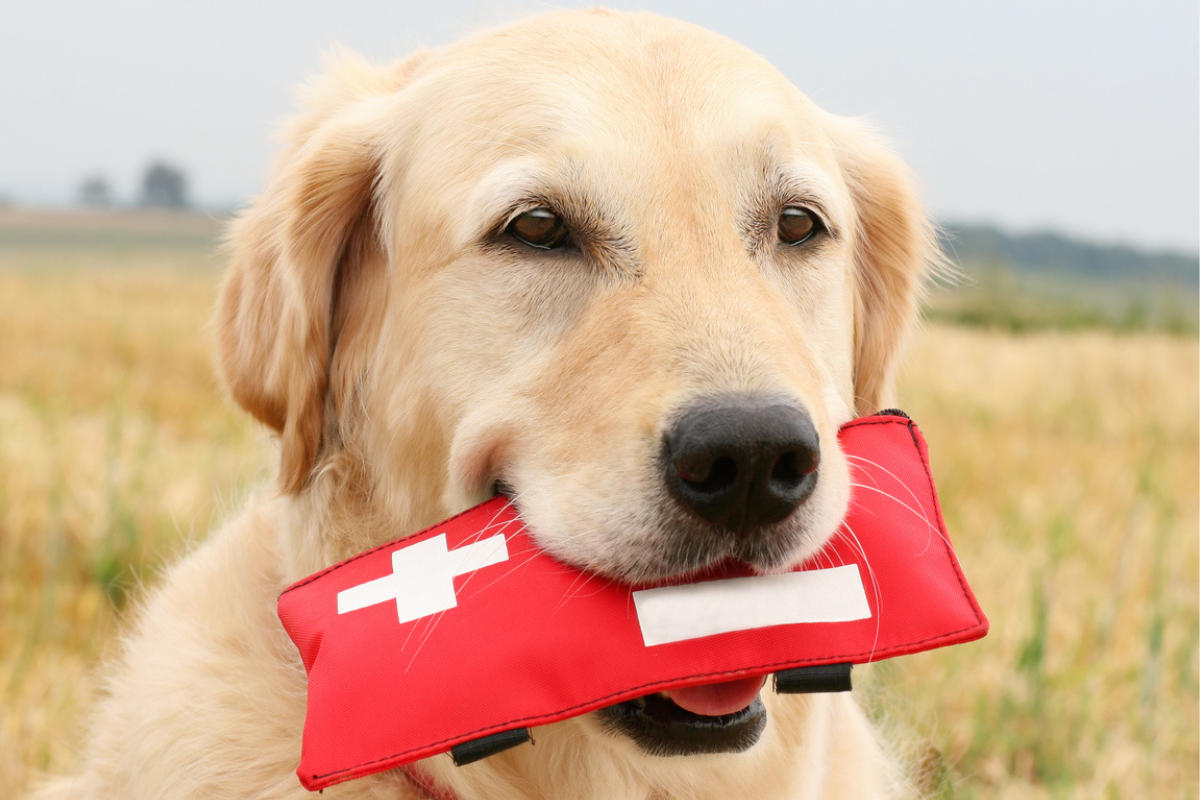
As a pet owner, ensuring the safety and well-being of your furry friend is a top priority. Emergencies can strike unexpectedly, whether it’s a minor cut during a walk or a more serious accident. Having a dog first aid kit on hand can make a significant difference in these moments and ensure that you can do the very best for your pet in its time of need. Having a first aid kit on hand helps relieve the stress of emergency situations.
What should a dog first aid kit include? How do you use it effectively? This article explores essential items for a dog first aid kit, tips for handling emergencies, and when to seek professional veterinary care.
What Is a Dog First Aid Kit?
A dog first aid kit is a collection of supplies designed specifically for addressing your pet’s health needs during an emergency. While some items may overlap with human first aid kits, a specialised dog kit contains pet-specific tools and medications tailored to canine anatomy and physiology.
Why is a specialised kit better than general human supplies? Dogs have unique medical needs that require customised care. For instance, their skin and different fur types can complicate wound care, and their medication dosages differ significantly from humans due to their smaller size. You can purchase pre-assembled kits or opt to build your own, tailoring it to your dog’s specific needs.
Ensuring that your kit is tailored to the size, weight and specific needs of your breed of dog is also important. Some breeds may need extra assistance depending on their genetic and general physical needs. Your reputable Dogs Australia breeder can help you to put this together and suggest extra items that might be appropriate.
Essential Items in a Dog First Aid Kit
Basic Supplies
- Gauze and Medical Grade Adhesive Tape: Essential for creating makeshift bandages or stopping bleeding.
- Antiseptic Wipes and Bandages: For cleaning wounds to prevent infection and protect injuries.
- Cotton Balls and Swabs: Useful for cleaning small areas or applying medication.
Medical Tools
- Tweezers: For removing splinters or ticks.
- Scissors: To cut gauze or fur around wounds.
- Thermometer: A rectal thermometer provides accurate readings for dogs.
- Gloves: Protect both you and your pet from infection during treatment.
- Splint: a splint appropriate to the size of your dog is good for stabilising any potential leg or even tail fractures.
Medications
- Saline Solution: Ideal for rinsing eyes or cleaning wounds.
- Hydrogen Peroxide: Used for wound cleaning (consult a vet for dosage).
- Antihistamines: For allergic reactions, but always source a brand approved by your vet.
Identification and Records
- Medical Records: Include vaccination details and any pre-existing conditions. These are handy if you are travelling with your dog and need to attend a vet unknown to you.
- Microchip Information: Ensure it’s up to date in case of emergencies and add an emergency contact outside of your family as a backup in case you are unreachable.
Extras for Emergencies
- Styptic Powder: Quickly stops minor bleeding from nails or small cuts.
- Blanket: Helps prevent shock and keeps your dog warm.
- Muzzle: A scared or injured dog might bite even if they’re usually gentle.
- Leash: Ensures control in stressful situations.
Where to Buy a Ready-Made Dog First Aid Kit in Australia
If you prefer convenience, ready-made dog first aid kits are widely available. Here are some options:
- Online Pet Stores: Websites like Dog First Aid Australia offer comprehensive kits tailored to canine emergencies.
- Veterinary Clinics: Many clinics stock high-quality kits.
- Retailers: Many pet store chains or local pet shops often carry pre-assembled kits.
Always ensure the kit includes essential items and verify its quality before purchase.
How to Use a Dog First Aid Kit
Handling Minor Wounds and Injuries
- Step 1: Calm your dog to minimise stress and movement.
- Step 2: Clean the wound with saline solution or antiseptic wipes.
- Step 3: Apply gauze and secure it with adhesive tape.
Treating Insect Bites or Allergic Reactions
- Recognising Reactions: Look for swelling, redness, or excessive scratching.
- Treatment: Administer a vet-approved antihistamine and monitor for worsening symptoms.
Emergency Splints and Stabilisation
- Fractures: Use gauze and a rigid object (like a stick) to create a splint.
- Stabilisation: Limit movement and transport your dog to the vet immediately.
When to See a Vet
While first aid can stabilise your dog, certain situations demand immediate veterinary care. Red flags include:
- Excessive Bleeding: If bleeding doesn’t stop within a few minutes.
- Unconsciousness: Indicates a severe injury or condition.
- Breathing Issues: Difficulty breathing or choking.
- Poisoning: Ingesting toxic substances like chocolate or household chemicals.
- Vomiting or foaming at mouth: can be a symptom of having ingested a poison or a plant that is toxic to your dog.
If travelling with your dog, find the information of the vets local to where you will be based so that you are familiar with their location. If you do have to administer first aid, always follow up with your vet to ensure proper recovery.
Tips for Being Prepared
Here are a few key tips so you can be prepared in the event of an accident or emergency:
Storing Your Dog First Aid Kit
- Keep the kit in an easily accessible location at home.
- Have a smaller version for travel or outdoor adventures.
- Having one for your car and one for your home so you never forget either is a great idea
Regularly Updating Your Kit
- Check expiration dates on medications.
- Replace used or worn-out supplies promptly.
First Aid Training
- Consider taking a pet first aid course. Organisations like the RSPCA often offer training, equipping you with skills to handle emergencies confidently.
Invest in a Kit, and Be Prepared
A well-stocked dog first aid kit is a must-have for every pet owner. From gauze and antiseptic wipes to emergency blankets and styptic powder, these tools can make all the difference during an emergency. Whether you assemble your own or purchase a pre-assembled kit, being prepared can save lives.
Invest time in learning basic first aid skills and keep your kit updated. By doing so, you’re ensuring your beloved companion’s safety and well-being in any situation.
When travelling, find local vets in the area that you will be visiting and call ahead to find out which venomous animals are common in the area and if anti-venom is available through them if required. Many smaller vets may not operate on a 24 hour basis or over public holidays or weekends, so be prepared to travel a little further than you think for assistance.
Some plants and their seeds can also be very toxic to dogs, keeping a list of these with photos with your kit will help you to diagnose poisoning in this way.
FAQs
- What should a dog first aid kit include? A dog first aid kit should include gauze, adhesive tape, antiseptic wipes, bandages, tweezers, scissors, a thermometer, saline solution, styptic powder, and a blanket, among other items.
- Can I use human first aid supplies for dogs? While some human supplies are safe, a specialised dog kit is better suited for canine needs. For instance, medications and tools are designed for their unique anatomy.
- How do I treat minor wounds on my dog? Clean the wound with saline solution, apply antiseptic, and secure it with gauze and adhesive tape. Monitor for signs of infection.
- Where can I buy a dog first aid kit? Ready-made kits are available online, in pet stores, and at veterinary clinics. Ensure the kit is comprehensive and high-quality.


