


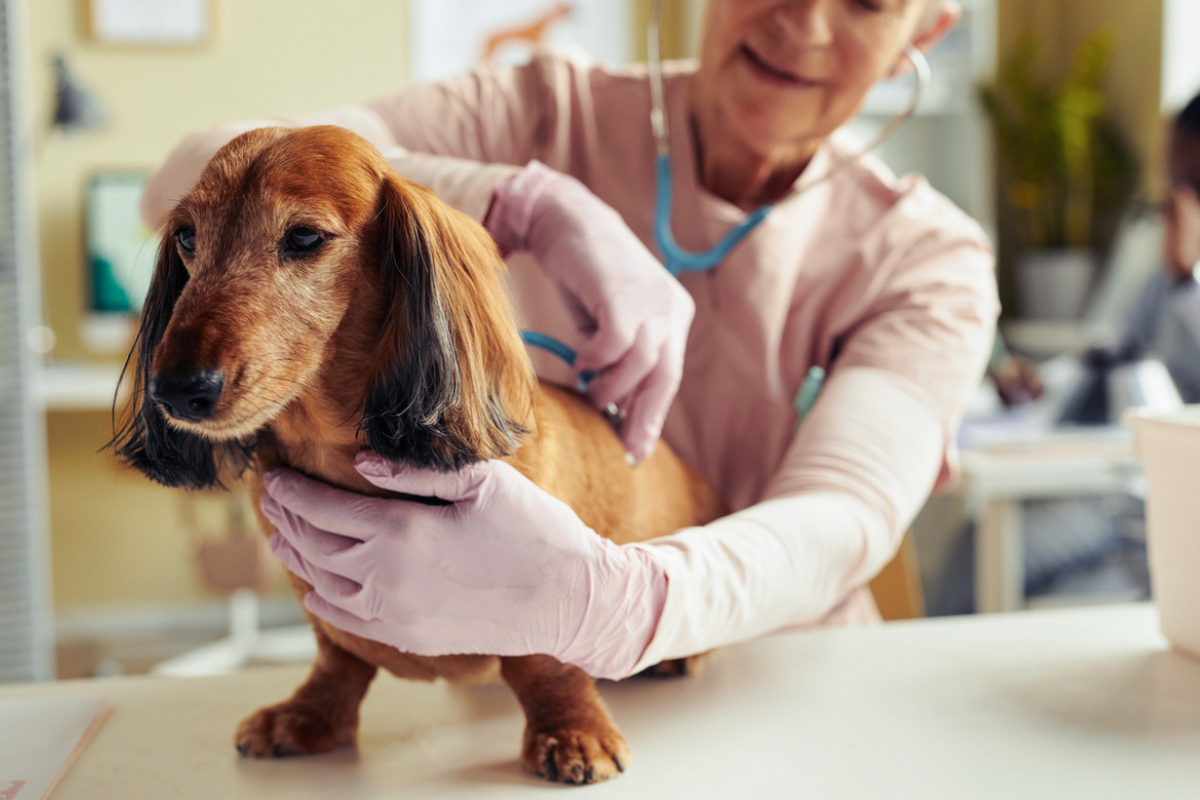
Intervertebral Disc Disease (IVDD) is a serious spinal condition that affects many pets, particularly certain dog breeds. IVDD can cause pain, mobility issues, and even paralysis, making treatment essential for maintaining a pet’s quality of life. However, the cost of diagnosing and treating IVDD, including surgery and rehabilitation, can be overwhelming for pet owners.
Pet insurance that covers IVDD can be a financial lifesaver, ensuring that pets receive the care they need without placing an excessive burden on their owners. This article explores IVDD, its impact on pets, the importance of pet insurance that includes IVDD coverage, and how to choose the right policy.
What is IVDD: What Pet Owners Need to Know
Understanding Intervertebral Disc Disease (IVDD)
IVDD is a degenerative condition affecting the discs between the vertebrae in a pet’s spine. These discs act as cushions, absorbing shock and allowing movement. In IVDD, these discs can deteriorate, become herniated, or rupture, leading to severe pain and potential loss of mobility.
Symptoms and Effects on Pets
Signs of IVDD vary depending on the severity and location of the affected discs. Common symptoms include:
- Reluctance to jump or climb stairs
- Stiffness or difficulty moving
- Pain when touched or lifted
- Unsteady gait or wobbling
- Loss of coordination, walking “drunk”
- Weakness or paralysis in the legs
Early detection is crucial, as timely treatment can significantly improve outcomes for pets with IVDD.
Breeds Prone to IVDD
While any pet can develop IVDD, some breeds are genetically predisposed to the condition. These include:
- Dachshunds - all types (most commonly affected due to their long backs)
- Corgis (Pembroke & Cardigan)
- French Bulldogs
- Beagles
- Basset Hounds
- Shih Tzus
If you own one of these breeds, having pet insurance that covers IVDD is especially important to prepare for potential medical costs.

Treatment Options for IVDD
Managing IVDD depends on the severity of the condition. Treatment options include:
- Medical Management: Conservative treatment of low grade IVDD can include pain relief and anti-inflammatory medications.
- Surgical Intervention: Severe cases often require surgery, which can cost between $10,000-$20,000.
- Rehabilitation Therapy: Hydrotherapy, physiotherapy, and acupuncture can improve mobility and recovery post-surgery.
Why Pet Insurance That Covers IVDD Is Essential
The High Cost of IVDD Treatments
Without insurance, the costs of IVDD treatments can be overwhelming. Expenses include:
- Diagnostic imaging (X-rays, MRI scans): $1,500 - $3,000
- Surgery: $10,000-15,000
- Post-operative rehabilitation: $100 - $200 per session
Pet insurance that covers IVDD helps ease these financial burdens, allowing pet owners to focus on their pet’s recovery rather than worrying about costs.
Early Diagnosis and Treatment Benefits
With IVDD insurance, pet owners are more likely to seek veterinary care at the first sign of symptoms, leading to earlier diagnosis and better treatment outcomes. Insurance provides access to:
- Advanced diagnostic tests
- Prompt surgical intervention
- Post-operative rehabilitation
Financial Peace of Mind
Knowing that pet insurance will cover the costs of IVDD treatments provides peace of mind, ensuring that financial concerns do not delay critical medical care.
Key Features to Look for in IVDD Pet Insurance
Comprehensive Coverage for IVDD
When selecting a pet insurance plan, look for policies that include:
- Coverage for diagnostics, including X-rays and MRIs
- Full or partial reimbursement for IVDD surgery
- Ongoing medication and pain management
- Rehabilitation and physiotherapy coverage
Understanding Policy Exclusions
Not all pet insurance plans cover IVDD. Be aware of potential exclusions, including:
- Pre-existing conditions: If IVDD is diagnosed before obtaining insurance, it may not be covered.
- Waiting periods: Many policies impose a waiting period before IVDD treatments are eligible for claims.
Reading the fine print before purchasing a policy ensures that you understand what is covered and what isn’t.
Reimbursement and Claim Limits
Different policies offer varying reimbursement percentages, typically ranging from 70% to 90%. Consider the following when choosing a policy:
- Annual coverage limits: Some policies cap the amount reimbursed per year.If your breed is prone to IVDD, ensure that your yearly limit would be adequate based on your budget.
- Per-condition limits: Check whether IVDD treatments have a separate reimbursement cap.
- Lifetime limits: Some insurers limit claims over a pet’s lifetime.
Choosing a plan with higher reimbursement rates and generous claim limits ensures better financial support for IVDD treatments.
How to File a Claim for IVDD Treatment With Pet Insurance
Step-by-Step Guide to Filing a Claim
If your pet is diagnosed with IVDD and requires treatment, follow these steps to file a claim with your pet insurance provider:
- Get a Diagnosis: Visit a veterinarian and obtain medical records confirming IVDD.
- Request a Treatment Plan: Secure an estimate for surgery, medication, or therapy.
- Submit a Claim: Fill out your insurer’s claim form and include veterinary receipts and medical reports.
- Wait for Approval: Claims processing times vary but typically take 7-14 days.
- Receive Reimbursement: Depending on your policy, you will be reimbursed for a percentage of the treatment cost.
Tips for Ensuring Claim Approval
To increase the chances of a smooth claims process:
- Keep detailed veterinary records.
- Ensure your policy is active and past the waiting period.
- Submit complete and accurate documentation to your insurer.
Average Claim Timelines for IVDD Pet Insurance
While timelines vary between insurers, claims for IVDD treatment are usually processed within:
- 7-14 days for standard claims
- Up to 30 days for complex cases requiring additional review
Being aware of these timelines helps in planning financially for IVDD treatments.
Case Example:
Gomez is an 8 year old dachshund, athletic with overall good health who succumbed to IVDD suddenly. His symptoms were walking unsteadily, especially in his rear legs. Gomez was rushed to a specialist for diagnosis that day.
His owners had had him covered by insurance since he was a puppy, having spent $5000 over an 8 year period with their insurance company. His IVDD was grade 3 out of 5 and his owners decided to go ahead with surgery which was $12,000 of which they would get 80% back, a value of $9600 and an overall net saving to them of $4600.
This example shows that insurance is an excellent long term investment for dogs prone to IVDD.
Conclusion
Pet insurance that covers IVDD is essential for protecting your pet’s mobility and quality of life. Given the high costs of treatment, having insurance ensures that your pet receives the necessary medical care without financial strain.
Investing in a policy that covers IVDD provides:
- Financial security against costly surgeries and treatments
- Access to quality care, including rehabilitation therapies
- Peace of mind, knowing your pet’s health is safeguarded
If you own a breed prone to IVDD, securing comprehensive pet insurance early can make all the difference. Research different providers, compare coverage options, and choose a plan that best suits your pet’s needs.


