


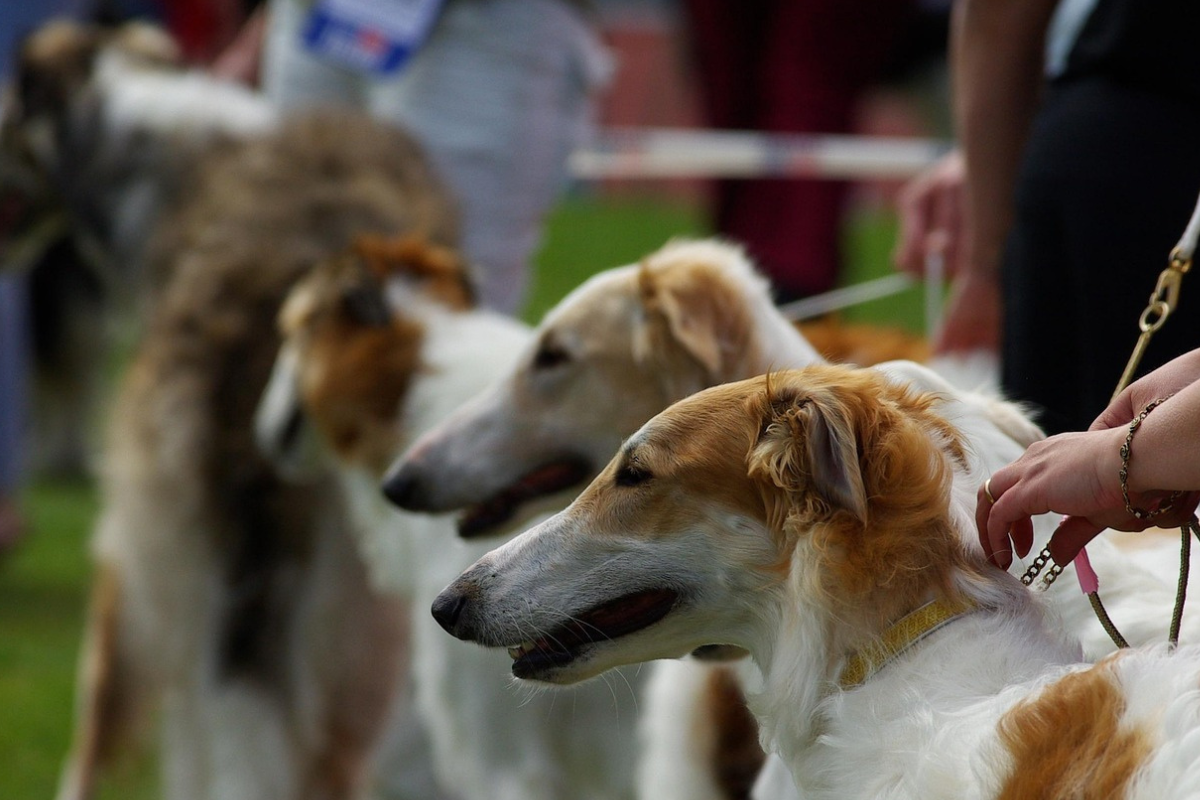
The world of dog shows, sports, and activities can seem overwhelming and intimidating at first, but getting involved is one of the best ways to bond with your dog, develop their skills, and connect with fellow dog enthusiasts.
Dogs Australia events and activities offer great opportunities to practice, train, compete, and socialise, all while strengthening your bond with your pup. These events not only showcase your dog’s abilities but also promote responsible breeding, training, and community involvement. There’s also 20+ activities with something for everyone to enjoy.
It’s always a great idea to speak to your breeder about getting involved with the community - they can provide valuable insights on breed-specific competitions, local clubs, and upcoming events.
Below, we’ll explore the different types of dog events and activities that are available in the community
Full list of Dog Activities:
- Conformation - Dog Showing
- Agility (Performance)
- Dance with Dogs
- Earthdog
- Endurance Test
- Field Trials
- Herding
- Lure Coursing
- Obedience
- Rally-O (Rally Obedience)
- Retrieving
- Scent Work
- Sledding
- Backpacking
- Weight Pulling
- Tracking
- Track and Search
- Trick Dog
- Draft Test
- Flyball
Let's dive into each one, what the benefits are, and how to get involved!
Conformation - Dog Showing
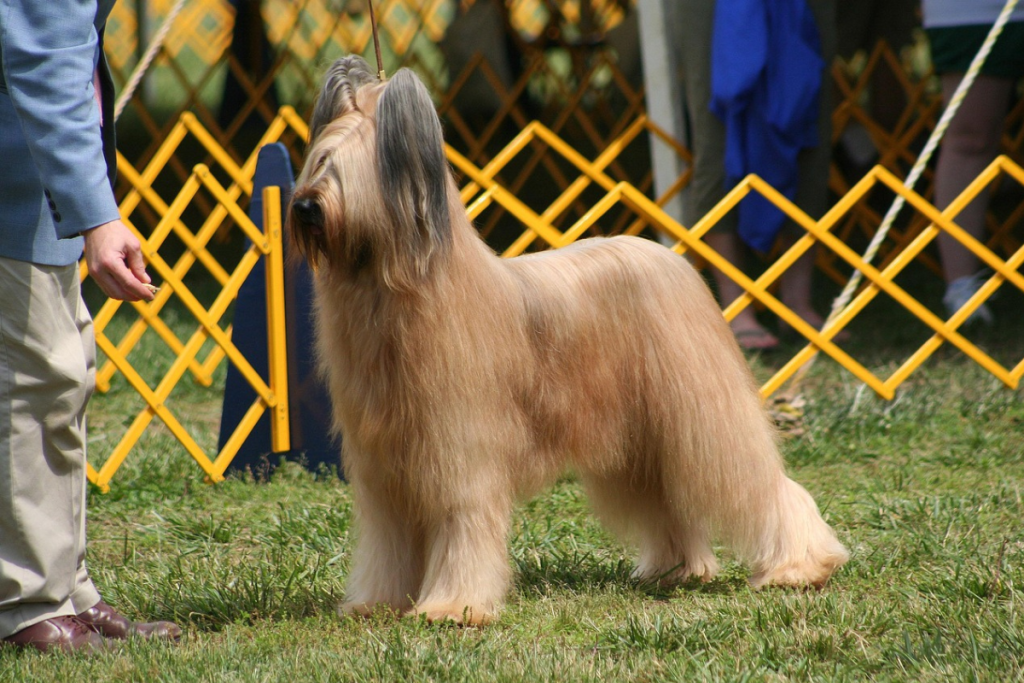
Conformation shows are an exciting way for purebred dog owners to showcase their dogs against breed standards set by Dogs Australia. These events assess structure, movement, and temperament, ensuring that dogs represent the best qualities of their breed.
- Championship Shows are the most prestigious, awarding Challenge, Best of Breed, Best in Group, and Best in Show certificates. Points earned in these shows contribute to the title of Australian Champion (CH.), which is retained for life.
- Open Shows offer a friendly, competitive environment where new owners and young dogs can gain experience. No points are awarded, but Champions can compete, and Trainee Judges officiate.
- Parades operate similarly to Open Shows but exclude Champion dogs, providing an opportunity for newer competitors to showcase their dogs.
Dog shows are further divided into age-based classes, starting from Baby Puppy (3–6 months) to Veteran (7+ years), with additional categories for State Bred, Australian Bred, and Neuter dogs.
For those looking to compete at an international level, CACIB Shows provide an opportunity for dogs to earn points toward the FCI International Champion title, requiring wins under multiple judges in different states and countries.
What are the benefits of Dog Showing? Dog showing is more than just a competition—it’s a celebration of our beloved purebreds, responsible breeding, and the dedication of owners and handlers. Whether you’re a seasoned exhibitor or a newcomer, participating in dog shows offers many rewards, and is a fun way to strengthen your bond with your dog, encourage training and socialisation, and engage in the community.
Who can participate in Dog Showing? Dog shows are open to purebred dogs registered on the Main Register with Dogs Australia. However, handlers of all backgrounds, ages, and experience levels can take part from Breeders, Owners, Junior Handlers, New Exhibitors, and Other Dog Lovers interested in the sport.
Getting Started: If you're looking to get involved in dog showing, it’s highly recommended to join your breed club, attend events as a spectator, and speak with experienced exhibitors or your breeder for guidance on handling and presentation.
You can also visit our Conformation Event Diary to see what’s on near you.
Agility (Performance)
Agility is an exciting, fast-paced sport where dogs navigate an obstacle course under the guidance of their handler. Courses include jumps, tunnels, weave poles, elevated walks, an A-frame, and a see-saw, all designed to test a dog’s speed, coordination, and responsiveness. The goal is to complete the course quickly and accurately, without faults or time penalties.
What are the benefits of Agility? It’s a great way to engage with your dog, and release energy in a way that’s much more fun and interesting than a walk. There’s a big focus on obedience, and teamwork, and it can help build confidence and problem-solving skills in your pet. Whether you want to train for fun or compete at a high level, agility is a fantastic way to bond with your dog and stay active together.
Who can participate in Agility? Agility is open to all breeds, large and small. Handlers of all ages and skill levels can participate, and even those with mobility challenges can compete using modified techniques.
Getting Started in Agility: Most local obedience and agility clubs offer training for dogs over six months of age, with competitions open to dogs 18 months and older. Attending an agility trial or volunteering to help is a wonderful way to attain an understanding of the sport too.
You can also visit our Dog Sports Event Diary, and search for upcoming agility trials near you.
Dance with Dogs
Dances with Dogs is a fast-growing sport that combines music, obedience, and creativity. Despite the name, this activity doesn’t require actual dancing but instead involves training your dog to perform coordinated moves to music. If you enjoy music and spending time with your dog, this is a great way to train, bond, and showcase your dog’s skills in a fun and engaging way.
Handlers can develop their creativity while improving their dog’s focus, coordination, and flexibility. Whether you aim to compete or just have fun, this sport offers an excellent way to stimulate your dog mentally and physically.
What are the benefits of Dances with Dogs? Dances with Dogs is more than just entertainment—it provides several benefits for both dog and handler by enhancing communication and teamwork, improve flexibility and coordination, boosts confidence, and makes exercise and training more enjoyable and rewarding.
Who Can Participate in Dances with Dogs? Dances with Dogs is open to all breeds, ages, and skill levels. You don’t need to be a dancer, and your dog doesn’t need prior obedience training—as long as your dog can walk nicely on a lead, you can get started. There are workshops and classes for all levels from beginners to advanced.
Getting Started in Dance With Dogs: If you’re interested in trying Dances with Dogs, attend a class or workshop at your local club. Training sessions are designed to be fun and positive, whether you’re training for competitions or just looking for a unique way to bond with your dog.
You can also visit our Dog Sports Event Diary, and search through upcoming Dance with Dogs Events near you.
Earthdog
Earthdog is a sport designed for small terriers and Dachshunds, allowing them to use their natural hunting instincts in a safe, simulated underground environment.
The sport consists of a series of underground tunnels (dens) designed to test a dog’s ability to locate and work quarry through multiple turns, exits, and challenges. As dogs progress through the levels, the difficulty increases, requiring them to navigate obstacles, false exits, and constrictions.
Earthdog is non-competitive, meaning each dog is judged on their individual performance rather than competing against others, making it an inclusive and rewarding sport for both beginner and experienced handlers.
What are the Benefits of Earthdog? Earthdog provides both mental and physical stimulation, giving dogs a purpose-driven activity that aligns with their natural instincts. It provides a safe environment that encourages natural behaviors, provides an excellent energy outlet for high-drive breeds, and enhances problem-solving skills and scent work
Who Can Participate in Earthdog? Earthdog is open to Dogs Australia-registered breeds specifically bred for burrowing and working underground, and dogs must be at least six months old to compete. Eligible breeds include, all terrier types, all dachshund types, as well as other small breeds like the Miniature Schnauzer, Portuguese Podengo, and Schipperke.
Getting Started in Earthdog: Attending an Earthdog trial or training session in your state is a great way to get started. Otherwise, if you have an eligible breed, ask your breeder for the details of your local club.
You can also visit our Dog Sports Event Diary, and search for upcoming Earthdog trials near you.
Endurance Test
The Endurance Test (ET) is designed to evaluate a dog's physical fitness, stamina, and resilience under controlled conditions. The test requires a dog to travel a total of 20 kilometers (on 3 different terrains) at a steady pace, usually alongside their handler who may be riding a bicycle, jogging, or using another non-motorized means of travel. The purpose is to assess the dog's ability to sustain prolonged physical activity without undue stress or signs of exhaustion.
What are the Benefits of the Endurance Test? Participating in an Endurance Test offers several benefits for both dogs and handlers. It is an excellent way to improve a dog's overall fitness, strength, and cardiovascular health while ensuring they have the stamina required for working or sporting roles.
Who Can Get Involved in the Endurance Test? The Endurance Test is open to all Dogs Australia-registered dogs, including those on the Associate Register. Dogs must be between two and eight years of age on the day of the test. While all breeds are eligible, the test is most suitable for dogs that are physically fit and capable of sustained exercise.
Getting Started in the Endurance Test: Consult with your breeder and veterinarian to ensure your dog is fit for endurance work before committing to training. Many obedience and training clubs offer structured endurance preparation programs, which can help handlers and dogs prepare for the demands of the test.
You can also visit our Dog Sports Event Diary, and search for upcoming Endurance Test Events near you.
Field Trials
Field Trials are competitions designed to assess a gundog’s natural hunting instincts, obedience, and ability to locate, flush, and retrieve game in real hunting conditions. These trials take place in rural and regional areas and simulate the experience of a day’s hunting, where dogs work in braces (pairs) to point, locate, and retrieve game.
Field Trials test a dog’s ability to work under real-world hunting conditions, including working with scent, wind, and terrain. Dogs are judged on their ability to find game, maintain control, and retrieve successfully.
What are the Benefits of Field Trials? Field Trials provide gundogs with an opportunity to engage in purpose-driven, instinctual work while reinforcing obedience and control. Participating in these trials helps dogs develop confidence, endurance, and discipline, as they must work independently while following their handler's guidance.
Field Trials play a key role in the preservation of gundog breeds, ensuring that the natural hunting instincts and skills these dogs were bred for are maintained across generations.
Who Can Get Involved in Field Trials? Field Trials are open to Dogs Australia-registered gundog breeds, including retrievers, spaniels, pointers, setters, and utility gundogs. Dogs must be fit, well-conditioned, and trained in gundog work, as trials involve navigating large areas, working in tandem with their handler, and demonstrating control and steadiness in the field.
Getting Started in Field Trials: The best way to get involved in Field Trials is to join a breed or trialing club, where experienced handlers can provide training and guidance. Many clubs run training days to help beginners understand the skills required for competition, including retrieving, pointing, and quartering. Attending a trial as a spectator is also a great way to observe different breeds in action, learn from experienced competitors, and ask questions about training methods.
You can also visit our Dog Sports Event Diary, and search for upcoming Field Trial Events near you.
Herding
Herding is a sport designed to assess and enhance the natural ability of herding breeds to control and move livestock. It is based on the traditional working role of herding dogs, who were bred to manage sheep, cattle, and other livestock with minimal handler intervention.
Herding trials provide a structured way to evaluate a dog's instinct, control, and responsiveness while working livestock in a controlled setting. Trials involve different tasks, such as gathering and driving stock, and are designed to reflect real-life farm work.
What are the Benefits of Herding? Herding is both a mentally stimulating and physically demanding activity that allows dogs to perform tasks they were originally bred for. It provides an outlet for high-energy breeds, reducing boredom-related behavioral issues. Training for herding improves a dog’s focus, problem-solving skills, and responsiveness. it’s an excellent opportunity to get outside and engage in a dynamic, purpose-driven sport.
Who Can Get Involved in Herding? Herding is open to Dogs Australia-registered herding breeds, which fall under Group 5 - Working Dogs, like Border Collies, Australian Shepherds, Australian Kelpies, German Shepherds, and more.
Certain breeds from other groups, such as Bernese Mountain Dogs, Rottweilers, and Schnauzers, may be eligible due to their historical background in livestock work. Mixed-breed dogs with clear herding lineage may also compete if they are registered under the Dogs Australia Associate Register. Dogs must be at least nine months old and must have had some exposure to livestock before entering a trial.
Getting Started in Herding: Depending on your state, there’s a Dogs Australia-affiliated herding club that you can reach out to. Or you can reach out to your breed related club in your state to point you in the right direction.
You can also visit our Dog Sports Event Diary, and search for upcoming Herding Trials near you.
Lure Coursing
Lure coursing is a high-energy sport that simulates a traditional hare hunt, allowing dogs to chase a mechanically operated lure across an open field. The sport was designed as a safer and more controlled way to test their natural coursing abilities.
The lure—typically a set of plastic bags tied to a nylon cord—is pulled along a system of pulleys, creating an unpredictable path that mimics real prey movement. The course can range from 650 to 1000 meters, depending on the event location.
What are the Benefits of Lure Coursing? Lure coursing provides dogs with both mental and physical exercise, allowing them to engage in instinctive hunting behaviors in a safe and structured environment. It improves speed, endurance, agility, and coordination, making it an excellent outlet for high-energy breeds.
Who Can Get Involved in Lure Coursing? Lure coursing is open to all breeds and mixed breeds registered with Dogs Australia. The competition is divided into two streams: one for ANKC-registered sighthounds, including Afghan Hounds, Greyhounds, Whippets, Borzois, and Rhodesian Ridgebacks, and a second for non-sighthound breeds, known as the Coursing Ability Test (CAT). All dogs must be at least 15 months old before they can compete, and they must first pass two qualifying events.
Getting Started in Lure Coursing: The best way to begin is by attending a Try Out Day, which allows handlers to see if their dog will chase the lure without the pressure of a formal trial. Many breed clubs and training organizations host practice sessions, and handlers can connect with lure coursing clubs to learn more about training techniques.
You can also visit our Dog Sports Event Diary, and search for upcoming Lure Course Trials near you.
Obedience
Obedience is a structured training discipline designed to teach dogs essential commands, improve responsiveness, and strengthen the bond between dog and handler. Training typically begins with basic commands such as sit, stay, recall, and loose-leash walking, and progresses to more advanced exercises that test control, patience, and teamwork.
There are five levels of obedience in Australia, CCD, CD, CDX, UD and UDX which become progressively more challenging. For those looking to take obedience to a competitive level, Obedience Trialling and Rally Obedience provide an opportunity to test a dog's skills in a structured competition environment, with increasing levels of difficulty and title recognition.
What are the Benefits of Obedience? Obedience training helps dogs develop good manners, reliability, and self-control, making them more enjoyable companions in everyday life. It teaches dogs to respond to commands even in distracting environments, promoting safety and better communication with their owners. For those who pursue competition-level obedience, the sport offers a structured and rewarding way to continue learning and refining skills while participating in a supportive dog training community.
Who Can Get Involved in Obedience? Obedience is open to dogs of all breeds, ages, and backgrounds, including purebred, rescue, and mixed-breed dogs. Puppies as young as 8-12 weeks can start learning through Puppy Pre-School programs, which focus on socialization, handling, and basic commands.
For those interested in competing, dogs must be registered with Dogs Australia on either the main register, limited register, or associate register. Handlers must also be financial members of Dogs Australia to participate in official trials.
Getting Started in Obedience The best way to get started is by joining a local obedience training club, where experienced instructors provide structured guidance tailored to each dog’s skill level. Training begins with basic skills, such as heeling, recall, and stay commands, before progressing to off-leash control, scent work, and retrieving exercises.
You can also visit our Dog Sports Event Diary, and search for upcoming Obedience Trials near you.
Rally-O (Rally Obedience)
Rally Obedience (commonly known as Rally-O) is a dog sport that combines elements of traditional obedience and agility in a fun, interactive, and structured environment. It is designed to promote a positive relationship between dogs and their handlers while providing an accessible entry point for those new to dog sports.
Rally courses consist of numbered stations, each requiring the dog to perform a specific exercise before moving on to the next. The judge designs the course, but unlike standard obedience trials, they do not provide verbal commands or instructions during the test.
The sport is structured into different levels—Novice, Advanced, Excellent, and Master—each introducing progressively more challenging exercises and off-leash requirements.
What are the Benefits of Rally Obedience? Rally Obedience offers a structured yet relaxed approach to dog training and competition, making it an excellent way to improve obedience skills while having fun. The sport enhances communication and teamwork, as dogs must stay engaged with their handler throughout the course. The low-pressure environment makes Rally a great stepping stone for those interested in competitive obedience, while still being enjoyable for dogs of all ages and skill levels.
Who Can Get Involved in Rally Obedience? Rally Obedience is open to dogs of all breeds, ages, and backgrounds, including both purebred and mixed-breed dogs registered with Dogs Australia. The sport is particularly suited for beginners, as it provides a structured introduction to competition without the rigidity of traditional obedience trials.
Getting Started in Rally Obedience: The best way to begin is by joining a local obedience or Rally-O club, where trained instructors can guide handlers through the rules, exercises, and course navigation. Many clubs offer beginner-friendly classes
You can also visit our Dog Sports Event Diary, and search for upcoming Rally Trials near you.
Retrieving
Retrieving trials are competitions designed to test and showcase the natural retrieving and hunting abilities of gundogs in a controlled, competitive environment. These trials simulate real hunting conditions and allow dogs to demonstrate their obedience, scenting ability, marking skills, and overall field performance.
Retrieving events involve retrieving mechanically cast game items, with dogs required to locate, retrieve, and deliver the item to the handler. The courses are often set in challenging terrain, including hills, gullies, and waterways, to closely mimic real-world hunting conditions.
What are the Benefits of Retrieving? Retrieving trials provide mental and physical stimulation, offering an outlet for gundogs to engage in their natural instincts in a structured setting. The sport improves obedience, focus, and problem-solving skills, as dogs must locate and retrieve items efficiently while responding to handler commands.
Who Can Get Involved in Retrieving? Retrieving trials are open to registered gundog breeds under Dogs Australia, including Labrador Retrievers, Golden Retrievers, German Shorthaired Pointers, Flat Coated Retrievers, Weimaraners, and Nova Scotia Duck Tolling Retrievers, among others.
Associate Gundogs—dogs of gundog lineage that may not have full pedigree registration—may also compete in Retrieving Ability Tests for Gundogs (RATG), which assess basic retrieving skills.
Getting Started in Retrieving: Handlers interested in retrieving trials should begin by attending a Beginners Test, which introduces new competitors to the mechanics of the sport. Training for retrieving trials can be done through retrieving clubs or breed-specific gundog organizations, many of which offer training days and workshops.
You can also visit our Dog Sports Event Diary, and search for upcoming Retrieving Trials near you.
Scent Work
Scent Work is a dog sport that replicates the work of professional detection dogs, challenging dogs to locate specific odors and communicate their findings to their handler. This sport is designed to engage a dog’s strongest natural sense—smell—while providing mental and physical stimulation in a positive and rewarding environment.
Dogs are trained to identify specific odors and signal their discovery through a consistent, non-destructive behavior, such as sitting, lying down, pointing with their nose, or using another clear indication method.
What are the Benefits of Scent Work? Scent Work provides dogs with a fun, challenging activity that allows them to use their instincts in a structured way. It is an excellent mental workout, keeping dogs engaged and focused, which helps reduce problem behaviors caused by boredom or excess energy. Scent Work is also low-impact and suitable for dogs of all ages and abilities, including older dogs and those with mobility restrictions.
Who Can Get Involved in Scent Work? Scent Work is open to all breeds and mixed breeds registered with a Dogs Australia Member Body. Dogs must be at least six months old to participate in trials, but training can begin at any age.
Getting Started in Scent Work: The best way to get started in Scent Work is by joining a training class at a local club or training facility. Many clubs offer beginner courses that introduce dogs to basic scent detection skills, odor recognition, and search techniques.
You can also visit our Dog Sports Event Diary, and search for upcoming Scent Work Trials near you.
Sledding
Sledding is a dog-powered sport where dogs pull a scooter, bike, or three-wheeled rig across dirt trails, rather than traditional sleds on snow. While many people associate sledding with snowy landscapes and Arctic breeds, the sport has been adapted for Australian conditions, where dogs run on dirt tracks instead of snow-covered trails.
The sport emphasizes teamwork, endurance, and athleticism, making it a highly rewarding activity for both dogs and their handlers.
What are the Benefits of Sledding? Sledding is an excellent physical and mental workout for dogs, providing an outlet for their energy, stamina, and natural pulling instincts. It enhances obedience and communication, as dogs must respond to voice commands while navigating trails at high speed.
Who Can Get Involved in Sledding? Sledding is not limited to traditional Arctic breeds like Siberian Huskies and Alaskan Malamutes—any fit, energetic dog can participate. While breeds with strong pulling instincts tend to excel, many medium to large active breeds enjoy sledding, including Labradors, German Shepherds, and Border Collies.
Handlers of all experience levels can get involved, from beginners looking for a fun way to exercise their dogs to serious competitors racing in organized sledding events.
Getting Started in Sledding: Many sledding clubs in Australia offer training sessions, events, and guidance for newcomers, making it easier to learn the fundamentals. Whether you’re interested in racing or simply enjoying scenic trails with your dog.
You can also visit our Dog Sports Event Diary, and search for upcoming Sledding Trials near you. Note, that sledding events are typically held during the winter months in Australia.
Backpacking
Backpacking is an outdoor activity where dogs accompany their handlers on hikes of varying lengths, often carrying their own gear in a specially designed dog backpack. These hikes can range from short, beginner-friendly trails to multi-day treks covering up to 65 kilometers, requiring both dogs and handlers to be self-sufficient and carry essential equipment.
Backpacking is a great way to engage a dog both physically and mentally, giving them a sense of purpose and a structured task during the hike. Some competitive backpacking events also allow dogs to earn the Working Pack Dog (WPD) title, which requires them to carry 30% of their body weight over a designated distance.
What are the Benefits of Backpacking? Backpacking provides structured exercise, helping dogs develop endurance, strength, and stamina while reinforcing discipline and training. Carrying a backpack engages a dog’s mind, providing a sense of purpose and reducing boredom or anxiety.
Backpacking is a low-impact way to build fitness, making it suitable for many breeds, provided they are in good health. Additionally, it allows dogs to experience the outdoors, exposing them to new sights, smells, and experiences that promote confidence and adaptability.
Who Can Get Involved in Backpacking? Backpacking is open to dogs of all breeds and sizes, provided they are physically fit and well-conditioned. Larger, active breeds such as retrievers, shepherds, and working dogs often excel in this activity, but smaller or mixed-breed dogs can also participate with appropriate conditioning.
Getting Started in Backpacking: To begin backpacking with your dog, start with short hikes on easy terrain, allowing them to get accustomed to wearing a backpack before adding weight. Gradually increase the distance and load, ensuring the backpack is properly fitted and does not exceed 30% of the dog’s body weight.
Weight Pulling
Weight pulling is a strength-based dog sport in which dogs pull a weighted trolley over a set distance, typically ~4.8 metres. The event starts with a qualifying weight, usually around 160 kg, and progressively increases as successful dogs move on to the next round.
A dog is eliminated when it fails to pull the assigned weight within the time limit, and its result is recorded based on the heaviest weight successfully pulled. Weight pulling is not just about size—dogs with the right technique, conditioning, and drive often outperform larger, less-trained dogs.
What are the Benefits of Weight Pulling? Weight pulling provides excellent physical conditioning, strengthening a dog's muscles, joints, and cardiovascular system. It is a low-impact way to build endurance and power, helping dogs develop core strength, coordination, and overall fitness.
Who Can Get Involved in Weight Pulling? Weight pulling is open to dogs of all breeds and sizes, provided they are healthy, well-conditioned, and meet the minimum age requirement (typically 18 months). Events often have different weight classes, ensuring that smaller dogs do not compete against significantly larger dogs.
Getting Started in Weight Pulling: Many breed clubs and sledding organisations run weight pull events, with training days available to introduce dogs to the sport.
Tracking
Tracking is a dog sport that harnesses a dog's natural scenting ability to follow a scent trail and locate articles left behind by a person, known as the tracklayer. It is a structured activity that mimics real-world search-and-rescue scenarios, teaching dogs to work independently while staying focused on a specific trail.
The sport is designed to test a dog’s ability to differentiate scents, follow a track, and indicate any objects dropped along the way. In competitions, the track may be anywhere from twenty minutes to three hours old, adding an additional challenge to the dog’s ability to detect and follow the scent.
What are the Benefits of Tracking? Tracking provides dogs with both mental and physical stimulation, allowing them to use their most powerful sense—their nose—in a structured and rewarding way. The sport enhances a dog’s problem-solving skills and confidence, as they must independently follow a trail without visual cues. Tracking is also low-impact, making it suitable for dogs of all ages and fitness levels.
Who Can Get Involved in Tracking? Tracking is open to dogs of all breeds and backgrounds, including purebred and mixed-breed dogs. Any dog with a strong sense of smell and willingness to work can participate, making it ideal for scent-driven breeds such as Bloodhounds, German Shepherds, Labradors, and Spaniels.
Handlers do not need prior experience, as many tracking clubs offer structured training programs for beginners.
Getting Started in Tracking: The best way to begin tracking is to join a tracking club or training group, where experienced handlers can introduce dogs to scent trails and search techniques. Handlers start by teaching their dog to associate a scent with a reward, gradually increasing the length and complexity of tracks.
You can also visit our Dog Sports Event Diary, and search for upcoming Tracking Trials near you.
Track and Search
Track and Search is an advanced form of tracking designed to simulate real-life search and rescue scenarios, where dogs follow the scent trail of a lost or wandering person across a variety of surfaces and environments.
Unlike traditional tracking, which primarily takes place in rural or bushland settings, Track and Search introduces urban and suburban environments, road crossings, and mixed terrain to closely mimic real-world missing person searches. Some advanced tests are conducted at night, adding an extra layer of challenge by requiring dogs to track in low-visibility conditions.
What are the Benefits of Track and Search? Track and Search provides an engaging and mentally stimulating activity for dogs, allowing them to use their natural scenting instincts in a realistic and practical setting. The sport challenges dogs to navigate diverse environments, improving their focus, confidence, and scent-detection abilities.
Who Can Get Involved in Track and Search? Track and Search is open to Dogs Australia-registered dogs that are at least six months old. While many competitors begin with traditional tracking trials before progressing to Track and Search, it is also suitable for handlers looking for a more advanced challenge beyond basic tracking exercises. Dogs of all breeds can participate.
Getting Started in Track and Search The best way to start is by joining a tracking club affiliated with Dogs Australia, where experienced handlers can introduce dogs to scent discrimination and tracking fundamentals.
You can also visit our Dog Sports Event Diary, and search for upcoming Tracking And Search Trials near you.
Trick Dog
Trick Dog is a dog sport and training discipline that focuses on teaching dogs a variety of fun and functional tricks while strengthening their bond with their handler. Trick training builds upon basic obedience skills, helping dogs develop coordination, focus, and confidence. The competition is structured into four levels—Starter, Novice, Intermediate, and Advanced—with increasing difficulty at each stage.
The goal is to create a fun, stress-free environment where dogs and handlers work together to showcase their skills in an enjoyable and interactive way.
What are the Benefits of Trick Dog? Trick training provides mental stimulation, keeping dogs engaged and helping to prevent boredom-related behavioral issues. It also enhances problem-solving skills, as dogs learn new behaviors and refine their responses to handler cues. Trick training is an excellent way to boost a dog’s confidence, especially for shy or anxious dogs, as they experience positive reinforcement through success and encouragement.
Who Can Get Involved in Trick Dog? Trick Dog is open to dogs of all breeds, sizes, and backgrounds, whether they are purebred or mixed breed. Any Dogs Australia-registered dog can compete in official Trick Dog tests, but handlers do not need prior experience to start training. Dogs of all ages can participate, and because the sport does not require high-impact physical activity, it is also suitable for senior dogs or dogs with mobility limitations.
Getting Started in Trick Dog: The best way to start is by joining a workshop or training class, where handlers can learn the fundamentals of trick training and receive feedback from experienced trainers. Training sessions should be short, enjoyable, and rewarding, ensuring that dogs stay engaged and motivated. Competitions begin at the Starter Class, where handlers select six tricks from a list of 15 and perform them with their dog to earn a Trick Dog Starter (TK.S.) title.
You can also visit our Dog Sports Event Diary, and search for upcoming Trick Dog Trials near you.
Draft Test
Historically, draft dogs were used to pull carts, transport goods, and assist on farms, and this test replicates those functions in a controlled environment. The competition includes exercises that assess a dog’s ability to pull a cart, navigate obstacles, respond to commands, and work efficiently over varied terrain.
The freight haul portion of the test requires dogs to pull a 1.6 km load-bearing course, with weight requirements depending on the competition level—10 kg for novice dogs and one-third of their body weight for open competitors
A Draft Test is a structured competition designed to preserve and develop the natural working abilities of draft breeds, demonstrating their strength, obedience, and teamwork with their handler.
What are the Benefits of a Draft Test? Drafting provides mental and physical exercise, engaging dogs in an activity that builds endurance, strength, and confidence. The sport reinforces obedience, patience, and teamwork, as dogs must work independently while responding to handler cues.
Who Can Get Involved in a Draft Test? Draft Tests are open to Dogs Australia-registered breeds that have a history of draft work. Eligible dogs must be at least two years old, physically strong, and of sound temperament to ensure they can safely perform the tasks. Toy breeds and miniature breeds are not eligible for competition, as the sport is designed for dogs with the physical capability to pull loads efficiently.
Getting Started in a Draft Test: Beginner handlers can attend training days organized by Drafting Clubs in Australia, where experienced trainers offer guidance on cart control, maneuvering, and weight-pulling techniques. Draft Tests are primarily held in the colder months, with training clubs in Victoria and New South Wales regularly hosting events.
Flyball
Flyball is a fast-paced, high-energy relay race where two teams of four dogs compete against each other. Each dog must race down a straight track, jump over four hurdles, trigger a flyball box pedal to release a ball, catch the ball, and return over the hurdles to the start/finish line, where the next dog eagerly awaits their turn. The team that completes the race flawlessly and in the fastest time wins the heat.
The sport is founded on natural canine instincts, combining elements of running, jumping, fetching, and retrieving, all while reinforcing teamwork and excitement for both dogs and handlers. Flyball is one of the most thrilling dog sports, often filled with cheering crowds, competitive spirit, and enthusiastic dogs eager to race.
What are the Benefits of Flyball? Flyball is an excellent way to provide both physical and mental exercise, allowing dogs to burn off energy, enhance coordination, and improve agility. The sport builds confidence and focus, as dogs must learn to navigate the hurdles, time their jumps, and return quickly with the ball. It also strengthens obedience and recall skills, as dogs must work off-leash in a controlled setting.
Flyball is a highly social sport, encouraging dogs to work in a team environment while handlers engage with a community of like-minded dog lovers. Additionally, since Flyball is divided into performance-based divisions, dogs of all speeds and abilities can compete at a level suited to their skills.
Who Can Get Involved in Flyball? Flyball is open to all dogs, regardless of breed, size, or shape. Any dog that enjoys running, jumping, and retrieving can take part, making it one of the most inclusive and accessible dog sports. Unlike some competitive sports that require extensive obedience training, Flyball does not require formal training before participation.
Getting Started in Flyball: The best way to begin is by joining a Flyball club, where experienced trainers will introduce dogs to the hurdles, the flyball box, and the relay format. Training focuses on teaching dogs to time their jumps, build speed, and master ball retrieval, ensuring they complete the race quickly and efficiently.