


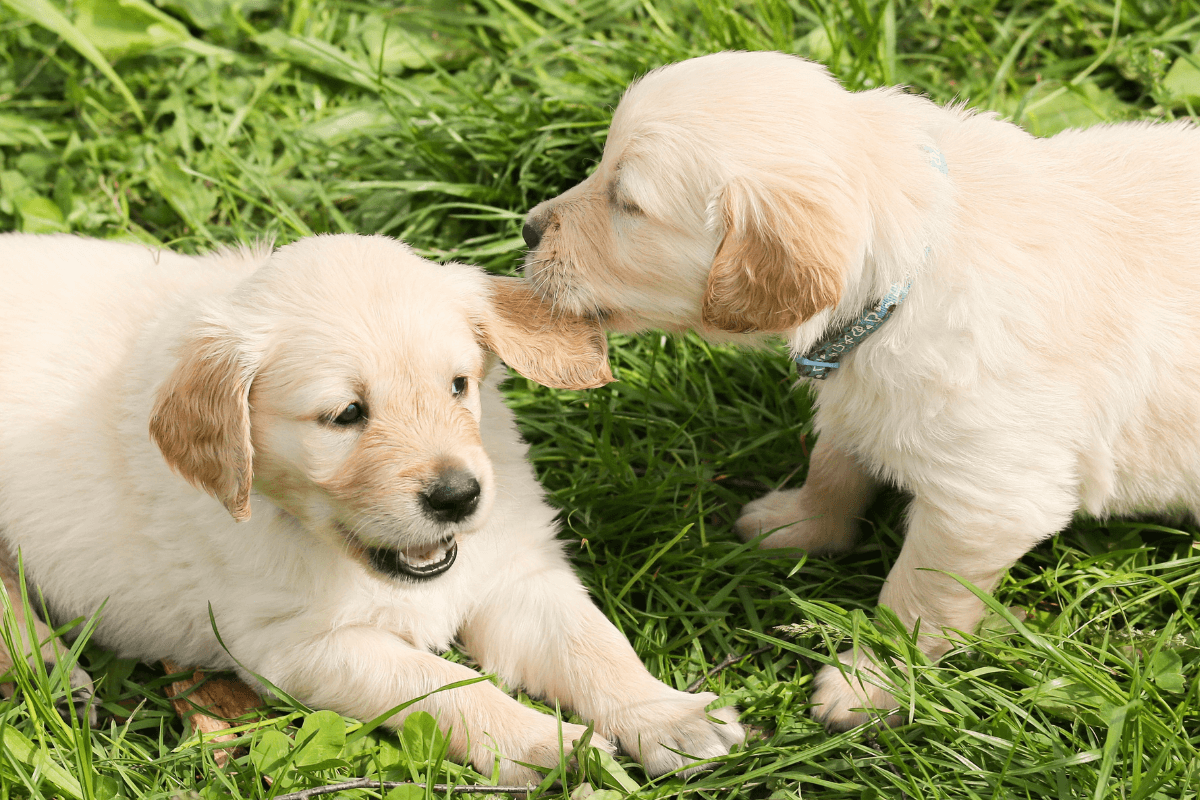
Socialising your puppy from an early age is essential in helping them develop the behavioural and emotional skills they need to navigate the world around them.
Bringing a new puppy into your home is an exciting, joyful, and immensely rewarding experience. Puppies bring boundless energy, affection, and curiosity into our lives, but they also require thoughtful guidance and consistent training.
The most crucial period for socialisation occurs between 3 and 14 weeks of age, when puppies are particularly open to new experiences. This is why it’s essential to choose a responsible breeder who has already begun socialisation before the puppy joins your home at 8+ weeks of age
In this guide, we will explore the most effective ways to safely socialise your puppy at the park and in public spaces, ensuring every outing is a positive and enriching experience for both you and your canine companion.
What Is Socialisation?
Puppy socialisation involves gently and gradually introducing your young dog to a variety of people, environments, sounds, animals, and situations in a controlled and positive manner. When done correctly, socialisation reduces the risk of fear, aggression, and anxiety in later life, and sets the stage for a friendly, resilient, and adaptable adult dog. Public places such as parks, pavements, outdoor cafés, and even high streets offer excellent opportunities for socialisation. However, it’s vital that these experiences are introduced carefully and safely so as not to overwhelm your pup.
Socialisation doesn’t end after the early weeks—it’s a lifelong process that helps your dog adapt confidently to new situations throughout their life. Ongoing exposure to different environments, people, and experiences reinforces good behaviour and supports your dog’s emotional well-being.
Why Is Puppy Socialisation So Important?
Socialisation is the process of introducing your puppy to a wide range of experiences while they are still young and impressionable. The most sensitive period for socialisation occurs between three and sixteen weeks of age. During this time, puppies are more open to new experiences and are less likely to develop negative associations. Early, positive socialisation can result in a dog that is calm, confident, and well-behaved in a variety of situations.
Benefits Of Early Socialisation
Benefits of early puppy socialisation include:
- Prevents the development of behavioural problems such as reactivity, excessive barking, or aggression.
- Encourages calm and friendly interactions with unfamiliar people and other animals.
- Helps puppies become more adaptable to different environments, sounds, and situations.
- Reduces stress during everyday occurrences such as grooming, car rides, vet visits, and public outings.
- Builds confidence in new and unfamiliar settings.
- Supports emotional resilience, making it easier for your puppy to cope with change or novelty.
- Enhances learning and trainability by creating a positive foundation for future training.
- Strengthens the human-animal bond through shared positive experiences during a critical developmental stage.
Early socialisation sets the foundation for your puppy to handle real-life situations with confidence, like:
- Staying calm and cooperative during vet visits, making check-ups and treatments less stressful.
- Interacting gently and confidently with children and elderly family members, reducing the risk of fear or overexcitement.
- Enjoying social settings like dog parks, promoting healthy play and reducing anxiety or aggression.
- Handling being left home alone without excessive barking, destructive behaviour, or separation anxiety.
- Engages positively in playdates with other dogs and animals, building social skills and learning appropriate play behaviour.
- Adapting easily to everyday experiences and changes, reducing any anxiety or behavioural issues in your dog.
Conversely, a lack of socialisation can result in a fearful or overly reactive dog, which can make day-to-day life more stressful for both you and your pet. As such, investing time in positive socialisation is one of the most valuable things you can do for your dog’s long-term well-being.
Preparing For Your Puppy’s First Public Outing
Before introducing your puppy to the big wide world, it’s important to take a few key steps to prepare.
A little planning goes a long way in making their early adventures safe and positive:
Vaccination Requirements: When is it safe to take your puppy to public spaces?
Before taking your puppy to public spaces—or enrolling them in activities like dog boarding, puppy school, or playdates with other pets—it’s essential to make sure they’re up to date with their vaccinations.
Your puppy’s immune system is still developing, and they will be vulnerable to potentially serious diseases until they have completed their core vaccination schedule. Typically, puppies receive their primary vaccinations at around 8 to 10 weeks, followed by a second round at 12 weeks, though this can vary. Always consult your vet to confirm when it’s safe for your puppy to begin exploring parks and public spaces.
In addition to vaccinations, make sure your puppy is protected against fleas, ticks, and worms. These parasites are common in outdoor areas and can be easily picked up by a curious pup sniffing through grass or mingling with other dogs and pets.
Essential Training Before Socialising In Public:
Before heading out, your puppy should have a basic understanding of essential commands such as "sit," "stay", and "come". These form the foundation of good behaviour and help you manage your puppy in public settings.
Recall (“come”)—getting your puppy to come back to you when called—is especially important for safety. Even in secure, fenced-off areas, a reliable recall can prevent your puppy from getting into trouble or approaching other dogs uninvited.
Use high-value treats and plenty of praise to reinforce positive responses. Consider starting with training sessions in a quiet garden or indoor space before practising in more stimulating environments.
Required Puppy Gear for Safe Outings
There’s some gear that you’ll need that will help make your first outing safe, and less stressful:
- Harness and Leash: If your puppy’s recall is still a work in progress, using a long training lead allows them to roam and explore safely while remaining under your control.
- Treats: Useful for training, rewarding good behaviour, and creating positive experiences.
- Poop bags: Essential for cleaning up after your puppy and being a responsible pet owner.
- Grooming Wipes: Handy for quick clean-ups after messy play or accidents.
Read more: You can also claim our Free Dogz Pay Puppy Pack which has all the essentials
How to Safely Introduce Your Puppy to Public Spaces
Once your puppy is fully vaccinated and showing confidence in familiar settings, it’s time to begin socialising them in larger public areas such as parks. These outings should be gradual and carefully planned.
Step 1: Start Small And Begin With Controlled Socialisation
Rather than diving straight into a busy park, ease your puppy into socialisation in a calm and structured way.
- Begin in quiet, familiar environments like your backyard or a trusted friend’s home.
- Gradually introduce new experiences—different surfaces (grass, gravel, concrete), everyday sounds (cars, bikes, doors), and friendly people at a comfortable pace.
- When going out, carry them in your arms or use a secure puppy sling when visiting busier places like outdoor cafes, markets, or walking paths. This allows your puppy to observe people, dogs, and activity from a safe distance, helping them develop confidence without overwhelming direct contact.
Step 2: Controlled Socialisation with Other Dogs
Once your puppy has had some positive exposure to the outside world, the next step is introducing them to other dogs in a safe and controlled way..
Arrange short, controlled meetups/doggy playdates—be sure to choose well-socialised, fully vaccinated dogs known to be calm and gentle with puppies. These early interactions help your puppy learn appropriate social cues in a safe setting. Friends and family can also help by greeting your puppy calmly and offering treats, so each new encounter is associated with something positive.
On these puppy playdates, you’ll want to:
- Start with both dogs on-leash, but keep the leads loose to avoid creating tension.
- Choose a neutral, quiet space for the introduction—avoid busy parks or high-traffic areas.
- Allow the dogs to approach each other at their own pace, sniffing and interacting naturally.
- Avoid face-to-face greetings at first; instead, walk the dogs side by side to ease into interaction.
- Keep the initial meeting short and positive, ending before either dog becomes overwhelmed.
Keep an eye out for body language cues:
- Positive Body Language: Loose, wiggly body posture, play bows (front legs down, rear up), relaxed tail wagging, gentle sniffing and soft eye contact
- Negative Body Language: Stiff body, raised hackles, growling, baring teeth, lip curling, prolonged staring, intense focus, hiding, cowering, trying to escape.
If either dog shows signs of stress or discomfort, calmly redirect and give them space. Remember, not every interaction has to lead to play—simply observing or calmly walking near another dog is still valuable socialisation.
The goal is to build your puppy’s confidence and teach them how to interact respectfully, not to overwhelm them with forced play. With positive early experiences, your puppy will learn how to communicate with other dogs in a healthy, balanced way.
Step 3: Visiting Parks and Public Areas
Once your puppy has built some confidence through early socialisation, visiting parks and public areas can be a great next step—but it’s important to approach it thoughtfully to ensure every outing remains positive and safe.
Before heading out to a dog park, be sure to choose the right one
- Look for parks with designated dog-friendly or enclosed puppy areas, and ideally the park is clean, well-maintained, free from litter or potential hazards, and not overcrowded with calm surroundings where you can focus on your puppy’s behaviour without distractions.
- Avoid peak times when the park is crowded, noisy, or filled with unfamiliar dogs running around off-lead. Early mornings or weekdays are usually quieter and less overwhelming.
When you’re at the park, you’ll want to observe and assess other dog’s behaviour before allowing taking your puppy onto the park and allowing interactions
- Look for the general mood and energy of the dogs present. Are they calm and sociable, or rough and boisterous? Are the owners at the park attentive and in control? If any dogs appear aggressive or overly dominant, it may be best to wait or choose another location.
- Look for friendly dogs with relaxed body language—loose, wagging tails, soft posture, and playful behaviour like bows.
- If your puppy shows interest in another dog, allow a calm, brief interaction under close supervision. Look for friendly dogs with relaxed body language—loose, wagging tails, soft posture, and playful behaviour like bows.
- Don’t rush things—one positive interaction is far more valuable than multiple overwhelming ones. If your puppy seems hesitant, let them watch from a distance. Observation is still learning, and building confidence takes time.
Keeping your puppy on a lead initially is a good idea
- Start by walking your puppy on a standard or long lead, giving them the freedom to sniff and explore while still maintaining control. Avoid using retractable leads, as they can be difficult to manage and potentially dangerous in a high-distraction environment.
- Once your puppy becomes more confident and if you are in a secure, enclosed space, you may allow short periods of off-lead play—but only if you are certain your puppy will respond to recall.
Understanding your puppy’s body language is crucial. If you notice signs of stress—such as stiff posture, raised hackles, growling, prolonged staring, hiding, or trying to escape—it’s time to step in and give them space. Intervening early helps prevent negative experiences that could impact future social confidence.
Also re-iterating, if your puppy seems unsure in public spaces, take a step back and allow them to watch and experience everything from a distance. It’s perfectly acceptable for them to simply observe the world around them during early outings.
Step 4: Other Public Spaces and Broadening Your Puppy’s Horizons
Socialisation goes beyond the park. Exposing your puppy to a wide variety of environments and experiences will help build a robust and adaptable temperament.
- Walks in New Locations: taking your puppy on short walks through different neighbourhoods, past shops, along quiet roads, or by canals and rivers introduces them to new sights, smells, and people. Keep the pace slow and allow them to stop and investigate their surroundings. Short, enjoyable walks are best at first—don’t overwhelm them with too much stimulation in one go.
- Human Interactions: let your puppy meet a diverse range of people, including men, women, children, people wearing hats or glasses, and individuals using mobility aids such as wheelchairs or walking sticks. Encourage gentle interactions and reward your puppy for calm behaviour. Always supervise and guide interactions, ensuring your puppy is not being handled roughly or overwhelmed.
- Exposure to Sounds and Objects: Introduce your puppy to common urban sounds like traffic, bicycles, sirens, and construction noises, starting from a safe distance. Allow them to experience different surfaces such as cobblestones, grates, gravel, and wooden decking. Bring along treats and toys to associate these experiences with positive outcomes.
Step 5: Final Tips for Safe and Positive Socialisation
As you continue your puppy’s socialisation journey, keep these final tips in mind:
- Be patient: Socialisation is not a race. Move at your puppy’s pace and celebrate small wins.
- Stay positive: Keep experiences light, happy, and reward-based.
- Supervise interactions: Whether with people or dogs, stay attentive and step in if your puppy appears uncomfortable.
- Respect their comfort zone: If they seem unsure or frightened, take a break and try again another time.
Be consistent: Regular, low-pressure outings help build your puppy’s confidence over time.
Puppy Socialisation Checklist
The goal isn’t to rush through it all at once, but to gradually introduce new experiences in a fun, safe, and rewarding way.
Before Public Socialisation
- Get your puppy vaccinated before meeting other animals and going outside
- Start at home or in safe controlled environments
- Introduce everyone at home, and family members that visit
- Introduce to different rooms that the puppy can go to at home
- Introduce to different sounds at home (vacuum, hairdryer, appliances)
- Introduce to different surfaces and textures at home (carpet, couch, tiles, timber, t-shirts)
People and Animals
- Adults, children, and elderly people
- People wearing hats, sunglasses, or uniforms
- People using mobility aids (wheelchairs, crutches, walkers)
- Calm, fully vaccinated adult dogs
- Other household pets (cats, birds, etc.)
Noises and Sounds
- Vacuum cleaner, hairdryer, and kitchen appliances
- Doorbells, knocking, clapping
- TV or radio with varied volumes
- Thunder or fireworks (recorded or at a distance)
- Traffic noise from a safe distance
Places
- Backyard or enclosed garden
- Quiet residential street
- Friend or family member’s home
- Inside the car (short, positive rides)
- Vet Clinic
Experiences
- Wearing a collar and harness
- Walking on lead indoors and in the yard
- Being handled (touching paws, ears, mouth, tail)
- Grooming activities (brushing, nail trimming)
- Being left alone for short periods
Common Socialisation Mistakes and How to Avoid Them
There a few common mistakes to avoid in your puppy’s socialisation journey:
- Rushing the process: Socialisation isn't a race—introduce new experiences gradually and always keep them positive. Puppies also tire easily, so do them in short spurts, and give plenty of time of rest, and positive reinforcement when things go well.
- Forcing interactions: Let your puppy take the lead. Pushing them into situations before they're ready can create fear and anxiety. Be sure of understanding their body language cues and emotions, and knowing when to intervene and step in.
- Going to the dog park too soon: Be sure you puppy has received all required vaccinations, and that you’ve done plenty of preparation before going out to the dog park and public places. Socialisation is more than just meeting other pets, it involves interaction and exposure to noises, people, textures, new environments.
- Ignoring warning signs: fearful behaviour should be addressed with positive reinforcement, but don’t rush things. Be patient with your puppy’s learning.
Training and Socialisation Tips for a Well-Behaved Puppy
Training and socialisation go hand-in-hand when raising a confident, well-mannered dog. With consistency, patience, and positive reinforcement, you can help your puppy build essential life skills while feeling safe and supported every step of the way.
- Use reward-based training to build confidence and trust. Treats, praise, and play help reinforce good behaviour and make learning enjoyable for your puppy. Avoid punishment, as it can create fear and damage the bond between you and your dog.
- Ensure safe interactions with children and strangers by supervising closely and teaching both sides how to engage respectfully. Encourage calm approaches, gentle handling, and give your puppy the choice to interact—or not.
- Encourage calm behaviour in new environments by keeping outings short and positive. Let your puppy explore at their own pace, and reward relaxed behaviour to build a positive association with unfamiliar places.
FAQs About Puppy Socialisation
When should I start socialising my puppy?
The ideal time to begin socialising your puppy is between 3 and 14 weeks of age, when they are most open to new experiences. However, socialisation continues well beyond this period—just take it slowly and keep it positive.
What if my puppy is scared in public spaces?
Fear is a normal response to unfamiliar situations. Give your puppy space, reduce exposure, and try again later in a calmer setting. Build confidence gradually using treats, praise, and gentle encouragement—never force them into uncomfortable situations. You can also start small by socialising them in a controlled environment like puppy playdates in a friend’s backyard.
How do I introduce my puppy to a reactive dog?
Avoid direct introductions to reactive dogs early on. Instead, let your puppy observe from a distance in a safe, controlled setting. Focus on rewarding calm behaviour and use these moments as an opportunity for your puppy to learn without stress.
Is it safe to take my puppy to a dog park?
It’s best to wait until your puppy is fully vaccinated before visiting dog parks. Even then, start slow—choose quiet times, observe other dogs first, and stick to enclosed or separate puppy areas if available to ensure a safe and positive experience.
A Final Word
Safely socialising your puppy in parks and public spaces is a fundamental part of raising a well-balanced and emotionally healthy dog. By taking the process step by step—starting with basic training, choosing the right environments, and prioritising positive experiences—you’ll lay the groundwork for a confident and sociable adult dog.
Every positive outing helps your puppy develop trust in you and the world around them. With time, patience, and encouragement, you’ll witness your puppy blossom into a happy, well-adjusted companion ready to enjoy all of life’s adventures by your side.
Use the Puppy Socialisation Checklist above as a guide for your puppy’s learning journey. So grab the lead, pack some treats, and set off on a journey of exploration and learning with your puppy. The experiences you share now will shape their behaviour for years to come—and you’ll both have a lot of fun along the way.