


Toilet training your puppy is one of the first and most important tasks you'll face as a new pet owner. It’s not only essential for maintaining a clean and harmonious home, but it also lays the foundation for a positive relationship with your puppy as they grow.
While the process can be a bit challenging, it’s completely achievable with patience, consistency, and the right approach. You'll want to ensure you're across potty training before your puppy arrives at home, as the first days to weeks are crucial for puppy learning.
In this guide, we’ll cover everything from preparing your home to troubleshooting common issues, ensuring your puppy becomes a reliable and clean companion.
Preparation: Setting the Stage for Success
Before we dive into the actual training, preparation is key. Proper planning ensures that the process runs smoothly and minimises stress for both you and your puppy.
Supplies You’ll Need
Having the proper tools and puppy essentials on hand makes all the difference in ensuring a successful training experience. These items will not only aid in training but also help prevent accidents and ensure cleanliness:
You can expect to pay around $100+, for the puppy essentials needed for toilet training.
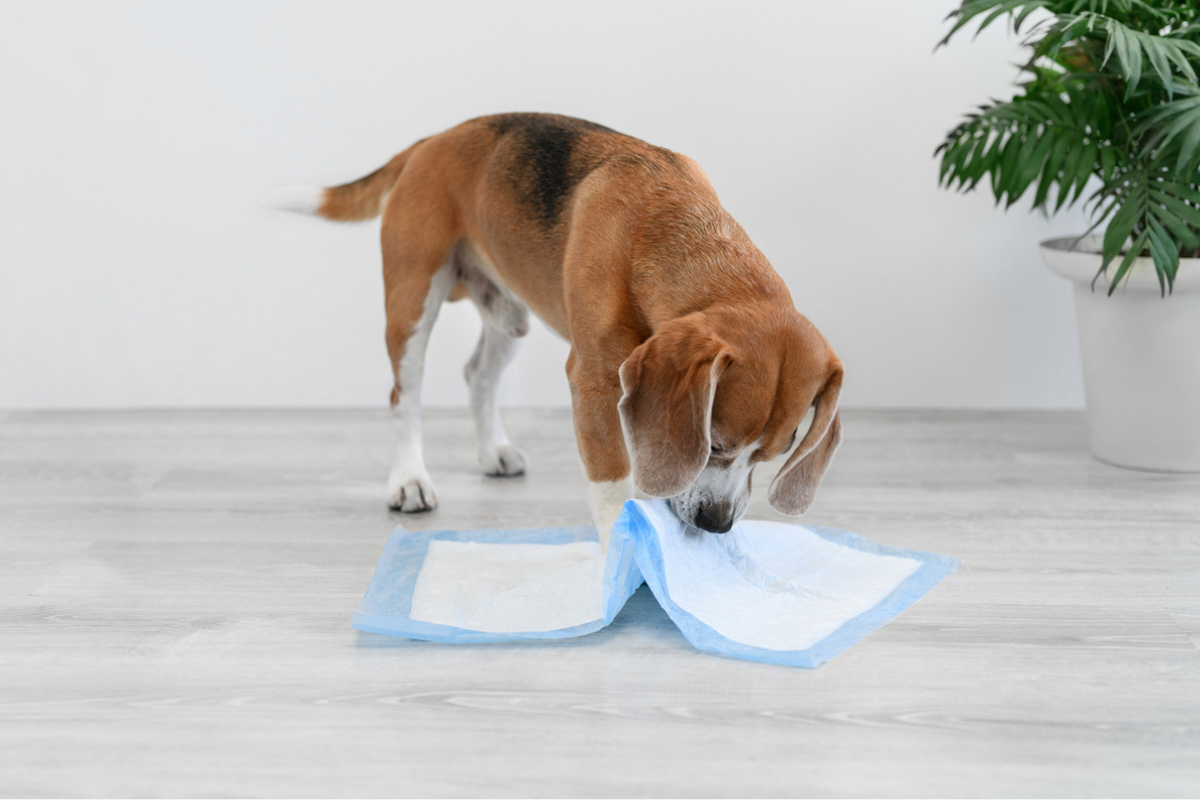
- Puppy Pads ($12 - $40): Puppy pads are especially useful when training indoors or when your puppy hasn’t yet been fully vaccinated. They offer a convenient solution for potty training before your puppy can safely go outside. Look for pads with good absorbency and leak-proof backing to avoid messes. There are also reusable ones that you can use for a more environmentally friendly option. You may want to consider the Pawwise Pee Pads ($12.99) or the Dr. Bales Health Monitoring Pee Pads ($34.99).
- Enzyme-Based Cleaners ($20-$40): Accidents are bound to happen. Enzyme-based cleaners are specifically designed to break down urine and other organic stains, completely eliminating odors. This is essential for preventing your puppy from revisiting the same spot to potty. You can expect to pay around $20 - $40, and the LOGIN Urine Out Spray is a good solid antibacterial spray
- Treats ($15-$100): Positive reinforcement plays a crucial role in toilet training. Choose small, soft treats that can be consumed quickly and won't overwhelm your puppy. Using high-value treats will motivate your puppy to repeat the desired behavior. High Protein Chicken Treats are also a good favourite.
- Crate ($60 - $200): A crate is an invaluable training tool. It provides a safe, secure space for your puppy, and because dogs instinctively avoid soiling their sleeping area, crate training encourages your puppy to hold their bladder when they are inside the crate. Consider the Paws for Life Wire Crate or the Kazoo Premium Crate - be sure to get the right size.
- Leash (free - $50): A leash is necessary for outdoor toilet training. It helps you maintain control and guide your puppy to the designated potty area. If you’re transitioning to outdoor potty training, a leash ensures they stay focused and don’t wander off. Get a complimentary Ezy Dog Collar from one of our Dogz Online Puppy Packs.
Choosing a Toilet Spot
Selecting a consistent toilet area is crucial for your puppy’s success. Whether you decide to train your puppy indoors or outdoors, consistency in location helps them establish a routine and reduces confusion.
- Indoor or Outdoor: If you live in an apartment or your puppy is too young to go outside, puppy pads are an excellent indoor solution. If you have a yard, outdoor potty training is ideal. Make sure you choose one location for potty time, whether it's a specific corner of your living room or a designated spot in your backyard.
- Accessibility: The toilet area should be easily accessible for your puppy, as well as for you. If you’re training indoors, avoid placing the pads in corners that are hard for your puppy to reach. For outdoor training, choose a spot that is easy to get to, especially for nighttime potty breaks.
- Minimise Distractions: When training your puppy, try to choose an area where distractions like other pets, loud noises, or toys won’t distract your puppy from doing their business.
Establishing a Routine
Puppies thrive on routine, and establishing a consistent feeding, potty, and sleep schedule will help them learn quickly. A predictable routine reduces the likelihood of accidents and speeds up the training process.
- Feeding Schedule: Stick to a regular feeding schedule so you can predict when your puppy will need to go potty. Typically, puppies need to relieve themselves 15 to 30 minutes after eating, so a consistent feeding routine will help you stay ahead of accidents.
- Toilet Schedule: Puppies have small bladders, so you should take your puppy outside or to their designated potty area every 1–2 hours during the day. Also, take your puppy to the toilet spot immediately after waking up, after meals, and after playtime.
- Consistency is Key: The more consistent you are with the potty schedule, the more quickly your puppy will pick up on the routine. Make sure every member of your household follows the same schedule to avoid confusion.
Step-By-Step Guide: How to Toilet Train a Puppy
Once you've gathered the necessary supplies and set up a routine, it's time to begin the training process.
Day 1–2: Introducing the Toilet Area
The first couple of days are focused on getting your puppy familiar with the toilet area and establishing the foundation for the rest of the training.
- Frequent Visits: Take your puppy to the toilet area frequently—at least every 1–2 hours. Be sure to include a visit after meals, naps, and playtime. This frequent repetition reinforces the habit.
- Verbal Cues: Introduce a consistent verbal cue, such as “Go potty!” or “Do your business!” every time you take your puppy to the spot. Eventually, your puppy will begin to associate the cue with the action of going potty.
- Immediate Reward: When your puppy successfully uses the toilet area, reward them immediately with praise and a treat. Puppies have a short attention span, so it’s important to reward them right after they finish, so they can connect the behavior with the reward.
Day 3–5: Reinforcing Good Habits
The second phase of training focuses on reinforcing the positive behaviors your puppy is starting to show.
- Maintain Regularity: Continue taking your puppy to the toilet area at regular intervals. Be diligent about keeping the schedule consistent, and never skip a potty break, as your puppy may not be able to hold it.
- Close Supervision: Watch for signs that your puppy may need to go, such as sniffing, circling, or restlessness. If you see these signs, immediately guide your puppy to the toilet area. This supervision prevents accidents and teaches your puppy the right place to go.
- Introduce Crate Training: If you're using a crate, start crate training your puppy. A properly sized crate should only allow your puppy to stand, turn around, and lie down comfortably. Puppies instinctively avoid soiling their sleeping area, and crate training can help teach them to hold it when they're not actively supervised.
Day 6–7: Building Independence
By the end of the first week, your puppy should start to understand the routine and can begin to hold their bladder for longer periods. This phase is about building independence.
- Gradual Extension: As your puppy becomes more reliable, begin extending the intervals between potty breaks. However, continue to watch for cues that they need to go.
- Outdoor Transition: If you’ve been using puppy pads indoors, start transitioning to outdoor potty training. The goal is to gradually move your puppy from the indoor pads to an outdoor spot that’s safe and consistent.
Troubleshooting Challenges
Even with a consistent routine, challenges may arise. It’s important to be patient and persistent.
Accidents Indoors
Accidents are a normal part of the potty training process, especially early on. Here’s how to handle them:
- Missed Cues: If you miss the signs that your puppy needs to go, clean up accidents immediately with an enzyme-based cleaner to eliminate the smell. This will discourage your puppy from using the same spot in the future.
- Inconsistent Routine: If accidents become frequent, it could be due to inconsistencies in the schedule. Ensure that feeding, potty breaks, and sleep times are all on a regular routine.
Regression in Training
It’s normal for puppies to experience setbacks during training. If your puppy starts having accidents or forgetting what they’ve learned, don’t panic:
- Return to Basics: If your puppy regresses, go back to the basics. Take a step back in the training process and reinforce the schedule, cues, and rewards.
- Patience and Consistency: Keep your expectations realistic. Puppies are still learning, and accidents are part of the journey.
Recognising Potty Cues
One of the most important skills in toilet training is learning to read your puppy’s potty cues. Understanding these signs will help you prevent accidents:
- Sniffing: If your puppy starts sniffing around the ground, they might be looking for a spot to potty.
- Circling: Circling or pacing in one spot is often a sign that your puppy is getting ready to go.
- Restlessness: Sudden restlessness or stopping in the middle of play could mean that your puppy needs to relieve themselves.
Long-Term Success: How to Train a Puppy to Toilet Reliably
Toilet training is a critical part of raising a well-behaved and happy puppy. By establishing good habits early, you can set your puppy up for long-term success.
- Positive Reinforcement: Always use positive reinforcement to encourage the behaviors you want to see. Immediate praise after they potty in the correct area strengthens the association between the behaviour and the reward
- Patience and Consistency: gradual progress will happen over time, so be patient. Your puppy will learn with the right routine and guidance from you. Being persistent is important even if progress can feel slow, continue with the routine and your puppy will learn it over time.
- Increasing Freedom Indoors: once your puppy becomes fully trained, you can start gradually giving them more freedom indoors to different areas of the house, but it’s important to continue monitoring them and looking for cues to ensure they’re still following a toilet routine.
A Recap On Toilet Training
Toilet training a puppy is a journey that requires preparation, patience, and consistent effort, but the rewards are well worth it. By establishing routines, using positive reinforcement, and maintaining a calm, encouraging approach, you can help your puppy develop reliable habits that will last a lifetime.
Remember, accidents are a normal part of learning, so stay patient and focus on progress rather than perfection. Celebrate each success, no matter how small, and enjoy the bonding experience that comes with guiding your puppy through this important stage of their development.
FAQs - Toilet Training
How long does it take to toilet train a puppy?
Toilet training a puppy typically takes 4 to 6 months, but this timeframe can vary depending on the puppy and the owner's consistency. Some puppies may learn in as little as a few weeks, while others could take up to a year to become fully reliable. It’s important to have a routine, and stay consistent. Accidents will happen, but it’s important to reward positive behaviour and help build confidence in your puppy.
Can you toilet train a puppy in 7 days?
Toilet training a puppy in 7 days is possible for some puppies, but it requires intensive effort, consistency, and round-the-clock supervision. While your puppy may not be completely reliable in such a short time, you can establish strong foundational habits that significantly reduce accidents and set them up for long-term success.
What’s the best way to stop puppy toilet accidents indoors?
To stop puppy toilet accidents indoors, combine crate training, close supervision, and quick clean-ups. Crate training works because puppies instinctively avoid soiling their sleeping area, encouraging bladder control when combined with regular outdoor breaks. Close supervision helps you spot early signs that your puppy needs to toilet, such as sniffing or circling, allowing you to redirect them outside immediately and reward them for correct behavior. If accidents happen, clean thoroughly with enzymatic cleaners to remove odors and prevent repeat mistakes.
When should I start toilet training my puppy?
You should start toilet training your puppy immediately, as this is the ideal time to establish good habits and routines. Puppies at this age are impressionable and eager to learn, making it easier to teach them where and when to use the toilet.
Many breeders on Dogz Online may provide crate training prior to you receiving your puppy and have some advice for you too.