


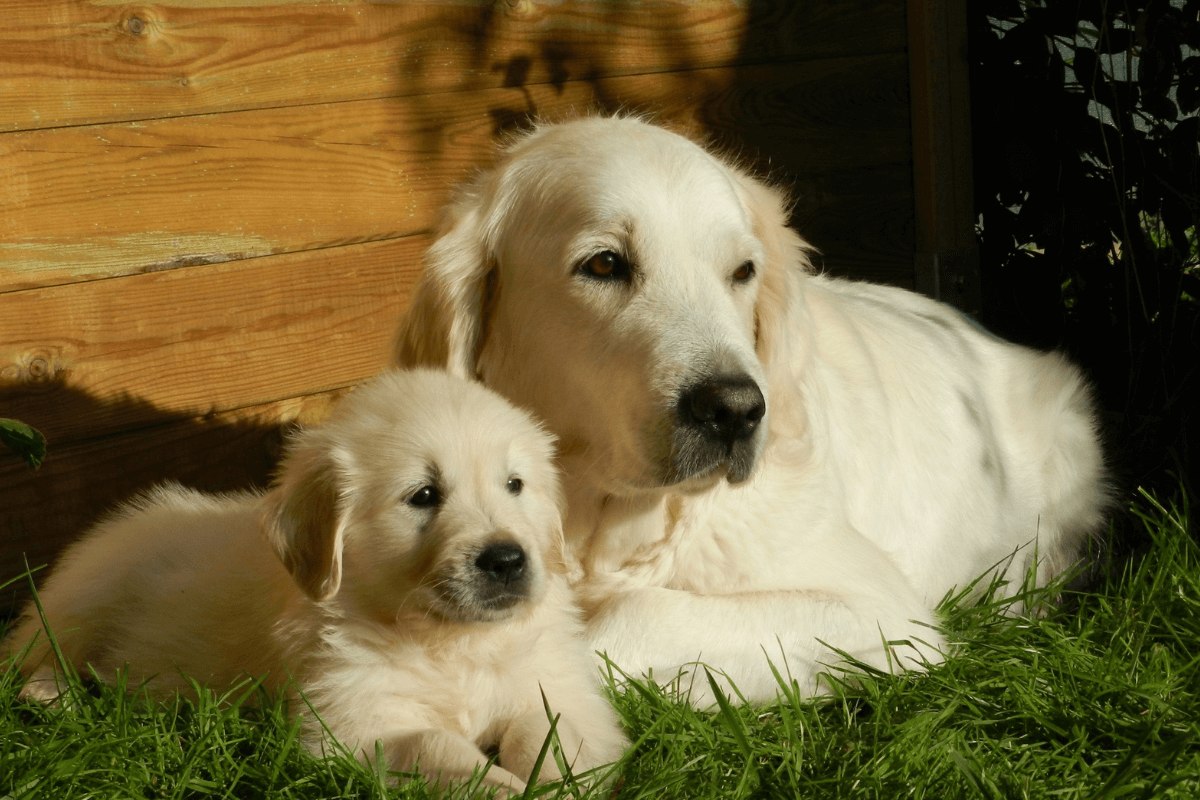
Bringing a puppy into your home is an exciting and heartwarming experience, filled with cuddles, playtime, and new routines. However, it also comes with significant responsibility. One of the most important aspects of responsible pet ownership is understanding the stages of a puppy’s development. Knowing what to expect at each phase allows you to provide the appropriate care, training, and support that your puppy needs to grow into a confident, healthy, and well-adjusted adult dog.
This comprehensive guide outlines the key stages of puppy development, highlighting the physical and behavioural changes you can expect, and offering practical advice on how to meet your puppy’s needs every step of the way.
Neonatal Stage (0–2 Weeks)
Newborn puppies are incredibly vulnerable and completely dependent on their mother for survival. During this early phase, they are born blind, deaf, and unable to regulate their body temperature.
Key Developments:
- Puppies rely on their sense of touch and smell to locate their mother and nurse.
- They spend most of their time sleeping and feeding, gaining weight at a rapid pace—often doubling in size within the first week.
- Primitive reflexes, such as rooting and suckling, help them feed effectively.
- The mother stimulates the puppies to urinate and defecate by licking them.
Breeder's Role:
- Your breeder will ensure the whelping area is clean, warm, and quiet, with minimal handling to reduce stress.
- Your breeder will monitor each puppy’s weight daily to ensure they are feeding well.
Transitional Stage (2–4 Weeks)
This stage marks the beginning of the puppy’s interaction with the world. Your breeder will commence sensory development to help your puppy take a big leap forward, and the puppy begins to experience its surroundings more clearly.
Key Developments:
- Eyes begin to open at around two weeks, with ears following shortly after.
- Puppies begin to respond to light, sound, and movement.
- Baby teeth start to emerge, prompting exploratory mouthing behaviours.
- They become more mobile, attempting to walk and play with littermates.
Breeder’s Role:
- Your breeder will typically begin gentle handling to help the puppy become accustomed to human contact.
- Your breeder will typically provide soft toys for safe exploration and early play.
- Your breeder will keep the environment safe and free from hazards as the puppies become more adventurous.
- Your breeder will keep begin introducing them to new textures and mild household sounds in a calm, controlled way.
Socialisation Stage (4–12 Weeks)
Often regarded as the most crucial stage in a dog’s life, this is when puppies are most receptive to new experiences. The socialisation stage is essential for shaping a puppy’s personality and future behaviour.
Key Developments:
- Rapid development of cognitive and emotional capacity.
- Enhanced social skills through play with littermates, including bite inhibition and body language.
- Weaning typically begins between four to six weeks, transitioning puppies from milk to solid food.
- Fear responses begin to develop, making positive early experiences vital to reduce long-term anxiety.
Breeder and Puppy Owner’s Role:
- Introduce a wide variety of people, places, animals, sounds, and experiences in a positive and non-threatening way.
- Begin basic training using reward-based techniques, focusing on cues such as 'sit', 'stay', 'come', and name recognition.
- Arrange supervised playdates with friendly, vaccinated dogs.
- Maintain a consistent feeding, sleeping, and toileting schedule to provide structure and reassurance.
- Schedule vaccinations and regular vet checks to ensure health and wellbeing.
- Note: Negative or traumatic experiences during this time can result in fear-based behaviours later in life, so proceed carefully and patiently.
Read more: Puppy Socialisation Guide and Checklist
Read more: What Should I Feed My Puppy? A Complete Guide
Juvenile Stage (3–6 Months)
At this point, your puppy becomes more independent and confident, often showing a cheeky or mischievous streak. Their energy levels increase, and they are eager to explore and interact.
Key Developments:
- Teething continues, with permanent teeth replacing baby teeth by around six months.
- Growth accelerates, particularly in medium and large breeds.
- Development of social hierarchy awareness, both within canine groups and with humans.
- Curiosity and the need for mental stimulation are heightened.
Puppy Owner’s Role:
- Continue reinforcing training through short, fun, and consistent sessions.
- Provide a variety of safe chew toys to soothe teething discomfort and protect household items.
- Increase the duration and complexity of training tasks to challenge your puppy’s growing brain.
- Introduce structured games and puzzle toys to maintain interest.
- Begin basic lead training and recall in safe, enclosed areas.
- Ensure continued socialisation with other dogs and people in controlled settings.
Adolescence Stage (6–12 Months)
Puppies in this stage begin to test boundaries and may appear stubborn or distracted. Adolescence can be a trying time for owners, but it’s a normal part of development and an important phase for reinforcing good behaviour.
Key Developments:
- Sexual maturity occurs; males may become more territorial, and females may experience their first season.
- Hormonal changes can result in mood swings, defiance, or increased assertiveness.
- Dogs may display new behaviours such as guarding or selective listening.
- Some large or giant breeds continue growing past 12 months.
Owner’s Role:
- Stay calm and consistent with training and discipline.
- Increase physical and mental exercise to burn excess energy and prevent boredom.
- Engage in advanced training, such as heel work, off-lead reliability, or trick training.
- Consider spaying or neutering based on your vet’s advice and the specific needs of your dog.
- Redirect any undesirable behaviour with patience, avoiding punishment-based methods.
- Provide opportunities for responsible off-lead exercise in secure environments.
Maturity Stage (1–2 Years)
At this point, most dogs are approaching physical and emotional maturity, although the exact timing can vary by breed. Smaller breeds may be fully mature by 12 months, while larger breeds may not reach full maturity until 18–24 months.
Key Developments:
- Stabilisation of temperament and personality.
- Continued learning capacity, with improved focus and problem-solving.
- Stronger bond and responsiveness to owners.
- Reduction in hyperactive behaviour for some dogs, though others remain energetic and playful.
Owner’s Role:
- Transition to adult dog food with appropriate nutritional content for breed and activity level.
- Maintain regular exercise, training, and social interaction.
- Continue exposing your dog to varied environments and situations to ensure adaptability.
- Monitor health through regular vet visits and routine checks.
- Consider introducing new challenges such as agility, flyball, scent work, or canine sports.
- Continue nurturing the human-animal bond with interactive play, grooming, and affection.
Why Understanding These Stages Matters
Recognising your puppy’s developmental stages allows you to provide timely support that builds confidence, promotes good behaviour, and prevents problems before they arise. Puppies do not remain small for long, and each stage brings new challenges and opportunities. By proactively addressing your puppy’s needs—whether it’s socialisation, training, health care, or play—you can set the foundation for a harmonious lifelong relationship.
For example, a lack of socialisation during the critical early weeks can result in fearful, reactive behaviour in adulthood. Likewise, inconsistent training during adolescence may lead to bad habits that are harder to correct later. On the other hand, a well-socialised and well-trained dog is more likely to be relaxed, responsive, and enjoyable to live with.
Final Thoughts
Puppyhood is a whirlwind of rapid growth, learning, and discovery. While it can be exhausting at times, it is also a deeply rewarding experience that lays the groundwork for the future. Each stage of development brings its own set of joys and challenges, and by understanding what your puppy needs at each point, you can help them become the best version of themselves.
If you ever feel unsure about your puppy’s behaviour or health, don’t hesitate to consult your veterinarian or a qualified canine behaviourist. Every puppy is unique, and professional guidance can make all the difference.
With commitment, patience, and love, your puppy will grow into a happy, confident companion—ready to face the world by your side.