

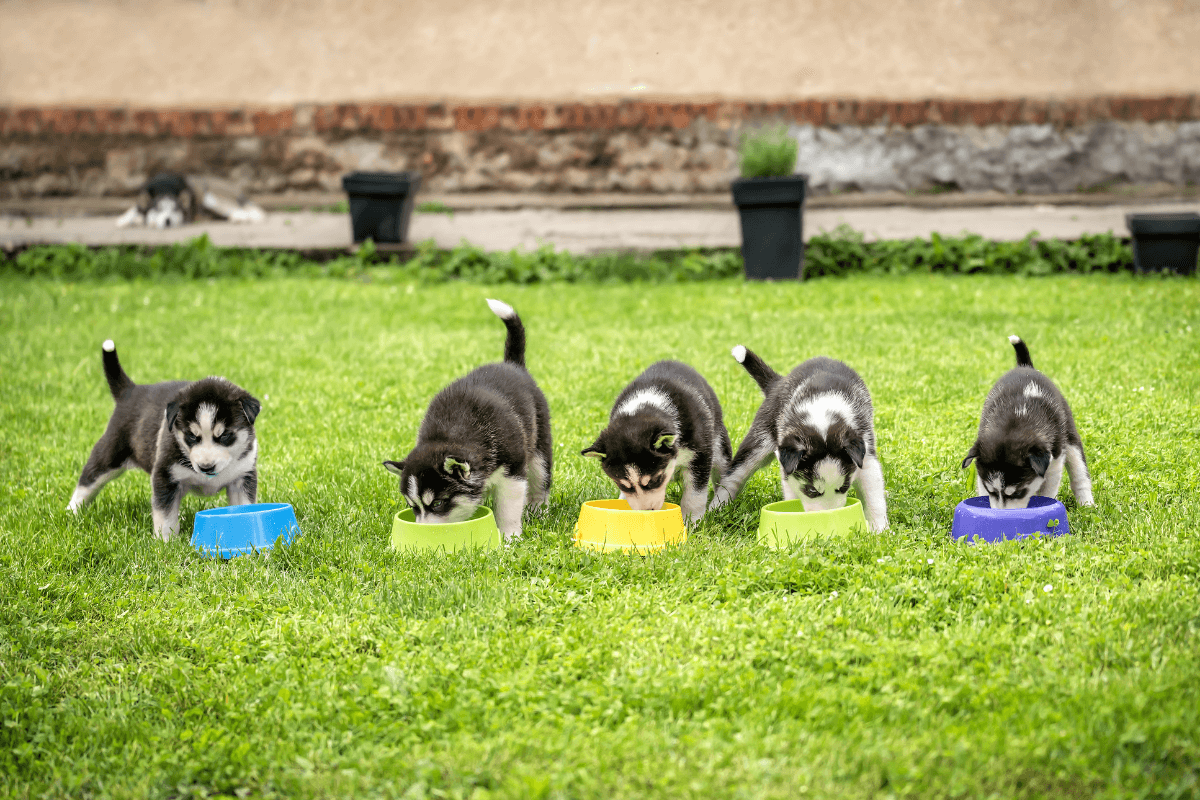
Feeding your puppy the right food is one of the most important things you can do to support their health, growth, and development.
With so many food choices on the market and conflicting advice online, it can feel overwhelming to decide what’s best for your new companion.
Below we’ll help you understand your puppy’s nutritional needs, how to choose the right type of food, and how to feed them properly at every stage of their development.
Why Nutrition Matters in Puppyhood
Puppies grow at an extraordinary rate during their first year of life. The right nutrition supports healthy bone formation, muscle development, cognitive function, immune system resilience, and overall well-being.
Because of their rapid growth, puppies have different dietary requirements than adult dogs—they need more protein, fat, and certain vitamins and minerals (like calcium, phosphorus, omega-3s).
Inadequate or unbalanced nutrition during puppyhood can lead to serious consequences, including:
- Poor bone development
- Stunted growth
- Weakened immunity
- Obesity and related health issues
- Lifelong digestive sensitivities
Getting it right from the start lays the foundation for a healthy, active adult dog with fewer behavioural and medical problems down the line.
Essential Nutrients for Puppies
A complete and balanced puppy diet should provide the following:
- Protein: Vital for building muscles and tissues. Look for high-quality sources like chicken, turkey, beef, lamb, fish, and eggs.
- Fats: Provide energy and support brain development. Sources include fish oil, flaxseed, and animal fat.
- Carbohydrates: Supply energy and aid digestion. Whole grains, vegetables, and sweet potatoes are ideal.
- Vitamins & Minerals: Help support bones, vision, skin health, immunity, and more. Puppies need adequate calcium, phosphorus, zinc, and vitamins A, D, and E.
Water: Fresh, clean water should always be available. Proper hydration is crucial for digestion, circulation, and temperature regulation.
Types of Puppy Food: What’s Best for Your Pup?
There are several feeding options, each with pros and cons. The right choice depends on your lifestyle, your puppy’s needs, and your preferences.
1. Dry Kibble
Dry kibble is the most commonly used type of dog food, and it comes in bite-sized pellets.
Benefits:
- More affordable
- Convenient to store, and longer shelf life
- Easy to measure for portion control.
- Supports dental health by helping reduce plaque and tartar through chewing
Considerations for Dry Kibble:
- Choose a kibble formulated specifically for puppies—not adult or senior dogs.
- Look for whole meat or named meat meals as the first ingredient, with a high quality protein source.
- Avoid products loaded with fillers (e.g., corn, wheat, soy) or artificial additives.
- If you have a large breed puppy, select a large-breed formula to support joint health.
>> Shop all Dry Puppy Kibble Here <<
2. Wet (Canned) Food
Wet food is a soft, moist food sold in cans or pouches. It has a high water content and often contains chunks of meat in gravy or pate form, making it more palatable for picky eaters or puppies with dental issues.
Benefits:
- High water content supports hydration.
- Often more aromatic and appealing to fussy eaters.
- Easier to chew, especially for small breeds or puppies with dental issues
Considerations:
- More expensive than dry food on a per-serving basis.
- Once opened, it must be refrigerated and used promptly.
- Doesn’t provide the dental benefits of dry food.
- Look for wet dog food that has minimal (or ideally) no artificial preservatives
- Look for wet dog food that has real meat as the first ingredient
- AAFCO statement indicating it's complete and balanced for puppies
Tip: Many owners choose to mix wet and dry food, which can offer the best of both worlds.
>> Shop all Wet Puppy Food Here <<
3. Raw Diets, Homemade Diets, and Freeze/Air Dried
A raw diet typically includes uncooked meats, bones, organs, fruits, and vegetables, while others buy pre-made frozen or freeze-dried raw meals.
Some owners prefer a home-prepared or raw diet to control ingredients and ensure freshness, or buy pre-made frozen or freeze-dried raw meals. While this can work well, it must be carefully balanced.
Benefits:
- It’s a natural diet with no artificial additives or preservatives
- Customisable for food allergies or sensitivities
- May improve coat condition, energy levels, and stool quality
- May result in fewer allergies
Risks and Considerations:
- Can be unbalanced if not properly formulated as nutritionally balancing a raw or homemade diet requires expertise.
- Risk of bacterial contamination (for both puppy and humans) like Salmonella or E. coli.
- Can be slightly pricier
How Often Should You Feed a Puppy? Puppy Feeding Schedule by Age
Young puppies have tiny stomachs but high energy needs. They require multiple meals throughout the day. As they grow, the number of meals can be reduced.
This is the typical Feeding Frequency by Age:
- 6–12 weeks: 4 meals per day
- 3–6 months: 3 meals per day
- 6–12 months: 2 meals per day
- 12+ months: Most adult dogs do well on 1–2 meals daily
Avoid free-feeding (leaving food out all day), as it can encourage overeating and make toilet training more difficult.
Large vs small breeds considerations:
- Large Breeds (like Labradors, Great Danes) require puppy food specially formulated for large breeds with controlled calcium and calories. Slower, steady growth helps prevent joint and bone problems later in life. May stay on puppy food up to 15–18 months.
- Small Breeds (e.g., Chihuahuas, Toy Poodles) have faster metabolisms and need energy-dense meals with more frequent feedings early on. Transition to adult food may happen closer to 10–12 months.
Every puppy is unique, so use this as a general guide and consult your veterinarian for personalised advice—especially when transitioning between stages or introducing new foods. A consistent, age-appropriate feeding schedule sets the foundation for lifelong health.
How Much Should You Feed Your Puppy?
The right amount depends on your puppy’s age, breed, expected adult size, activity level, and metabolism. Use the feeding guide on the food packaging as a starting point, but monitor your puppy’s weight and condition is the most important thing to do.
Here are some tips for feeding:
- Portion Control & Weight Monitoring: Monitor your puppy’s body condition regularly—adjust portions if they’re gaining too fast or staying too lean. More active puppies may need a bit more food, while more sedentary ones may require less. Spread meals out evenly across the day to prevent overeating and reduce the risk of bloat (especially in large breeds).
- Be Aware of Signs of Overfeeding: rapid or excessive weight gain, bloating or a round belly, reduced interest in play or exercise, loose stools or frequent digestive issues - are all key indicators that you could be overfeeding your puppy
- Be Aware of Sign of Underfeeding: visible ribs or spine, lethargy or low energy, slow growth or delayed development, constant begging or food scavenging - are indicators that you may be underfeeding
- Account for Treats and Snacks: Treats are essential for training and positive reinforcement, but they should not make up a significant amount of your puppy’s daily food and calorie intake (no more than 10% of caloric intake). Choose healthy, low-calorie treats like cooked lean meats, raw carrot sticks or green beans.
Key Ingredients to Look for in Puppy Food
The best puppy foods are packed with quality ingredients that support healthy growth, digestion, brain development, and immunity. Here’s what to look for:
- High-quality protein sources – Look for real meat like chicken, beef, lamb, or fish as the first ingredient to support muscle and tissue growth.
- Healthy fats – Ingredients like fish oil or flaxseed provide essential Omega-3 and Omega-6 fatty acids for brain development and a healthy coat.
- Whole grains and vegetables – Brown rice, sweet potatoes, and carrots supply fiber, energy, and important vitamins and minerals.
- Probiotics and prebiotic fiber – Support digestive health and help maintain balanced gut bacteria.
- Puppy-specific formulas – Ensure the food is designed for puppies and meets their unique nutritional requirements during growth.
Ingredients to avoid:
- Fillers – Corn, soy, and wheat offer little nutritional value and can be hard to digest.
- Meat by-products – These are often lower-quality protein sources with inconsistent nutritional content.
- Artificial colours and preservatives – Ingredients like BHA, BHT, and synthetic dyes may cause sensitivities or long-term health concerns.
- Added sugars or sweeteners – Unnecessary and can contribute to poor dental and overall health.
Foods to Avoid For Dogs
Not all foods are safe for your puppy—some can be toxic, while others may cause digestive issues or allergic reactions.
Never feed your puppy the following toxic foods—not even in small amounts
- Chocolate – contains theobromine, which is toxic to dogs.
- Grapes and raisins – can cause kidney failure.
- Onions and garlic – damage red blood cells.
- Avocado – contains persin, harmful to dogs in large quantities.
- Cooked bones – can splinter and cause internal injuries.
- Alcohol or caffeine – extremely toxic even in small doses.
- Xylitol – an artificial sweetener found in sugar-free gum and sweets; potentially fatal.
Harmful table scraps can do more harm than good, as they can upset your puppy’s stomach or cause long-term harm, particularly foods that are:
- Fatty or greasy
- Cooked bones (they can splinter and cause internal damage)
- Dairy products
Common food allergen for puppies include:
- Wheat
- Soy
- Chicken (for some breeds)
If your puppy ingests any of these, contact your vet immediately or call a pet poison helpline.
Safe human foods for puppies include:
- Blue berries
- Carrots
- Apples (no seeds)
- Plain pumpkin
Transitioning to a New Diet Safely
Changing your puppy’s food too abruptly can cause digestive upset, including diarrhoea, gas, or vomiting. To switch foods safely:
Transition Schedule:
- Days 1–3: 75% old food, 25% new food
- Days 4–6: 50% old, 50% new
- Days 7–9: 25% old, 75% new
- Day 10: 100% new food
Monitor your puppy’s stools and appetite during the transition. If symptoms persist, speak to your vet or breeder.
Avoid high-fat, salty, or sugary foods, and never give table scraps, especially if you’re unsure what’s in them.
Special Considerations
Some puppies have specific dietary needs:
- Large breed puppies: Need carefully balanced calcium and phosphorus levels to avoid developmental orthopaedic diseases (e.g., hip dysplasia).
- Allergies or sensitivities: Common allergens include beef, chicken, wheat, and dairy. Symptoms include itching, diarrhoea, or recurring ear infections.
- Sensitive digestion: Some puppies do better on grain-free, hydrolysed, or limited-ingredient diets.
Your vet can recommend appropriate diagnostic tests and suggest suitable food options if your puppy shows signs of intolerance.
Breeder and Veterinary Guidance Helps
Your Breeder or Vet is the best source of personalised advice on feeding your puppy. During check-ups, they’ll assess your puppy’s weight, growth rate, body condition, and overall health. They may also recommend changes to your puppy’s diet based on development or medical conditions.
Before switching to raw diets, supplements, or specialised foods, always consult either your breeder or vet.
FAQs on Puppy Nutrition
What is the best food for puppies?
The best food is one that’s complete and balanced, formulated specifically for puppies, and suited to their breed size.
Can puppies eat human food?
Yes, some human foods are safe in moderation—like carrots, blueberries, and plain pumpkin. However, avoid toxic foods such as chocolate, grapes, onions, garlic, and anything with xylitol. Always double-check before offering human food.
What are the most recommended puppy food brands?
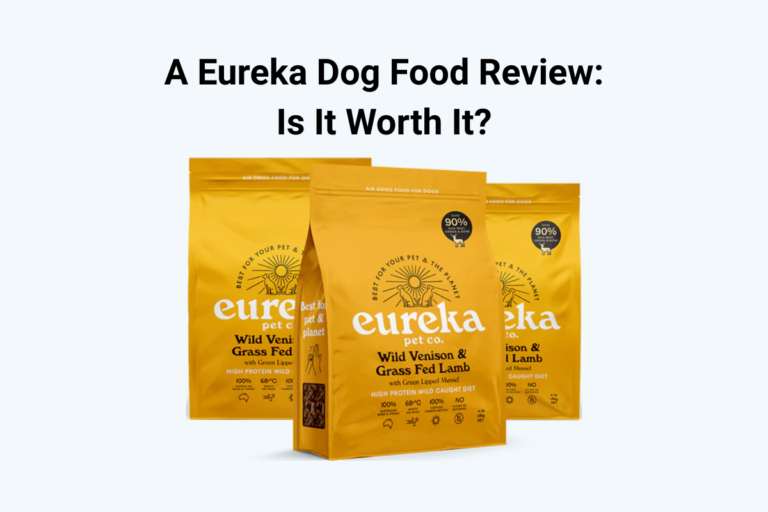
We recommended Eureka Pet food, as a high quality, high protein food option or topper.
What are the best treats for puppies?
Look for small, soft, and low-calorie treats for training. Great options include freeze-dried meats, boiled chicken, or commercial puppy-specific treats.
Is a raw diet for puppies safe?
A raw diet can offer benefits like improved coat and digestion, but it must be carefully balanced to avoid nutritional deficiencies. Always consult a vet or canine nutritionist before starting raw feeding, especially during the puppy stage when growth is critical.
How often should I feed my puppy?
- 8–12 weeks: 4 meals per day
- 3–6 months: 3 meals per day
- 6–12 months: 2 meals per day
- Adjust based on your puppy’s size, activity level, and appetite.
When should I switch to adult dog food?
Small breeds can switch around 10–12 months, while large breeds may need to stay on puppy food until 12–18 months. Check with your breeder or vet for breed-specific guidance.
A Final Word
Feeding your puppy well is one of the most important commitments you can make to their long-term health and happiness. By understanding what nutrients they need, how much to feed, and how to choose the right type of food, you’ll be setting your puppy up for a life of vitality and joy.
Whether you opt for kibble, wet food, or a carefully planned homemade diet, always choose high-quality ingredients, avoid harmful foods, and prioritise your puppy’s evolving needs. With proper nutrition, a sensible routine, and veterinary support, your furry friend will have the best possible start in life.