


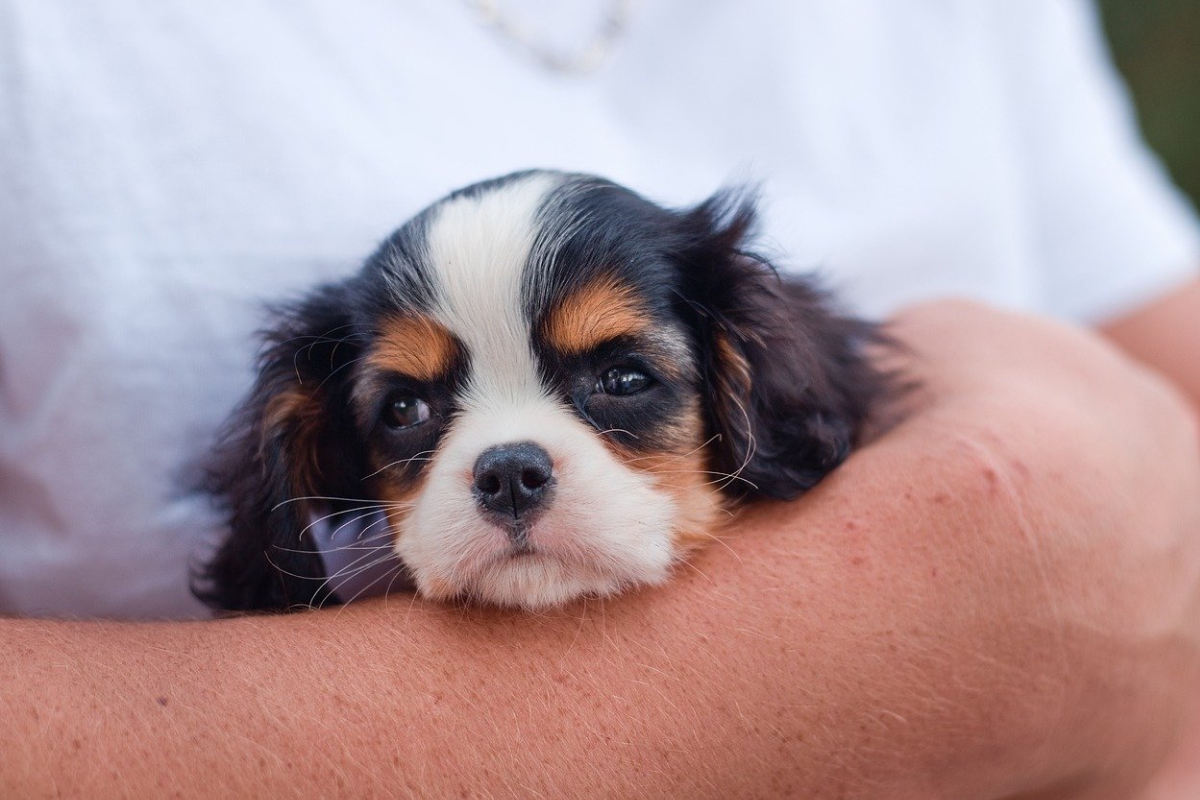
Before Bringing Your Puppy Home
There are some things you’ll need to prepare and consider before bringing your puppy home:- You’ll need to get the essentials - see our Puppy Essentials Checklist here. You can also claim your free Puppy Pack from Dogz Online here, if you used Dogz Pay to pay your breeder.
- Puppy Proof Your Home with the essentials - put away loose items like shoes, clothes, and kids toys, and remove all floor plants that the pup might chew or knock over. Cover any small spots in the house that your puppy could hide, like under beds, and behind wardrobes.
- Familiarise yourself with potty training, because you should commence their training immediately
- Naming your puppy, and agreeing with the family on a name that works for everyone. Remember, you’ll be using this name to call out when playing at the park and in public.
- Set the ground rules for the family to make sure that your new puppy receives consistent messages on what is good behaviour and what is not acceptable, and the routine that needs to be put in place as this will make training that much easier.
Bringing Your Puppy Home
The first day with your puppy will start with bringing the puppy home in a car from the breeder or rescue. This might be a new experience for your puppy, so take things slowly and introduce them to your car gradually. To keep your puppy safe during the journey home, put them in a crate or use a car safety belt and harness like these from EzyDog, designed for a safe and comfortable ride. For additional security, and additional comfort for your puppy, bring a friend or family member to ride with them.Puppy supplies you may need for the ride home
- A Crate: Consider something like the Kazoo's Car Travel Crate
- A Collar & Leash: Ezy Dog Collar and Leash are included for free in your Dogz Online Puppy Packs
- Puppy Pads / Towel: for the seat or crate. If opting for puppy pads you may want to consider the Pawwise Pee Pads or the Dr. Bales Health Monitoring Pee Pads.
- Cleanup Kit: poop bags, paper towels, grooming wipes. Free high quality poop bags and grooming wipes are included for free in your Dogz Online Puppy Packs
- Water: a water bowl or a travel water bottle with light sips for the puppy on the trip home
- Light treats: Choose small, soft treats that can be consumed quickly and won't overwhelm your puppy. High Protein, Chicken Puppy Treats are always a good favourite
- A comfort item: like a soft blanket or toy to help calm your puppy on the ride
Arriving at Home With Your New Puppy
Making the transition to your family starts with what to do when you bring a puppy home. Remember, while you’re arriving at the home you know and love, your puppy doesn’t understand yet that this is their home, too. Right now, it’s a strange, new place, one they need time to adjust to. When you arrive at home you’ll want to:- Potty your puppy before going in the house, and show them where you will like them to go potty and give them a “go potty” cue, and wait patiently for your pup to urinate. When it does, be sure to give positive reinforcement with tone, and maybe a cheeky treat. Be patient here, it’s a good idea to not go inside until your pup pees, or goes number 2, to start instilling habits early.
- Introduce your puppy to human family members, but make sure to start slowly, and quietly. You can have everyone sit on the floor in a circle and put the pup in the middle so he can move from one person to the other to greet and be greeted. If you have other pets, it may be best to put off introductions until your new pup is more comfortable
- Give your puppy a house tour and introduce your pup to your home on a leash, walking them slowly through the house showing the different rooms, their resting and feeding area. Let your puppy get used to everything, they will most likely be sniffing around, inspecting different objects and items. Notice and write down what attracts or worries your puppies like noise, sounds, TVs, and other items and areas to use this list as an action plan to get your pup more comfortable with those things.
- Do a little training and introduce routines throughout the day, as getting started immediately helps communicate from the beginning and instill positive behaviours and to discourage negative ones. Throughout the day, you’ll want to introduce your puppy to:
-
- A routine for feeding
- A schedule for potty training
- Basic command and playtime sessions
- Crate training, but try not to confine your pup for long periods until night time as they will likely be noisy and concerned without you.
Your Puppy’s First Night at Home
Your puppy’s first night at home can be stressful as they adjust to being away from their mother and littermates.- Creating a calm and structured bedtime routine will help them settle in and start sleep training successfully. Experts recommend crate training from night one, as a small, enclosed space mimics the comfort of a den and provides security.
- Place the crate next to your bed so your puppy knows you're nearby, and make it cozy with a soft mat, blankets, and a comfort toy.
- Before bed, give your pup a calm potty break, engage in gentle playtime an hour before sleep to tire them out, and stick to a feeding schedule, ensuring dinner is at least four hours before bedtime to reduce overnight potty trips.
- Expect some whining at first, but gently reassure your puppy by dangling your fingers through the crate while avoiding excessive attention.
Your Puppy’s First Weeks at Home
The first week with your puppy is all about building trust, establishing routines, and setting the foundation for good behavior. Start by maintaining a consistent schedule and training for your puppy. Expect some whining at night, but stick to a routine and reassure them calmly without reinforcing bad habits.- Potty Training: Keep up with house training by supervising your puppy at all times or confining them when you can't.
- Feeding Schedule: Set up your puppy’s eating station with food and water bowls, and stick to a consistent feeding schedule in the same location daily, this helps your puppy anticipate mealtimes and potty breaks. Understanding Puppy Nutrition and What You Should Feed Your Puppy will be essential knowledge as a responsible dog owner.
- Socialisation: gradually expose your puppy to new people, sounds, and gentle handling, including touching their paws and ears to prepare for future vet visits. If you have other pets, introduce them slowly while keeping your puppy in a safe, controlled space like an exercise pen or crate. Take extra care when introducing them to cats.
- Crate training: and short sessions of alone time will help prevent separation anxiety, teaching your puppy that being alone is normal.
- Start basic training: early with simple commands like sit, down, and stay, using positive reinforcement with verbal praise, a clicker, or a quick treat from a nearby pouch or dispenser to make learning enjoyable.
- Handling your puppy: Get your puppy comfortable with gentle handling, which will help with grooming, nail trims, and medical care as they grow.
- Schedule a vet visit: ideally within 72 hours of bringing your puppy home. Bring a stool sample, their health records, and a checklist of any questions for your vet.
- Parasite Protection: Ideally already have in place parasite protection and prevention plan as puppies can be prone to them. Also see our full guide on Puppy Worming Schedules: All You Need to Know
- Consider Pet Insurance: to protect from any pre-existing conditions, accidents, and receive other coverage. Our full guide on Pet Insurance covers the essential knowledge, and also provides some tips if you decide to not opt for Pet Insurance.