


Bullmastiff Price Estimates in Australia
- Puppies: Prices range from $3,000 and $6,500, reflecting the breeder's investment in quality care and health checks.
- Adolescents: Prices for young dogs typically range from $2,000 to $4,500, offering both energy and some maturity.
- Mature Dogs: Adult or former show dogs may cost between $1,000 to $3,000
- Rescues: Adopting through a rescue typically costs $300 and $900, covering basic veterinary care and vaccinations.
Bullmastiffs are a powerful and loyal breed that have earned a strong following across Australia. Known for their protective instincts and gentle nature with family, they require dedicated care and attention. Bringing a Bullmastiff into your home is a significant commitment, not just in time and energy, but also financially.
Understanding the costs involved—from the initial purchase price through to ongoing expenses such as nutrition, health care, and training—is essential for prospective owners. Bullmastiffs are larger dogs that can incur higher costs compared to smaller breeds, so budgeting appropriately is key to providing a safe and comfortable environment.
This article offers a detailed breakdown of the typical expenses associated with owning a Bullmastiff in Australia. Whether you’re new to owning large breeds or have experience with dogs, the insights provided here will assist you in preparing for the financial responsibilities of Bullmastiff ownership. Let’s take a closer look at what it truly costs to welcome one of these impressive dogs into your life.
Initial Purchase Price of a Bullmastiff in Australia
Bringing a Bullmastiff into your home involves an initial financial outlay that varies depending on several factors. These include the breeder’s reputation, the dog’s pedigree, age, location, and any health screenings or vaccinations included with the purchase. Understanding typical price ranges will help you set realistic expectations as you begin your search.
Prices for Bullmastiffs in Australia can differ widely. For puppies aged between 8 and 12 weeks, the going rate generally falls between $3,000 and $6,500. This range reflects the costs that responsible breeders incur in raising robust, well-socialised pups with proper health care.
If you are interested in a young adult Bullmastiff, typically aged 1 to 2 years, prices tend to be somewhat lower, often ranging from $2,000 to $4,500. These dogs have usually passed the energetic puppy stage but still carry much of their youthful vitality.
Adult or retired Bullmastiffs that have maybe been involved in breeding or showing can sometimes be found for a more affordable price, generally from $1,000 to $3,000. While they might not be ideal for show purposes, these dogs still make loyal and loving companions.
Another route to consider is adopting a Bullmastiff through rescue groups or shelters. Adoption fees are typically much less expensive, typically between $300 and $900, and usually cover any necessary vaccinations and initial veterinary care. This option also provides the chance to give a dog a second chance at a happy life.
When budgeting for your Bullmastiff purchase, always ensure you buy from a reputable source to secure a healthy, well-adjusted dog that fits your lifestyle and expectations.

Factors Influencing Prices of Bullmastiffs:
Several key factors play a role in determining the cost of purchasing a Bullmastiff in Australia. Understanding these elements can help prospective buyers recognise the dedication and resources invested by responsible breeders in maintaining the breed's health, temperament, and quality.
- Health screening is a major consideration for reputable Bullmastiff breeders. They typically perform a range of genetic and health tests to identify conditions that are common in the breed, such as hip and elbow dysplasia, hypothyroidism, and heart issues. These assessments help ensure that the puppies have a stronger foundation for a healthy life, which directly influences the sale price.
- Veterinary expenses throughout the breeding cycle also contribute to the overall cost. Breeding females require routine veterinary checks, vaccinations, parasite control, and often specialised prenatal care. Puppies receive essential veterinary services including multiple rounds of vaccinations, worming, microchipping, and overall health evaluations before leaving their breeder.
- Early socialisation and basic training form another important aspect of responsible breeding. Bullmastiffs are large, powerful dogs, so breeders invest time introducing puppies gradually to different stimuli, sounds, people, and other animals, helping to foster well-rounded temperaments. Some breeders may also begin basic obedience or handle familiarisation to make the transition to a new home easier.
- All reputable Bullmastiff breeders register their litters with Dogs Australia (Formerly Australian National Kennel Council). This process documents the puppy’s pedigree and confirms adherence to ethical breeding standards. It provides buyers with verified lineage details and supports transparency regarding the dog’s background and health history.
- Raising a litter of Bullmastiff puppies involves considerable hands-on time and commitment. Responsible breeders dedicate themselves to ensuring the mother and her pups receive quality nutrition, clean and safe environments, and plenty of individual attention — all factors that impact the overall price.
- Occasionally, breeders may need to pay stud fees if they select a male dog outside their own breeding lines, which can also affect costs. In some cases, this might involve importing frozen semen or a stud dog from overseas, further increasing expenses.
- Due to the Bullmastiff’s size and build, some mothers may require a Caesarean section for a safe delivery. This surgical intervention adds to the breeder’s financial outlay and is a valuable safety measure for both the dam and puppies.
- Nutrition is another important factor influencing price. Breeding dogs and growing puppies need balanced, high-quality diets rich in nutrients to support their development. Responsible breeders invest in premium food to maintain optimal health at every stage.
It's essential for buyers to recognise that the initial purchase cost often reflects much more than just profit margins. Ethical breeders reinvest heavily in the health and wellbeing of their dogs through various ongoing expenses. Before committing to a purchase, take time to ask breeders about their health testing protocols, socialisation practices, and breeding ethics. Transparency and willingness to share information are good signs of a trustworthy breeder.
Beyond the purchase price, owning a Bullmastiff means long-term financial responsibility including food, veterinary care, training, and more. In subsequent sections, we will explore the ongoing costs involved in providing your Bullmastiff with a happy, healthy life.
Setting Up Your Home for a Bullmastiff: Essential Supplies and Costs
Welcoming a Bullmastiff into your home requires some fundamental purchases to ensure your new companion is comfortable, safe, and well-cared for. These upfront costs are important investments that contribute to your dog’s health and happiness from day one.
Essentials:
For a dog as large and strong as a Bullmastiff, a sturdy crate is essential. Expect to spend between $150 and $300 for a high-quality crate that offers enough space and durability. Providing a proper bed is equally important. Beds suitable for this breed can range from approximately $80 for a basic model to over $200 for an orthopaedic or specially supported version due to their size and joint health needs.
You will also need to purchase a collar, leash, and harness that fit securely and comfortably, designed to handle the strength of a Bullmastiff. Price ranges typically run from $25 to $60 each in Australia. Food and water bowls should be both durable and sizeable to accommodate their appetite, with stainless steel or ceramic sets costing around $40 to $70.
To keep your Bullmastiff mentally and physically engaged, quality toys suited to heavy chewers and larger breeds are necessary. A selection of toys will generally cost between $50 and $80. Additionally, grooming supplies including brushes, nail clippers, and dog-safe shampoo are needed to maintain their coat and skin health, with starter kits priced around $60 to $90.
Read: New Puppy Essentials Checklist Guide
Veterinary Care
When it comes to veterinary care, microchipping is often included by reputable breeders and is required for official registration. If not performed already, this procedure typically costs $50 to $80. Vaccinations are critical and usually involve a series of shots after the pup leaves the breeder, protecting against common diseases. Plan to spend roughly $150 to $250 on the full course depending on your vet.
A general health examination establishes a baseline for your Bullmastiff’s wellbeing and helps build a relationship with your vet. Annual check-ups and boosters can cost in the vicinity of $120 to $180. Spaying or neutering is a recommended but optional procedure to promote health and responsible ownership, with fees generally ranging from $350 to $700. However, always consult with your breeder for best practices for your breed.
Training
Training is especially important for a breed like the Bullmastiff that grows large and powerful. Early socialisation and obedience classes, costing around $180 to $300 for a course, help your dog develop good manners and confidence. Private training sessions, priced between $80 and $120 per hour, are another excellent option to address specific behavioural needs.
By preparing for these initial expenses, you establish a solid foundation for your Bullmastiff’s wellbeing, ensuring they settle comfortably into your home and thrive as a valued member of your family.
On-going Costs of Caring for Your Bullmastiff
Caring for a Bullmastiff goes beyond the initial purchase price and involves various ongoing expenses that are essential to maintaining their health and happiness. Knowing what to expect with these costs will help you prepare financially and ensure your dog receives proper care.
Nutrition:
Feeding a large breed like the Bullmastiff requires high-quality dog food that supports their muscle development and joint health. Opt for formulations designed for large or giant breeds, which typically have the right balance of protein, fat, and essential nutrients. Avoid products with excessive fillers or artificial additives to maintain optimal wellbeing.
Monthly Food Budget: Depending on the brand and your Bullmastiff's appetite, expect to spend between $90 and $150 each month on food in Australia. Larger, more active dogs generally eat more, so costs can fluctuate accordingly.
Read: What Should I Feed My Puppy: Guidelines to a Balanced Nutrition
Grooming:
Although Bullmastiffs have short coats that are relatively easy to maintain, regular grooming is necessary to keep their skin and coat healthy. Weekly brushing helps reduce shedding and distributes natural oils. Bathing can be as needed, usually every 6-8 weeks.
Professional grooming is less frequent and less costly compared to long-haired breeds, typically costing around $40 to $70 per session if you choose to visit a groomer. Many owners manage grooming themselves with basic tools, keeping expenses low.
Veterinary Care:
Routine vet visits are important for vaccinations, parasite control, and health check-ups. Large breeds like Bullmastiffs benefit from monitoring joint health and early screening for breed-related conditions.
Annual check-ups and vaccinations usually cost between $200 and $350. Since Bullmastiffs are prone to certain health issues, some preventive testing may be recommended as they age.
Dental Health:
Maintaining your Bullmastiff’s dental hygiene is critical to prevent infections and other complications. Regular brushing at home is advised, but professional dental cleanings may be necessary every few years, starting around three to five years of age.
In Australia, professional dental cleanings for large breeds can range from $600 to over $1,200, factoring in the need for anaesthesia and specialized equipment.
Parasite Prevention:
Protecting your Bullmastiff from fleas, ticks, and worms is an ongoing responsibility, especially given their outdoor nature. Options such as oral tablets, spot-on treatments, or collars vary in price depending on the product and size of your dog.
Yearly costs for parasite control typically fall between $80 and $180 in the Australian market.
Read: Puppy Worming Schedule: All You Need to Know
Common Health Concerns:
Bullmastiffs can face several breed-specific health challenges requiring medical attention. Hip and elbow dysplasia are frequent issues, occasionally necessitating surgery or long-term management with medication and physiotherapy, potentially costing thousands of dollars.
Bloat (gastric torsion) is a life-threatening emergency condition in large, deep-chested dogs like Bullmastiffs. Immediate veterinary intervention often involves surgery costing several thousand dollars.
Other conditions such as heart disease, entropion (inward rolling eyelids), and hypothyroidism also occur relatively commonly and may require ongoing treatment and specialist consultations with varying costs depending on severity.
Being aware of these potential expenses and maintaining regular vet visits can help catch concerns early, contributing to a longer, healthier life for your Bullmastiff.
Health Testing: A Cornerstone of Responsible Bullmastiff Breeding
Responsible Bullmastiff breeders in Australia place a strong emphasis on health screening to maintain the breed’s integrity and ensure puppies have the best possible start in life. This breed is prone to several hereditary conditions, and while genetics is a major factor, proper care and management also influence overall health. To reduce the chance of passing on genetic disorders, experienced breeders make use of comprehensive health evaluations on their breeding stock.
- Cardiac Evaluation: Bullmastiffs are susceptible to congenital heart defects, which involve abnormalities in the heart’s structure, valves, or large blood vessels. Since the exact mode of inheritance is not fully defined, it is essential for breeders to screen potential breeding dogs to identify any cardiac issues early, thereby helping to prevent transmission to offspring.
- Elbow Dysplasia Screening: This condition affects the elbow joint and can cause pain and impaired mobility. It arises from a combination of inherited and environmental factors. As no genetic test exists, x-rays taken after the age of two are used to assess the presence and severity of elbow dysplasia to guide responsible mating decisions.
- Eye Examination: Bullmastiffs are at risk for several heritable eye diseases. Regular thorough eye exams are crucial for breeding dogs to detect any early signs, as many conditions have variable onset and progression. Routine screening lessens the likelihood that these problems will be passed on to puppies.
- Hip Dysplasia Testing: Hip dysplasia is a common issue involving abnormal development of the hip joint, which may lead to arthritis and mobility problems. Due to the complexity and lack of direct genetic tests, evaluations such as radiographic imaging performed after two years of age help assess hip quality, providing vital information to breeders for responsible pairing.
- Thyroid Function Assessment: Autoimmune thyroiditis can affect Bullmastiffs, impacting metabolism and overall health. Screening of thyroid function helps identify dogs that may carry this condition, ensuring that breeders can make informed choices to reduce its incidence in the breed.
By integrating these health checks into their breeding practices, dedicated Bullmastiff breeders actively work to improve the breed’s long-term health, offering buyers greater confidence that their new companion has been carefully bred with wellness as a priority.
Pet Insurance
Owning a Bullmastiff comes with its own set of health considerations, and unexpected injuries or illnesses can quickly add up in veterinary costs. Issues such as hip dysplasia or bloat are concerns common to the breed and may require expensive treatment. Having pet insurance can help ease the financial burden by covering part of these expenses, depending on the policy you choose.
In Australia, pet insurance premiums for larger breeds like the Bullmastiff usually fall between $40 and $90 per month. Premiums fluctuate based on your dog’s age, overall health, and the type of coverage you select. It’s important to shop around and review various insurers to ensure you get terms that suit both your budget and your Bullmastiff’s needs.
Insurance plans vary; some provide basic accident-only coverage, while more comprehensive policies include illness, hereditary conditions, and routine care such as vaccinations and annual check-ups. Given the Bullmastiff’s predisposition to certain health issues, a broader coverage plan might be worth considering.
By securing an insurance policy, you not only gain financial protection but also reduce stress when making decisions about your Bullmastiff’s care. This proactive approach allows you to focus on providing the best support for your dog without the worry of unexpected veterinary bills.
Owning a Bullmastiff involves some extra expenses beyond the initial purchase price that are important to consider. If your schedule keeps you busy, professional dog walking or doggy daycare services can help maintain your Bullmastiff’s exercise routine and socialisation. In Australia, you can expect to pay between $25 and $55 for a single walk, while daycare typically costs around $45 to $70 per day.
When travel plans arise, arranging suitable care for your Bullmastiff is essential. Boarding facilities usually charge from $50 to $90 per night, reflecting the breed’s size and specific care needs. Alternatively, hiring a qualified pet sitter may cost between $35 and $60 daily, allowing your dog to stay comfortable in a familiar environment.
Additional monthly costs include things like chew toys, interactive enrichment equipment, replacement bedding, and special treats tailored to larger breeds. Considering Bullmastiffs are a substantial breed, these items often come at a higher cost, averaging about $30 to $60 per month. Factoring in these ongoing expenses will help you provide a healthy, stimulating lifestyle for your Bullmastiff while staying financially prepared for responsible pet ownership.
Bullmastiff Ownership on a Budget: Cost-Saving Tips & Tricks
Owning a Bullmastiff doesn’t have to break the bank if you approach the process with careful planning and smart decisions. By being strategic about your purchase and ongoing care, you can enjoy the companionship of this impressive breed without unnecessary financial strain.
Choose a Well-Established Breeder: Although reputable Bullmastiff breeders might charge a premium, investing in a trusted source is worthwhile. They focus on sound breeding practices, including health screenings for conditions common in Bullmastiffs such as hip dysplasia and heart issues. This attention to health minimizes the chance of costly veterinary bills later on.
Consider Adopting a Mature Dog: Opting for an older Bullmastiff, perhaps 6 months or older, can be a practical option. These dogs tend to have better developed temperaments and some basic training, which can save you time and money on obedience classes. Additionally, their size and care requirements are clearer, helping you decide if their personality suits your household.
Handle Grooming Yourself: Bullmastiffs have short coats that are relatively easy to maintain, which helps control grooming expenses. Regular brushing and occasional bathing at home are usually sufficient to keep their skin and coat healthy. You can invest in a good quality brush and grooming supplies to make this task simple and effective.
Make Smart Choices with Toys and Treats: While Bullmastiffs enjoy treats and toys, there’s no need to rely solely on high-end products. Homemade treats using dog-safe ingredients and durable DIY toys can provide mental stimulation and entertainment while being cost-effective.
Focus on Preventative Health Care: Regular veterinary visits for vaccinations, parasite control, and health checks are essential to keep your Bullmastiff in good shape and avoid pricey medical problems down the line. Establishing a preventive health plan with your vet will contribute to a longer, healthier life for your dog.
Research Pet Insurance Options: If you are considering insurance, compare plans tailored to large breeds such as Bullmastiffs. Look for policies that cover genetic conditions and routine care while fitting your budget. Discounts are sometimes available, so don’t hesitate to ask about them.
By applying these practical tips, you can manage your Bullmastiff’s care expenses wisely. The goal is to ensure your dog receives the best possible attention while keeping your finances balanced. Responsible ownership means prioritising health and happiness without overspending.
Is a Bullmastiff Right for You?
Before deciding to bring a Bullmastiff into your home, it’s essential to understand if this breed suits your lifestyle and financial situation.
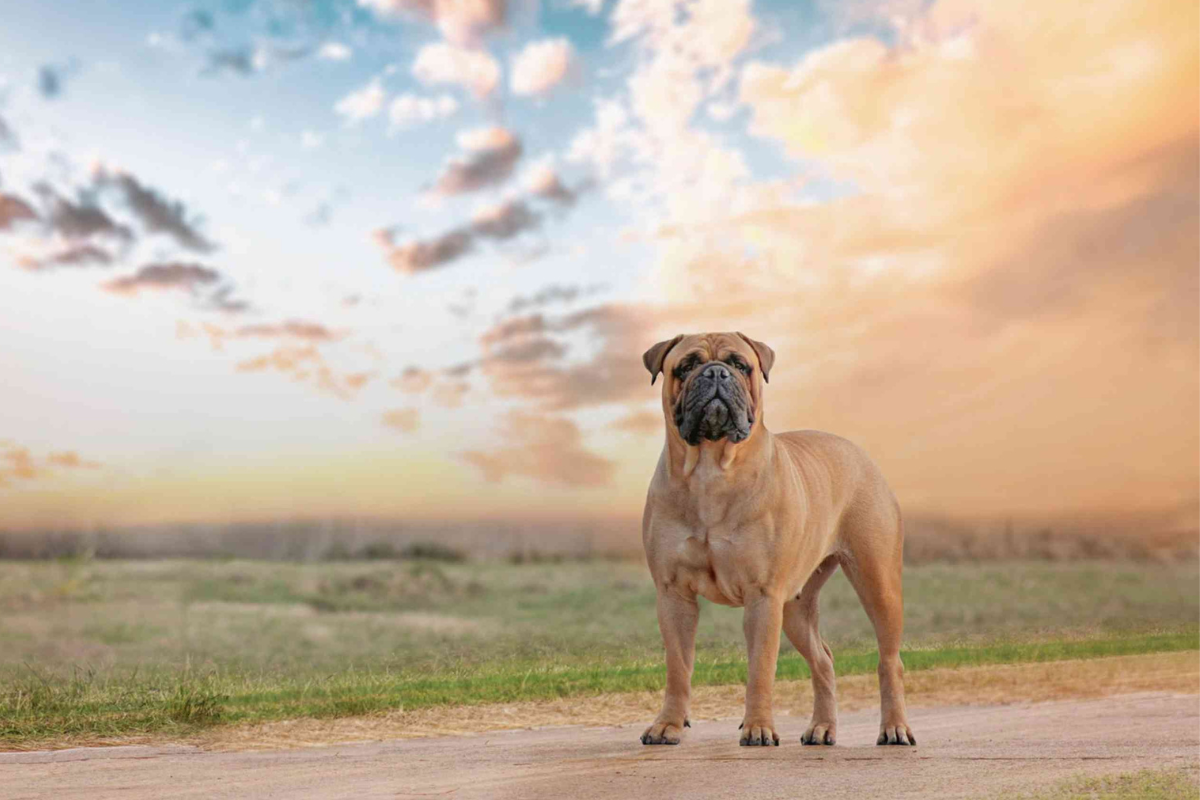
Bullmastiffs are large, powerful dogs known for their strength and reliability. Their muscular, balanced build allows them to be both imposing and agile, making them excellent family guardians. With a calm yet alert temperament, Bullmastiffs form strong bonds with their owners and are naturally protective without being aggressive. However, their size and strength require confident handling and consistent training from an early age to ensure they become well-mannered members of the household.
This breed demands regular moderate exercise to maintain health and prevent obesity, as well as mental engagement to avoid boredom. Their short, dense coat is relatively low maintenance but benefits from weekly brushing to keep it clean and healthy. Due to their large size, Bullmastiffs need ample living space and are best suited to homes with secure yards rather than small apartments.
From a financial perspective, ownership involves considerable ongoing costs. Apart from the initial purchase price—typically ranging from $3,000 to $5,000 AUD depending on pedigree—owners should plan for expenses including premium food designed for large breeds, routine veterinary care, vaccinations, and insurance. Additionally, given their predisposition to certain health issues, such as hip dysplasia, budgeting for occasional specialist care or treatments is prudent.
If you admire the Bullmastiff’s protective nature but find the costs or space requirements challenging, you might consider other guard-type breeds like the Boxer or the Great Dane, which may vary in care needs and expenses.
Evaluating your capacity to meet a Bullmastiff’s physical, emotional, and financial needs will help ensure a fulfilling and long-lasting relationship with this dignified and dependable dog. Proper preparation is key to providing the stable environment this breed thrives in.
Embarking on Your Bullmastiff Adventure
Bringing a Bullmastiff into your home is a rewarding experience that combines loyalty, protection, and companionship. While the initial purchase price and ongoing expenses can be significant, understanding these costs upfront will help you provide a stable and healthy environment for your dog.
Careful budgeting for food, veterinary care, training, and other essentials is crucial to meet the needs of this large and powerful breed. Investing in a well-bred Bullmastiff from a reputable Australian breeder can also make a difference in your dog’s health and temperament, potentially saving you money on future medical issues.
Whether you decide to buy a pup or consider adoption, the key is to match the demands of owning a Bullmastiff with your lifestyle and financial capacity. Consistent care and attention will ensure your dog grows into a well-adjusted family member.
Ultimately, owning a Bullmastiff is a long-term commitment that requires both time and resources. By planning ahead and making thoughtful choices, you’ll enjoy the unique bond that comes from welcoming this impressive breed into your life.


