


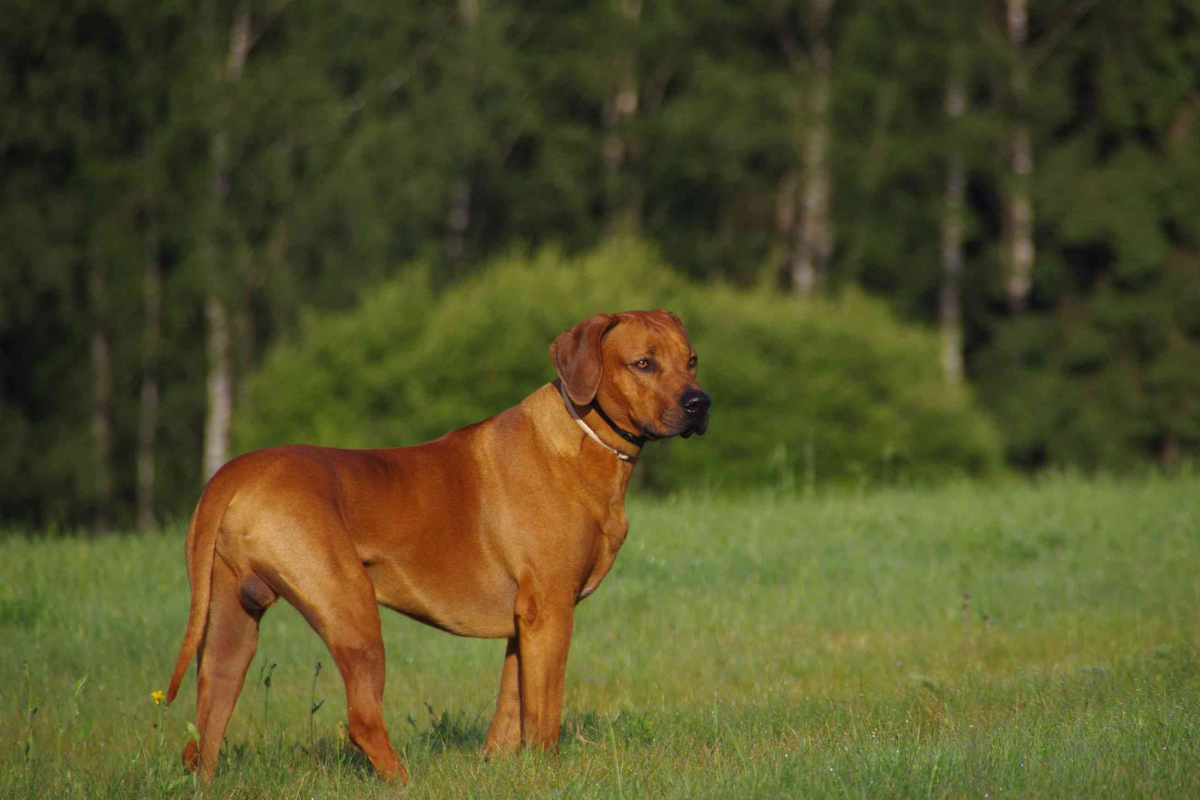
Rhodesian Ridgeback Price Estimates in Australia
- Puppies: Prices range from $2,800 to $5,500, reflecting the breeder's investment in quality care and health checks.
- Adolescents: Prices for young dogs typically range from $2,000 to $4,000, offering both energy and some maturity.
- Mature Dogs: Adult or former show dogs may cost between $1,200 and $3,000.
- Rescues: Adopting through a rescue typically costs $400 to $1,000, covering basic veterinary care and vaccinations.
Regal, athletic, and brimming with intelligence, Rhodesian Ridgebacks are a distinctive breed cherished by dog enthusiasts across Australia. Known for their loyal and protective nature, these dogs make excellent companions for those who appreciate their unique qualities. Before adding a Rhodesian Ridgeback to your family, it's essential to grasp the financial responsibilities that come with them.
Acquiring a Rhodesian Ridgeback involves more than just the initial purchase price. Prospective owners should consider additional expenses, including food, training, grooming, and veterinary care, to ensure a fulfilling and healthy life for their new canine companion. Being prepared for these costs helps avoid surprises down the road and facilitates proper planning to keep your dog comfortable and happy.
In this detailed guide, we'll break down the various costs associated with owning a Rhodesian Ridgeback in Australia, offering you insight into the necessary expenses. Whether you're an experienced dog owner or new to having a pet, this information will help you make sound financial decisions and provide the best care for your Rhodesian Ridgeback. Let's dive into the financial aspect of bringing this remarkable breed into your home and what it truly entails.

Initial Purchase Price of a Rhodesian Ridgeback in Australia
When considering the addition of a Rhodesian Ridgeback to your household, it's essential to account for the initial financial outlay. Prices can differ significantly, driven by factors such as breeder reputation, bloodline, age, and geographic location. It's crucial to perform due diligence when selecting a breeder to ensure you bring home a healthy and well-cared-for pet.
In Australia, prospective buyers can expect the following price estimates:
- For Puppies: Generally, Rhodesian Ridgeback puppies can cost between $2,800 and $5,500. This price range reflects the breeder's efforts in providing quality care and necessary health checks for their litters.
- For Adolescents: When looking at Rhodesian Ridgebacks that are past the puppy stage but not yet fully grown, prices might be a little lower. These young dogs are often available for prices ranging from $2,000 to $4,000, offering a good blend of youthful energy and maturity.
- For Mature Dogs: Those open to purchasing an adult or former show dog may find lower price points. These Ridgebacks, still full of affection and loyalty, typically range from $1,200 to $3,000.
- For Rescues: Adopting a Rhodesian Ridgeback through a rescue or adoption service presents an economical and compassionate option. Adoption fees can range from $400 to $1,000 and often cover basic veterinary services and vaccinations to ensure the dog’s well-being.
Exploring various sources and being mindful of these factors will aid in finding a Rhodesian Ridgeback that aligns well with both your family and financial planning.
Factors Influencing Prices of Rhodesian Ridgebacks:
Evaluating the factors that influence the cost of a Rhodesian Ridgeback puppy will offer valuable insights into why reputable breeders might charge the prices they do and highlight the commitment needed to maintain the breed's standards.
- Dedicated Breeding Practices: Quality breeders focus on producing Rhodesian Ridgebacks that are not only healthy but also exhibit the breed’s characteristic temperament, appearance, and instincts. This dedication often translates into higher initial costs but ensures a lineage that stays true to breed standards.
- Health Screening: Renowned breeders engage in rigorous health screening to identify genetic conditions that may affect Rhodesian Ridgebacks, such as hip dysplasia and dermoid sinus. By addressing these potential health issues ahead of breeding, they ensure the production of healthier litters, impacting overall expenses.
- Detailed Veterinary Oversight: The journey from conception to rearing involves significant veterinary intervention. Routine health check-ups, vaccinations, deworming, and additional necessities such as emergency care during delivery contribute to the overall cost of breeding.
- Comprehensive Socialisation: Breeders invest significant time and resources into providing puppies with proper socialisation experiences. By exposing the pups to various environments, sounds, people, and other animals, they lay the groundwork for well-behaved, adaptable pets.
- Breed Registration: Reputable breeders ensure their puppies are registered with Dogs Australia (Formerly Australian National Kennel Council). This official documentation verifies the puppies' pedigree and attests to their adherence to ethical breeding standards, providing potential owners with assurances about their new pet's heritage and health.
- Substantial Time Commitment: Raising a Rhodesian Ridgeback litter demands substantial dedication and effort. Breeders meticulously care for the mother and puppies, ensuring the entire litter receives the attention and care needed for optimal growth.
- Access to Diverse Genetic Material: To maintain genetic diversity and breed improvements, some breeders might use stud services, which could involve significant fees. Sometimes, this includes obtaining semen from overseas, adding to operational costs.
- Potential Surgical Needs: Occasionally, the birthing process may necessitate a Caesarean section, which is a considerable investment but critical for the health and safety of the mother and puppies.
- Premium Nutrition: Providing the best nutrition through high-quality foods is a priority that ensures both the breeding dogs' and puppies' optimal growth and health. This added cost goes into guaranteeing robust and healthy animals.
It’s essential to recognize that the initial price of acquiring a Rhodesian Ridgeback represents just a fraction of the overall investment in the pet's lifetime care. Remember that this price encompasses the breeder’s dedication, time, and resources, not just the puppy’s immediate perceived value. Before deciding, engage with breeders about their protocols, health screenings, and puppy upbringing methods. This dialogue assures the purchase of a healthy and well-adjusted Ridgeback while promoting ethical breeding practices. Next, we will explore the ongoing expenses associated with keeping a Rhodesian Ridgeback content and healthy throughout their life.
Setting Up Your Home for a Rhodesian Ridgeback: Essential Supplies and Costs
As you welcome a Rhodesian Ridgeback into your home, it's important to prepare with some key items that ensure both comfort and safety for your new companion.
Essentials:
Crate: Select a robust crate that accommodates your Ridgeback's size, allowing them to stretch and turn comfortably. In Australia, prices for a well-sized crate often range from $120 to $250, with material and brand influencing the cost.
Bed: Opt for a durable and supportive bed that suits the breed's larger frame. Prices for a quality bed can vary widely, starting at around $50 for basic options, moving up to $150 or more for deluxe beds featuring added cushioning and support.
Collar, Leash, and Harness: Secure gear is essential for your Ridgeback. On average, a collar might cost $20-$35, while a leash could be around $25-$50. Harnesses, important for controlling this strong breed, generally range from $30-$60.
Bowls: Choose sturdy bowls for food and water, ideally ones made from stainless steel or heavy-duty ceramic. A set typically costs between $25 and $50.
Toys: Ridgebacks are energetic and intelligent, making it crucial to have a selection of toys to challenge them and prevent boredom. Budget approximately $50-$80 for an assortment of stimulating toys.
Grooming Tools: This breed has a short coat, so maintenance is straightforward. A basic grooming kit including brushes and nail clippers might cost between $30 and $60.
Read: New Puppy Essentials Checklist Guide
Initial Vet Visits:
Microchipping: To ensure a lifetime of traceability, microchip your Ridgeback if not already done by the breeder. This process usually costs between $60 and $90 in Australia.
Vaccinations: Your Rhodesian Ridgeback will need a full vaccination schedule to stay protected against diseases like distemper and parvovirus. While initial vaccinations may be provided by a breeder, budget for further shots in the range of $120-$250 for the complete schedule.
General Check-up: Establishing your dog's health status with a vet will usually cost about $120 to $180. This includes routine checks and annual boosters.
Optional: Spaying/Neutering: Consider spaying or neutering your Ridgeback for health benefits and population control. Expect to pay between $350 and $700 for the procedure. However, always consult with your breeder for best practices for your breed.
Training:
The Importance of Early Training: Given their intelligence and strong will, training your Ridgeback early is crucial.
- Puppy Classes or Private Training: Enroll your Ridgeback in group puppy classes to enhance social skills or opt for personalized training sessions. Group courses typically cost $160-$270 for a series, while private sessions might be $65-$110 per session.
By budgeting for these necessities, you're positioning your Rhodesian Ridgeback for a nurturing and thriving home life. These initial investments focus on their health and happiness, enhancing your experience as a dog owner.
On-going Costs of Caring for Your Rhodesian Ridgeback
When bringing a Rhodesian Ridgeback into your home, it's important to consider the continual expenses necessary for their care and well-being. Proper planning for these costs ensures your Ridgeback remains healthy and content.
Food:
- Nutrition for Large Breeds: Rhodesian Ridgebacks require a diet that supports their larger size and active lifestyle. Investing in a nutritionally balanced kibble specifically designed for large breeds can aid in muscle development and overall health. Opt for brands that list high-quality proteins as the primary ingredient, avoiding those with unnecessary fillers.
- Expected Monthly Spending: On average, feeding a Ridgeback with quality food might set you back around $100 to $150 monthly, depending on their size, age, and activity levels.
- Read: What Should I Feed My Puppy: Guidelines to a Balanced Nutrition
Grooming:
- Grooming Needs: Although Rhodesian Ridgebacks have short coats, they still benefit from regular brushing to minimize shedding and maintain skin health. An occasional bath keeps them fresh, while attention to nails, ears, and teeth is important for hygiene.
- Budget for Grooming: Generally, grooming can be managed at home with basic tools. However, if you prefer professional services, grooming sessions in Australia might cost approximately $60 per visit, though less frequent than those needed for longer-coated breeds.
Healthcare:
- Routine Vet Visits: Routine health checks and vaccinations are fundamental for spotting health issues early and ensuring your Ridgeback's lifelong health. Allocating about $200 to $300 annually will cover preventive care, including vaccinations.
- Oral Health: Dental care is paramount for Ridgebacks. Besides regular brushing at home, professional dental cleaning might be necessary once every few years to prevent dental disease. Expect to spend anywhere from $500 to $1,000 for a thorough cleaning under anaesthesia.
- Parasite Prevention: Tick, flea, and worm prevention are critical to a Ridgeback’s well-being. Available treatments include oral chews and topical applications. Costs vary with the brand and product type, but plan on spending between $100 to $200 annually. (Read: Puppy Worming Schedule: All You Need to Know)
Health Considerations:
- Hip Dysplasia: A common issue in larger breeds, hip dysplasia can require management through weight control, supplements, or even surgery. Costs for treatment vary significantly, with surgery potentially surpassing $5,000.
- Elbow Dysplasia: Similar to hip dysplasia, elbow dysplasia can affect Ridgebacks, leading to pain and mobility issues. Treatments depend on the severity and include medication or surgery, ranging from $1,500 to $4,000.
- Dermal Concerns: Rhodesian Ridgebacks can experience skin issues like dermatitis or allergies. Managing these conditions often involves a combination of dietary changes, vet-recommended shampoos, and medications, with costs varying based on severity.
- Inherited Sinus: Though less common, dermoid sinus is a congenital condition that may require surgical correction. Surgical costs can be considerable, typically ranging from $1,000 to $5,000, depending on complexity.
By understanding and preparing for these ongoing expenses, you'll be well-equipped to provide a nurturing environment for your Rhodesian Ridgeback, ensuring they lead a joyful and healthy life.
Health Testing: A Cornerstone of Responsible Rhodesian Ridgeback Breeding
When it comes to the health and longevity of Rhodesian Ridgebacks, conscientious breeders in Australia place a strong emphasis on rigorous health testing. Understanding the genetic predispositions associated with this breed, responsible breeders incorporate comprehensive health evaluations into their breeding programs to ensure the production of robust puppies.
- Cardiac Health: Screening for congenital heart issues is essential as these conditions can be inherited. Conducting this evaluation helps breeders identify heart malformations, thereby allowing them to make sound breeding decisions and decreasing the likelihood of passing these issues to the offspring.
- Degenerative Myelopathy (DM; SOD1A): This progressive neurological disorder affects the spinal cord, leading to hind limb weakness and paralysis over time. Responsible breeders test for DM to avoid breeding dogs that carry this debilitating condition, thus protecting future generations.
- Elbow Dysplasia: This joint condition can severely impact a dog's quality of life, leading to pain and impaired mobility. X-ray screening is employed to identify any signs of elbow dysplasia, enabling breeders to exclude affected dogs from breeding programs and improve the breed’s overall joint health.
- Eye Health Certification: Routine eye examinations are crucial to detect heritable eye diseases. By identifying these conditions early, breeders can minimize the risk of passing on eye diseases to puppies, maintaining healthier lines.
- Hip Dysplasia: Known to cause pain and functional limitations, hip dysplasia is identified using imaging techniques like x-rays. Testing breeding dogs prior to mating can significantly reduce the incidence of this joint disorder in puppies, fostering a healthier breed overall.
- Juvenile Myoclonic Epilepsy (JME): Testing for JME is important as it can lead to seizures in young dogs. Responsible breeders screen for this condition to prevent its occurrence in future litters, ensuring a better quality of life for the pups.
- Thyroid Health: Screening for thyroid issues, such as autoimmune thyroiditis, is an integral part of maintaining the breed’s health. Ensuring that breeding dogs have normal thyroid function aids in preventing related health issues in their progeny.
By embracing these targeted health tests, responsible Rhodesian Ridgeback breeders actively contribute to safeguarding the well-being of their dogs and enhancing the overall health of this beloved breed.
Pet Insurance
Caring for a Rhodesian Ridgeback can be a rewarding experience, but unexpected health issues can arise, leading to significant veterinary costs. Pet insurance can help in managing these financial burdens by covering some expenses, dependent on your coverage choice.
In the Australian market, you might see monthly premiums for pet insurance ranging from approximately $35 to $85. These figures can vary based on your Rhodesian Ridgeback's age, health, and chosen insurance plan. It's wise to shop around and evaluate various policies to determine which one aligns best with your requirements and financial situation.
Coverage can differ significantly between providers. Some insurance plans are limited to accidental injuries, whereas others may include a broader spectrum of services such as illness treatment, ongoing conditions, and preventative care like vaccinations and general health assessments.
Having insurance for your Rhodesian Ridgeback provides the assurance that financial constraints won't dictate the healthcare decisions you make for your pet. This protection allows you to plan more effectively for veterinary expenses with a stable monthly fee.
By integrating preventative measures with pet insurance, you can ensure that your Rhodesian Ridgeback receives optimal health care, preparing for life's unexpected challenges with ease and confidence.
Regular Physical Activity: Rhodesian Ridgebacks are active dogs that thrive on regular exercise to maintain their physical health and mental well-being. Hiring a dog walker or enrolling your dog in a doggy daycare program could be necessary if your schedule doesn't allow for daily activities. Expect to spend anywhere from 25 to 55 AUD for a walking session or between 45 and 65 AUD per day at a daycare facility.
Vacation Arrangements: Whether you're planning a holiday or a business trip, ensuring your Rhodesian Ridgeback is well cared for in your absence is crucial. Boarding services generally cost around 45 to 85 AUD per night, while home visits by a pet sitter can range from 35 to 55 AUD per day.
Essentials and Extras: It's essential to allocate funds for routine items such as treats, interactive toys, and necessities like waste bags and bedding. Occasional costs might also include grooming supplies specific to this breed. These expenses can sum up to approximately 25 to 55 AUD each month.
By budgeting for these ongoing costs, you can provide a nurturing and vibrant environment for your Rhodesian Ridgeback. Respected pet ownership isn't just about companionship, but also about providing a financially stable and supportive home.
Rhodesian Ridgeback Ownership on a Budget: Cost-Saving Tips & Tricks
Buying a Rhodesian Ridgeback involves more than just the initial purchase price; it's about making strategic decisions to ensure you're providing quality care without going over budget. Here are some practical ways to manage costs while being a responsible owner.
Choose a Trustworthy Source: Selecting your Rhodesian Ridgeback from a reliable breeder or a breed-specific rescue organization often means healthier dogs with fewer genetic issues. While these dogs may come with a higher upfront cost, this investment can reduce future expenses related to unforeseen health problems.
Look Into Adopting an Adult Dog: If a full-grown Rhodesian Ridgeback suits your lifestyle, consider adopting from a rescue. Adult dogs often come with developed behaviors, making them easier to integrate into a new home. Additionally, their health history is usually more established, helping you make informed decisions regarding care requirements.
Home Grooming Hacks: Although Rhodesian Ridgebacks benefit from professional grooming for certain services, like nail trims, regular brushing at home can keep their coat neat and shedding under control. Equip yourself with the right tools and techniques to perform basic grooming tasks yourself, saving on routine appointments.
DIY Enrichment: Rhodesian Ridgebacks are energetic and intelligent, requiring mental and physical stimulation. Instead of buying costly toys and treats, create homemade options. Use everyday materials to craft engaging toys and make nutritious treats from simple ingredients to keep your dog satisfied.
Health Maintenance: Ensuring regular veterinary care is essential. Establish a schedule for wellness check-ups and vaccinations to detect and prevent potential health issues early on. Collaborate with your vet to tailor a preventive care plan that suits your Ridgeback's needs, which can minimize emergency vet bills.
Pet Insurance Considerations: If you decide on pet insurance, research different policies carefully. Choose one that caters to the specific health concerns of Rhodesian Ridgebacks, offers good coverage options, and fits your budget. Scrutinizing policy details now can provide financial relief during unexpected health crises.
By taking a thoughtful approach to the various aspects of Rhodesian Ridgeback care, you can manage ownership costs effectively while ensuring your dog leads a healthy and fulfilling life. Focus on quality over quantity, and always prioritize the well-being of your pet.
Is a Rhodesian Ridgeback Right for You?
Before you decide to bring a Rhodesian Ridgeback into your home, it's essential to determine if this breed matches your lifestyle and financial capacity.
Temperament and Care Needs:
Rhodesian Ridgebacks are dignified, intelligent hounds, renowned for their loyalty and independence. Bred originally to track and hold at bay formidable game like lions, they possess a striking balance of strength and agility. Their confident and aloof nature around strangers makes them excellent watchdogs, although they are generally non-aggressive. As family pets, they form strong bonds and can be affectionate and gentle.
Due to their high energy levels, Ridgebacks require ample exercise and mental engagement. They thrive in active households where regular walks, runs, or agility activities can be part of their routine. Their independent streak might sometimes lead to stubborn behavior, but with consistent positive reinforcement and early training, they can become exceptionally obedient companions.
Rhodesian Ridgebacks feature a distinct ridge of hair along their back—a unique trait of the breed. Their sleek and glossy coat is relatively low-maintenance, requiring occasional brushing to keep it tidy.
Financial Considerations:
Owning a Rhodesian Ridgeback involves both initial and recurring costs. The purchase or adoption fee is just the beginning. Factor in expenses for quality food, healthcare, regular vet check-ups, vaccinations, and pet insurance. While they don't demand extensive grooming, investing in training and activity classes to keep them socialized and mentally stimulated is advisable. It's important to plan financially for these needs to ensure you can support a Ridgeback throughout its lifetime.
Alternative Breeds:
If you're captivated by the idea of a strong, loyal canine yet find the financial or commitment levels of a Rhodesian Ridgeback challenging, there are other hound breeds to consider. Breeds like the Whippet or Basenji, known for their agility and slightly lower maintenance requirements, might align better with your budget and lifestyle.
By evaluating your living situation, financial capability, and what you’re looking for in a pet, you can make a thoughtful decision about whether a Rhodesian Ridgeback is the right fit for you. Prioritize aligning the breed's needs with your capabilities to ensure a balanced and fulfilling relationship.
Embarking on Your Rhodesian Ridgeback Adventure
Owning a Rhodesian Ridgeback is a rewarding journey filled with loyalty and adventure. While considering the financial aspects is crucial, it shouldn't overshadow the immense joy this breed can bring to your life. Educating yourself about the associated costs and budgeting wisely will help you provide the best care without stretching your finances too thin.
Remember that being a responsible pet owner requires continual commitment and making informed choices for your Ridgeback's well-being. Whether you're contemplating purchasing a puppy from a trusted breeder or adopting an adult dog, aligning your decision with your lifestyle and financial situation is key. With attentive care and planning, your Rhodesian Ridgeback can flourish as a cherished member of your household.
Preparing for this exciting new chapter with thorough research and financial readiness will ensure that you are well-equipped to manage the costs of this impressive breed. Welcoming a Rhodesian Ridgeback into your home can lead to many years of mutual companionship and shared experiences, making every penny spent a worthwhile investment.


