


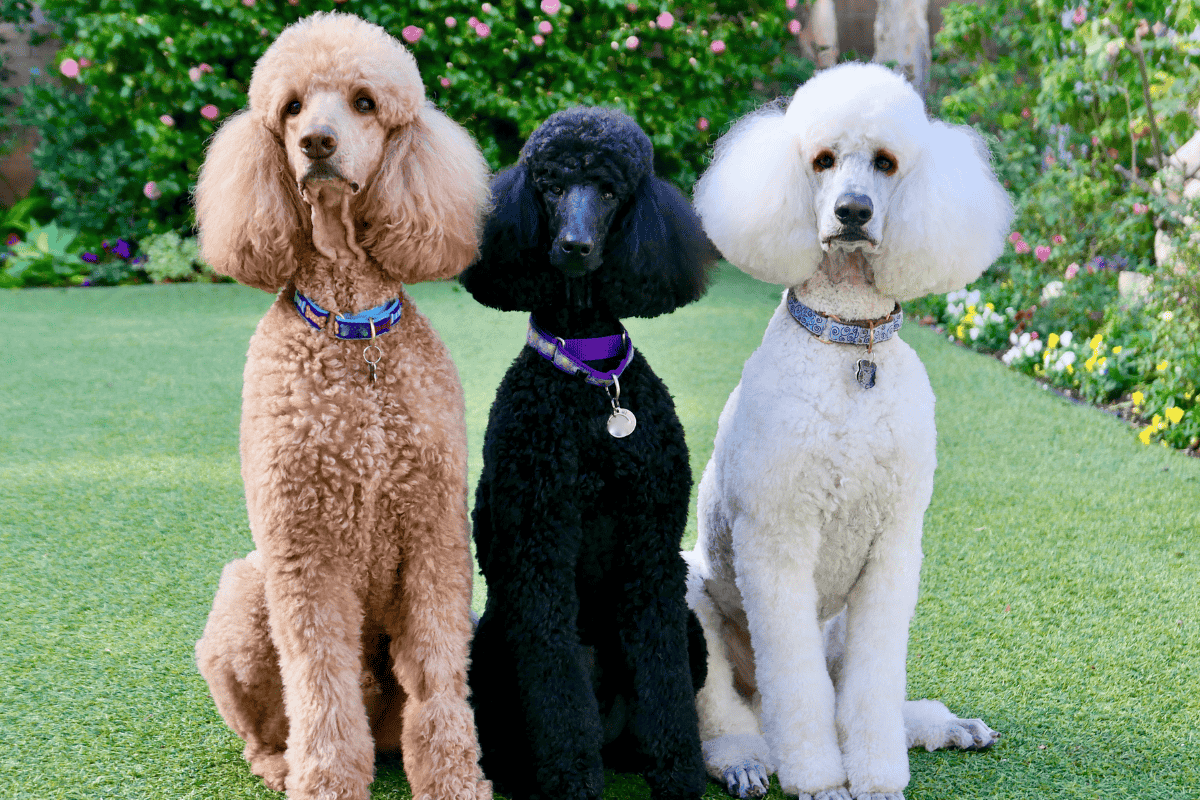
Therapy dogs are a source of comfort, support, and joy for people across Australia. In hospitals, schools, and rehabilitation centres, these dogs play an important role in supporting mental and emotional health.
Finding the right companion among the best therapy dog breeds can make a significant difference in the success of a therapy experience. Therapy dogs are more than loving pets; they are trained to provide support and comfort to people in need.
This guide will help you explore therapy dog breeds that are well-suited for therapeutic work in Australia. We’ll highlight their unique traits, training requirements, and where they are most commonly used.
What to Look for in a Therapy Dog
Selecting a therapy dog involves understanding key traits that make a dog suitable for this role. Therapy dogs must be calm, approachable, and responsive to different environments, which is why certain breeds are more suited for this type of work than others.
Key traits to look for:
- Calm and patient in new environments
- Friendly and approachable with all age groups
- Intelligent and easy to train
- Affectionate
- Adaptable
While breed is important, individual temperament and proper training are key to determining if a dog is suited for therapy work.
Therapy Dogs vs Support or Service Dogs
There’s often confusion between therapy dogs, support dogs, and service dogs. Each type of dog has a unique role, and understanding these differences is crucial when selecting the right dog for your needs.
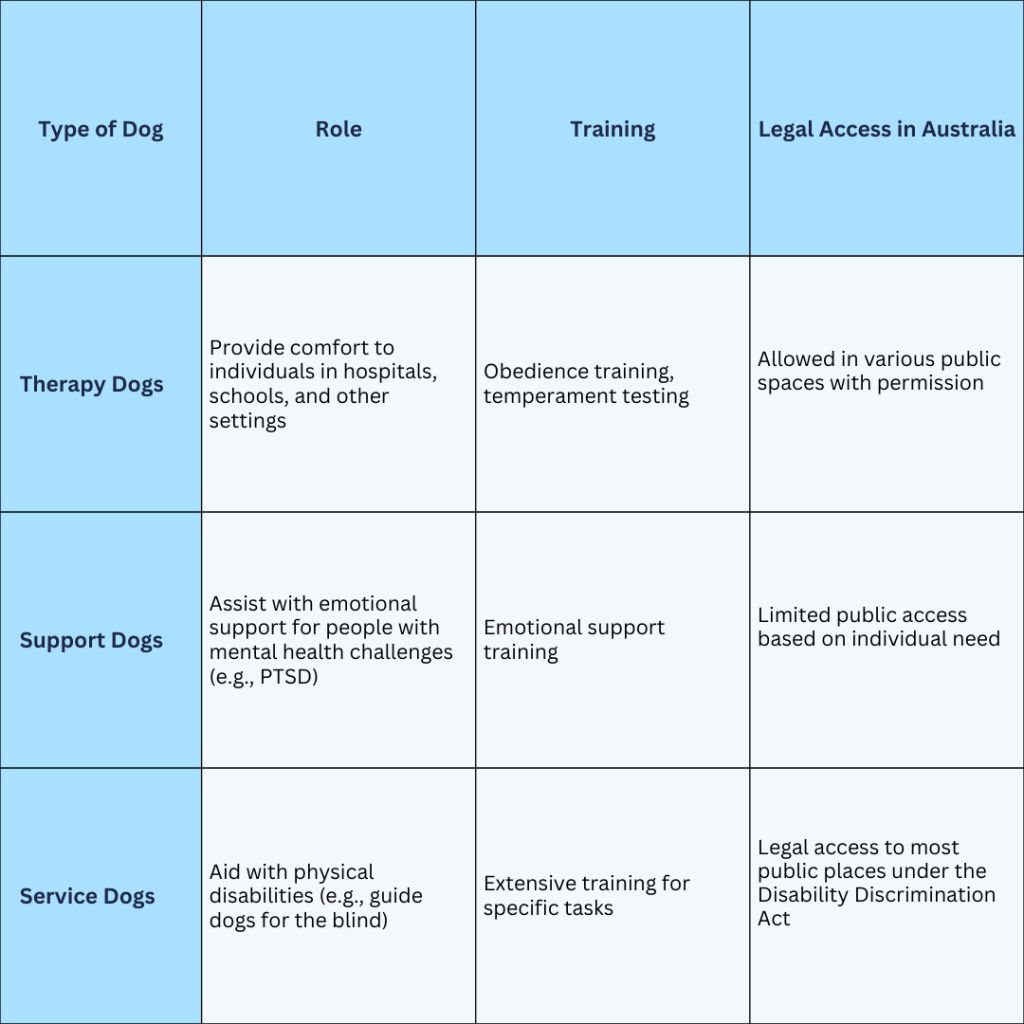
Understanding the differences ensures that when you select a therapy dog breed, you have realistic expectations about the dog's role and the access they will have in public spaces.
10 Best Therapy Dog Breeds to Consider
These therapy dog breeds are known for their calm, sociable, and trainable natures, which make them well-suited for therapy work. Keep in mind that temperament and training are just as important as breed when it comes to successful therapy dog work.
1. Labrador Retriever
Labradors are among the best therapy dog breeds in Australia because of their friendly, loyal, and intelligent nature. Their ability to connect with people and respond well to training makes them ideal for therapy work in many settings.
Key traits: Loyal, trainable, friendly.
See Labrador Retriever puppies or learn more about Labrador Retrievers.

2. Golden Retriever
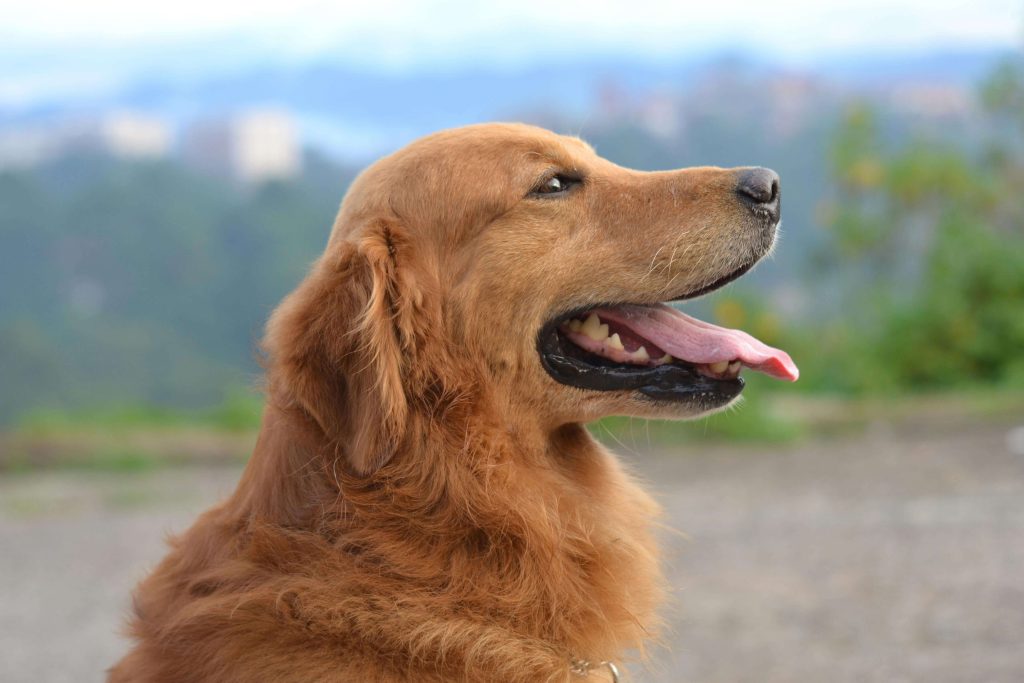
Golden Retrievers are renowned for their patience, friendliness, and intelligence. Their calm temperament and strong bond with people make them excellent therapy dogs, particularly in hospitals and aged care facilities.
Key traits: Friendly, intelligent, loyal.
See Golden Retriever puppies or learn more about Golden Retrievers.
3. Cavalier King Charles Spaniel
Cavalier King Charles Spaniels are small, affectionate, and gentle. Their adaptability and gentle temperament make them perfect for therapy roles, especially in environments where emotional comfort is essential.
Key traits: Friendly, adaptable, affectionate.
See Cavalier King Charles Spaniel puppies or learn more about Cavalier King Charles Spaniels.

4. Poodle (Standard)
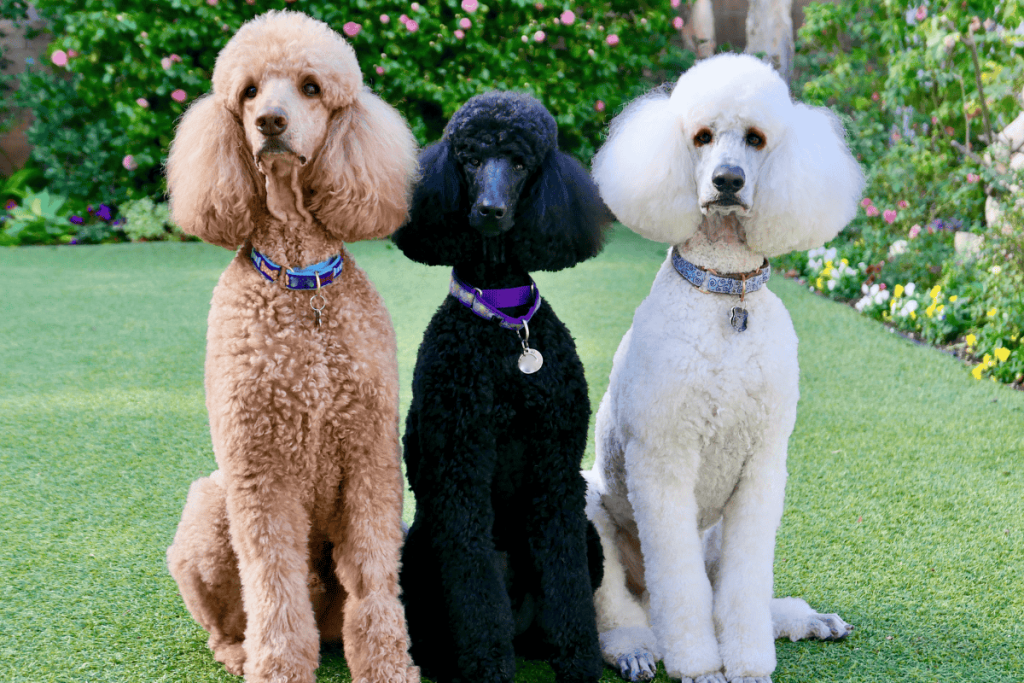
Standard Poodles are intelligent, hypoallergenic, and highly trainable. Their calm temperament and strong bond with people make them excellent therapy dogs, particularly in allergy-sensitive environments.
Key traits: Intelligent, calm, sociable.
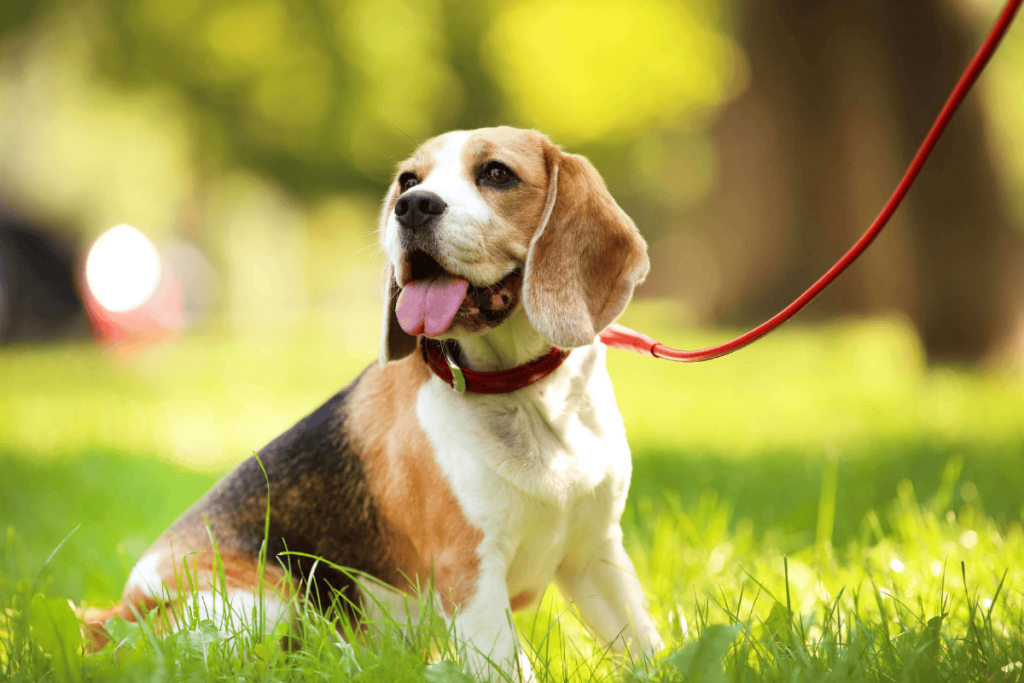
5. Beagle
Beagles are cheerful, gentle dogs famous for their sociability. Their energy and love for interaction make them perfect for therapy dogs, particularly with children or families.
Key traits: Friendly, gentle, sociable.
See Beagle puppies or learn more about Beagles.
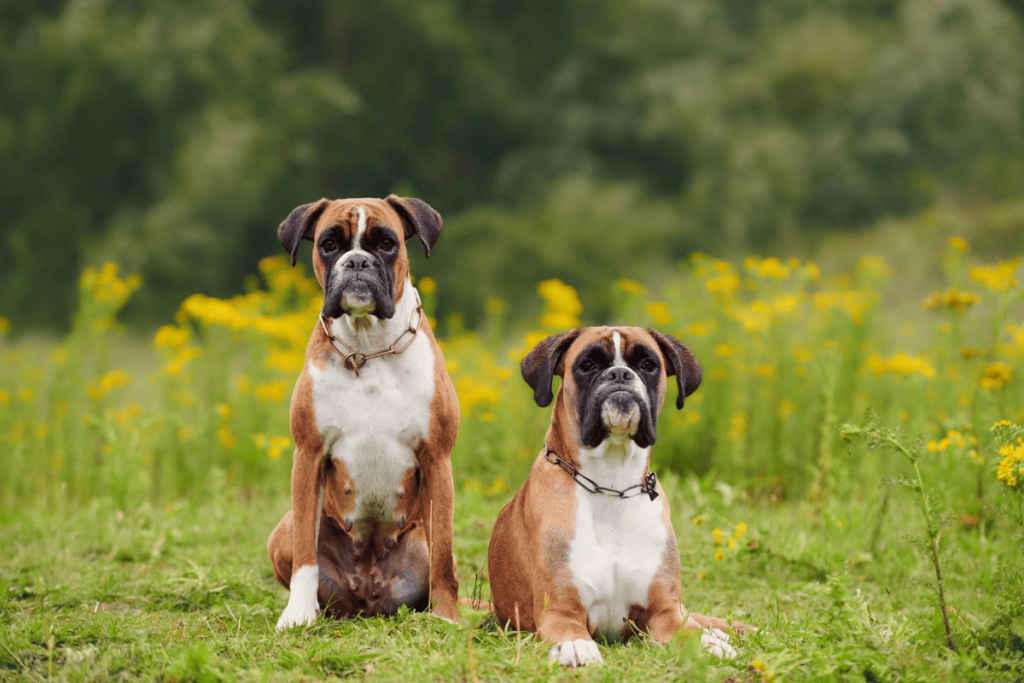
6. Boxer
Boxers are energetic and affectionate, offering emotional support with their playful nature. Their loyalty and close bond with families make them excellent therapy companions.
Key traits: Loyal, energetic, affectionate.
See Boxer puppies or learn more about Boxers.
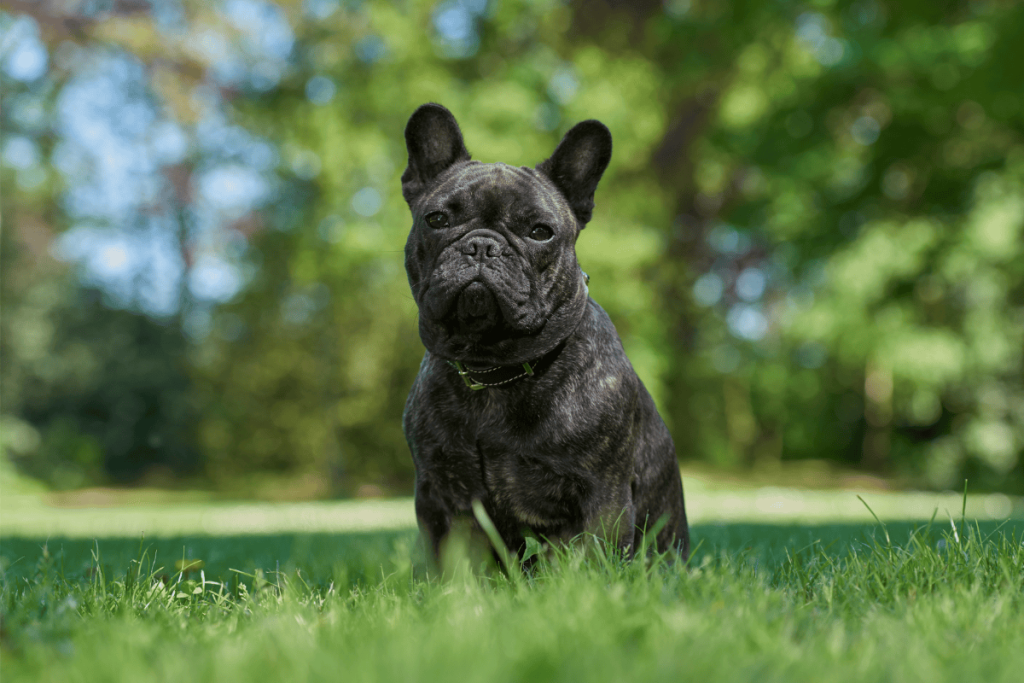
7. French Bulldog
French Bulldogs are calm, affectionate, and suited for apartment living. Their easygoing nature and love for bonding make them excellent therapy dogs, especially for individuals needing emotional support.
Key traits: Calm, affectionate, low-maintenance.
See French Bulldog puppies or learn more about French Bulldogs.
8. Shih Tzu
Shih Tzus are friendly, gentle, and affectionate dogs. Their small size and patient nature make them excellent companions for those needing emotional support.
Key traits: Calm, affectionate, adaptable.
See Shih Tzu puppies or learn more about Shih Tzus.

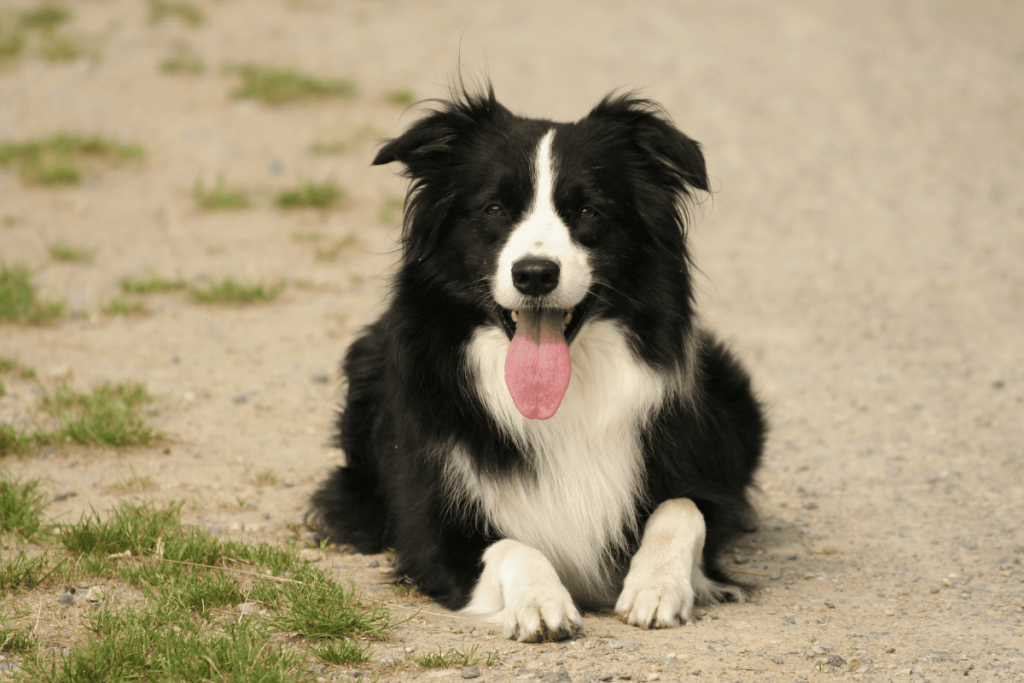
9. Border Collie
Border Collies are exceptionally intelligent and trainable, making them ideal for therapy work. Their energetic nature and loyalty make them great companions for individuals needing emotional support.
Key traits: Intelligent, energetic, loyal.
See Border Collie puppies or learn more about Border Collies.
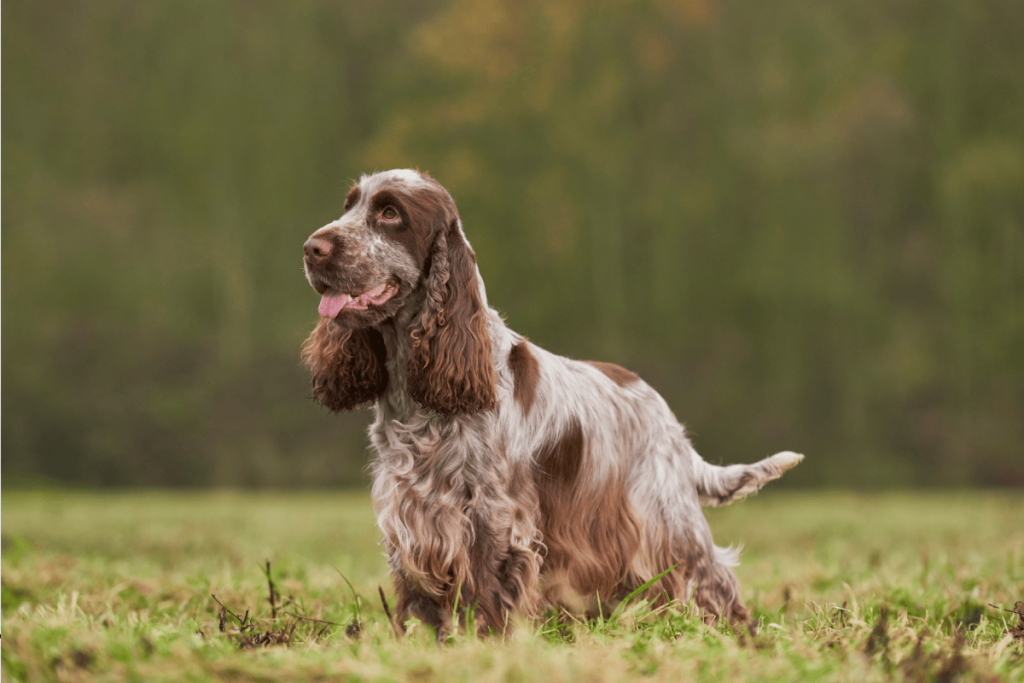
10. Cocker Spaniel
Cocker Spaniels are gentle, sociable, and affectionate. Their playful, loving nature makes them ideal for therapy work, especially with children and older adults, providing comfort and emotional support.
Key traits: Gentle, intelligent, affectionate.
See Cocker Spaniel puppies or learn more about Cocker Spaniels.
Picking a dog from the recognised therapy dog breeds sets the foundation for a successful therapy journey. However, remember that the individual dog’s temperament and proper training are the most important factors in ensuring they thrive in therapy settings.
How Therapy Dogs Are Trained in Australia
Therapy dog training in Australia typically involves obedience training, temperament testing, and socialisation. MindDog and Delta Society are two major programs that provide certification for therapy dogs, ensuring they meet the required standards to provide emotional support.
Training typically includes:
- Basic obedience: Therapy dogs must reliably respond to commands such as sit, stay, and come.
- Temperament testing: Ensures the dog remains calm, confident, and friendly in different environments.
- Socialisation: Exposes dogs to various people, places, and situations to ensure adaptability and confidence.
Therapy dog training is crucial to preparing dogs for their role in providing emotional support. Proper training ensures dogs are ready to provide comfort and stability in various settings.
Where Therapy Dogs Are Commonly Used
Therapy dogs can be found in a wide variety of environments, providing emotional support to people in need.
Common therapy dog settings include:
- Hospitals and aged care: Providing comfort to patients and residents, enhancing their emotional well-being.
- Schools and libraries: Helping children with anxiety and reading difficulties, creating a calming presence.
- Rehabilitation centres: Supporting emotional recovery in patients.
- In-home mental health support: Providing emotional support to individuals in need of mental health care.
Therapy dogs are used in many settings, offering emotional support across a wide range of environments and helping people of all ages.
How to Get Started With a Therapy Dog
If you're interested in getting a therapy dog, here’s how to get started:
- Find the right breed: Consider a dog whose temperament, size, and energy levels match your lifestyle. Some breeds are better suited for apartment living, while others need more space and exercise.
- Decide between adopting or purchasing: Therapy dogs can be found at shelters or bought from breeders specialising in therapy dog training. Spend time with the dog to ensure it's the right fit for you.
- Invest in training: Enrol your dog in certified programs to ensure they are prepared for therapy work. Proper training helps develop the skills needed for emotional support.
Finding the right breed, adopting or purchasing from a reputable source, and committing to quality training ensures your therapy dog will provide reliable and compassionate support.
Deciding on the Right Therapy Dog for You
When choosing a therapy dog, focus on temperament rather than breed. Therapy dogs need to be calm, patient, and adaptable. These qualities can vary even within the same breed, so spend time with the dog before making a final decision.
Consider your lifestyle and environment. For those living in smaller spaces, a smaller breed might be a better fit. Also, think about the amount of time and effort you can dedicate to ongoing training and care.
Take your time to find a dog with the right temperament for your needs. Prioritise the dog’s well-being and ensure you’re ready for the commitment involved in training and care.


