


Dogs with long noses have long captured attention for their striking profiles and impressive abilities. A dog with a long nose often excels in scent work, sight-based activities, and endurance, making them exceptional companions and working partners.
In this guide, we explore the top purebred dogs with long noses in Australia. We highlight their key traits, care needs, and unique characteristics, helping prospective owners understand why these breeds continue to capture the interest of Australian dog lovers.
The Purpose and Perks of a Long Nose
Dogs with long noses, known as dolichocephalic breeds, evolved this feature for specific purposes. A longer snout increases airflow, which helps breeds built for running, such as Greyhounds, sustain speed over distance. In scent hounds like the Bloodhound, the extended nasal cavity boosts scent receptors, making them some of the best trackers in the world. This structural trait isn’t just about appearance as it gives these breeds the edge in hunting, racing, and working roles.
Benefits and Challenges of Dogs With Long Noses
A long nose is more than an aesthetic feature. It directly affects a dog’s abilities, lifestyle, and care requirements. These breeds often benefit from enhanced scenting ability, improved cooling, and athletic performance.
Benefits
- Enhanced scenting ability – A longer nasal cavity houses more scent receptors. Breeds such as Bloodhounds can track days-old trails with remarkable accuracy.
- Better heat regulation – Dogs breathe through their noses to disperse heat. A longer muzzle improves airflow, aiding breeds like Greyhounds and Salukis during active periods.
- Athletic performance – Elongated noses allow sighthounds and other agile breeds to maintain endurance and speed.
- Distinctive appearance – Long noses stand out with elegant, refined facial profiles that often signal intelligence and attentiveness.
Challenges
- Specialised care – Some breeds need extra grooming, dental care, or exercise due to their build.
- Training considerations – Many dogs have independent hunting instincts, making recall and obedience training a priority.
- Health considerations – While they face fewer breathing issues than flat-faced breeds, long-nosed dogs can develop dental crowding, nasal infections, or allergies.
10 Dog Breeds with Long Noses
Here are 10 top dog breeds with long noses that stand out for both function and appearance.
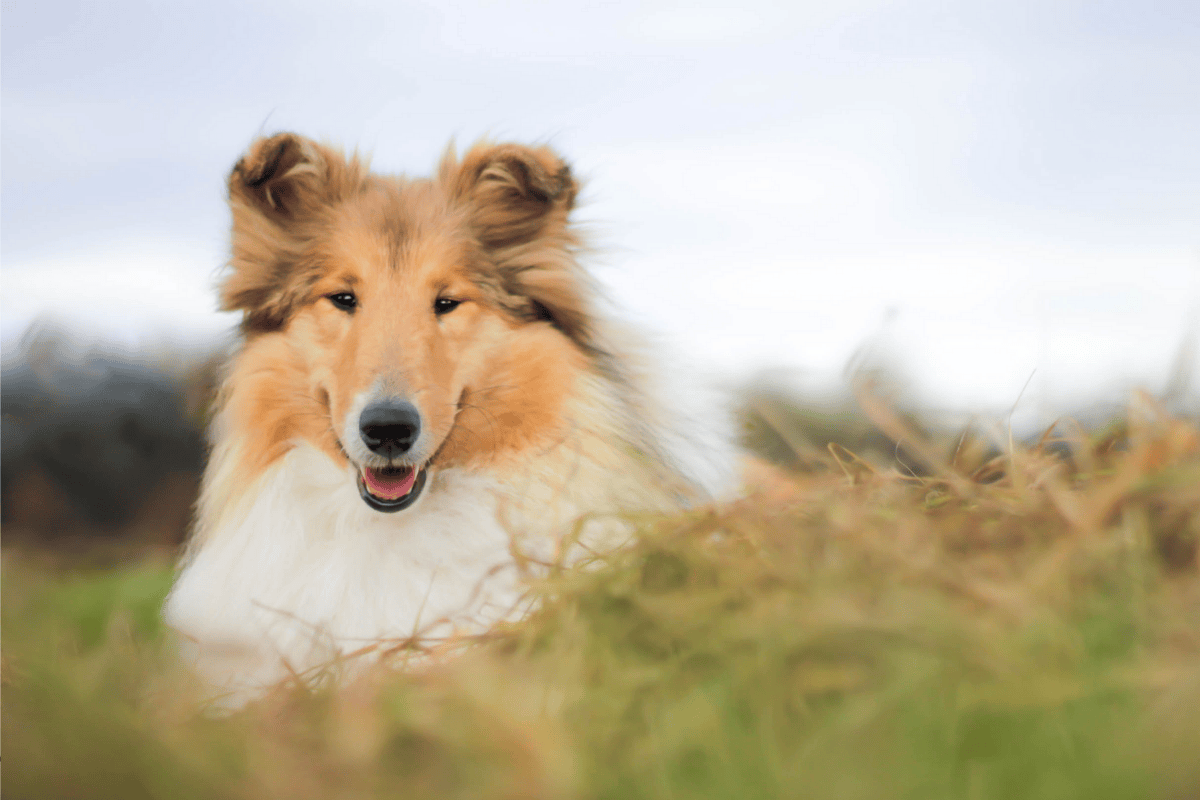
Greyhound
Greyhounds are famous for speed, with long, narrow noses that complement their aerodynamic build. Originally bred for coursing and racing, Greyhounds surprise families with their gentle, affectionate nature.
Key traits: Fast, gentle, affectionate.
See Greyhound puppies.
Borzoi
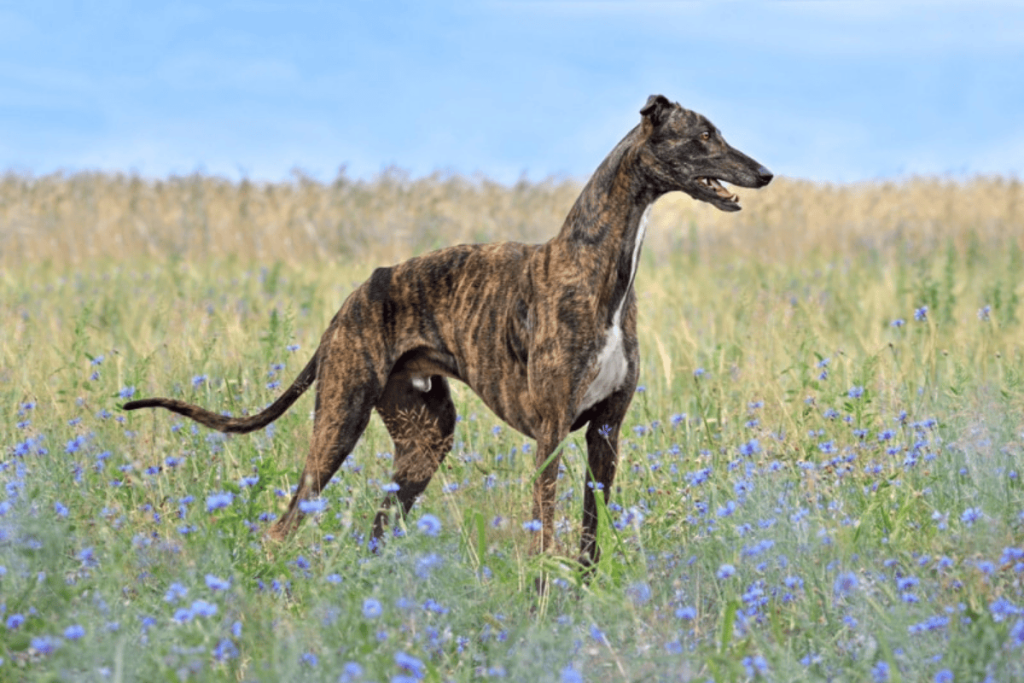
The Borzoi, also known as the Russian Wolfhound, carries one of the longest muzzles among dog breeds. They were bred in Russia to hunt wolves, giving them strength and stamina behind their refined appearance. Today, they are admired for their elegance and quiet companionship.
Key traits: Graceful, independent, athletic.
See Borzoi puppies.
Afghan Hound
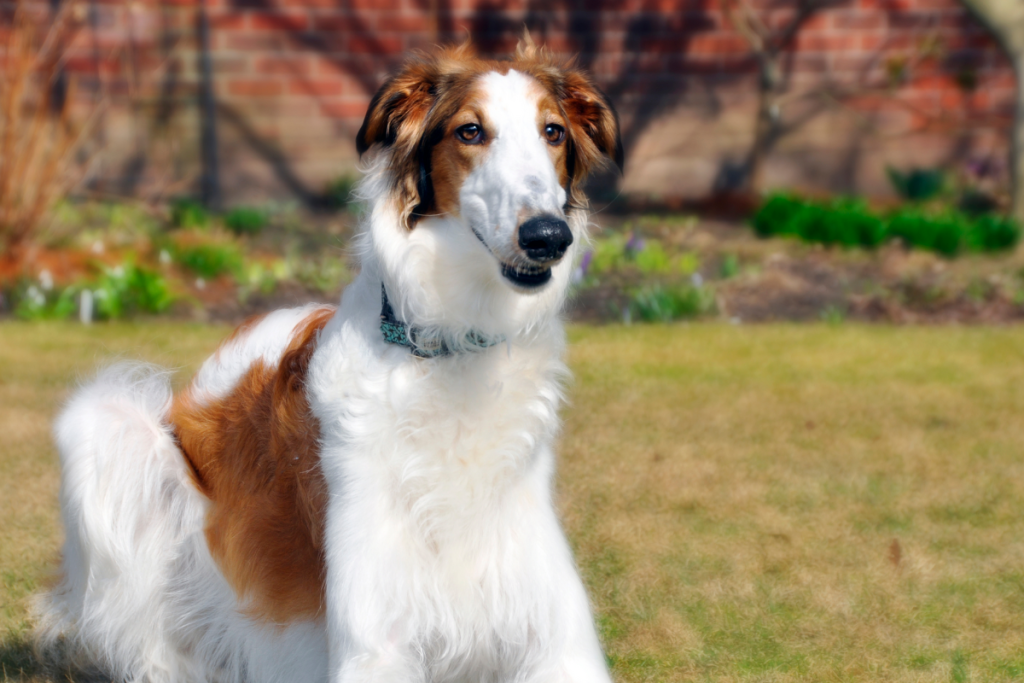
Afghan Hounds have elongated muzzles that match their regal appearance. Their history as hunting dogs in Afghanistan’s mountains highlights endurance, speed, and independent thinking.
Key traits: Agile, elegant, aloof.
See Afghan Hound puppies or learn more about Afghan Hounds.
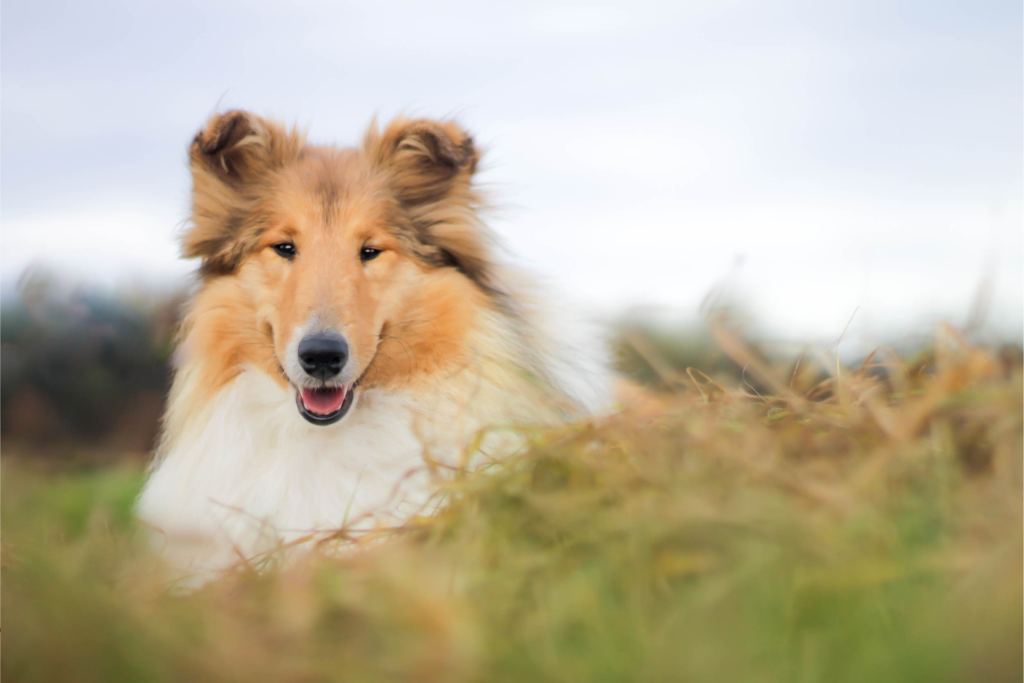
Collie
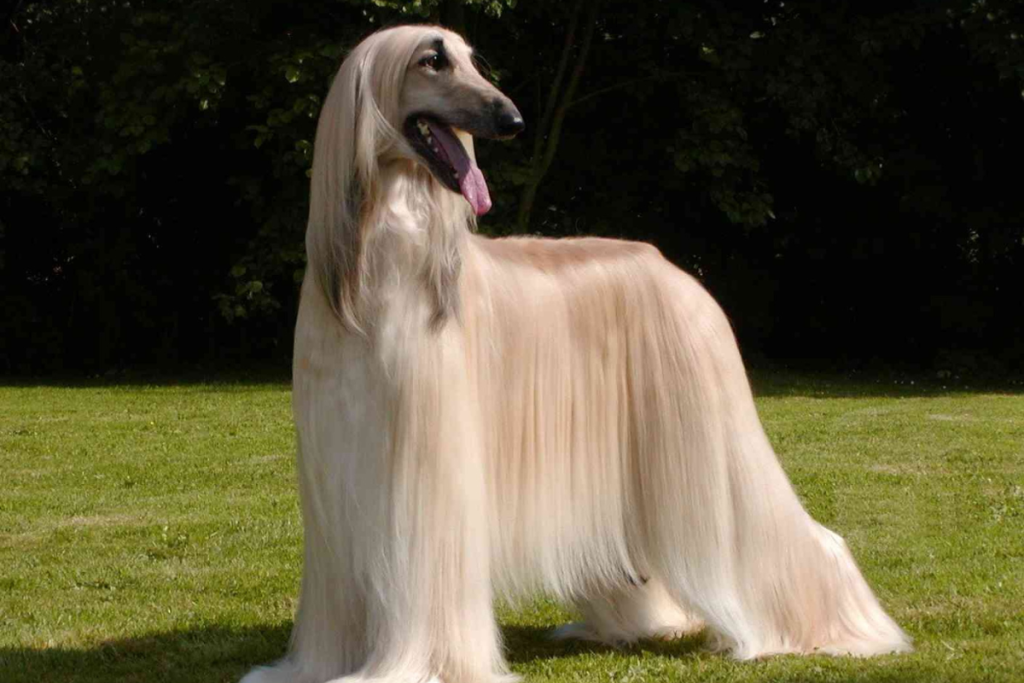
Collies combine intelligence, loyalty, and long, slender noses. Traditionally herding sheep, their pointed muzzles remain iconic and functional for tracking and expression reading.
Key traits: Loyal, intelligent, trainable.
See Collie puppies or learn more about Collies.
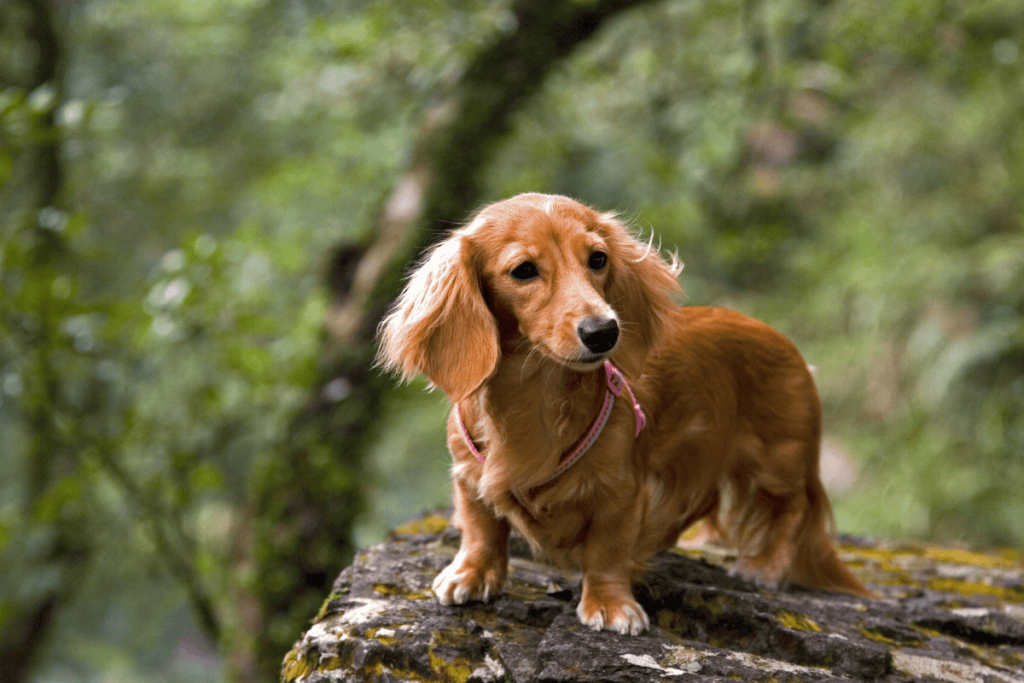
Dachshund (Miniature Long Haired)
Although small, Dachshunds sport a surprisingly long nose. Their elongated bodies and muzzles helped them track and hunt badgers underground. Today, their lively nature and charming look keep them popular worldwide.
Key traits: Brave, playful, curious.
See Dachshund puppies.
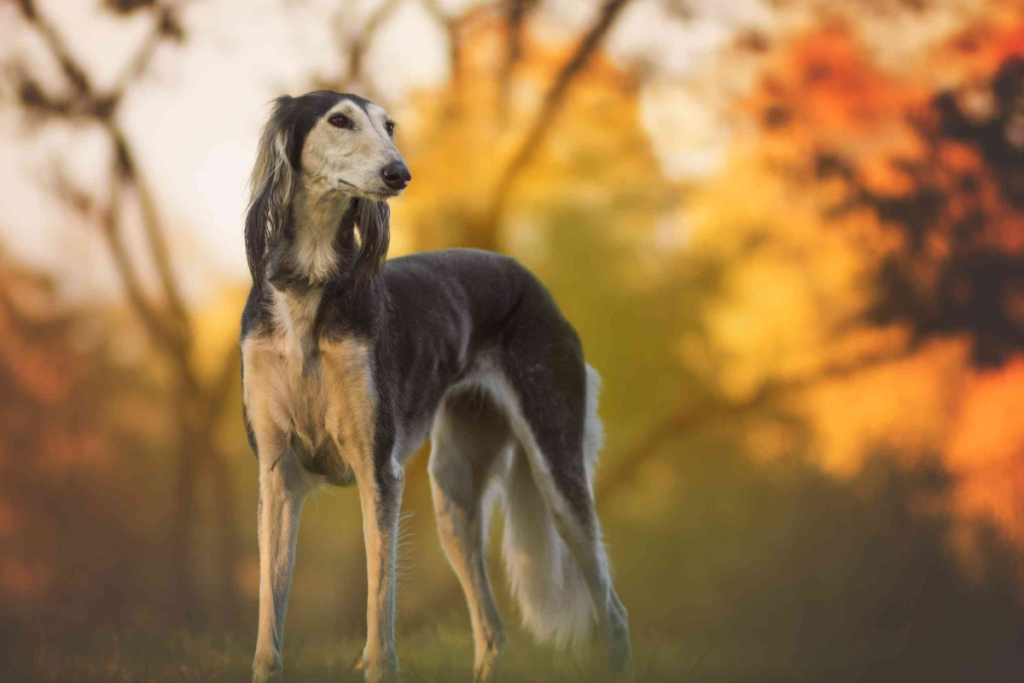
Saluki
The Saluki is one of the oldest dog breeds in the world, often depicted in ancient art. Known for their slim bodies and narrow, elongated muzzles, Salukis were bred for chasing game across deserts. Their speed and grace remain unmatched.
Key traits: Loyal, graceful, swift.
See Saluki puppies or learn more about Salukis.
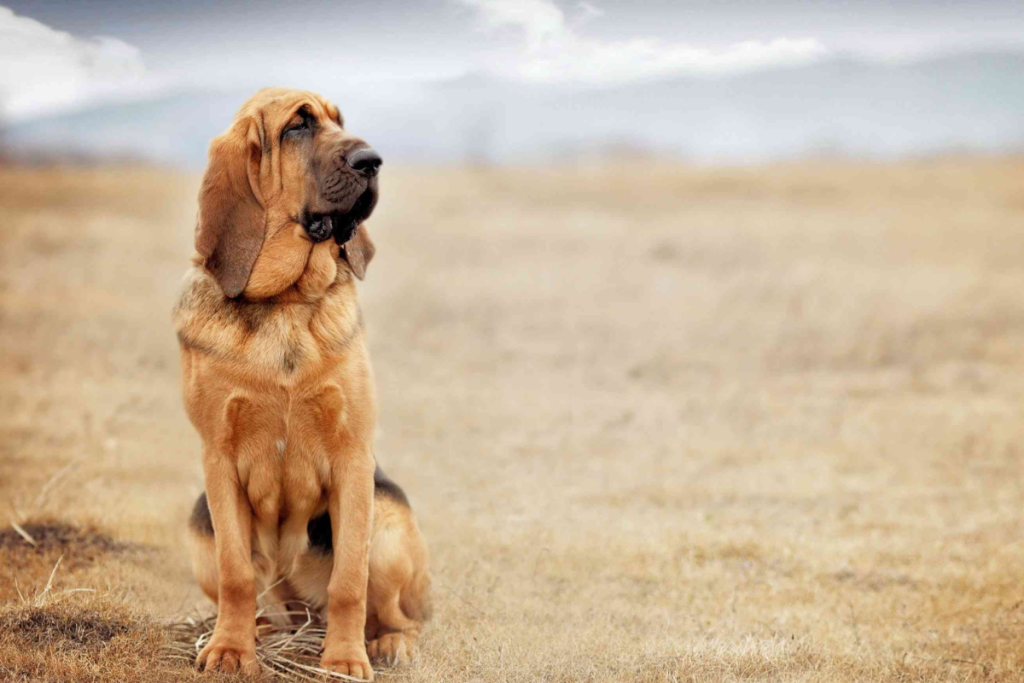
Bloodhound
Bloodhounds are famous for their unmatched tracking ability, thanks to their powerful noses and elongated muzzles. Their droopy ears and wrinkled skin add to their distinctive look, but it’s their scenting skills that truly define them.
Key traits: Determined, affectionate, patient.
See Bloodhounds.
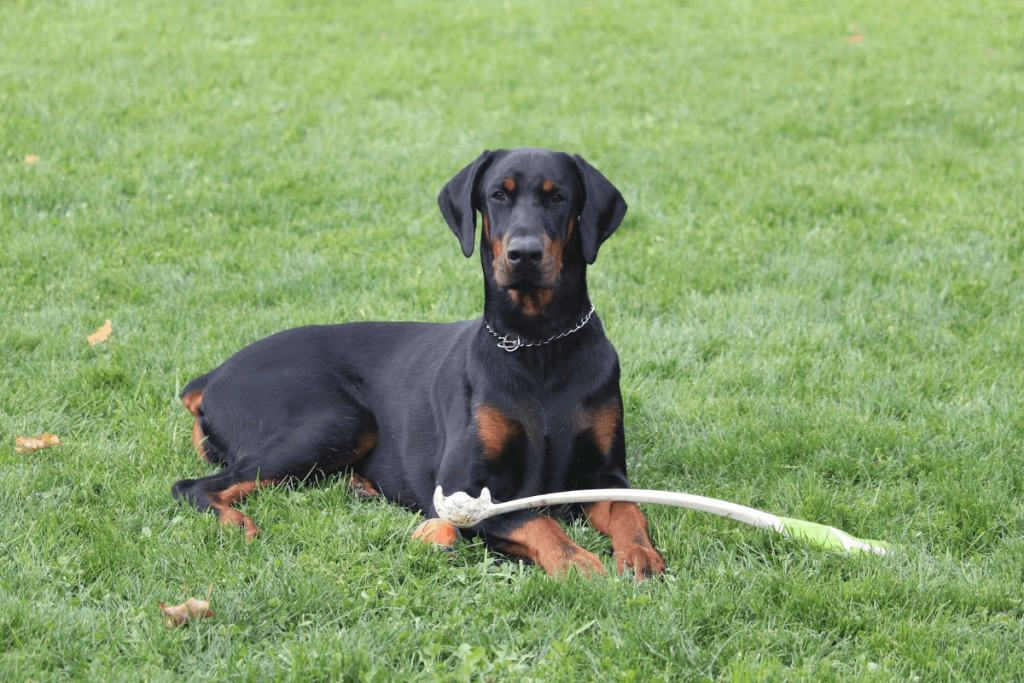
Dobermann
Dobermans have a long, chiseled muzzle that complements their sleek and muscular build. Originally bred for protection, they combine elegance with loyalty, making them both reliable guardians and loving family pets.
Key traits: Alert, loyal, fearless.
See Dobermann puppies or learn more about Dobermanns.
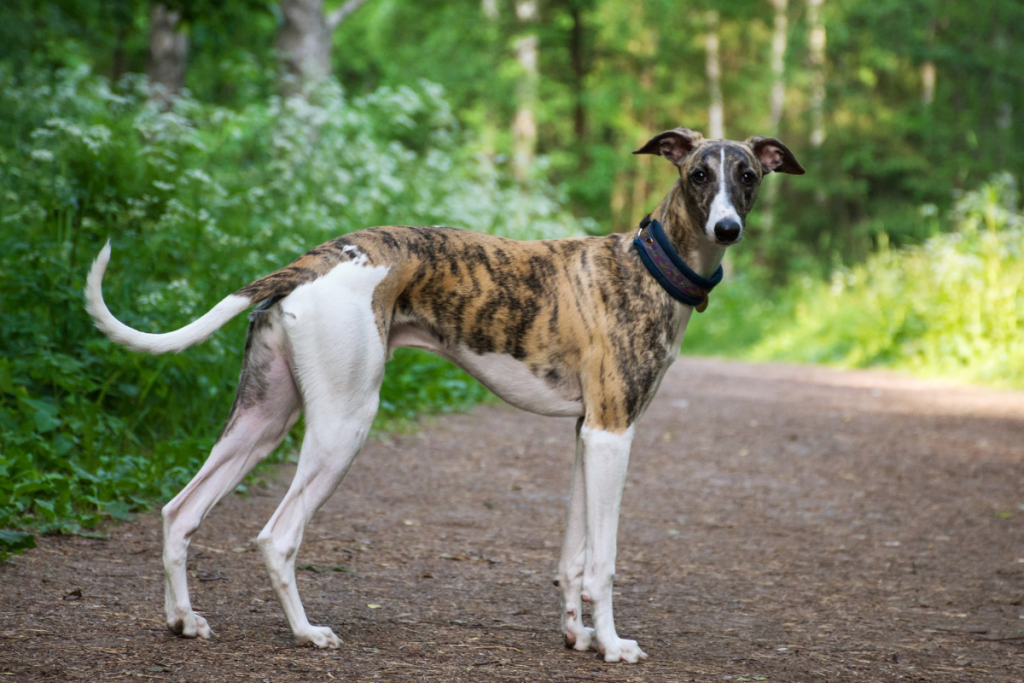
Whippet
Whippets resemble smaller Greyhounds, sharing the same streamlined body and elongated nose. They were bred for speed and hunting small game, but they are equally content curled up on the couch with their family.
Key traits: Gentle, agile, affectionate.
See Whippet puppies or learn more about Whippets.
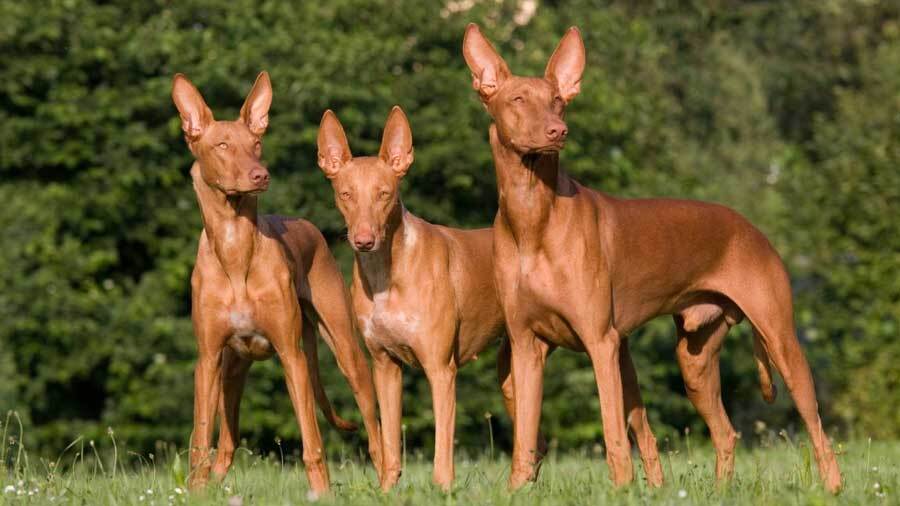
Pharaoh Hound
One of the oldest domesticated breeds, the Pharaoh Hound boasts a long muzzle and a sleek, athletic build. Often linked to ancient Egypt, they are prized for their hunting skills and affectionate nature.
Key traits: Energetic, affectionate, intelligent.
See Pharaoh Hounds.
Caring for Dogs with Long Noses
Owning a long-nosed dog comes with responsibilities that go beyond the average pet.
- Exercise needs: Most sighthounds and active hunters need regular physical activity. Without it, they may become restless or destructive.
- Training and recall: Independent hunting instincts can make recall training a challenge. Secure off-leash areas or long leads are useful.
- Health checks: Long noses usually mean fewer breathing problems than short-faced breeds. However, some dogs may face nasal infections, allergies, or dental crowding due to narrow jaws.
- Diet: Active breeds such as Greyhounds and Salukis need high-quality food that supports lean muscle and joint health.
- Grooming: This varies by breed. Short-haired dogs like Whippets need little grooming, while Afghan Hounds require daily brushing.
Understanding these needs ensures that dogs with long noses stay healthy, happy, and well-adjusted.
Living in Australia with a Dog with Long Nose
Australia’s climate and lifestyle suit many dogs with long noses, but owners must adapt care routines:
- Hot climates: Longer muzzles help with cooling, yet shade, water, and breaks are vital.
- Space requirements: Larger breeds such as Borzois and Greyhounds thrive with room to run; smaller breeds like Dachshunds adapt well to apartments.
- Wildlife and supervision: Dogs with hunting instincts may chase rabbits or kangaroos; secure fencing and off-leash parks are essential.
With proper care, a dog with a long nose offers companionship, loyalty, and a fascinating personality tailored to active Australian households
Owning a Dog with Long Nose in AustraliaRemove featured image
Choosing a dog for your family goes beyond their distinctive appearance. These breeds offer unique skills, personality, and care requirements.
Prospective owners in Australia should consider activity levels, training needs, and grooming before committing. With the right care, these breeds become loyal, capable companions that bring energy and character to everyday life.


