


Dog breeds evolve with the times. While many are thriving, some are disappearing from everyday life.
These are known as endangered dog breeds. Purebred dog breeds whose numbers have dropped to worrying levels. Fewer breeders, fewer litters, and falling demand put these unique breeds at risk. As popular breeds dominate households and social media in Australia, lesser-known dogs start to fade from view.
This guide highlights the top 10 endangered dog breeds in Australia and shares why their survival matters. Learning about them helps protect diversity in the canine world.
Why Some Breeds Are Becoming Endangered
While some breeds remain in demand, others quietly decline due to broader cultural and lifestyle shifts. The following factors continue to drive down numbers for many endangered dog breeds in Australia:
- Smaller living spaces: Urbanisation limits how many homes can accommodate large or high-energy breeds.
- Lifestyle changes: Breeds developed for work or hunting are often overlooked as those roles disappear.
- Trends in ownership: Popularity of designer breeds and crossbreeds reduces visibility of traditional purebreds.
- Perceived maintenance: Some breeds are avoided due to grooming, training, or exercise needs, even if manageable.
- Lack of awareness: Many people simply don’t know these breeds exist, leading to low interest and low demand.
Raising awareness about these pressures can help shift perceptions and renew interest in these unique breeds.
Top 10 Endangered Dog Breeds in Australia
These are the top 10 endangered dog breeds currently facing low visibility and limited breeding in Australia. All are purebred breeds and recognised by Dogs Australia (formerly the ANKC).
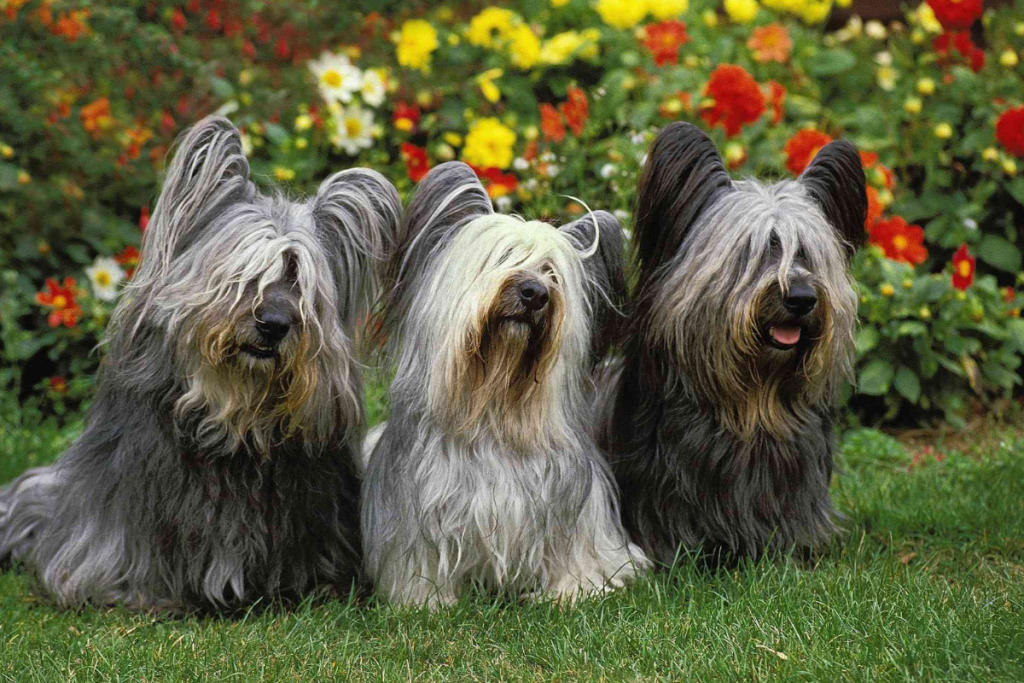
1. Skye Terrier
Skye Terriers are medium-sized dogs with long coats and calm temperaments. Their numbers have dropped due to declining demand and limited breeders.
Key traits: Loyal, dignified, reserved.
See Skye Terrier puppies or learn more about Skye Terriers.
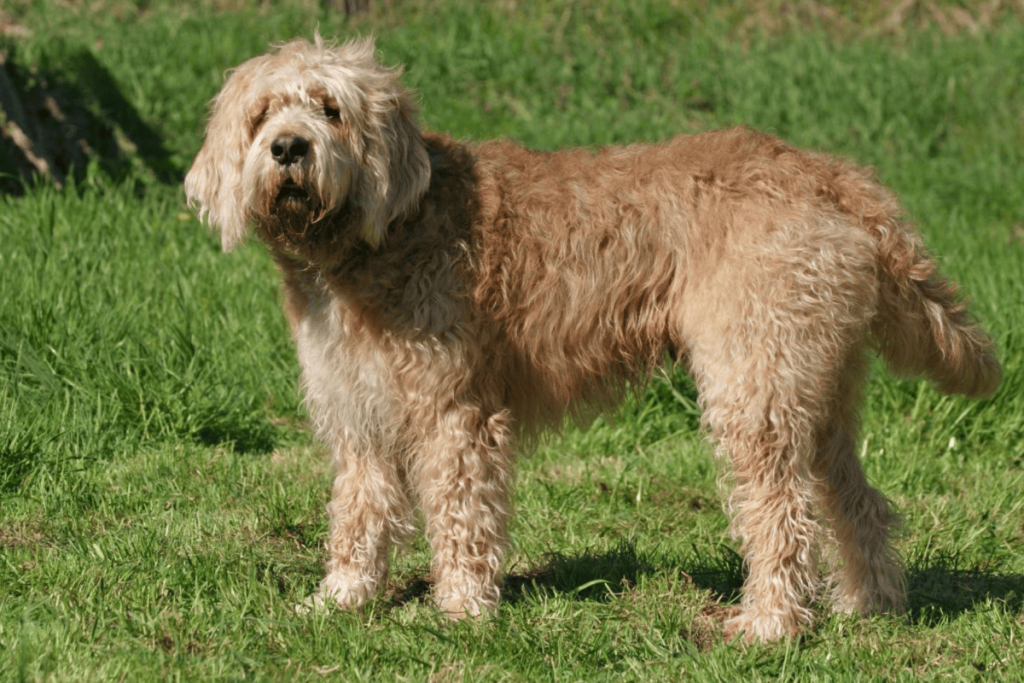
2. Otterhound
Otterhounds are affectionate and energetic dogs with a strong sense of smell. They’re now rare in Australia due to their size and the loss of their original hunting role.
Key traits: Friendly, energetic, scent-driven.
See Otterhound puppies.
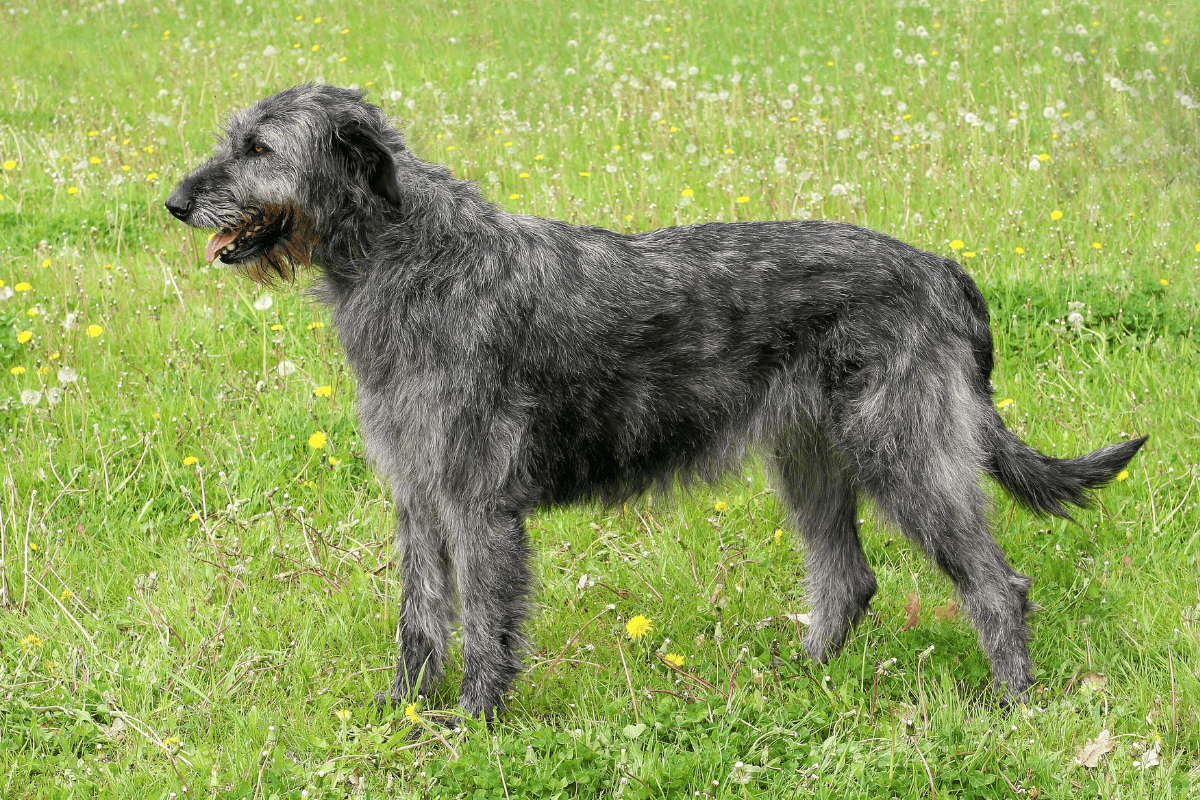
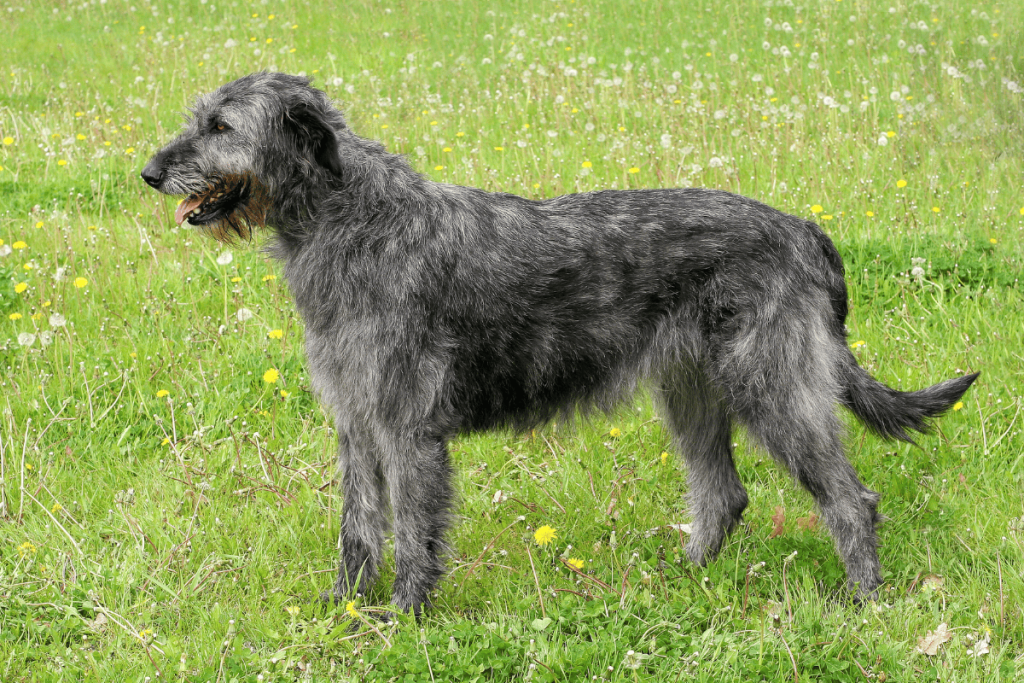
3. Irish Wolfhound
Irish Wolfhounds are among the tallest dog breeds and are known for their gentle presence. Their size, short lifespan, and space requirements limit their appeal in Australia.
Key traits: Gentle, noble, patient.
See Irish Wolfhound puppies or learn more about Irish Wolfhounds.
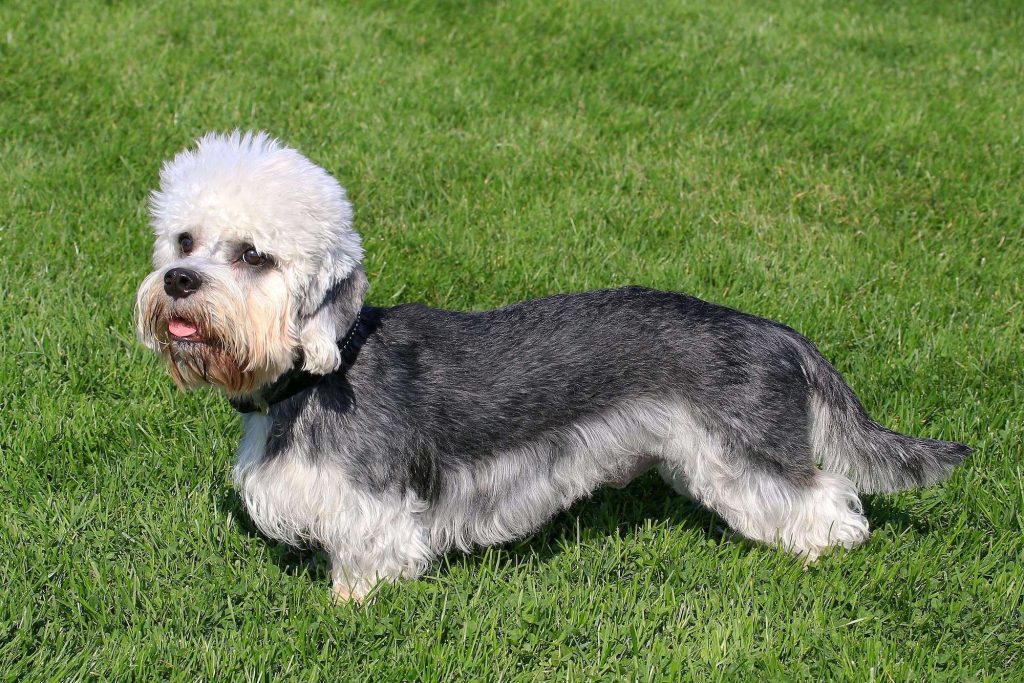
4. Dandie Dinmont Terrier
Dandie Dinmont Terriers are distinctive, small terriers with calm dispositions. Few breeders remain, and their unusual appearance makes them easy to overlook.
Key traits: Affectionate, determined, intelligent.
See Dandie Dinmont Terrier puppies or learn more about Dandie Dinmont Terriers.
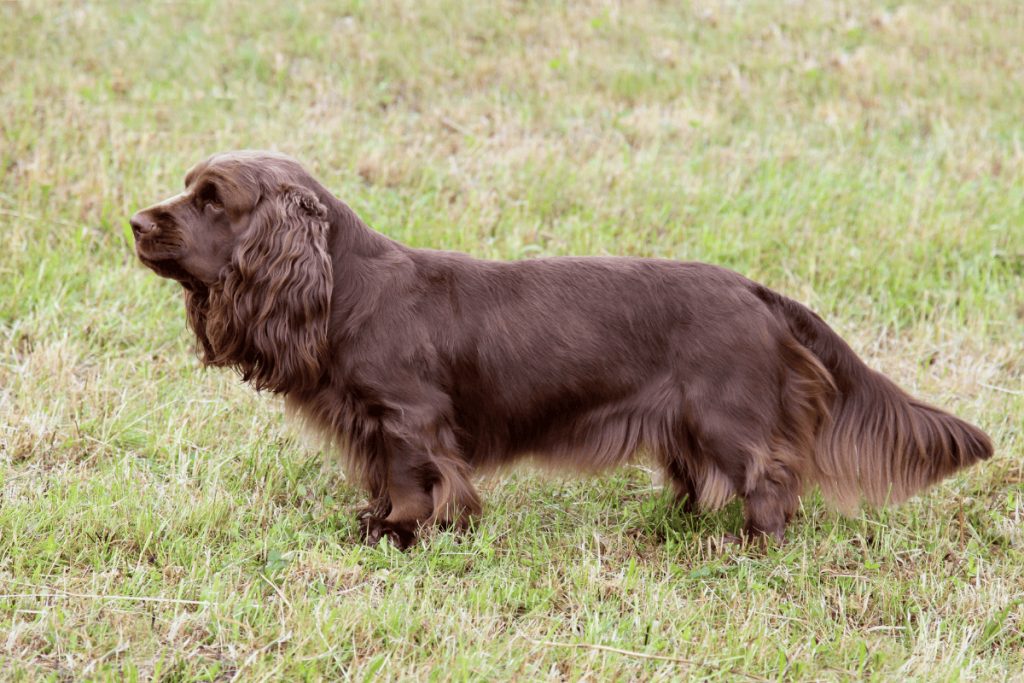
5. Sussex Spaniel
Sussex Spaniels are calm, long-bodied dogs developed for slow-paced hunting. Today they are rare, with small litter numbers and low public awareness.
Key traits: Calm, friendly, devoted.
See Sussex Spaniel puppies or learn more about Sussex Spaniels.
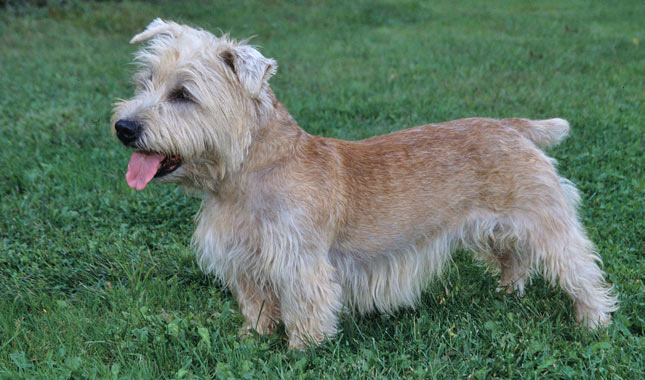
6. Glen of Imaal Terrier
Glen of Imaal Terriers are compact and steady workers with strong loyalty. Their rarity is due to limited breeders and low household recognition.
Key traits: Loyal, spirited, gentle.
See Glen of Imaal Terrier puppies or learn more about Glen of Imaal Terriers.
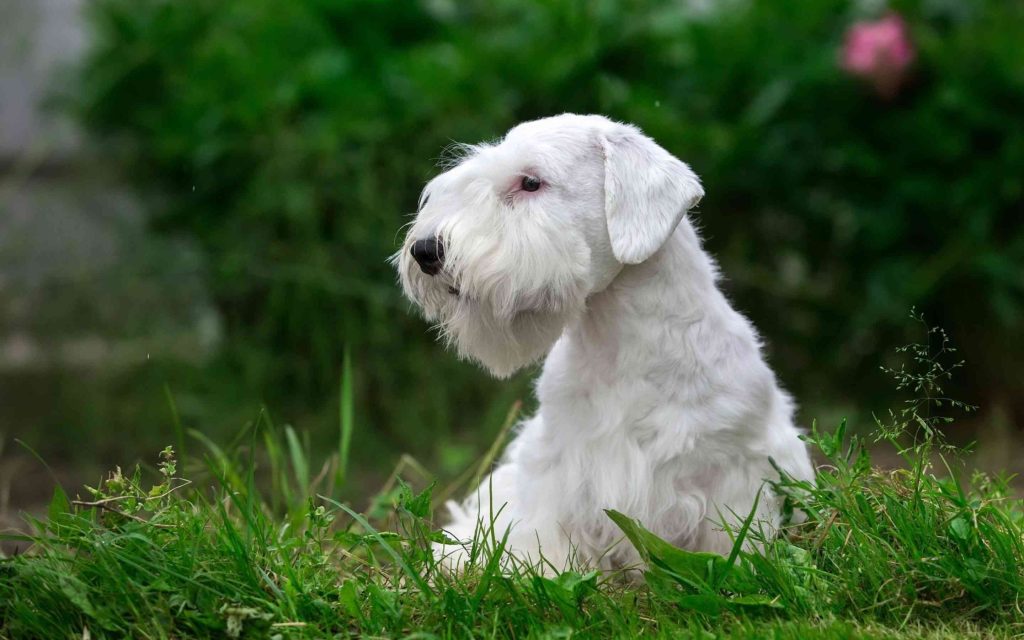
7. Sealyham Terrier
Sealyham Terriers are spirited dogs that once enjoyed wide popularity. Their decline has come from grooming demands and changing preferences.
Key traits: Alert, friendly, spirited.
See Sealyham Terrier puppies or learn more about Sealyham Terriers.
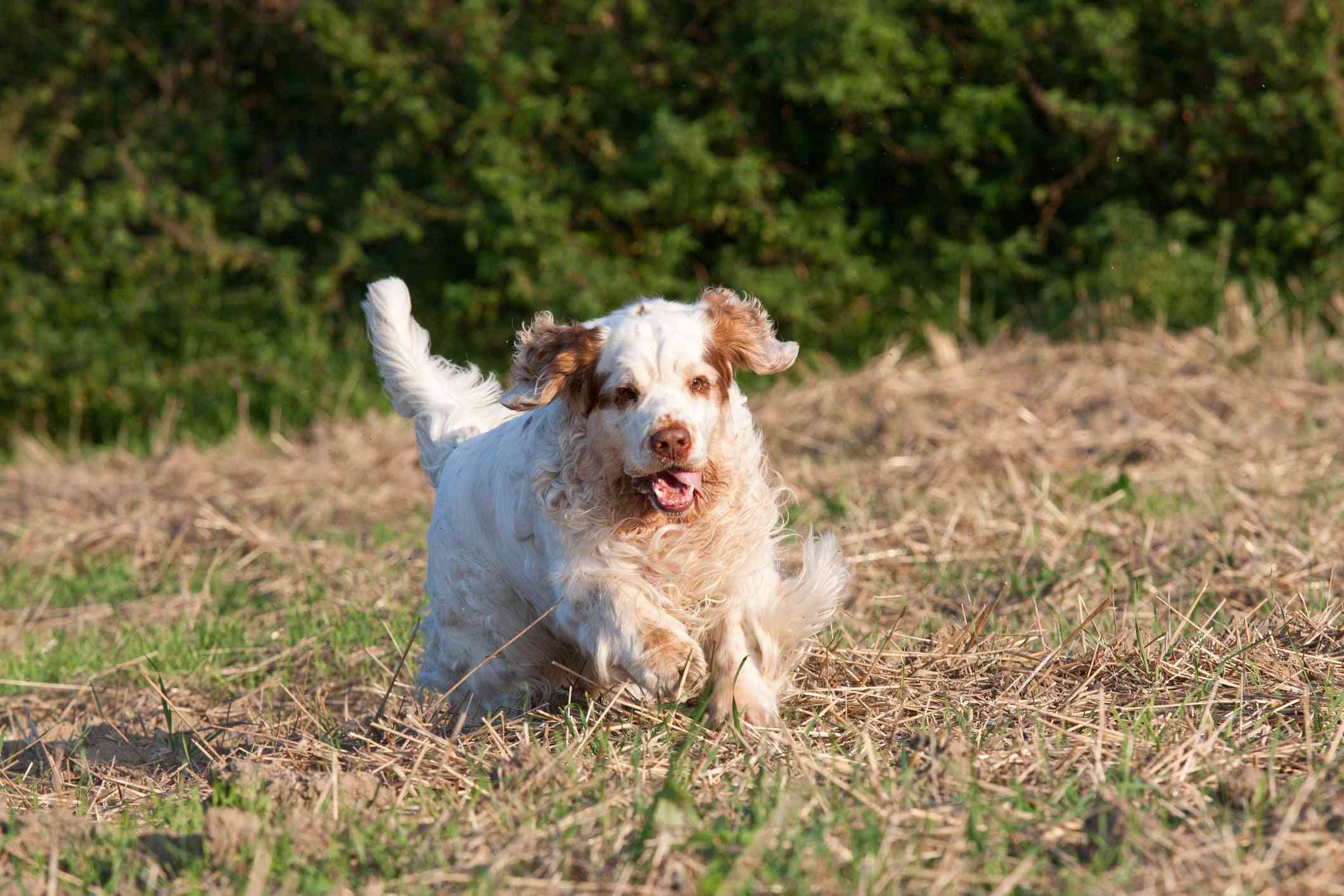
8. Clumber Spaniel
Clumber Spaniels are heavyset spaniels with a calm and affectionate nature. Their numbers have fallen due to low visibility and breeding difficulty.
Key traits: Gentle, loyal, dignified.
See Clumber Spaniel puppies or learn more about Clumber Spaniels.
9. Curly Coated Retriever
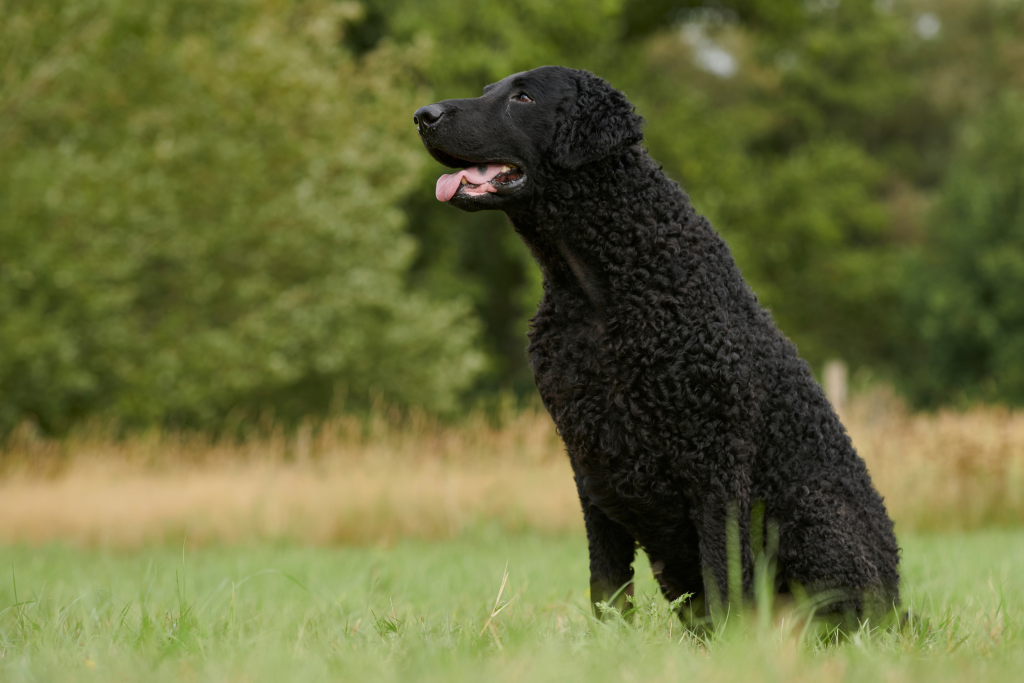
Curly Coated Retrievers are intelligent gundogs with distinct tight curls and a strong working background. Their numbers have fallen as other retrievers gained popularity in homes and field trials.
Key traits: Smart, independent, active.
See Curly Coated Retriever puppies or learn more about Curly Coated Retrievers.
10. Sloughi
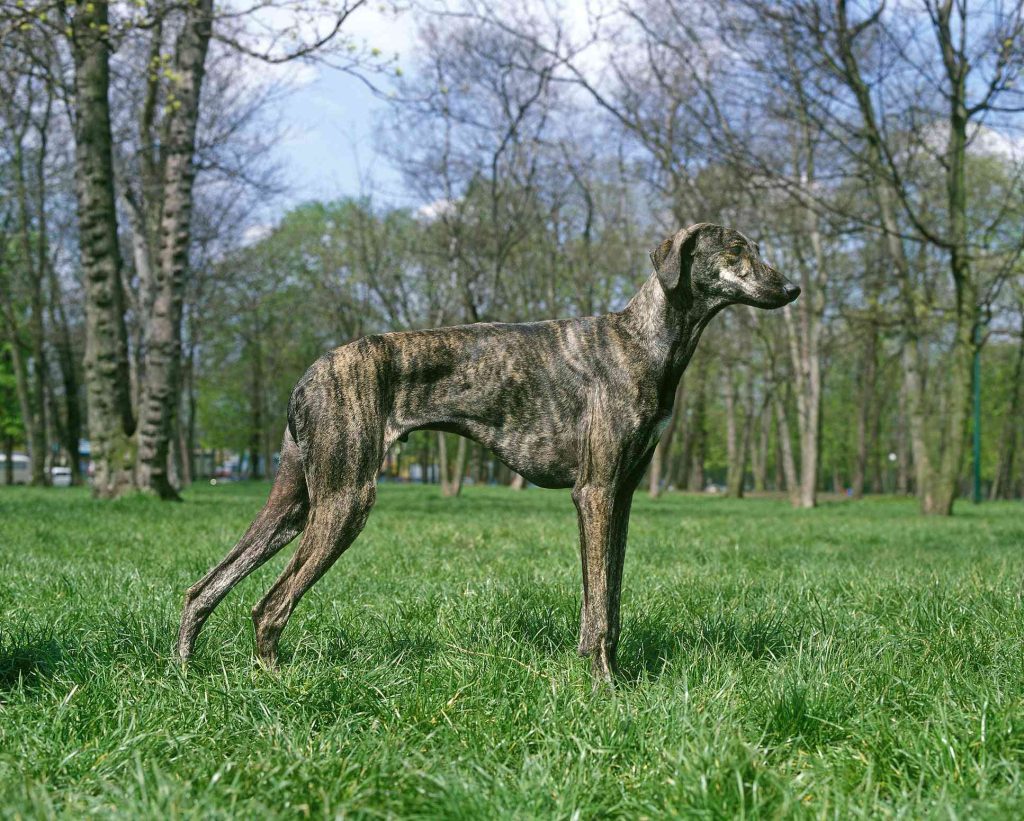
Sloughis are sleek, sensitive sighthounds prized for their speed and loyalty. Their low recognition and tight gene pool place them among the most endangered dog breeds in Australia.
Key traits: Reserved, graceful, athletic.
See Sloughi puppies.
These are some of the dog breeds with dwindling numbers in Australia, but they deserve to be seen again.
What Makes a Dog Breed ‘Endangered’?
The term endangered dog breeds describes breeds whose future may be in danger. These signs usually indicate that a breed is in decline:
- Low annual registrations: Australian National Kennel Council (ANKC) numbers falling below 100 puppies per year raise a red flag.
- Shrinking gene pool: Too few dogs left to breed responsibly can create health risks.
- Lack of breeders: Some breeds rely on just a handful of people to keep them going.
- Geographic isolation: Some breeds are bred overseas, but have nearly vanished in Australia.
- No public demand: Without media exposure or public interest, dogs disappear from households.
These indicators help identify the most endangered dog breed candidates needing support and attention from the community.
Why It Matters to Save Rare Dog Breeds
Preserving endangered dog breeds ensures the future of healthy, diverse, and functional dog populations. Here’s why their survival matters:
- Genetic resilience: Diversity prevents problems linked to inbreeding.
- Historical significance: Many breeds reflect centuries of human–dog partnerships.
- Specialised traits: Their instincts, skills, and personalities are often unmatched.
- More choice: A variety of breeds gives owners more to connect with.
- Cultural identity: Some breeds represent national or regional stories that shouldn’t be lost.
When these at-risk dog breeds are supported, their value is shared with future generations.
Preserve History, One Dog at a Time
Breed diversity brings strength, beauty, and history to the dog world. Supporting endangered dog breeds helps preserve traits we may never get back if they disappear. These breeds are living reminders of culture, purpose, and passion of the past.
The choice to adopt or support a rare breed makes a difference. It gives these breeds a chance not just to survive, but to thrive once again.


