


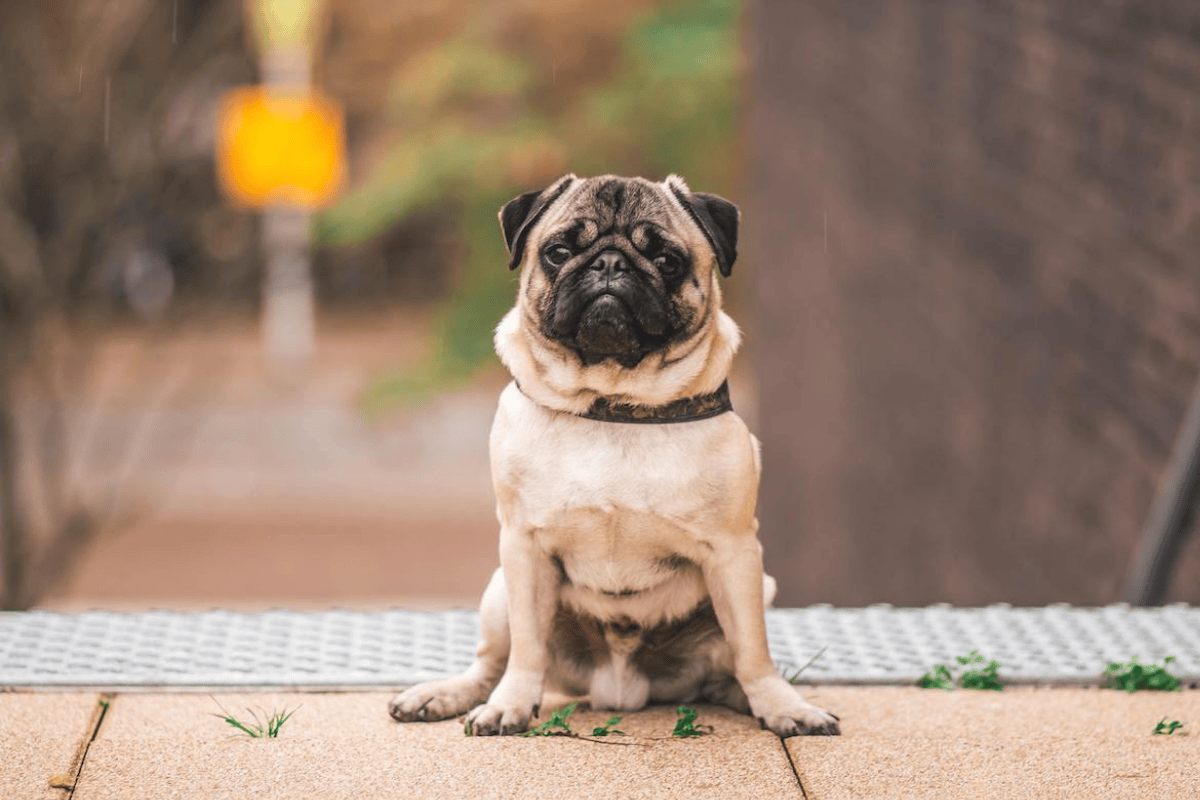
Flat-faced dogs, also known as brachycephalic breeds, are some of the most recognisable companions in Australia. Their short muzzles, wide skulls, and expressive faces give them a unique look that has made them popular in homes worldwide.
For many families, choosing a dog with flat nose features is about companionship and personality as much as appearance.
In this guide, we explore the top purebred flat-faced dogs in Australia, highlighting their key traits, care needs, and the considerations Australian owners should keep in mind.
Why Flat-Faced Breeds Are Distinct
The shortened muzzle that defines these dogs has more than cosmetic importance. In practice, a compressed air passage alters how they regulate temperature and interact with their environment.
While the appearance has drawn human admiration for centuries, it also influences health, exercise tolerance, and even airline transport regulations. For many, these traits deepen the bond, as owners learn routines that keep their flat-faced dogs comfortable and safe.
Why Get a Dog with a Flatter Face
"Flat-faced" dogs have become favourites across Australia thanks to their owner preference and affectionate temperaments. Here are some of the main reasons people enjoy their company.
- Strong Human Bond: Many flat-faced/brachy breeds were developed as companion animals, which makes them naturally people-focused. They thrive on attention and often form close, affectionate ties with their families.
- Apartment-Friendly Sizes: Several brachycephalic breeds are small to medium in stature. Their moderate activity levels can make them suitable for city living, provided owners meet their daily exercise and enrichment needs.
- Expressive Appearance: The wide-eyed, engaging look of flat-faced dogs is one of the main reasons people are drawn to them. Their facial features often make them seem especially communicative and charming.
These qualities explain why dog breeds with short noses remain such popular companions across Australia. Their affectionate nature, manageable size, and charming expressions give them strong appeal as household companions.
Challenges of Owning a Dog with Short Muzzle
Owning a brachycephalic breed comes with special responsibilities as their distinctive anatomy means unique care needs that owners must consider.
- Breathing and Heat Management: The shortened muzzle of flat-faced dogs can restrict airflow, making them more vulnerable to overheating. This means extra care is required during Australia’s warmer months.
- Veterinary and Health Considerations: Conditions such as brachycephalic obstructive airway syndrome (BOAS) and eye irritation are more common. Regular vet visits and close monitoring are essential for keeping these breeds comfortable.
- Travel Restrictions: Airlines impose additional requirements for brachycephalic breeds, as their respiratory systems can make flying riskier. These rules are in place to protect dogs from unnecessary stress and health complications.
Although short-nosed dog breeds require extra care, their families remain loyal, feeling the dogs' affection and loyalty make it worthwhile.
Misconceptions on Brachy Breeds
One of the most persistent myths surrounding flat-faced (brachycephalic) dog breeds is the idea that they are universally unhealthy and should be restricted or banned.
While it’s true that brachycephalic breeds can be prone to certain health challenges if not properly taken into account from day 1, the narrative that all of them inevitably suffer is misleading and oversimplified.
Working with a responsible, health-focused breeder is step one in setting a brachy breed up for a healthy life. Ethical breeders:
Prioritise healthy, functional dogs with sound structure
Conduct appropriate health testing (e.g., airway grading, heart tests, genetic screening)
Avoid extreme features that compromise welfare
Select breeding dogs with good breathing and overall fitness
The well-being of any brachycephalic dog doesn’t stop at breeding. Owners need to stay on the ball with care. A good breeder, will also be able to tell you the important considerations of owning a brachy breed.
12 Flat-Faced Dog Breeds in Australia
Here are 12 popular flat-faced dog breeds recognised by the Dogs Australia (ANKC) and available on Dogz Online.
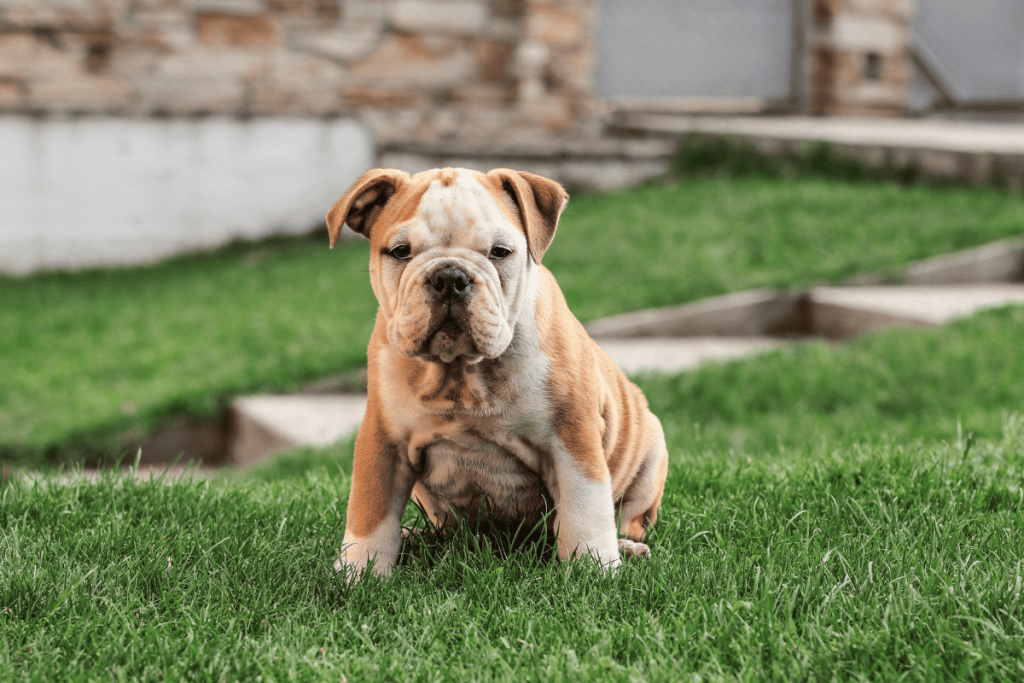
1. Bulldog (British Bulldog)
Stocky and gentle, Bulldogs are recognised for their calm nature and iconic wrinkled face. Their short, flat nose gives them a distinctive look that many Australians find adorable. They enjoy short walks, quiet routines, and plenty of affection at home.
Key traits: Calm, loyal, affectionate.
See Bulldog puppies or learn more about Bulldogs.
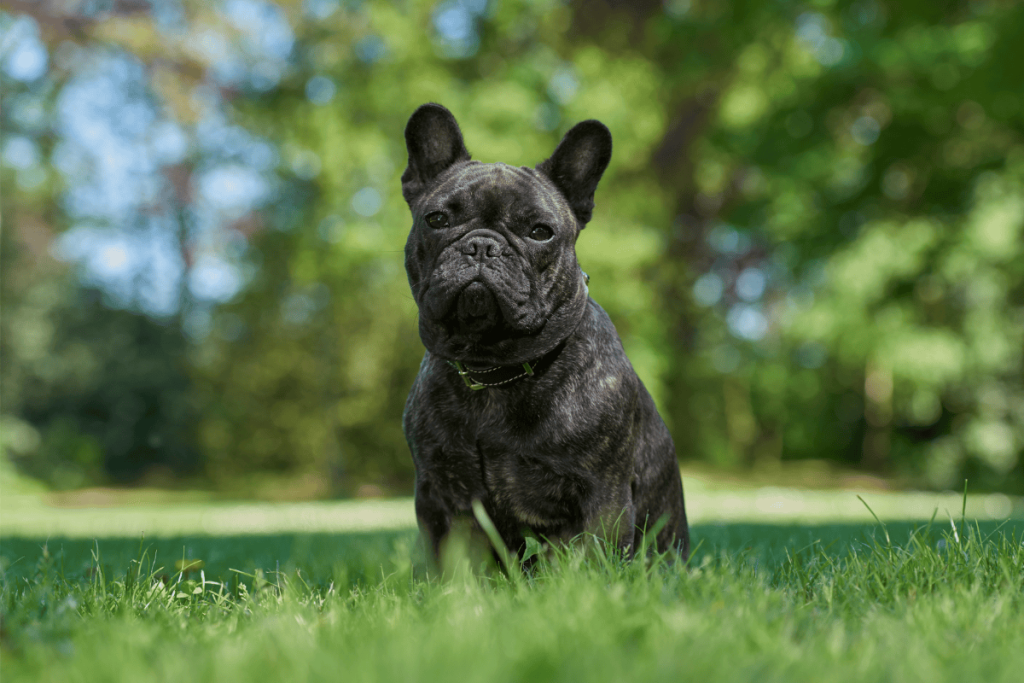
2. French Bulldog
Compact and playful, French Bulldogs are affectionate companions with an unmistakably cute flat face. Their small size and short muzzle make them well-suited to apartment living in Australia’s cities. With moderate exercise, they thrive as cheerful and adaptable family pets.
Key traits: Playful, affectionate, adaptable.
See French Bulldog puppies or learn more about French Bulldogs.
3. Pug
Pugs are famous for their round eyes, curled tails, and short noses that highlight their charming expressions. Their lovable appearance matches a lively but gentle personality, making them a joy in many homes. While energetic in bursts, they’re just as happy relaxing beside their people.
Key traits: Cheerful, sociable, charming.
See Pug puppies or learn more about Pugs.

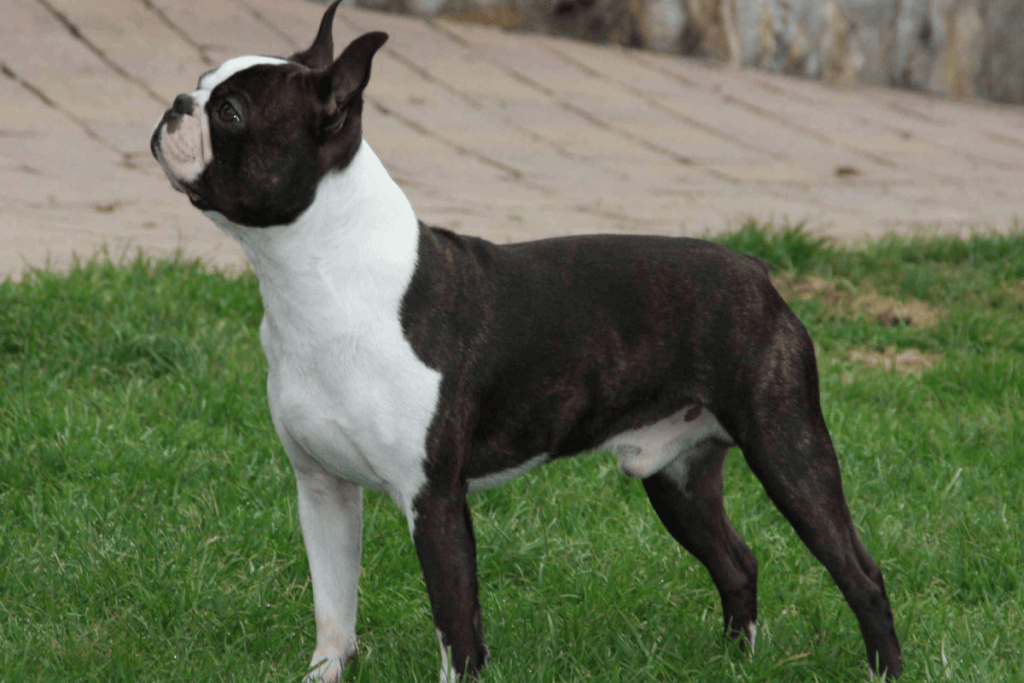
4. Boston Terrier
Nicknamed the “American Gentleman” thanks to their tuxedo-like markings, Boston Terriers combine style with friendliness. Their flat face adds to their animated expressions, which are part of their appeal. Bright and affectionate, they adapt well to families and city life.
Key traits: Alert, affectionate, lively.
See Boston Terrier puppies or learn more about Boston Terriers
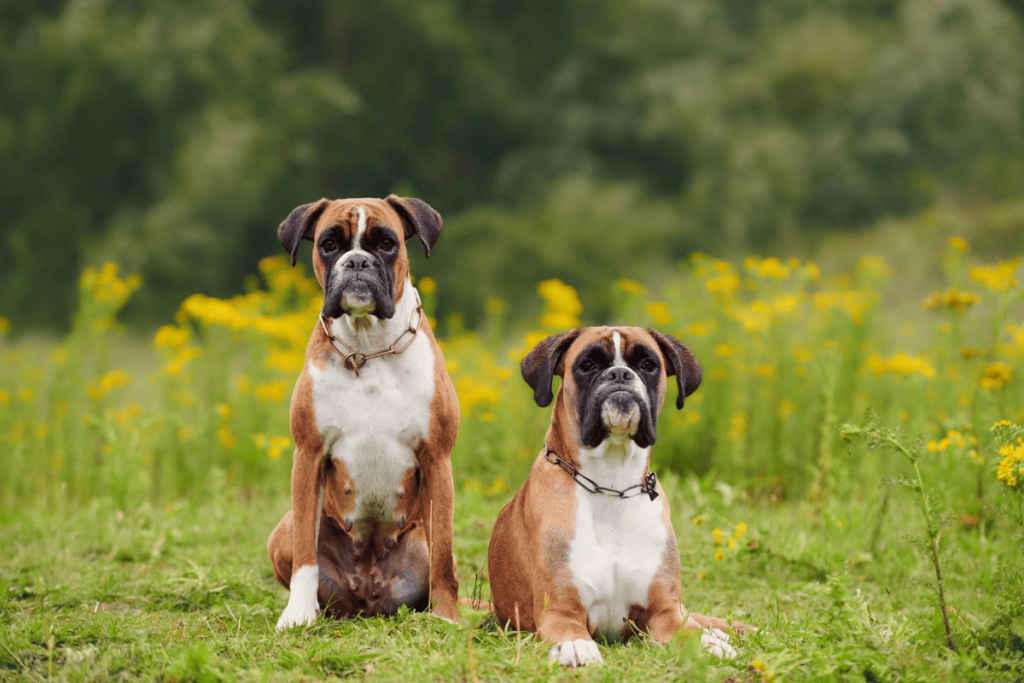
5. Boxer
Athletic and enthusiastic, Boxers are larger flat-faced dogs that balance power with playfulness. Their shortened muzzle and expressive eyes give them a lovable, clownish look. They are full of energy and thrive on family interaction, making them popular among active households.
Key traits: Energetic, loyal, fun-loving.
See Boxer puppies or learn more about Boxers
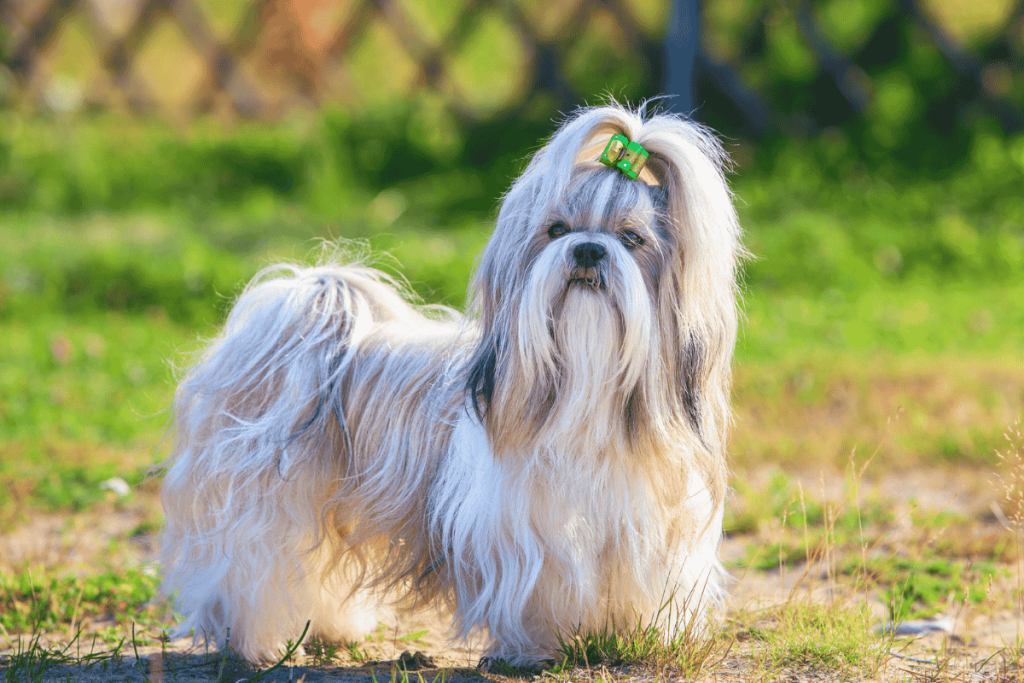
6. Shih Tzu
Shih Tzus combine their flat face with a luxurious coat, giving them a regal yet sweet appearance. Originally bred for companionship in palaces, they are affectionate and people-oriented. Their cute short nose only adds to their charm, especially when paired with their big, bright eyes.
Key traits: Sweet-natured, friendly, alert.
See Shih Tzu puppies or learn more about Shih Tzus
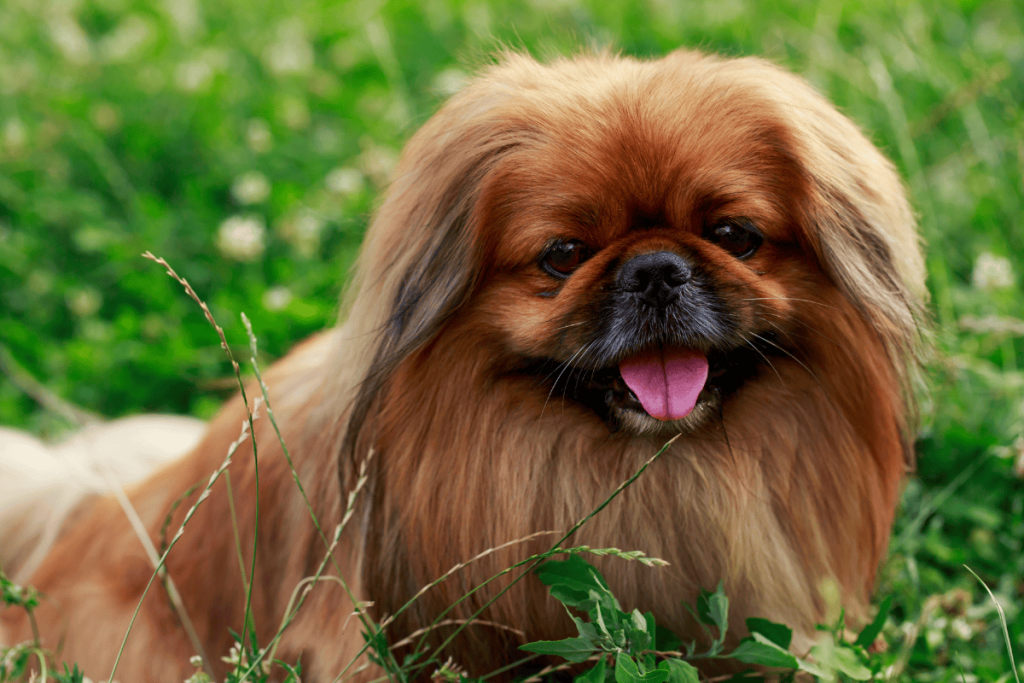
7. Pekingese
Pekingese are known for their lion-like mane and proud stance, paired with a short, flat nose that makes them instantly recognisable. Despite their small size, they carry themselves with confidence and dignity. They are affectionate with their families and look especially endearing thanks to their unique faces.
Key traits: Independent, affectionate, bold.
See Pekingese puppies or learn more about Pekingese
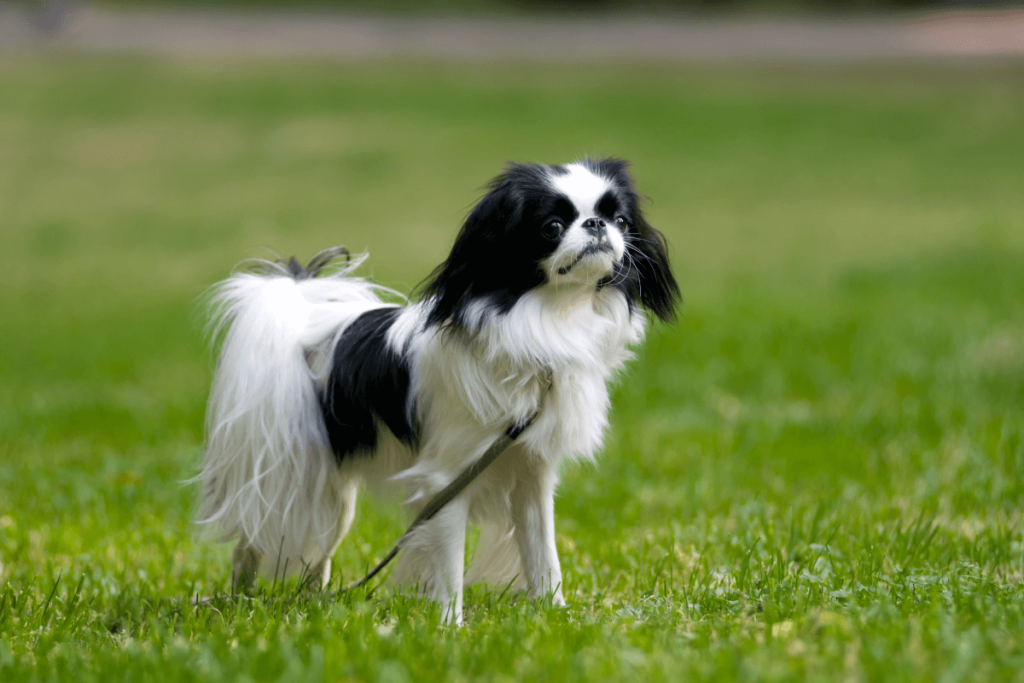
8. Japanese Chin
The Japanese Chin is an elegant toy breed with a flat face that enhances its delicate and graceful expression. Known for their cat-like movements, they are agile and light-footed. Their short muzzle and soft features make them particularly appealing companions.
Key traits: Cat-like, sensitive, devoted.
See Japanese Chin Breeders or Learn more about Japanese Chins
9. Griffon Bruxellois (Brussels Griffon)
This toy breed is adored for its quirky personality and distinctive flat face, which gives it a comical yet cute appearance. They are highly expressive and often seem to show human-like emotions. With their affectionate nature, they make lively little companions.
Key traits: Inquisitive, affectionate, alert.
See Griffon Bruxellois puppies or learn more about Griffon Bruxellois

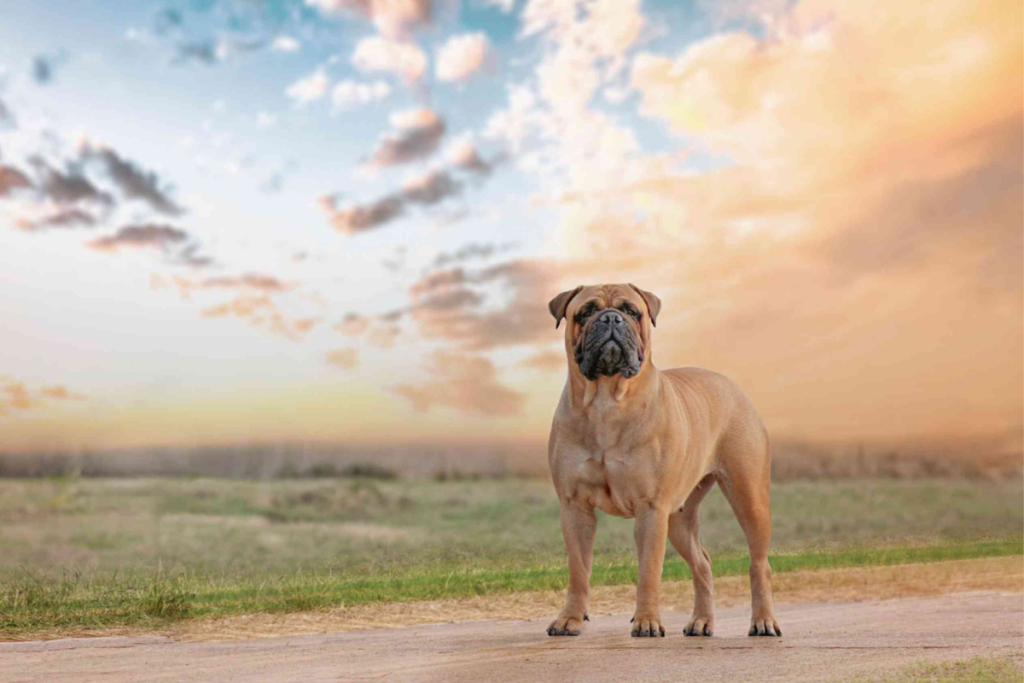
10. Bullmastiff
Large and powerful, Bullmastiffs have a shortened muzzle that softens their otherwise imposing build. Their protective yet calm nature makes them devoted family guardian. Despite their size, their flat face and loyal personality give them an endearing quality.
Key traits: Loyal, protective, calm.
See Bullmastiff puppies or learn more about Bullmastiffs
11. Dogue de Bordeaux
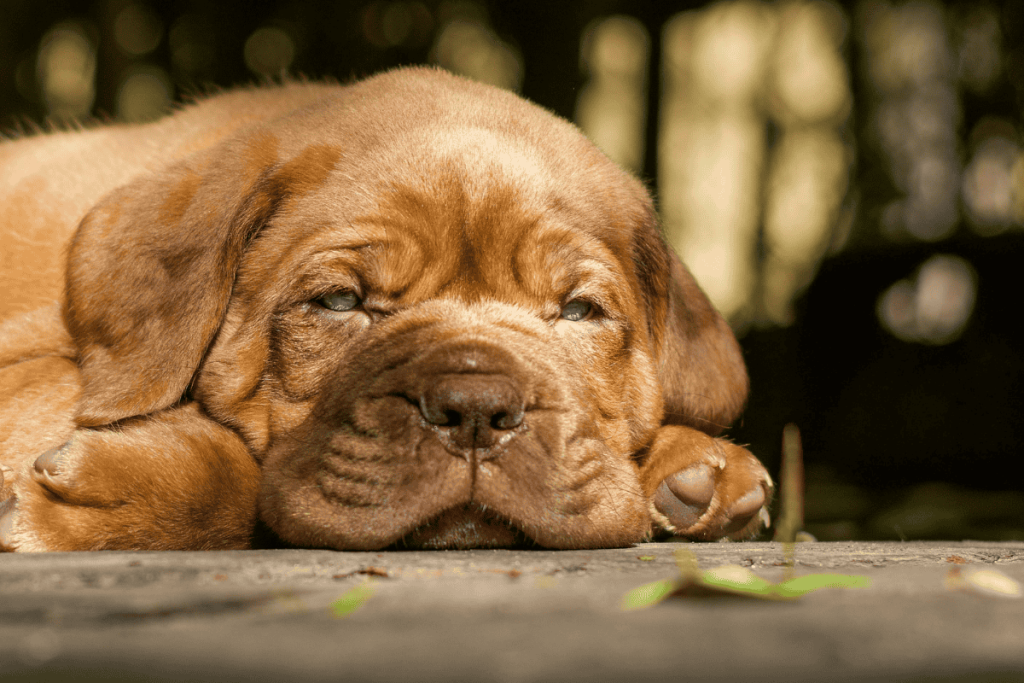
This French mastiff breed is instantly recognisable with its broad head, short muzzle, and serious expression. Beneath their strong appearance, they are affectionate and form close bonds with their families. Their wrinkled face and stocky build make them both impressive and lovable.
Key traits: Courageous, affectionate, devoted.
See Dogue de Bordeaux puppies or learn more about Dogue de Bordeaux
12. Lhasa Apso
With a shortened muzzle hidden beneath a flowing coat, Lhasa Apsos have a charming yet watchful presence. Bred as sentinel dogs in monasteries, they are intelligent and protective. Their flat face adds to their appealing look, particularly when paired with their expressive eyes.
Key traits: Watchful, intelligent, loyal.
See Lhasa Apso puppies or Learn more about Lhasa Apsos

Caring for Flat-Faced Dogs in Australia
Caring for flat-faced dogs involves consistent routines and attention to detail. These points highlight the most important aspects of their daily care:
- Exercise planning: Walks should be scheduled during cooler parts of the day, such as early mornings or evenings, with regular water breaks and access to shaded routes.
- Grooming routines: Needs vary by breed. Pugs benefit from quick cleaning of facial folds to prevent irritation, while Shih Tzus and Lhasa Apsos often require professional coat care to manage their long, flowing coats.
- Balanced nutrition: Maintaining a lean body weight reduces pressure on breathing and joints. High-quality food in controlled portions helps support their overall health.
- Health monitoring: Watch for signs like heavy snoring, changes in gum colour, or fatigue during light activity. These may indicate airway or other health concerns that need veterinary attention. Maintaining a lean body weight is vital for any dog with flat nose anatomy, as extra weight makes breathing harder.
Living in Australia with a Flat-Faced Dog
Australia’s climate and lifestyle introduce unique factors for flat-faced dogs. Owners need to adapt their daily life to keep them secure and healthy.
- Heat management: Long summers raise the risk of overheating. Air-conditioned spaces, cooling mats, and carefully timed walks are important to reduce heat stress.
- Travel restrictions: Many airlines impose limits on brachycephalic breeds during hotter months. These rules aim to prevent breathing issues in transit, so travel plans require early preparation.
- Urban and apartment living: Smaller breeds like French Bulldogs and Pugs can adapt well to city apartments, provided their exercise and enrichment needs are met.
- Space for larger breeds: Bullmastiffs and other big flat-faced breeds need more room and structured exercise, ideally in secure outdoor areas.
- Wildlife awareness: Even companion-focused dogs may chase rabbits or kangaroos, so safe fencing and supervision are essential in suburban or rural environments.
With planning, short-nosed dog breeds can adapt well to Australia’s lifestyle, from apartments in the city to spacious suburban homes.
Living Happily with Flat-Faced Breeds
Flat-faced dogs are undeniably charming, with their expressive eyes, compact frames, and affectionate personalities winning over countless Australian households. Their unique anatomy, however, means they require extra consideration in everyday life. Careful attention to heat stress, grooming, and veterinary support is essential to keeping them healthy.
When given the right care, brachycephalic breeds thrive as loyal, joyful companions in both city apartments and suburban homes. They reward their families with devotion, playfulness, and plenty of character, often becoming the centre of household life.
For Australians considering one of these breeds, the key lies in preparation and commitment. By planning routines around climate, diet, health monitoring, and exercise, owners give their flat-faced companions the chance to live safe, comfortable, and fulfilling lives. In return, these dogs bring affection and charm that make every extra effort worthwhile.
Frequently Asked Questions
What are dogs with flat faces called?
Dogs with flat faces are called brachycephalic breeds. This term describes their shortened skulls and compressed muzzles.
What are dogs with short noses called?
Dogs with short noses are also described as brachycephalic. Examples include Bulldogs, French Bulldogs, and Pugs.
Why do short-nosed dogs have breathing problems?
Short-nosed dogs may have narrowed airways and shortened nasal passages, which make cooling and breathing less efficient. This can lead to conditions such as BOAS (brachycephalic obstructive airway syndrome).
Are flat-faced dog breeds safe in Australia’s climate?
They can live comfortably with proper care, but hot weather presents challenges. Owners should avoid midday exercise, provide shade and water, and use air conditioning where possible.
Do airlines have special rules for flat-faced dogs?
Yes, because of their airway structure, airlines apply extra restrictions for travel. These include seasonal limits, health checks, and specialist pet transport services.
How can I keep my flat-faced dog healthy?
Keep them lean, plan exercise at cooler times, clean skin folds regularly, and schedule routine veterinary check-ups to monitor breathing and eye health.


