


Dog breeds independent by nature offer self-sufficiency, confidence, and mental resilience. They can mostly entertain themselves, follow routines, and require owners who understand their unique personalities.
Dog owners in Australia have a growing interest in independent dog breeds because many owners are looking for breeds that combine loyalty with self-reliance. Understanding the traits and lifestyle requirements that come with their independence will help build a happy and harmonious relationship.
This guide explores the characteristics, care needs, and most suitable environments for these breeds that are more likely to adapt to busy households or can tolerate being left at home for longer times.
What Are Independent Dog Breeds?
Independent dog breeds are those that prefer to think and act on their own. Unlike highly social or clingy breeds, they often enjoy time alone and do not demand constant attention. This independence can make them more ideal for owners who work away from home or have a busy lifestyle.
Dog breeds independent in temperament are not disinterested, it’s just that they prefer to balance affection with self-sufficiency. Many of these breeds were bred for hunting, guarding, or herding, where initiative and problem-solving were essential. Understanding these traits is key to a strong and healthy relationship.
While these dogs enjoy solitude, they still benefit from social interaction and playtime. Striking the right balance ensures they remain happy, confident, and well-behaved.
5 Dog breeds that can tolerate being left alone for longer periods
Independent dog breeds can thrive with minimal supervision but still provide loyalty and companionship when approached correctly. They have unique histories, physical traits, and temperaments that make them suitable for different types of owners.
Here are five popular dog breeds that fit this description:
Shiba Inu
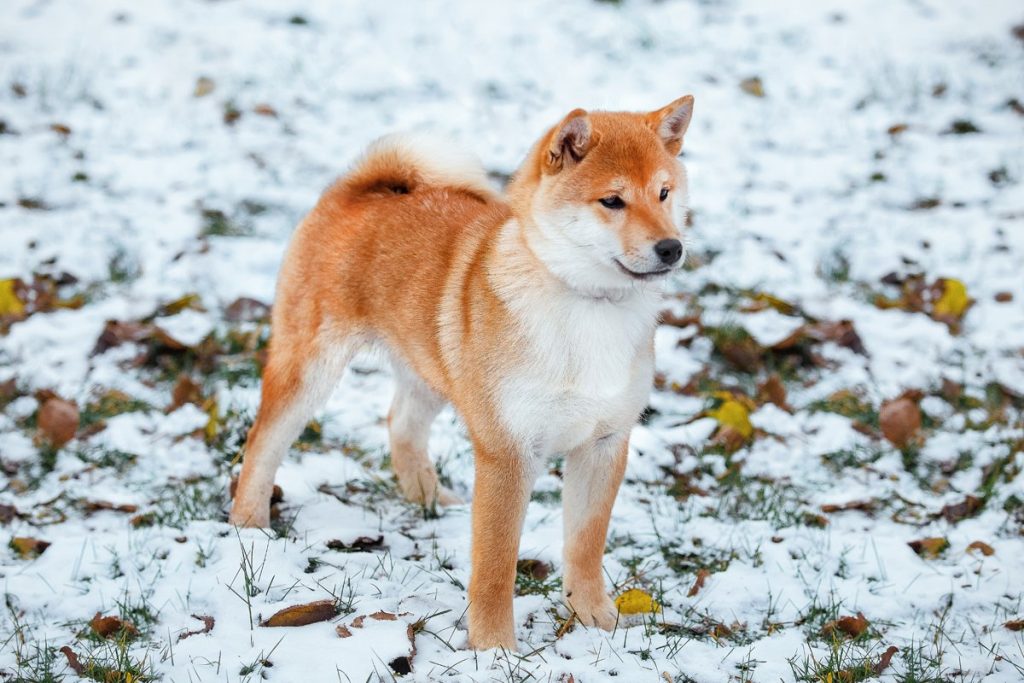
Shibas are small but bold, known for their strong-willed and confident nature. They can spend time alone without distress and enjoy exploring their environment. Their fox-like face and expressive eyes make them visually striking as well.
Key traits: Intelligent, alert, independent.
See Shiba Inu puppies or learn more about Shiba Inus.
Basenji
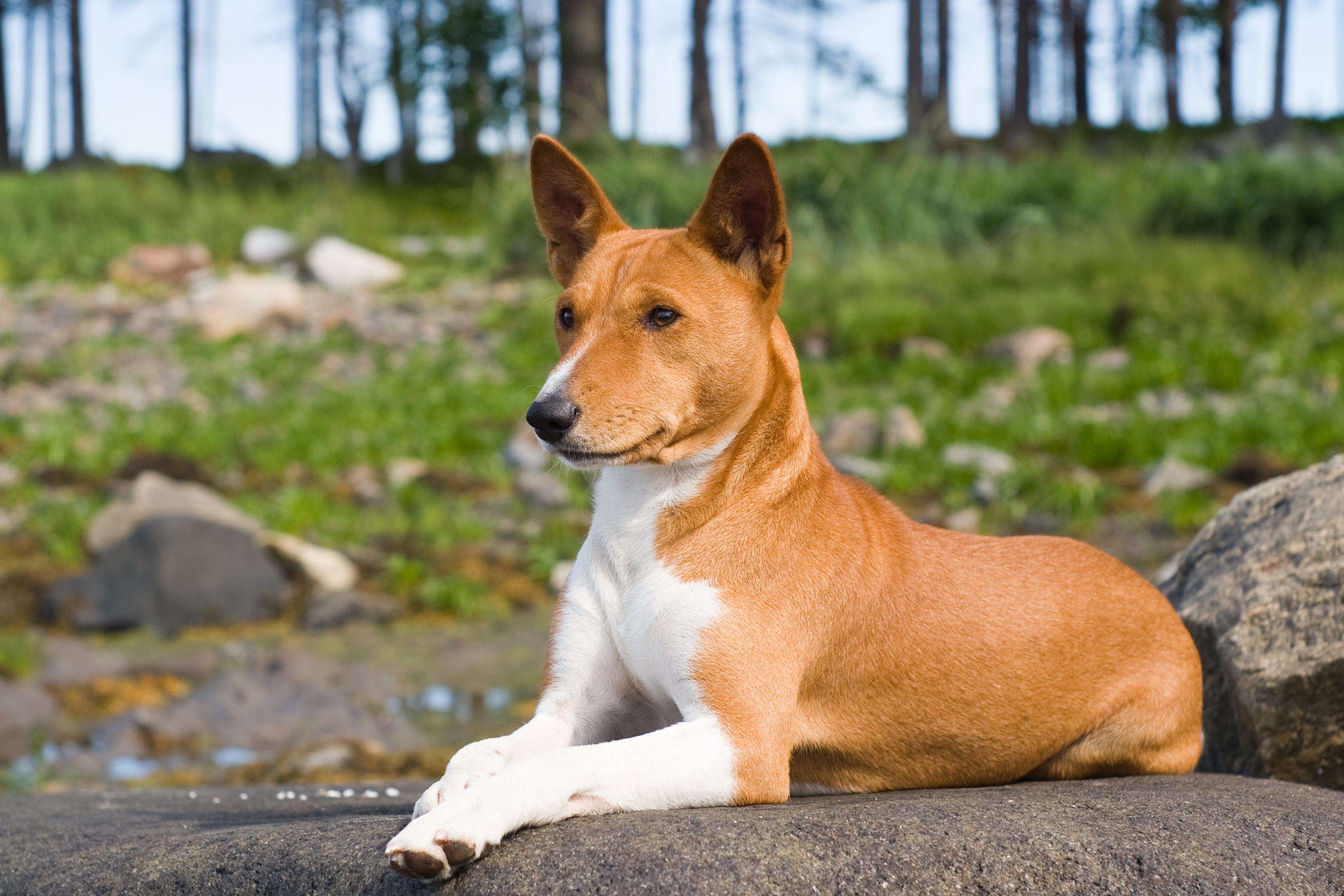
The Basenji is a clever, energetic breed that adapts well to its surroundings. Often called “barkless dogs,” they communicate through unique yodels and enjoy mental stimulation. Basenjis need space to explore and are happiest in an active household.
Key traits: Curious, alert, self-reliant.
See Basenji puppies or learn more about Basenjis.
Chow Chow
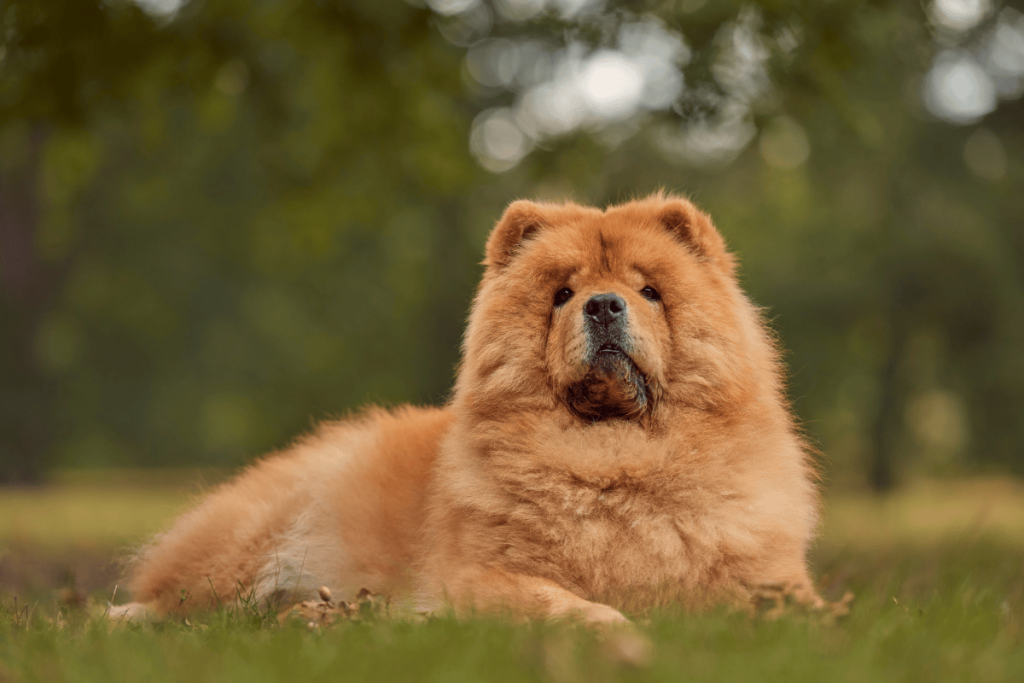
Chow Chows are dignified, reserved, and calm. They bond deeply with their family but maintain a sense of autonomy. They are one of the more recognisable dog breeds independent in temperament. Their thick coats require regular grooming, and their personality means they do not seek constant attention, making them suitable for owners who value a low-maintenance yet loyal pet.
Key traits: Loyal, reserved, independent.
See Chow Chow puppies or learn more about Chow Chows.
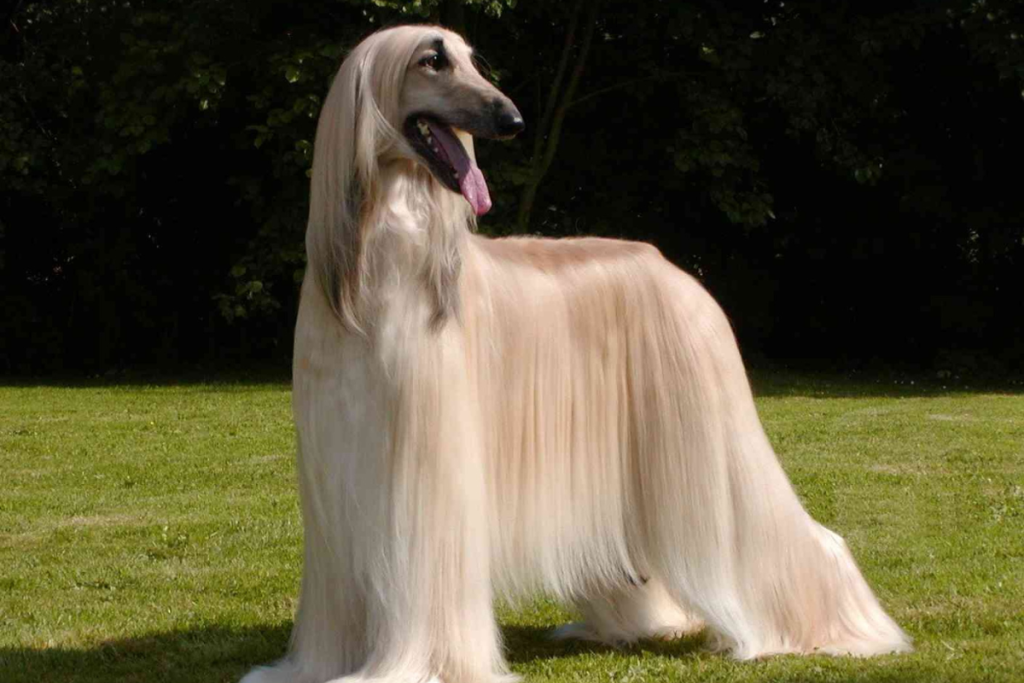
Afghan Hound
Afghan Hounds are elegant, athletic, and confident. They enjoy freedom and movement, reflecting their history as hunting dogs in mountainous terrain. Afghan Hounds are aloof but affectionate with owners who earn their trust. Their long coats require daily grooming, making them a breed that rewards consistent care.
Key traits: Graceful, reserved, agile.
See Afghan Hound Breeders or learn more about Afghan Hounds.
Akita
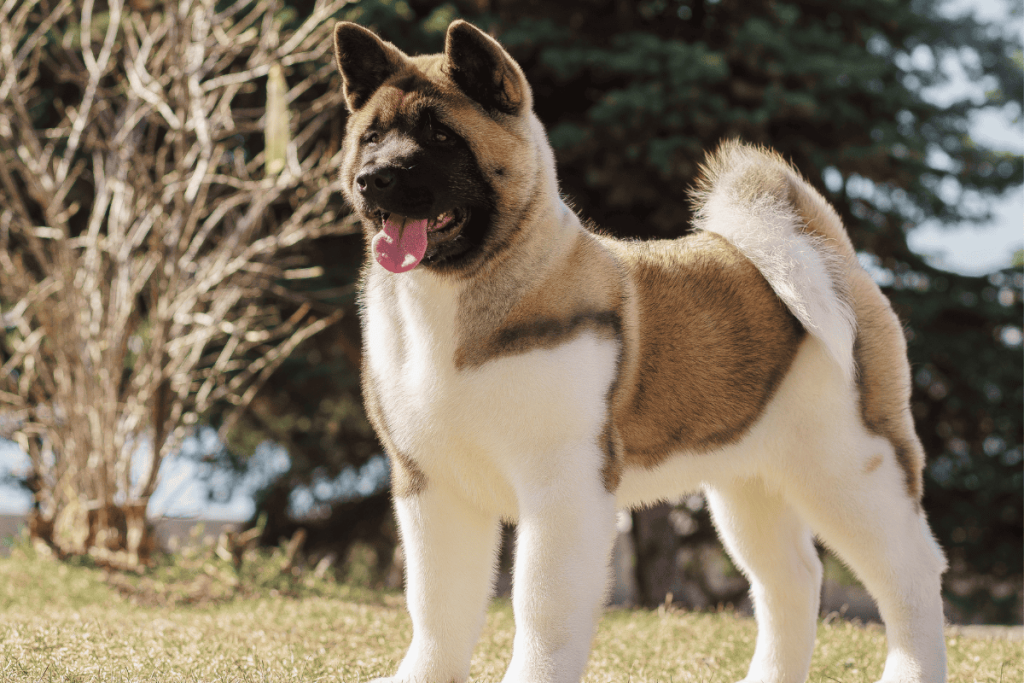
Akitas are strong, large, and intelligent. They are independent thinkers but highly loyal to their family. Akitas require firm, patient training and thrive when given clear boundaries. Their self-reliant nature makes them suitable for experienced owners who understand the breeds tendencies.
Key traits: Loyal, protective, independent.
See Akita puppies.
Why Independent Dogs Make Great Pets
Independent dog breeds provide a unique balance of self-reliance and companionship. They are suitable for a wide range of households, especially for people who value intelligence, calm confidence, and problem-solving abilities in a pet.
- Low-maintenance companionship – Independent dogs can spend time alone, making them ideal for busy owners or those who work from home but need a dog that is comfortable alone for short periods.
- Intelligent and observant – These dog breeds can solve problems creatively. This trait makes them interesting to live with, as they often figure out toys, puzzles, or obstacles on their own.
- Strong bonds – They don’t demand constant attention, but they form deep connections with their families. Their selective affection makes interactions feel more meaningful.
- Adaptable – Many of these breeds can adjust to apartment living or expansive rural properties, provided their exercise and mental stimulation needs are met.
- Loyal but self-sufficient – Independent dogs are not clingy but remain protective and devoted, offering companionship on their terms.
Caring for Independent Dog Breeds
Successful ownership of these breeds requires understanding their needs:
- Exercise – Many independent breeds are active and need daily walks, runs, or mental stimulation.
- Training – Use positive reinforcement and patience. These dog breeds may resist commands if they feel ignored or bored.
- Grooming – Coat care varies. Afghan Hounds and Chow Chows need regular brushing, while Shibas are lower maintenance.
- Mental stimulation – Puzzle toys, scent games, or agility courses help keep them engaged and prevent boredom.
Meeting these needs ensures they remain stimulated, confident, and well-adjusted companions.
Choosing the Right Dog Breed
Picking a dog breed that’s more independent depends on the household, experience, and lifestyle. Experienced owners may prefer breeds like Akitas or Afghan Hounds, while first-time owners might enjoy Shibas or Basenjis if their independence is respected.
Consider:
- Activity level and available space
- Time for exercise and mental challenges
- Willingness to provide consistent training and guidance
Owners of these dog breeds can expect to be delighted by their intelligence, loyalty, and distinct personalities. Though they’re more independent, please remember that proper care tailored to their temperament is needed to help create a stimulating, fulfilling relationship.


