


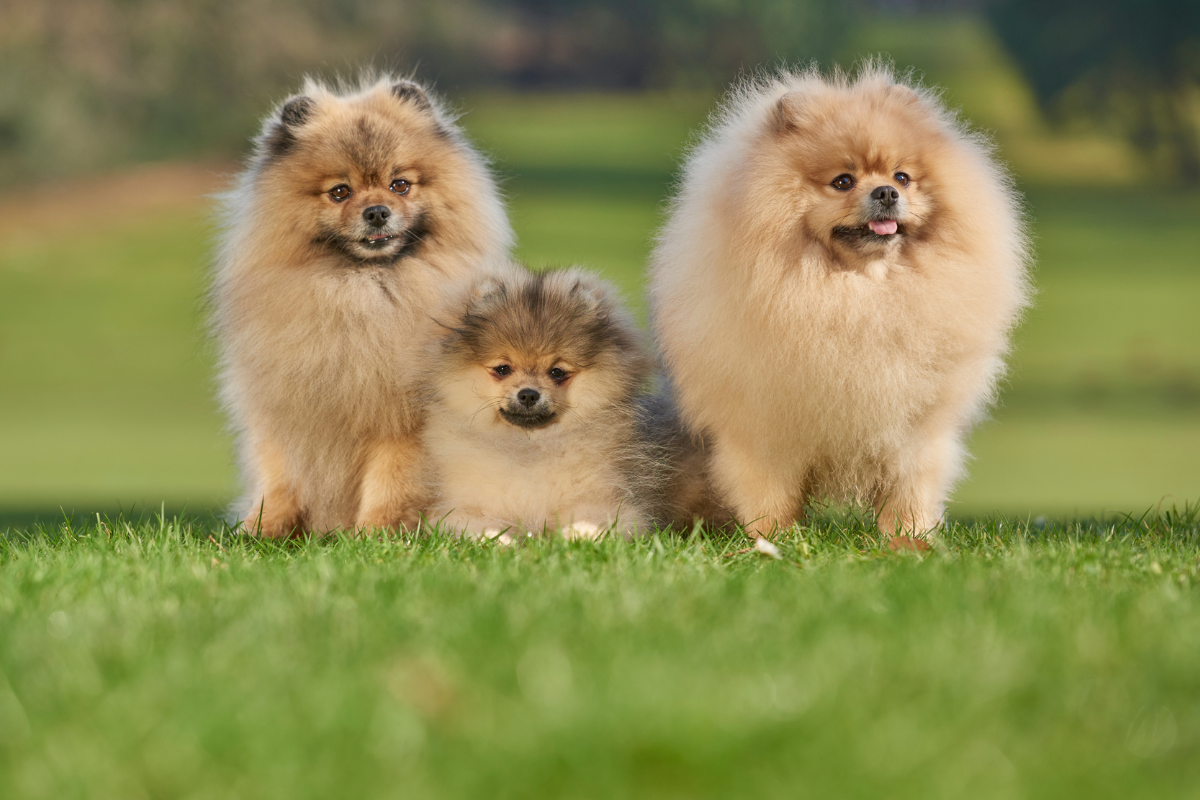
Some dogs express themselves with quiet loyalty, while others seem to have a constant need to “chat.” Barking, howling, whining, or even making quirky vocal sounds are all natural behaviours in dogs, but certain breeds are far more expressive than others.
If you have ever wondered what is the most talkative dog breed or searched for what are the most vocal dog breeds, you’re not alone. Many owners find charm in dogs that “talk back,” while others need help managing the noise.
We explore the most talkative dog breeds in Australia, explains why some dogs are more vocal, and provides tips on how to enjoy life with a chatty companion.
Signs Your Dog May Be More Vocal
Vocal dogs tend to make their presence known in everyday life. They may bark at noises outside, whine for attention, howl when left alone, or “talk” directly to their people with playful growls or chatter-like sounds.
It’s important to distinguish between alert barking, which is a natural response to new sights or sounds, and boredom barking, which often develops when a dog lacks stimulation. While being vocal is typical for certain breeds, constant or excessive barking can become a behavioural concern that requires training or lifestyle changes.
Top 10 Most Talkative Dog Breeds
Some dogs bark at every knock on the door, while others howl like wolves or make unusual vocalisations that sound almost like speech. These ten breeds are widely recognised as some of the most vocal dog breeds, blending personality with sound.
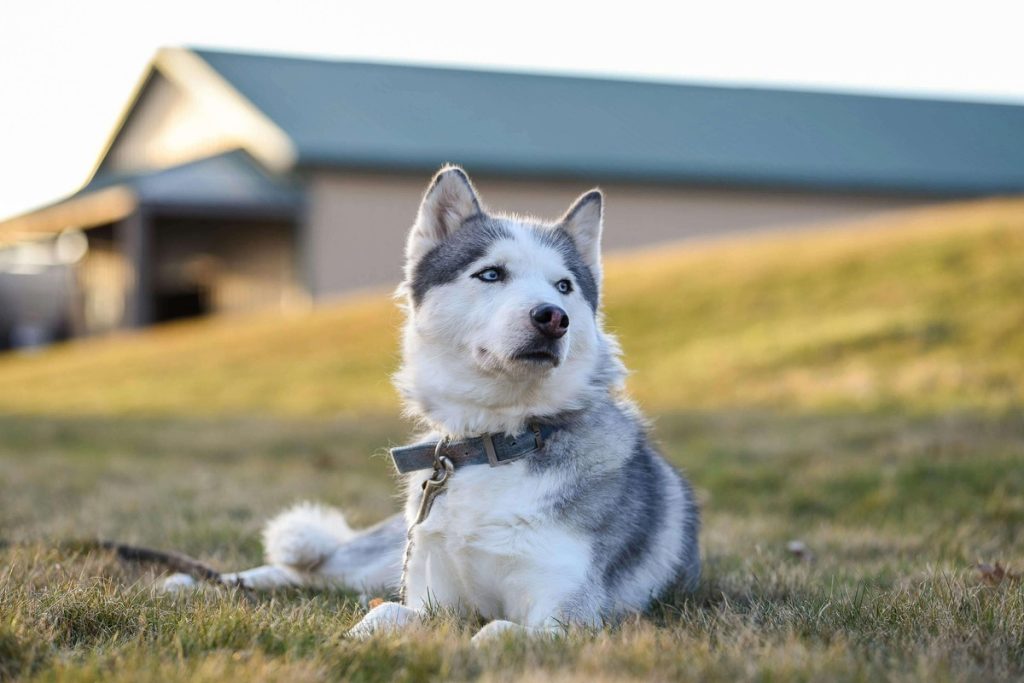
1. Siberian Husky
Siberian Huskies are legendary for their howls and “talking” abilities. They are less likely to bark continuously, but they communicate with dramatic howls, whines, and vocalisations that can sound eerily human. Their chatty nature often entertains families who appreciate expressive dogs.
Key traits: Independent, playful, vocal
See Siberian Husky puppies or learn more about Siberian Huskies
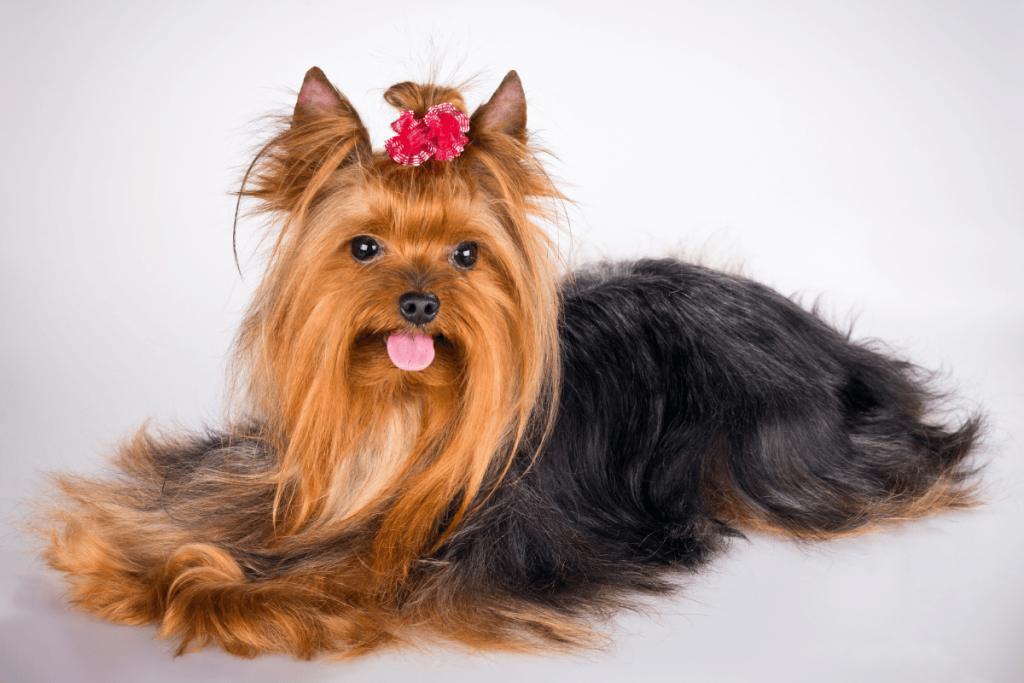
2. Yorkshire Terrier
The Yorkshire Terrier, or “Yorkie,” is a tiny dog with a surprisingly big voice. Known as alert watchdogs, they often signal changes in their surroundings with a sharp bark. While their vocal side makes them protective, training is essential to avoid excessive noise.
Key traits: Alert, lively, affectionate
See Yorkshire Terrier puppies or learn more about Yorkshire Terriers
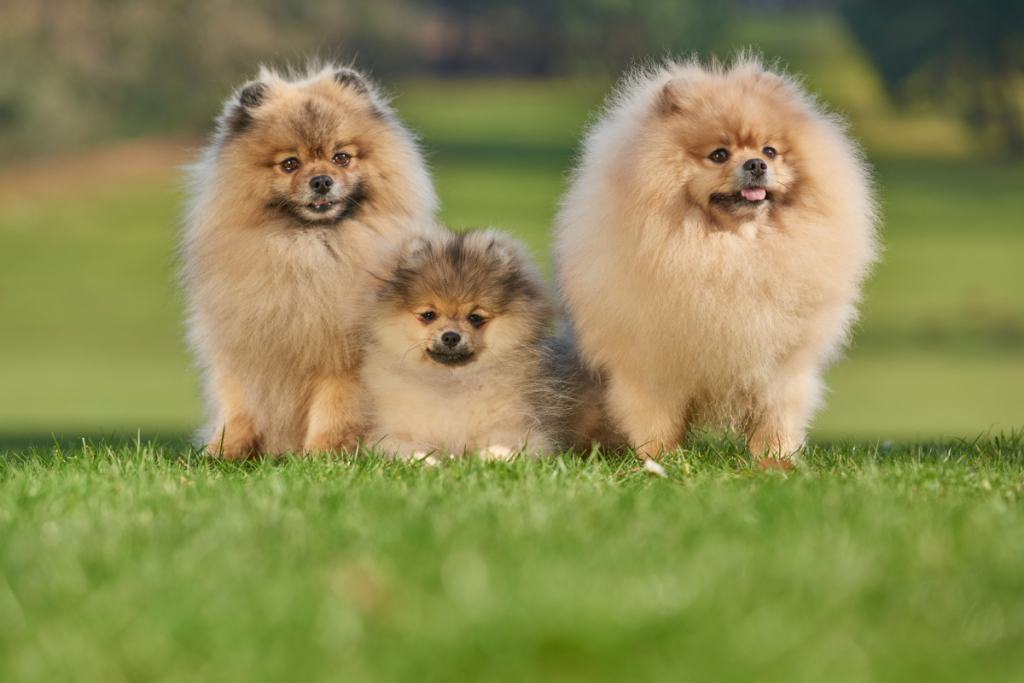
3. Pomeranian
Pomeranians may be small, but they pack a strong bark. These fluffy companions often act as watchdogs, alerting owners to strangers or noises. Their bold personalities and love of attention make them one of the most talkative dog breeds in households
Key traits: Bold, curious, energetic
See Pomeranian puppies or learn more about Pomeranians

4. Havanese
The Havanese are affectionate and intelligent, often using vocalisation as a way to interact with people. While not as noisy as some toy breeds, they “talk” through playful barks and whines, especially when seeking attention or during training.
Key traits: Gentle, people-focused, playful
See Havanese puppies or learn more about Havanese
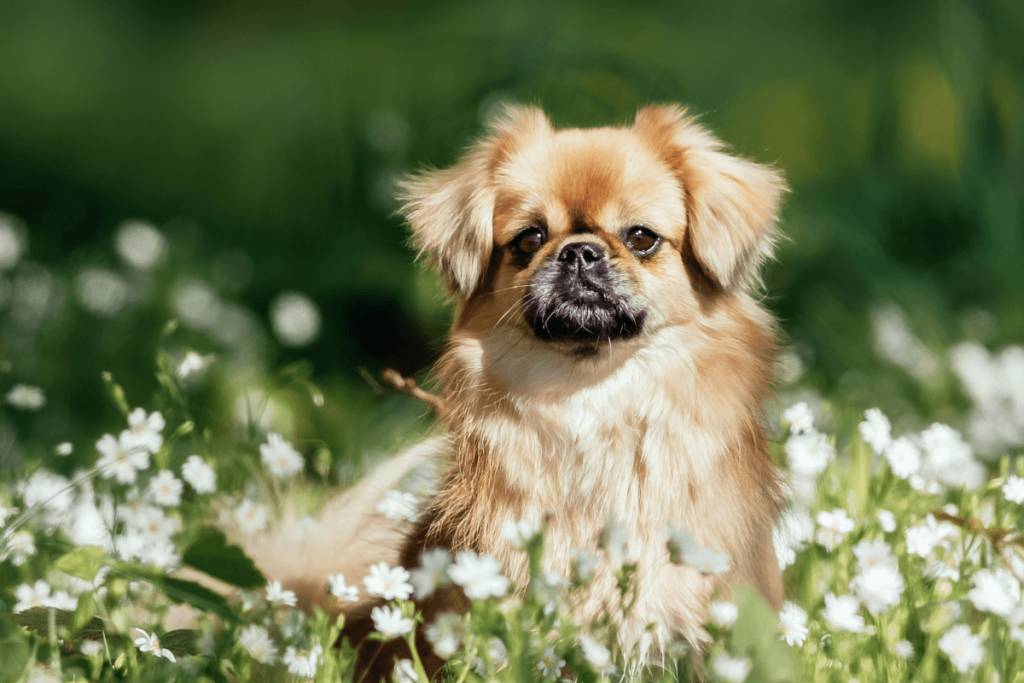
5. Tibetan Spaniel
Tibetan Spaniels have a keen sense of alertness, which often makes them bark at unusual noises. While devoted companions, they are naturally watchful and will use their voices to communicate changes in their environment.
Key traits: Loyal, watchful, expressive
See Tibetan Spaniel puppies or learn more about Tibetan Spaniels

6. Dachshund
Originally bred for hunting badgers, Dachshunds are brave and determined. Their vocal side reflects this history, as they are quick to bark at strangers or unusual activity. With proper guidance, they make entertaining yet protective companions.
Key traits: Brave, curious, vocal
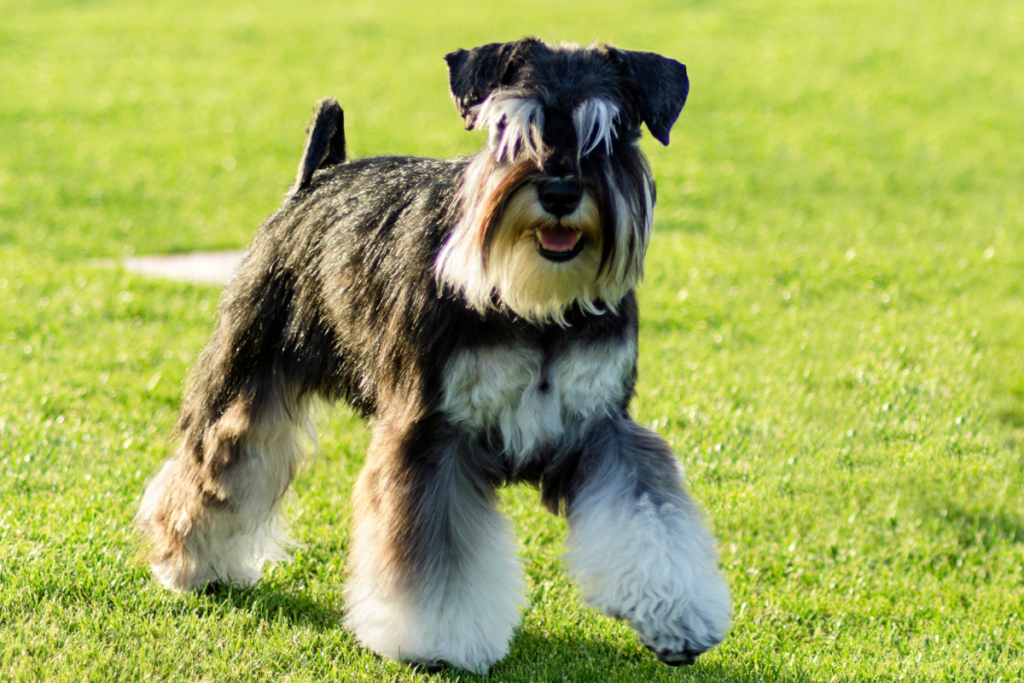
7. Miniature Schnauzer
Miniature Schnauzers are spirited and protective. Their sharp barks make them excellent watchdogs, but this talkative nature means they need consistent training to prevent excessive barking. Their voices match their bold personalities.
Key traits: Energetic, bold, alert
See Miniature Schnauzer puppies
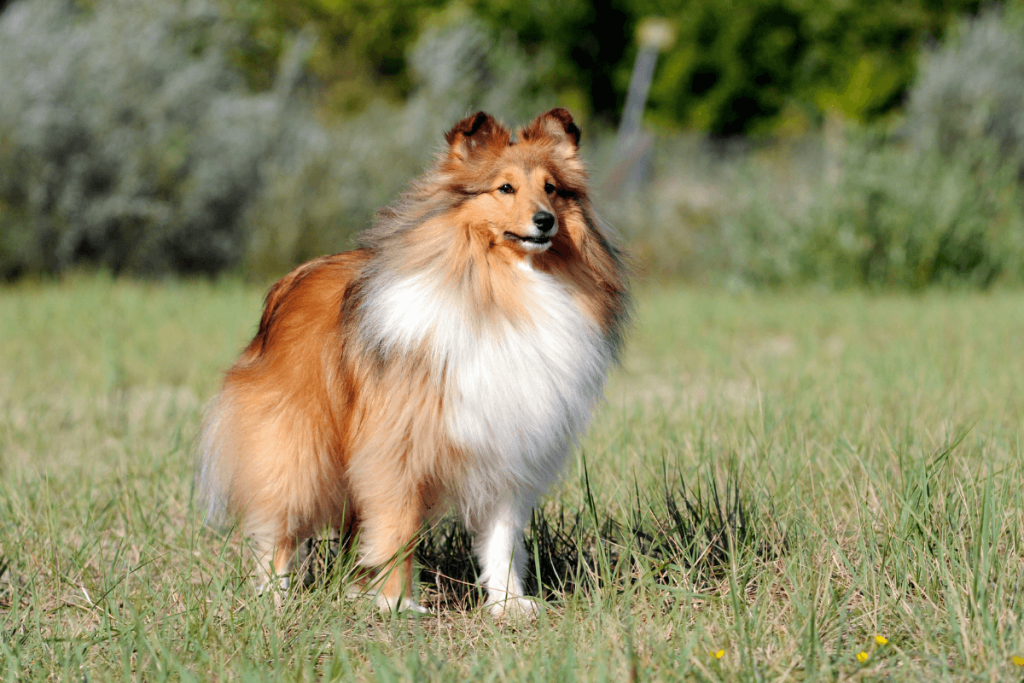
8. Shetland Sheepdog
The Shetland Sheepdog, or “Sheltie,” is known for its tendency to bark while herding or during play. Their intelligence and high energy make them responsive but also highly vocal, especially when excited.
Key traits: Intelligent, energetic, vocal
See Shetland Sheepdog puppies or learn more about Shetland Sheepdogs

9. Welsh Corgi (Pembroke)
Welsh Corgis may be small in stature, but they have loud and frequent barks. Originally bred for herding cattle, their voices reflect their working background. They are known to bark both out of excitement and as a way of alerting.
Key traits: Energetic, friendly, alert
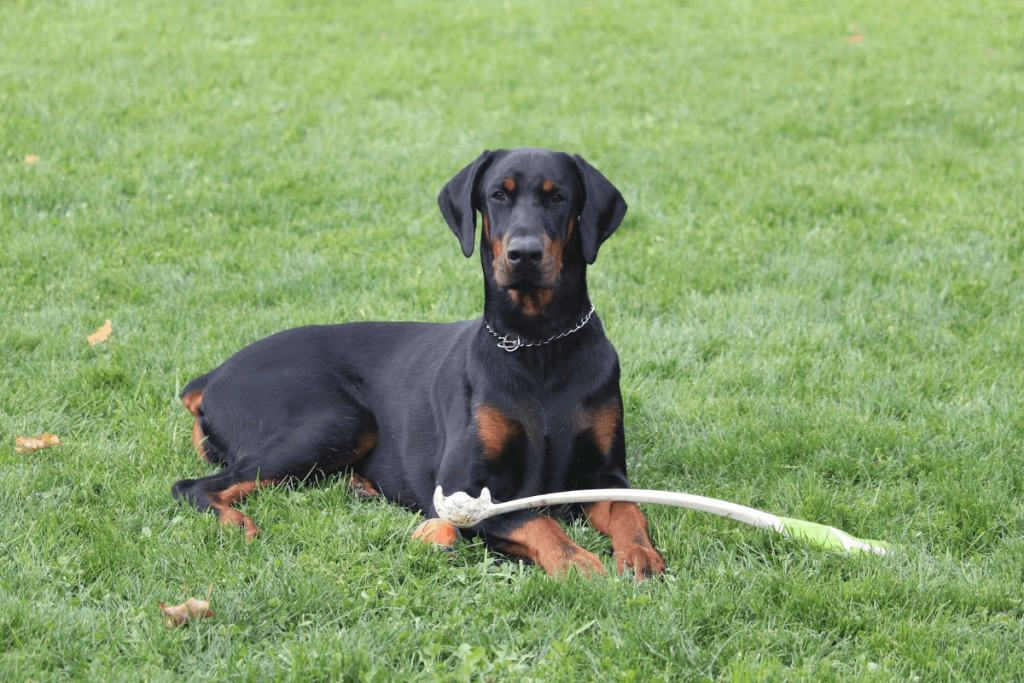
10. Dobermann
Dobermanns are not constant barkers but are considered among the most vocal dog breeds when it comes to guarding instincts. Their deep, commanding voices make them natural protectors, and they often use their bark to warn of intruders.
Key traits: Protective, loyal, intelligent
See Dobermann puppies or learn more about Dobermanns
These breeds show how varied talkative dog breeds can be. Some respond to every sound, others sing with long howls, and a few even “converse” with their people. While breed tendencies matter, individual personality and training shape how vocal a dog becomes.
Why Are Some Dogs More Vocal?
Vocalisation is influenced by breeding history. Herding and watchdog breeds were developed to bark to alert owners, while hunting breeds howled to track prey.
Companion breeds often use vocal sounds to engage with their people. Dogs bark, howl, or whine to alert, protect, and communicate, and certain breeds are naturally more expressive than others.
How to Minimise Excessive Barking
Training and environment play important roles in managing vocal dogs. Teaching commands such as “quiet” helps redirect behaviour.
Providing daily exercise and mental enrichment reduces boredom barking. Limiting triggers like loneliness or overexcitement also helps. With patience and structure, even the most talkative dog breeds can learn balance.
Living With a Vocal Breed
Sharing life with a chatty dog can be both entertaining and challenging. The most vocal dog breeds bring energy, humour, and companionship, but they also require guidance and consistency. For Australians considering these breeds, preparation is key.
Choosing a dog that matches your lifestyle ensures that talkative traits feel like a delight rather than a burden. With the right balance, vocal dogs become loyal companions whose unique voices only add to their charm.
Frequently Asked Questions
What is the most talkative dog breed?
The Siberian Husky is often considered the most talkative dog breed because of its howls, whines, and “speech-like” vocalisations. However, other breeds such as Pomeranians and Shetland Sheepdogs are also known for constant barking.
What are the most vocal dog breeds?
Some of the most vocal dog breeds include the Yorkshire Terrier, Pomeranian, Miniature Schnauzer, and Pembroke Welsh Corgi. These dogs use their voices to alert, play, or simply get attention from their families.
Are talkative dog breeds harder to train?
Talkative dog breeds are not necessarily harder to train. While vocal dogs bark or howl more often, with consistent training, they can learn commands like “quiet.” Many of the most talkative dog breeds, such as Shetland Sheepdogs and Dobermanns, are also highly intelligent, which helps in training.
Why are some dogs more vocal than others?
Certain breeds were historically developed to bark or howl as part of their work. For example, watchdogs bark to alert, herding dogs use their voices to control livestock, and hunting dogs howl to track prey. These instincts explain why some breeds are naturally more expressive.
Can vocal dog breeds live in apartments?
Yes, but it depends on the individual dog and the owner’s ability to manage barking. Smaller talkative breeds such as Yorkshire Terriers or Havanese can adapt to apartment living if their exercise and mental stimulation needs are met.
How can I manage a very talkative dog?
To minimise unwanted barking, owners should provide regular exercise, mental enrichment, and consistent training. Redirecting energy with puzzle toys, teaching quiet commands, and reducing triggers like boredom can all help.


