


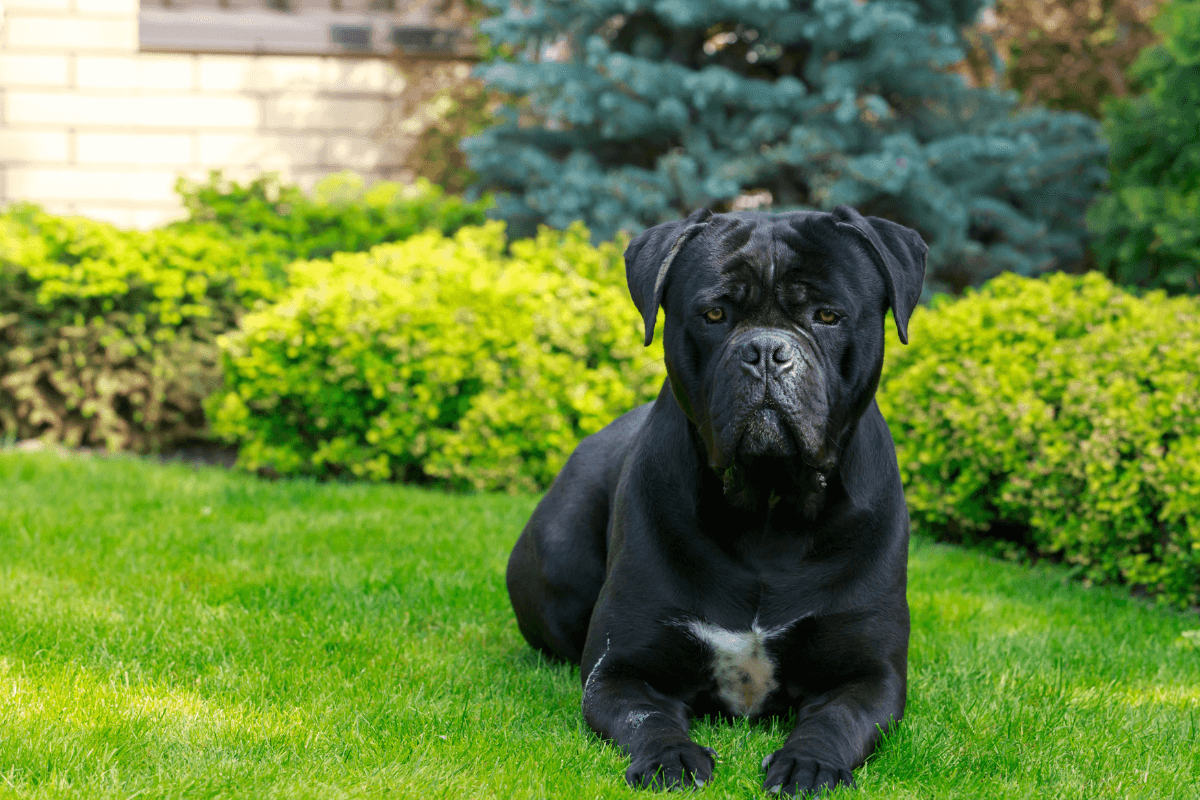
Muscular dog breeds are some of the most recognisable and admired companions in Australia. Their strong builds, confident presence, and athletic abilities make them stand out both as loyal family pets and capable working dogs. These breeds are not only visually impressive but also dependable, intelligent, and affectionate when raised with care.
For many Australians, choosing a muscular dog means welcoming a companion with stamina, loyalty, and a steady temperament. These dogs often excel in outdoor adventures, structured training, and even as guardians of the home.
Below, we look at 12 muscular dog breeds recognised by the Dogs Australia (ANKC) and listed on Dogz Online. Each breed is explored in detail with traits, care needs, and special considerations for Australian households.
Why Muscular Dog Breeds Stand Out
Muscular dogs are defined by strength, stamina, and athletic frames. Their physique reflects generations of purposeful breeding for tasks such as guarding estates, pulling loads, or supporting hunters. These working origins gave them resilience and determination, qualities that remain visible today.
In modern Australia, muscular dogs are popular for more than their appearance. Their versatility means they can serve as family protectors, outdoor companions, or even therapy dogs with the right training. The combination of physical presence and loyalty gives them a unique appeal that blends practicality with companionship.
Advantages of Getting a Muscular Dog
Muscular dogs are valued for more than their physical strength. Their builds and temperaments contribute to their popularity across Australia.
- Strong Work Ethic: Many muscular dog breeds were originally developed for demanding jobs. This makes them focused, determined, and capable of excelling in activities such as agility, obedience, or endurance-based exercise.
- Protective Instincts: The size and stature of a muscular dog often act as a natural deterrent. Combined with loyalty and devotion, these traits make them reliable guardians who are attentive to their families.
- Athletic Companionship: Owners with outdoor lifestyles often appreciate the stamina of muscular dogs. These breeds thrive on activity and become enthusiastic partners for hiking, running, or structured play.
Together, these strengths explain why muscular dogs are valued in both family homes and working roles across Australia.
Challenges of Owning a Muscular Dog
Owning a muscular dog requires preparation and commitment. Their needs extend beyond exercise and appearance, demanding structure, training, and responsible ownership.
- Exercise Demands: A muscular dog often has high energy and stamina. Without adequate daily activity, these dogs may become restless or develop behavioural issues.
- Training and Leadership: Strong, muscular dogs need confident handlers who can provide consistent training. Early socialisation and obedience classes are important to channel their energy and maintain balance.
- Space Considerations: Many muscular dogs are large breeds that need room to move. While some adapt to smaller homes, owners must provide structured exercise and mental stimulation to meet their needs.
With awareness and preparation, these challenges are manageable. Owners who commit to exercise, training, and engagement are rewarded with devoted companions.
12 Muscular Dog Breeds in Australia
Here are 12 popular muscular dog breeds recognised by the Dogs Australia (ANKC) and listed on Dogz Online.
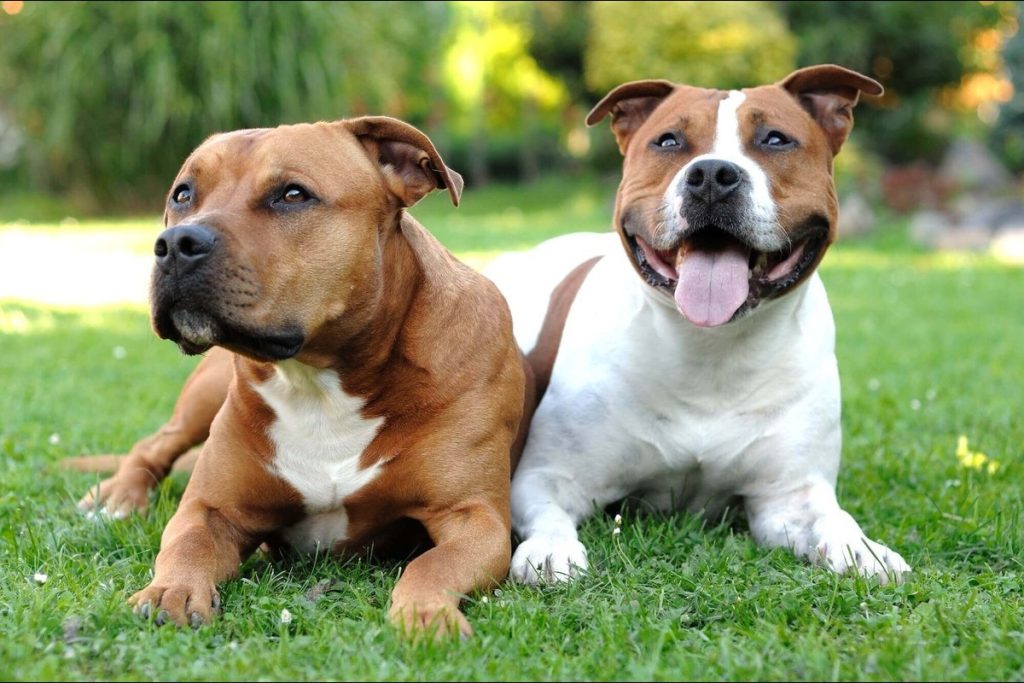
1. American Staffordshire Terrier
Compact and powerful, the American Staffordshire Terrier combines muscle with agility. Known for loyalty and courage, they thrive when given structure and training. Despite their strength, they are affectionate and people-focused companions.
Key traits: Loyal, courageous, energetic.
See Amstaff puppies or learn more about American Staffordshire Terriers
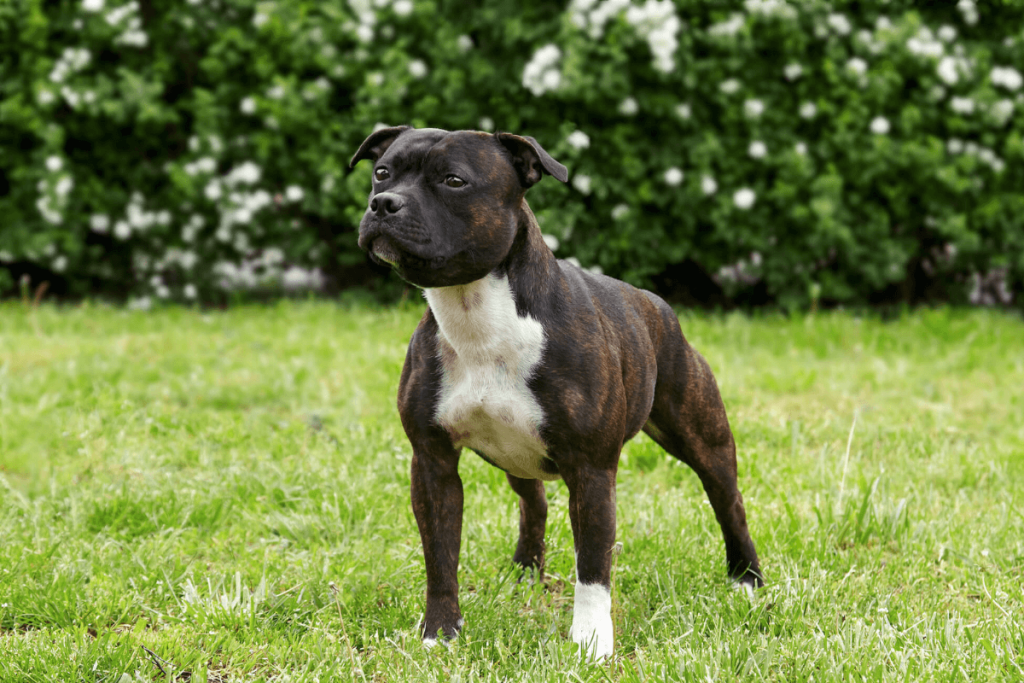
2. Staffordshire Bull Terrier
Staffordshire Bull Terriers, or “Staffies,” are compact, muscular dogs with broad chests and strong jaws. Their courage is matched by affection for families, especially children. With the right training, they balance toughness with warmth.
Key traits: Brave, affectionate, energetic.
See Staffy puppies or learn more about Staffordshire Bull Terriers
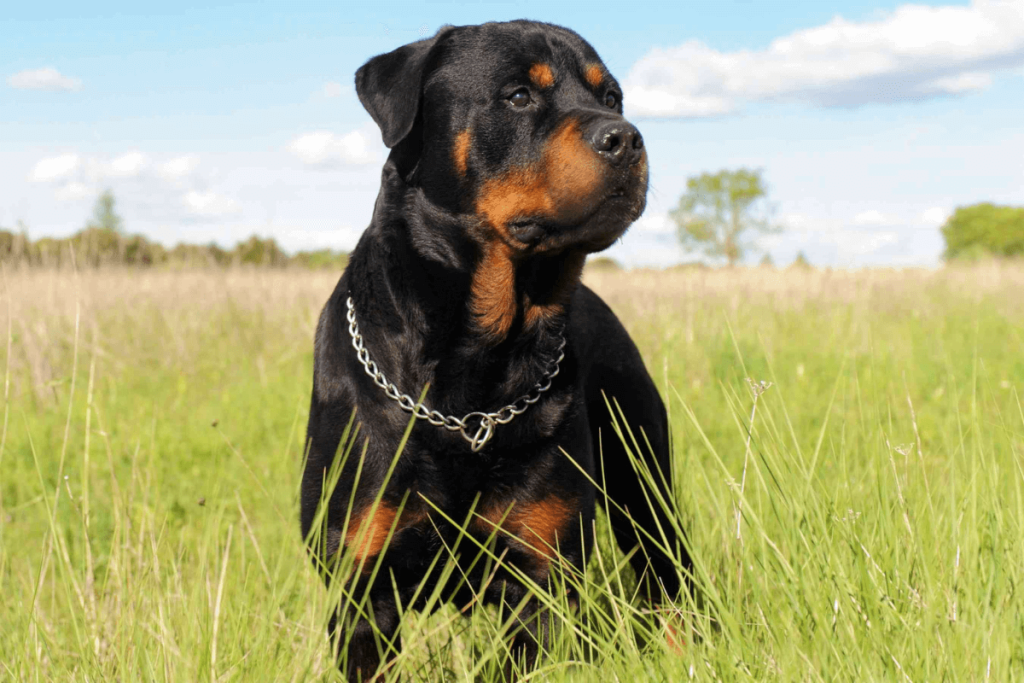
3. Rottweiler
Rottweilers are strong and confident, with a muscular build that reflects their heritage as working dogs. They are natural protectors, yet deeply loyal and affectionate with families. With training, they become reliable guardians and companions.
Key traits: Confident, loyal, protective.
See Rottweiler puppies or learn more about Rottweilers

4. Bullmastiff
Powerful yet steady, Bullmastiffs combine muscle with calm confidence. Originally bred as estate guardians, they are both protective and gentle with loved ones. Their large build makes them imposing yet affectionate family companions.
Key traits: Loyal, calm, protective.
See Bullmastiff puppies or learn more about Bullmastiffs
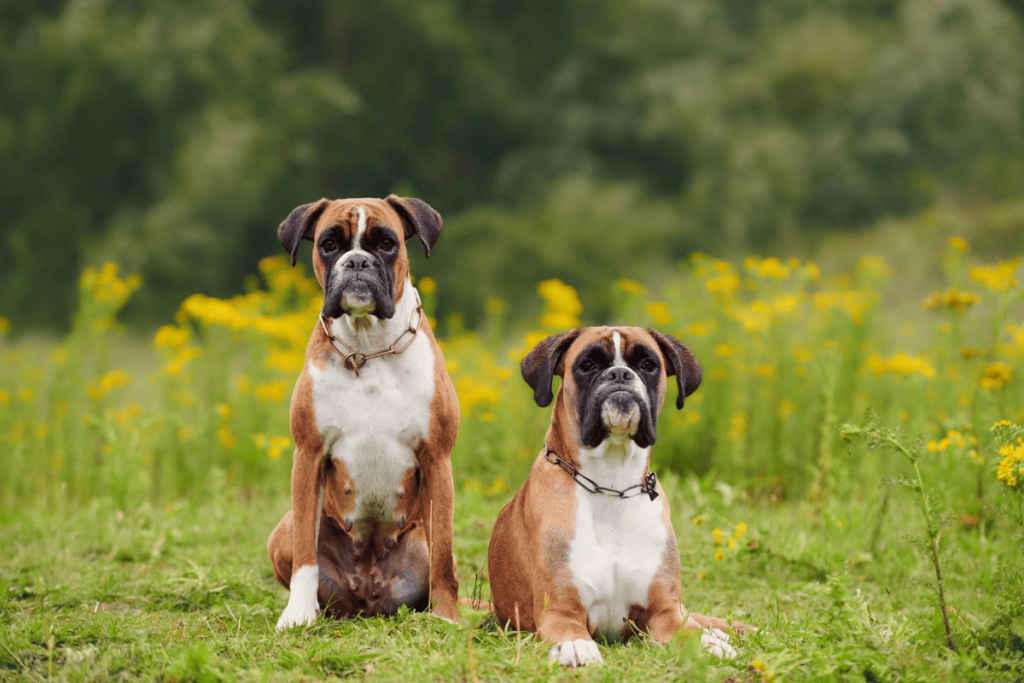
5. Boxer
Boxers are medium-to-large dogs with lean, muscular builds and endless enthusiasm. Playful and athletic, they thrive on family interaction and exercise. Their strength is balanced by loyalty and a fun-loving personality.
Key traits: Energetic, playful, loyal.
See Boxer puppies or learn more about Boxers
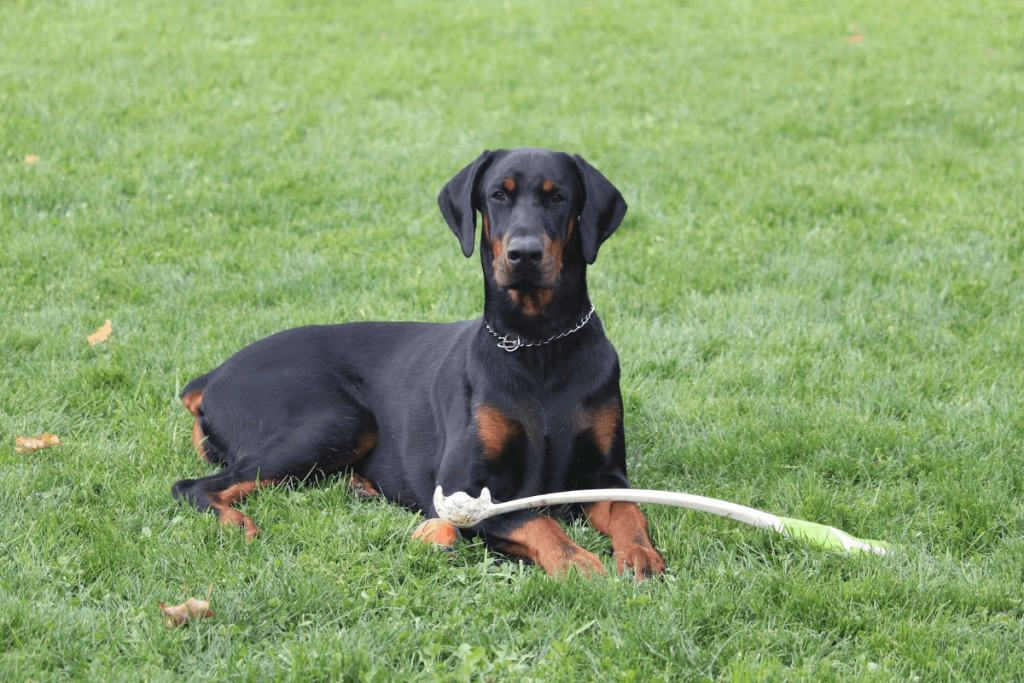
6. Dobermann
Dobermanns are sleek, muscular dogs bred for intelligence and protection. Their athletic frame supports agility and stamina, making them excellent working or companion animals. They are loyal and highly trainable with dedicated owners.
Key traits: Intelligent, alert, loyal.
See Dobermann puppies or learn more about Dobermanns
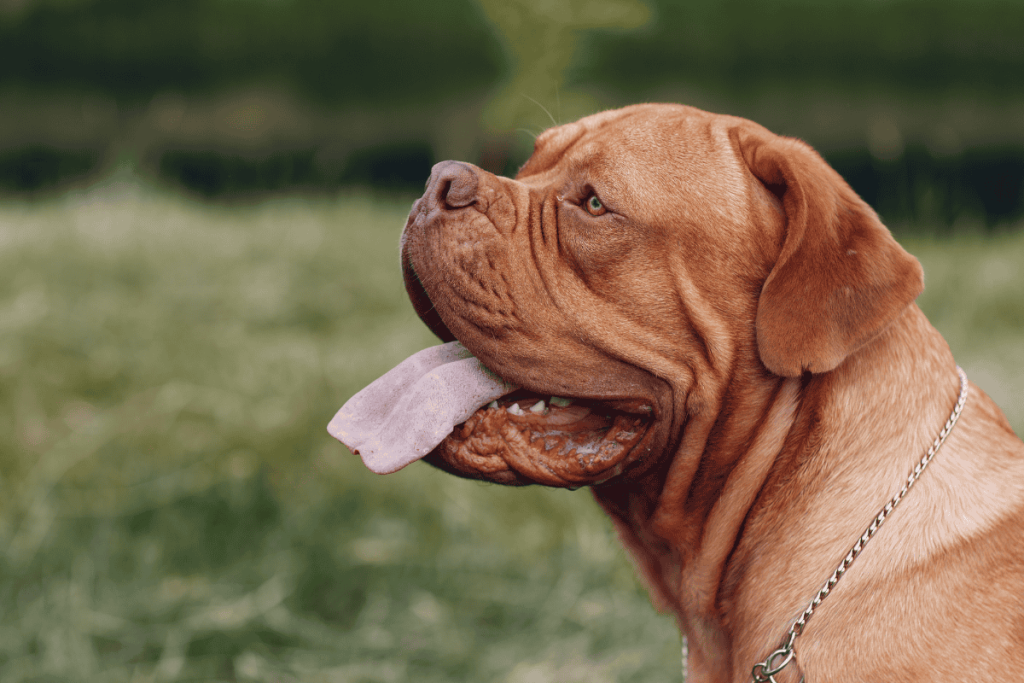
7. Dogue de Bordeaux
The Dogue de Bordeaux has a massive head and stocky, muscular body. Known for courage and devotion, they are protective yet affectionate with families. Their impressive physique highlights both strength and loyalty.
Key traits: Courageous, affectionate, steady.
See Dogue de Bordeaux puppies or learn more about Dogue de Bordeaux
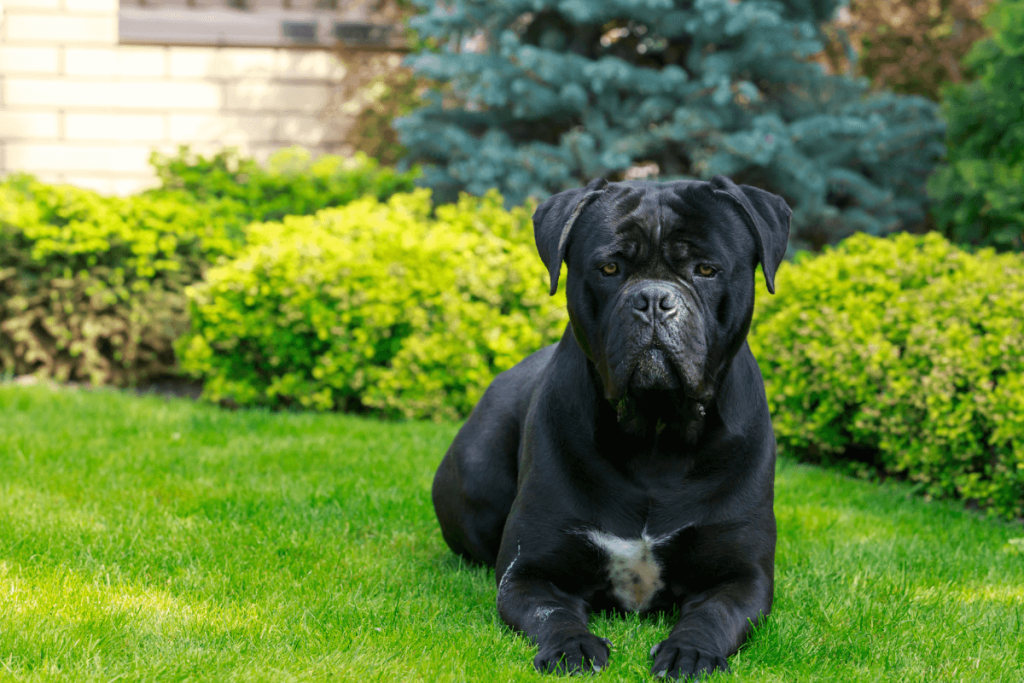
8. Cane Corso (Italian Corso Dog)
The Cane Corso is a powerful mastiff breed with a muscular and athletic frame. Historically used for guarding and hunting, they are loyal and protective companions. Their size and strength demand experienced ownership.
Key traits: Protective, intelligent, muscular.
See Cane Corso puppies or learn more about Cane Corsos
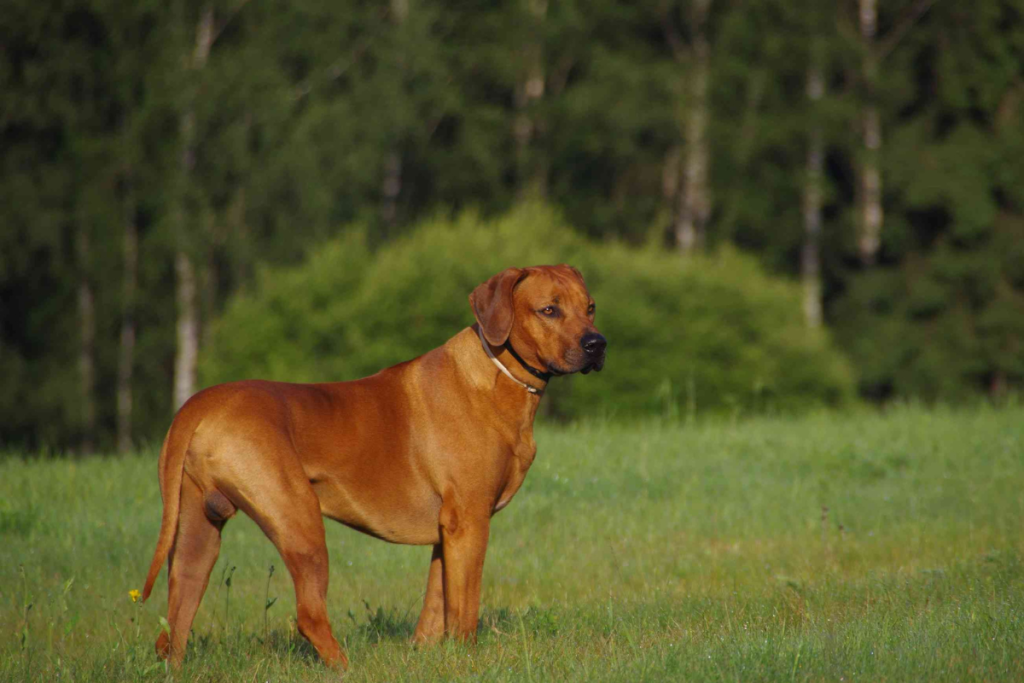
9. Rhodesian Ridgeback
Rhodesian Ridgebacks are muscular hounds originally bred for endurance and hunting. Their strength is matched by athleticism, making them versatile companions for active owners. Despite their power, they are loyal and affectionate.
Key traits: Athletic, loyal, independent.
See Rhodesian Ridgeback puppies or learn more about Rhodesian Ridgebacks
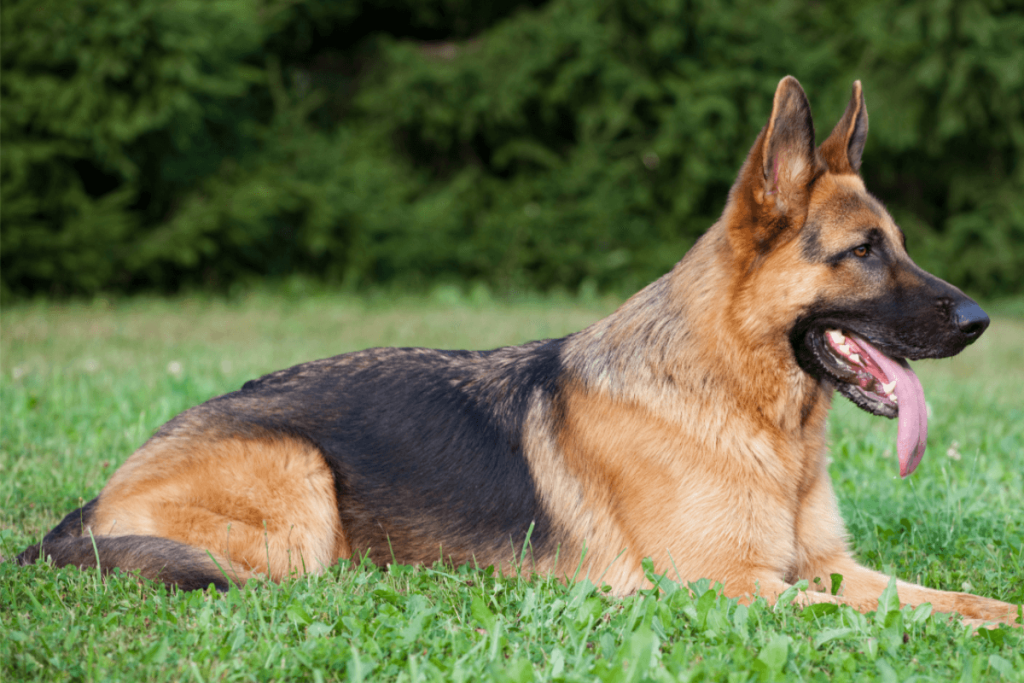
10. German Shepherd
German Shepherds are strong, muscular dogs recognised for intelligence and versatility. Their physique supports work in herding, guarding, and service roles. They are loyal, protective, and excel in active Australian households.
Key traits: Intelligent, versatile, loyal.
See German Shepherd puppies or learn more about German Shepherds
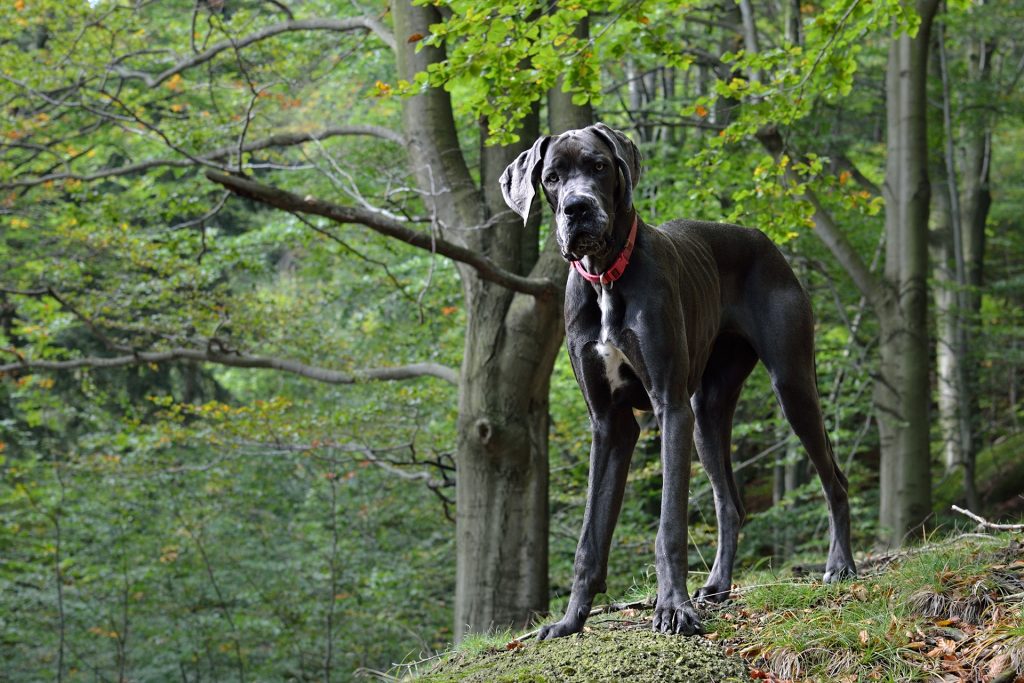
11. Great Dane
Great Danes are giants with tall, muscular frames. Despite their imposing size, they are gentle, friendly, and affectionate with families. Their strength is balanced by a surprisingly calm and loyal nature.
Key traits: Gentle, loyal, strong.
See Great Dane puppies or learn more about Great Danes
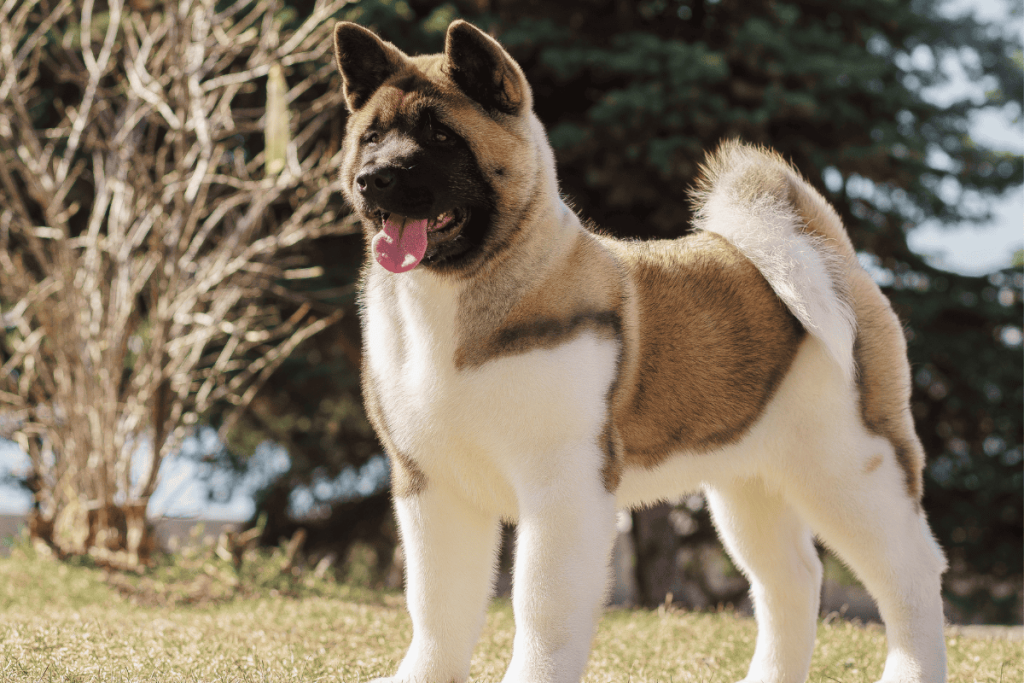
12. Akita
Akitas are powerful, muscular dogs with a dignified presence. They are loyal guardians, deeply bonded to their families, and naturally protective. Their strength and independence make them suited to experienced owners.
Key traits: Dignified, loyal, protective.
Together, these 12 muscular dog breeds highlight strength, loyalty, and presence. They remain some of the most admired breeds in Australia.
How to Maintain Your Dog’s Muscularity
Many owners wonder how to get their dog more muscular without compromising health. Building muscle safely relies on proper diet, structured activity, and veterinary guidance.
- Nutrition: Feed a balanced, high-quality diet with adequate protein to support muscle development. Avoid overfeeding, as excess weight strains joints.
- Exercise: Activities such as walking, swimming, and resistance-based play build muscle naturally. Gradually increase intensity rather than pushing too quickly.
- Strength Training: Safe exercises like uphill walks or controlled tug play can help develop muscle tone. Always ensure the dog is old enough before adding structured strength work.
- Veterinary Support: A vet can confirm whether a dog is at a healthy weight and provide advice tailored to breed, age, and health.
By focusing on gradual improvement and professional guidance, owners can safely support muscle growth in their dogs.
Thriving with a Muscular Breed in Australia
Muscular dogs are admired for their strength, stamina, and loyalty. They can serve as protective guardians, playful companions, or reliable partners in work and sport. Responsible ownership is essential to meet their exercise, training, and lifestyle needs.
For Australians who prepare for these responsibilities, muscular dogs bring an extraordinary blend of power, affection, and companionship into the home. They reward commitment with loyalty and character that lasts a lifetime.
Frequently Asked Questions
What is considered a muscular dog breed?
Muscular dog breeds are those with strong, athletic builds developed for work such as guarding, hunting, or protection. Examples include Rottweilers, Boxers, and Dobermanns.
Are muscular dogs aggressive?
Not inherently. With training and socialisation, muscular breeds are loyal and affectionate. Behaviour often depends more on upbringing than genetics.
Do muscular dog breeds need a lot of exercise?
Most muscular dogs need structured daily exercise to stay healthy and prevent boredom-related behaviours.
Can muscular dogs live in apartments in Australia?
Smaller muscular breeds like Staffies may adapt to apartments if exercise needs are met, but larger breeds like Bullmastiffs need more space.
Are there restrictions on owning muscular dog breeds in Australia?
Some councils and states have regulations for specific breeds. Prospective owners should check local laws before bringing one home.


