


Long before the rise of modern breeds, some dogs had already cemented their place beside humans. These are the breeds with ancient roots with dogs that were hunting, herding, and protecting thousands of years ago. Known today as the oldest dog breeds, they represent the very beginning of the bond between people and dogs.
Many of these breeds have travelled continents and lived through entire civilisations. This list explores their origins and highlights why they continue to hold value in a fast-changing world.
What Makes a Dog Breed ‘Ancient’?
Ancient breeds aren't defined by age alone. They are shaped by survival, stability, and cultural importance. Here's what separates the oldest dog breeds from more recent breeds:
- Documented origins: Presence in art, literature, or historical records from thousands of years ago.
- Genetic continuity: Lineage that remains largely unchanged over time.
- Cultural ties: Deep connections with specific regions or ancient communities.
- Natural function: Original traits still visible today, like scenting, guarding, or endurance.
- Longevity in role: Continued relevance across generations.
Each of the oldest dog breeds featured in this list carries a legacy built on centuries of partnership with people.
10 of the Oldest Dog Breeds
These breeds are more than historical footnotes. They're still living, breathing companions available to Australians who value heritage, purpose, and personality.
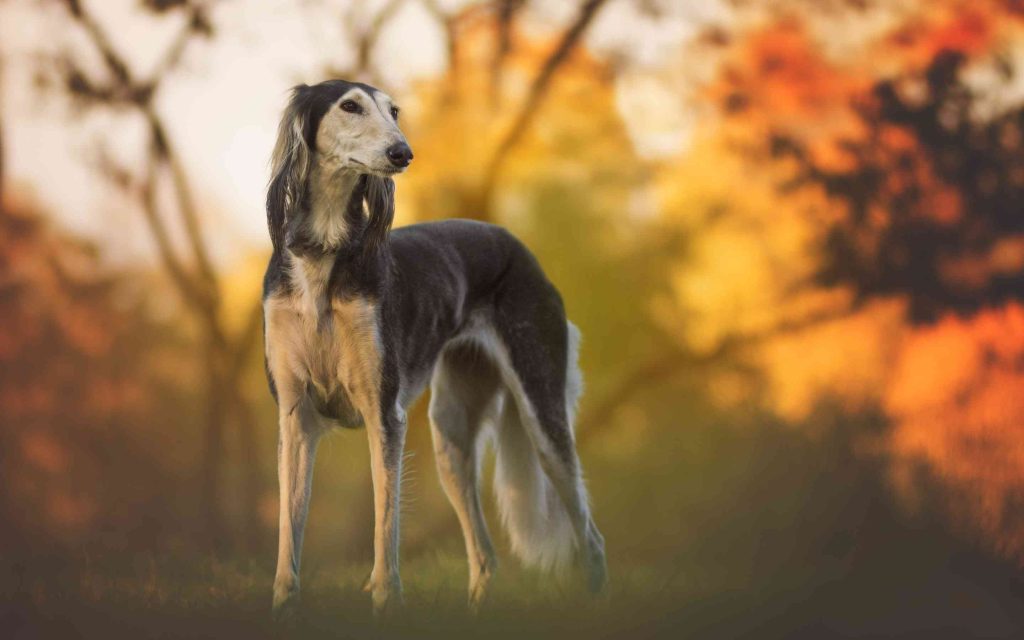
Saluki
Salukis were companions to pharaohs and nomads over 5,000 years ago. Their speed, elegance, and independence made them prized hunters across the Middle East.
Key traits: Graceful, independent, gentle.
See Saluki puppies or learn more about Salukis.
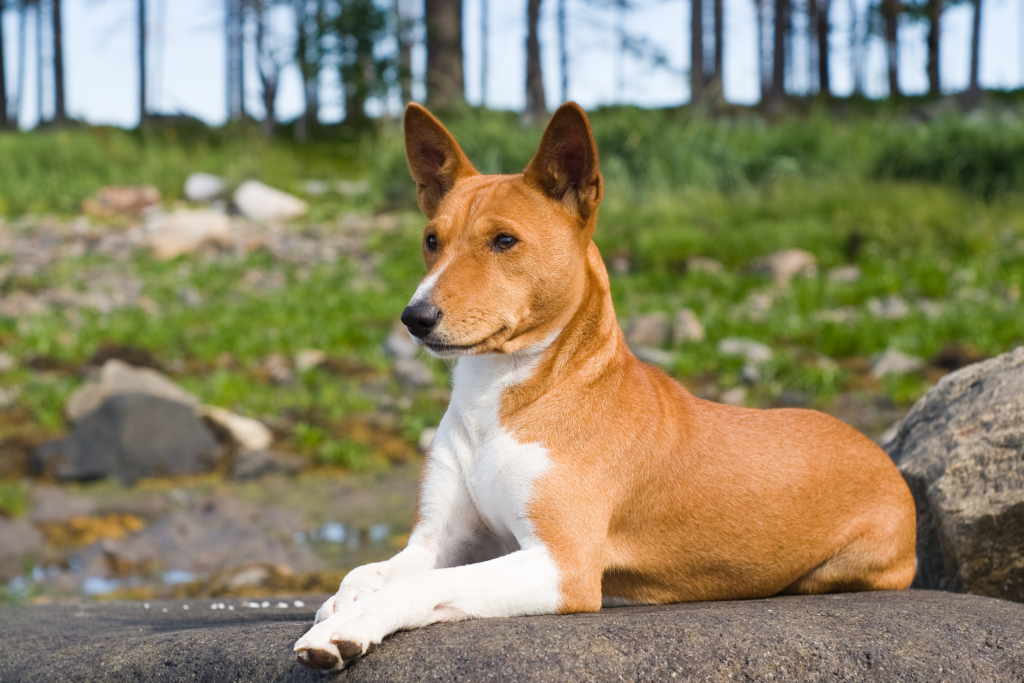
Basenji
The Basenji’s roots lie in Central Africa, where it was used to drive game into hunters’ nets. Its yodel-like voice and cat-like cleanliness remain unique today.
Key traits: Alert, curious, poised.
See Basenji puppies or learn more about Basenjis.
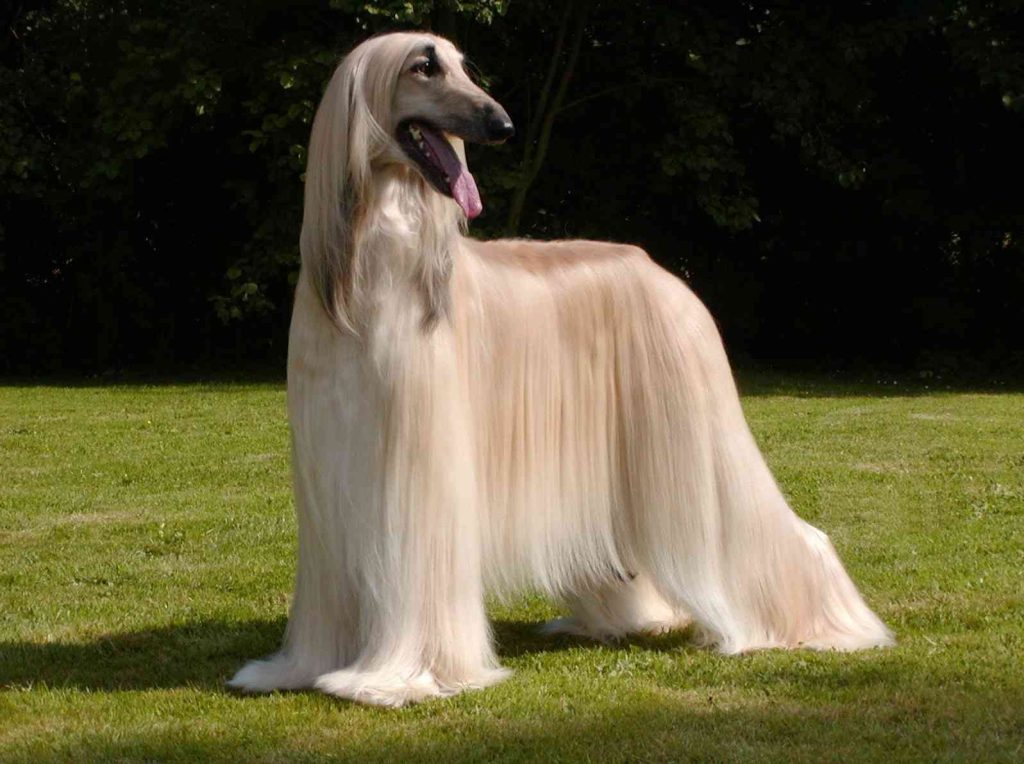
Afghan Hound
Bred for harsh terrains and swift game, the Afghan Hound developed its striking coat and agile frame in the mountains of Afghanistan over 4,000 years ago.
Key traits: Elegant, aloof, loyal.
See Afghan Hound puppies or learn more about Afghan Hounds.
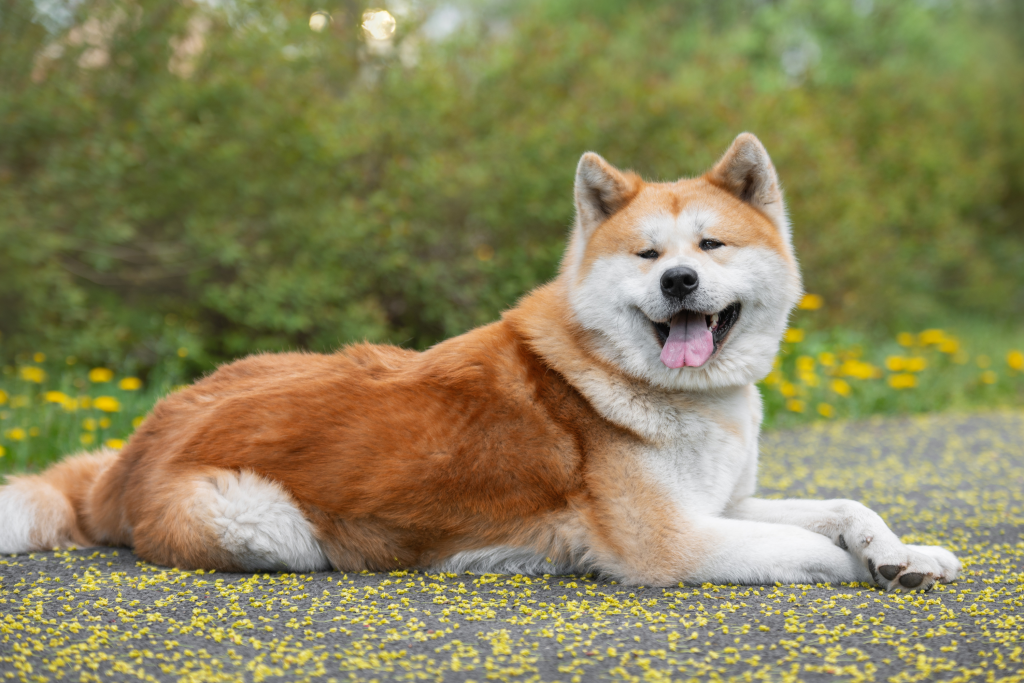
Akita Inu (Japanese)
The Akita Inu is a national treasure in Japan. Its documented history goes back thousands of years, originally bred to track and confront wild game.
Key traits: Courageous, dignified, affectionate.
See Akita Inu puppies.
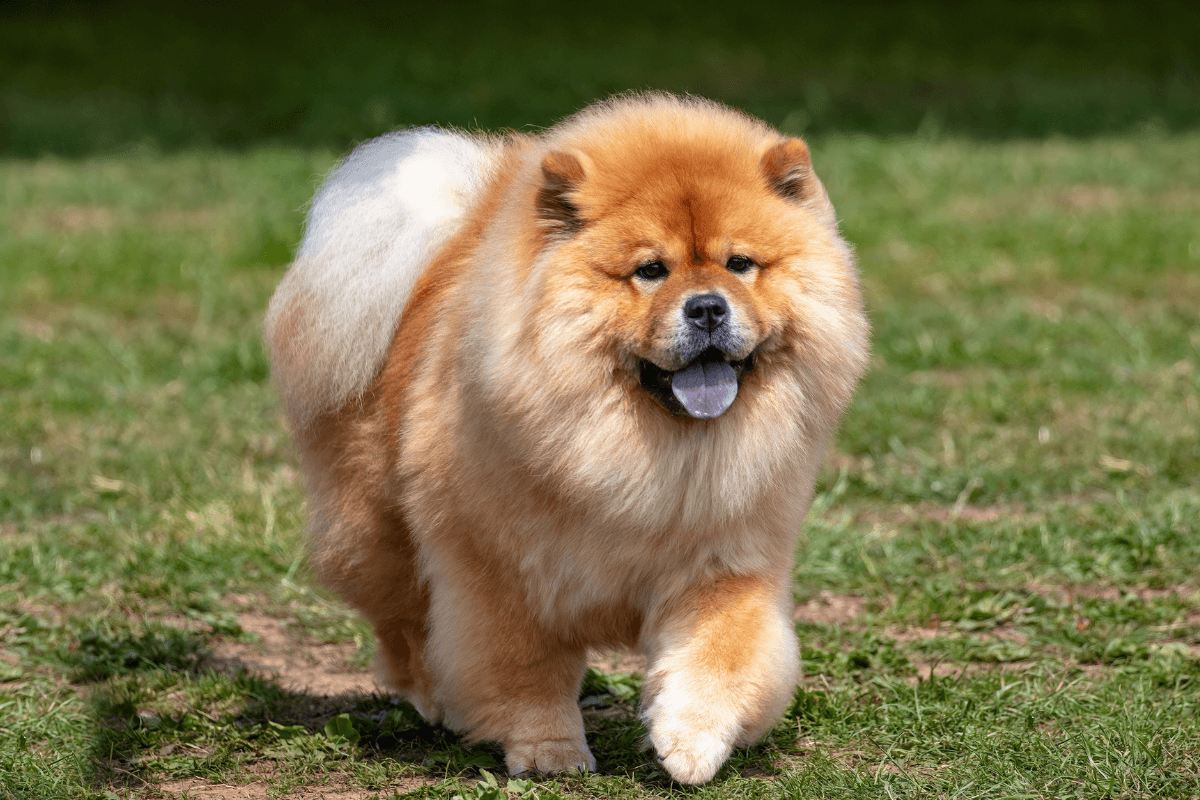
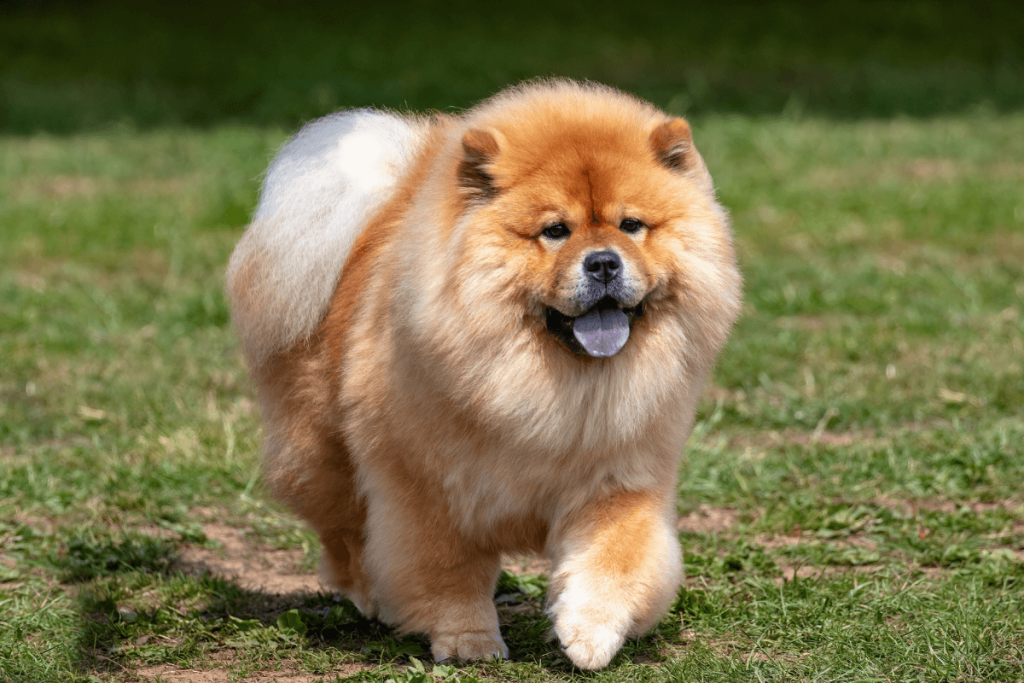
Chow Chow
The Chow Chow, easily recognised by its mane and blue-black tongue, once guarded temples and worked on farms in ancient China more than 2,000 years ago.
Key traits: Independent, loyal, reserved.
See Chow Chow puppies or learn more about Chow Chows.
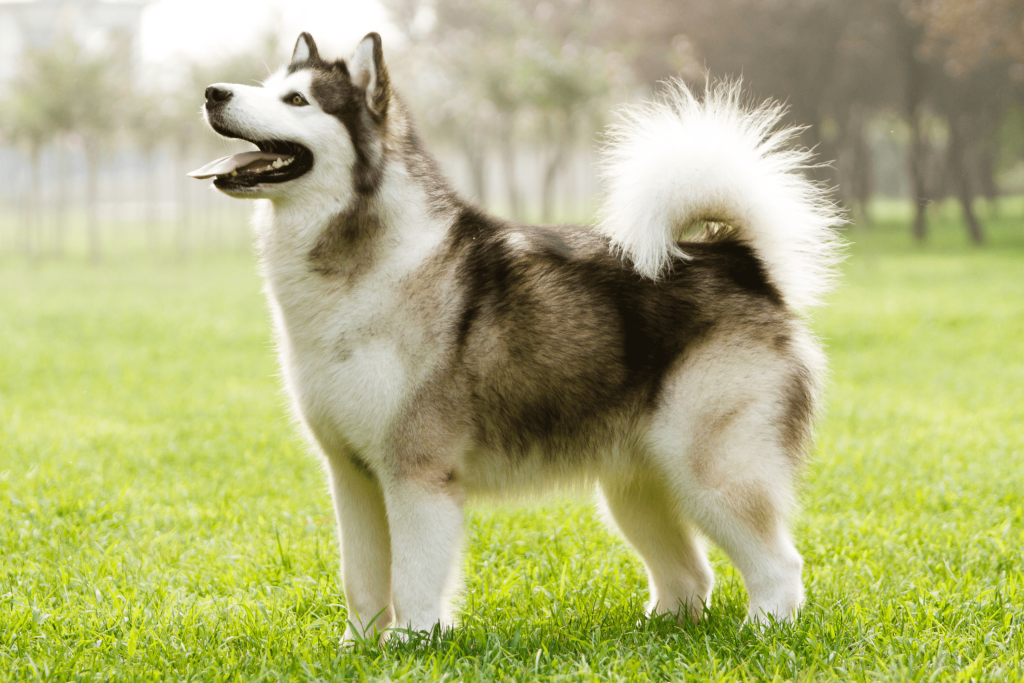
Alaskan Malamute
Alaskan Malamutes were built for Arctic survival. For over 4,000 years, they have hauled sleds and hunted alongside the Mahlemut people of Alaska.
Key traits: Strong, friendly, hardworking.
See Alaskan Malamute puppies or learn more about Alaskan Malamutes.
Lhasa Apsos
Lhasa Apsos were bred by Tibetan monks as sentinels in monasteries. Their presence goes back more than a millennium, and their keen awareness remains unchanged.
Key traits: Confident, intelligent, watchful.
See Lhasa Apso puppies or learn more about Lhasa Apsos.

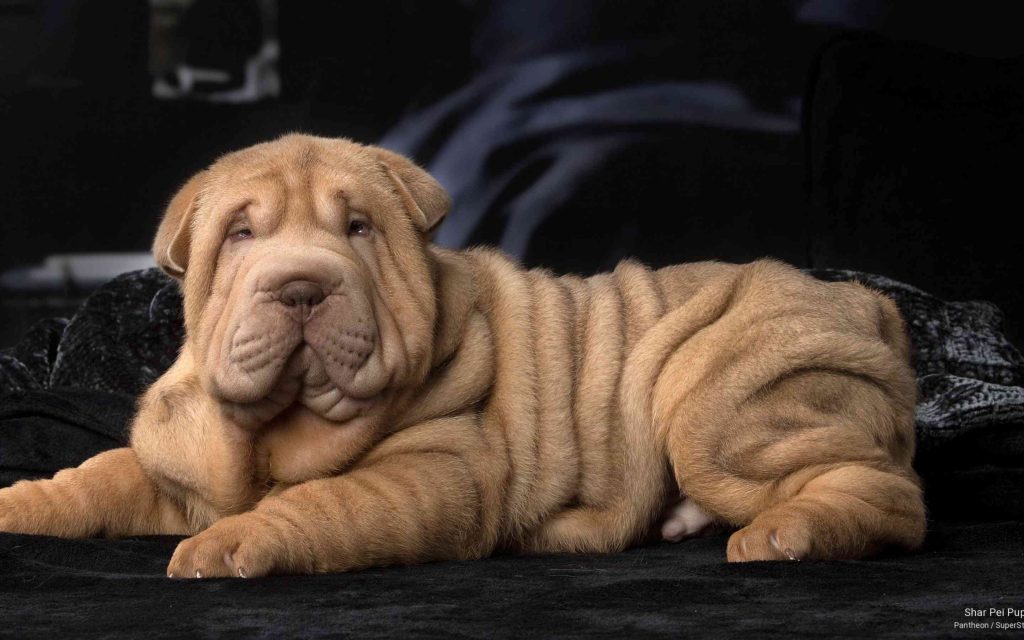
Shar Pei
Shar Peis are among the oldest dog breeds from China, bred for guarding and herding. Their skin folds and stoic personality made them valuable protectors over 2,000 years ago.
Key traits: Loyal, calm, independent.
See Shar Pei puppies or learn more about Shar Peis.
Samoyed
The Samoyed helped nomadic tribes in Siberia herd reindeer and stay warm. These dogs were bred over 3,000 years ago for companionship, endurance, and warmth.
Key traits: Gentle, adaptable, friendly.
See Samoyed puppies or learn more about Samoyeds.

Pharaoh Hound
Pharaoh Hounds resemble ancient Egyptian hunting dogs shown in murals and carvings. Although preserved in Malta, their look has barely changed in thousands of years.
Key traits: Intelligent, active, affectionate.
See Pharaoh Hound puppies or learn more about Pharaoh Hounds.
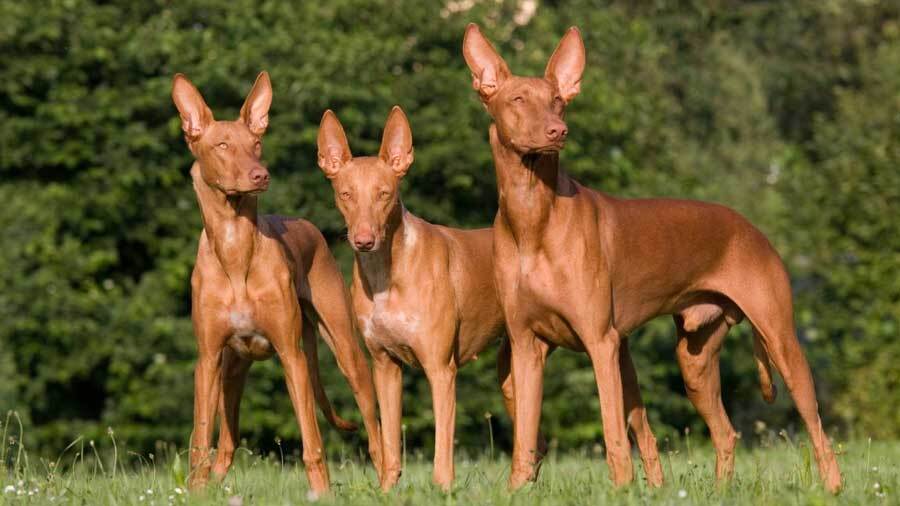
These breeds make up some of the oldest dog breeds that still live among us, ready to work, guard, play, and bond like they always have.
Why Ancient Breeds Still Matter Today
Ancient breeds continue to shape our relationship with dogs and teach us about adaptability, resilience, and loyalty across centuries.
- Genetic strength: Some have maintained traits without major changes for generations.
- Hard-earned instincts: Their skills are still useful in modern roles, from guarding to therapy.
- Cultural connection: Many represent national identity or sacred traditions.
- Global reach: Despite ancient origins, they have adapted well globally.
- Breed education: They inspire responsible ownership through heritage and temperament.
These breeds bring ancient traits into modern homes, creating a bridge between past and present.
Preserving History Through Dogs
Modern life moves fast, but dogs like these remind us that some things are worth preserving as they’re enduring expressions of human partnership.
Supporting these breeds through responsible breeding and informed ownership helps keep their legacy alive.


