


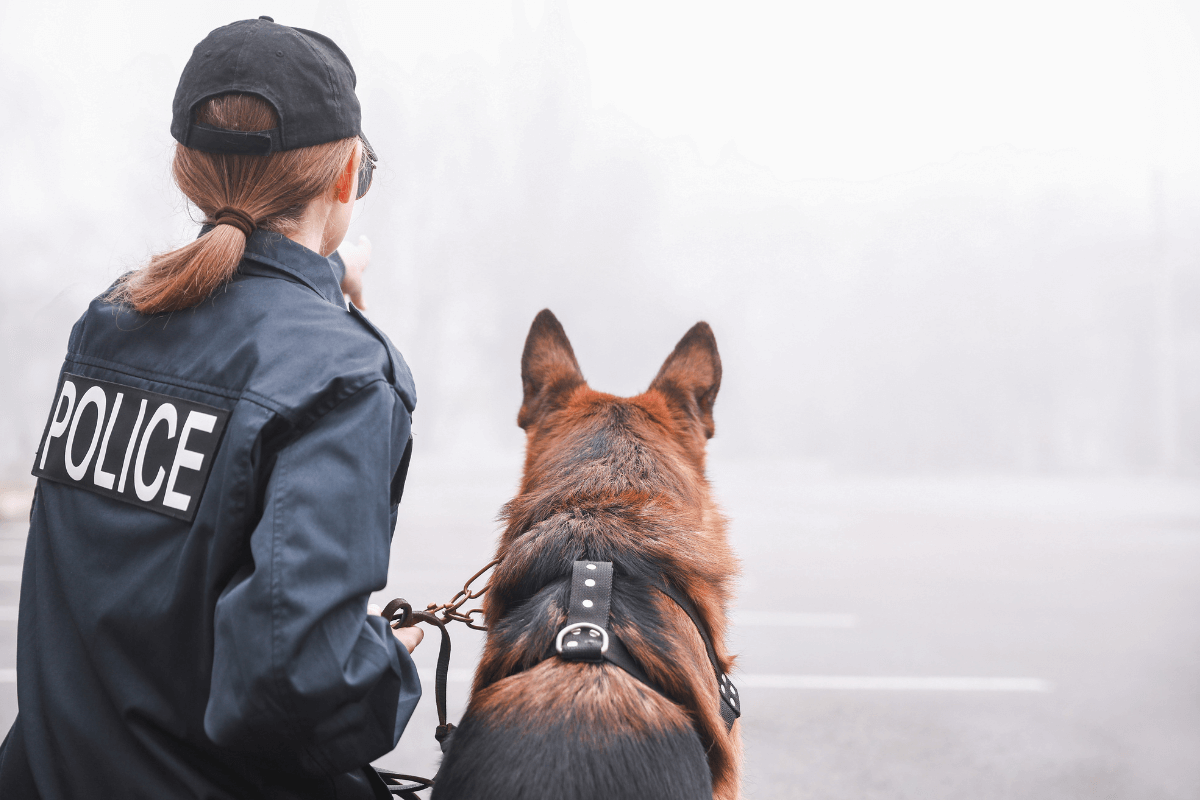
Police dogs play a vital role in law enforcement across Australia and around the world. From tracking down suspects to detecting drugs and explosives, these highly trained dogs are essential partners to their handlers.
Certain police dog breeds are required to have the right combination of intelligence, strength, focus, and determination to excel in the work required.
Let’s take a closer look at the top breeds for police dogs, why they’re chosen, and what makes them such valuable members of the force.
What Are Police Dog Breeds?
These are specific breeds known for their suitability in law enforcement work. Police dogs need to be obedient, confident, and physically capable of handling tasks like:
- Tracking suspects and missing persons
- Detecting drugs, explosives, or evidence
- Guarding and protecting their handlers
- Crowd control and search-and-rescue
While training is crucial, a dog’s natural temperament, intelligence, and physical abilities all play a role in their success. That’s why only a select group of dog breeds for police are consistently used due to the right combination of natural instinct, attributes, and temperament.
Top 7 Police Dog Breeds
The following breeds have earned their reputation as some of the most reliable and capable partners in law enforcement:
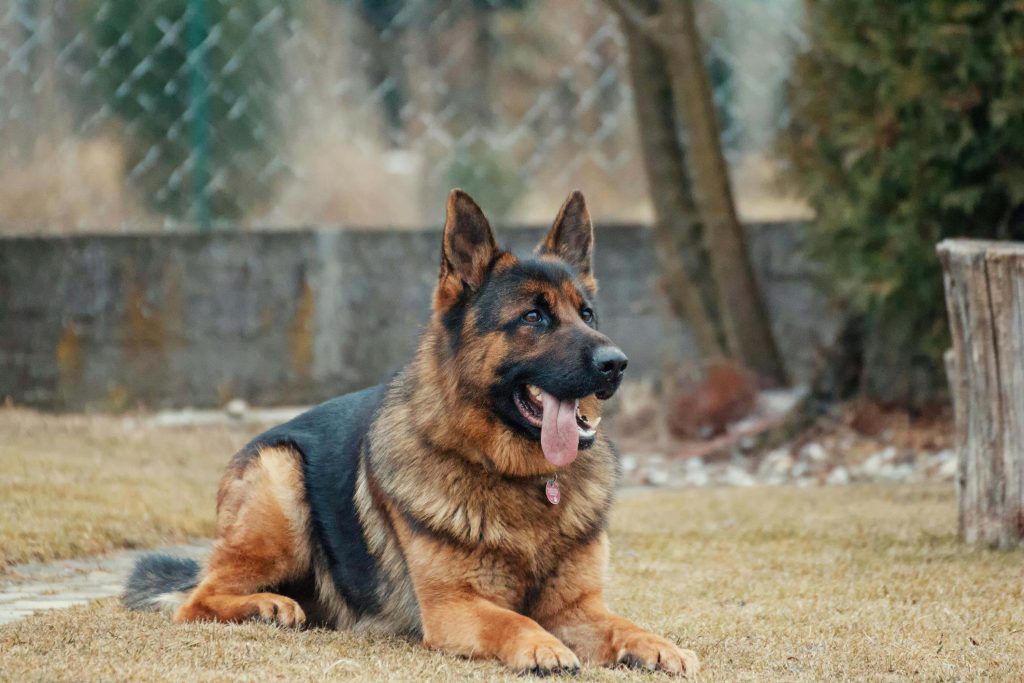
1. German Shepherd
German Shepherds are often the first breed people think of when imagining a police dog. Their intelligence, trainability, and courage make them ideal for almost any law enforcement role, from search-and-rescue to apprehending suspects.
Key traits: Smart, loyal, courageous.
See German Shepherd puppies or learn more about German Shepherds.
See German Shepherd (long stock coat) puppies.
2. Belgian Malinois
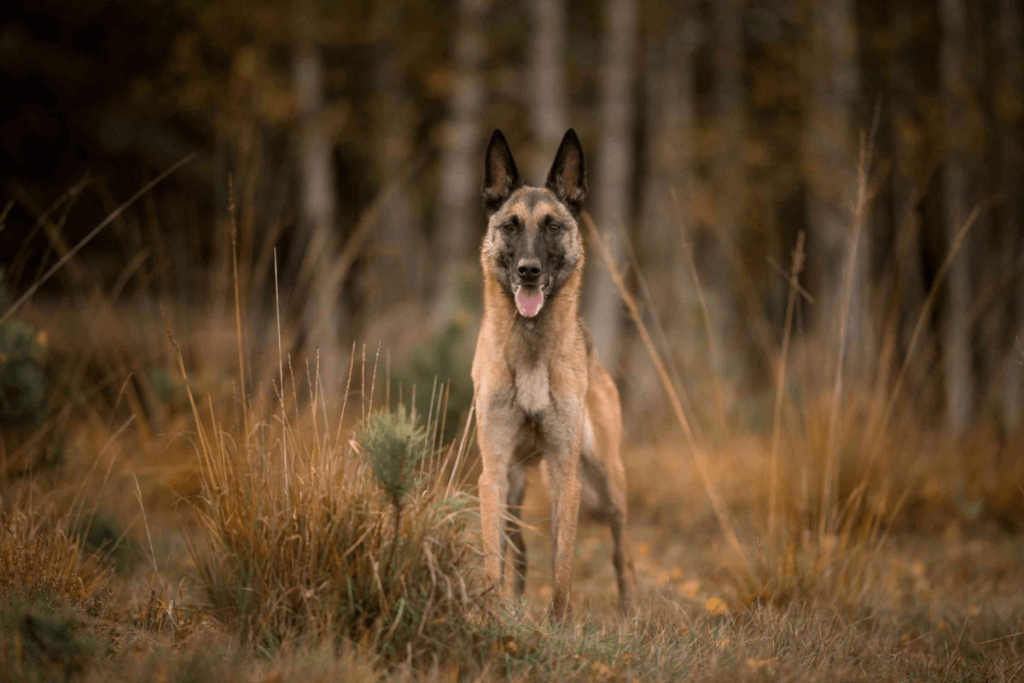
Closely related to the German Shepherd, the Belgian Malinois is known for its incredible agility and sharp mind. These dogs thrive in high-intensity roles like suspect apprehension and narcotics detection.
Other Variations: Groenendael, Laekenois, Tervueren
Key traits: Agile, alert, highly trainable.
See Belgian Malinois puppies or learn more about Belgian Malinois.
3. Labrador Retriever
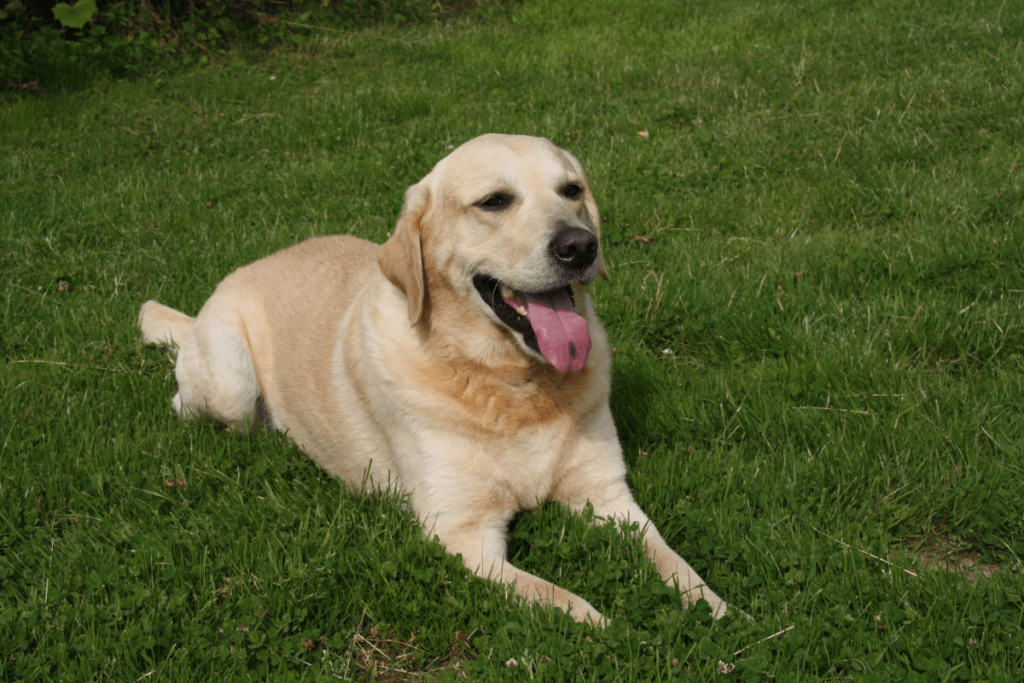
Labradors might seem like family pets at first, but they also excel as detection dogs. Their exceptional noses and friendly nature make them perfect for sniffing out contraband in airports, prisons, and public spaces.
Key traits: Friendly, eager, scent-driven.
See Labrador Retriever puppies or learn more about Labradors.
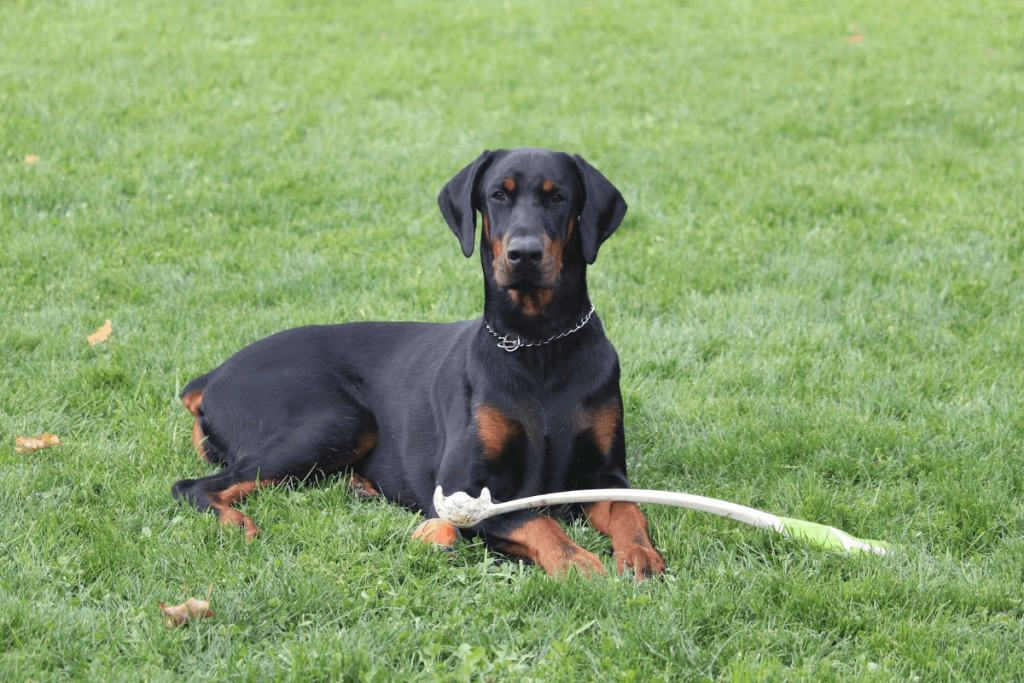
4. Dobermann
Dobermanns bring strength, speed, and natural protective instincts to the table. Their imposing presence alone can deter troublemakers, and their loyalty to their handlers is unmatched.
Key traits: Protective, fearless, intelligent.
See Dobermann puppies or learn more about Dobermanns.
5. Rottweiler
With their powerful build and calm confidence, Rottweilers excel in roles requiring strength and bravery. They are often used for guarding and suspect apprehension.
Key traits: Strong, courageous, loyal.
See Rottweiler puppies or learn more about Rottweilers.

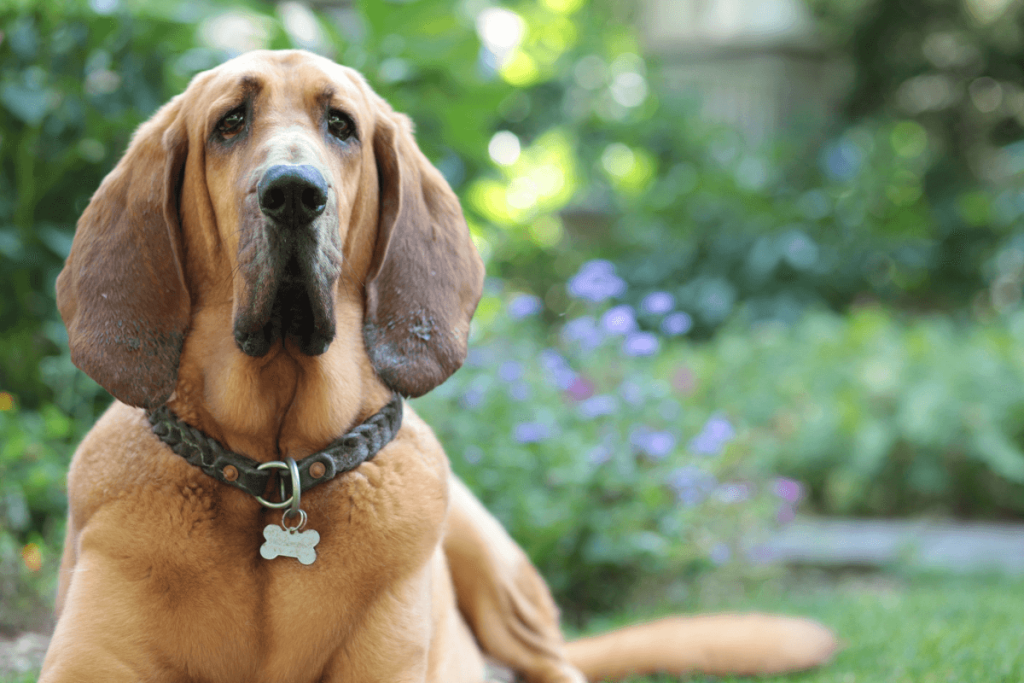
6. Bloodhound
When it comes to tracking, Bloodhounds are in a class of their own. Their remarkable scent-tracking abilities make them ideal for search-and-rescue missions and tracking down suspects.
Key traits: Determined, scent-focused, gentle.
Learn more about Bloodhounds.
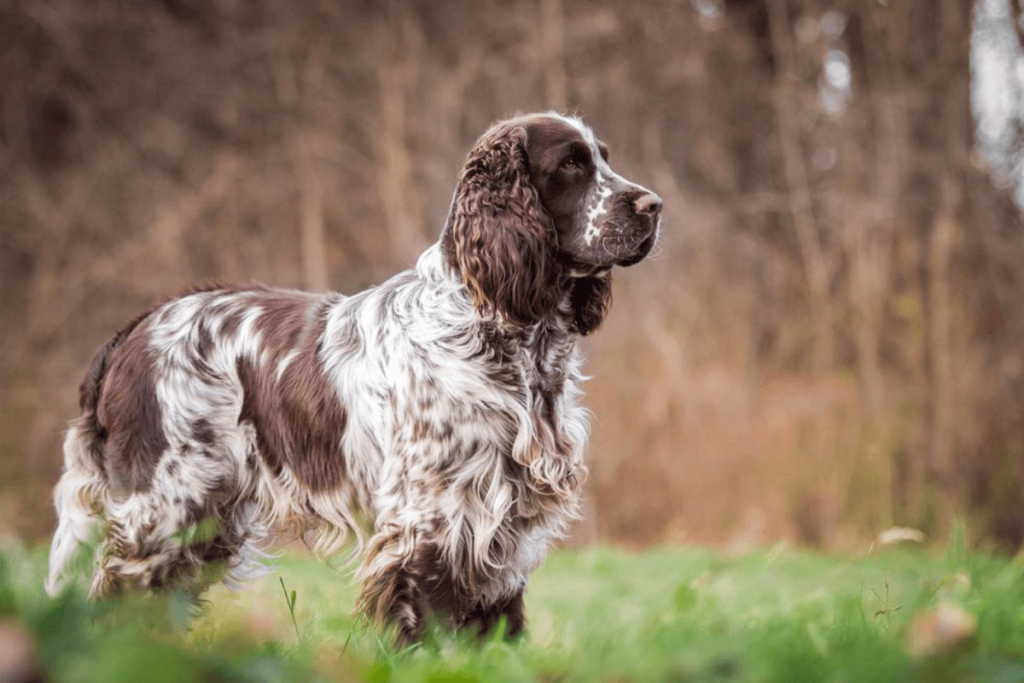
7. English Springer Spaniel
Springers might be smaller than some of the other police dog breeds, but their strong noses and boundless enthusiasm make them excellent detection dogs, especially for narcotics and explosives.
Key traits: Energetic, smart, focused.
See English Springer Spaniel puppies or learn more about English Springer Spaniels.
While many breeds are smart and loyal, the dogs above combine these traits with physical capability, high drive, and the confidence to work under pressure. That’s what sets these police dog breeds apart and allows them to perform life-saving roles every day.
Qualities That Make a Great Police Dog
Not every dog within these breeds will succeed in police work. Dogs chosen for service typically show these traits:
- High intelligence and problem-solving skills
- Strong physical endurance and agility
- Exceptional sense of smell (for detection work)
- Calm under pressure
- Strong bond and loyalty to their handler
- Natural protective instincts when required
Even among the best breeds for police dogs, only the top candidates pass the rigorous selection, training process and make it as a dog Constable.
How Police Dogs Are Trained
Police dog training starts when puppies are still young, focusing first on basic obedience and socialisation. From there, training becomes highly specialised based on the dog’s future role, including scent detection (drugs, explosives, evidence), tracking (missing persons, suspects), protection and apprehension, crowd control and search-and-rescue.
Only those who show the right mix of skills, temperament, and control become full-fledged police dogs.
What Happens After They Retire?
Most police dogs retire between the ages of 7 and 10, though this varies by breed and role. Many continue living with their handlers as cherished family pets, while others may be available for adoption by experienced owners who understand their unique training and needs.
Years of service can take a toll, and retired police dogs may require additional veterinary care. Their disciplined training makes them highly obedient, but they may need time to adjust to a home environment especially if they work in high-stress roles like apprehension or crowd control.
For those considering adoption, it’s essential to understand the dog’s background and be prepared to support their physical and emotional well-being in retirement.
Police dogs are more than just working dogs, they are true heroes in fur coats. Their intelligence, courage, and unwavering loyalty make them essential partners to law enforcement teams around the world.
For dog lovers drawn to breeds with a history in police work, these dogs can also become loyal, protective family members when raised with care, proper training, and plenty of socialisation. Understanding their natural instincts helps ensure they thrive both on duty and at home.


