


Not all dogs are welcome across Australia. Some breeds, known as prohibited dogs, have been banned in certain states due to concerns about public safety, aggression, or historical incidents. If you’re thinking about getting a dog or just curious, it’s important to know which breeds are illegal dogs across different parts of Australia and why these laws exist.
From breeds with controversial pasts to those caught up in unfortunate incidents, these banned breeds have a complicated history. What exactly makes a breed prohibited, and what does that mean for Aussie dog lovers? Here are the dogs that are banned, the reasons behind it, and what your options are if you love large, powerful breeds.
What Makes a Dog Breed Prohibited?
In Australia, some breeds are officially classified as prohibited dogs. This happens when authorities decide that the breed poses a high risk to public safety. Factors that lead to prohibition include:
- Breeds linked to dog fighting history
- Documented cases of severe or fatal attacks
- Physical strength combined with a low tolerance for provocation
- Bans in other countries influencing local laws
Each state has slightly different rules, but these factors are at the core of why a breed gets banned.
Prohibited Breeds in Australia
Here are the dog breeds currently classified as prohibited dogs across Australia:
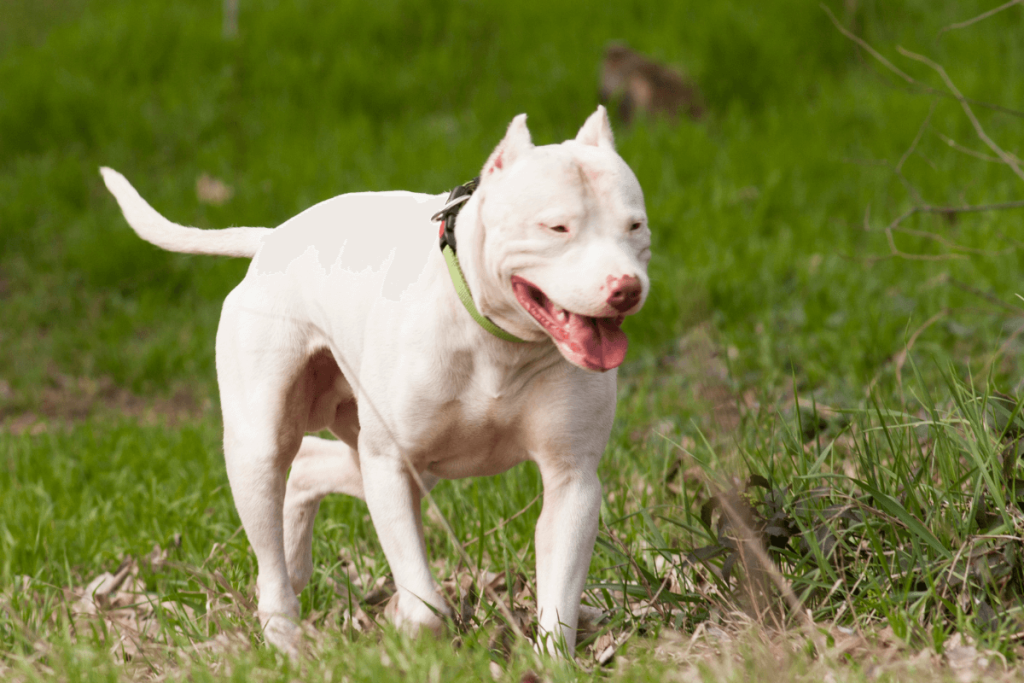
1. Dogo Argentino
Dogo Argentino was developed in Argentina for big game hunting and is a powerful and athletic breed, standing 60-70 cm tall and weighing 40-45 kg. They have a short, white coat and pronounced musculature. They make effective guard dogs because of their fearless, independent, and protective nature but need consistent, firm training and early socialisation to manage their dominant nature.
Reason for Prohibition: Australia’s prohibition is a result from the breed’s robust guarding instincts and potential aggression towards strangers. Their size, strength, and tenacity present a safety risk, especially in suburban areas.
2. Japanese Tosa
The Japanese Tosa was originally bred for dog fighting and is a medium to large breed, standing 60-65 cm tall and weighing 40-60 kg. They have a smooth, short coat and a muscular, elegant build. While generally calm, reserved, and dignified, they can be dominant and territorial, requiring early socialisation and experienced ownership to manage their protective instincts.
Reason for Prohibition: The breed’s history in dog fighting and potential aggression without proper training resulted in its prohibition in Australia. Their inherent power and dominance are a public safety concern.
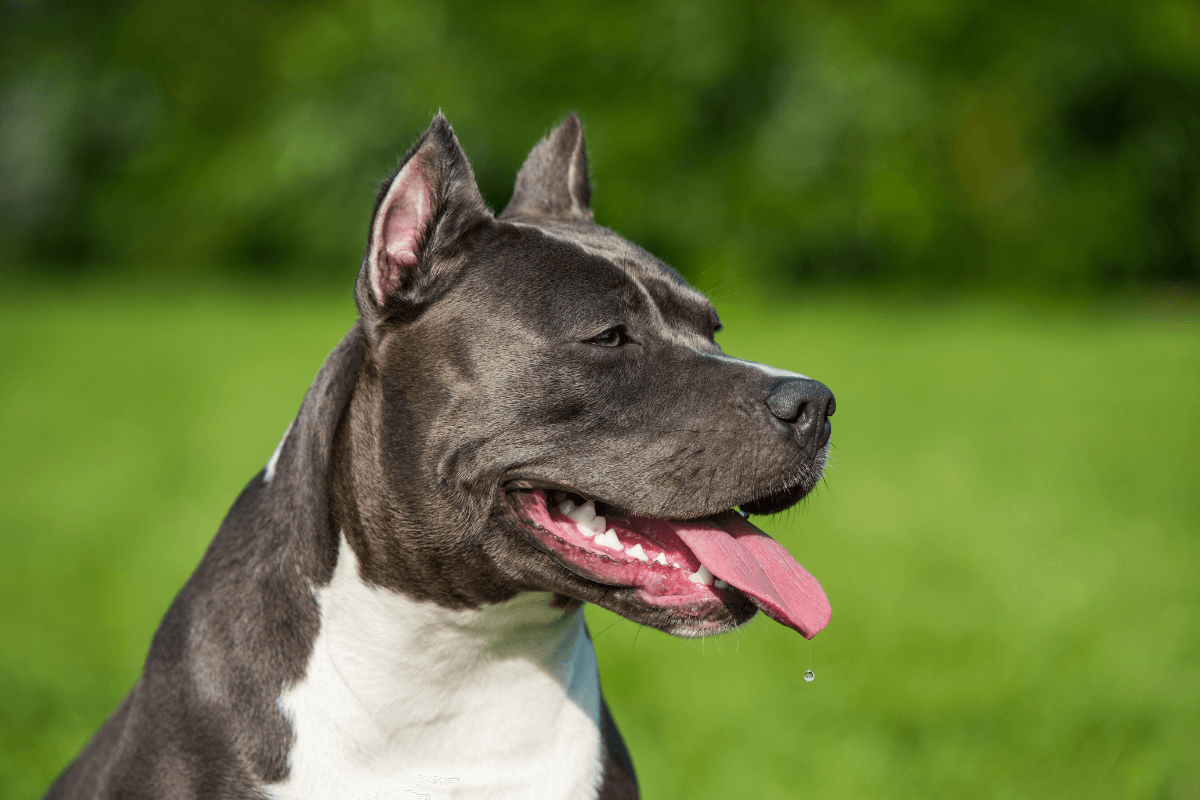
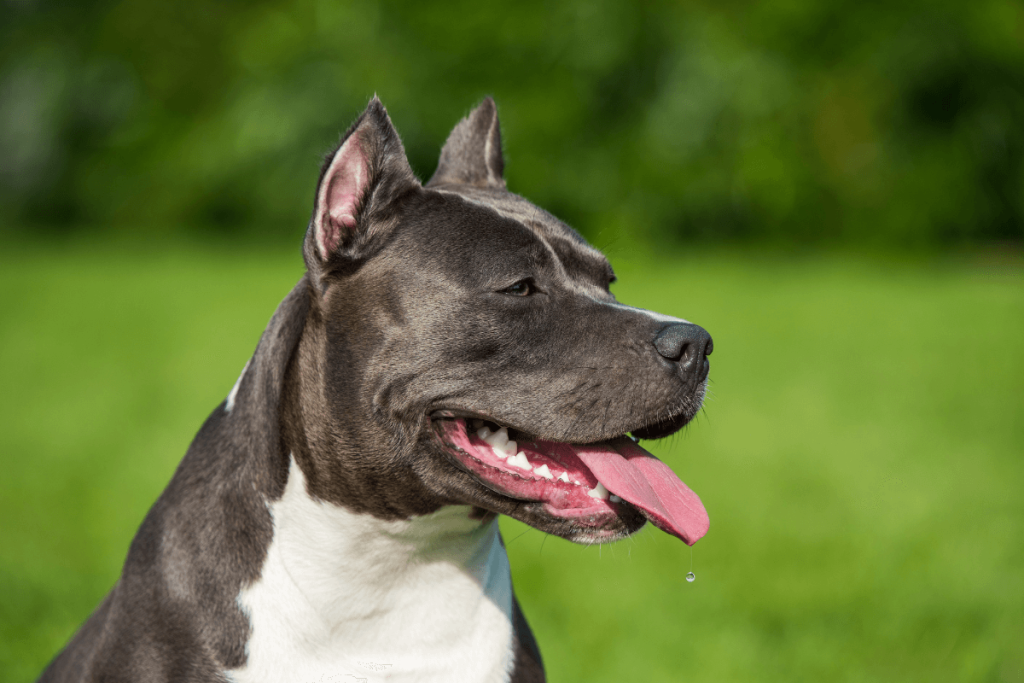
3. American Pit Bull Terrier
American Pit Bull Terrier was originally bred in the United States for bull-baiting and later dog fighting. They are a medium-sized, muscular breed, typically weighing between 13-27 kg and standing 45-53 cm tall. They have a short coat, a robust chest, and a powerful jaw. Though the breed is capable of loyalty, affection, and protective behaviour, they require rigorous training, early socialisation, and consistent leadership to manage their inherent tendencies.
Reason for Prohibition: The breed’s history in dog fighting, along with documented aggression incidents, led to its prohibition in Australia. Its strength and potential for unpredictability pose a safety risk, particularly with inexperienced owners.
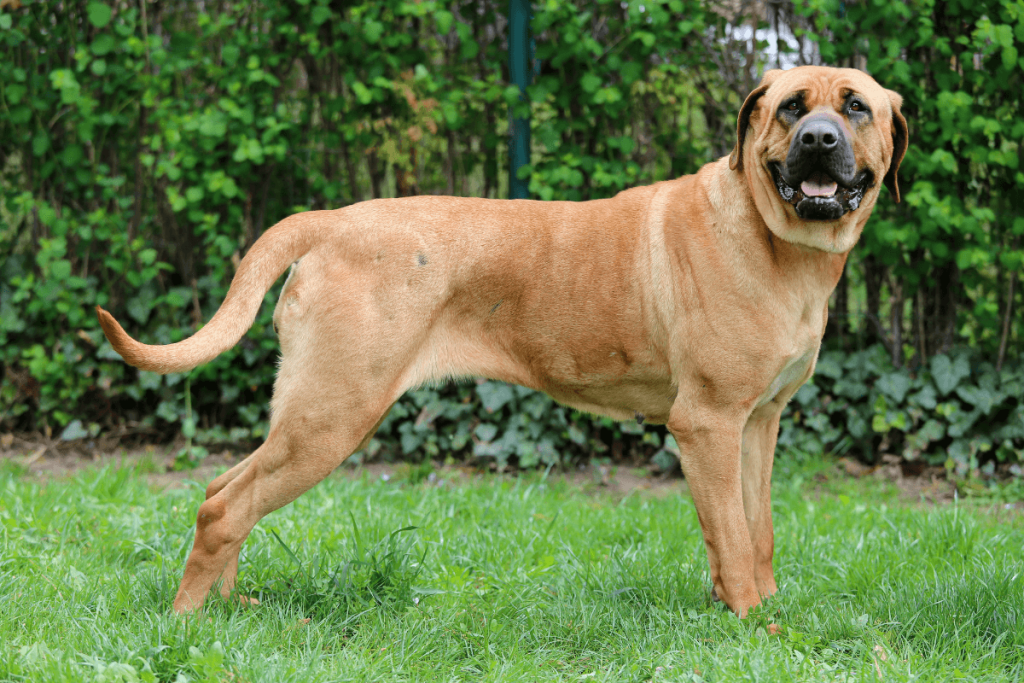
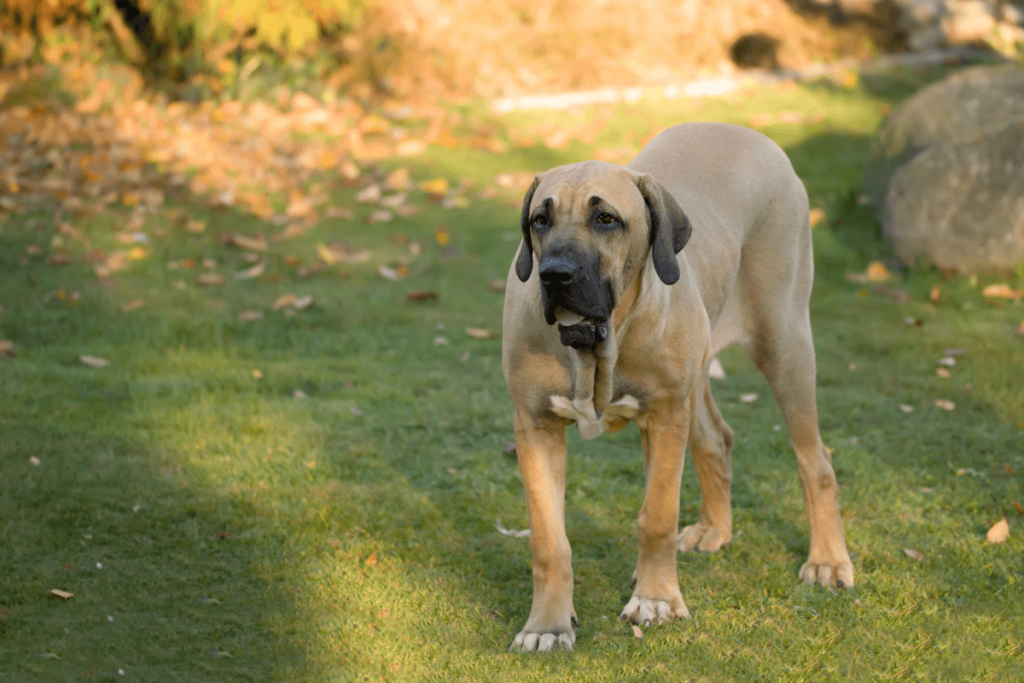
4. Fila Brasileiro (Brazilian Mastiff)
Fila Brasileiro originating from Brazil were bred as guard dogs for livestock and property. They are a large, muscular breed, standing 60-75 cm tall and weighing 40-50 kg and have a short, dense coat in fawn, brindle, or black. Fiercely loyal and protective of their families, they are wary of strangers, requiring experienced owners to manage their dominant and territorial nature.
Reason for Prohibition: The breed’s tendency for aggression towards strangers and the difficulty of managing such a powerful, protective dog in suburban environments led to its prohibition in Australia.
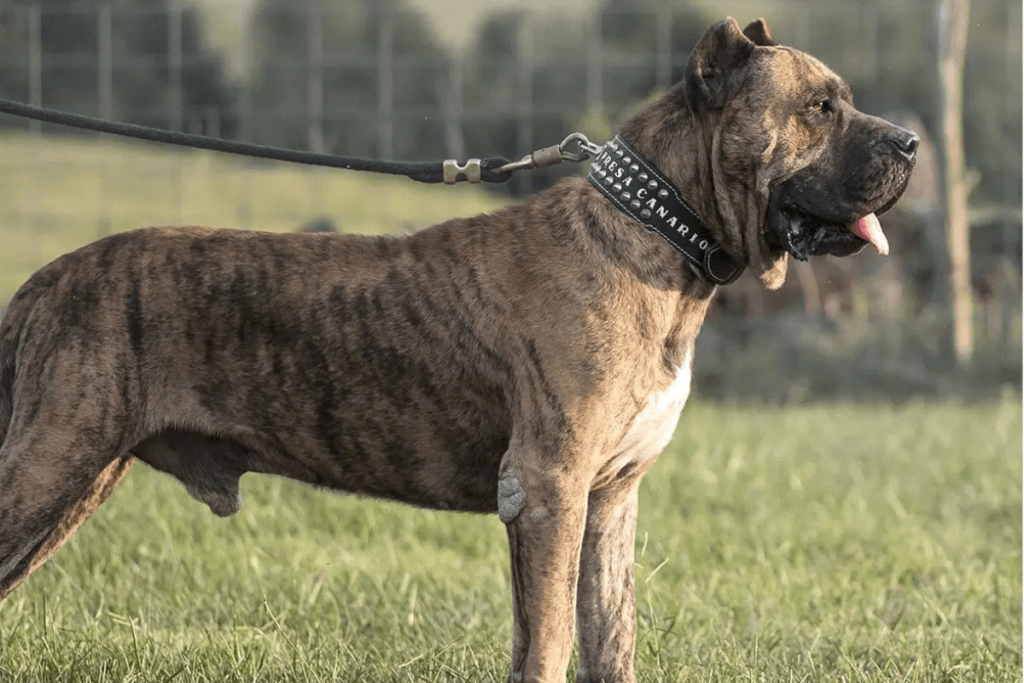
5. Perro de Presa Canario
Bred on the Canary Islands to guard livestock and property, the Perro de Presa Canario is a large breed, standing 60-66 cm tall and weighing 40-60 kg. They possess a muscular build, a short, dense coat, and a broad head. Strong-willed, intelligent, and territorial, they make effective guard dogs, but require experienced handling and early socialisation to prevent aggressive behaviour.
Reason for Prohibition: There have been incidents of aggressive attacks that led to the breed’s prohibition in Australia. Their size, strength, and territorial instincts present challenges in handling them especially for inexperienced owners.
These dogs were banned in Australia due to their history of aggression, guarding instincts, and risks to public safety. These restrictions are in place to safeguard public safety.
Why Are These Breeds Considered Dangerous?
Some dogs from these breeds can be affectionate and well-trained, but their physical power, strong prey drive, and history of aggressive behaviour place them in the high-risk category. Australian laws prioritise public safety, which is why these breeds ended up as prohibited.
Even owning a crossbreed with any of these dogs can cause trouble in some states, particularly if the cross displays physical traits or behaviours linked to the banned breed.
A State-by-State Overview
Here’s a snapshot of how Australian states handle prohibited dogs:
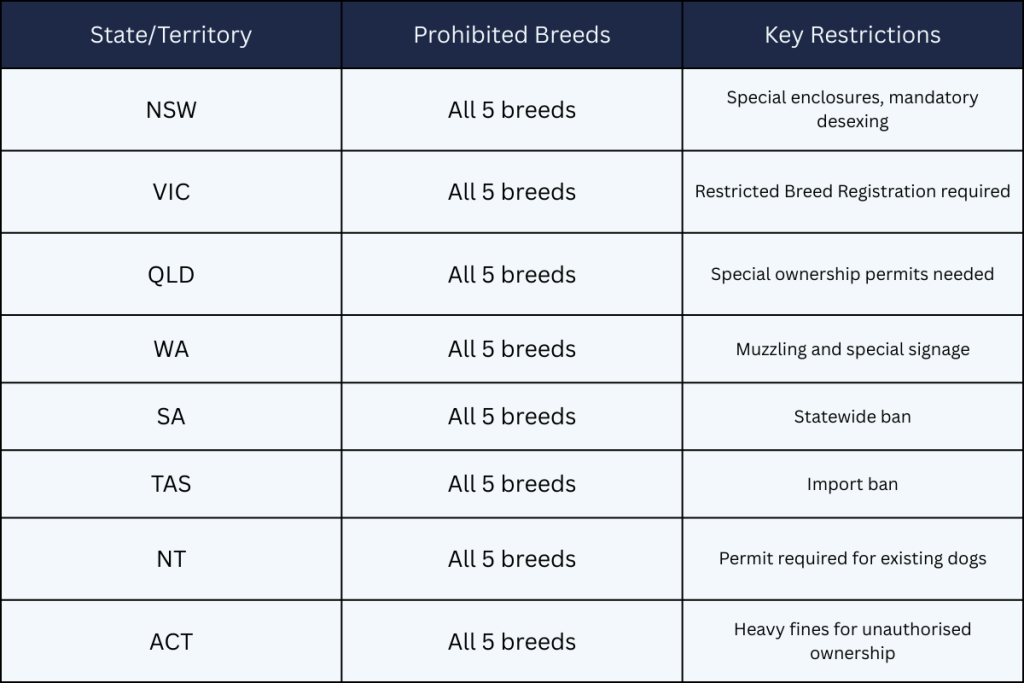
Understanding how each state handles prohibited dogs is essential for dog owners across Australia. Since regulations vary, checking your local laws helps ensure you stay compliant. Please check with your state laws, and councils for most up-to-date information.
Can You Own a Prohibited Dog in Australia?
In most cases, no. Ownership is heavily restricted, with some states banning illegal dogs outright. In a few cases, people who owned these breeds before the laws changed were allowed to keep them under strict conditions but they cannot legally breed, sell, or give them away.
What Happens if You Own a Prohibited Dog?
Australia enforces these breed prohibitions rigorously due to commitment to public safety and impose strong penalties for keeping prohibited dogs including:
- Heavy fines
- Dog being seized or euthanised
- Potential criminal charges
- Future bans on owning any dog
Owning a prohibited dog in Australia comes with serious legal and financial risks. Staying informed about restricted breeds helps protect both your dog and yourself from these harsh penalties.
What are Legal Alternatives to Prohibited Breeds?
There are over 243 legal dog breeds available on Dogz Online, all bred by registered Dogs Australia and New Zealand breeders. Whether you're seeking a protective guardian, a devoted family companion, or a high-energy working dog, you'll find a breed that suits your needs, all with sound temperaments and well-balanced personalities.
- For a strong, protective guardian: Doberman, Boxer, Bullmastiff, Rottweiler, or German Shepherd
- For a proud standing, family-friendly dog: Labrador Retriever, Golden Retriever, or Bernese Mountain Dog
- For an athletic, high-energy companion: Belgian Malinois, Border Collie, or Australian Shepherd
- For a compact yet confident dog: Staffordshire Bull Terrier or American Staffordshire Terrier
By choosing a breed from responsible, ethical, and registered breeders, you ensure your new companion is healthy, well-socialized, and suited to your lifestyle, while also staying compliant with Australian laws.
Choosing a legal breed with similar traits allows you to enjoy the loyalty, protection, and intelligence you’re looking for without the risk of heavy fines or restrictions.
Choosing the right dog for your family is about more than looks or reputation. Australia’s prohibited dogs list exists to help keep communities safe and ensure dog owners can manage their pets responsibly.
If you’re considering bringing a new dog home, Dogz Online has a massive list of purebred dog breeds, and connect with thousands of registered Dog Breeders across Australia and New Zealand.


