


Some dogs are naturally calm and prefer spending their days relaxing rather than barking at every sound. These quiet dog breeds suit apartment living, shared spaces, or families who enjoy a peaceful home.
If you’ve been searching for quiet dog breeds, this guide introduces calm companions, explains what influences barking, and shares tips to help keep dogs relaxed and content.
What Makes a Dog Quiet?
A dog’s tendency to stay quiet depends on more than its breed. Personality, routine, and environment all shape how vocal a dog becomes. Understanding these points will help you choose the right pet and encourage calm behaviour.
- Breed history and purpose: Some breeds were developed for companionship or silent hunting, making them less likely to bark.
- Temperament: Easy-going dogs are often more relaxed and vocalise less than alert, high-strung breeds.
- Energy levels: Dogs that enjoy lounging tend to bark less than those that are highly active or excitable.
- Prey drive and alertness: Protective or hunting dogs are usually quicker to bark, while companion breeds are calmer.
- Environmental triggers: Peaceful homes encourage quiet behaviour, while loud or chaotic surroundings can trigger barking.
- Training and socialisation: Dogs that feel secure and confident are less reactive to everyday noises.
- Routine and care: Predictable daily schedules help dogs feel settled, reducing anxious barking.
Breed tendencies matter, but routine, socialisation, and a calm household play just as big a role. Even naturally quiet dogs need guidance to remain relaxed companions.
10 Dog Breeds That Don’t Bark as Much
Looking for low barking dog breeds? These dogs are known for their calm nature and are excellent for low-noise homes and apartment living.
1. Cavalier King Charles Spaniel
Affectionate and adaptable, the Cavalier King Charles Spaniel is a sweet-natured companion that rarely barks without reason. They love being with family and suit relaxed households.
Key traits: Friendly, affectionate, adaptable.
See Cavalier King Charles Spaniel puppies or learn more about Cavalier King Charles Spaniels.

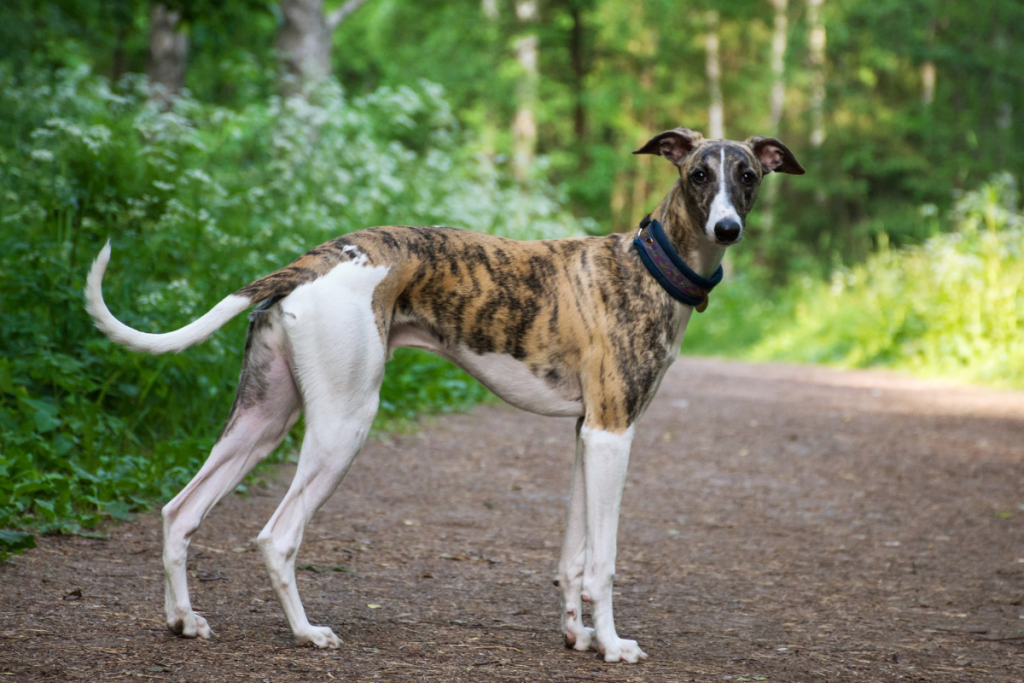
2. Whippet
Whippets enjoy sprinting outdoors but spend most of their time lounging. They are one of the best low-barking dogs for apartments thanks to their quiet, easy-going nature.
Key traits: Agile, friendly, low-maintenance.
See Whippet puppies or learn more about Whippets.
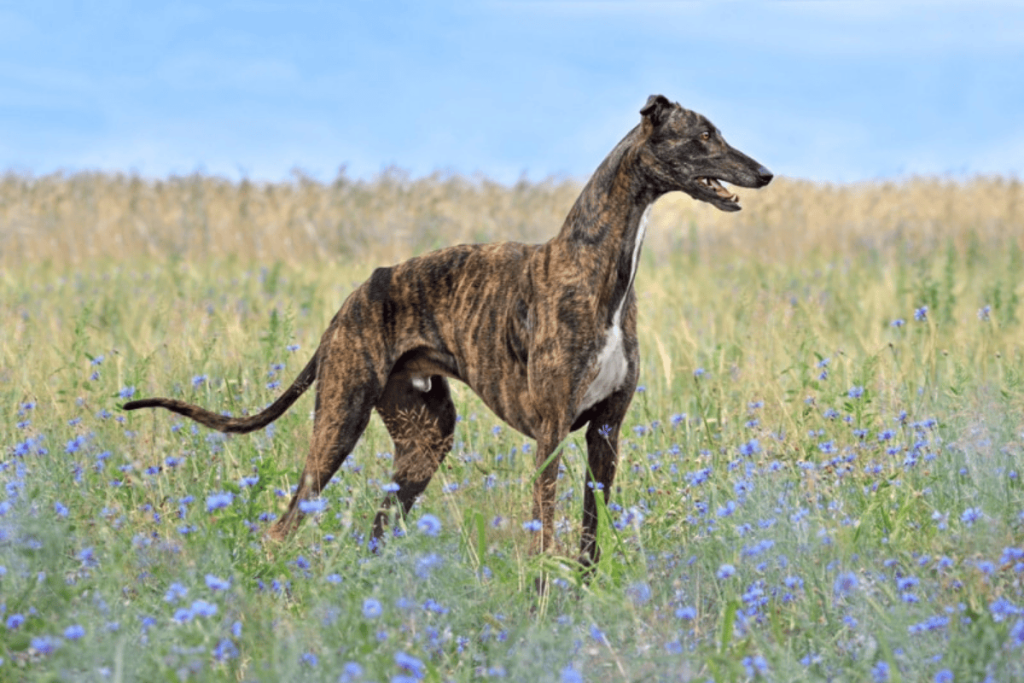
3. Greyhound
Calm and affectionate, Greyhounds are peaceful indoors and love curling up on soft bedding after a daily walk. They rarely bark, making them ideal for smaller homes. And Yes, they are different to Whippets!
Key traits: Calm, gentle, affectionate.
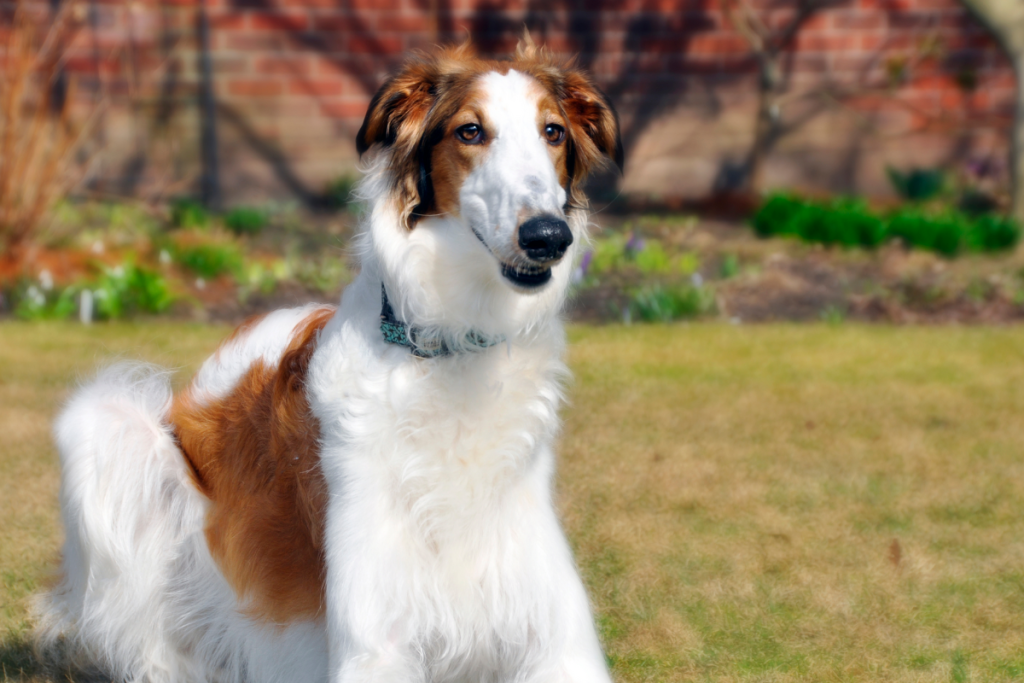
4. Borzoi
Borzoi are graceful, gentle, and content to spend hours resting quietly. They are affectionate with family but don’t vocalise unnecessarily.
Key traits: Majestic, calm, independent.
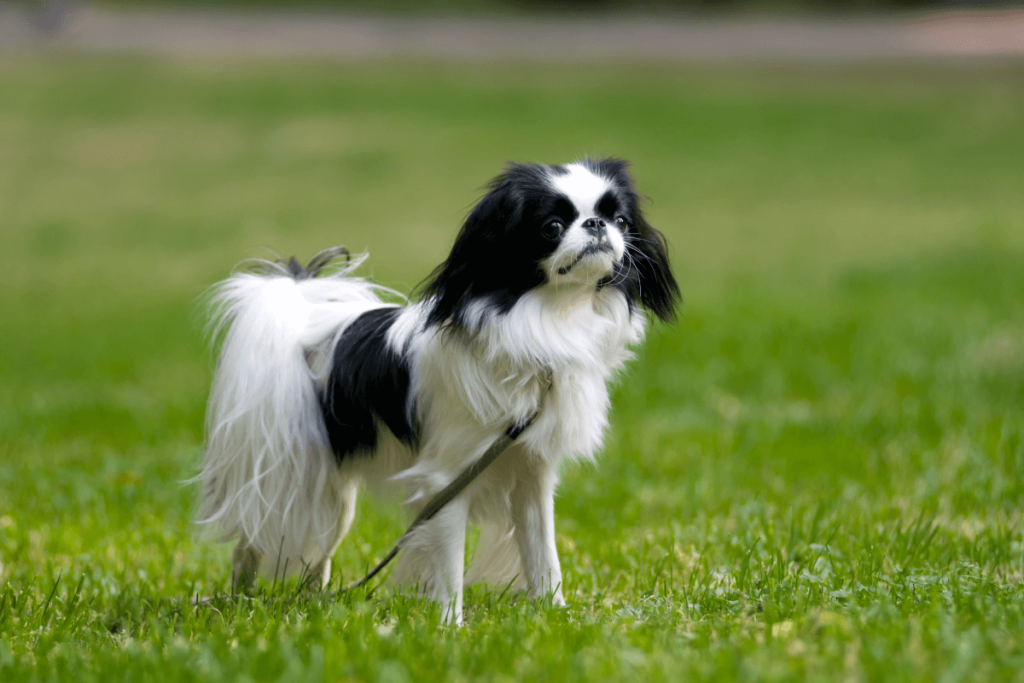
5. Japanese Chin
This elegant little dog prefers observing its surroundings quietly and fits well into calm households.
Key traits: Elegant, calm, affectionate.
See Japanese Chin puppies or learn more about Japanese Chins.
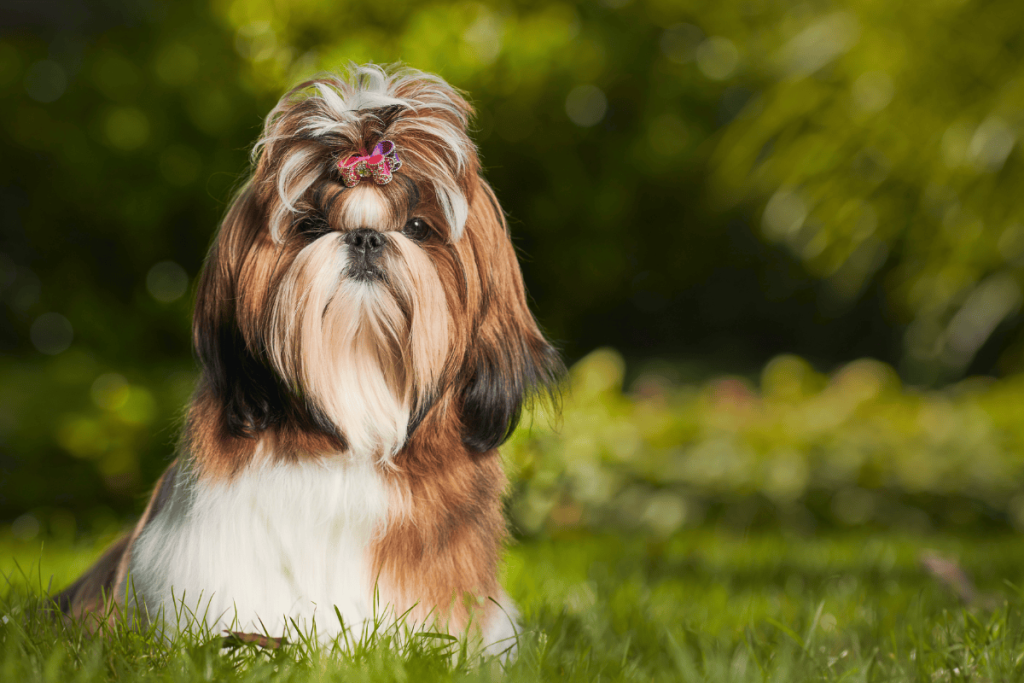
6. Shih Tzu
Shih Tzus are loving and friendly dogs that thrive indoors. They bark only when needed, making them suitable for quieter lifestyles.
Key traits: Affectionate, calm, friendly.
See Shih Tzu puppies or learn more about Shih Tzus.
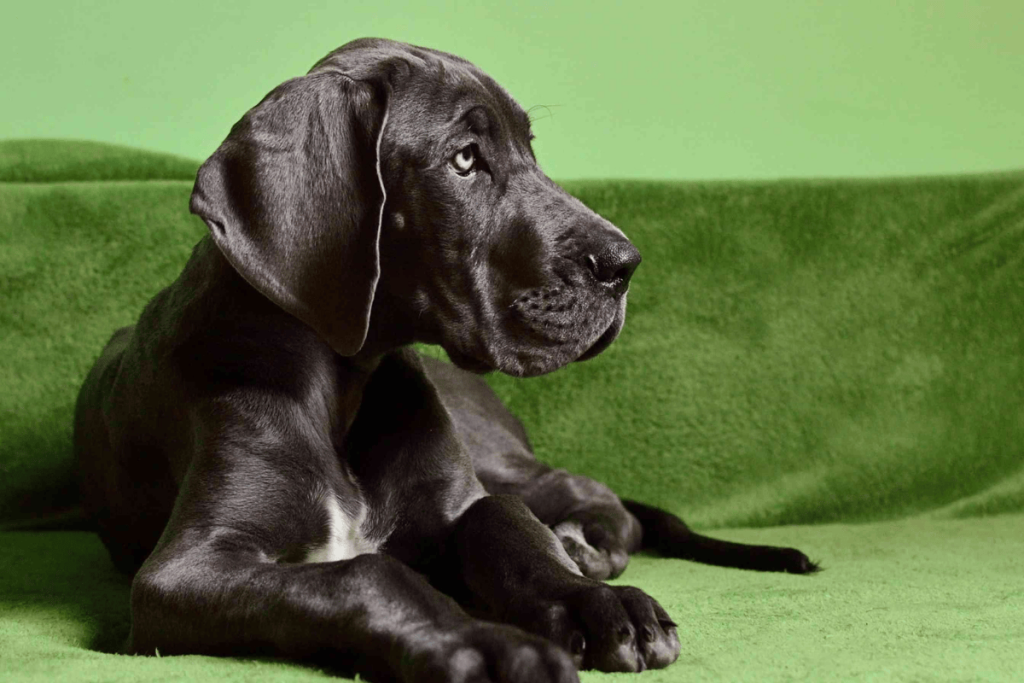
7. Great Dane
Despite their large size, Great Danes are soft-natured and calm. Their gentle temperament and low tendency to bark make them ideal family companions.
Key traits: Gentle, calm, affectionate.
See Great Dane puppies or learn more about Great Danes.
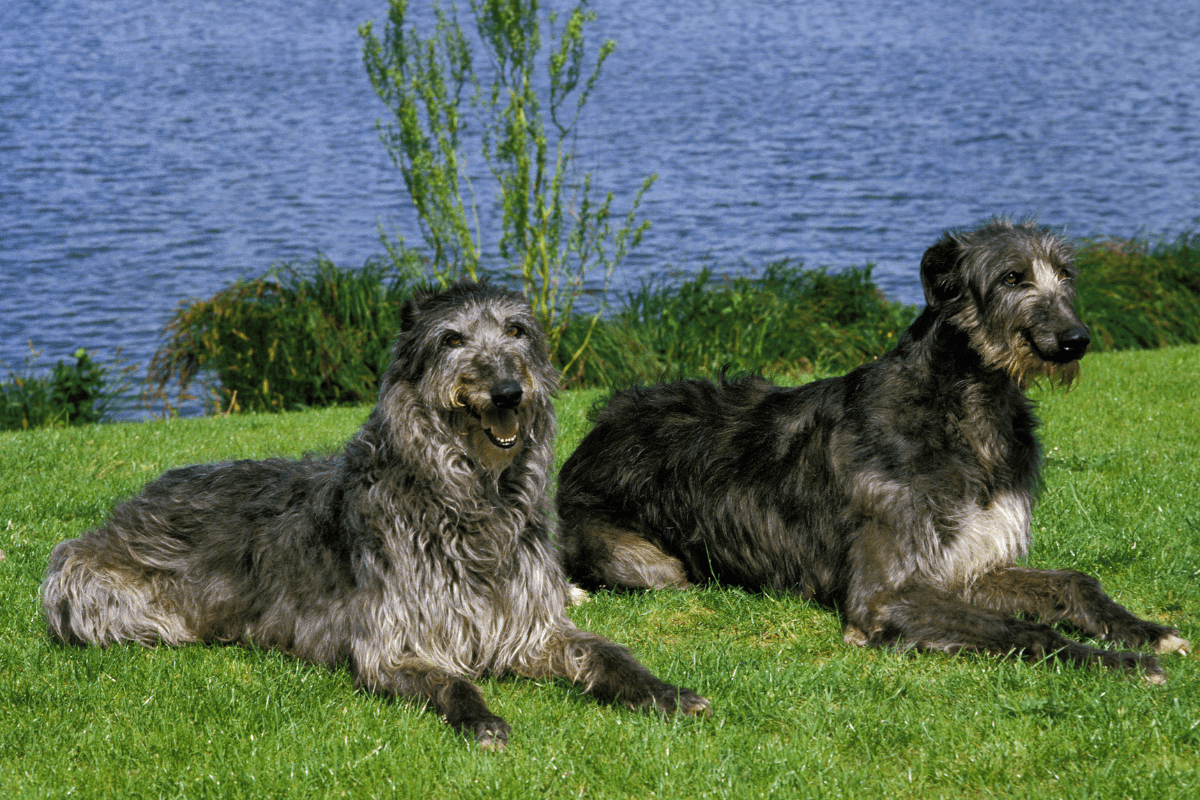
8. Deerhound
Loyal and even-tempered, Deerhounds are quiet companions that enjoy peaceful family life.
Key traits: Gentle, calm, loyal.
See Deerhound puppies or learn more about Deerhounds.
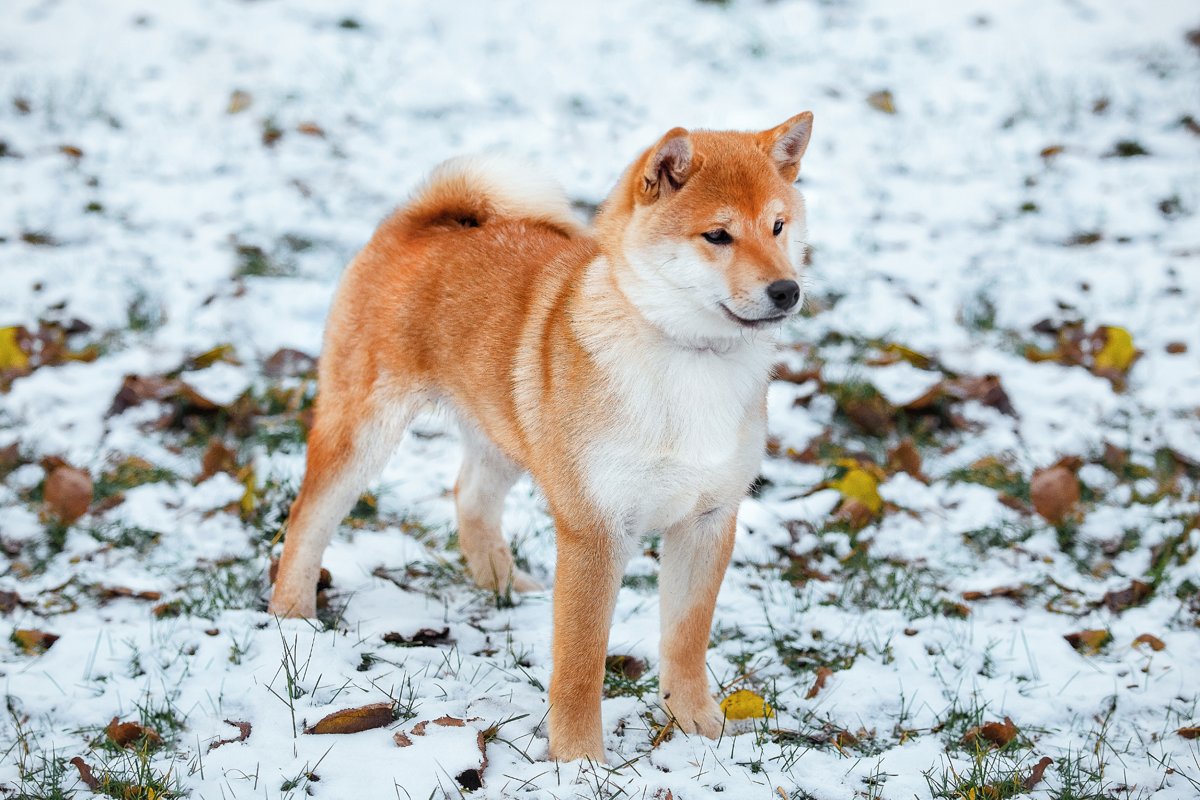
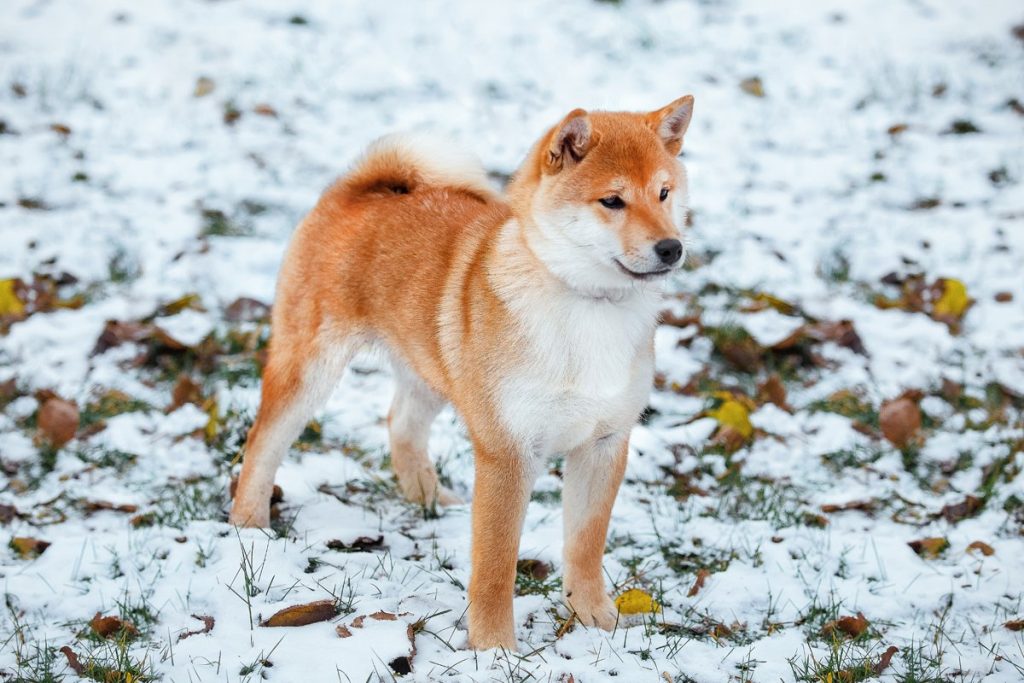
9. Shiba Inu
Shiba Inus are clean, independent dogs that stay quiet indoors. They are alert but not overly vocal, making them a good choice for calm homes.
Key traits: Independent, alert, quiet.
See Shiba Inu puppies or learn more about Shiba Inus.
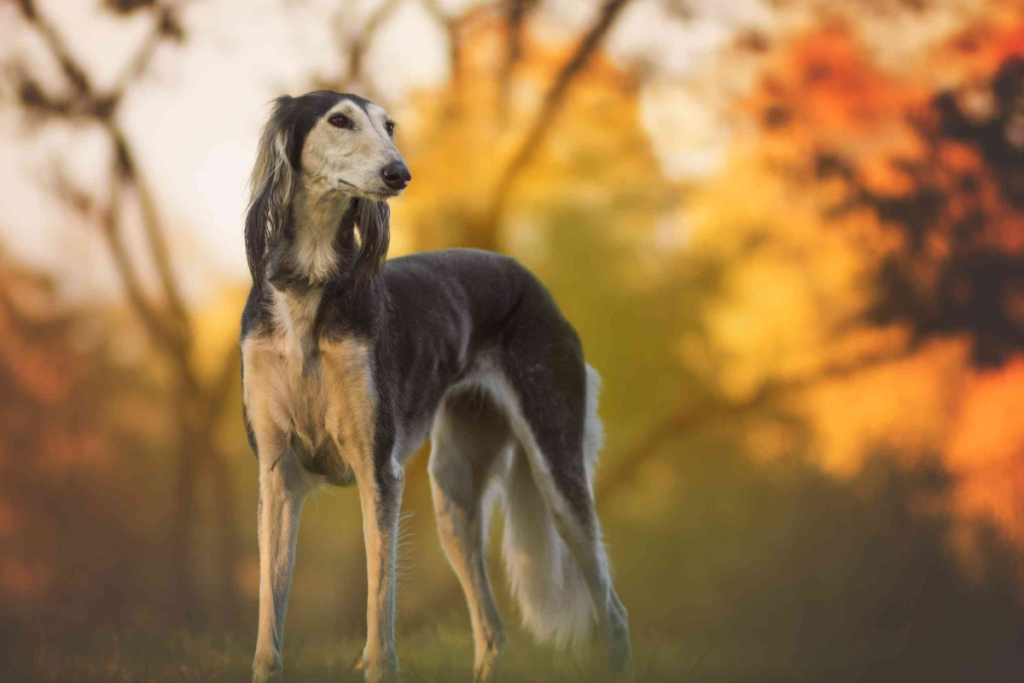
10. Saluki
Salukis are elegant, independent, and prefer relaxing in quiet surroundings. They are affectionate but rarely bark without reason.
Key traits: Independent, graceful, calm.
See Saluki puppies or learn more about Salukis.
These quiet dog breeds suit homes where peace is valued. While they are naturally calm, they still need daily exercise, love, and care to remain happy and relaxed.
How to Keep Barking Under Control
Even naturally quiet breeds can develop barking habits if stressed or bored. Try these tips:
- Keep a consistent daily routine to reduce anxiety.
- Reward calm behaviour with treats or praise.
- Avoid yelling, as it can increase stress.
- Provide puzzle toys or games to prevent boredom barking.
- Socialise dogs early to build confidence.
- Maintain a calm household to encourage relaxed behaviour.
Consistency and positive reinforcement help low barking dogs remain settled, even in busy neighbourhoods or apartment blocks.
What to Consider Before Choosing a Quiet Dog
A quiet dog still needs proper care to avoid unnecessary barking. Think about:
- Space for daily exercise, even for apartment-friendly breeds.
- Grooming requirements, especially for dogs with long coats.
- How much time you can devote to training and interaction.
- Matching the dog’s temperament with your lifestyle.
Bringing a Quiet Dog into Your Home
Choosing one of these quiet dog breeds can make your home feel calmer, but every dog still needs care, training, and love to stay happy. Take time to understand the breed’s needs and match its temperament to your lifestyle. With the right approach, you’ll enjoy the companionship of a calm dog who fits beautifully into a peaceful home.


