

The Havanese
| Size | Small |
| Weight | Females: 4.5–6.8 kg, Males: 4.5–7.3 kg |
| Breed Group | Group 1 – Toy |
| Exercise Requirements | Moderate |
| Grooming Requirements | Moderate to High |
| Life Span | 12-15 years |
| Characteristics | Affectionate, Intelligent, Playful, Social |
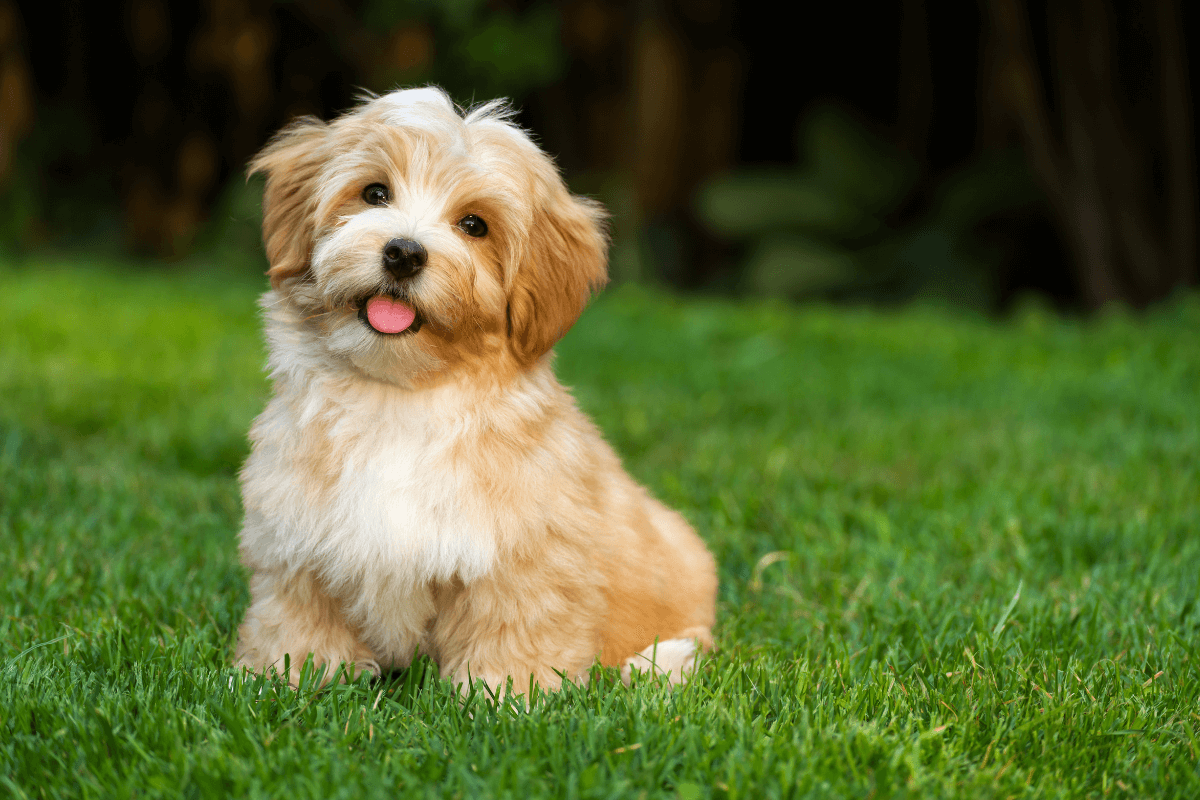
The Havanese dog breed is cherished for its charming expression, compact frame, and strong companion instincts. Originally developed as a lapdog for the Cuban aristocracy, the breed is cheerful, sociable, and intelligent.
Adaptable and people-oriented, the Havanese temperament makes them a natural fit for families and individuals alike. They thrive on interaction and companionship, forming close bonds with their owners and adjusting well to home life.
Today, the Havanese is a sought-after pet across Australia, admired for its lively personality, manageable size, and affectionate behaviour. While playful and curious, they are also happy to curl up indoors, making them a favourite in both apartments and suburban homes.
Havanese Appearance
The Havanese is a small, sturdy companion dog known for its silky coat, expressive eyes, and animated gait. Built for companionship rather than work, this breed is lively and graceful, with a square or slightly longer-than-tall body that allows for light movement and agility.
Size:
The Havanese dog size is classified as small. A full-grown Havanese dog typically weighs between 4.5–7.3 kg and stands 23–27 cm tall at the shoulder. Despite their compact appearance, Havanese dogs are well-balanced and carry themselves with confidence and poise.
Coat:
Havanese grooming is vital to maintaining their signature long, flowing coat. The soft, lightweight hair does not typically shed, but daily brushing is recommended to prevent tangles. While Havanese shedding is minimal, professional grooming is often required to keep their coat healthy and mat-free. Havanese grooming requirements are considered moderate to high due to coat length.
Distinctive Features:
Their dark, almond-shaped eyes, drooping ears, and curled tail are classic traits of the Havanese dog. They have a cheerful facial expression and a light, springy step that adds to their animated presence. Coat colours vary widely, including white, black, sable, and more.
Built for Cold and Work:
The overall Havanese appearance reflects their role as loyal companions. Their fine coat and affectionate mannerisms are key aspects of their charm. Bred for human interaction, they exhibit grace and warmth in every gesture, making them ideal lapdogs and therapy pets.
Havanese History
The Havanese breed's history is deeply connected to its role as a companion to the Cuban elite, where the breed developed a reputation for charm, loyalty, and sociability. Originally part of the Bichon family, the breed became a symbol of refined companionship.
Ancient Working Origins:
Havanese history dates back to the 15th and 16th centuries when Spanish settlers brought small Bichon-type dogs to Cuba. These dogs adapted to the local climate and lifestyle, evolving into the distinct Havanese breed known today.
Colonial Nobility and Recognition:
The breed became highly popular among wealthy Cuban families, eventually gaining attention in Europe as a rare and elegant lapdog. After political unrest in Cuba, the Havanese dog breed was preserved by expatriate breeders, leading to its global recognition and formal standardisation.
From Nobility to Family Homes:
Once a status symbol, the Havanese is now widely known for its affectionate personality and adaptability to modern homes. These dogs continue to shine in roles that require closeness to people, including therapy work and companion services.
A Legacy of Loyalty and Charm:
The average life expectancy of a Havanese dog is 12–15 years. With a reputation for being loving and sociable, the breed remains a favourite among those seeking a loyal pet with a gentle, people-focused disposition.
Havanese Personality
The Havanese is affectionate, curious, and intelligent, with a gentle temperament that thrives on interaction. Known for their adaptability and sociability, these dogs enjoy being part of daily family routines and do not cope well with prolonged solitude.
General Traits:
- Engaging and Smart: The Havanese dog breed is eager to please, clever, and thrives in interactive environments. They enjoy games and short training sessions, often excelling in obedience or trick-based activities.
- Social and Affectionate: These dogs are known for their warmth and closeness to people. The Havanese personality includes a deep desire to be near their family, making them highly affectionate companions.
- Sensitive and Responsive: They are emotionally attuned and respond best to gentle handling and consistent routines. The Havanese dog temperament favours closeness and gentle reinforcement over stern correction.
Watchdog Tendencies:
- Alert and Responsive: While not aggressive, the Havanese dog is quick to alert its family to new sounds or visitors. They bark to signal, but their friendly disposition limits any protective drive.
- Not Guard Dogs: Due to their size and temperament, they are not suitable for guarding roles. Their tendency is to welcome, not warn off.
- Sociable with Strangers: A well-socialised Havanese dog puppy grows into a confident adult that enjoys meeting new people, making them a poor choice for a territorial role.
Trainability:
- Quick to Learn: With high Havanese intelligence, training is often straightforward. These dogs enjoy attention and positive interaction, making them eager participants.
- Consistency is Key: Gentle leadership and regular routines help manage their sensitivity. Early training helps establish boundaries without harshness.
- Positive Methods Only: Reward-based techniques work best. Punishment or harsh commands may cause withdrawal or confusion.
Love of Activity and Engagement:
- Happy to Participate: Although not high-energy athletes, Havanese dogs enjoy short bursts of play, walks, and mentally stimulating games.
- Needs Company: Left alone too long, they can develop anxiety. These dogs thrive when given regular affection and purpose, whether through games or simply companionship.
- Best in Engaged Homes: Homes with consistent interaction and daily companionship are ideal. This breed prefers attention and activity, but doesn’t need extensive exercise.
Havanese as Family Pets
Havanese dogs are loving, gentle, and highly attached to their families. Their sociable temperament and affectionate nature make them excellent companions for a wide range of households, including those with children or other pets.
Good with Kids? Yes, in Social Homes
- Gentle and Playful: The Havanese dog breed is naturally gentle and enjoys calm play with children. Their small size makes them a great fit for families, though young kids should be supervised to avoid accidental rough handling.
- Positive Early Socialisation: Like all breeds, early exposure to children, noises, and family life helps develop a confident, calm adult. Havanese puppies adapt quickly with guidance.
- Close Bonds: These dogs form strong attachments and often follow their owners from room to room. Their loyalty and affectionate nature make them loving companions in both small and large households.

Havanese Health Issues & Care
The Havanese is generally a healthy breed with a reputation for longevity and resilience. However, like all Havanese dog breeds, they may be predisposed to certain genetic conditions that benefit from early detection and consistent care.
Common Health Concerns:
- Luxating Patella: This knee joint issue is one of the more common Havanese dog health problems, where the kneecap may slip out of place. Mild cases require monitoring, while severe instances may need surgery.
- Eye Diseases: Havanese health concerns can include cataracts and progressive retinal atrophy. Regular veterinary eye checks are recommended for early intervention.
Connecting and speaking with a registered Havanese breeder can be a great way to learn more about the breed and the breed's health.
Care and Maintenance
- Coat Care: Despite their long coat, their grooming routine is manageable with consistent upkeep. Daily brushing prevents matting, especially around the legs and ears. As shedding is minimal, regular grooming maintains coat health and comfort.
- Exercise Needs: Although small, exercise needs should not be overlooked. These dogs enjoy walks, play sessions, and short agility routines. Around 30 to 45 minutes of daily activity supports their physical and mental well-being.
- Diet and Nutrition: A balanced diet suitable for small breeds is essential. Portion control is important to avoid excess weight. Consult your vet to determine the appropriate calorie intake for your Havanese dog based on age and activity level.
- Routine Vet Visits: Regular veterinary care, including dental checks, eye screenings, and routine bloodwork, ensures early detection of any Havanese health issues. Annual vaccinations and parasite control complete a solid preventive care plan.
With appropriate care, a Havanese can enjoy a long, healthy life filled with companionship, routine, and a steady dose of affection and attention.
Caring for Your Havanese
Caring for a Havanese involves consistent grooming, balanced nutrition, daily activity, and regular vet visits. These cheerful and social dogs thrive in homes where their physical and emotional needs are fully met.
Routine Vet Visits
Regular check-ups help detect any early signs of common health problems. Eye and joint assessments, dental care, and routine testing contribute to long-term health and vitality.
Balanced Diet
Feed your Havanese dog a high-quality diet designed for small breeds. Monitor portions and weight, and consult your vet about specific dietary needs. Healthy treats can be included in moderation.
Daily Exercise and Activity
While they don’t require vigorous workouts, Havanese dogs need daily play and moderate walks to maintain a healthy weight and prevent restlessness. Interactive games are ideal for this active little breed.
Mental Stimulation
The breed is bright and enjoys learning. Puzzle toys, obedience tasks, and trick training help challenge their mind and prevent boredom, which can lead to mischief or excessive barking.
Grooming Essentials
Havanese grooming requirements include brushing several times a week to prevent tangles. Monthly bathing with a gentle shampoo, routine nail trims, and dental care round out a standard grooming routine.
Health Monitoring
Keep an eye on changes in energy, appetite, coat condition, or bathroom habits. Quick response to emerging health concerns can significantly improve outcomes and support a longer life.
Havanese Grooming
The breed’s grooming routine requires consistency due to their long, fine coat that tangles easily. While not heavy shedders, they need regular upkeep to maintain coat condition and comfort. Daily care helps keep them looking tidy and feeling healthy.
Brushing
Brush your Havanese every day to prevent mats and tangles. A pin brush or soft slicker brush works best for their soft coat. Regular brushing also reduces debris buildup and keeps their coat smooth and manageable.
Bathing
Havanese dogs benefit from monthly baths or as needed. Use a gentle, dog-safe shampoo and thoroughly rinse to avoid skin irritation. Frequent bathing may be necessary if the coat collects dirt, but overbathing can dry the skin.
Nail Trimming
Trim nails every 3–4 weeks or when you hear clicking on hard floors. Overgrown nails can cause discomfort and affect gait. A regular schedule helps keep your dog comfortable and active.
Ear Cleaning
Check your dog’s ears weekly for wax, debris, or odour. Clean gently with a vet-recommended solution and avoid inserting anything deep into the ear canal to prevent injury.
Dental Care
Good dental hygiene is essential. Brush your dog’s teeth several times a week using canine toothpaste. Provide dental chews or toys to help manage tartar and support fresh breath.
With a regular care routine focused on coat maintenance, hygiene, and health checks, your Havanese can remain comfortable, clean, and well-groomed throughout their life.
Is a Havanese Right for You?
The Havanese dog breed is affectionate, intelligent, and sociable, known for its cheerful personality and attachment to people. While adaptable and easy to love, they are not the best fit for every home. Understanding their needs will help determine if this breed suits your lifestyle.
The Ideal Havanese Owner:
- Present and Engaged: The Havanese thrives in homes where someone is regularly present. They form strong bonds and do best in households where they’re included in daily routines.
- Patient and Consistent: With a gentle nature, Havanese dogs respond best to calm, consistent training. Positive reinforcement helps shape behaviour without damaging trust.
- Committed to Grooming: Their coat requires frequent attention. Owners should be prepared for daily brushing and regular grooming appointments.
- Social and Interactive: These dogs are friendly with people and other animals. They enjoy outings, playtime, and indoor company, making them great in social settings.
Not Ideal If:
- You’re Frequently Away: Havanese dogs are prone to separation anxiety. Homes with long periods of absence can lead to stress-related behaviours.
- You Want a Low-Maintenance Coat: Their long, silky hair needs daily brushing and frequent grooming. They’re not suited to owners seeking a wash-and-go breed.
- You Prefer Independent Pets: Their personality is people-focused. They enjoy closeness and may become anxious or clingy without regular interaction.
- You Dislike Vocal Breeds: While not excessive barkers, Havanese dogs do alert to sounds and may become chatty if bored or overstimulated.
Crucial Considerations
- Companionship Needs: The Havanese breed does not do well in isolation. They need regular companionship to stay emotionally well-adjusted and avoid destructive behaviours.
- Training Approach: These dogs respond well to positive reinforcement and early socialisation. Harsh training undermines trust and leads to anxiety or fearfulness.
- Social and Environmental Needs: Early exposure to a variety of people, pets, and environments helps shape a confident, calm adult. Enriched surroundings prevent boredom and promote well-being.
Importance of a Reputable Havanese Breeder
A responsible breeder provides a well-socialised puppy with a healthy start. Choosing carefully helps ensure your dog has sound health, a balanced temperament, and the right foundation for life as a companion.
Health Testing
Look for breeders who screen for common Havanese health issues.
Temperament Assessment
Reputable Havanese breeders observe litter behaviour to match each puppy with a suitable home. Calm, confident puppies tend to settle more easily into new environments and routines.
Early Socialisation and Enrichment
Ethical Havanese dog breeders expose litters to household sounds, people, and gentle handling from a young age. This early enrichment is vital to shaping a stable, outgoing personality and avoiding fear-based behaviours.
How to Find a Reputable Breeder
- Research Carefully: Seek breeders recommended by Havanese clubs or dog associations who follow strict ethical guidelines.
- Ask Questions: Inquire about health screening, temperament assessments, and puppy-raising practices.
- Visit When Possible: Meet the parent dogs, observe the environment, and assess how the puppies are raised.
Red Flags to Watch For
Avoid breeders who:
- Do not provide health documentation
- Avoid questions or inspections
- Focus on fast sales over placing puppies in appropriate homes
Choosing a Havanese from a reputable source helps ensure a smooth transition into family life. A healthy, well-adjusted puppy is more likely to thrive with training, socialisation, and strong companionship.
How Long Does a Havanese Live For?
Havanese dogs are affectionate, cheerful, and social, with a lifespan of 12 to 15 years. They love being close to their humans and are known to keep their playful nature well into their later years.
A responsible breeder should test for luxating patella, liver shunt, and eye conditions. Reputable breeders will provide a full health history and guidance on long-term care.
Frequently Asked Questions (FAQs)
- How long does a Havanese dog live?
The Havanese dog breed has a life expectancy of around 12 to 15 years, with many living well into their teens when provided with regular vet care, a balanced diet, and an active lifestyle. - Is a Havanese a good house dog?
Yes. Havanese dogs are affectionate, well-mannered, and adapt well to indoor living. Their small size, low-shedding coat, and sociable temperament make them excellent companions in apartments and family homes alike. - Do Havanese dogs shed?
Havanese dogs are low-shedding. While not completely shed-free, their long, silky hair traps loose strands, which are easily removed through regular brushing. - How much does a Havanese dog weigh?
A full-grown Havanese typically weighs between 4.5 to 7.3 kg, depending on sex, genetics, and body condition. - How much exercise do Havanese need?
Havanese dogs need about 30 to 45 minutes of daily exercise. Walks, play sessions, and short training games help meet their energy and mental stimulation needs. - Is a Havanese a toy breed?
The Havanese is classified in the Toy Group, known for its small stature, affectionate temperament, and suitability as a companion dog. - Is Havanese a mixed breed?
The Havanese dog is a purebred breed with a well-documented history. It originates from the Bichon family and is the national dog of Cuba. - Are Havanese dogs easy to train?
Havanese dogs are intelligent, eager to please, and respond well to positive reinforcement. They are considered one of the more trainable toy breeds, especially when training begins early. - Are Havanese dogs hypoallergenic?
While no breed is completely hypoallergenic, Havanese dogs are often better tolerated by people with mild allergies due to their low-shedding coat and reduced dander spread. - Are Havanese dogs smart?
The Havanese is a clever and emotionally perceptive breed. They pick up on routines, commands, and cues quickly, making them responsive companions with strong learning ability.
Adaptability
Adapts Well To
The Havanese dog breed is known for its adaptability and sociable nature, making it an excellent fit for a wide variety of homes. With proper attention and daily engagement, Havanese dogs thrive in both city apartments and larger households.
- Indoor Living: These dogs do well in apartments or small spaces, provided they get daily walks and indoor play. Their compact size and low noise levels make them suited to urban settings.
- Companion Households: Their temperament suits individuals, couples, and families who enjoy spending time at home. They form close bonds and do best with owners who include them in day-to-day routines.
- Mild Climates: While adaptable to temperature changes, Havanese dogs benefit from being indoor pets with access to shade in warm weather and warmth in cooler months. Their single coat offers less insulation than double-coated breeds.
Important Considerations:
- Exercise Needs: Moderate activity, such as short walks and play sessions, helps maintain their physical health and mental wellbeing.
- Mental Stimulation: Interactive games, trick training, and varied toys support their alert, intelligent nature.
- Social Companionship: Havanese dogs dislike being left alone for extended periods and require human company or other pets for emotional balance.
- Prey Drive & Roaming: Their prey drive is mild, but they should still be supervised outdoors to prevent wandering.
- Grooming Needs: Their coat requires frequent attention. Daily brushing and routine maintenance are part of owning a Havanese.
With moderate activity, positive social interaction, and consistent routines, Havanese dogs adapt well to homes that provide companionship and gentle structure.
Adapts Less Well To
Though adaptable, Havanese dogs may struggle in homes where their need for companionship, grooming, or stimulation is not met. Their affectionate nature and soft coat require daily care and consistent interaction.
- Long Hours Alone: Extended isolation may lead to separation-related behaviours. This breed bonds closely with people and thrives on companionship.
- Neglectful Grooming Routines: Their coat tangles easily. Without regular brushing and care, mats can form quickly and affect comfort and hygiene.
- Inactive Homes: While not demanding athletes, Havanese dogs still need physical and mental engagement. Without this, they may become bored or vocal.
Potential Solutions for Busy Homes:
- Daily Schedule: Keep walks, meals, and playtimes consistent to help reduce anxiety and promote stability.
- Enrichment Activities: Rotate puzzle toys and training games to keep their mind active.
- Pet Sitters or Companions: If you’re away often, consider dog sitters, family interaction, or another pet to reduce loneliness.
- Grooming Support: Regular professional grooming and in-home brushing ensure coat health and reduce maintenance stress.
Important Considerations:
- High Grooming Needs: The coat requires frequent brushing and upkeep. Neglect may cause discomfort or skin issues.
- Sensitive Temperament: Harsh training or sudden changes in routine can unsettle this emotionally responsive breed.
- Small Size: Their compact frame means they must be handled gently and kept safe from rough play or injury.
With companionship, gentle care, and daily interaction, the Havanese adjusts well to many homes. They thrive when included as part of the family and given the attention their affectionate nature craves.
Good for Novice Dog Owners
The Havanese dog breed is known for its affectionate nature, sociability, and eagerness to please. These qualities make it one of the more approachable breeds for first-time dog owners. With proper guidance and commitment, the Havanese temperament suits homes looking for a gentle and cooperative companion.
Why the Havanese Can Be a Good Fit for Novice Owners
- Eager to Please: The Havanese is attentive and responsive, making training easier for beginners. Their strong bond with people helps reinforce good behaviour and builds trust quickly.
- Moderate Energy Level: Unlike high-drive breeds, Havanese dogs enjoy daily play and walks but don’t require hours of intense activity. This makes them manageable for those new to canine routines.
- Small and Adaptable: Their compact size makes them easier to handle, especially in indoor environments or smaller homes. They adapt well to apartment living with regular engagement.
Challenges for Novice Owners
- Grooming Commitment: The long, fine coat of the Havanese dog needs daily brushing to prevent mats and tangles. First-time owners may underestimate the time needed to manage grooming properly.
- Separation Sensitivity: Havanese dogs thrive on human companionship and may become distressed when left alone for long periods. Owners need to plan for regular interaction and avoid extended isolation.
- Training Consistency: While intelligent, the Havanese can be a little stubborn. Gentle persistence and reward-based training methods are key to maintaining progress without overwhelming a new owner.
How Novice Owners Can Succeed with a Havanese
- Start Training Early: Introduce basic commands from puppyhood using positive reinforcement. Early socialisation and obedience classes help shape polite behaviour in and outside the home.
- Meet Their Companionship Needs: Plan for regular contact and involvement. Daily routines that include interaction, play, and calm downtime are ideal for emotional connection.
- Stay Consistent with Rules: Be clear and consistent with expectations. Their personality thrives under structure, especially when paired with gentle correction and plenty of praise.
- Commit to Grooming: Make brushing a daily habit and schedule professional grooming every 6–8 weeks. A regular routine makes coat care easier and more enjoyable for both dog and owner.
With patience, care, and reliable companionship, first-time owners can successfully raise a Havanese. This loving, cheerful breed responds well to guidance and rewards consistent effort with warmth, loyalty, and gentle charm.
Sensitivity
Sensitivity Level
The Havanese dog breed is emotionally responsive and people-focused, forming close bonds with its owners. These dogs are sensitive to voice tone, changes in routine, and social cues, making thoughtful handling essential to building trust and cooperation.
What Makes the Havanese More Sensitive
- Emotionally Tuned: The Havanese craves attention and thrives in emotionally warm environments. They quickly pick up on tone and body language, often mirroring their owner’s mood.
- Routine-Oriented: Predictability helps this breed feel safe. Their temperament responds best to gentle, structured interactions with consistent expectations.
- Easily Overwhelmed: Harsh discipline or loud environments may cause withdrawal or anxiety. These dogs do best with calm correction and clear, positive reinforcement during training.
Ownership Impact
- Gentle Training Approach: The Havanese dog benefits from a soft but structured training style. Owners should use praise and rewards to encourage learning without applying pressure or scolding.
- Stable Environment: A predictable routine helps reduce anxiety and promotes confidence. These dogs flourish in calm, organised households that meet their social and emotional needs.
- Social Exposure is Vital: Early introduction to people, pets, and different surroundings helps reduce anxiety and shapes a confident adult. Without proper socialisation, Havanese dogs may become shy or clingy.
Important Considerations
- Noise Sensitivity: Loud or chaotic environments may overwhelm this breed. A quiet home helps maintain emotional stability and supports positive behaviour.
- Strong Attachment: The Havanese bonds deeply with its owners and may struggle with extended alone time. Regular companionship helps maintain emotional well-being.
The Positive Side of Their Steady Nature
- The breeds personality offers affection, intuition, and companionship in abundance. For owners who want a breed that responds to emotional cues and enjoys human connection, the Havanese provides a deeply
- rewarding experience. Their sensitivity, paired with intelligence and charm, makes them a joy to live with when their needs are consistently met.
Tolerates Being Alone
The Havanese breed is deeply attached to its people and does not tolerate being left alone for extended periods. Bred as a companion dog, the Havanese relies heavily on human interaction and can experience distress when isolated.
Social Needs and Attachment
- Bond-Driven Personality: Havanese dogs are affectionate and thrive in close contact with their owners. While they enjoy short periods of rest alone, prolonged separation can lead to anxiety.
- Boredom and Anxiety: Without companionship or stimulation, they may become vocal, chew objects, or pace restlessly.
- Loyal but Dependent: Though capable of entertaining themselves briefly, the Havanese temperament does best with regular social contact and affection.
Ownership Impact
- Consider Your Routine: The Havanese is not well-suited to homes where people are out most of the day. Regular companionship is essential to prevent stress-related behaviour.
- Alone-Time Training: Begin with short separations using positive reinforcement. Gradual exposure builds confidence and emotional balance.
- Use Enrichment: Puzzle toys, chew-safe items, and calm background noise help reduce boredom during absences.
- Support Options: If you're often away, a pet sitter, dog walker, or another dog may help ease loneliness.
Important Notes
- Havanese dogs are prone to separation anxiety and may bark or display clingy behaviour when left alone for too long.
- A stable routine and an enriched environment are key to helping them feel secure.
- Avoid long absences without planning for breaks, check-ins, or alternative care.
The Positive Side of Their Nature
With structured routines, gentle training, and thoughtful engagement, the Havanese can learn to tolerate short periods alone. Their close bonds and affectionate nature make them deeply rewarding for owners who enjoy daily companionship.
Tolerates Hot Weather
Havanese dogs in hot weather require careful attention. Their long, fine coat does not insulate as effectively as a double coat, making it important to prevent overheating and sun exposure.
Heat Sensitivity
- Light-Coated but Vulnerable: Though their coat feels light, Havanese dogs are still at risk in hot climates. Their body temperature rises quickly without adequate shade and ventilation.
- Prone to Overheating: High humidity and excessive activity can lead to heat exhaustion. Monitor signs like panting or restlessness.
- Do Not Shave: Shaving exposes skin to sunburn and removes the coat’s natural protection. Regular grooming is a better way to help manage heat.
Ownership Impact
- Adjust Activity: Exercise during the early morning or evening when temperatures are cooler. Avoid midday walks.
- Hydration and Shelter: Always provide access to fresh water and shaded rest areas.
- Grooming for Comfort: Routine brushing removes excess hair and improves airflow to the skin.
- Use Cooling Tools: Provide a cool mat, fan, or damp towel for relief during hot spells.
Important Considerations
- Each dog may respond differently to heat, especially seniors or those with medical conditions.
- Never leave them in parked cars or sun-exposed areas without airflow.
- Keep indoor temperatures comfortable using fans or air conditioning when needed.
With consistent care, smart timing, and regular grooming, Havanese dogs can stay comfortable in warm climates. However, close monitoring is essential to prevent overheating and ensure their safety.
Tolerates Cold Weather
The breed is less tolerant of cold temperatures compared to double-coated breeds. Their fine, single-layer coat provides minimal insulation, requiring extra protection during colder seasons.
Cold Weather Tolerance
- Not Cold-Hardy: The thin coat and small size offer limited defence against low temperatures. They feel the cold quickly and should not be left outside for extended periods.
- Still Enjoys Short Walks: Many dogs enjoy brisk walks in cooler weather, especially when bundled in a coat or jumper.
- Better Indoors: They are happiest when kept warm indoors with occasional outings for fresh air and light activity.
Ownership Impact
- Limit Outdoor Exposure: Keep outdoor time brief in cold or damp weather. Always monitor for shivering or hesitation to walk.
- Paw Care: Snow, ice, or salted surfaces can irritate small paws. Use protective balm or booties when necessary.
- Use Proper Shelter: If outdoors for any period, ensure access to a dry, insulated area that protects from wind and moisture.
- Maintain Indoor Warmth: Offer cosy bedding, warm spaces, and a stable room temperature for comfort.
Important Considerations
- Puppies, senior dogs, or dogs with health conditions may need extra care in winter.
- Dry them thoroughly after wet walks and avoid extended exposure to cold winds.
- Keep up with grooming to prevent matting, which can reduce coat effectiveness.
Cold weather requires planning for comfort and protection. With proper clothing, indoor warmth, and close supervision, the dog remain happy, active, and secure through the cooler months.
Friendliness
Affectionate with Family
Havanese dogs are affectionate, loyal, and deeply bonded with their families. Known for their cheerful personality and love of companionship, they enjoy being involved in every part of home life. Their affection is shown through closeness, attentiveness, and a desire to be near their people.
Havanese as Affectionate Companions:
- Loyal and Devoted: The breed is extremely people-focused and thrives in close relationships. They seek affection and attention, showing love through cuddles, eye contact, and following their family around the home.
- Playful and Engaging: These dogs love interactive play and are eager to participate in games or training activities. Their affectionate nature shines during shared routines and positive attention.
- Social and Warm: The Havanese temperament is friendly and gentle. They are happiest when surrounded by people and enjoy being involved in conversation, play, or quiet rest.
Ownership Impact:
- Bonding Through Presence: The Havanese bonds best through quality time and gentle routines. They are known for their “velcro dog” tendencies, often staying close to their owners.
- Affectionate and Clingy: Unlike more independent breeds, the breed seeks regular physical closeness. They may become distressed if left out of family interactions.
- Socialisation Builds Confidence: Early exposure to different environments and people supports their affectionate nature and helps prevent overattachment or anxiety.
Kid-Friendly
Havanese dogs are known for their gentle, patient temperament, making them well-suited to homes with children. Their small size and affectionate nature create easy bonds with kids, especially when mutual respect is encouraged.
Havanese and Children:
- Gentle and Responsive: The Havanese has a naturally calm disposition and responds well to soft handling. They enjoy quiet play, light fetch, or learning tricks with children.
- Small and Delicate: While not fragile, the Havanese dog is small and should be handled with care. Rough play or sudden movements from toddlers may cause stress or injury.
- Social and Attentive: These dogs enjoy group settings and like being included in everyday family activities, especially when they receive attention from multiple people.
Ownership Impact:
- Supervision with Young Children: Adult supervision ensures both the child and the Havanese interact safely. Proper handling helps avoid accidental injury or fear.
- Teach Gentle Interaction: Children should be taught how to approach, pet, and play calmly. Respectful contact encourages trust and avoids defensive behaviour.
- Socialise Early: Introduce your Havanese puppy to children during its early development. Positive early exposure helps create a confident and affectionate adult.
With supervision and kind interaction, Havanese dogs can become playful, loving, and gentle companions for children of all ages.
With Other Pets
Havanese dogs typically get along well with other animals, especially when introduced early. Their sociable personality and adaptable nature allow them to form positive bonds with dogs, cats, and even smaller pets under supervision.
Socialisation and Training:
- Best with Familiar Companions: When raised alongside other animals, the breed is cooperative and friendly. They enjoy canine company and often seek out play or rest with familiar pets.
- Mild Prey Drive: The Havanese prey drive is low. They are not typically prone to chasing small animals, making them more suitable for multi-pet homes than higher-drive breeds.
- Gentle but Confident: These dogs interact well with others and rarely display dominant behaviour. Structured play and calm introductions help reinforce good manners.
- Supervision and Management: Supervised introductions and positive reinforcement teach them how to coexist peacefully with other pets. A consistent routine, safe space, and proper socialisation from puppyhood create a calm and friendly dynamic.
With early training and patient integration, Havanese dogs are well-mannered companions that adapt easily to households with multiple pets.
Friendly Toward Strangers
The Havanese dog breed is known for its cheerful and welcoming attitude toward new people. While some may be slightly reserved at first, most warm up quickly and enjoy social interaction once comfortable.
Havanese and Strangers:
- Naturally Friendly: These dogs tend to greet new people with curiosity and warmth. Their gentle nature makes them easy companions in public settings and social situations.
- Confident and Polite: While not overly bold, they usually remain calm and accepting. They are less likely to bark excessively or act defensively without cause.
- Socialisation Reinforces Positivity: Introducing the Havanese puppy to various people during their early weeks helps prevent shyness and ensures consistent, friendly behaviour.
- Owner’s Influence: Owners who remain calm and confident help the dog feel secure. Encouraging calm greetings and rewarding gentle behaviour helps build trust with new people.
With the right support and positive experiences, Havanese dogs grow into sociable, friendly companions who enjoy attention from a wide range of people.
Health & Grooming
Amount of Shedding
Havanese dogs have a long, silky coat that sheds minimally. While not completely non-shedding, the breed is known for its low-shedding coat that traps loose hairs, making regular grooming important for coat health and cleanliness.
Shedding Reality:
- Single Coat with Low Shedding: The breed has a soft, flowing coat without an undercoat. Shedding is light and often goes unnoticed due to the hair being caught in the coat rather than falling out.
- No Seasonal Coat Blowing: Unlike double-coated breeds, Havanese dogs do not “blow” their coats seasonally. However, consistent brushing is still necessary to remove trapped hairs and prevent tangling.
- Not Hypoallergenic: While sometimes marketed as allergy-friendly, Havanese dogs are not completely hypoallergenic. They produce dander and saliva, which can still affect allergy-prone individuals.
Ownership Impact:
- Regular Brushing Needed: Brush your Havanese several times a week using a pin brush or comb to remove loose hair and keep the coat smooth.
- Clean Home Maintenance: Frequent grooming helps reduce hair accumulation in the home and on clothing.
- Bathe as Needed: Bathing once a month or when visibly dirty is recommended. Use a mild, dog-safe shampoo and avoid overbathing, which can dry out their skin.
With a consistent brushing routine, Havanese shedding can be managed easily, keeping both the coat and living space neat and comfortable.
Drooling Potential
Havanese dogs are tidy and low-drooling. Their small mouths and clean habits make them a suitable breed for owners who prefer minimal mess.
Drooling Tendencies:
- Low Drool Output: Most Havanese dogs do not drool noticeably. Minor drooling may occur after meals or drinking, but is rarely excessive.
- Health-Related Causes: If drooling becomes persistent or excessive, it may be a sign of dental disease, nausea, or oral discomfort. A veterinary check is recommended for sudden changes.
Ownership Impact:
- Clean and Low-Maintenance: The Havanese is considered a clean companion with little drool, reducing the need for daily clean-up.
- Simple Care Requirements: Their low drool tendency suits households that value a tidy pet and a cleaner home environment.
With regular dental care and health monitoring, Havanese dogs remain neat and manageable companions with minimal drooling.
Easy to Groom
While their coat is long and beautiful, Havanese dogs require regular grooming to prevent matting and maintain coat condition. Their grooming needs are moderate but manageable for dedicated owners.
Grooming Requirements:
- Consistent Brushing: Brush your Havanese at least three to four times per week, or daily for full-length coats. Use a pin brush and detangling spray to manage mats.
- Monthly Bathing: Bathe your dog every three to four weeks using a gentle, dog-specific shampoo. Thoroughly dry and comb the coat after washing.
- Nails and Ears: Trim nails every 3–4 weeks and check ears weekly for debris or odour. Use a vet-approved cleaner to prevent ear infections.
Ownership Impact:
- Moderate Grooming Time: While brushing takes effort, the rest of the grooming routine is simple and can be done at home.
- May Need Professional Help: Some owners opt for regular grooming appointments, especially if keeping the coat long. Shorter cuts require less daily maintenance.
With consistent brushing and standard grooming care, Havanese dogs stay clean, soft, and comfortable which is ideal for owners who enjoy regular hands-on care or professional grooming support.
General Health
Havanese dogs are generally healthy and long-lived, especially when bred responsibly. Like all small breeds, they are predisposed to a few hereditary conditions, but regular vet care and early screening support a healthy, active life.
Potential Health Concerns
- Luxating Patella: This knee joint issue is one of the more common Havanese dog health problems, where the kneecap may slip out of place. Mild cases require monitoring, while severe instances may need surgery.
- Eye Diseases: Havanese health concerns can include cataracts and progressive retinal atrophy. Regular veterinary eye checks are recommended for early intervention.
The Importance of Reputable Havanese Dog Breeders
Selecting a responsible Havanese dog breeder helps reduce the risk of inherited conditions. A good breeder will prioritise early socialisation and healthy breeding practices
Ownership Impact:
- Vet Care Routine: Schedule yearly health checks, dental exams, vaccinations, and screening for breed-related concerns.
- Balanced Diet and Activity: Feed a high-quality diet appropriate for their size and age. Daily walks and light play help maintain physical and mental well-being.
- Genetic Testing and Prevention: Ask your vet about early screenings for eyes, liver function, and joints to prevent complications later in life.
- Health Costs: Be prepared for routine veterinary expenses, dental maintenance, and occasional treatment for age-related or hereditary conditions.
With proper breeding, attentive care, and regular health checks, Havanese dogs can enjoy a long, happy life as devoted and affectionate companions.
Potential for Weight Gain
Due to their small frame and love of treats, Havanese dogs can be prone to weight gain if overfed or under-exercised. Managing their food intake and activity levels is important to maintain a healthy body condition.
Factors Contributing to Weight Gain
- Excess Treats or Overfeeding: The Havanese dog has a slower metabolism compared to more active breeds. Small overfeeding can quickly lead to excess weight.
- Limited Exercise: Without daily walks and interactive play, they may become sedentary. Consistent movement is essential for both physical and emotional health.
- Rich Diets: Foods high in fat or carbohydrates may not suit this breed’s needs. Tailor meals to their age, size, and energy levels.
- Medical Causes: Hypothyroidism and other health issues can contribute to weight gain. Sudden changes in weight should be evaluated by a vet.
Ownership Impact
- Controlled Portions: Feed measured meals based on age and activity. Avoid free feeding or oversized portions.
- Healthy Treats: Use small, low-calorie rewards during training and avoid frequent table scraps.
- Routine Activity: Daily walks and play sessions help maintain a healthy weight and reduce behavioural issues.
- Regular Monitoring: Check your dog’s body condition monthly. Adjust feeding or activity as needed and consult your vet with any concerns.
The Importance of a Healthy Weight
Maintaining a healthy weight in Havanese dogs supports:
- Joint health and mobility
- Lower risk of cardiac or metabolic disorders
- Increased energy and emotional well-being
With portion control, regular activity, and health checks, the dog stays active, light on their feet, and well-balanced into their senior years.
Trainability
The Smart and Eager Learner
Havanese dogs are intelligent, attentive, and highly responsive to training. Their people-pleasing nature and quick learning ability make them ideal for owners who enjoy interactive training and positive engagement.
- Quick Learners: The breed is quick to grasp commands and enjoys pleasing its handler. They excel in basic obedience and are also capable of learning advanced tricks or routines.
- Willing and Responsive: Their social personality keeps them engaged during training. Havanese dogs enjoy attention and often view training as a bonding activity.
- Motivated by Rewards: Positive reinforcement using treats, toys, or praise is highly effective. Harsh corrections can make them wary or shut down, so consistency and patience are key.
The Challenges
- Easily Distracted: The Havanese may lose focus in noisy or chaotic environments. Short sessions in quiet spaces work best when first learning new commands.
- Can Be Stubborn: While eager to learn, some dogs may resist commands if the routine becomes repetitive or uninteresting. Keeping sessions fresh and engaging helps maintain motivation.
- Sensitive to Tone: Harsh training methods can lead to stress or avoidance. A gentle, confident tone builds trust and reinforces good behaviour.
Ownership Impact
- Begin Early Training: Start basic commands and socialisation during puppyhood to build a strong behavioural foundation. Early training helps prevent clinginess and fear-based behaviours.
- Consistency Works Best: Use consistent commands and routines. The Havanese responds well to structure and thrives with clear, predictable expectations.
- Offer Mental Challenges: Introduce scent games, basic agility, or obedience drills to keep their mind active. A mentally engaged Havanese is more settled and attentive.
- Build Engagement: Keep sessions short, upbeat, and interactive. Break training into multiple small segments to match their attention span.
With gentle structure, consistent praise, and a variety of training tasks, the Havanese becomes a confident, obedient, and eager-to-please companion.
Intelligence
The Havanese is a naturally clever and curious breed. Their intelligence shows through problem-solving, emotional sensitivity, and adaptability to new situations. They enjoy learning and are quick to pick up on cues and changes in routine.
A Highly Intelligent Breed
- Quick Thinkers: Havanese dogs excel in interactive training and can often anticipate commands. Their intelligence makes them well-suited to advanced obedience or trick-based activities.
- Emotionally Aware: The breed personality is emotionally responsive. They can read human tone and expression, which makes them intuitive companions.
- Adaptable and Observant: They are quick to adjust to new environments, whether travelling, visiting new places, or encountering unfamiliar routines.
Ownership Impact
- Daily Mental Stimulation: Puzzle feeders, training sessions, and scent games help channel their brainpower productively. Without stimulation, Havanese dogs may invent their own activities, like barking or chewing.
- Change Up the Routine: Vary your training tasks and avoid long repetition. Short, focused sessions prevent boredom and reinforce learning.
- Use Their Intelligence Positively: Engage them in obedience classes or trick training to use their intelligence constructively and keep them mentally satisfied.
- Avoid Under-Stimulation: Lack of stimulation can lead to attention-seeking or anxious behaviours. Ensure your Havanese gets both mental and physical activity daily.
Havanese dogs are sharp, socially aware, and thrive in environments where their intelligence is acknowledged through training, play, and companionship.
Potential for Mouthiness
Like many puppies, Havanese dogs can go through a mouthy phase during teething or excitement. While generally gentle, they may use their mouths to interact or explore their environment.
Mouthy Behaviour
- Teething Phase: Havanese puppies may chew excessively as they go through teething. This is temporary but requires redirection to prevent damage to furniture or belongings.
- Curious by Nature: They often explore with their mouth, especially as young dogs. Supervision and appropriate chew toys guide this behaviour.
- Playful Interaction: Some dogs may mouth during play, though it is typically light and manageable with training.
Ownership Impact
- Early Guidance is Key: Teach bite inhibition and redirect chewing to safe, durable toys. Praise calm, gentle interaction to reinforce good habits.
- Use Rewards: Consistently reward non-mouthy behaviour and avoid physical corrections. Positive training builds long-term cooperation.
- Keep Chew Options Available: Provide a variety of safe chew toys to help manage their urge and distract from inappropriate chewing.
- Supervise Play with Children: Monitor play with kids to prevent accidental nipping. Teach children how to interact calmly and avoid overexciting the dog.
With training and clear redirection, Havanese dogs can be taught to engage without excessive mouthiness, maintaining gentle and playful behaviour.
Prey Drive
The Havanese dog breed has a relatively low prey drive. They are not known for chasing small animals and generally coexist peacefully with other household pets, particularly when socialised early.
Strong Chasing Instincts
- Calm Around Animals: Most Havanese dogs do not instinctively chase cats or small animals. Their gentle nature and small size make them less likely to engage in high-intensity prey behaviour.
- Occasional Interest: They may become curious and alert when small animals move quickly, but this is rarely followed by aggressive pursuit or fixation.
Ownership Impact
- Basic Training Helps: Teaching cues like “leave it” or “stay” provides control if curiosity is piqued. These commands are useful in outdoor environments or during walks.
- Supervision in New Situations: While generally calm, Havanese dogs should be introduced slowly to small pets. Observation during early interactions is recommended.
- Socialise Early: Exposure to a range of animals from a young age helps reinforce their relaxed and friendly attitude.
- Low Risk Outdoors: Unlike high-drive breeds, Havanese dogs can be walked safely in mixed-pet environments with standard supervision.
The Havanese is a sociable, low-prey-drive breed that adapts well to homes with other animals and typically shows little interest in chasing.
Wanderlust Potential
The Havanese is not prone to wandering and generally prefers to stay near its owner. Their strong attachment and low prey drive make them more likely to stay close during walks or time outdoors.
Independent and Driven
- Stay-Close Temperament: Unlike breeds bred to roam or work independently, Havanese dogs are home-oriented and thrive on being near their family.
- Limited Roaming Behaviour: They are not known for escaping or running off, though secure fencing is still recommended to ensure safety.
Ownership Impact
- Secure Spaces Still Matter: Use safe, enclosed areas when outdoors. While not prone to escape, Havanese dogs are small and can fit through gaps or openings.
- Leash Training is Important: Even though they tend to stay nearby, leash training is essential for safety and polite walking habits.
- Daily Companionship Reduces Roaming: A well-stimulated, emotionally satisfied Havanese is unlikely to try wandering. Time spent together meets their need for engagement.
- Identification Matters: Like all dogs, ensure they have updated ID tags and are microchipped in case they become lost.
With their affectionate personality and close bond to people, Havanese dogs have low wanderlust and are naturally inclined to stay close to home and family.
Tendency to Bark or Howl
Havanese dogs are alert and expressive, often using their voice to communicate with their owners. While not excessive barkers by default, they may vocalise when excited, seeking attention, or reacting to new sounds.
Barking Tendencies
- Alert but Not Aggressive: Havanese dogs may bark to alert their family of visitors or unfamiliar noises. However, they are not natural guard dogs, and their barking is generally friendly in tone.
- Expressive and Social: The breed is naturally sociable and may bark during play or when trying to initiate interaction. They often "talk" in short bursts rather than extended howling.
- Attention-Seeking Barking: Without adequate engagement, Havanese dogs may become vocal out of boredom or frustration. They prefer to be included and may bark if left out of family activities.
Ownership Impact
- Train Early with Commands: Teaching “quiet” and similar commands from puppyhood helps manage vocal behaviour and prevents excessive barking.
- Meet Social Needs: Regular interaction and mental stimulation reduce the likelihood of barking due to boredom.
- Identify and Reduce Triggers: Determine what prompts barking and adjust the routine or environment to limit overreaction.
With consistent training, adequate attention, and daily mental engagement, Havanese dogs can be expressive companions without becoming disruptive.
Exercise Needs
Though small, Havanese dogs are energetic and thrive on regular physical and mental activity. Their playful and alert nature benefits from structured exercise that fits into a daily routine.
Exercise Requirements
- Daily Walks and Play: The Havanese dog breed needs around 30 to 45 minutes of daily activity. Walks, light games, or short training sessions keep them physically and mentally stimulated.
- Mental Challenges Matter: In addition to physical movement, activities like fetch, scent games, or basic obedience training help prevent boredom and restlessness.
- Indoor and Outdoor Balance: Their small size allows them to get much of their exercise indoors, but they still enjoy outdoor walks and interaction in safe spaces.
Energy Levels
- Puppies: Havanese puppies are playful and curious. Several short play sessions and early training each day help build healthy habits.
- Adults: Adults enjoy walks, games, and interactive play. They do best with a routine that includes both physical and mental activity.
- Seniors: Older Havanese dogs still need gentle walks and engagement. Adjust activity levels based on health and mobility.
Ownership Impact
- Safe and Secure Play Areas: Use enclosed spaces or leashed walks for outdoor play. Despite their small size, Havanese dogs are fast and curious.
- Consistency Supports Behaviour: Daily exercise supports a stable temperament and reduces excess energy that can lead to barking or anxiety.
- Interactive Exercise Builds Bonds: Use walks or playtime as bonding moments. Positive attention reinforces good behaviour and emotional well-being.
With consistent exercise and mental stimulation, Havanese dogs remain active, alert, and well-adjusted members of the household.
Potential for Playfulness
Havanese dogs are joyful and playful companions that thrive on fun, interaction, and shared activities. Their lively personality makes them delightful additions to families who enjoy daily engagement.
Playful Personalities
- Eager to Play: The Havanese enjoys light-hearted games like fetch, tug-of-war, and hide-and-seek. Their size and temperament make them ideal for gentle indoor play or supervised outdoor fun.
- Smart and Curious: Their intelligence makes them well-suited for puzzle toys and training games. These activities help keep them focused while having fun.
- Social with Family: Playtime is one of their favourite ways to connect with people. They respond well to interactive play that includes praise and attention.
Ownership Impact
- Prioritise Daily Play: Structured, daily play sessions help prevent behavioural issues and keep them happy. Skipping play can lead to barking or anxious habits.
- Offer Stimulating Toys: Rotate toys that engage their mind and support independent play. The Havanese dog enjoys variety and challenge.
- Combine Fun and Training: Use play to reinforce good behaviour through fun commands and trick-based games. This strengthens their obedience and bond with the family.
With regular play, engaging toys, and enthusiastic interaction, Havanese dogs remain happy, alert, and full of life, bringing joy to every corner of the home.
Find Havanese Breeders
or
View Havanese Puppies for Sale |
View Havanese Older Dogs for Sale